
Tabelog 100 #60
Our verdict
Unagi Honda is a specialist eel restaurant in Nagano, Japan, operating within a centuries-old freshwater fish tradition that remains central to the city's food culture. Nagano's landlocked geography made river eel a prized protein long before coastal seafood became accessible, and Honda sits inside that heritage. Advance booking is advised for weekend visits.

Pearl is the En Primeur Club membership app — saves, bookings, and concierge access live there. Same editors, same standards.
- Address
- 長野県飯山市大字飯山福寿町1117
- Phone
- +81269622213
- Website
- unagi-honda.jp
- Directions
- Get directions
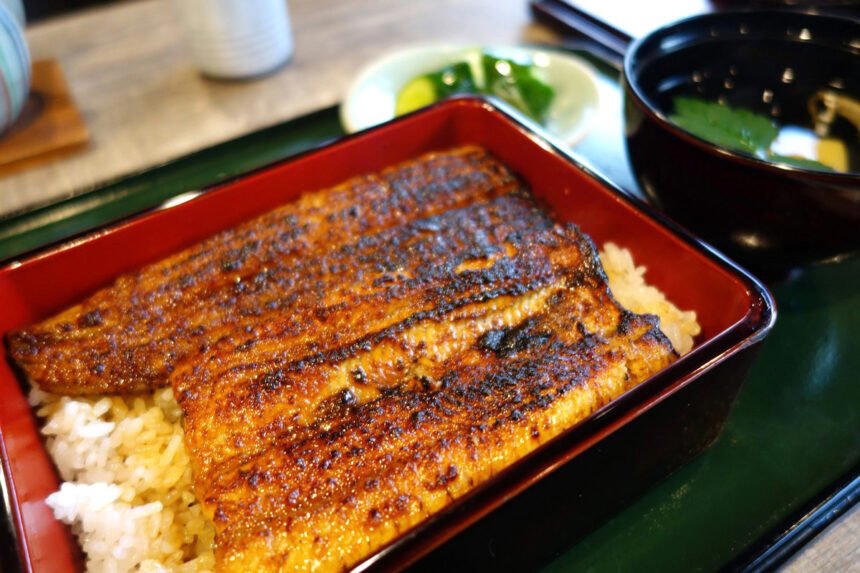
Eel in the Mountains: Nagano's Freshwater Dining Tradition
Landlocked prefectures in Japan developed their food cultures around what the rivers and lakes provided, and Nagano is among the clearest examples of that logic still functioning at the table. While coastal cities built their reputations on tuna, sea urchin, and shellfish, the mountain interior turned to freshwater species: carp, char, trout, and above all, unagi. Eel has been eaten in Japan for well over a millennium, with culinary records placing it in the diet of working people long before it became a formal restaurant category. In Nagano, that history never became nostalgia — it remained a living dining practice, and Unagi Honda is one of the restaurants that keeps it operating at a serious level.
The broader unagi tradition in Japan separates into two preparation schools: Kanto-style, which steams the eel before grilling to produce a softer, more yielding texture, and Kansai-style, which goes directly to the flame for a firmer, more pronounced char. Nagano, positioned between the two cultural zones, has historically absorbed both influences, and specialist restaurants in the prefecture have long navigated that division according to their own preferences. Understanding which tradition a restaurant is working in tells you more about what to expect at the table than any single dish description could.
What Unagi Honda Represents in Nagano's Dining Scene
Nagano city's restaurant scene is more varied than its mountain-resort reputation suggests. The city has a working food culture that includes Italian — represented by Fogliolina della Porta Fortuna, which has earned consistent recognition, Sichuan Chinese at Chinese Sai Muen, and resort-anchored haute cuisine at Bleston Court Yukawatan. Within that mix, specialist eel restaurants occupy a distinct tier: they are not multi-course kaiseki operations, nor casual izakayas. They are format-specific, often family-operated businesses built around a single ingredient and the accumulated skill of preparing it correctly, day after day, for decades.
That format has its own demands. Unagi is a seasonal product, with the traditional peak consumption day, Doyo no Ushi no Hi, the midsummer day of the ox on the lunar calendar, driving enormous demand across Japan each July or August. But serious eel restaurants work the ingredient across a longer arc, adjusting sourcing and preparation as river conditions and aquaculture supply shift through the year. The discipline of a specialist restaurant is precisely that it cannot hide behind menu diversity: the eel has to be right, every service.
For context on how single-ingredient specialization operates at the highest level elsewhere in Japan, Harutaka in Tokyo demonstrates the same principle applied to sushi, while Gion Sasaki in Kyoto shows how focused seasonal Japanese cooking builds authority over time. Nagano's freshwater tradition is a different register entirely, but the underlying logic, depth through focus rather than breadth, is shared.
The Cultural Weight of Unaju and Hitsumabushi
The two primary formats for eel at a specialist restaurant are unaju, in which grilled eel is laid over rice in a lacquered box, and hitsumabushi, the Nagoya-area tradition of serving eel over rice in a wooden tub and eating it in three progressively modified ways: plain, with condiments, then as a loose ochazuke with dashi poured over the remaining portion. Both formats preserve the grain-and-eel pairing that made the dish a sustaining meal for working populations in Edo-period Japan, when eel was considered a stamina food, a belief that persists in the cultural framing of midsummer consumption.
The lacquer box of unaju carries its own aesthetic weight. The presentation is formal without being precious, rooted in a craft tradition that treats the vessel as part of the meal rather than mere packaging. Specialist restaurants that take this seriously attend to the temperature of the rice, the balance of tare sauce applied during grilling, and the resting time of the eel after it comes off the flame. These are not decorative concerns, they determine the texture and flavor integration that separates a well-executed unaju from a perfunctory one.
Nagano's Place in the Wider Japanese Dining Map
Visitors approaching Nagano through its restaurant scene often arrive with expectations shaped by the city's Olympic legacy and ski-resort profile. The dining reality is more layered. Alongside Unagi Honda and the city's other specialists, the broader prefecture has produced serious cooking across Japanese and imported formats, Aoitou and ca'enne each represent different angles on the city's contemporary food culture.
Japan's regional dining map rewards lateral movement. The concentrated critical attention that falls on Tokyo, Kyoto, and Osaka, cities represented at the highest award levels by restaurants like HAJIME in Osaka, Goh in Fukuoka, and akordu in Nara, leaves significant specialist operations in secondary cities less scrutinized but no less practiced. The freshwater eel tradition is one of the clearest examples of this pattern. It does not require metropolitan validation to function, and in Nagano it has continued developing on its own terms regardless of how much coverage it receives from the national food press.
Comparable freshwater and regional Japanese specialist traditions can be found at restaurants in Nanao, Takashima, and Nishikawa Machi, all operating in Japan's less-covered inland and coastal prefectural cities, away from the benchmarked restaurant circuits. For readers interested in how single-product mastery translates across categories and geographies, the contrast with protein-focused operations like Birdland in Sakai or highly technical tasting-menu formats like Le Bernardin in New York City and Atomix in New York City is instructive. The commitment to a narrow ingredient range is globally distributed across serious cooking; what changes is the cultural framework around it.
Planning a Visit
Nagano is accessible by Shinkansen from Tokyo in under two hours on the Hokuriku or Nagano Shinkansen lines, placing the city within practical day-trip range from the capital, though overnight stays allow access to the wider prefectural dining scene. Specialist eel restaurants in Japan typically operate lunch and dinner services with a gap in between, and weekend lunches at well-regarded establishments tend to fill quickly, arriving early or calling ahead when possible applies as a general practice across this restaurant category. Specific hours, booking methods, and pricing for Unagi Honda were not available at the time of publication; the full Nagano restaurants guide on EP Club contains updated practical information alongside the wider city context. For seasonal timing, the midsummer eel-consumption period in late July or early August brings peak demand to specialist restaurants across Japan, and planning around that window, either before or after the peak day, will generally yield a more measured service experience.
Frequently asked questions
How does unagi at a Nagano mountain restaurant differ from eel served in Tokyo or Osaka?
Nagano's landlocked position means its eel tradition developed around freshwater river systems rather than the coastal supply chains that feed major urban eel restaurants. The preparation style, whether Kanto-style steamed-then-grilled or Kansai-style grilled direct, can reflect regional technique choices independent of geography, but the sourcing context in a mountain prefecture like Nagano carries its own culinary logic. Unagi Honda operates within that inland tradition, which differs meaningfully from the high-volume eel counters found in Tokyo's Asakusa or Osaka's Dotonbori districts.
What's the signature dish at Unagi Honda?
Unagi Honda focuses on freshwater eel, the defining protein of Nagano's river-fed food tradition. The two primary formats at a specialist like this are unaju, grilled eel served over rice in a lacquered box, and hitsumabushi, the Nagoya-origin style eaten in stages. Confirm current menu offerings directly with the venue, as format availability can vary by season.
What's the best way to book Unagi Honda?
Specialist eel restaurants in Japan, particularly those operating in smaller city dining scenes like Nagano, often fill seats quickly for lunch service. check the venue's official channels to confirm reservation availability, as no online booking platform is currently listed. Visiting on a weekday reduces competition for tables.
What is Unagi Honda known for?
Unagi Honda is a freshwater eel specialist in Nagano city, a landlocked prefecture where river and lake produce shaped the local food culture over centuries. The restaurant represents a dining tradition distinct from coastal Japan, where eel sourced from mountain river systems replaces the marine catches associated with coastal prefectures. It sits within a Nagano city food scene broader than the ski-resort reputation suggests.
How does Unagi Honda handle allergies?
Eel-focused restaurants in Japan typically operate short menus built around a single protein, which simplifies allergy considerations around seafood but limits substitution options.
Is Unagi Honda worth it?
For anyone approaching Nagano through its food culture rather than its ski resorts, a specialist eel restaurant gives direct access to a dining tradition rooted in the prefecture's geography. Nagano is under two hours from Tokyo by Shinkansen on the Hokuriku or Nagano lines, making a dedicated visit logistically straightforward.
Pricing, Compared
Comparable venues nearby, for context on price, style, and recognition.
| Venue | Cuisine | Price | Awards | Notes |
|---|---|---|---|---|
| Unagi HondaThis venue — the venue you are viewing | Traditional Japanese Unagi (Eel) Kabayaki | $30–50 | Tabelog 100 #60 | Not listed |
| Mumyo | Modern Japanese Kaiseki | $150–200 | Tabelog Bronze #293 | Chino, Modern Japanese Kaiseki |
| 蕎麦処 そばの実 | Togakushi Soba | $20–30 | Tabelog 100 #53 | Togakushi, Togakushi Handmade Soba |
| Nagano Meijitei (明治亭) | Nagano Sauce Katsudon | $10–20 | Not listed | Nagano Station, Nagano Sauce Katsu-don Specialist |
| Suki Tei Honten | Traditional Sukiyaki & Shabu-Shabu with Shinshu Beef | $50–100 | Tabelog 100 #14 | near Nagano Prefectural Office, Traditional Sukiyaki & Shabu-Shabu with Shinshu Beef |
| 蕎麦 ふじおか | Handmade Soba with Seasonal Vegetables | $30–50 | Tabelog 100 #77 | Iizuna Kogen, Handmade Soba with Seasonal Vegetables |
Recognition history
Dated appearances from independent guides and award organizations, with the underlying list record or original source where available.
Tabelog 100 #60 · No. 60
Tabelog · Tabelog 100 - Unagi - 2024
Continue exploring
More in Nagano
Restaurants in Nagano
Browse all →
Hotels in Nagano
Browse all →
Wineries in Nagano
Browse all →
Details
- Classic
- Cozy
- Intimate
- Family
- Celebration
- Special Occasion
- Private Dining
- Sake Program
- A La Carte
Cozy traditional atmosphere with private rooms suitable for families and intimate gatherings.