
Reconnaissance places Nagoya’s French dining in a compact, ritual-led register: fish-focused cooking, wine and sake alongside the meal, and a room small enough for pacing to matter. Its selection for Tabelog French EAST “Tabelog 100” in 2025, with earlier selections in 2023 and 2021, gives it a clear signal beyond local word of mouth.
Pearl is the En Primeur Club membership app — saves, bookings, and concierge access live there. Same editors, same standards.
- Address
- 愛知県名古屋市中区大井町1-24 ヴィークタワー名古屋東別院 1F
- Phone
- +81523395678
- Website
- reconnaissance-nagoya.com
 Saves & bookings on Pearl
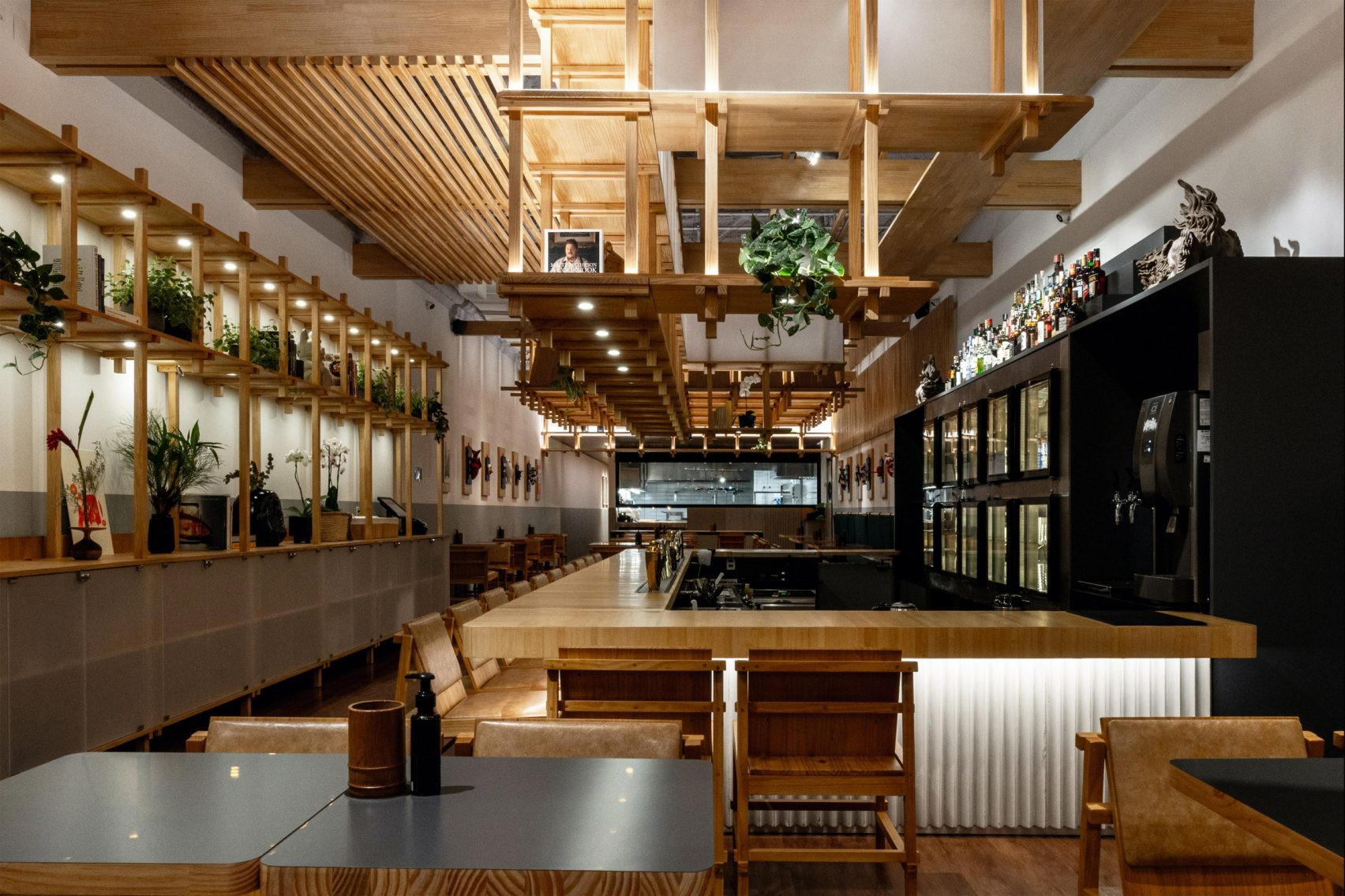
A small French dining room changes dinner’s rhythm. With a short run of counter seats and surrounding tables, the meal cannot hide behind scale: timing, plate sequence, glassware, and the quiet negotiation between kitchen and room become the event. In Nagoya, where restaurant culture often splits between everyday craft and destination dining, this format asks for slower attention. Reconnaissance sits in that register, closer to a composed evening than a casual stop between stations.
The category matters. French dining in Japan has long been less imitation than translation: narrowed sauces, calibrated portions, seafood brought forward, and wine lists expanded to sit beside sake rather than compete with it. The strongest rooms here are not reproducing Paris. They use French structure for Japanese seasonality, service tempo, and the local expectation that precision should feel calm, not theatrical.
Fish-led French dining with a Japanese sense of pacing
The restaurant is listed in the French and Innovative categories, usually signaling a kitchen working beyond brasserie grammar without abandoning French technique. Its food profile is clear: fish is a priority. That places the meal in a familiar Japanese fine-dining pattern, where seafood often carries the sequence’s emotional center and meat plays a more measured role.
That distinction helps readers place it in a Nagoya itinerary. This is not the quick, low-cost side of the city’s eating culture represented by Kanmidokoro Shibafuku, Menya Kitara, THE RISCO, or Fujimi Tei Honten, where the appeal is tighter and more casual. It sits in the small-format dining tier, where meal length, course order, and drinks conversation all shape the value calculation.
The recognition is specific rather than generic. Selection for Tabelog French EAST “Tabelog 100” in 2025, after appearances in 2023 and 2021, puts Reconnaissance in a curated regional field for French restaurants, not a broad city popularity list. A Tabelog score of 3.81 adds another public signal, though in Japan such numbers are best read with restraint: movement above the mid-3 range in specialist categories tends to indicate a serious following, not mass-market consensus.
For deeper city context, Our full Nagoya restaurants guide better maps how rooms like this sit beside the city’s everyday counters and dining rooms. Nearby EP Club entries such as 1022, 451, Aaron, Alan., and All Day Dining Montmartre show the variety of Nagoya’s dining register, from structured meals to broader hotel-adjacent formats.
The ritual is in the scale, not the spectacle
Small rooms make etiquette visible. The 15-seat layout, including counter seating and tables, creates a meal where late arrivals, long pauses, and uneven drinking pace affect the room. That is not a warning; it is the point. Japanese fine dining rewards diners who understand the evening as coordinated service, not private performance. Arrive settled, keep the table rhythm clean, and let the kitchen’s sequence work.
The drinks structure strengthens that ritual. Wine is part of the setup, but sake and cocktails are also listed, telling a more Japanese story than a rigidly European pairing model. BYO is available, with bottle wine from JPY 3,500, useful for diners with a cellar bottle in mind. It also changes the table’s tone: this can be a celebratory dinner without forcing the evening through one beverage lane.
The restaurant opened in 2013, giving it a longer local arc than many contemporary tasting-menu projects. Longevity matters in this category because Japanese French dining has shifted over the past decade: less formality for its own sake, more seafood fluency, and more comfort with sake as a serious pairing option. A room that has stayed relevant through those changes has usually learned to keep technique disciplined without freezing the meal in an older luxury model.
Service details point to occasions rather than spectacle. Birthday plates and private use are available, while private rooms are not. That makes the restaurant better suited to a contained celebration among people comfortable sharing a small dining room’s atmosphere. Families are possible within limits, with elementary-school-age children and above accepted; this is not a toddler-friendly format.
How it fits into a Nagoya dining plan
Nagoya rewards travelers who do not reduce the city to one meal type. The same trip can move from casual local staples to precise French-influenced cooking, from station-area efficiency to quieter rooms needing a planned evening. Reconnaissance is for the latter: a meal chosen for pacing, drink conversation, and a fish-forward kitchen, not quick turnover.
Logistically, the restaurant is tied closely to Higashi Betsuin, with public transport doing more work than parking. There is no contracted parking lot, though coin parking is available nearby. Reservations are sensible for a room of this size, and Sunday closure means weekend planning needs care. The end-of-year closure from December 31 to January 6 also matters for travelers building a New Year itinerary in Japan, when many serious restaurants run altered schedules.
For the wider trip, pair this dinner with planning across Our full Nagoya hotels guide, Our full Nagoya bars guide, Our full Nagoya wineries guide, and Our full Nagoya experiences guide. Readers extending through Japan can compare category shifts across -Grilled beef Sukiyaki- KAMAKURA TANUKIAN 鎌倉 たぬき庵 in Kamakura. 鮪と炭火焼き うお炭 秋葉原店 in Tokyo.cafe in Osaka.know in Kumamoto, (Shoku) Vietnam in Kawasaki, and [Curry Senmon Ten] Maruyama Kyoju. in Sapporo. Outside Japan, Jōdo Saké Bar in Los Angeles and Onigiri Time in Pasadena show how Japanese drinking and casual-food formats translate abroad.
The editorial case is clear: choose this for a compact French meal in Nagoya where seafood emphasis, sake and wine flexibility, and a recognized Tabelog track record carry the argument. It is not a room for improvising dinner at the last minute; it is for diners who understand that the meal’s ceremony is built from restraint, sequence, and timing.
Category Peers
Comparable venues for context, by category and price tier.
| Venue | Cuisine | Price | Notes |
|---|---|---|---|
| ReconnaissanceThis venue — the venue you are viewing | Natural French, fully customized course dining | $$$ | Not listed |
| LE PIGNON | Seasonal French fine dining in a traditional Japanese courtyard house | $$$ | Higashi |
| CORK | Modern French restaurant | $$$ | Chikusa |
| With | Seasonal French in Nagoya | $$$ | Meitō |
| ビストロ ダイア | Neo French Bistro | $$$ | Shinei |
| L'atelier K | French Teppanyaki | $$$ | Higashi |
Recognition history
Dated appearances from independent guides and award organizations, with the underlying list record or original source where available.
Tabelog 100 #100 · No. 100
Tabelog · Tabelog 100 - French - EAST - 2025
Continue exploring
More in Nagoya
Restaurants in Nagoya
Browse all →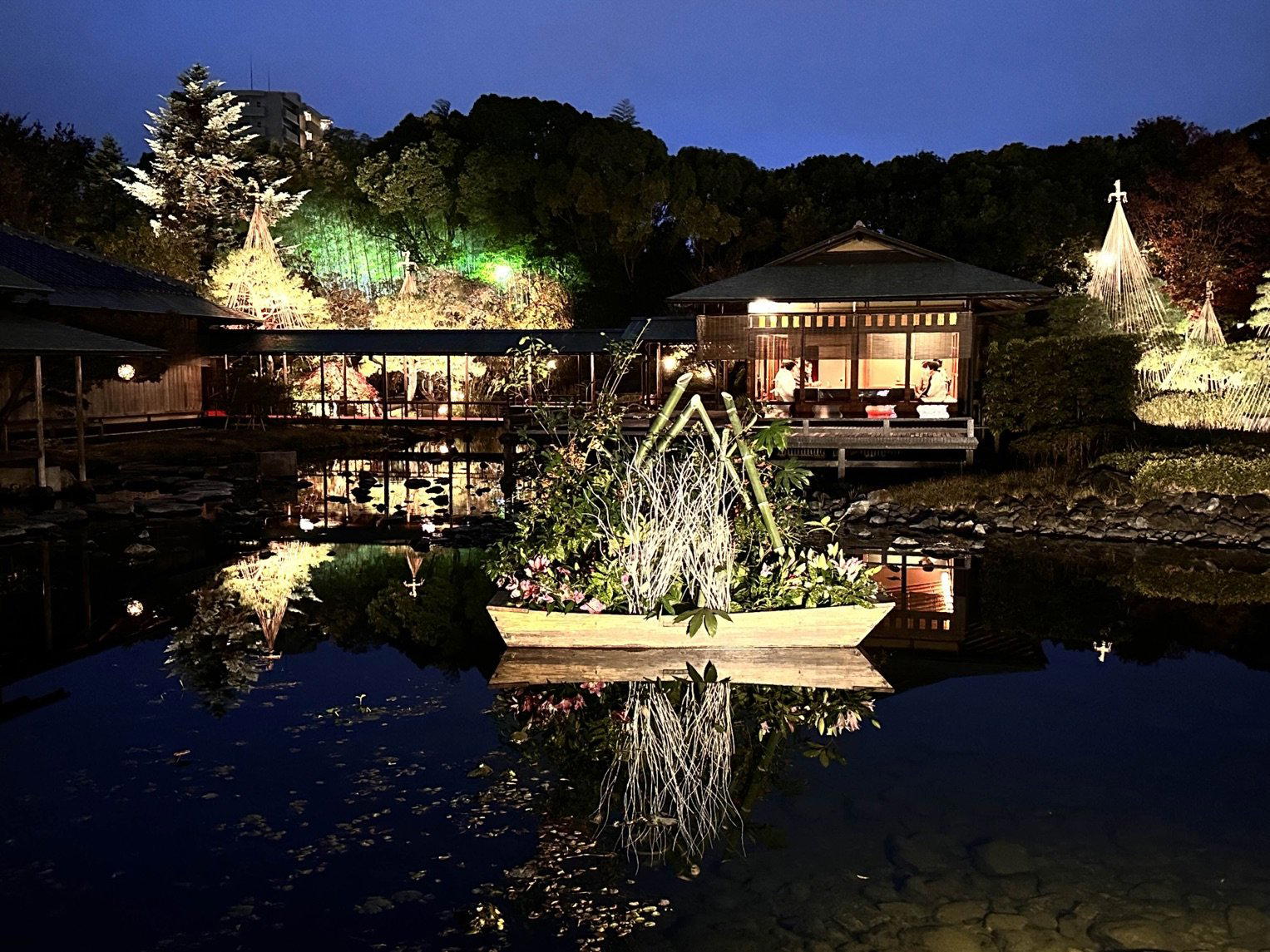
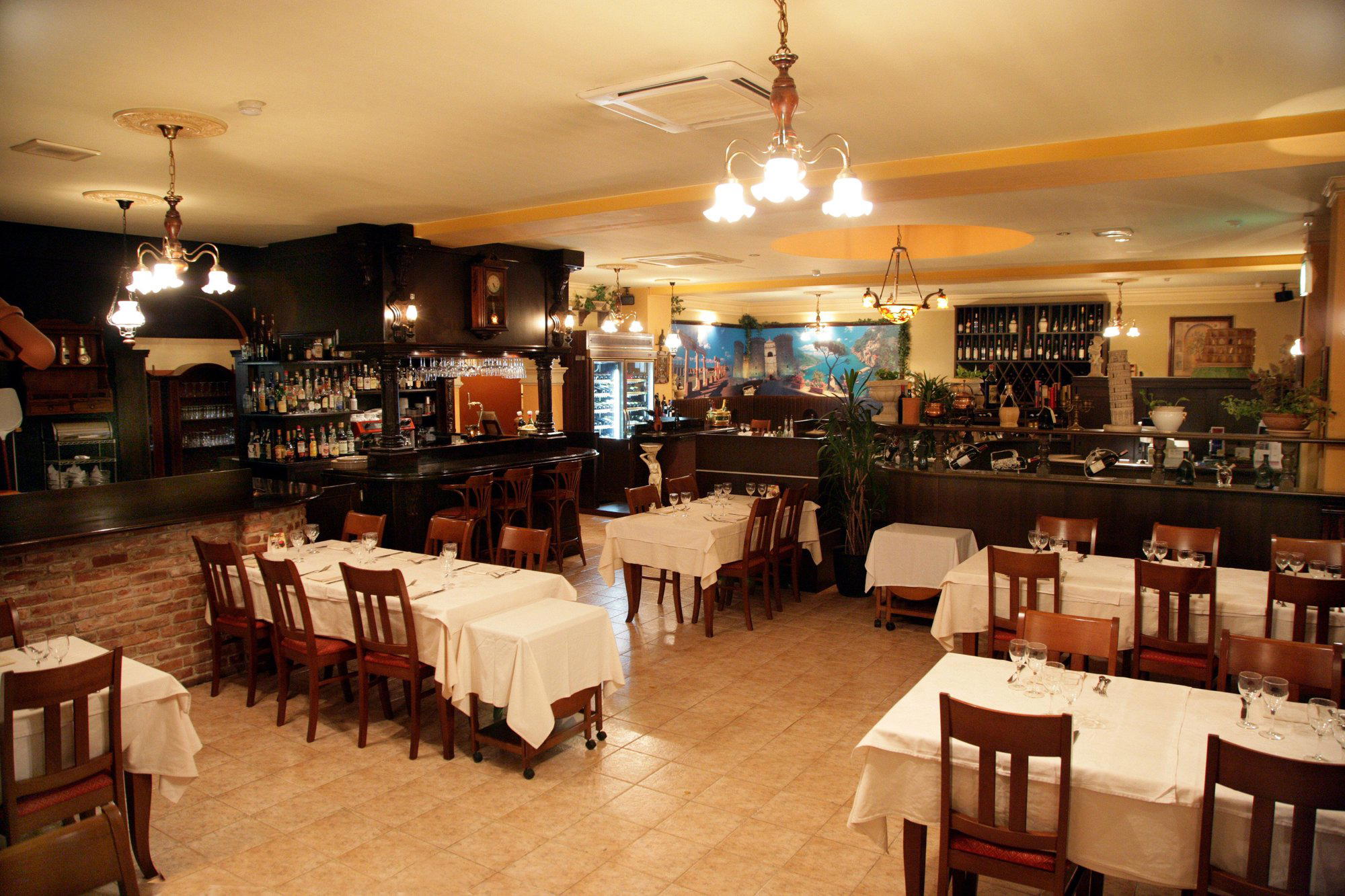
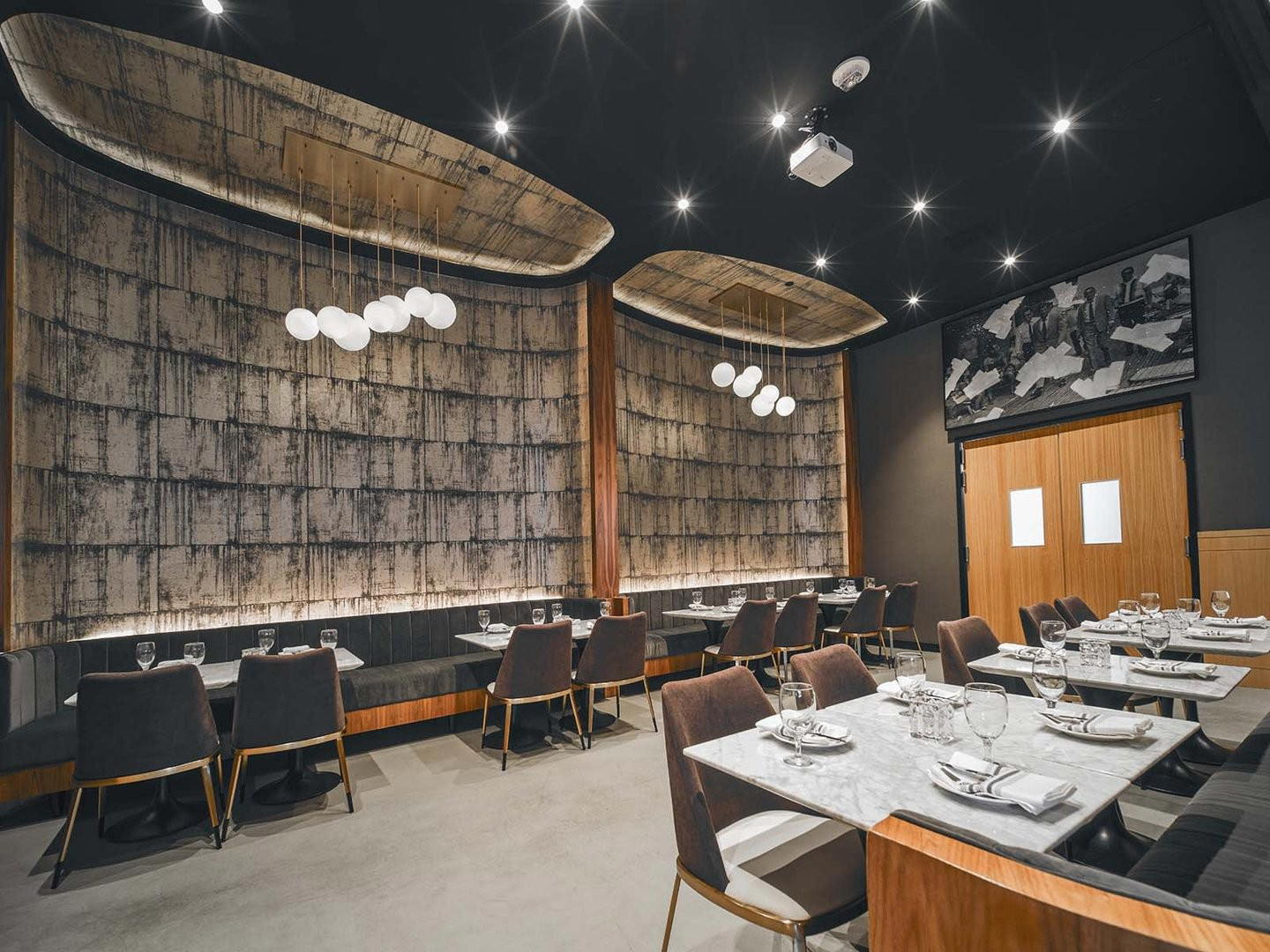
At a Glance
- Cozy
- Elegant
- Intimate
- Date Night
- Special Occasion
- Business Dinner
- Celebration
- Group Dining
- Standalone
- Wine Cellar
- Extensive Wine List
- Natural Wine
- Farm To Table
- Organic
- Local Sourcing
- Natural Wine
An intimate, elegant neighborhood French spot in Naka Ward with a calm, homely atmosphere, where personalized service and thoughtfully plated seasonal dishes create a relaxed but refined dining experience.