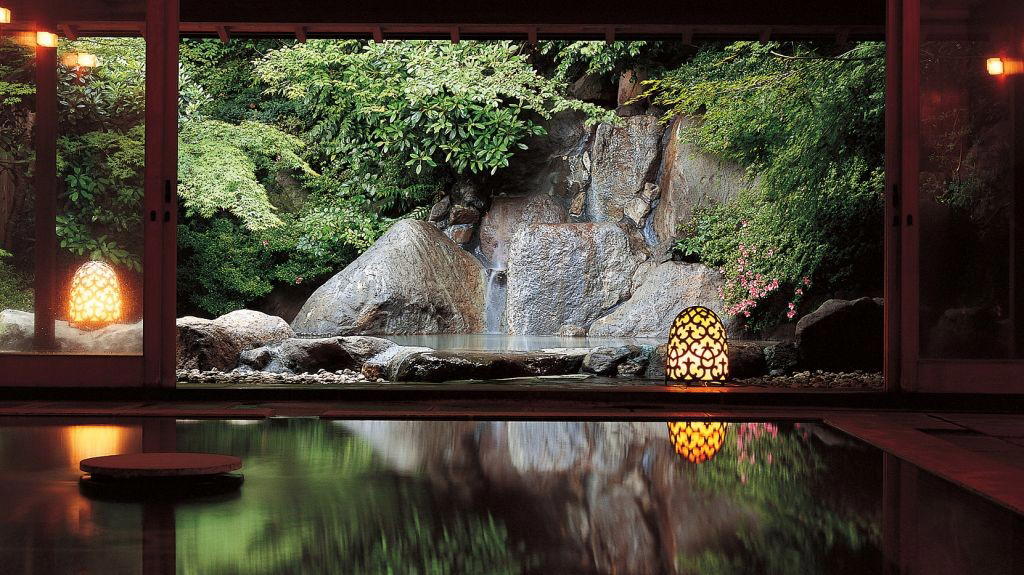
Our verdict
二代目 笹楽 sits in Fujisawa's quieter residential edge, representing the kind of generational Japanese dining that Kanagawa's coastal towns have quietly preserved while Tokyo grew louder. The kitchen draws on local and regional sourcing traditions rooted in the Shonan coast and surrounding agricultural hinterland. For travelers moving beyond the capital's well-mapped restaurant circuit, it offers a grounded alternative to the prefecture's more publicized venues.

Pearl is the En Primeur Club membership app, where members save venues, book tables and use the concierge.
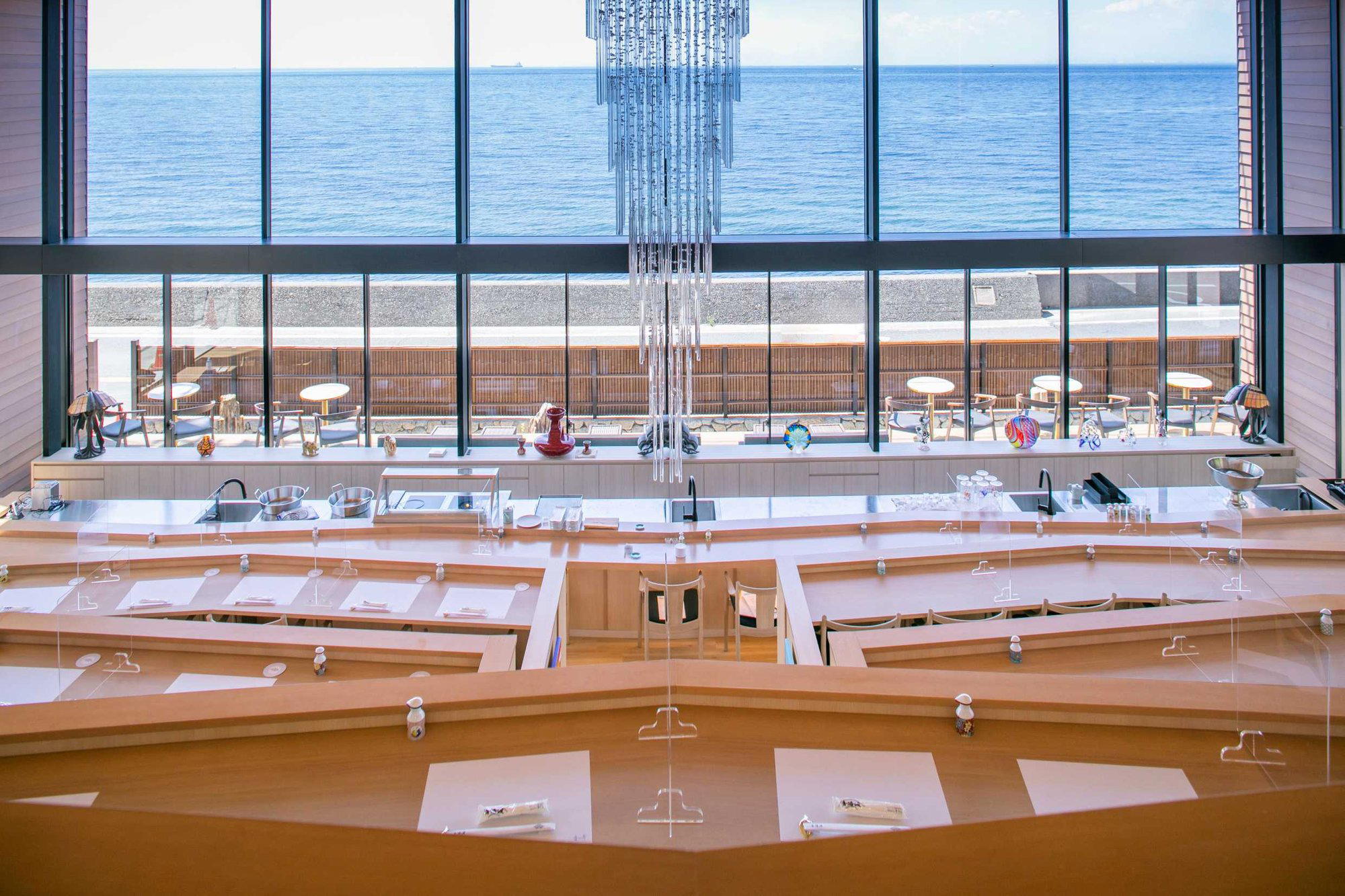
Fujisawa and the Generational Restaurant Tradition
Along the Shonan coast, where Kanagawa Prefecture meets the Pacific in a stretch of beach towns more associated with surf culture than serious dining, a quieter restaurant tradition has persisted. It is built not on celebrity chefs or tasting-menu theater but on family-run establishments that pass both technique and supplier relationships across generations. 二代目 笹楽 (Nidaime Sasaraku) fits within this pattern: a second-generation operation in Fujisawa's Kugenumatachibana district, carrying forward the sourcing connections and kitchen discipline that first-generation houses spend decades building. For context on how this fits into the broader Fujisawa dining picture, see our full Fujisawa restaurants guide.
The address, Kugenumatachibana, a residential pocket south of the Odakyu Enoshima Line, places this restaurant away from the tourist cluster around Enoshima Island and Katase-Enoshima station. That distance from foot traffic is itself a signal. Restaurants that survive in residential Fujisawa do so on repeat local custom, which tends to enforce a standard that tourist-facing venues do not always maintain.
Ingredient Sourcing Along the Shonan Coast
The Shonan coastline sits within reach of some of Kanagawa's most productive fishing grounds, and the agricultural land between the coast and the Tanzawa mountains supplies vegetables and proteins that do not routinely appear on Tokyo restaurant menus. Second-generation restaurants in this corridor tend to hold long-established relationships with local fish markets and smaller farms, relationships that were built by the founding generation and represent a form of supply-chain capital that cannot be replicated quickly by newer operations.
The comparison is not with the high-end kaiseki counters of central Tokyo, operations like Harutaka in Tokyo, but with a category of regional Japanese dining that treats locality as a structural principle rather than a marketing claim. The same logic applies to restaurants like akordu in Nara and Goh in Fukuoka, each of which anchors its identity in the specific agricultural and fishing character of its region rather than deferring to the national ingredient hierarchy centered on Tsukiji and its successors.
Across Japan's regional restaurant scene, the second-generation moment is often when sourcing relationships mature. The founding chef builds the supplier network; the inheriting generation refines how those ingredients are deployed and deepens the relationships further. This is a different model from the training-pedigree narrative that dominates coverage of Tokyo fine dining, and it tends to produce cooking that reads as settled rather than ambitious, which is not a weakness in this context.
What the Setting Communicates
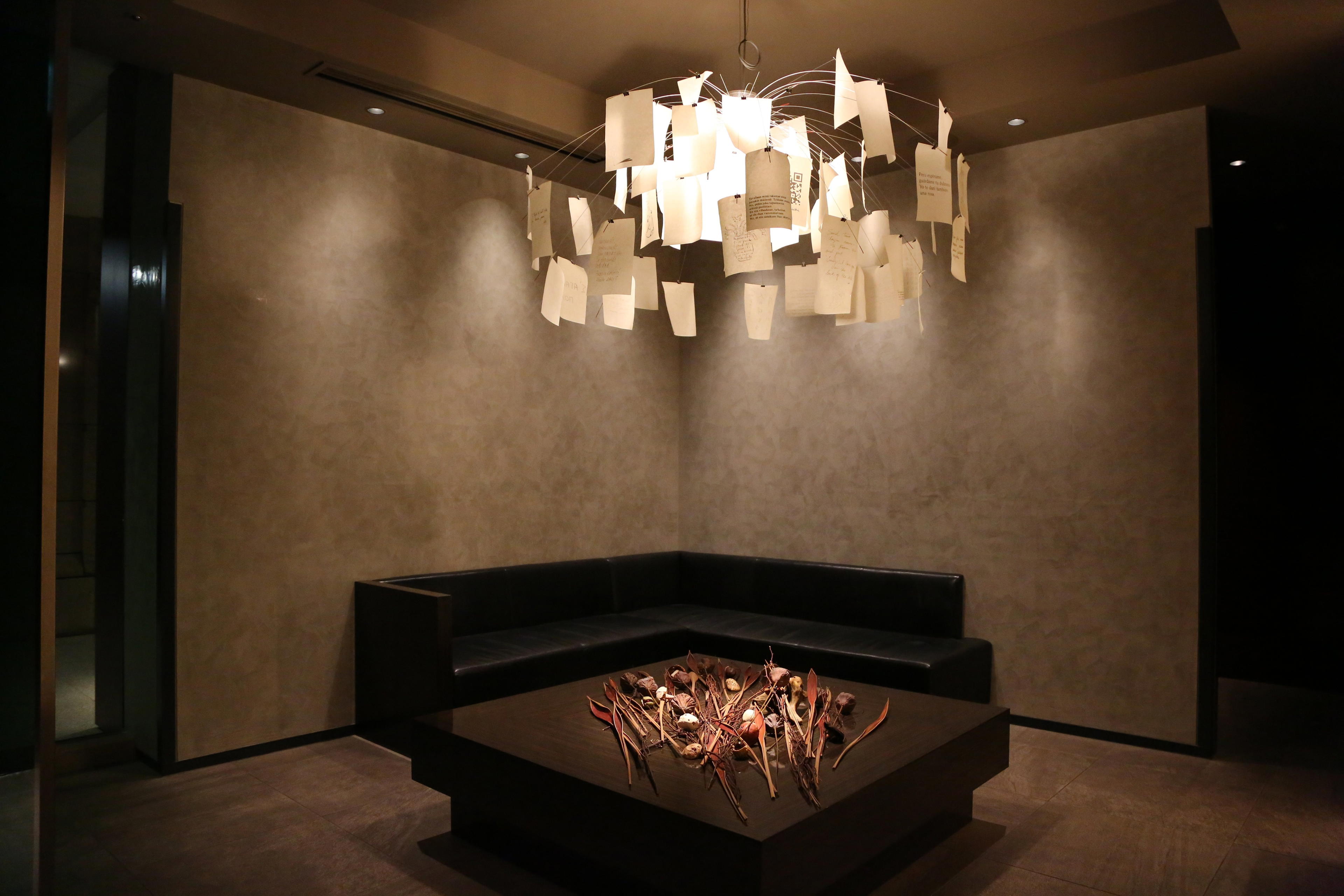
Approaching 二代目 笹楽 along the low-rise streets of Kugenumatachibana, the physical environment offers few of the theatrical signals associated with destination dining. There are no handwritten reservation cards in a window, no queue at the door. The building occupies a modest footprint on a residential street, which is consistent with the neighborhood's character as a lived-in Fujisawa suburb rather than a dining destination.
This physical quietness is a feature of a category that includes some of Japan's more considered regional kitchens. affetto akita in Akita, Aji Arai in Oita, and Amaki in Aichi all operate in a register where the setting signals seriousness through restraint rather than spectacle. The same applies here. That said, travelers expecting the production-level dining environment of HAJIME in Osaka or the highly structured formats of Gion Sasaki in Kyoto will find a different proposition entirely.
Fujisawa in the Kanagawa Restaurant Context
Kanagawa Prefecture has a more developed restaurant scene than its position in Tokyo's shadow suggests. Yokohama's Chinatown and waterfront dining strip are well documented. Less covered is the coastal corridor from Kamakura through Fujisawa to Chigasaki, where smaller operations serve a local population that includes Tokyo commuters with disposable income and strong opinions about where they eat on weekends. anchoa in Kanagawa represents the European-inflected end of that corridor; 二代目 笹楽 sits toward the Japanese tradition end.
Within Fujisawa specifically, the restaurant that has drawn the most outside attention in recent years is Koan, which operates in a more contemporary format. 二代目 笹楽 occupies different ground: it is the kind of establishment that local residents tend to treat as a standing fixture rather than a discovery, which is both a limitation for the visiting food traveler and a reasonable indicator of sustained quality.
For travelers building a broader Japan itinerary around regional dining, the Kanagawa-Shonan corridor connects logically with operations in neighboring prefectures. Amegen in Saga, aki nagao in Sapporo, and Akakichi in Imabari each represent the same generational and regional logic in different geographies. Internationally, the sourcing-first approach has parallels at Le Bernardin in New York City and the community-integrated model of Lazy Bear in San Francisco, though the price tier and format differ considerably.
Planning a Visit
The restaurant's address places it a short distance from Kugenuma-Kaigan station on the Odakyu Enoshima Line, which connects directly with Shinjuku in central Tokyo in under an hour. The Shonan Shinjuku Line also serves the broader Fujisawa area from Tokyo, making a day-trip or evening visit logistically direct from the capital. Second-generation neighborhood restaurants in Kanagawa frequently operate with limited evening seatings and may close on days that do not follow standard industry patterns. Planning around this reality is advisable. For additional operations in the area worth combining with a visit, Ajidocoro in Yubari District and Abon in Ashiya reflect a similar generational dining philosophy in their respective regions.
Frequently asked questions
Does 二代目 笹楽 work for a family meal?
The restaurant's location in the low-rise residential streets of Kugenumatachibana, away from the tourist circuits of central Fujisawa, suggests a neighbourhood-rooted setting more suited to unhurried family dining than high-volume turnover venues. The generational nature of the establishment, implied directly by the name '二代目' (second generation), points toward a house-style approach where regulars and returning families are the core audience.
What's 二代目 笑楽's location?
二代目 笑楽 is located at Japan, 〒251-0024 Kanagawa, Fujisawa, Kugenumatachibana, 1 Chome−1−9 S119ビル, Fujisawa.
How would you describe the vibe at 二代目 笹楽?
Kugenumatachibana is a quiet residential quarter of Fujisawa, far removed from the surf-town energy of Enoshima or the commercial density of Shinjuku, where the Odakyu Enoshima Line originates. The '二代目' designation signals continuity, a second-generation operation carrying forward an established house identity rather than redefining itself for trend cycles. Expect a setting where the room communicates experience and routine rather than spectacle.
What's the best thing to order at 二代目 笹楽?
Given the restaurant's position on the Shonan coast, within reach of Kanagawa's productive inshore fishing grounds and the agricultural land toward the Tanzawa foothills, the menu likely draws on seasonal local produce and coastal seafood, though this should be confirmed directly with the venue. Arriving without a fixed agenda and asking what is freshest that day is a reasonable approach in this style of generational Japanese restaurant.
At-a-Glance Comparison
| Venue | Cuisine | Price | Awards | Notes |
|---|---|---|---|---|
| äºä»£ç® ç¬æ¥½This venue (the venue you are viewing) | Not listed | Not listed | Not listed | Not listed |
| HAJIME | Avant-Garde Japanese Fine Dining | $300–500 | 3 Michelin Stars · World's 50 Best #83 | French, Innovative |
| Harutaka | Edo-Style Omakase Sushi | $200–300 | 3 Michelin Stars · World's 50 Best #76 | Sushi |
| L'Effervescence | Modern French with Japanese Influences | $200–300 | 3 Michelin Stars · World's 50 Best #69 | French |
| RyuGin | Modern Kaiseki | $500+ | 3 Michelin Stars · World's 50 Best #41 | Kaiseki, Japanese |
| Crony | Modern French with Japanese Influences | $150–200 | 2 Michelin Stars · World's 50 Best #34 | Innovative, French |
Continue exploring