


Tabelog 100 #43 · World's Best Wine Lists Awards WBWL 2-Star
Our verdict
Koan sits in Kugenumahanazawa, a quiet residential stretch of Fujisawa where the Shonan coast shapes both the pace of life and the logic of local sourcing. The address places it well outside the metropolitan dining circuit, in a neighbourhood where proximity to Sagami Bay and the surrounding Kanagawa farmland informs what ends up on the plate. For those tracking Japan's smaller-city dining scene, it belongs on the same itinerary as the region's more discussed addresses.

Pearl is the En Primeur Club membership app, where members save venues, book tables and use the concierge.
Where Shonan Coast Meets the Plate
The stretch of Kanagawa between Fujisawa and the Shonan coastline operates on a different rhythm from the restaurant corridors of Tokyo or Osaka. Kugenumahanazawa, the quiet residential neighbourhood where Koan is addressed, sits close enough to Sagami Bay that the sourcing logic here is shaped as much by the Pacific as by the kitchen. This is a part of greater Kanagawa where smaller, independently operated dining rooms have long relied on the proximity of coastal fisheries and the vegetable farms of the surrounding Shonan hinterland, and where that proximity tends to show up directly in the format and scale of the food on offer.
Japan's dining culture has, over the past two decades, seen a pronounced shift toward what might be called provenance-led restraint: menus built around what a specific geography produces at a specific moment in the calendar, rather than around culinary tradition imposed from elsewhere. Koan sits within that current. Its address in Fujisawa, a city better known to most visitors as a transport corridor to Enoshima and the beach towns of the Shonan coast, puts it at a remove from the infrastructure of metropolitan gastronomy. That remove is, for this type of kitchen, a feature rather than a limitation.
The Sourcing Geography of Shonan
To understand what a kitchen in Kugenumahanazawa is working with, it helps to map the ingredient geography. Sagami Bay supplies a range of coastal fish that rarely travels as far as the Tokyo wholesale markets before losing condition: small bream, local squid, and seasonal shellfish are caught and moved quickly within the regional supply chain. The Shonan agricultural belt, running inland from the coast through the Kanagawa plains, produces a set of vegetables, including local daikon, komatsuna, and seasonal greens, that are available to kitchens here in a condition that metropolitan buyers rarely access.
This is the sourcing context that makes Fujisawa and its surrounding towns interesting to the kind of cook who treats ingredient provenance as a structural decision rather than a marketing point. At peer addresses elsewhere in Japan, the same logic is applied with greater public recognition: HAJIME in Osaka has built a three-Michelin-star reputation partly on the idea that French-influenced technique can be applied to hyper-local Japanese produce, while Goh in Fukuoka treats Kyushu's coastal and agricultural output as both menu and identity. The same reasoning, applied at a quieter scale, is what positions a kitchen in Kugenumahanazawa within a recognisable tradition rather than outside any tradition at all.
Japan's regional dining has also benefited from a broader shift in how the country's food culture is assessed internationally. Addresses outside the Tokyo-Kyoto-Osaka triangle now attract the kind of attention that, a decade ago, would have been reserved for the metropolitan centres. akordu in Nara and affetto akita in Akita represent the same decentralisation: serious kitchens operating in cities that were historically treated as day-trip destinations rather than dining destinations in their own right.
The Neighbourhood and What It Signals
Kugenumahanazawa is a low-density neighbourhood, primarily residential, with the kind of street-level quiet that characterises the parts of Fujisawa that sit between the commercial energy of the station area and the beach activity of Kugenuma and Chigasaki. The address on Route Kugenuma places Koan in an area that requires a deliberate journey: this is not a walk-in location or a venue that benefits from casual foot traffic. That structural fact tends to filter the room toward guests who have sought the place out specifically, which is a common characteristic of the smaller, provenance-focused dining rooms that have emerged across regional Japan over the past decade.
For visitors arriving from Tokyo, Fujisawa is accessible from Shinjuku via the Odakyu line, with journey times typically under an hour to Fujisawa Station. The Enoden line or local taxis then connect to the Kugenuma area. The travel time is real, and it is worth building the visit into a broader Shonan itinerary: the coastline around Enoshima, the beach strips of Kugenuma and Chigasaki, and the quieter residential streets of this part of Kanagawa offer a day that situates the meal within the geography it draws from. For those already in the region, 1000 in Yokohama offers a useful point of comparison within the same coastal Kanagawa corridor.
Accommodation in Fujisawa itself is limited at the premium tier; most visitors arriving for a specific dining purpose tend to base themselves either in Yokohama or in Tokyo and make a dedicated day trip. The full Fujisawa hotels guide covers the available options in the city and immediate surrounds. For those building a broader Kanagawa itinerary, the full Fujisawa restaurants guide maps the city's dining across categories and price points.
Regional Context and Peer Comparisons
The dining pattern that Koan fits into, smaller rooms in coastal or semi-rural settings where sourcing geography determines the menu, has produced some of Japan's more quietly discussed addresses. Aji Arai in Oita applies a similar framework in a Kyushu coastal context, and Ajidocoro in Yubari District demonstrates that even Hokkaido's agricultural interior can support a kitchen with a specific, place-rooted identity. 6 in Okinawa and Abon in Ashiya both show that the format scales across very different geographies within Japan.
What connects these addresses is a shared rejection of the metropolitan sourcing model, where a kitchen draws from national or international wholesale channels regardless of what the local season provides. The Shonan coast gives a kitchen in Fujisawa a different and more specific brief: fish from Sagami Bay, vegetables from the Kanagawa plains, and the discipline to let that brief shape what the menu becomes rather than the other way around.
For context at the highest end of Japan's ingredient-led kitchens, Gion Sasaki in Kyoto and Harutaka in Tokyo represent the metropolitan tier where provenance-focus operates alongside substantial Michelin recognition. The Fujisawa address sits at a different point in the recognition curve, which is partly a function of geography and partly a function of the city's lower profile in the international dining conversation. That may shift as regional Japan continues to attract the kind of critical attention that has, in other contexts, reframed places like Ashiya and Akita.
Visitors curious about how Shonan's ingredient culture compares to international coastal-sourcing traditions might find the contrast with Le Bernardin in New York City or Atomix in New York City instructive: both represent what happens when coastal or Korean-rooted ingredient logic is applied within a highly developed metropolitan critical context. The Fujisawa version of that logic operates with less institutional scaffolding and, for now, a smaller audience. For the full picture of what Fujisawa offers beyond restaurants, the experiences guide, bars guide, and wineries guide cover the city's broader offer.
Frequently asked questions
Is Koan good for families?
Koan is located in Kugenumahanazawa, a low-density residential neighbourhood in Fujisawa with a quiet, unhurried character. That setting tends to suit smaller family groups more than large, high-energy parties.
What kind of setting is Koan?
Koan sits in Kugenumahanazawa, a primarily residential pocket of Fujisawa close to the Shonan coastline in Kanagawa. The neighbourhood operates at a slower pace than Tokyo's dining corridors, and the address on Route Kugenuma reflects the low-density, street-level quietness that defines this part of the city. It reads as a destination for those who seek out smaller, neighbourhood-rooted rooms rather than urban dining districts.
Is Koan worth travelling to from Tokyo for a Shonan coastal dining experience?
Fujisawa is accessible from central Tokyo via the Odakyu or JR Tokaido lines, placing Koan in Kugenumahanazawa within reach for a day or evening trip. The restaurant sits in a coastal Kanagawa neighbourhood where proximity to Sagami Bay defines the ingredient supply available to local kitchens. For visitors specifically seeking smaller, regionally sourced rooms outside the city, this stretch of the Shonan coast offers a different dining register than anything found in Tokyo's main restaurant districts.
What dish is Koan famous for?
What the venue's location does signal is proximity to Sagami Bay, which supplies a range of coastal fish to kitchens in the Kugenumahanazawa area of Fujisawa. Sourcing geography in this part of Kanagawa typically shapes menus around whatever the bay and surrounding region are producing seasonally.
How It Stacks Up
Comparable venues nearby, for context on price, style, and recognition.
| Venue | Cuisine | Price | Awards | Notes |
|---|---|---|---|---|
| KoanThis venue (the venue you are viewing) | Traditional Kaiseki | $150–200 | Tabelog 100 #43 · World's Best Wine Lists Awards WBWL 2-Star | Not listed |
| fu-fu shisen | Organic Pescatarian Sichuan Course Dining | $50–100 | Tabelog 100 #43 | Fujisawa |
| Ramen Jiro Shounan fujisawa ten | Ramen Jiro-style ramen & abura-soba | $10–20 | Tabelog 100 #96 | Fujisawa |
| Chinese Shunsai Chaamaen | Seasonal Chinese with soupless dandan noodles | $50–100 | Tabelog 100 #44 | Fujisawa |
| Iida Bokujo | Dining | Not listed | Tabelog 100 #85 | Fujisawa |
| Sushi Tomi | Traditional Sushi Counter | $50–100 | Tabelog 100 #11 | Fujisawa |
Recognition history
Dated appearances from independent guides and award organizations, with the underlying list record or original source where available.
Opinionated About Dining Top Restaurants in Japan Recommended
Opinionated About Dining
Tabelog 100 #43 · No. 43
Tabelog · Tabelog 100 - Japanese cuisine - EAST - 2025
World's Best Wine Lists Awards WBWL 2-Star
World's Best Wine Lists Awards
Continue exploring
More in Fujisawa
Restaurants in Fujisawa
All restaurants in Fujisawa →

Bars in Fujisawa
Browse all →


Details
- Elegant
- Sophisticated
- Intimate
- Cozy
- Special Occasion
- Sake Program
- Local Sourcing
- Tasting Menu
- Sake
Current opening hours
- Monday
- 11:30 AM–3 PM, 5:30–10 PM
- Tuesday
- 11:30 AM–3 PM, 5:30–10 PM
- Wednesday
- 11:30 AM–3 PM, 5:30–10 PM
- Thursday
- 11:30 AM–3 PM, 5:30–10 PM
- Friday
- 11:30 AM–3 PM, 5:30–10 PM
- Saturday
- 11:30 AM–3 PM, 5:30–10 PM
- Sunday
- 11:30 AM–3 PM, 5:30–10 PM
Hours can change for holidays and private events. Hours as of .
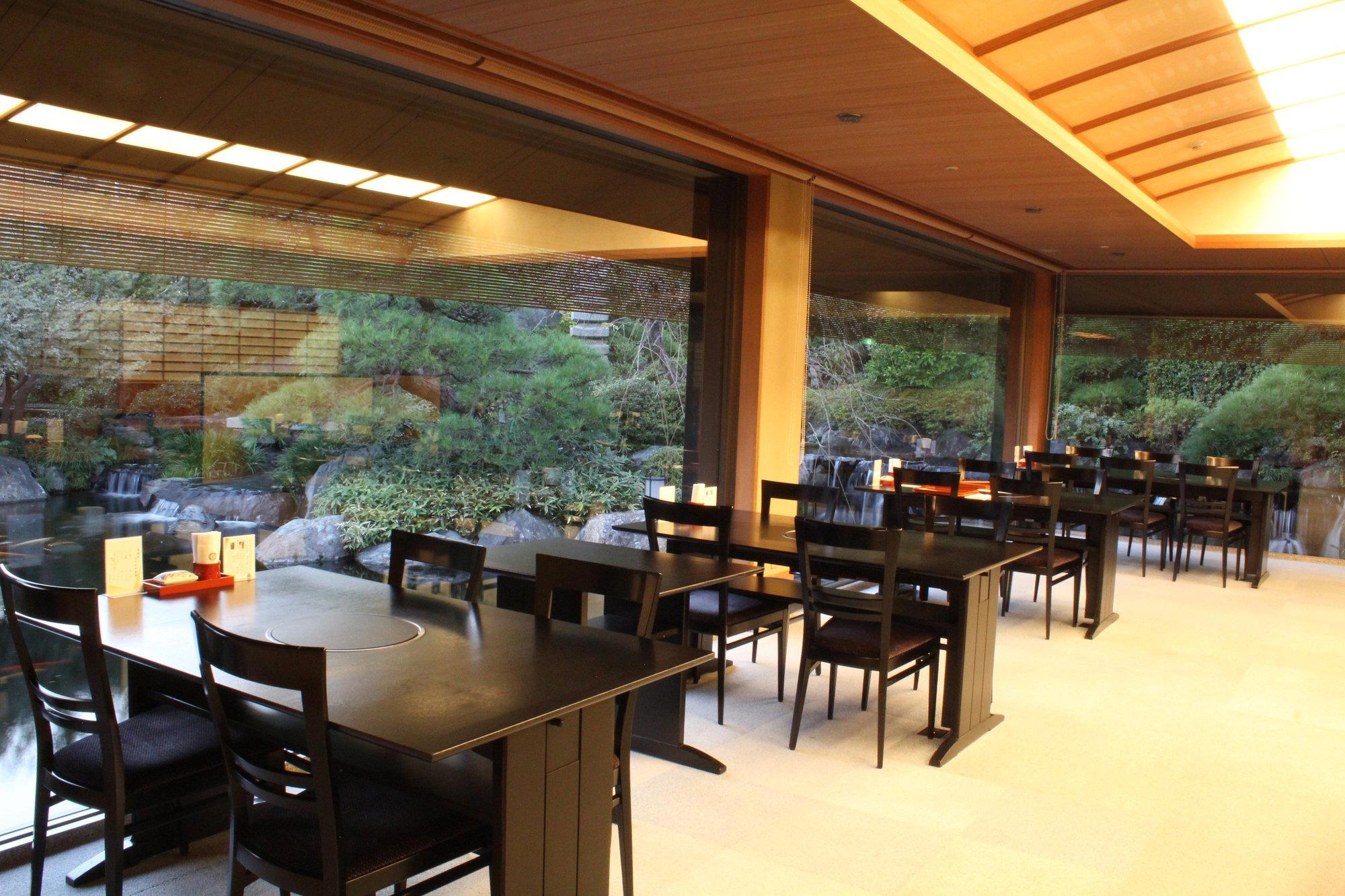
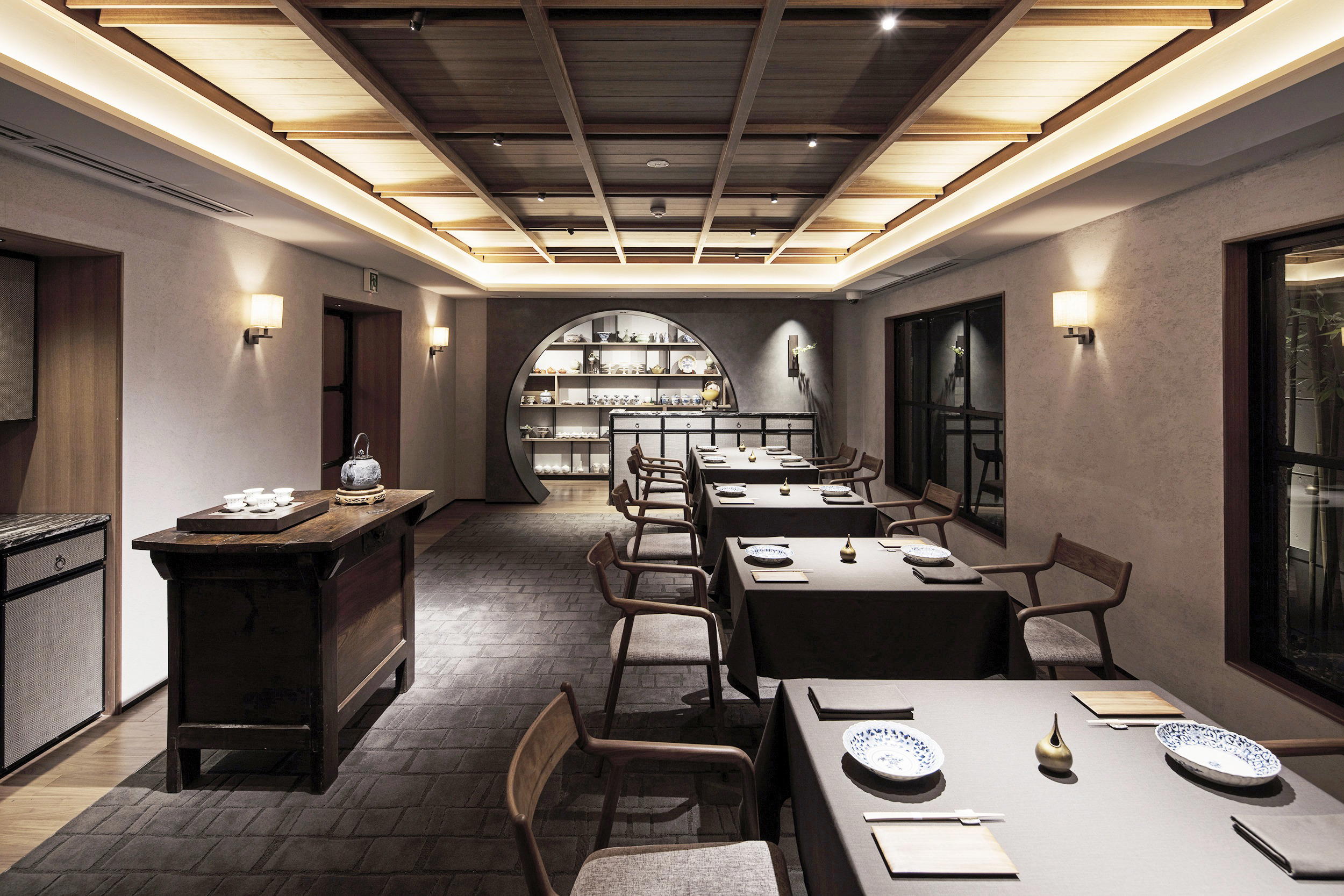
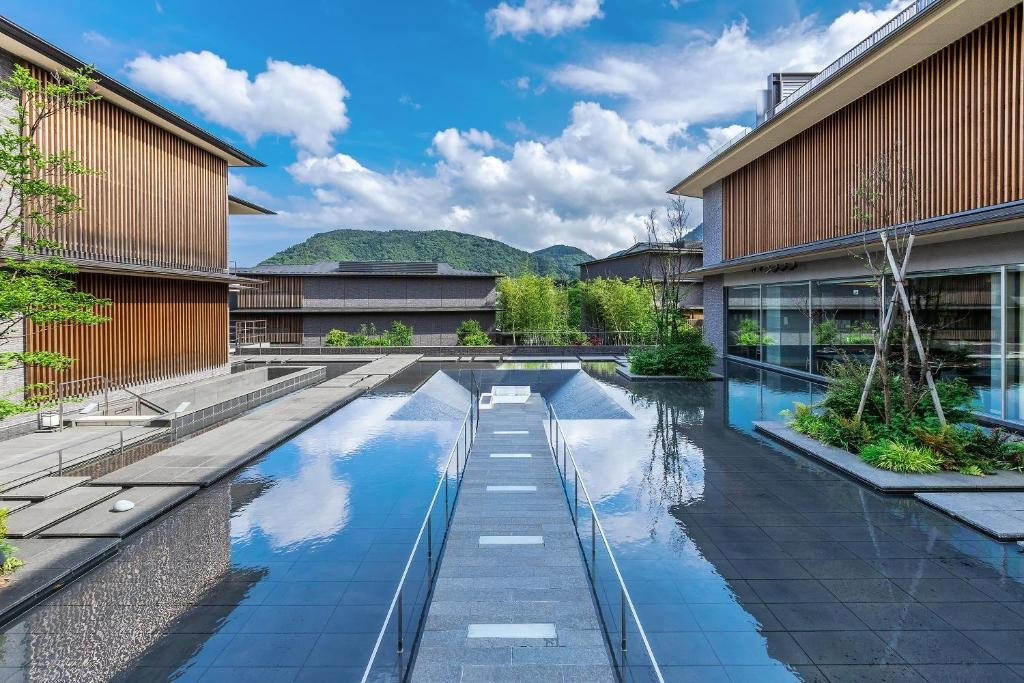
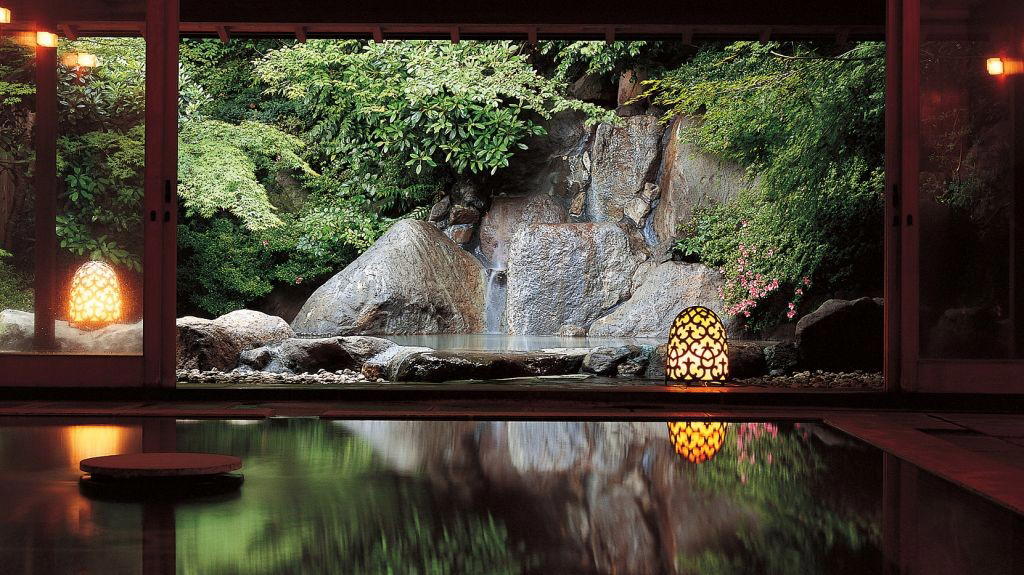
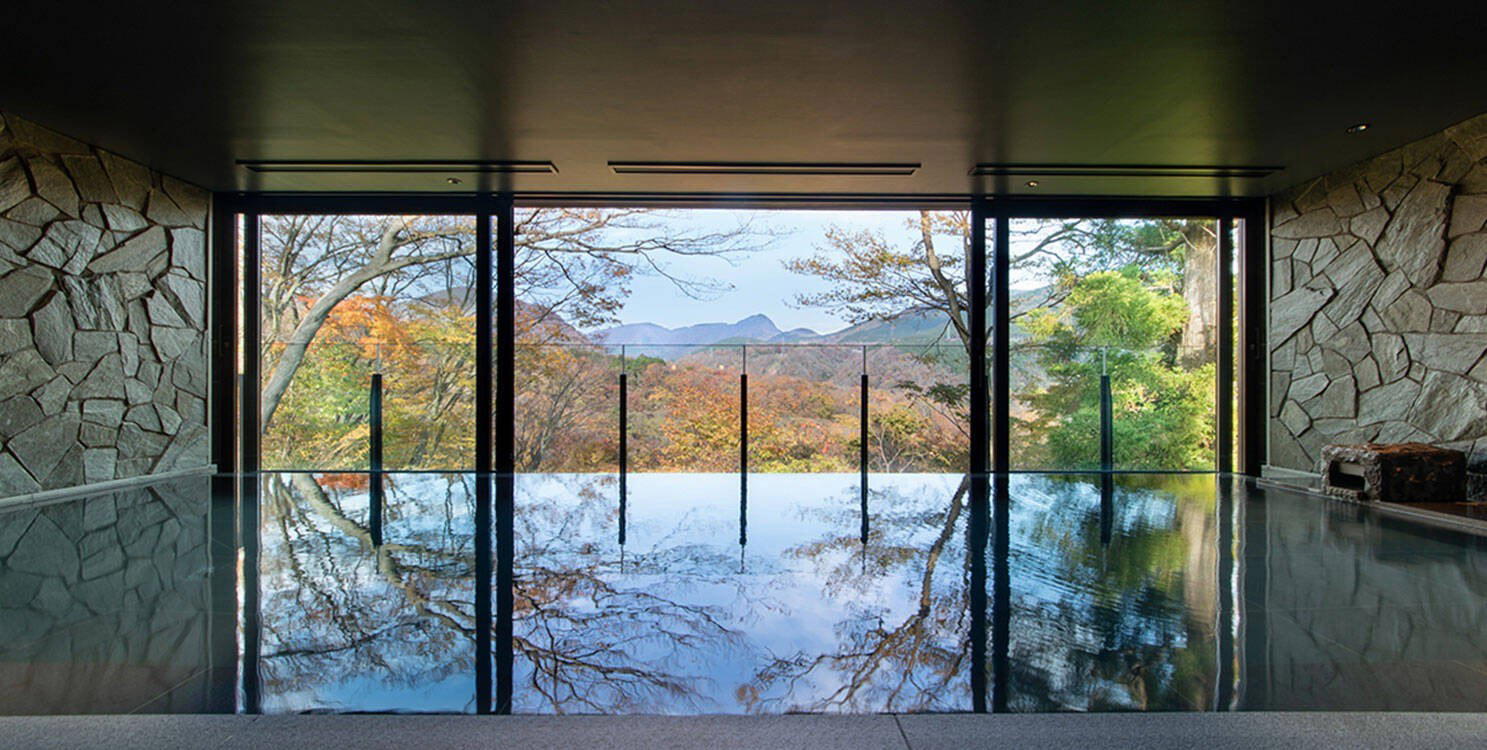
Relaxing space with stylish counter seating, tatami rooms, and sunken seating, featuring traditional Japanese hospitality and graceful service.