
1 Michelin Key
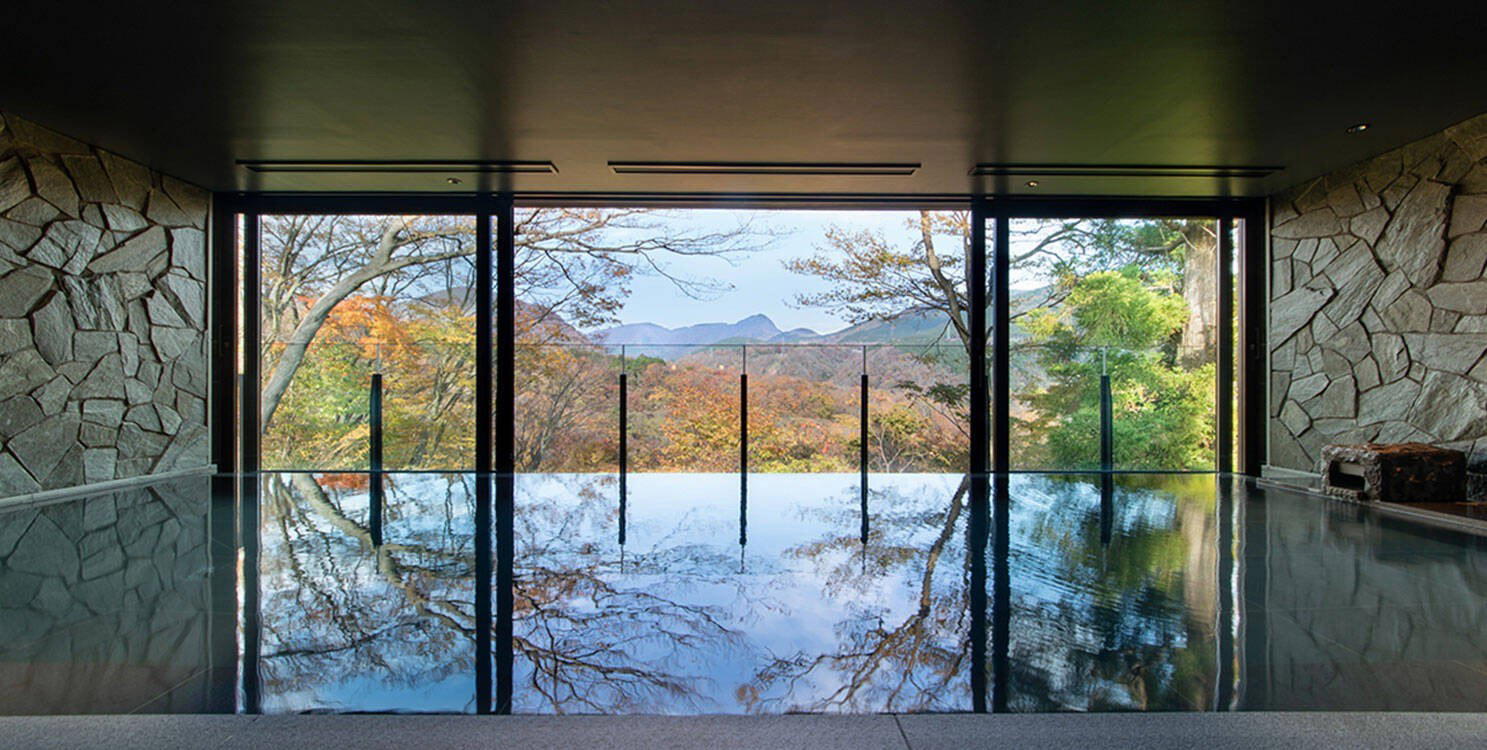
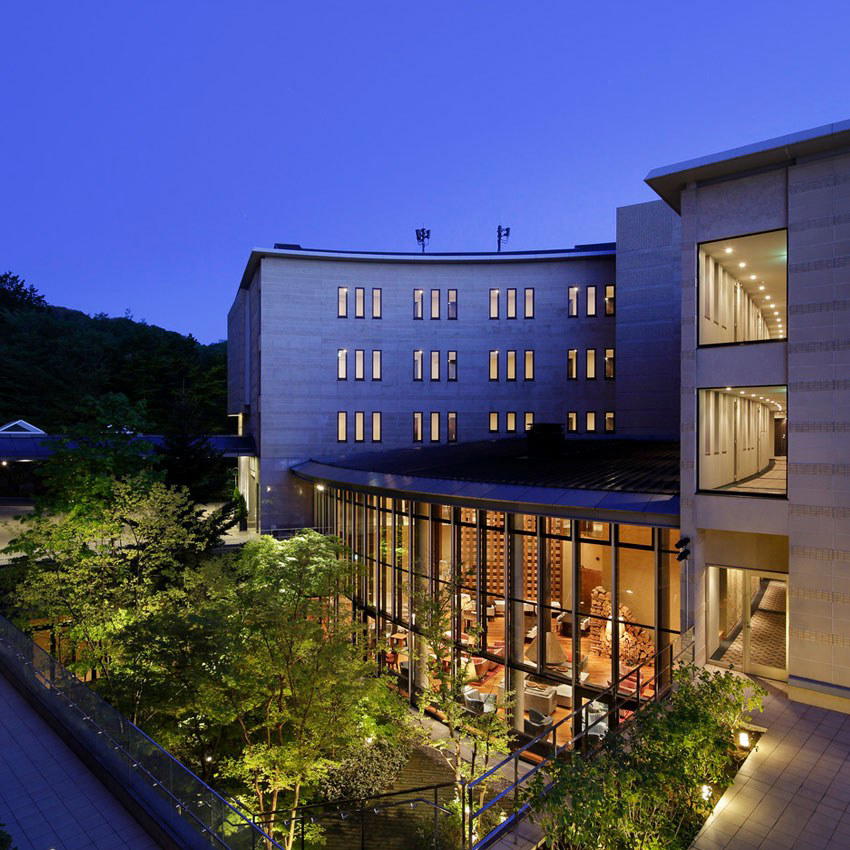
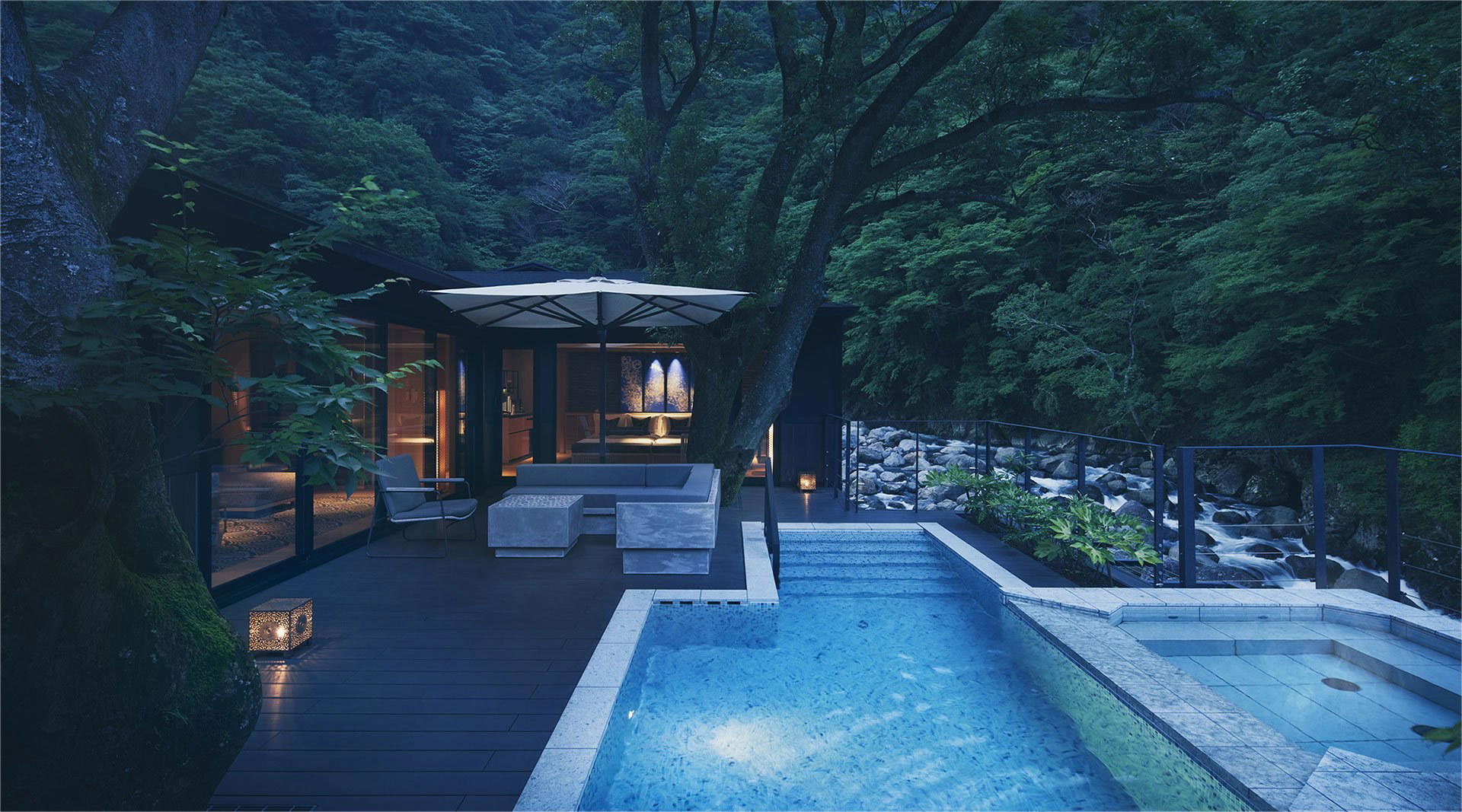
Among Hakone's onsen ryokan, Gora Karaku earns a Michelin One Key (2024) through a discipline that balances plush comfort with the structural restraint of traditional Japanese hospitality. Each of the 70 rooms includes a private onsen bath alongside access to the public bath complex, and the cuisine follows a strictly local and seasonal sourcing logic. It sits closer to Gora Kadan in format than to the larger resort properties in the region.

Pearl is the En Primeur Club membership app, where members save venues, book tables and use the concierge.
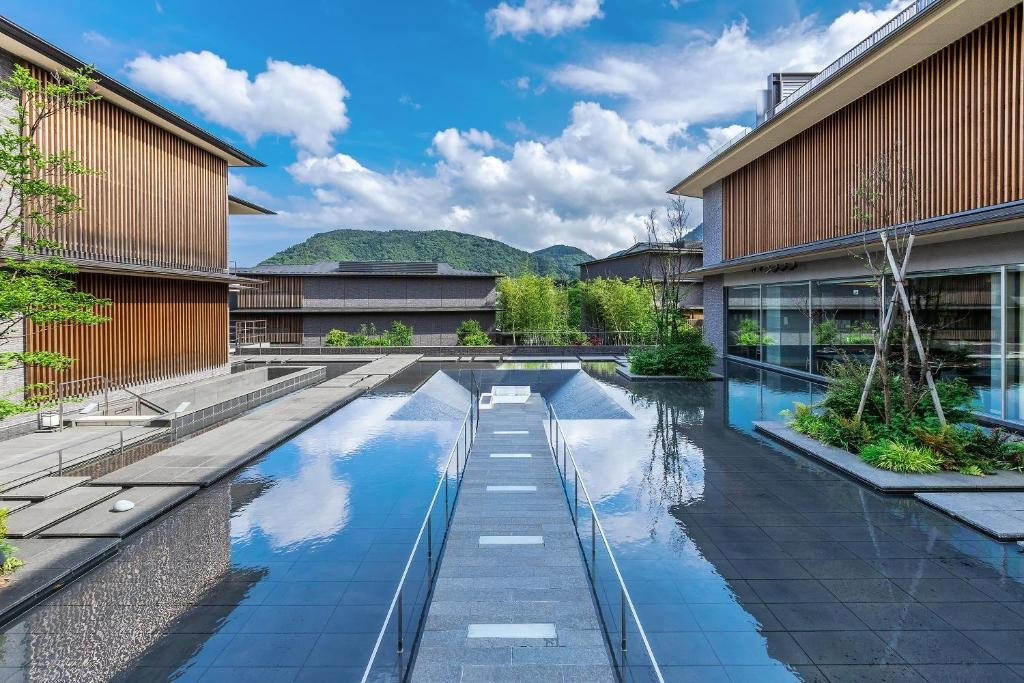
What the Address Actually Provides
Gora sits at an elevation that most Hakone visitors pass through rather than pause at. The Hakone Tozan Railway climbs from Hakone-Yumoto through a series of switchbacks, and Gora station marks its terminus, a fact that matters operationally. Guests arriving by rail step off at the end of the line and find themselves within a short distance of the property, spared the transfer logistics that apply to more remote addresses in the national park. This is not incidental: Hakone's geography distributes its accommodations across a wide topographic range, from the lake-facing properties at Sengokuhara and Moto-Hakone down to the spa-dense corridor around Yumoto, and location within that spread has real consequences for how much of the area a guest can access without a car.
The Gora district sits on the mid-mountain flank, close enough to the ropeway access point at Sounzan that day excursions toward Owakudani and the views of Fuji are manageable without planning around private transfers. That proximity to transit infrastructure is one of the more quietly useful things about Gora Karaku's address. Properties at comparable price and format points Gora Kadan is the most obvious peer, share this geographic logic, occupying the same district and benefiting from the same rail access while differentiating on format and room count.
The Structure of the Stay
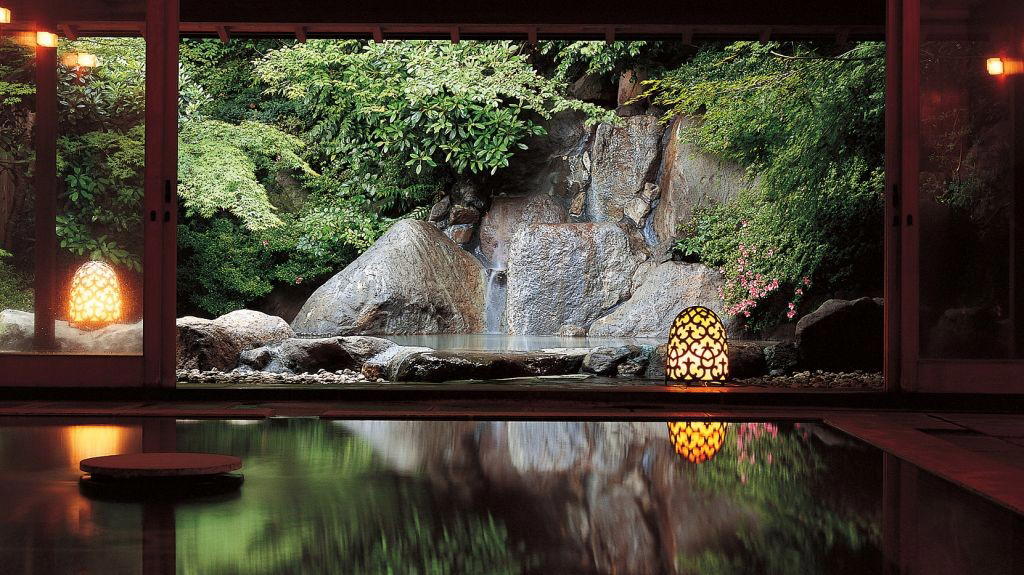
Hakone's premium ryokan market operates on a well-established format: guests arrive, change into yukata, follow a rhythm of bathing and dining, and the property manages the sequence. What differs between properties is how that format is executed at the level of the room itself. At Gora Karaku, the 70 rooms divide between tatami-style and Western-style configurations, but the detail that separates the property from mid-tier competition in the onsen market is direct: every room carries its own private onsen bath. This is not the standard offering at properties of this scale. Public bath complexes are the norm across most onsen hotels; the addition of a private in-room bath is a commitment that shifts the character of the stay considerably, allowing guests to set their own bathing schedule rather than work around communal hours and occupancy.
The room aesthetic tilts toward comfort more deliberately than is common among properties that emphasize traditional restraint. The color palette stays muted and the design remains focused, but the physical comfort level in both the tatami and Western configurations is described as higher than the category average. That positioning, traditional format, contemporary comfort level, places Gora Karaku alongside properties like Fufu Hakone in targeting guests who want the ryokan structure without the austerity that sometimes accompanies it.
Practically, the property holds 70 rooms, which puts it on the larger side for premium ryokan in the area. Nazuna Hakone Miyanoshita and several other competitors in the valley operate with far fewer keys, which creates a different ambient scale. At Gora Karaku, the larger room count means the public bath complex and communal spaces absorb more guests at any given time, though private baths in every room offset some of that pressure. One operational note worth knowing before booking: children aged three and older are counted as adults for pricing and capacity purposes, which affects how families should calculate room configurations and rates.
Cuisine as Extension of Place
The food at Japanese onsen ryokan operates within a specific and well-developed tradition. Kaiseki-style dining, timed to the guest's arrival and departure rhythm and anchored in seasonal and local sourcing, functions as an integral part of the stay rather than a separate restaurant experience. What the Michelin Key recognition (awarded in 2024) signals for Gora Karaku is that the property's hospitality offer, taken as a whole, meets a standard of quality, consistency, and local character that the guide associates with properties worth traveling to specifically.
The sourcing logic follows a pattern consistent with the leading ryokan in Kanagawa Prefecture: ingredients tied to season and region, cuisine that changes across the year as availability shifts. This is not a static menu. The appeal of coming in autumn versus early spring is a real distinction, not a marketing claim, because the kitchen's output is materially different across those windows. For guests planning around food quality specifically, that seasonal variation is worth building into the booking decision. Hakone sits close enough to the Izu Peninsula's fishing sources and to the agricultural output of Kanagawa and Shizuoka prefectures that a property committed to local sourcing has genuine material to work with.
Hakone's Competitive Field and Where Gora Karaku Fits
Hakone has one of the most developed premium ryokan markets in Japan. The range runs from design-led properties with small key counts and rigorous aesthetic programs to larger, more comfort-oriented operations with broader amenity sets. Gora Karaku's Michelin One Key (2024) positions it within the recognized tier of that market without placing it at the absolute summit occupied by properties like Gora Kadan, which carries deeper historical weight in the local hierarchy.
Elsewhere in the region, The Hiramatsu Hotels & Resorts Sengokuhara and Hoshino Resorts KAI Sengokuhara represent the more resort-scaled end of the market, with Sengokuhara's wider grounds offering a different spatial experience but less direct rail access. Yama no Chaya occupies a more intimate niche. For guests comparing formats across Japan's onsen hotel market more broadly, the private-bath-in-every-room standard at Gora Karaku is a feature that many comparably positioned properties, including some well-regarded options like Asaba in Izu and Zaborin in Hokkaido, handle differently depending on their format philosophy.
For a property of this type and price positioning, that figure is consistent with solid execution rather than exceptional outlier status, and it tracks with the Michelin Key recognition in suggesting reliable quality without the kind of extreme differentiation that drives higher scores at smaller, more idiosyncratic properties.
For guests building a Japan itinerary that sequences ryokan stays with city hotels, the relative ease of getting to Gora from Tokyo (roughly 90 minutes by train via Odawara) makes it a logical first or last stop alongside urban options like Bvlgari Hotel Tokyo or, further afield, HOTEL THE MITSUI KYOTO. The transition from Tokyo's urban density to the mountain-onsen rhythm of Gora Karaku is one of the more efficient culture-shift sequences available on a Japan trip, requiring no domestic flight and minimal planning friction. See our full Hakone guide for wider context on how properties in the area compare across location, format, and access.
Planning the Stay
Availability at premium Hakone ryokan compresses during the autumn foliage season (typically mid-October through mid-November) and during Golden Week in early May. Booking several months ahead is standard practice during those windows. The property's 70-room count means it is less likely to sell out as rapidly as smaller competitors, but the Michelin recognition has sharpened demand. Rates are not publicly listed in standard price-comparison formats typical of international hotel chains; the ryokan pricing model generally bundles accommodation, dinner, and breakfast, which affects how to read the per-night figure relative to room-only city hotel rates. The child pricing policy, where guests aged three and above are billed at the adult rate, is worth confirming at the time of reservation for families traveling with young children.
FAQ
- Which room category should I book at Hakone Gora Karaku?
- Both the tatami-style and Western-style rooms include a private onsen bath, which is the key feature across the property. The choice between them comes down to how much floor-level sleeping and living the guest wants. The tatami rooms follow the traditional ryokan format; the Western-style rooms offer bed-based sleeping while retaining the Japanese aesthetic in muted tones and focused design. The Michelin One Key (2024) applies to the property as a whole, not to a specific room tier, so neither configuration is a shortcut to a materially different experience of the property's core offer.
- Why do people go to Hakone Gora Karaku?
- The combination of a private onsen bath in every room, locally and seasonally sourced kaiseki-style cuisine, and a Michelin One Key (2024) at a property scale large enough to book without extreme lead times makes it a practical choice in the upper tier of Hakone's onsen market. The Gora address also provides direct rail access from Tokyo and proximity to the Hakone ropeway, which extends the day-excursion range beyond the hotel grounds without requiring a rental car.
- Is Hakone Gora Karaku reservation-only?
- Yes, as with all premium ryokan in Japan, Gora Karaku operates on a reservation basis. Walk-in availability is not a realistic expectation at this property tier. Booking should be made in advance, with lead times extending significantly during peak seasons such as autumn foliage and Golden Week. Direct booking through the property's official channels or through a specialist Japan travel agent is the standard approach.
A Tight Comparison
Comparable venues nearby, for context on price, style, and recognition.
| Venue | Price | Awards | Notes |
|---|---|---|---|
| Hakone Gora KarakuThis venue (the venue you are viewing) | Not listed | 1 Michelin Key | Not listed |
| The Hiramatsu Hotels & Resorts Sengokuhara | $1,000–1,500 | 1 Michelin Key | Sengokuhara, Exclusive luxury auberge-style resort centered around gourmet dining and onsen experiences |
| Hoshino Resorts KAI Sengokuhara | $750–1,000 | Not listed | Sengokuhara, Hakone, Contemporary Japanese ryokan blending traditional hospitality with modern luxury and artistic expression; positioned as a creative retreat centered on art, nature, and wellness. |
| Nazuna Hakone Miyanoshita | $200–300 | Not listed | Miyanoshita, Contemporary ryokan with traditional Japanese design elements and cultural authenticity |
| Fufu Hakone | Not listed | 1 Michelin Key | Gora, Small luxury hot spring resort set in Hakone mountains with distinctive room designs inspired by Japanese nature. |
| Gora Kadan | Not listed | 3 Michelin Keys · La Liste Top Hotels | Gora, Traditional Japanese ryokan with modern luxuries |
Recognition history
Dated appearances from independent guides and award organizations, with the underlying list record or original source where available.
Michelin 1 Key
Michelin
Full recognition history (3 entries)
Michelin 1 Key
Michelin
Michelin 1 Key
Michelin
Continue exploring
More in Hakone
Hotels in Hakone
All hotels in Hakone →
Bars in Hakone
Browse all →
Restaurants in Hakone
All restaurants in Hakone →
Wineries in Hakone
Browse all →
Details
- Quiet
- Elegant
- Scenic
- Intimate
- Sophisticated
- Romantic Getaway
- Honeymoon
- Wellness Retreat
- Anniversary
- Panoramic View
- Private Villa
- Wi Fi
- Spa
- Room Service
- Concierge
- Parking
- EV Charging
- Mountain
- Garden
- Elevator
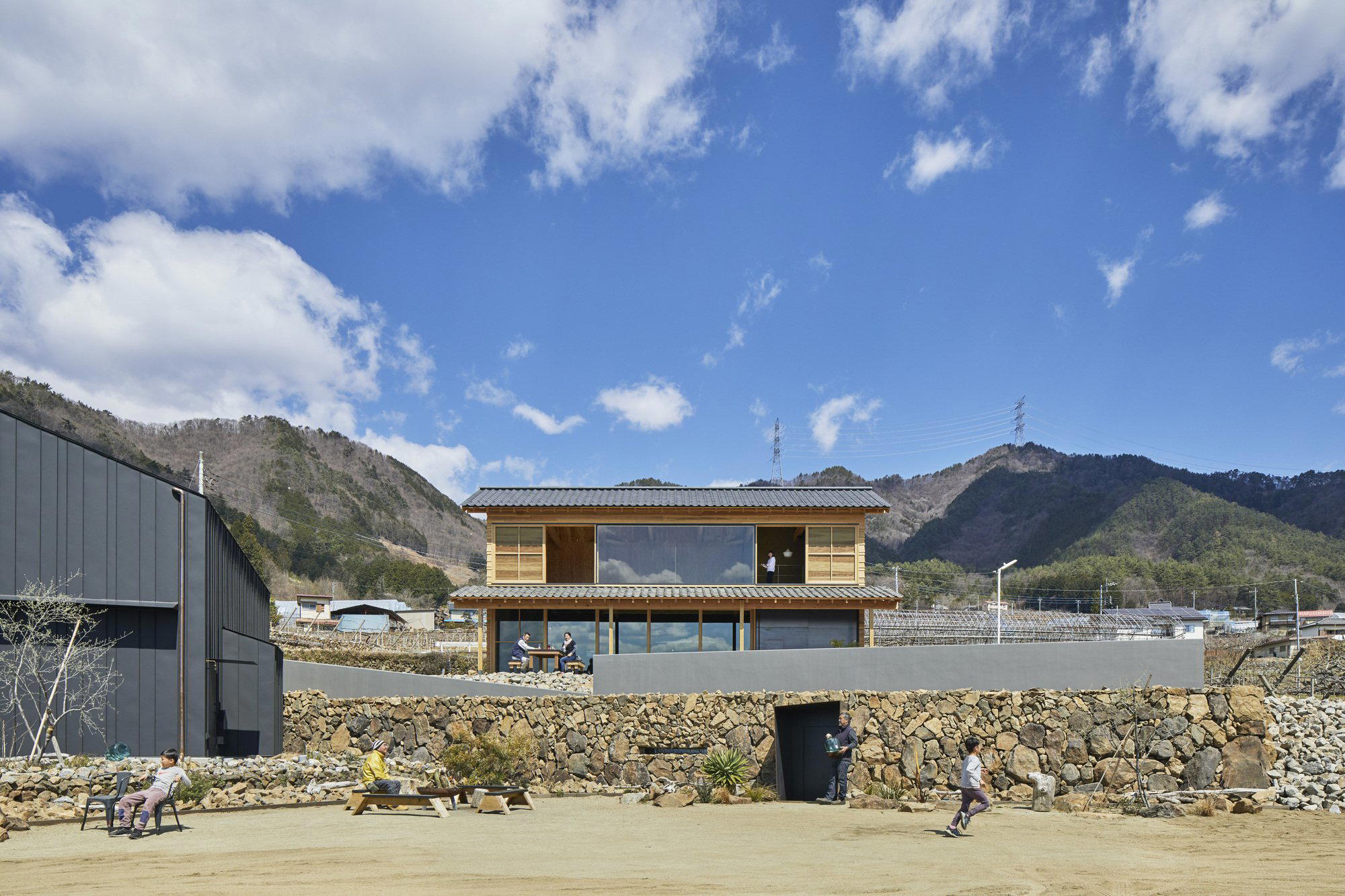
Tranquil and elegant atmosphere with meditative mountain views, soft lighting in spacious modern-Japanese rooms, and relaxing public onsen areas.