
Araya Totoan places Kaga’s hot-spring dining culture inside the disciplined grammar of kaiseki: seasonal sequence, quiet pacing, and a room where restraint matters more than spectacle. Its 2026 Opinionated About Dining Recommended listing gives it an outside signal, but the appeal is broader than awards: this is a Yamashiro Onsen address for travelers who want Japanese cuisine read through ryokan tradition rather than urban counter theatre.
Pearl is the En Primeur Club membership app — saves, bookings, and concierge access live there. Same editors, same standards.
- Address
- 18-119 Yamashiroonsen, Kaga, Ishikawa 922-0242, Japan, Yamashiro, Chūbu, Japan
- Phone
- +81 761-77-0010
- Website
- araya-totoan.com
 Saves & bookings on Pearl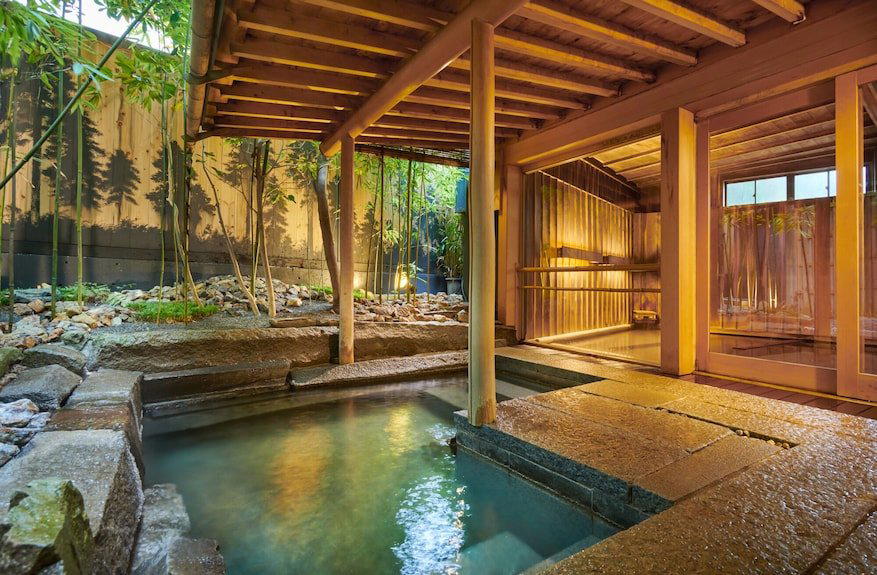
Yamashiro Onsen asks for a slower reading than Japan’s restaurant capitals. The approach is not neon, queue, counter, and turnover; it is bath-town quiet, timber, tatami-adjacent formality, and the old rhythm of dinner as part of a longer stay. In that setting, kaiseki is not a luxury add-on but the local grammar: multiple courses, seasonal reference, ceramic choice, temperature, pause, and proportion all doing work before any single plate tries to dominate the evening.
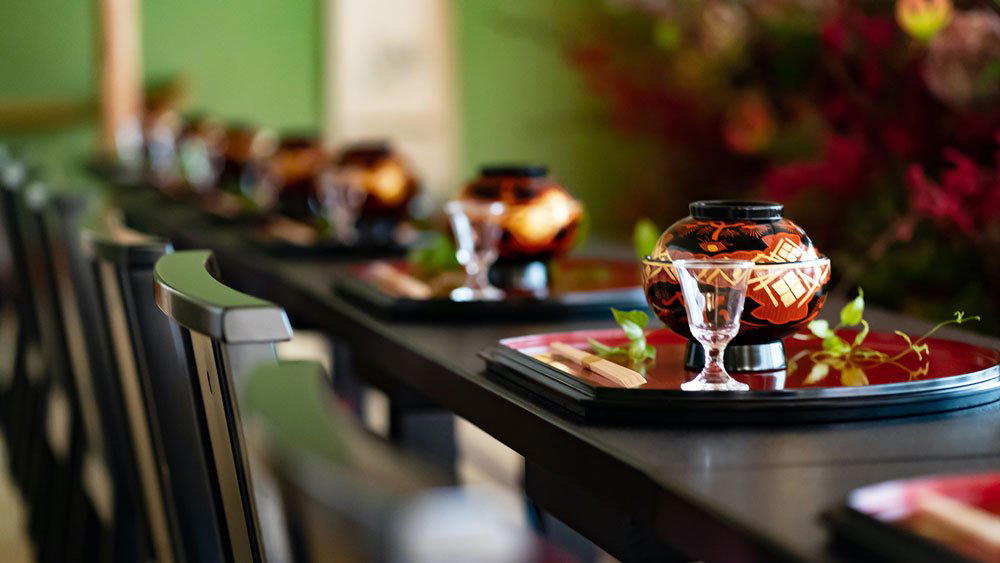
Araya Totoan belongs to that Kaga tradition rather than the metropolitan tasting-menu circuit. Its 2026 Opinionated About Dining Recommended recognition places it on the radar for diners tracking serious Japanese restaurants beyond Tokyo and Kyoto, but the more useful lens is regional. Kaga’s food culture is tied to onsen hospitality, winter seafood from the Sea of Japan, mountain vegetables, lacquerware, and a service cadence designed around calm rather than performance. That makes the restaurant legible to travelers who understand kaiseki as an aesthetic system, not a parade of expensive ingredients.
Kaga kaiseki reads differently from city kaiseki
In Tokyo, kaiseki often competes with sushi counters, French-influenced tasting rooms, and kappo formats that compress attention around the chef. In Kaga, the tradition is more closely linked to the ryokan table: the room, bath culture, ceramics, and seasonal hospitality carry as much meaning as the sequence itself. The difference matters. A city kaiseki room can feel like a culinary thesis; an onsen kaiseki room is closer to a full evening’s structure, where arrival, rest, and dinner are part of the same composition.
The multi-course form rewards diners who notice small shifts: a clear soup that sets tone rather than volume, sashimi positioned as season marker rather than spectacle, grilled and simmered courses that use restraint to build momentum, and rice placed late enough to feel conclusive. None of that requires the restaurant to announce a thesis. Kaiseki’s discipline is cumulative, and Kaga gives it a regional frame with less dependence on urban prestige signals.
Araya Totoan’s listed chef field is “Various,” which suits the ryokan-linked model better than the single-author dining narrative common in major-city restaurants. The emphasis falls on continuity of house style and seasonal execution rather than a chef-as-protagonist story. For readers comparing Japanese dining formats, that distinction is useful: this is not omakase theatre, not izakaya spontaneity, and not a modern tasting menu borrowing kaiseki vocabulary. It is the older architecture of Japanese hospitality, expressed through a formal meal.
Why the OAD signal matters here
Opinionated About Dining’s 2026 Recommended listing is not a substitute for understanding the genre, but it is a meaningful trust signal for a restaurant outside Japan’s larger dining circuits. Kaga does not receive the same international scanning as Ginza, Kyoto’s Higashiyama, or Osaka’s counter-dining districts. A Recommended placement helps mark the address for travelers who build itineraries around food but do not want the trip reduced to trophy reservations.
The more interesting point is not that an award exists; it is what the award points toward. Serious dining in Japan is not evenly distributed across global attention. Smaller cities and onsen towns can preserve formats that feel less legible to search-driven travel planning because their value is embedded in sequence, service culture, and local seasonality rather than in a single signature dish. Kaga is a strong example of that imbalance. The city’s strongest dining experiences often sit close to ryokan culture, which means they reward planning around the whole stay rather than a stand-alone meal squeezed between trains.
For wider context, EP Club’s Kaga coverage is useful when deciding whether to treat the city as a dining stop or a slower onsen base: see Our full Kaga restaurants guide, Our full Kaga hotels guide, Our full Kaga bars guide, Our full Kaga wineries guide, and Our full Kaga experiences guide. Travelers mapping a local food-focused stay may also want to read around nearby Kaga addresses such as Yamagishi, Beniya Mukayu (Japanese), Kayoutei Ryokan, and Taihei.
Who should plan a meal around it
This is a stronger fit for travelers who already enjoy the codes of formal Japanese dining: quiet pacing, seasonal abstraction, and a willingness to let the meal unfold without demanding constant surprise. The better expectation is not spectacle but coherence. Kaiseki can seem reserved to diners trained on louder tasting menus, yet that reserve is the point. The cuisine asks whether each course has the right weight in the sequence, whether the season is expressed with control, and whether the room supports attention rather than competing for it.
Araya Totoan will make the clearest sense as part of a Kaga itinerary rather than a standalone detour. Yamashiro Onsen is not built for quick-hit dining in the way central Tokyo is; it rewards travelers who give the town a night and allow dinner to sit inside the broader onsen rhythm. That is also where the value of kaiseki becomes clearer. The meal is not only about what arrives on the tray, but about the relation between cuisine, rest, locality, and time.
Readers extending a Japan dining itinerary beyond Ishikawa can use other EP Club pages to separate regional formats from urban categories: Ajihiro, Kaiseki in Tokyo and Akasaka Asada, Kaiseki in Tokyo offer useful capital-city reference points, while [ki:] in Kyoto, -Grilled beef Sukiyaki- KAMAKURA TANUKIAN 鎌倉 たぬき庵 in Kamakura. 鮪と炭火焼き うお炭 秋葉原店 in Tokyo.cafe in Osaka.know in Kumamoto, (Shoku) Vietnam in Kawasaki, and [Curry Senmon Ten] Maruyama Kyoju. in Sapporo show how varied Japan’s restaurant map becomes once the itinerary moves beyond a single cuisine label.
The verdict is simple: this is for diners who want Kaga’s onsen-town kaiseki context, not a louder performance of Japanese fine dining. The external recognition helps, but the reason to care is the setting’s fit with the form: Yamashiro Onsen gives kaiseki the quiet frame it was built to occupy.
Comparable venues nearby, for context on price, style, and recognition.
| Venue | Cuisine | Price | Notes |
|---|---|---|---|
| Araya TotoanThis venue — the venue you are viewing | Traditional Kaga kaiseki at historic onsen ryokan | $$$$ | Not listed |
| Kayoutei Ryokan | Kaga-style Kaiseki | $$$$ | Yamanaka Onsen |
| Beniya Mukayu | Seasonal Kaga Kaiseki | $$$$ | Yamashiro Onsen |
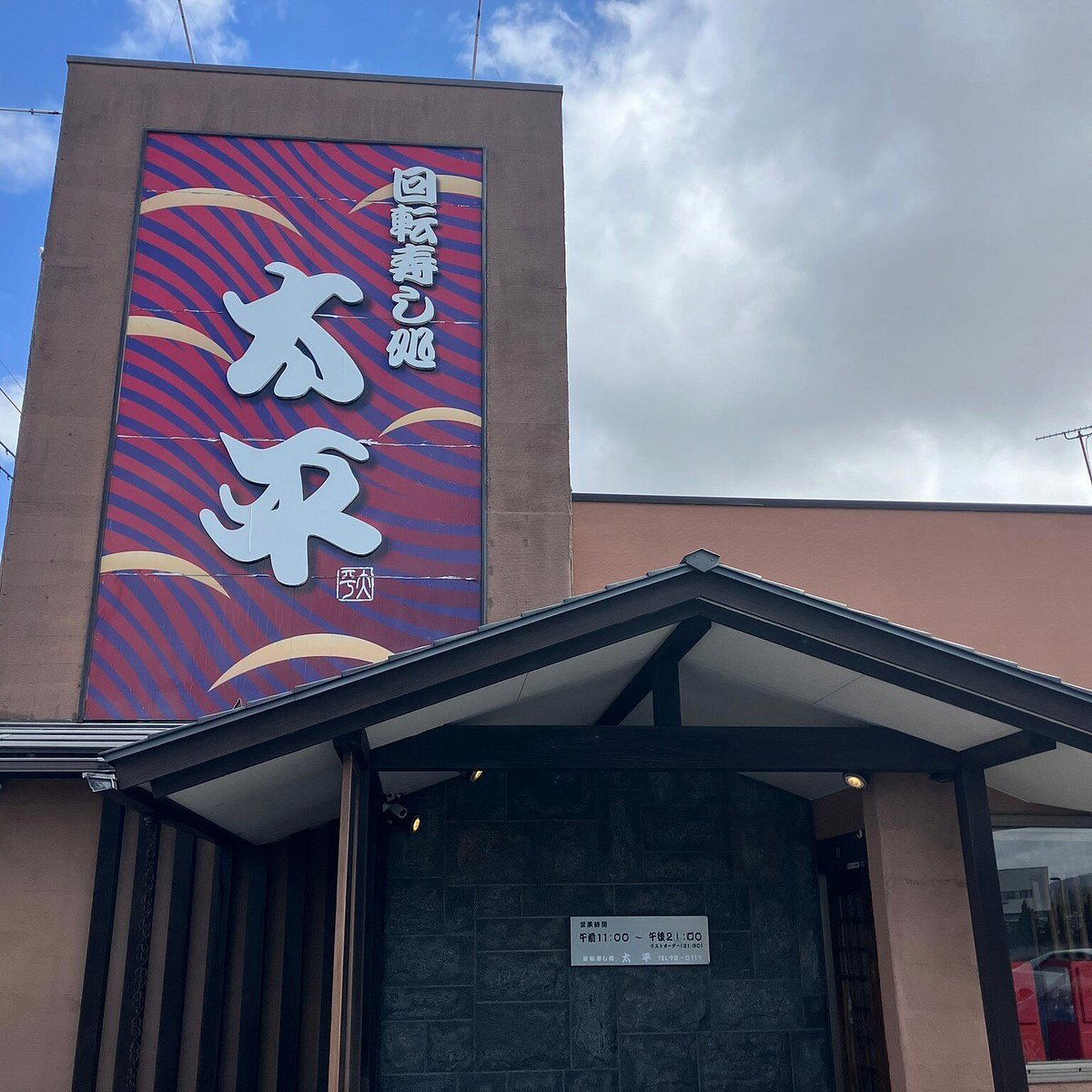
| Taihei | Kaiten Sushi with Local Seafood | $$ | Kaga Onsen |
| Mitate Soba | Handmade Soba | $$$$ | Minato |
| Sushi Sho | Traditional Edomae Sushi Omakase | $$$$ | Nishiazabu |
Recognition history
Dated appearances from independent guides and award organizations, with the underlying list record or original source where available.
Opinionated About Dining Top Restaurants in Japan Recommended
Opinionated About Dining
Continue exploring
More in Kaga
Restaurants in Kaga
Browse all →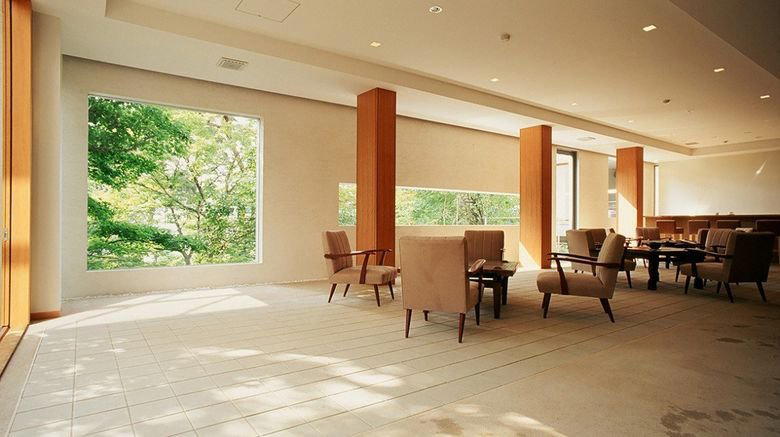
At a Glance
- Elegant
- Classic
- Quiet
- Scenic
- Romantic
- Sophisticated
- Date Night
- Family
- Business Dinner
- Group Dining
- Hotel Restaurant
- Historic Building
- Garden
- Private Dining
- Sake Program
- Extensive Wine List
- Local Sourcing
- Sustainable Seafood
- Garden
- Mountain
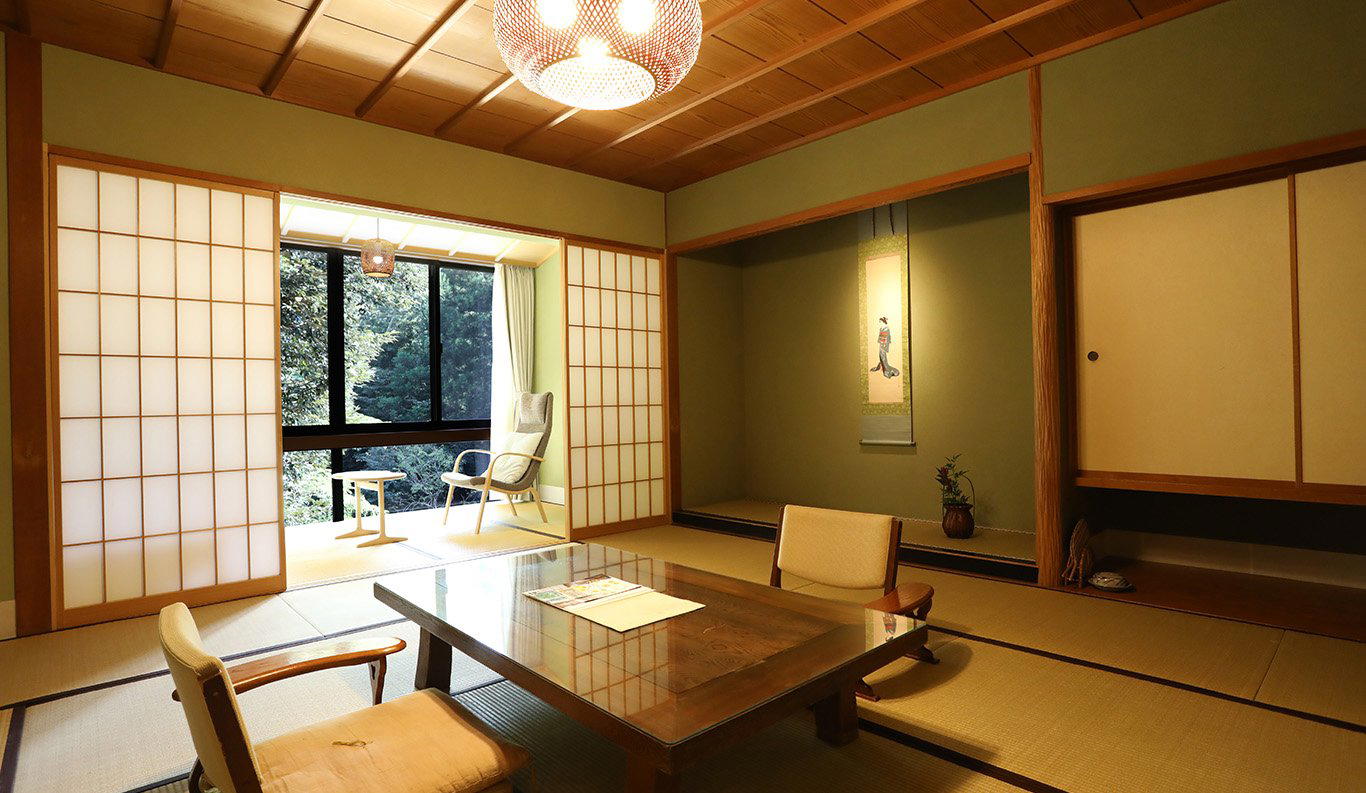
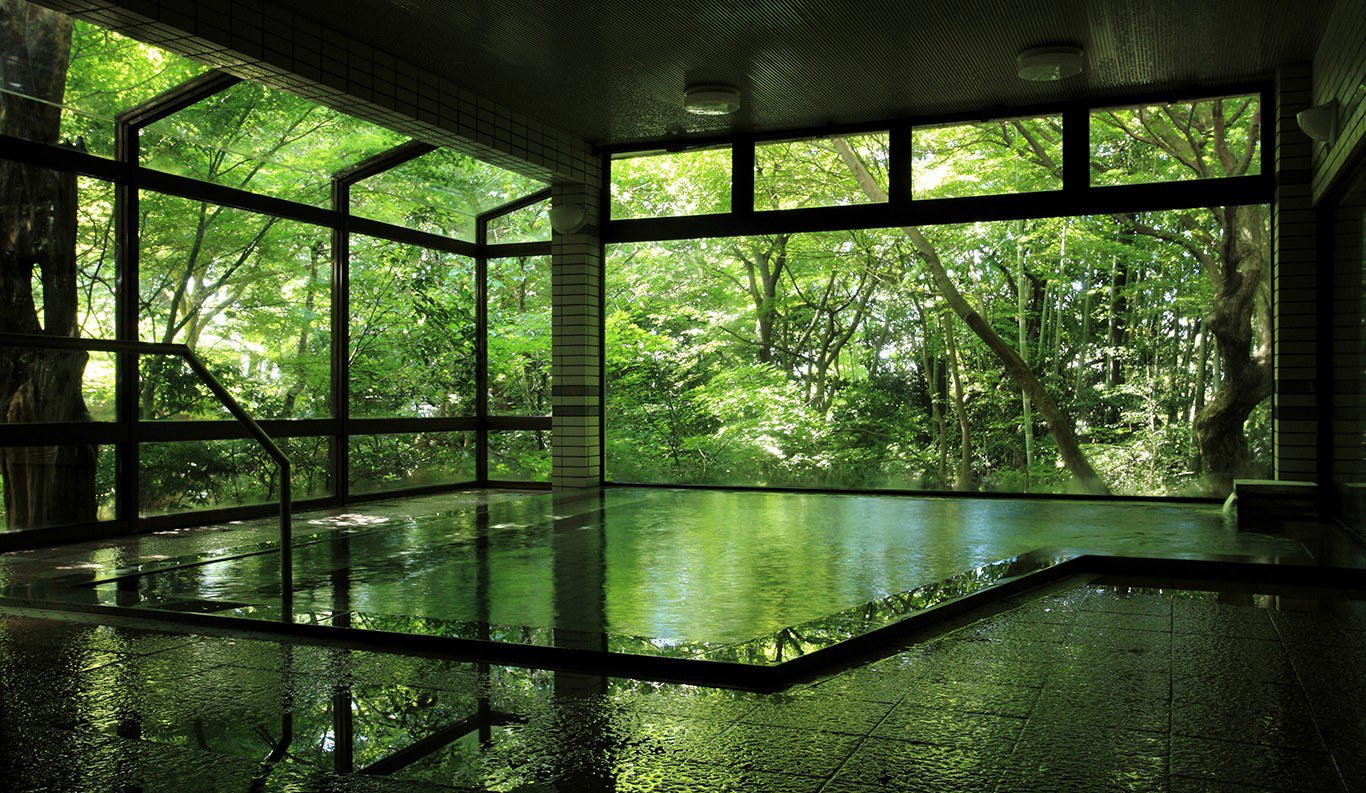
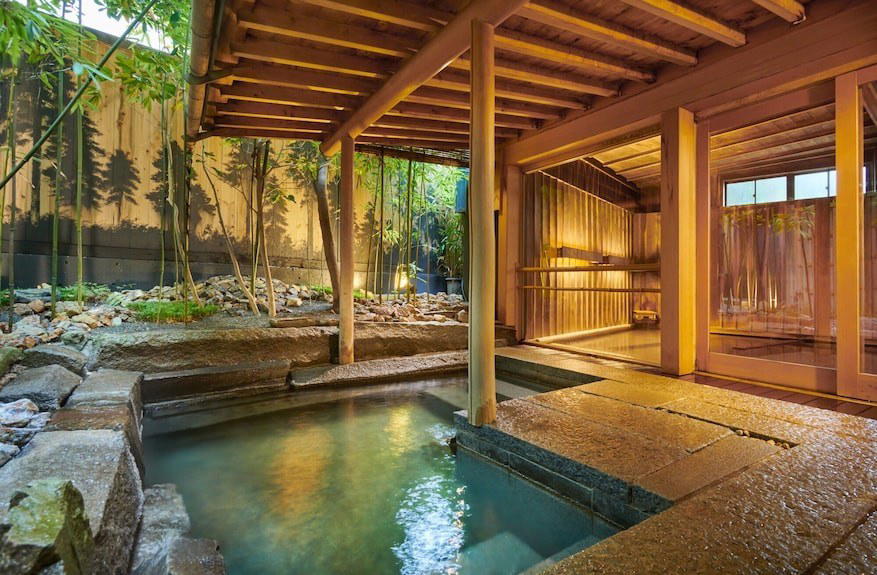
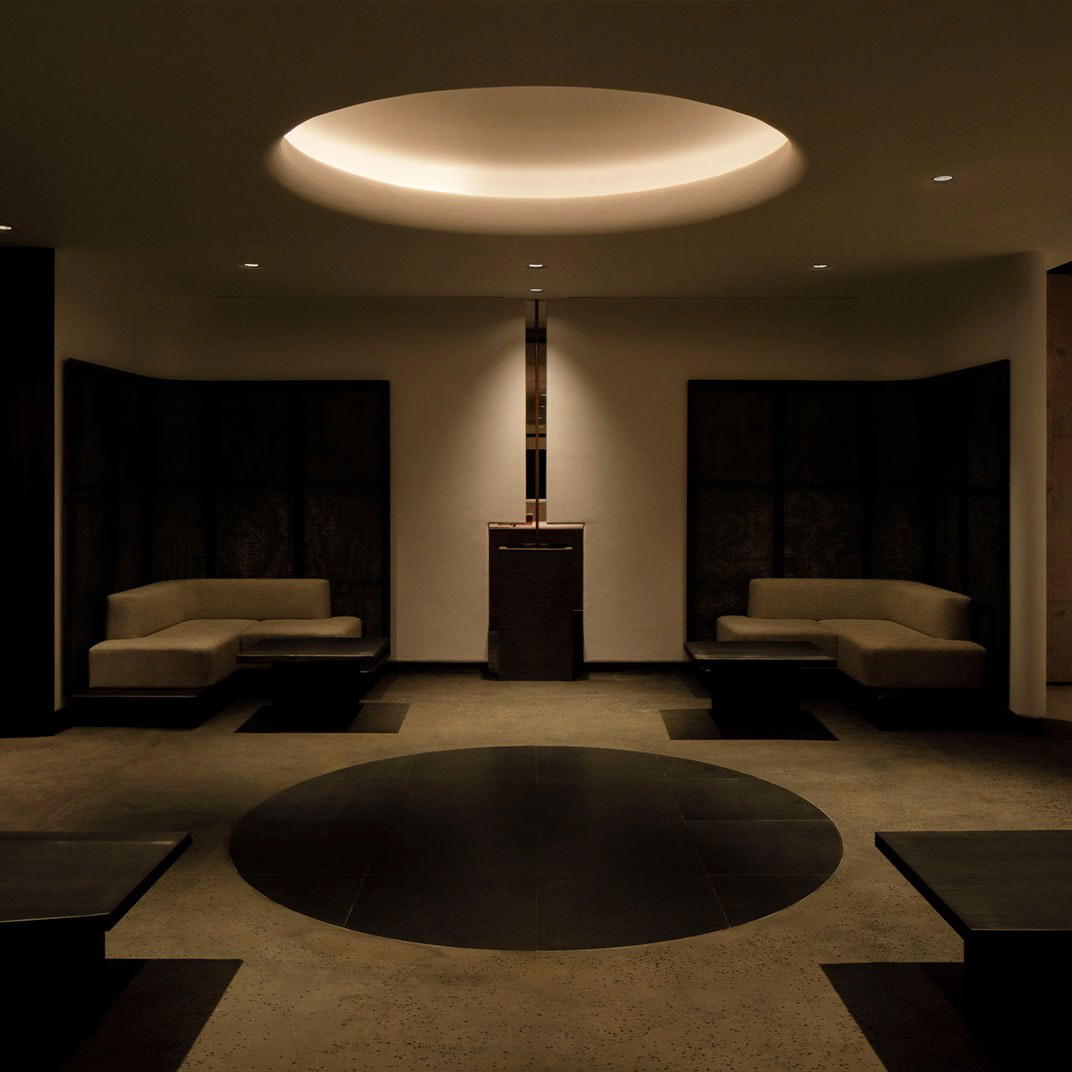
Traditional ryokan atmosphere with tatami rooms, low lighting, and views of landscaped gardens and surrounding greenery, creating a serene, refined, and highly attentive onsen retreat focused on relaxation and seasonal dining.