
Taheizushi operates out of Kaga, a city in Ishikawa Prefecture shaped by centuries of artisan culture and proximity to some of Japan's most celebrated seafood waters. Ranked #234 on Opinionated About Dining's Top Restaurants in Japan list for 2024 and carrying a Highly Recommended designation the year prior, it represents the kind of sushi counter that rewards regional knowledge, a working sushi-ya earning national recognition far from the metropolitan circuit.
Pearl is the En Primeur Club membership app — saves, bookings, and concierge access live there. Same editors, same standards.
- Address
- Nu-24-1 Sakumimachi, Kaga, Ishikawa 922-0423, Japan
- Phone
- +81 50-5485-7884
- Website
- taihei.gorp.jp
- Directions
- Get directions
 Saves & bookings on Pearl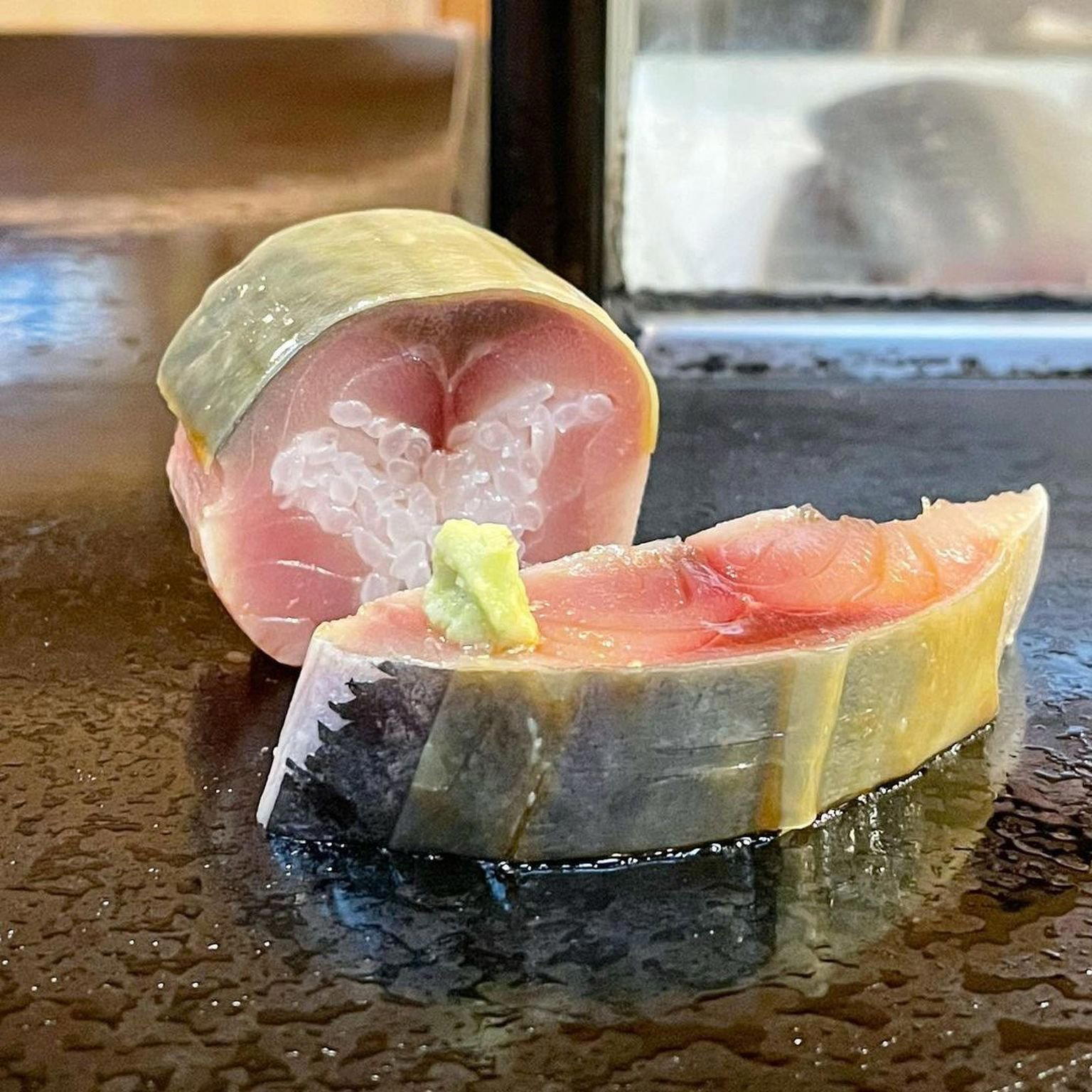
Kaga, Ishikawa, and the Regional Sushi Argument
The case for regional sushi in Japan has never been stronger. Ishikawa Prefecture, which stretches along the Sea of Japan coast from the Noto Peninsula down through Kaga, sits atop fish-supply infrastructure that Tokyo counters rely on from a distance. Taheizushi, located in Kaga at Sakumimachi, operates closer to that source than almost any sushi-ya on a national recognition list. Opinionated About Dining placed it at #234 on its 2024 Leading Restaurants in Japan ranking after a Highly Recommended citation in 2023.
For context, Ishikawa's broader dining scene has been attracting serious attention for years, drawing comparisons to how Lyon functions relative to Paris in French gastronomy: a regional capital with its own identity, its own supplier relationships, and a dining culture that does not measure itself against the metropolis. Our full Ishikawa restaurants guide documents this depth across formats. Taheizushi represents the sushi thread within that argument.
The Counter in Kaga
Kaga is a city shaped by lacquerware, Kutani porcelain, and a long relationship with Yamanaka onsen culture. It is not a place that announces itself to passing travellers, which is partly why the sushi at Taheizushi carries the weight it does. The address on Sakumimachi sits within a town where craft and materials have historically mattered more than foot traffic. That context informs how a counter like this one operates: with the assumption that the diner has made a deliberate trip, not wandered in from a hotel concierge suggestion.
The operating hours, open Tuesday through Sunday from 11am to 9pm with Wednesday and Thursday closures, suggest a rhythm calibrated to local and visiting trade rather than tourist throughput. Saturday and Sunday lunch is the obvious access window for visitors building a day around the Kaga area, whether arriving via the Hokuriku Shinkansen to Kaga Onsen station or as part of a longer Ishikawa circuit. The closed midweek days are a logistical signal worth noting when planning.
The Trust Relationship at the Counter
Sushi at this level of recognition involves a particular kind of arrangement. The diner does not arrive with a shortlist of requests and preferred cuts. The relationship between guest and itamae at a Japanese sushi counter of this standing is built on a form of surrender: you come with an appetite and a willingness to be guided, and the chef responds with the seasonal intelligence that no menu could fully express. Chef Koji Mukano's role is not to execute from a fixed card but to read the fish available that day, the season's state of progress, and the pace the meal should take.
This framing matters when comparing Taheizushi to sushi counters operating in metropolitan markets. At Harutaka in Tokyo, the omakase contract is understood before the reservation is confirmed. Regional counters like Taheizushi operate within the same logic, but without the competitive booking theatre that major-city omakase markets have developed. The trust dynamic is the same; the access mechanics are different.
Ishikawa's peer sushi counters operate within a shared set of assumptions about that contract. Komatsu Yasuke, Otomezushi, and Sushi Shinosuke each occupy their own register within the prefecture's sushi offer, with different formats and competitive positioning. What distinguishes Taheizushi within that comparable set is its Kaga base, further from the Kanazawa concentration of premium dining, and a national ranking that places it alongside those counters despite operating in a smaller market.
Seasonal Positioning and Sea of Japan Timing
The Sea of Japan coastline produces different fish across the year in ways that heavily influence what any counter in Ishikawa can offer at a given time. Winter brings the prefecture's most celebrated seasonal ingredient, Kano crab, specifically the male snow crab designated under strict quota fishing systems, which drives a significant portion of regional culinary tourism between November and March. Autumn transitions into this period with yellowtail (buri) runs that are considered among the leading in Japan, given the particular water temperatures of the Noto sea lane.
Summer months shift the focus to lighter white fish and shellfish, with the Noto Peninsula's abalone and sea urchin output reaching quality peaks. A counter in Kaga, drawing on regional suppliers, moves through these cycles with access that Tokyo operations must pre-arrange through intermediary markets. The omakase format at a venue like Taheizushi is, in part, an expression of what that seasonal positioning makes possible.
Comparing this to sushi formats elsewhere in Asia illustrates what the regional model offers. Sushi Shikon in Hong Kong and Shoukouwa in Singapore both import Japanese fish and operate omakase contracts with technical rigour, but they are working from a fixed remove. Taheizushi's Ishikawa location is its structural advantage in that comparison.
Where Taheizushi Sits in the Wider Ishikawa Table
Ishikawa's dining offer extends well beyond sushi. Installation Table ENSO L'asymetrie du calme and L'Atelier de NOTO each approach the region's ingredients through different frameworks, contributing to a dining map that rewards extended stays rather than single-night visits. Nationally, the prefecture competes for serious dining attention alongside Kyoto (Gion Sasaki), Osaka (HAJIME), and Fukuoka (Goh), with each of those cities operating distinct culinary identities. Within that national conversation, Taheizushi's OAD ranking places it in a tier where serious diners across Japan take note.
These two data points together suggest a venue operating effectively at both local and specialist levels.
Planning a Visit
Kaga is accessible from Kanazawa via local rail on the Hokuriku line or by road, with the Kaga Onsen area also served by shinkansen services running the Hokuriku corridor. For visitors building an Ishikawa itinerary, our full Ishikawa hotels guide covers accommodation options from Kanazawa to the onsen towns, while our Ishikawa bars guide, wineries guide, and experiences guide round out the full picture of the prefecture.
Nearby-ish Comparables
Comparable venues nearby, for context on price, style, and recognition.
| Venue | Cuisine | Price | Notes |
|---|---|---|---|
| TaheizushiThis venue — the venue you are viewing | Kanazawa-style Sushi | $$$ | Not listed |
| Sushi Shinosuke | Michelin-Starred Hokuriku Omakase Sushi | $$$$ | Irie, Kanazawa |
| Komatsu Yasuke | Well-known Kanazawa Sushi Omakase | $$$$ | Hommachi |
| Otomezushi | Traditional Japanese Omakase | $$$$ | Kiguramachi |
| L'Atelier de NOTO | Contemporary French with Noto Terroir | $$$$ | Wajima |
| Installation Table ENSO L'asymetrie du calme | Modern French with Japanese influences | $$$$ | Nomachi |
Recognition history
Dated appearances from independent guides and award organizations, with the underlying list record or original source where available.
Opinionated About Dining Top Restaurants in Japan Ranked #234
Opinionated About Dining
Opinionated About Dining Top Restaurants in Japan Highly Recommended
Opinionated About Dining
At a Glance
- Classic
- Intimate
- Cozy
- Special Occasion
- Chefs Counter
- Sake Program
- Local Sourcing
Current opening hours
- Monday
- 11 AM–8:30 PM
- Tuesday
- 11 AM–8:30 PM
- Wednesday
- Closed
- Thursday
- Closed
- Friday
- 11 AM–8:30 PM
- Saturday
- 11 AM–8:30 PM
- Sunday
- 11 AM–8:30 PM
Hours can change for holidays and private events. Last verified .
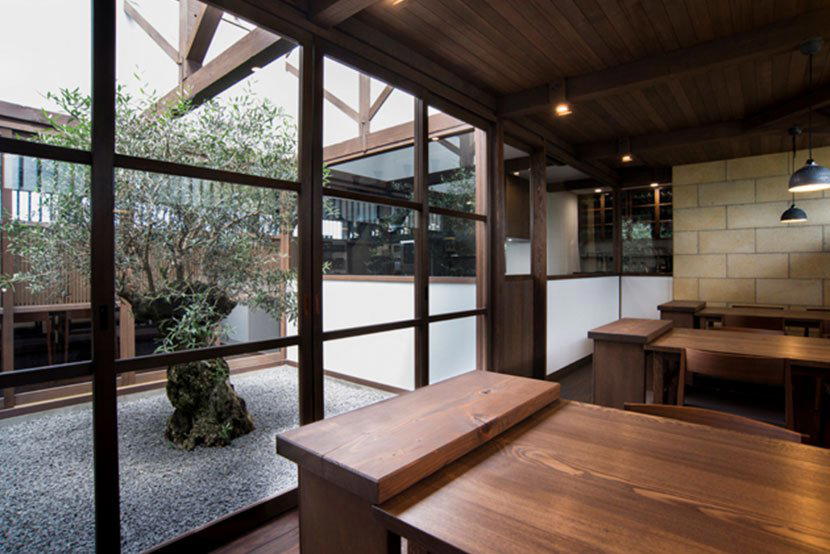
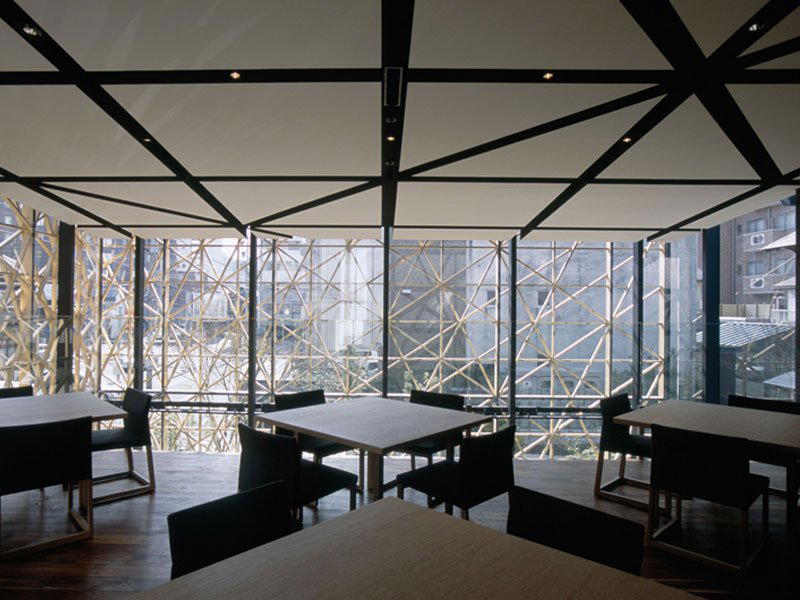
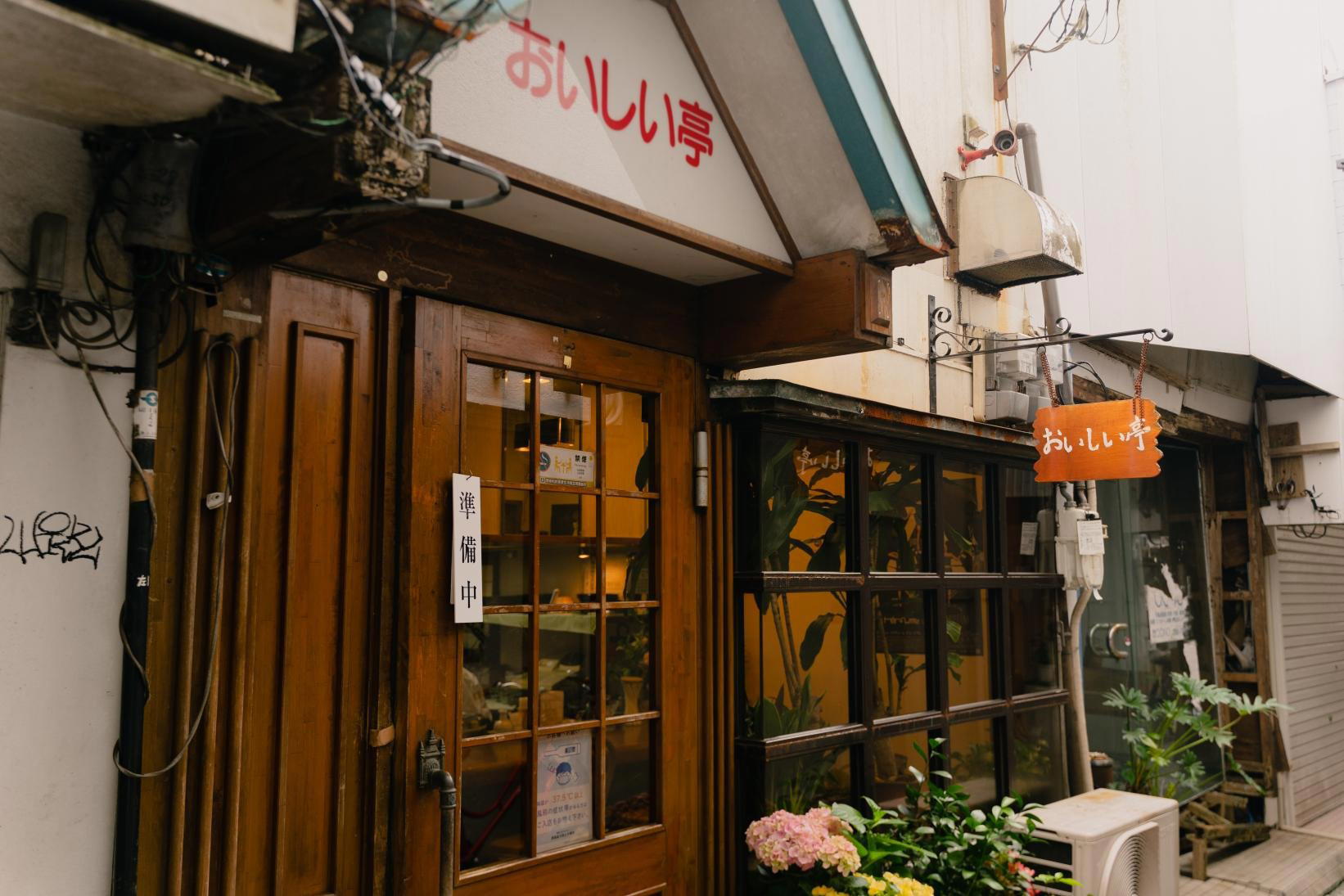
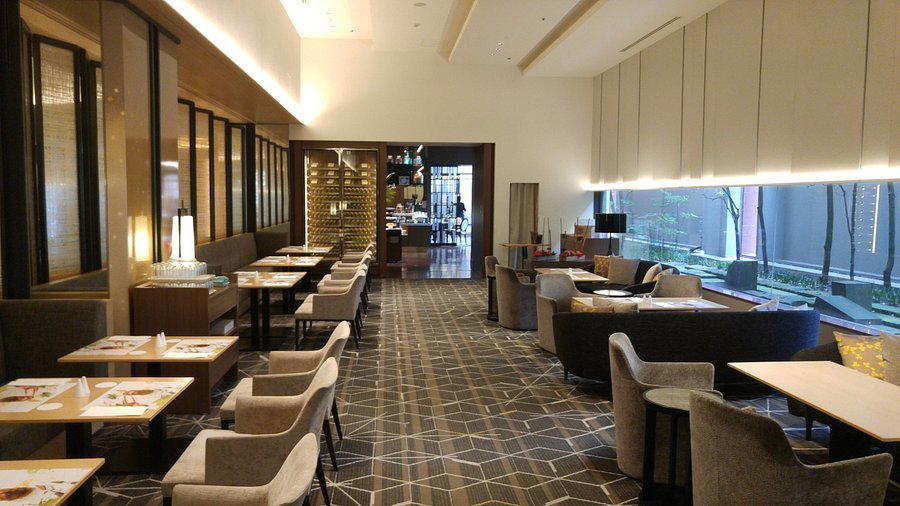
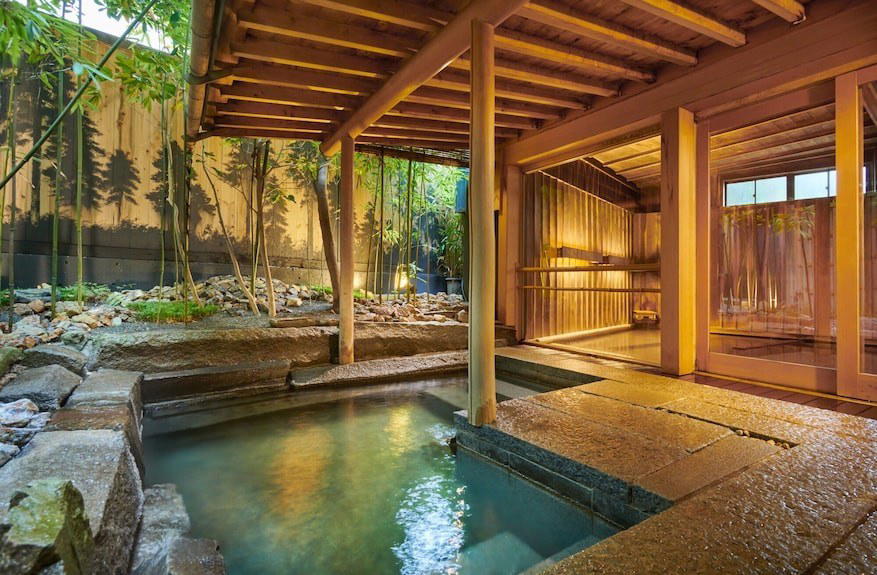
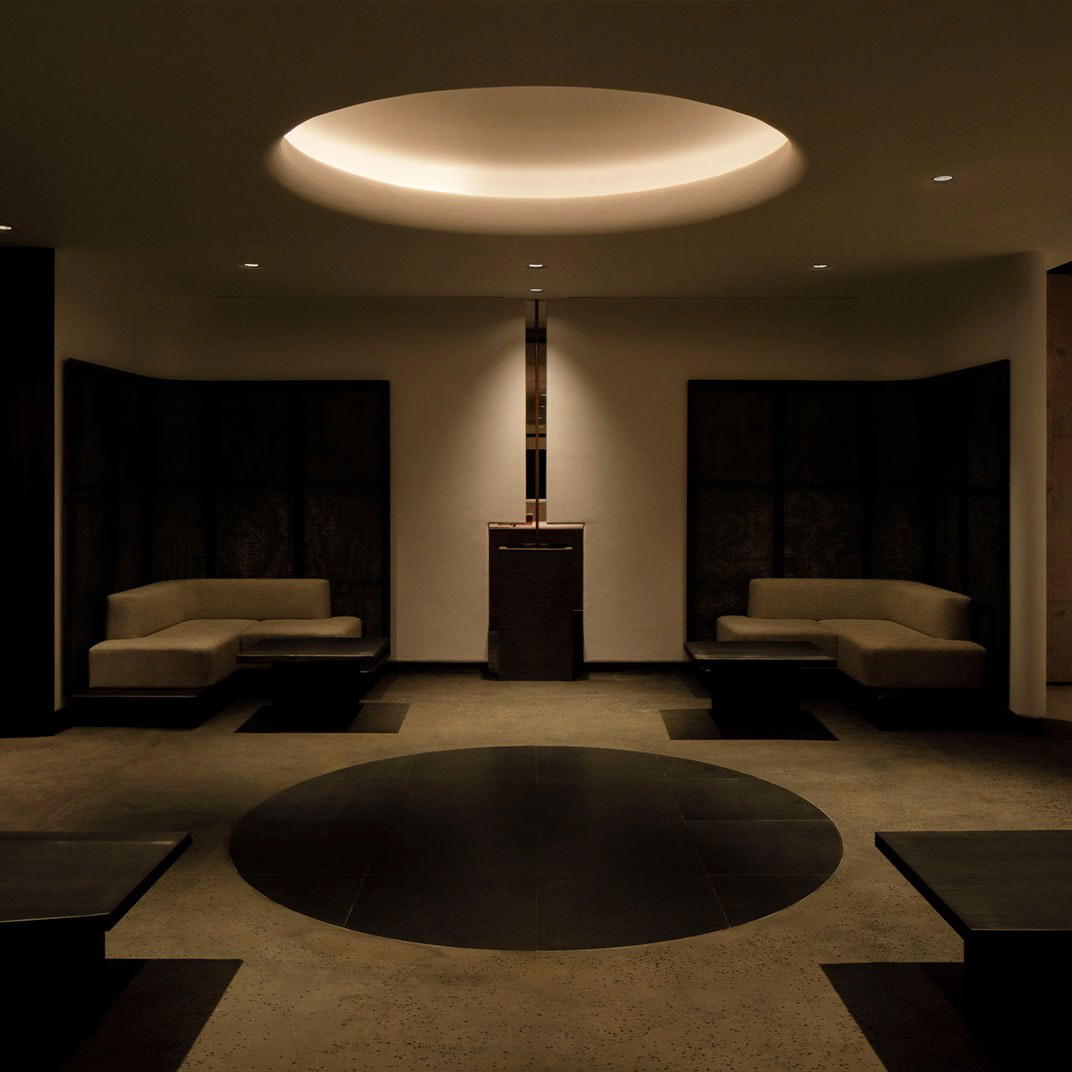
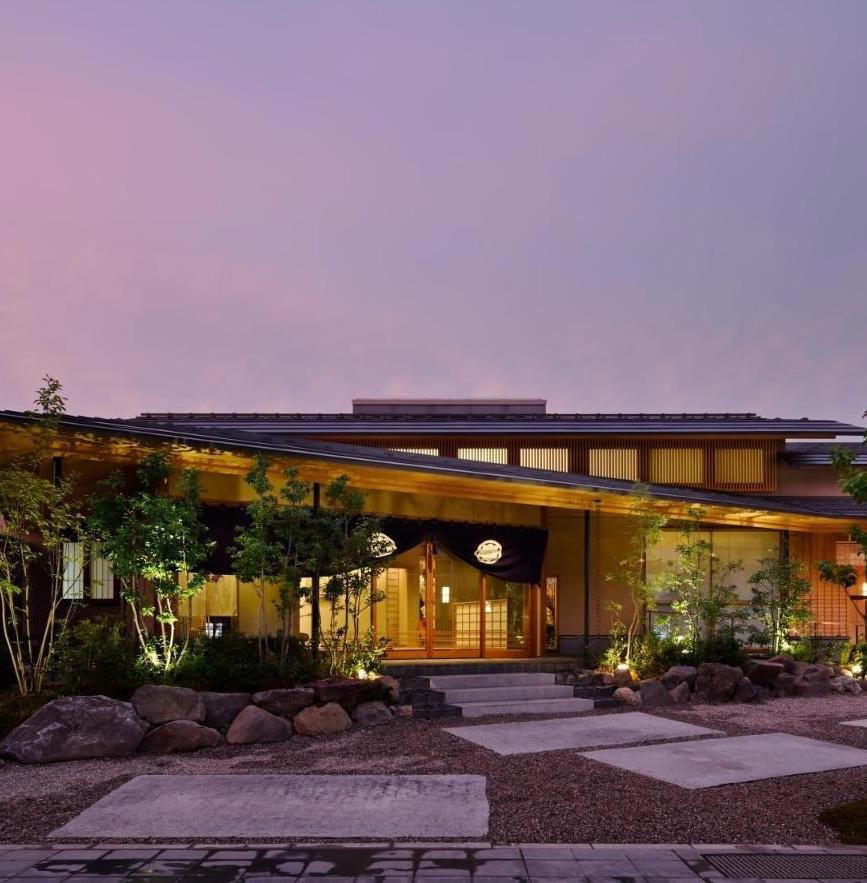
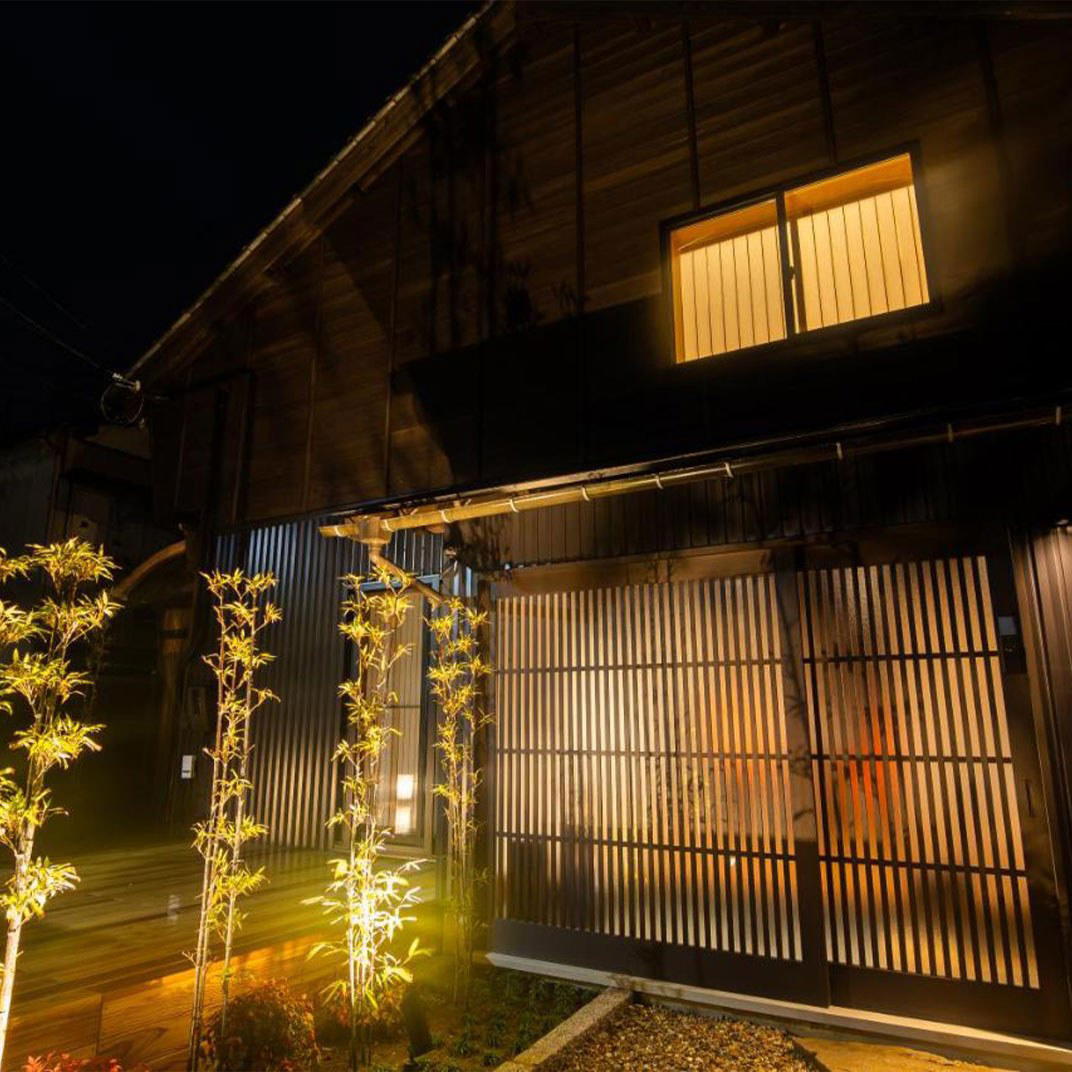
Nostalgic atmosphere with counter and tatami seating in a residential house setting.