Our verdict
Kayoutei Ryokan sits within Kaga's tradition of high-form kaiseki hospitality, where the Noto Peninsula's seasonal produce and Japan Sea seafood shape a ryokan dining experience grounded in regional sourcing. The property occupies a culinary tier that places it alongside Kaga's most serious kaiseki addresses, drawing guests who treat the dining room as the primary reason for the journey.

Pearl is the En Primeur Club membership app, where members save venues, book tables and use the concierge.
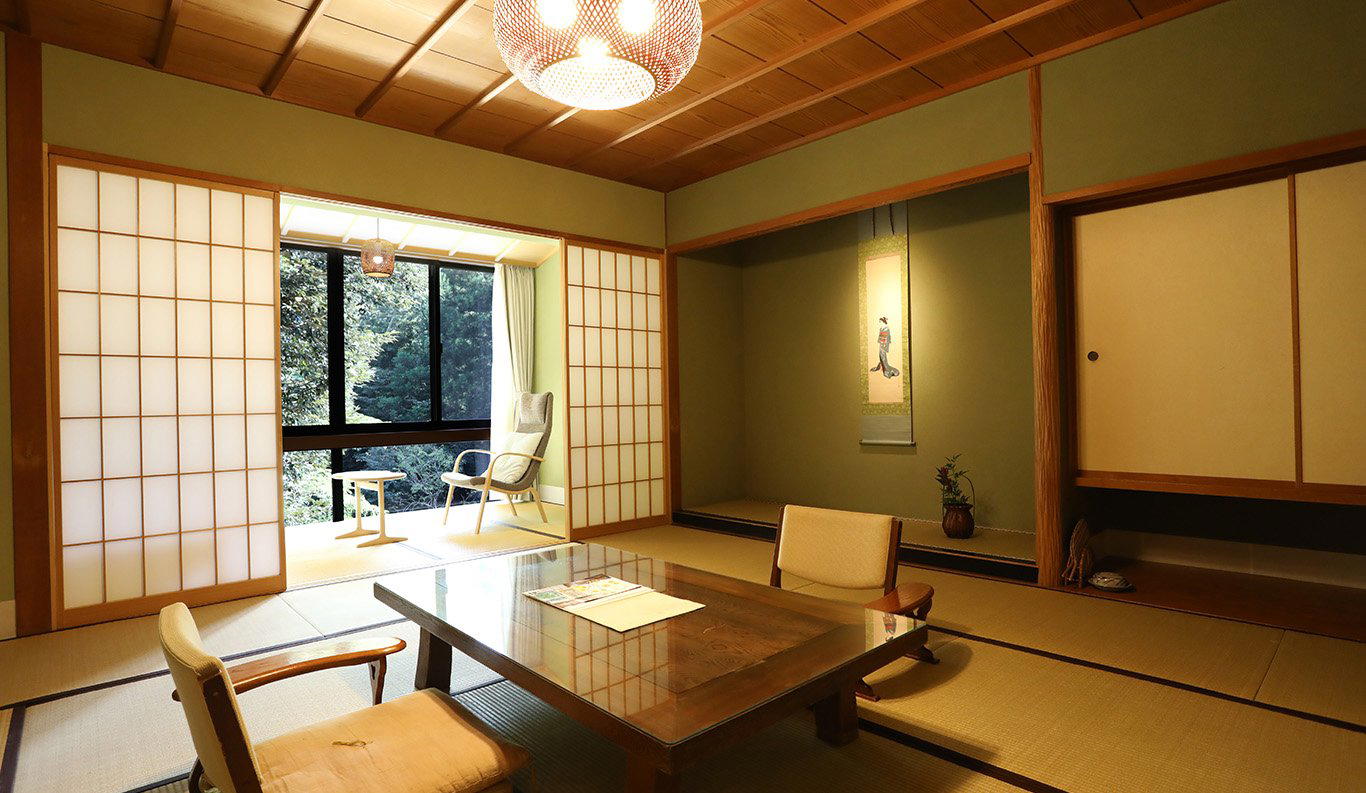
Where the Japan Sea Defines the Table
Kaga sits on the inland side of the Noto Peninsula, far enough from Japan's urban dining circuits that its ryokan kitchens have developed largely on their own terms. The inns here do not compete with Tokyo or Osaka on modernist credentials or tasting-menu innovation. They compete on something quieter and, in many respects, harder to replicate: the integrity of the supply chain that arrives at the kitchen door each morning. At Kayoutei Ryokan, as with the serious ryokan kitchens across this stretch of Ishikawa Prefecture, the dining experience is inseparable from where the food comes from. That sourcing logic is the architecture of everything on the plate.
The Japan Sea coastline that frames Kaga's geography produces seafood with a flavour profile that Michelin-starred kitchens in Tokyo and Osaka import at premium freight costs. In Kaga, it arrives the same day it leaves the water. Winter months bring nodoguro, the blackthroat sea perch that has become shorthand for Hokuriku culinary identity; autumn shifts the focus toward crab, specifically the Zuwaigani known domestically as Kaga's seasonal centrepiece. The ryokan kitchen's role is partly curatorial: deciding what the season is saying and letting that guide the progression of courses rather than imposing a fixed template on rotating ingredients.
The Kaiseki Framework and What It Demands
Kaiseki as practiced in Ishikawa Prefecture carries specific obligations that distinguish it from the broader category. Kaga is one of the former domains of the Maeda clan, whose patronage of the arts across four centuries left the region with refinements in lacquerwork, ceramics, and culinary presentation that became embedded in the local culture. The kaiseki tradition here is not simply a meal format imported from Kyoto; it developed in dialogue with local craft, local produce, and a particular sense of seasonal propriety that governs what appears at which point in the year.
Ryokan kaiseki unfolds differently from a restaurant kaiseki counter. The pacing is longer, structured around the in-room service cadence that traditional hospitality demands. Dishes arrive sequentially across what can extend to two hours or more, with presentation vessels often sourced from regional artisans working in Kutani ware or Wajima lacquer. The table, in this sense, is an extension of the same regional material culture that defines the experience at properties like Beniya Mukayu, where the integration of local craft into the dining ritual is treated with the same seriousness as the food itself.
For guests approaching this tradition from urban fine dining, the reference points shift. The intense technical density of Gion Sasaki in Kyoto or the precision-forward kaiseki at Goh in Fukuoka gives way to something more contemplative. Kaga ryokan kaiseki is not slower in ambition; it is slower in tempo, which is a meaningful distinction. The kitchen is not trying to compress a season into eighteen courses. It is trying to make the season legible across time spent in a single room.
Sourcing as the Central Argument
What separates the upper tier of Kaga ryokan dining from more generic onsen-hotel kaiseki across Japan is the specificity of sourcing decisions. Ishikawa Prefecture operates one of Japan's more coherent regional food economies, with prefectural branding around Kaga vegetables, a designated group of cultivars grown in the alluvial plains inland of Kanazawa that appear in kitchens across the region from late spring through autumn. These are not incidental garnishes; they carry enough flavour distinction that chefs at serious kaiseki addresses across Japan, including those operating at the level of akordu in Nara, treat Ishikawa produce as a reference category.
The Kaga vegetable roster includes items like Kaga lotus root, grown in the flooded fields south of Kanazawa, with a texture density and sweetness that separates it clearly from generic renkon. Sourcing at this level of regional specificity requires institutional relationships built over years between kitchen buyers and individual farmers, relationships that large-format hotel operations can rarely sustain. Smaller ryokan, operating with compact kitchen teams and stable supplier networks, are better positioned to maintain the consistency that produce-forward kaiseki requires. This is partly why properties of limited scale tend to out-perform larger resort formats on the sourcing dimension that matters most here.
Comparable dynamics play out elsewhere in Japanese regional dining. The sourcing rigour that defines the leading Hokuriku ryokan kitchens mirrors what distinguishes serious regional kaiseki addresses in other prefectures: the ability to anchor a menu in hyper-local produce with enough confidence to make that the editorial statement of the meal, not a footnote. It is a different argument from the one made at a counter like Harutaka in Tokyo, where the argument is about technique applied to premium national-market sourcing. In Kaga, proximity to the source is the technique.
Planning a Visit to Kaga
Kaga is accessible by shinkansen from Tokyo via Kanazawa, a journey of approximately two and a half hours on the Hokuriku Shinkansen, which extended its service to Tsuruga in 2024. From Kanazawa, local rail connections and taxi transfers reach the Yamashiro Onsen and Katayamazu Onsen districts where the major ryokan properties are concentrated. Guests travelling from Kyoto or Osaka have a more direct route via limited express services connecting through the Hokuriku main line.
Ryokan bookings at serious properties in Kaga typically operate through the ryokan's own reservation channel or through established Japanese travel agency networks. The kaiseki meal is almost universally included in the accommodation package rather than available as a standalone restaurant reservation. This means the dining experience at Kayoutei Ryokan, and comparable addresses like Taihei, functions within the logic of a two-day minimum stay rather than a single-evening booking. Weekend dates from October through March, when crab season drives regional demand, require advance planning of two to three months at minimum.
The seasonal rhythm of Kaga's produce calendar provides a practical argument for timing. Late autumn through early spring is the crab and seafood-dominant period; late spring through summer shifts toward Kaga vegetables, river fish, and the lighter register that the warmer months produce. Neither is categorically preferable, but the winter visit draws the higher concentration of guests willing to travel specifically for the table. For a broader overview of where Kayoutei Ryokan sits within Kaga's dining and hospitality offer, see our full Kaga restaurants guide.
Frequently asked questions
How does staying at Kayoutei Ryokan differ from booking a kaiseki restaurant in Kanazawa?
At Kayoutei in Kaga, the kaiseki meal is embedded in a full ryokan stay that includes onsen access, traditional room service rhythms, and a culinary sequence tied to the inn's own sourcing relationships in Ishikawa Prefecture. Kanazawa's kaiseki restaurants serve the meal as a standalone dining event; Kayoutei frames it as part of an overnight immersion in Kaga's food culture, where dinner, breakfast, and the broader environment of the inn are continuous. For travellers arriving via the Hokuriku Shinkansen, Kaga is roughly 15 minutes beyond Kanazawa station, making it a distinct destination rather than a city alternative.
What's the best thing to order at Kayoutei Ryokan?
Kayoutei operates within the kaiseki tradition specific to Kaga and Ishikawa Prefecture, where the meal is a fixed sequence rather than an à la carte selection. Guests receive a multi-course progression built around seasonal Ishikawa sourcing, including Japan Sea seafood and local mountain produce. The question of what to 'order' is largely resolved before you arrive: the kitchen sets the menu, and the region's ingredients dictate the direction.
Do they take walk-ins at Kayoutei Ryokan?
Kayoutei is a ryokan, meaning accommodation and dining are booked together as an integrated stay rather than as separate restaurant reservations. Walk-in dining at this category of property is not standard practice in Kaga or across the Ishikawa ryokan circuit. Advance reservation, typically made directly or through a travel specialist, is the norm for any stay that includes kaiseki.
What's the defining dish or idea at Kayoutei Ryokan?
The central idea at Kayoutei is kaiseki as practiced in a former domain capital with specific ingredient obligations: Kaga's culinary tradition draws on Japan Sea fish, local vegetables, and Ishikawa mountain produce in a way that differs from Kyoto-style kaiseki or generic onsen-hotel tasting menus. The meal is structured, seasonal, and place-specific rather than chef-driven in the contemporary tasting-menu sense. The ryokan format means the kaiseki experience extends across an entire stay, not a single sitting.
Side-by-Side Snapshot
| Venue | Cuisine | Price | Awards | Notes |
|---|---|---|---|---|
| Kayoutei RyokanThis venue (the venue you are viewing) | Kaga-style Kaiseki | $200–300 | Not listed | Not listed |
| HAJIME | Avant-Garde Japanese Fine Dining | $300–500 | 3 Michelin Stars · World's 50 Best #83 | French, Innovative |
| Harutaka | Edo-Style Omakase Sushi | $200–300 | 3 Michelin Stars · World's 50 Best #76 | Sushi |
| L'Effervescence | Modern French with Japanese Influences | $200–300 | 3 Michelin Stars · World's 50 Best #69 | French |
| RyuGin | Modern Kaiseki | $500+ | 3 Michelin Stars · World's 50 Best #41 | Kaiseki, Japanese |
| Crony | Modern French with Japanese Influences | $150–200 | 2 Michelin Stars · World's 50 Best #34 | Innovative, French |
Continue exploring
More in Kaga
Restaurants in Kaga
All restaurants in Kaga →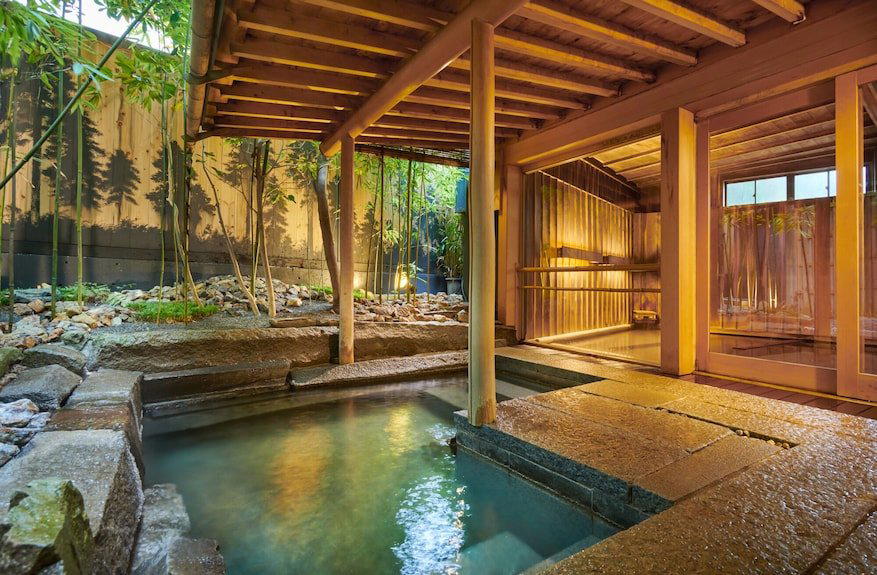
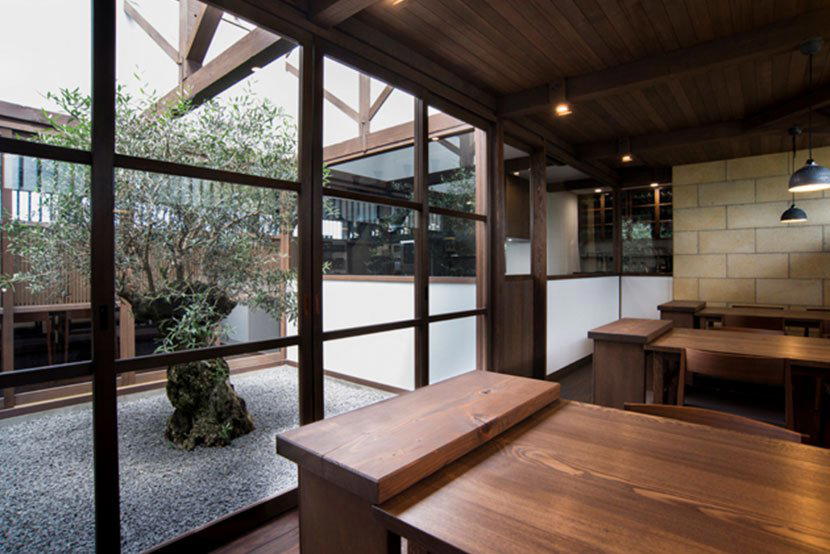
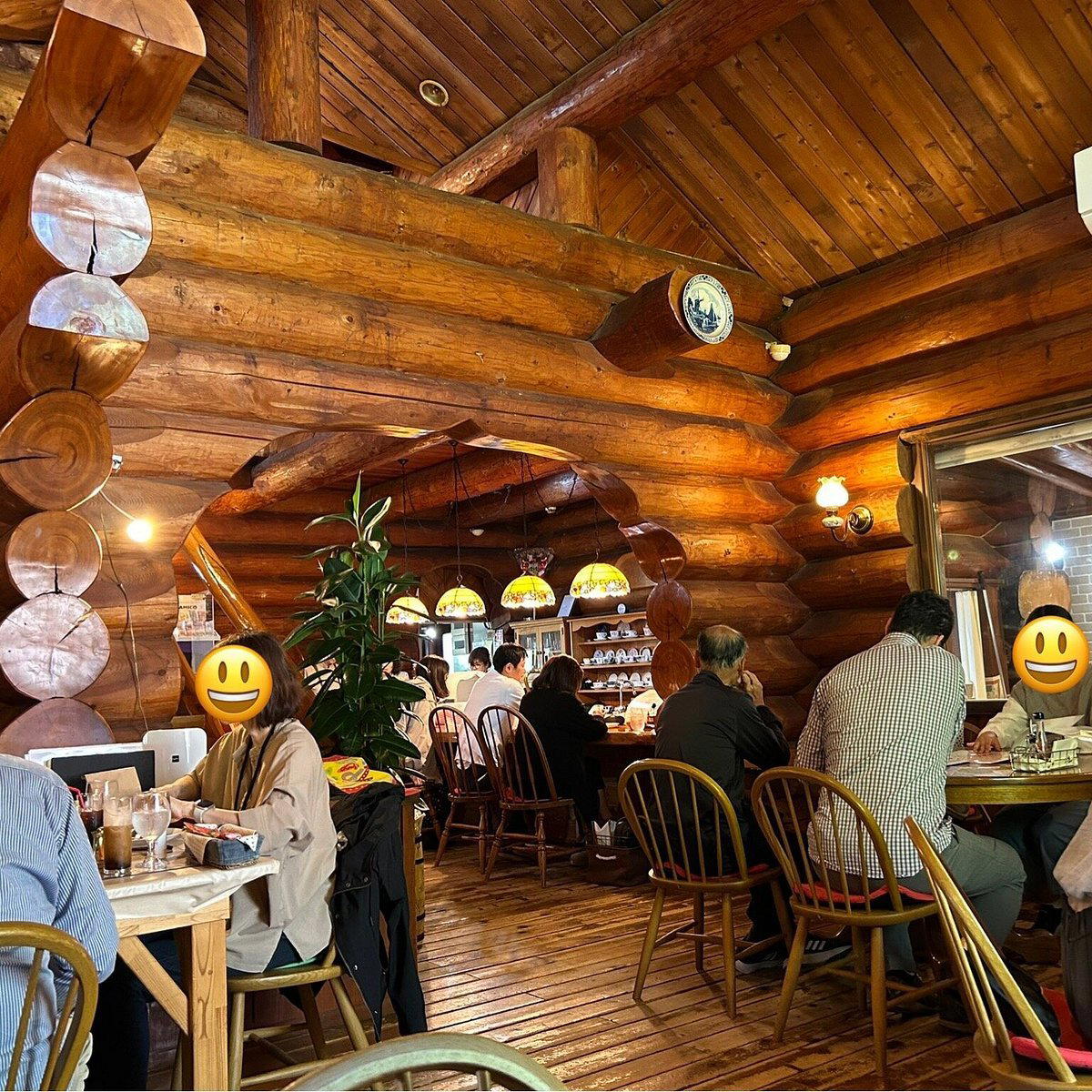
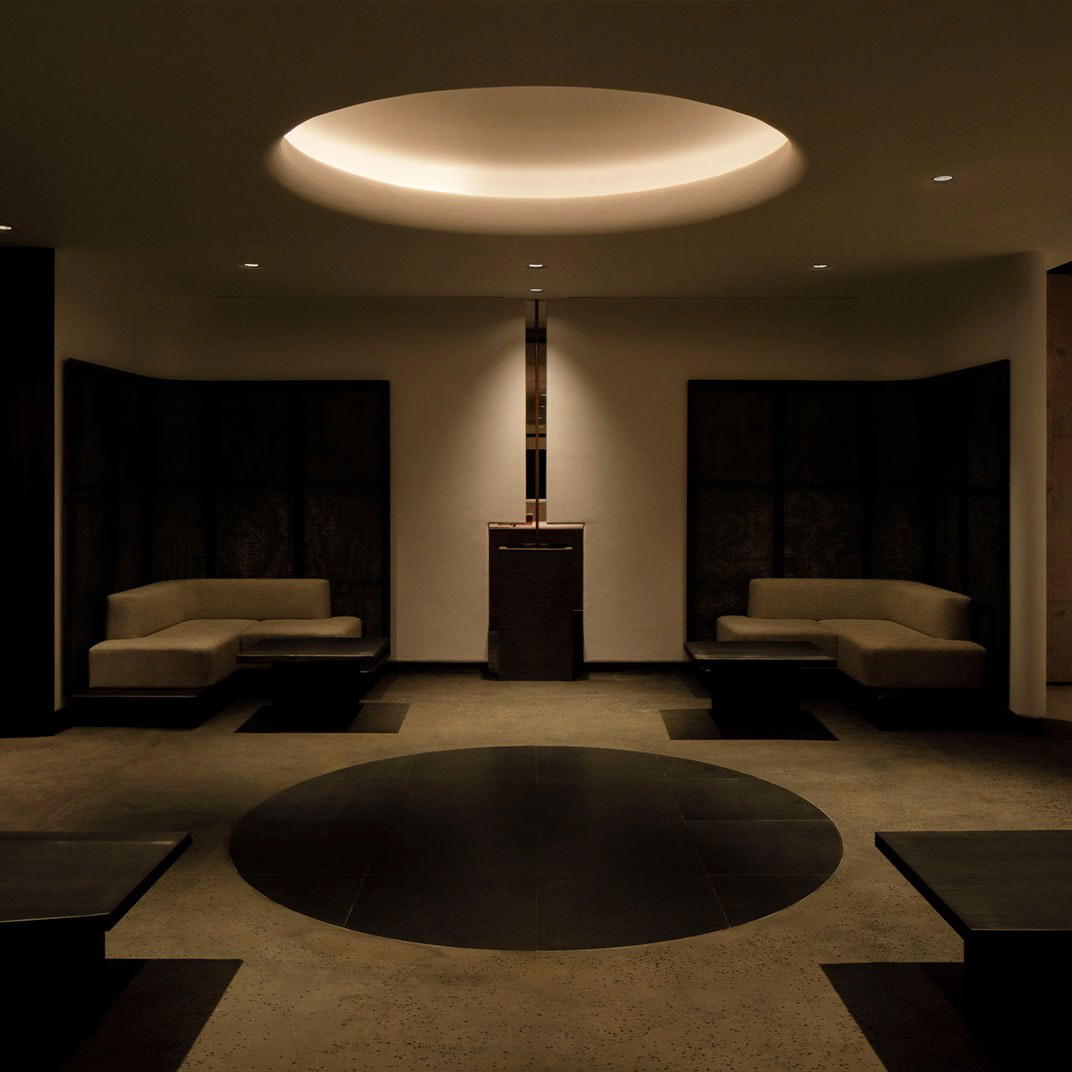
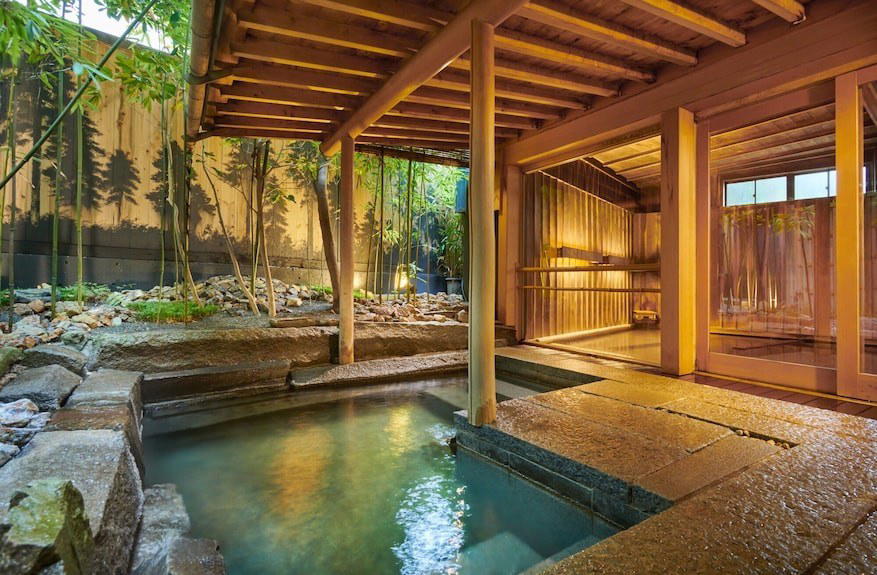
Details
- Quiet
- Elegant
- Intimate
- Rustic
- Scenic
- Special Occasion
- Date Night
- Private Dining
- Historic Building
- Sake Program
- Local Sourcing
- Mountain
- Garden
- Tasting Menu
- Vegetarian Friendly
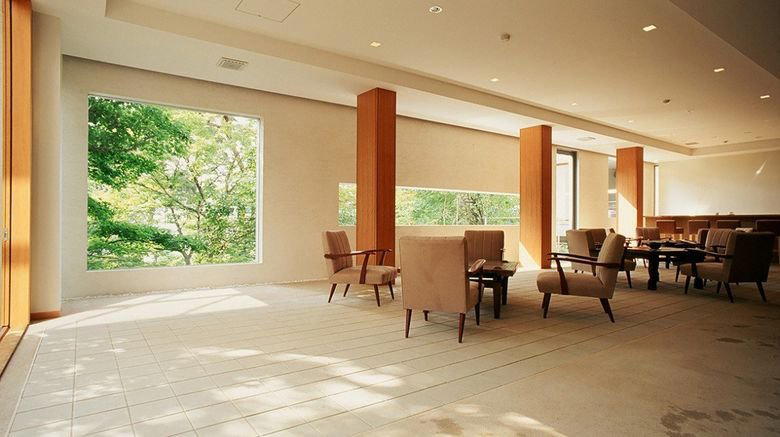
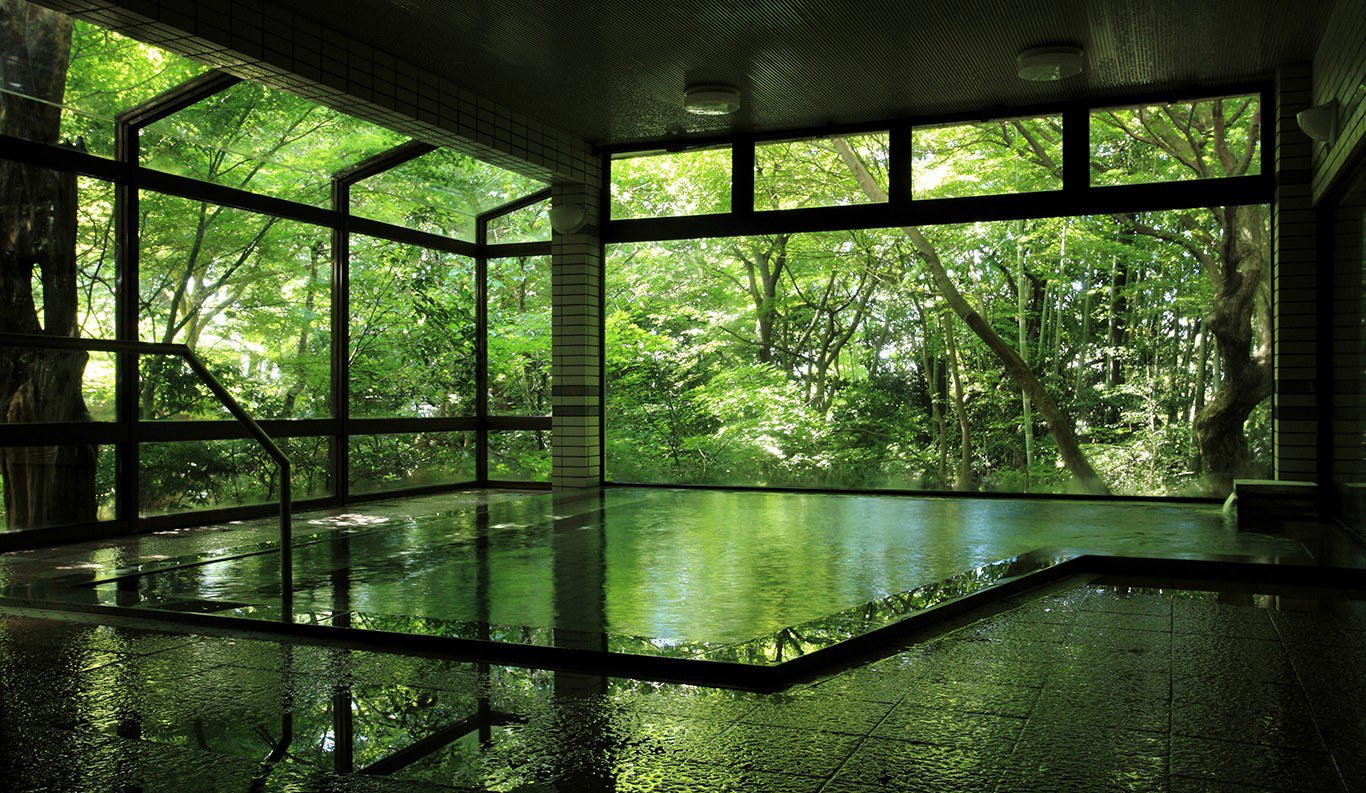
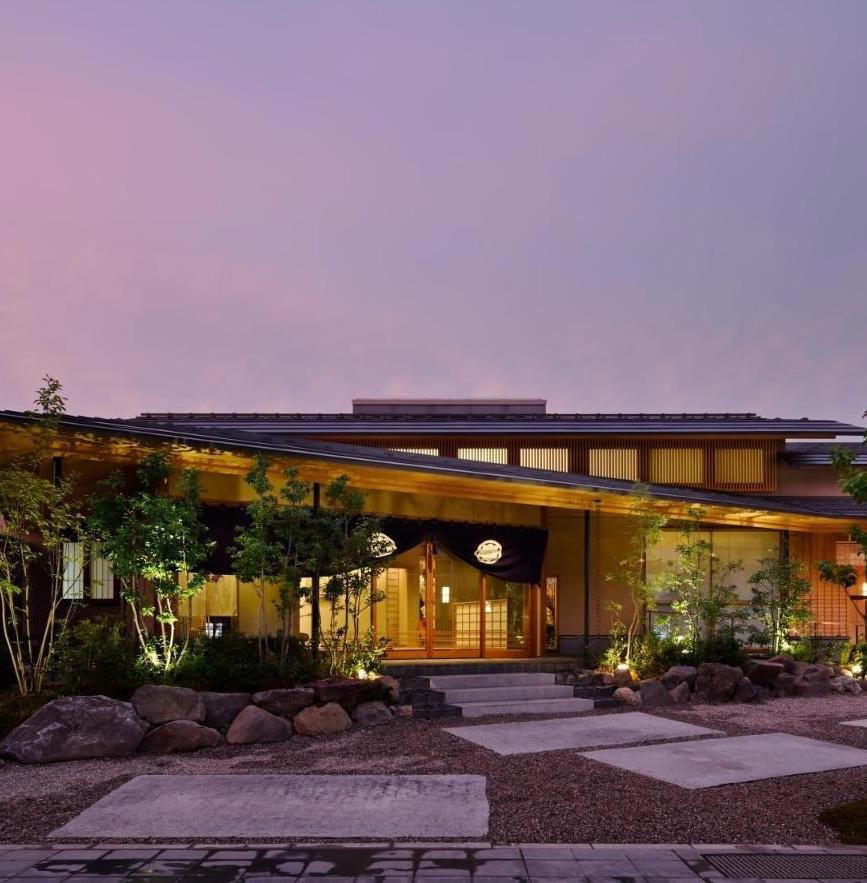
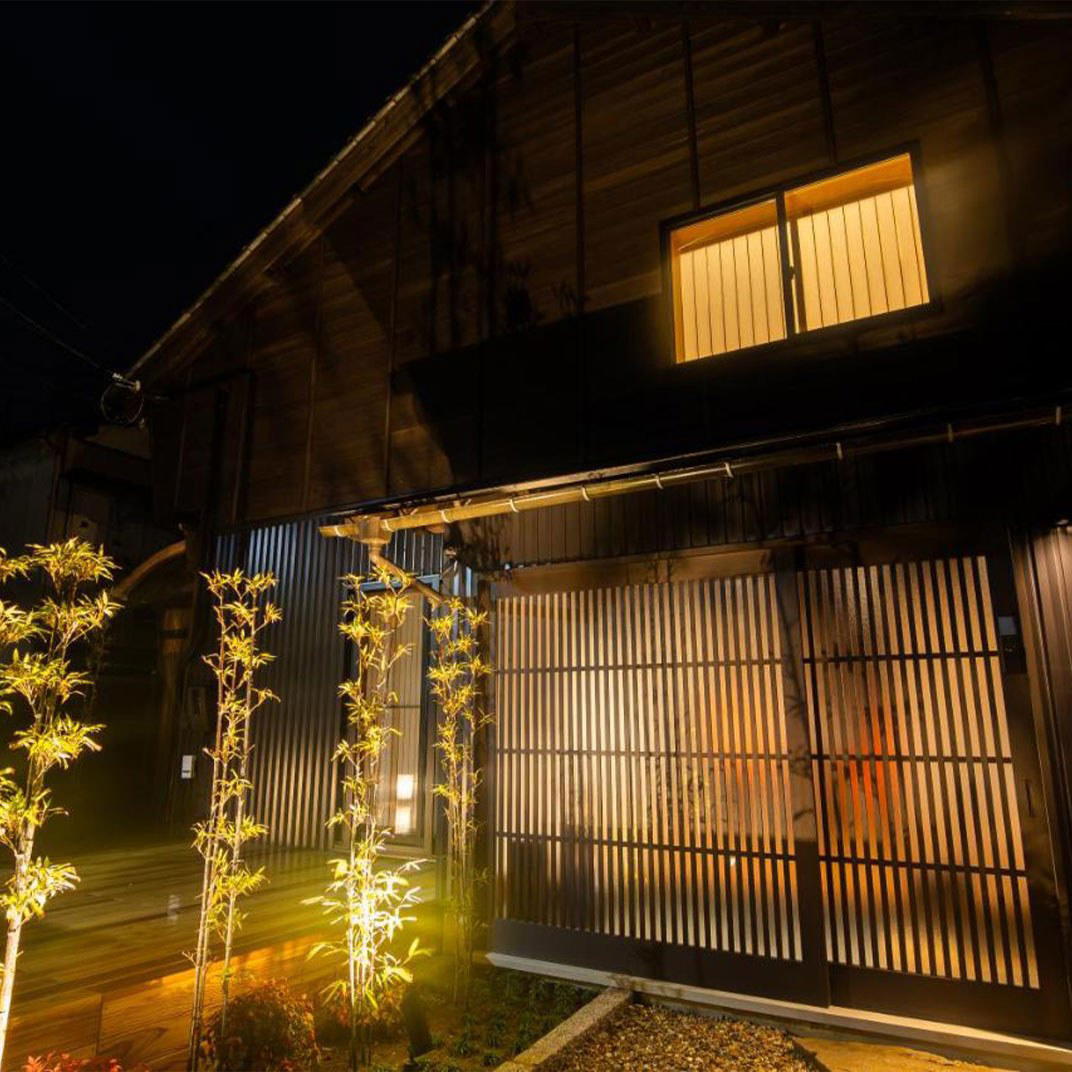
Warm, traditional Japanese atmosphere with tatami walkways, painted screens, antique furnishings, and serene onsen baths surrounded by forested hills.