
Chaoshangchao Zhengda Store sits in Beijing’s premium regional-Chinese dining conversation with a Black Pearl Restaurant Guide 2026 one-diamond listing. The address, menu format, chef, price range, and booking route are not publicly listed here, so the editorial case rests on context: Chaoshan cooking’s precision, its seafood-and-broth discipline, and the way Beijing rewards regional Chinese restaurants that can translate local tradition into a capital-city dining room.

Pearl is the En Primeur Club membership app — saves, bookings, and concierge access live there. Same editors, same standards.
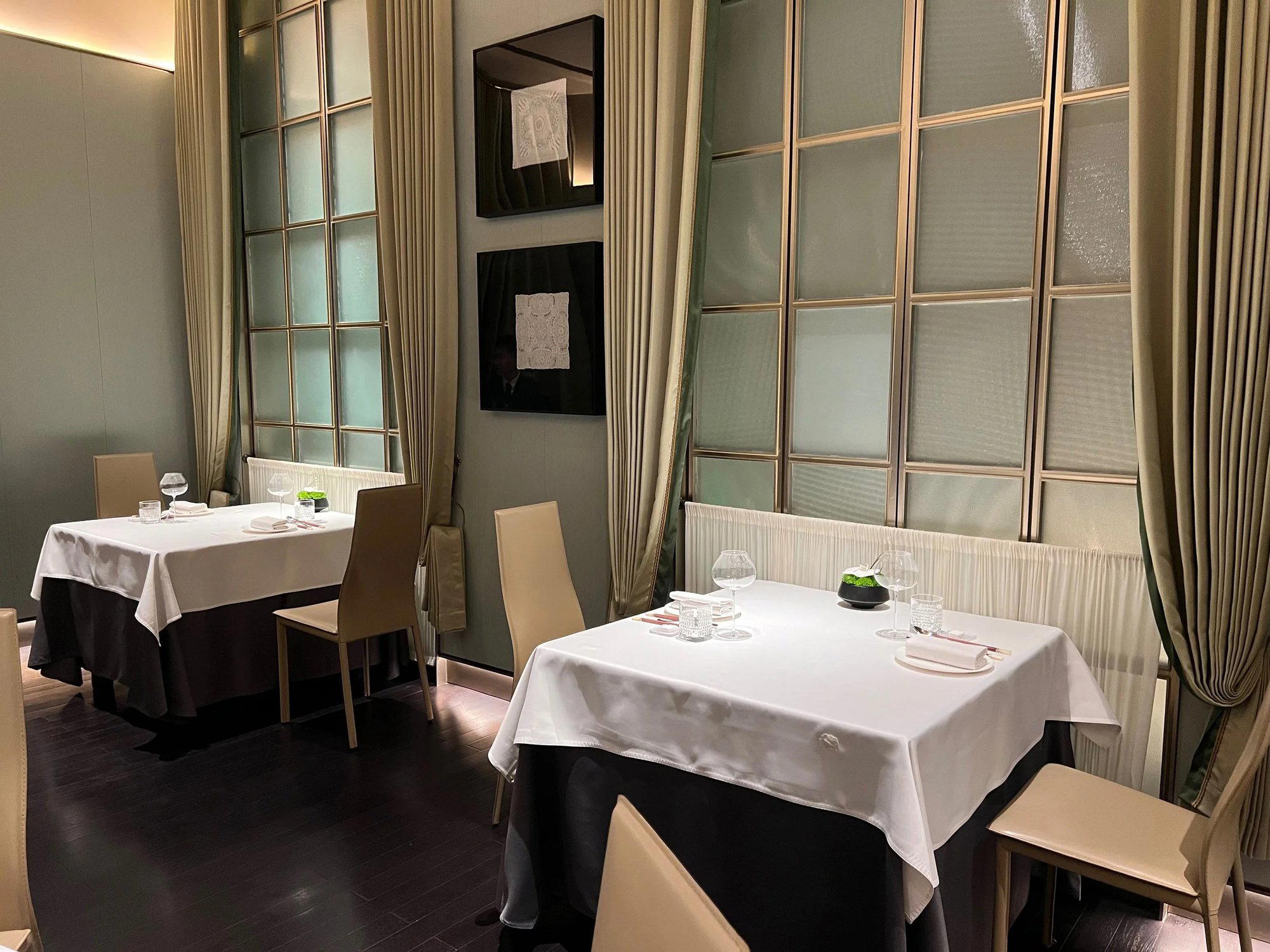
Beijing’s serious regional-Chinese dining rooms tend to announce themselves less through spectacle than through control: quieter service rhythms, private-room culture, polished table settings, and menus built for groups who know exactly what they came to eat. In that setting, Chaoshan cooking carries a particular charge. It is a coastal Guangdong tradition associated with clear broths, seafood, marinated cold dishes, precise knife work, and a tea culture that treats the end of the meal as part of the meal rather than an afterthought.
Chaoshangchao Zhengda Store belongs to that conversation because the name points directly toward the Chaoshan repertoire, while its Black Restaurant Guide 2026 one-diamond recognition places it in China’s domestic luxury-dining frame. Black is especially relevant in Beijing, where Michelin-style global signaling sits alongside a local system that often reads Chinese banqueting, regional technique, and service polish with sharper cultural fluency.
Chaoshan cooking in a Beijing dining room
Chaoshan cuisine is often misread from outside China as simply another branch of Cantonese cooking. The overlap is real, but the dining logic is different. Cantonese luxury in Beijing often leans toward roast meats, dim sum craft, and banquet seafood; Chaoshan tables are more tightly associated with purity of broth, fresh seafood treatment, beef cookery, pickled and brined accents, and gongfu tea. The pleasure is in calibration rather than excess.
That matters in Beijing because the capital’s restaurant culture has long absorbed regional cuisines and re-priced them for official, corporate, and family entertaining. A Chaoshan restaurant at the recognized end of the market has to do two things at once: preserve a cuisine whose authority comes from regional specificity, and operate within Beijing’s expectation of composed service and occasion dining. The one-diamond Black listing signals that the restaurant has crossed from local specialist into a tier watched by diners comparing Chinese regional restaurants across the city.
The capital’s Chinese-dining range can be traced through 1949 - Duck de Chine, 1949 The Hidden City (Beijing cuisine), 1949-å ¨é¸å£, Amico BJ (European Contemporary), and Aroma. For wider planning, use Our full Beijing restaurants guide, with adjacent city coverage in Our full Beijing hotels guide, Our full Beijing bars guide, Our full Beijing wineries guide, and Our full Beijing experiences guide.
What the Black signal tells diners
A one-diamond Black listing does not function like a casual popularity marker. It places a restaurant inside a curated national guide that Chinese diners use for occasion meals, client hosting, and regional benchmarking. For Chaoshangchao Zhengda Store, that recognition is the clearest public trust signal: it suggests a room operating above everyday neighbourhood dining, even where individual details such as chef, seating count, price range, and service format are not listed.
The distinction is useful because Beijing’s premium restaurants often compete on more than cooking alone. Privacy, pace, hostability, and the ability to serve a multi-generational table all matter. Chaoshan cuisine is well suited to that setting: it gives structure without demanding a Western tasting-menu arc, and it lets the table move between seafood, soup, vegetable, meat, and tea in a rhythm shaped by conversation.
Regional context beyond Beijing also helps. China’s serious dining culture is increasingly read city by city, with different traditions carrying different forms of prestige. Compare the wider national map through #8 in Chengdu, 100 Century Avenue Cantonese in Shanghai, 167 Shan Hai Li in Fuzhou, 1913 in Hangzhou, 1927 Dong Yuan Si Chu in Xiamen, and 1980烧肉粽 in 厦门市. For a cross-Pacific contrast in concise Asian formats, see Jōdo Saké Bar in Los Angeles and Onigiri Time in Pasadena.
How to read the room before choosing it
The decision here is less about chasing a named dish than choosing a regional Chinese table with guide recognition in Beijing. Diners looking for a chef-led tasting menu, a published wine program, or an address-driven itinerary will need firmer logistics before committing. Diners interested in Chaoshan cooking as a cultural form have the stronger reason to pay attention: this is a cuisine where restraint, clarity, and sourcing discipline carry more weight than theatrical plating.
The practical stance is simple. Treat Chaoshangchao Zhengda Store as a planned meal, especially for groups, business hosting, or family dining. Confirm the current menu format, allergy handling, and booking process before setting the evening around it. The reward, if the fit is right, is not novelty; it is Beijing’s ability to absorb a regional coastal tradition and present it at a level serious enough to register in the Black 2026 guide.
How It Compares
Comparable venues nearby, for context on price, style, and recognition.
| Venue | Cuisine | Price | Notes |
|---|---|---|---|
| Chaoshangchao Zhengda StoreThis venue — the venue you are viewing | Chaoshan / Chaozhou Fine Dining | $$$$ | Not listed |
| Made In China (长安壹号) | Modern Northern Chinese with Peking Duck | $$$$ | Wangfujing |
| ShengYongXing | Contemporary Beijing Cuisine with Signature Peking Duck | $$$$ | Sanlitun |
| Vege Wonder | Modern Chinese Vegetarian | $$$$ | Dongcheng |
| QUANJUDE | Traditional Peking Roast Duck | $$$ | Qianmendajie |
| JINGJI Aristocrat Cuisine by Rong | Royal Chinese Fine Dining | $$$$ | Chaoyang District |
Recognition history
Dated appearances from independent guides and award organizations, with the underlying list record or original source where available.
Black Pearl 1 Diamond
Black Pearl

At a Glance
- Elegant
- Sophisticated
- Well Known
- Modern
- Business Dinner
- Celebration
- Special Occasion
- Group Dining
- Standalone
- Skyline
- Street Scene
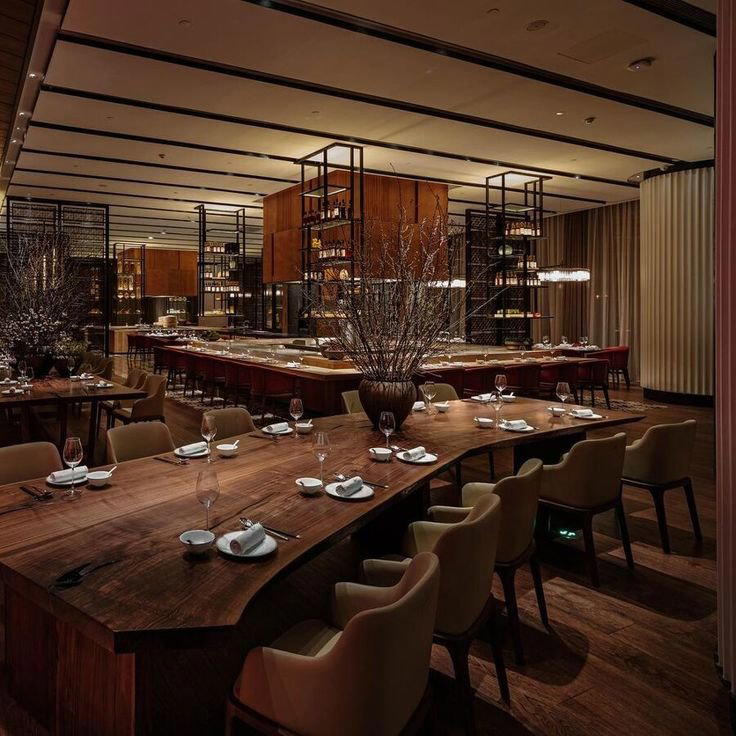
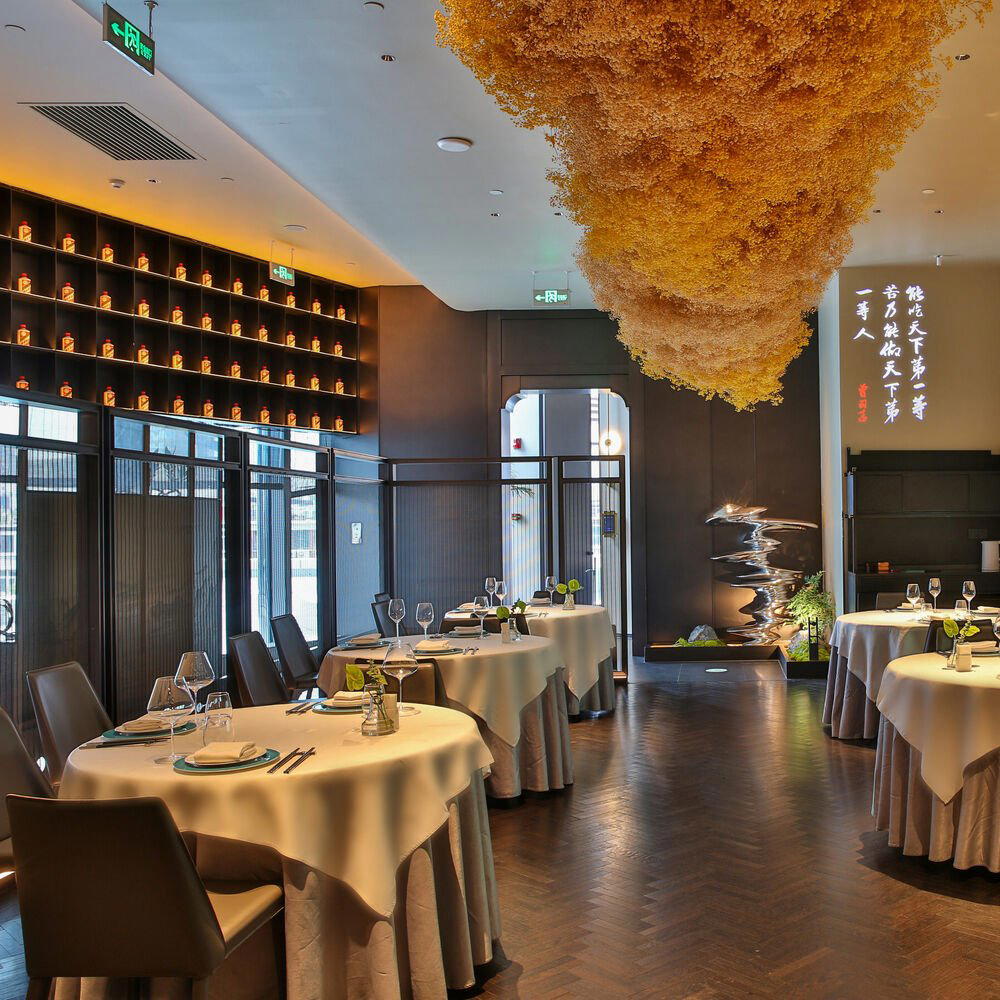
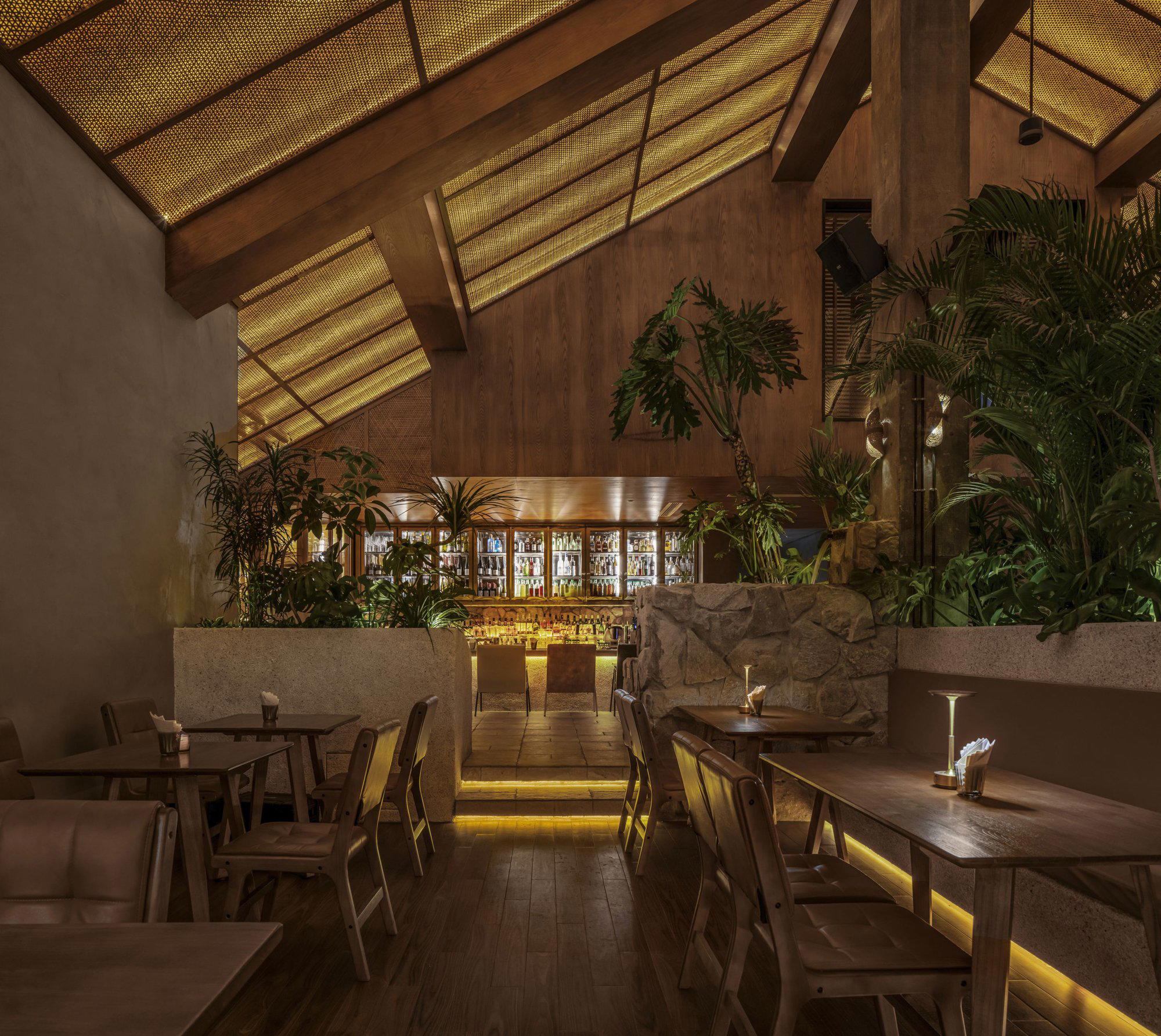
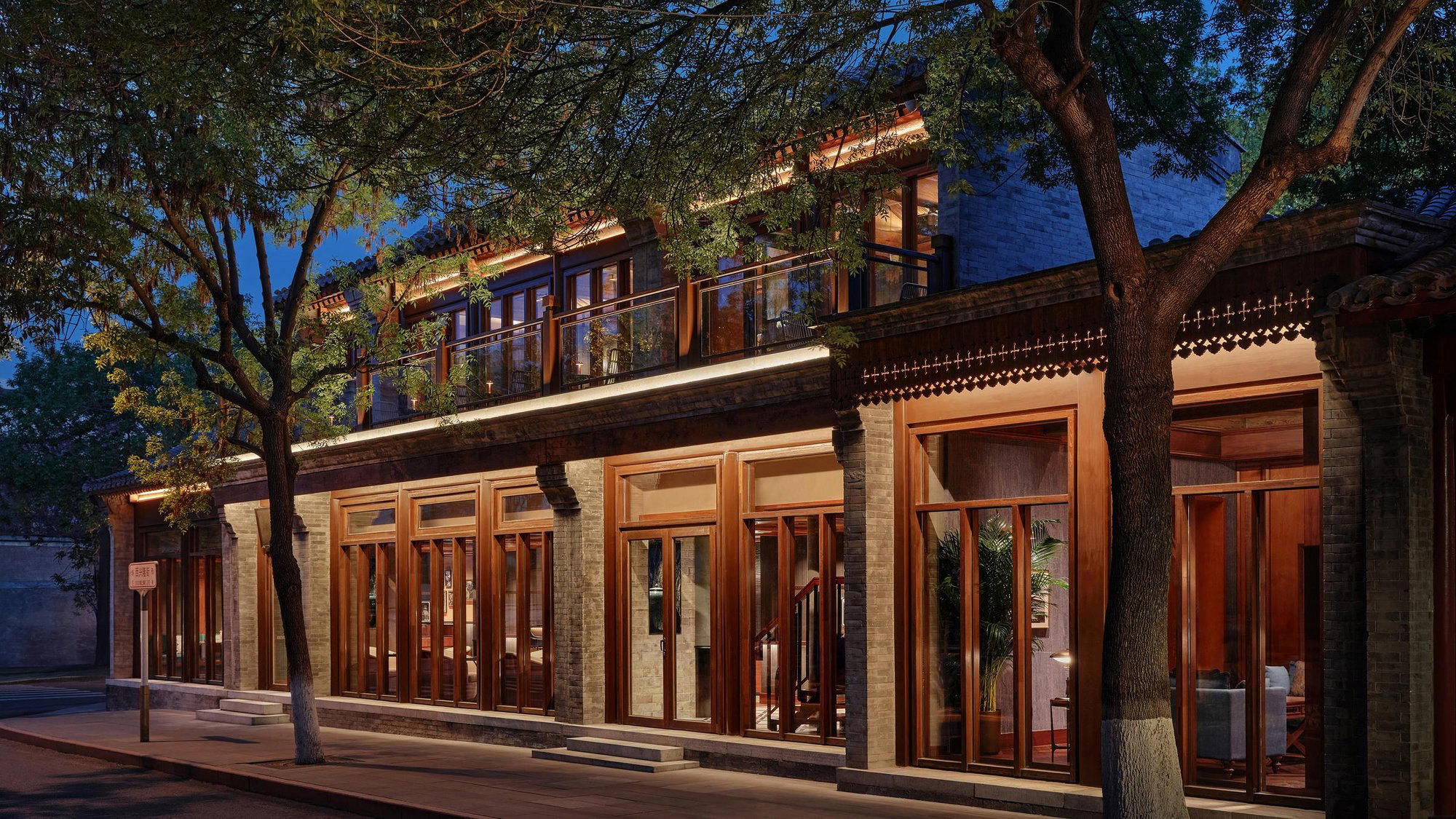
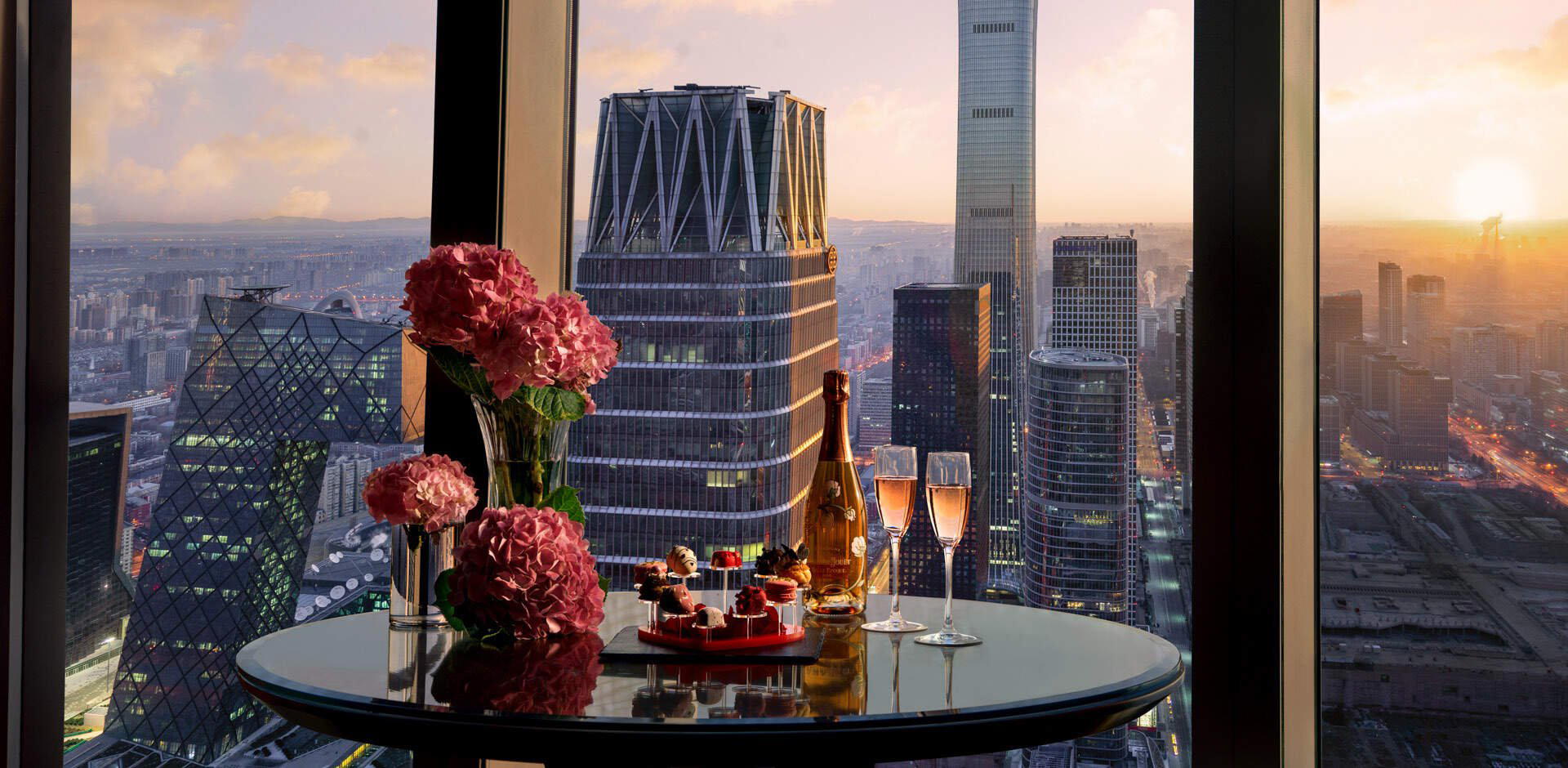
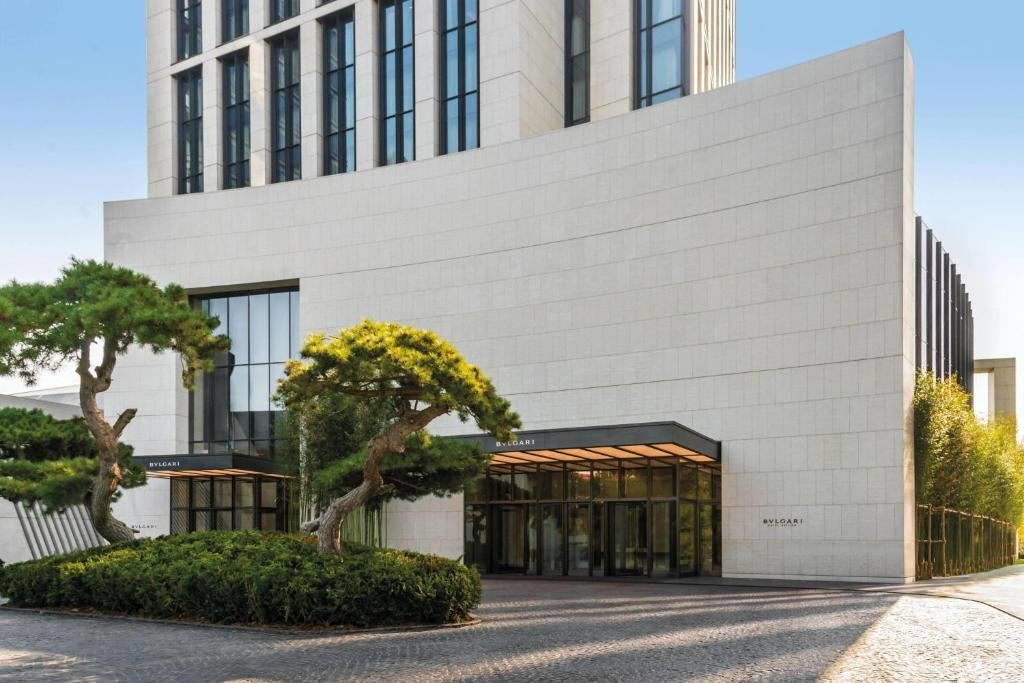
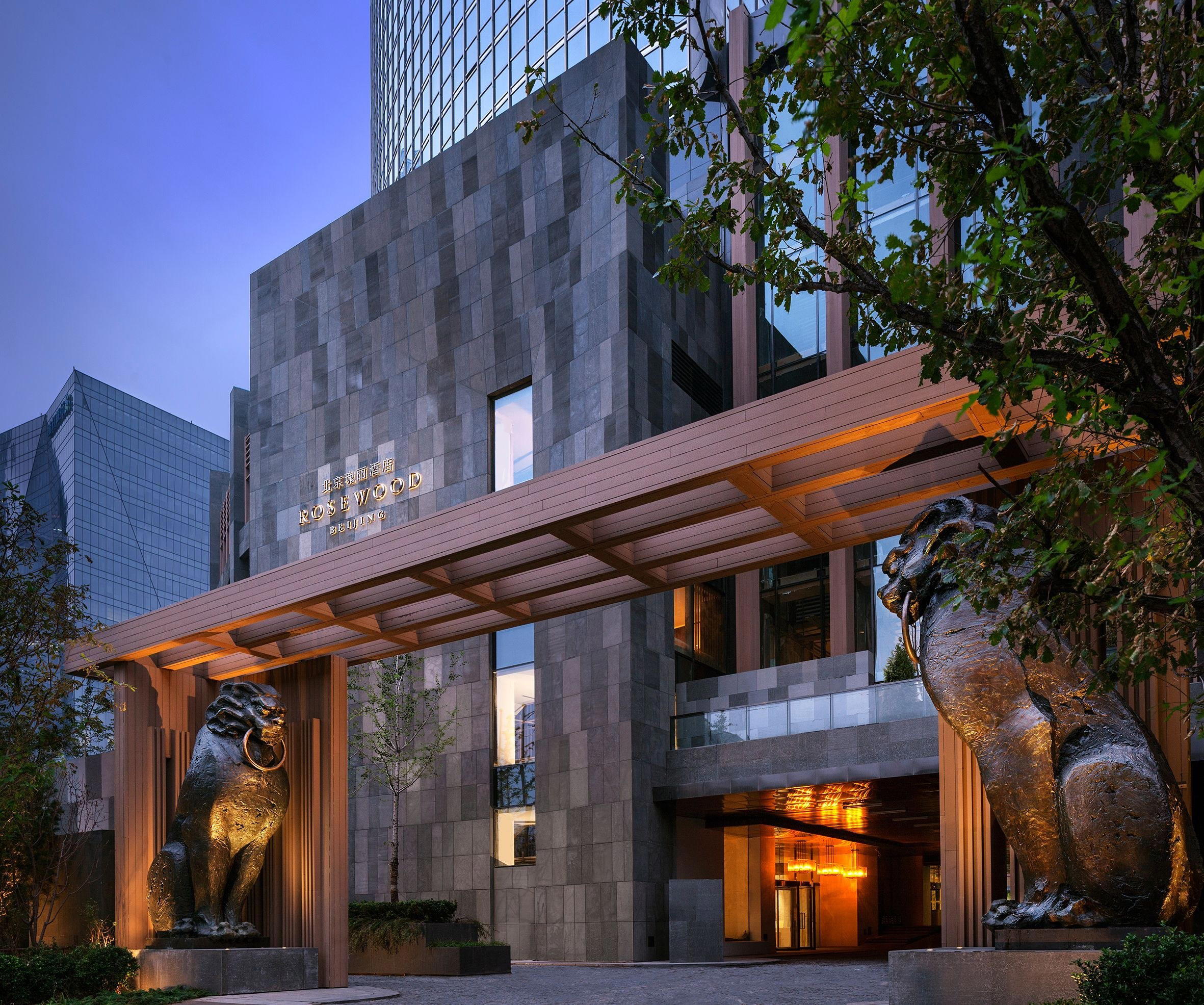
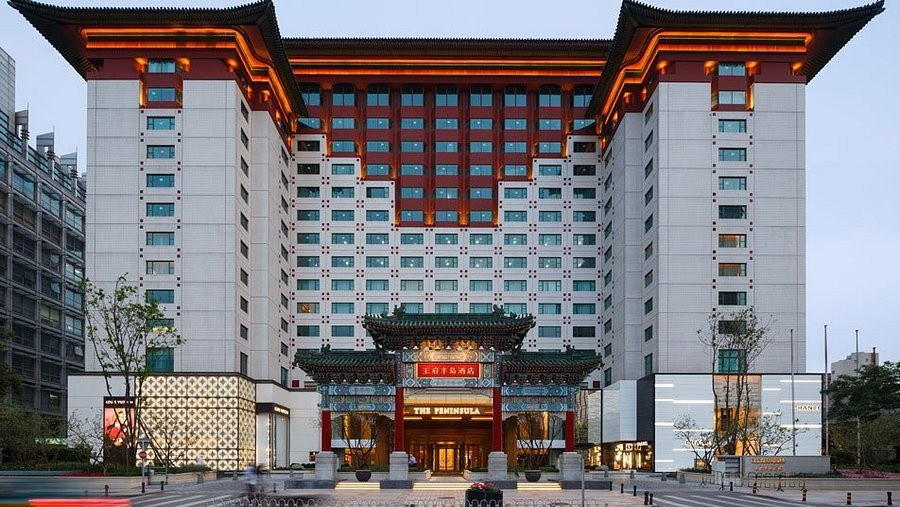
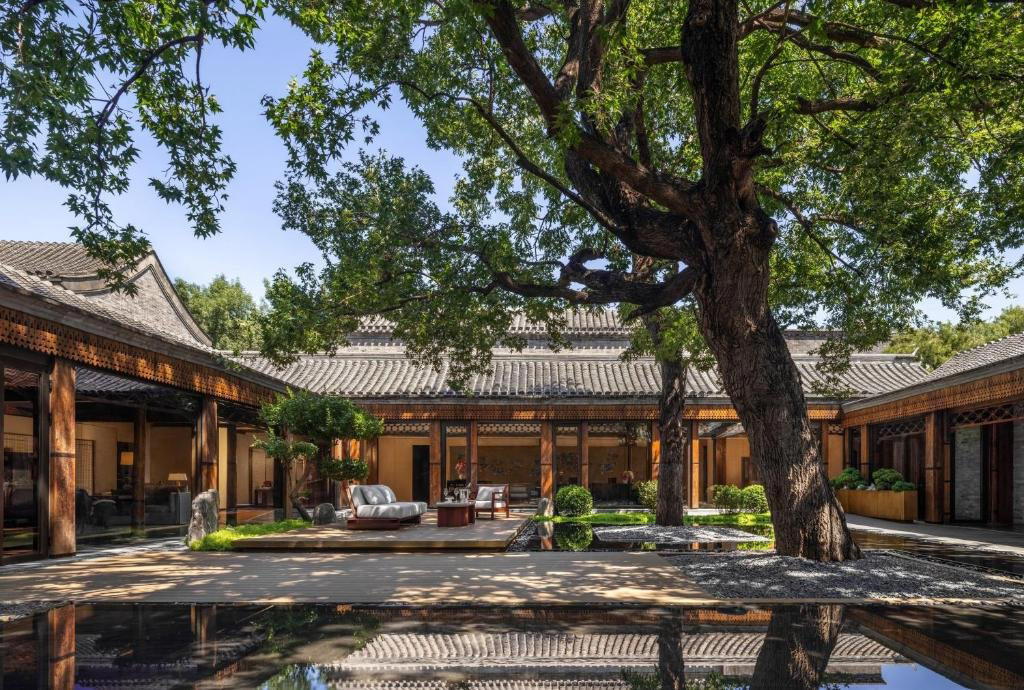
Refined and upscale with a polished fine-dining atmosphere; guests describe the setting as modern and sophisticated rather than casual.