
JINGJI Aristocrat Cuisine by Rong belongs to Beijing’s formal Chinese dining tier, where ingredient provenance and banquet grammar matter more than novelty. Its Black Pearl Restaurant Guide 2026 three-diamond recognition gives the room a clear credential in China’s domestic luxury dining hierarchy, especially for travelers interested in how regional sourcing is translated into a high-end capital-city setting.

Pearl is the En Primeur Club membership app — saves, bookings, and concierge access live there. Same editors, same standards.
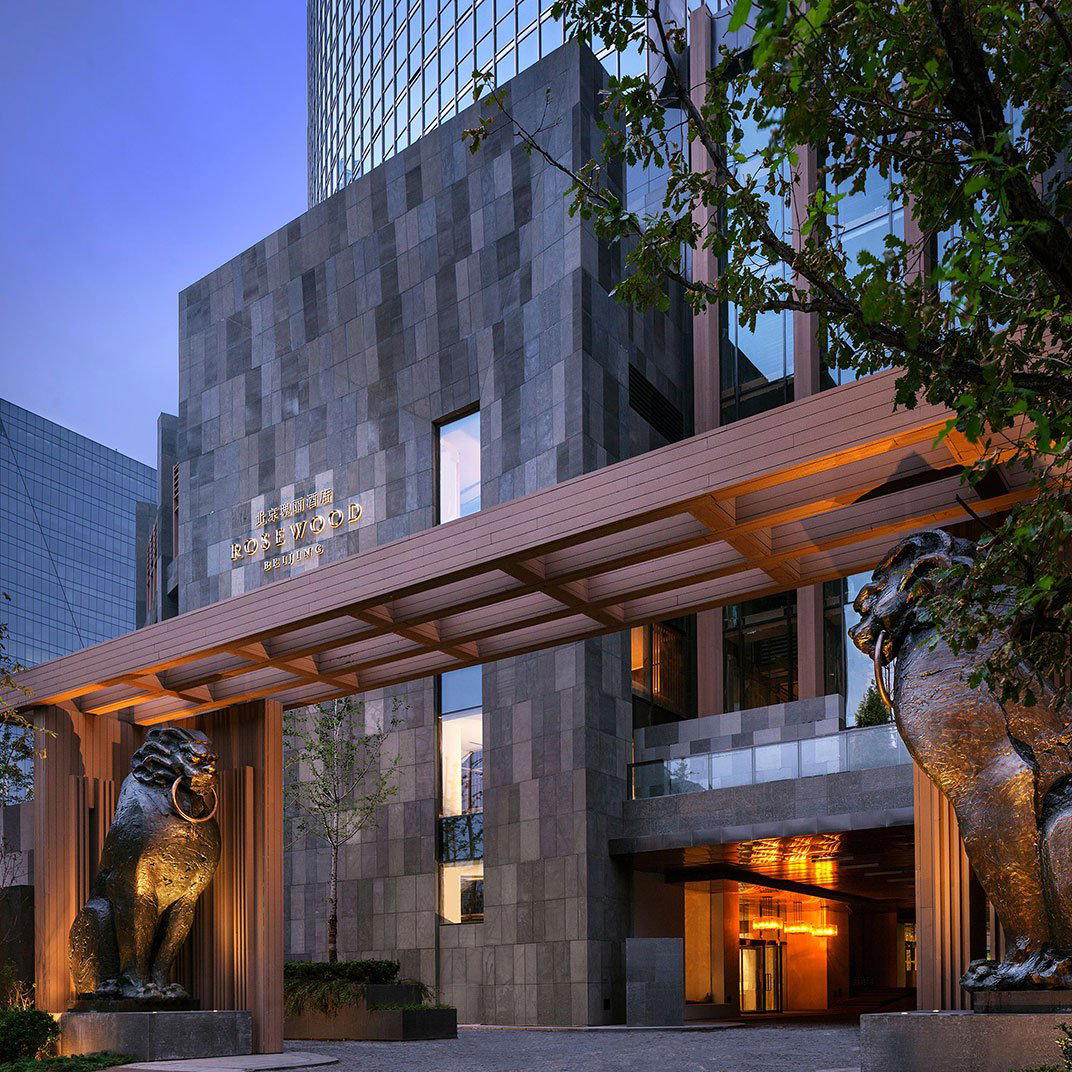
Beijing’s serious Chinese dining rooms are built around control: quiet arrivals, measured pacing, and a kitchen language that treats sourcing as status. In that setting, JINGJI Aristocrat Cuisine by Rong reads less as a casual restaurant choice than as a statement about what the capital values at the upper end of the table. The useful lens is not spectacle, but procurement: which ingredients are deemed worthy of a formal meal, how they are handled, and how the room frames them for guests who already understand the codes of Chinese banquet dining.
Ingredient status is the story in Beijing's formal Chinese dining rooms
At this level, ingredient sourcing is not a back-of-house detail. It is the structure of the meal. Chinese luxury dining has long treated provenance, season, texture, and rarity as forms of culinary literacy, particularly in cities where government, business, and private entertaining shape demand. Beijing adds its own pressure: the audience is accustomed to regional Chinese cooking, but also to ceremony, hierarchy, and restraint. A kitchen working in this register has to make ingredients feel selected rather than merely expensive.
JINGJI Aristocrat Cuisine by Rong carries a Black Restaurant Guide 2026 three-diamond distinction, a high domestic signal in China’s restaurant culture. That matters because Black evaluates Chinese dining on terms that often differ from Western award systems: service cadence, banquet suitability, ingredient handling, and the ability to present regional technique within a luxury format. For a traveler using awards as a filter, the three-diamond mark places the restaurant inside a small national conversation about Chinese fine dining rather than a broad tourist-facing category.
The word “aristocrat” in the name also points to a particular dining expectation in Beijing. This is not street-food nostalgia or neighborhood comfort cooking translated upward. The relevant tradition is formal Chinese cuisine as social language: polished service, composed progression, and ingredients chosen for significance as much as flavor. Without verified dish names, the safer editorial read is categorical: expect the kitchen’s authority to rest on sourcing discipline and controlled execution, not on novelty for its own sake.
Why the award signal matters more than a menu snapshot
Menu snapshots can mislead in this part of the market. High-end Chinese restaurants often change emphasis according to season, availability, and private-room demand, while public menus rarely explain the sourcing decisions behind the meal. A three-diamond Black listing is therefore more useful than a single dish description. It tells the reader that the restaurant has been assessed within China’s own premium dining framework, where technical consistency and host-worthy service carry weight.
That distinction also helps separate the restaurant from the broader Beijing field. The city contains several dining economies at once: historic roast-duck institutions, hotel dining rooms, contemporary European kitchens, private-room Chinese restaurants, and tasting-menu formats aimed at international travelers. For more casual orientation across the city, our full Beijing restaurants guide is the better starting point; for a wider trip, pair it with our full Beijing hotels guide, our full Beijing bars guide, our full Beijing wineries guide, and our full Beijing experiences guide.
Readers mapping Beijing’s Chinese dining range may also want to understand adjacent formats without treating them as direct peers. The city’s roast-duck and Beijing-cuisine references include 1949 - Duck de Chine, 1949 The Hidden City (Beijing cuisine), and 1949-å ¨é¸å£, while hotel and contemporary dining sit elsewhere through venues such as Amico BJ (European Contemporary) and Aroma. The point is range: Beijing’s luxury dining is not a single style, and JINGJI belongs to the formal Chinese end of that spectrum.
How to read the room before choosing it
The decision case is clear. Choose JINGJI Aristocrat Cuisine by Rong when the meal needs to carry weight: a serious hosted dinner, a China-focused dining itinerary, or a night built around refined Chinese sourcing rather than a casual evening out. It is less useful for travelers who want transparent à la carte grazing, bar energy, or a quick survey of Beijing flavors in one sitting. The award profile suggests a room built for occasion and control.
For national context, China’s high-end dining conversation stretches well beyond the capital. Chengdu brings a different relationship to spice and regional identity at #8 in Chengdu; Shanghai’s Cantonese luxury format appears at 100 Century Avenue Cantonese in Shanghai; coastal Fujian references include 167 Shan Hai Li in Fuzhou, 1927 Dong Yuan Si Chu in Xiamen, and 1980烧肉粽 in 厦门市; Hangzhou’s more Jiangnan-coded dining culture appears through 1913 in Hangzhou. Those references matter because sourcing-led Chinese cuisine changes by region, product chain, and host culture. Even outside China, related drinking and casual Japanese formats, such as Jōdo Saké Bar in Los Angeles and Onigiri Time in Pasadena, show how provenance can define different meals. In Beijing, the signal here is narrower and more formal: ingredient seriousness, award validation, and a room suited to guests who want Chinese luxury dining on its own terms.
Reputation & Price
Comparable venues nearby, for context on price, style, and recognition.
| Venue | Cuisine | Price | Notes |
|---|---|---|---|
| JINGJI Aristocrat Cuisine by RongThis venue — the venue you are viewing | Not listed | $$$$ | Not listed |
| Gastro Esthetics at DaDong(Beijing Nanxincang Branch) | Not listed | $$$$ | Dongcheng, Contemporary Fine-Dining Beijing Cuisine by DaDong |
| Huang Ting | Chaoyangmen, Cantonese Fine Dining | $$$$ | Not listed |
| Chao Shang Chao | Not listed | $$$$ | Chaoyang, Modern Chaoshan (Teochew) Fine Dining |
| ShengYongXing | Not listed | $$$$ | Sanlitun, Contemporary Beijing Cuisine with Signature Peking Duck |
| Chaoshangchao Zhengda Store | Not listed | $$$$ | Chaoyang District, Chaoshan / Chaozhou Fine Dining |
Recognition history
Dated appearances from independent guides and award organizations, with the underlying list record or original source where available.
Black Pearl 3 Diamond
Black Pearl
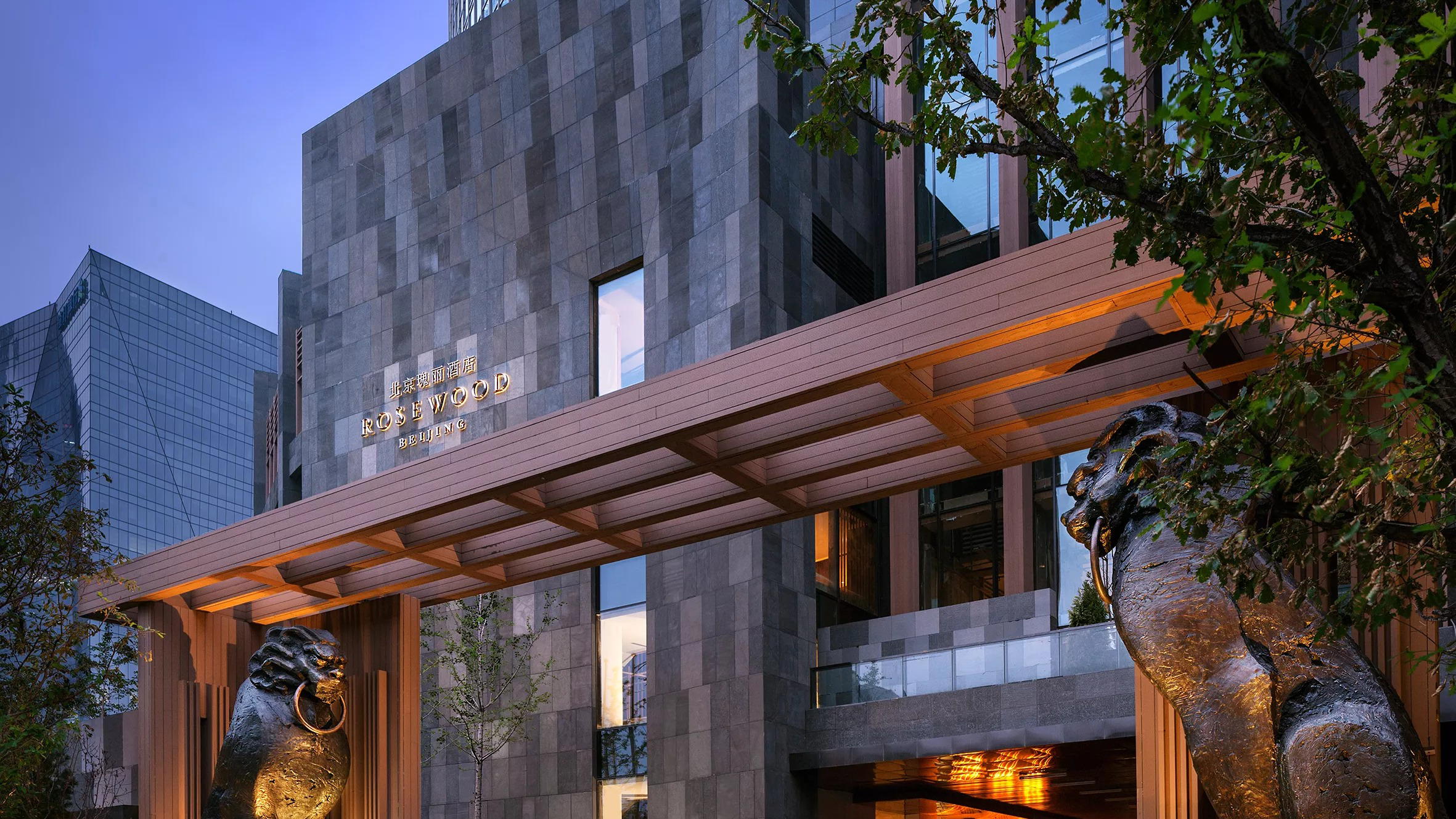
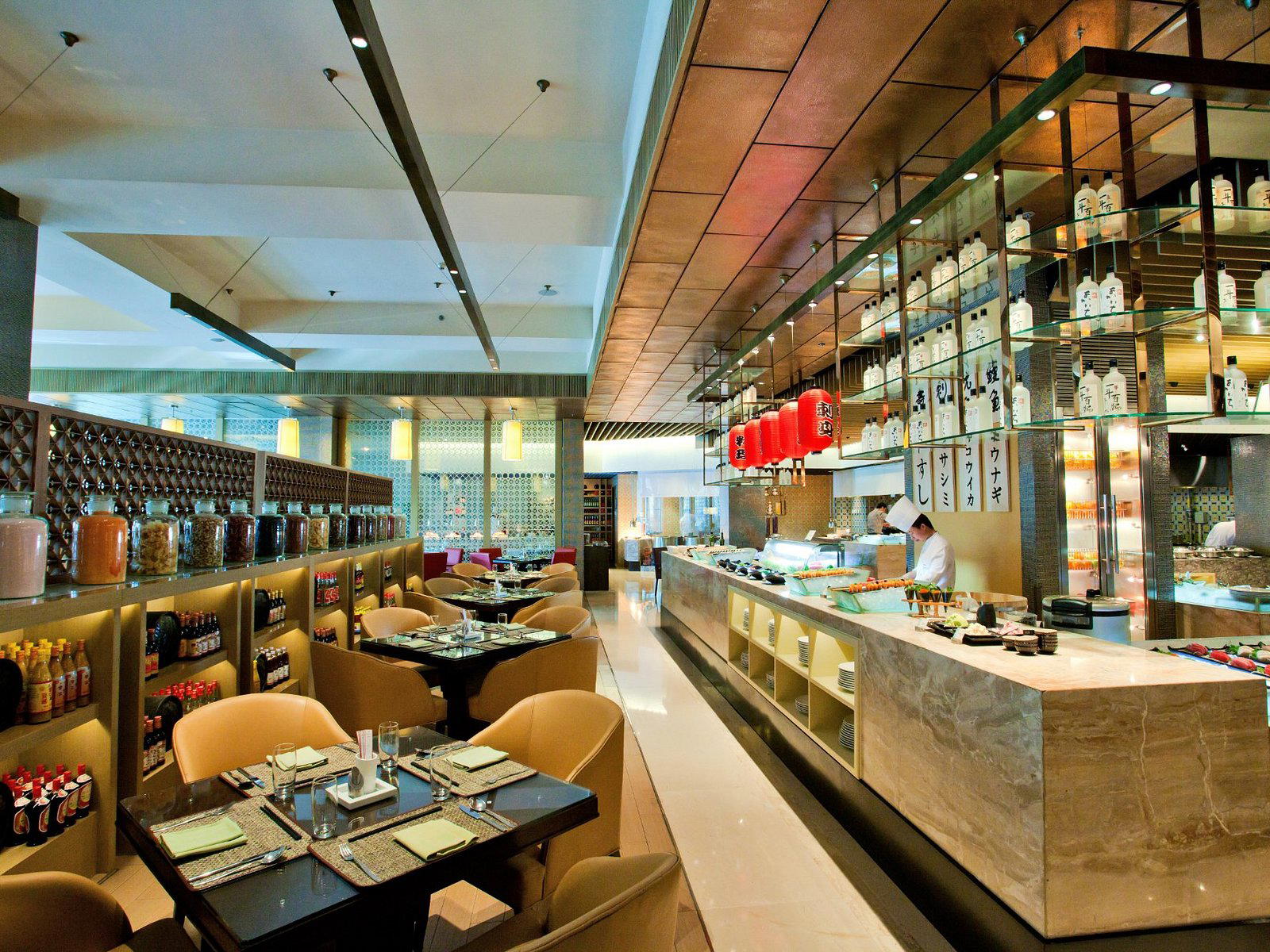
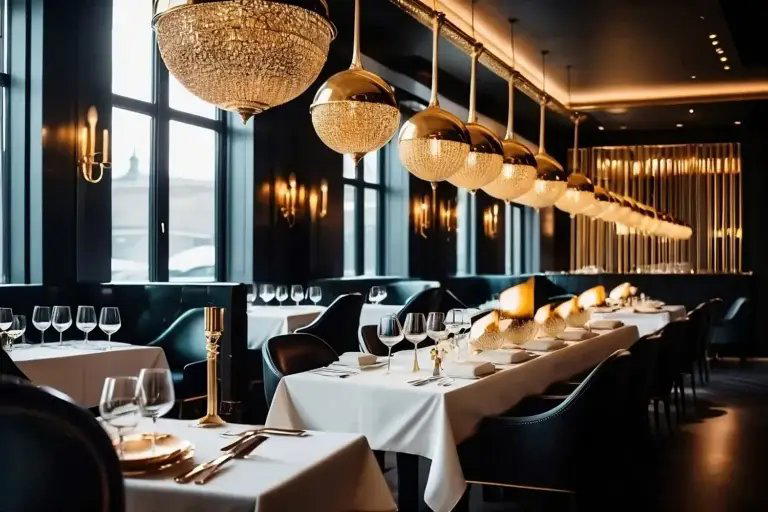

At a Glance
- Elegant
- Sophisticated
- Classic
- Intimate
- Business Dinner
- Celebration
- Special Occasion
- Group Dining
- Private Event
- Private Dining
- Hotel Restaurant
- Design Destination
- Extensive Wine List
- Sommelier Led
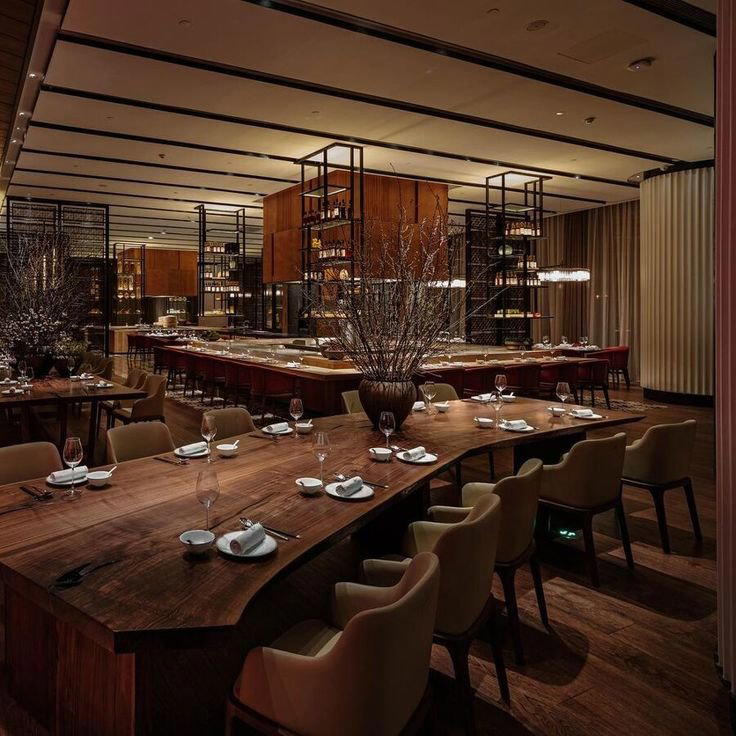
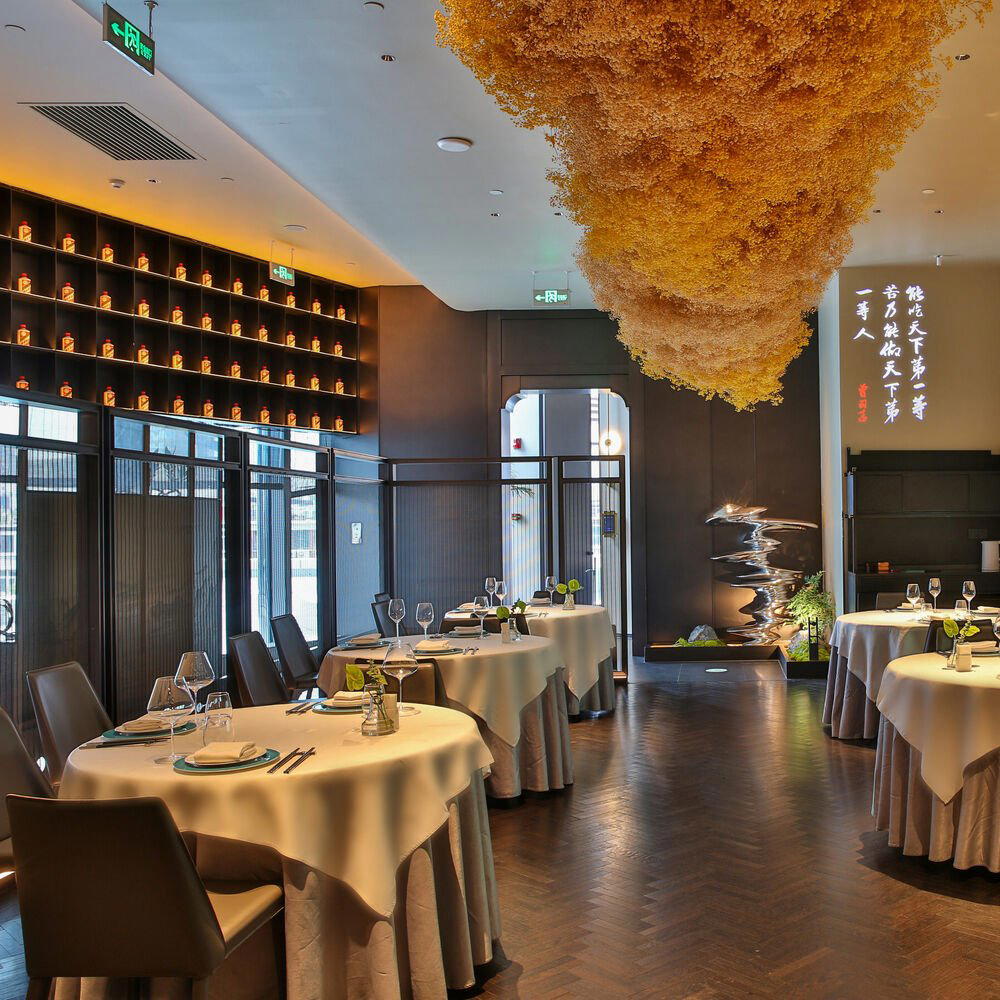
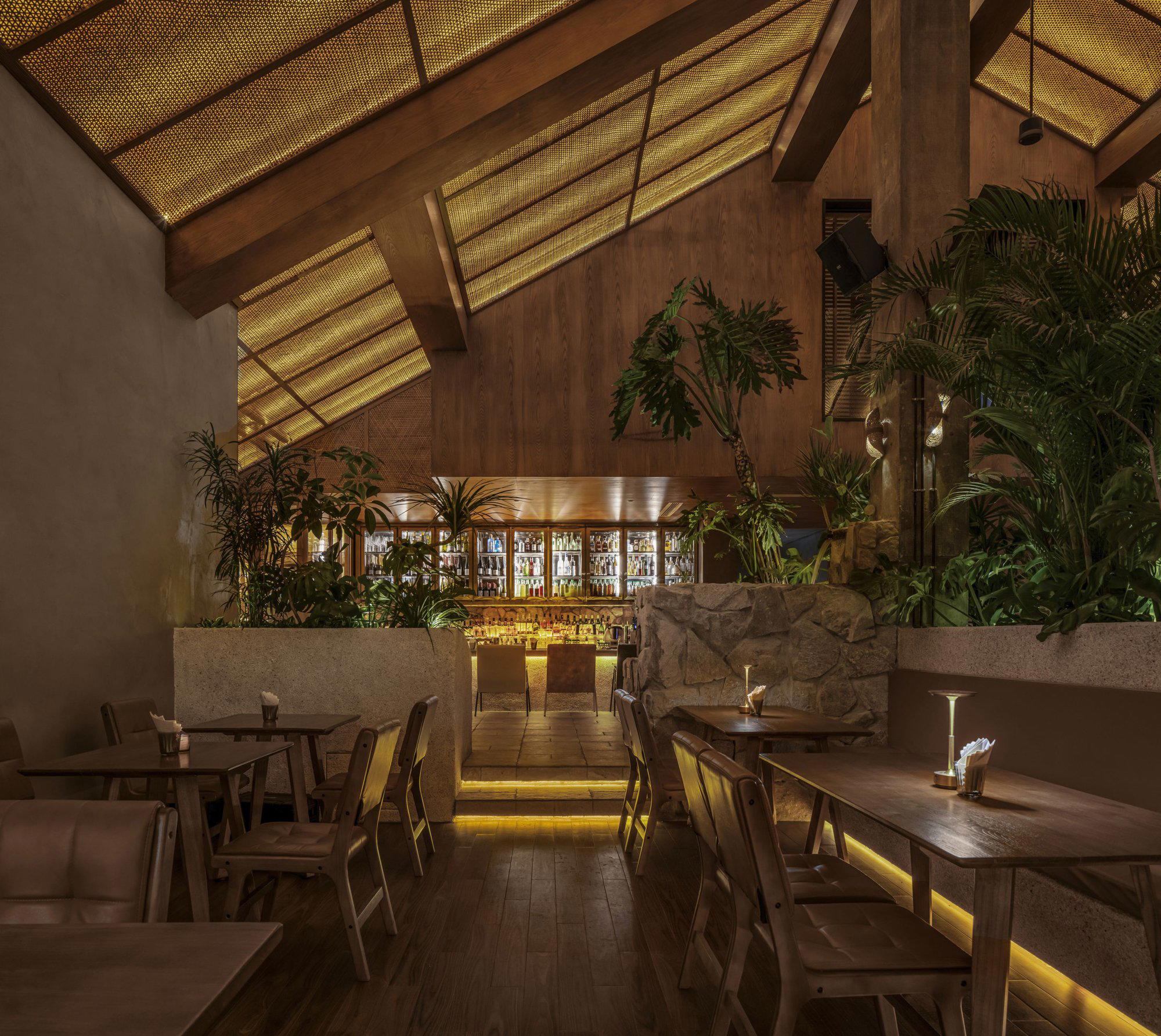
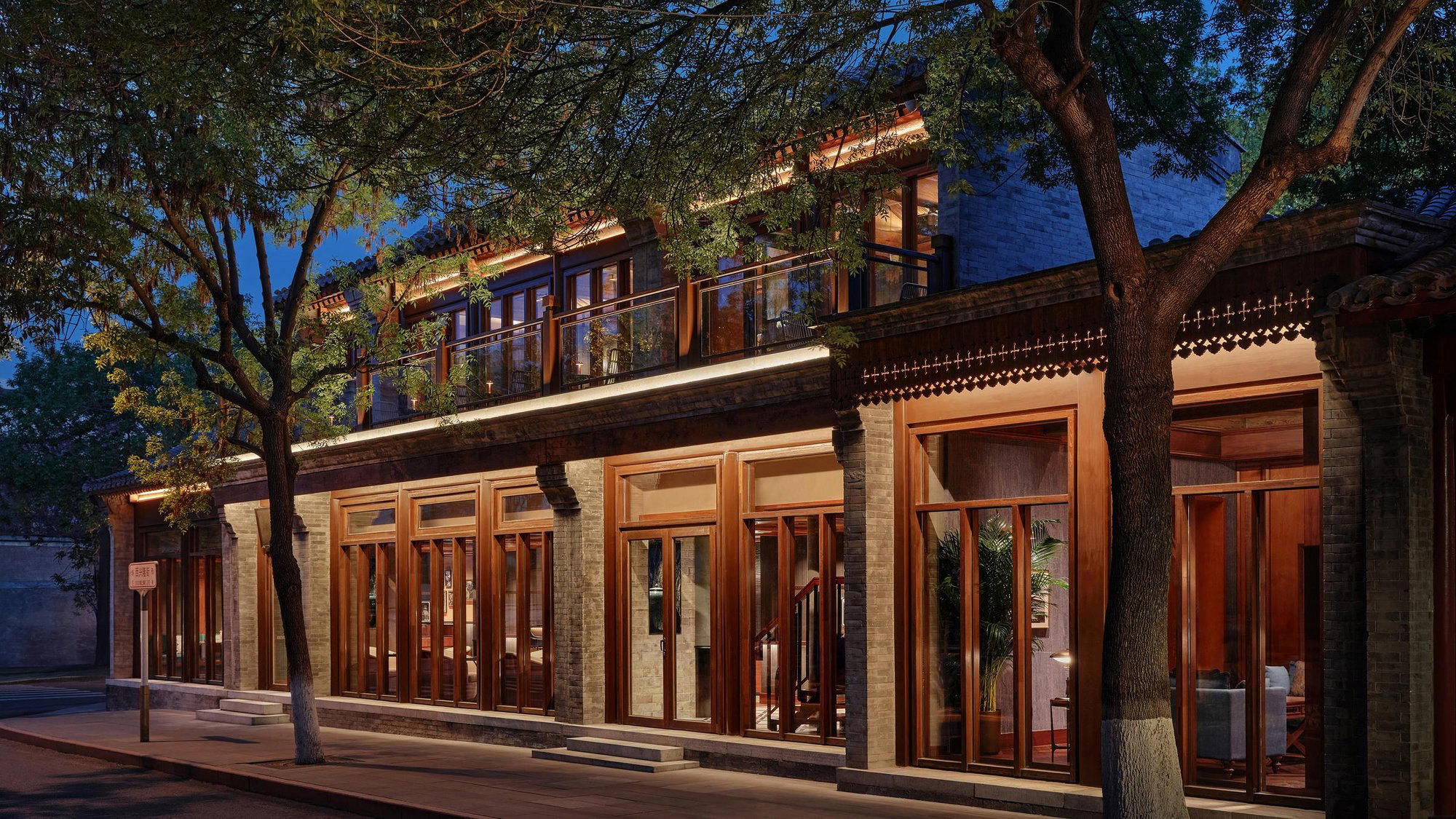
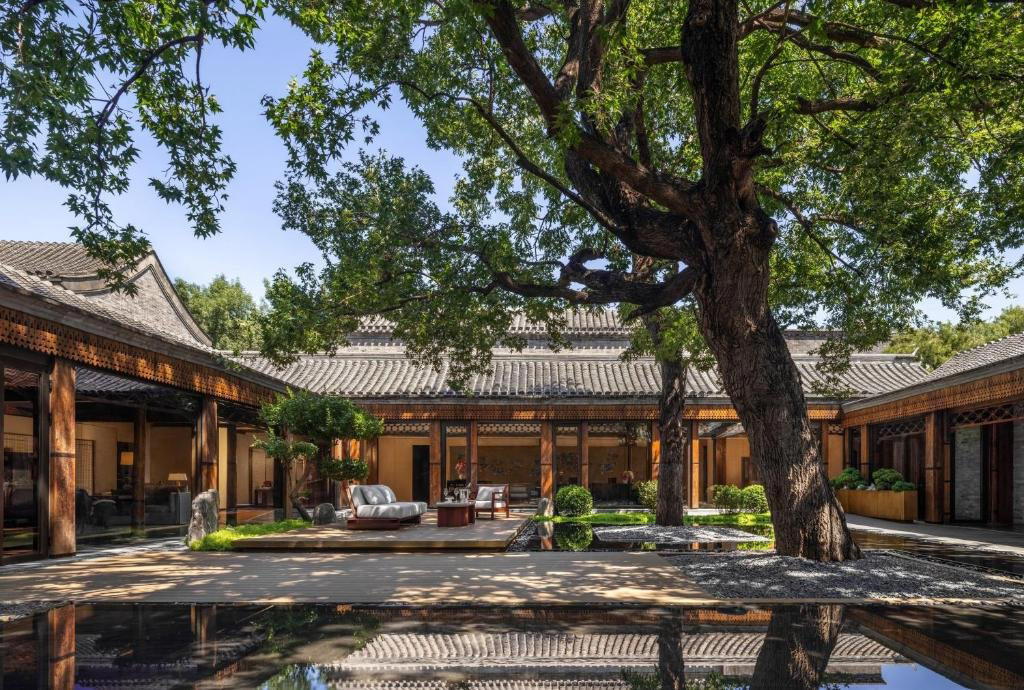
Refined, polished, and high-end, with a service-and-design experience that reviewers describe as more polished than comparable luxury Chinese restaurants.