Our verdict
Set along the ridge road above Kedewatan, Beduur Restaurant occupies a position in the quieter northern reaches of the Ubud dining orbit, away from the main strip's foot traffic. The restaurant sits within a scene where Bali's premium dining has increasingly spread beyond central Ubud into the surrounding valleys and refined terrain, placing it in a tier defined more by setting and format than by urban proximity.

Pearl is the En Primeur Club membership app, where members save venues, book tables and use the concierge.
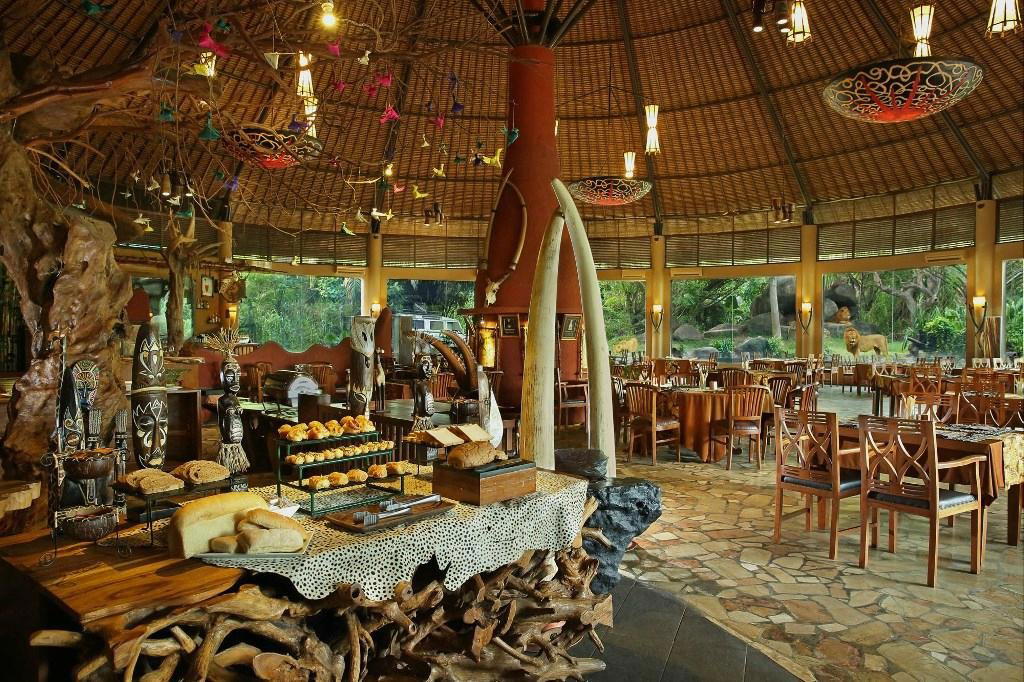
Above the Valley Floor: Dining at Elevation in Ubud's Northern Fringe
The road through Kedewatan climbs away from central Ubud's gallery-lined streets and temple walls into a quieter register. Properties here sit closer to the Ayung River gorge, and the elevation changes the quality of both the air and the light. Beduur Restaurant occupies an address on Jalan Suweta in this northern corridor, in a part of Gianyar regency where the dining proposition tends to be shaped as much by the surrounding terrain as by what arrives on the plate. That context matters: much of what defines premium dining in this stretch of Bali is the relationship between a table and its view, a formula that has organized the area's hospitality for decades and continues to attract investment from both international hotel brands and independent operators.
The Kedewatan-to-Payangan corridor has become a distinct sub-zone within the broader Ubud dining orbit. It sits apart from the concentration of high-profile restaurants clustered around Jalan Raya Ubud and Penestanan, and the distance from the tourist core creates a different set of expectations. Guests tend to arrive with more deliberate intent, and the format of restaurants in this band typically reflects that. Among the properties operating nearby, names like Buahan A Banyan Tree Escape and Four Seasons Bali at Sayan anchor the upper tier and set the competitive reference point for any independent restaurant operating in the same geography.
What the Menu Architecture Signals
In Ubud's premium dining tier, the structure of a menu often communicates more than its individual items. Restaurants here have broadly sorted into two approaches: those that foreground Indonesian culinary tradition in a refined context, and those that use Balinese geography and produce as a backdrop for international or fusion technique. The former approach has strong roots in the region, with long-standing operators like Babi Guling Ibu Oka 1 and Bebek Bengil (Dirty Duck Diner) grounding diners in the region's roast and spice traditions, while the latter has been advanced most visibly by tasting-menu formats like BLANCO par Mandif, which applies fine-dining structure to local ingredients.
Beduur's available data does not permit a confirmed account of its menu format or cuisine orientation. What the address and positioning do suggest is placement in a part of Ubud where menu design tends to be deliberate and tied to the setting: restaurants here do not typically compete on convenience or foot traffic. That is a recognizable pattern among smaller independent operators in Bali's interior, where the guest journey often begins at a property desk rather than a search engine.
Across the broader Bali dining conversation, similar operators have emerged that position through restraint rather than visibility. Moksa in Bali and Cafe Organic Canggu in Banjar Badung represent the philosophy-driven, lower-profile end of the island's dining spectrum, where the format speaks before the marketing does. At the other extreme, destinations like Sarong Bali in Canggu and Cuca Restaurant in Badung operate with higher public profiles and more thoroughly documented menus. Beduur, at this point in its public record, sits closer to the first category.
The Ubud Dining Scene: Where Beduur Sits
Ubud's reputation as Bali's dining capital has been built over decades through an accumulation of independent operators, resort restaurants, and, more recently, internationally recognized tasting-menu formats. The trajectory that placed Locavore NXT in Ubud on regional and global radar demonstrated that the area could support a style of cooking with genuine technical ambition, not just scenic setting. That recognition has raised the expectations for what any restaurant operating in the Ubud orbit needs to offer to be taken seriously by travelled diners.
For a restaurant with Beduur's address, the competitive pressure comes from multiple directions. Hotel dining rooms at the large resort properties along the Ayung gorge carry significant resources and consistent service infrastructure. Meanwhile, independent operators in central Ubud benefit from walk-in traffic and accumulated online review mass. Smaller, quieter operations in the Kedewatan corridor compete on a different axis entirely, typically offering intimacy, positioning, and a more deliberate approach to the guest experience. The Indonesian dining tradition, which prizes hospitality as a structural feature rather than a stylistic flourish, tends to be expressed most clearly in formats of this scale.
For broader context on the regional food tradition, the Padang-style cooking documented at CARANO Masakan Padang in Bekasi illustrates the archipelago-wide range that Indonesian cuisine encompasses, a range that Ubud's more tourism-oriented dining scene only partially reflects. Similarly, the structural ambition visible at tasting-menu operations like August in Jakarta or, internationally, at Lazy Bear in San Francisco and Le Bernardin in New York City, provides a reference point for the tier of ambition that the region's more serious dining operations are now measured against.
Planning a Visit
Beduur Restaurant is located on Jalan Suweta in the Kedewatan area of Ubud, within Gianyar regency. The address places it north of central Ubud, reachable by private car or hired driver, which is the standard transport method for visitors to this stretch of road. Visitors planning a full day in the area can cross-reference the broader dining options covered in our full Gianyar restaurants guide. For nearby alternatives with confirmed booking infrastructure, Kahyangan in Gondangdia and Rumari in Jimbaran offer points of comparison in Indonesia's broader premium dining tier. For resort-anchored dining directly in the Kedewatan corridor, the Four Seasons Bali at Sayan and The Legian in Seminyak represent well-documented alternatives with published reservation systems.
Frequently asked questions
Is Beduur Restaurant okay with children?
Beduur sits in the Kedewatan area north of central Ubud, a quieter residential-resort corridor that tends to attract a slower-paced, adult-oriented crowd. Families visiting should check the venue's official channels before booking to confirm seating arrangements and menu flexibility.
What's the vibe at Beduur Restaurant?
Kedewatan's elevation above central Ubud creates a noticeably different register from the gallery-and-traffic energy of the main town, properties here sit closer to the valley rim, and Beduur's address on Jalan Suweta places it within that quieter northern corridor. Expect a composed, unhurried atmosphere rather than the high-turnover pace of Ubud's busier dining strips. The setting leans toward reflective rather than social-scene.
Where exactly is Beduur Restaurant located, and how do you get there from central Ubud?
Beduur Restaurant is on Jalan Suweta in the Kedewatan area, administratively part of Gianyar regency, with the full address listed as G728+M5M, Jl. Suweta Desa Buahan, Kedewatan, Kecamatan Ubud, Kabupaten Gianyar, Bali 80571. Kedewatan lies north of central Ubud, reached by climbing out of the main town past the gallery-lined streets, the road narrows and quietens considerably before the destination. A hired driver or ride-hailing app is the practical choice; the route is not well-suited to walking from central Ubud.
What's the must-try dish at Beduur Restaurant?
In Ubud's premium dining tier, menus frequently shift with season and supplier, which makes the safest approach checking directly with the restaurant ahead of your visit. The Kedewatan location and the considered pace of the neighbourhood suggest a kitchen more interested in deliberate composition than crowd-pleasing standards.
Where is Beduur Restaurant located?
Beduur Restaurant is located at G728+M5M, Jl. Suweta Desa Buahan, Kedewatan, Kecamatan Ubud, Kabupaten Gianyar, Bali 80571, Indonesia, Gianyar.
Accolades, Compared
Comparable venues nearby, for context on price, style, and recognition.
| Venue | Cuisine | Price | Notes |
|---|---|---|---|
| Beduur RestaurantThis venue (the venue you are viewing) | French-Asian Fusion Fine Dining | Not listed | Not listed |
| Four Seasons Bali at Sayan | Modern Balinese with Mediterranean Influences | $50–100 | Sayan |
| Sage | Vegan Fusion | $10–20 | Nyuh Kuning |
| Bebek Bengil (Dirty Duck Diner) | Balinese & Indonesian | $10–20 | Padang Tegal, Ubud |
| Jungle Fish Bali | Mediterranean-Inspired Indonesian | $20–30 | Keliki |
| This Is Bali | Authentic Balinese Food & Desserts | $10–20 | Ubud |
Continue exploring
More in Gianyar
Restaurants in Gianyar
All restaurants in Gianyar →
Bars in Gianyar
All bars in Gianyar →

Details
- Romantic
- Scenic
- Elegant
- Sophisticated
- Date Night
- Special Occasion
- Garden
- Hotel Restaurant
- Garden
- A La Carte
Current opening hours
- Monday
- 6:30–10 AM, 12–3 PM, 6:30–11 PM
- Tuesday
- 6:30–10 AM, 12–3 PM, 6:30–11 PM
- Wednesday
- 6:30–10 AM, 12–3 PM, 6:30–11 PM
- Thursday
- 6:30–10 AM, 12–3 PM, 6:30–11 PM
- Friday
- 6:30–10 AM, 12–3 PM, 6:30–11 PM
- Saturday
- 6:30–10 AM, 12–3 PM, 6:30–11 PM
- Sunday
- 6:30–10 AM, 12–3 PM, 6:30–11 PM
Hours can change for holidays and private events. Last verified .
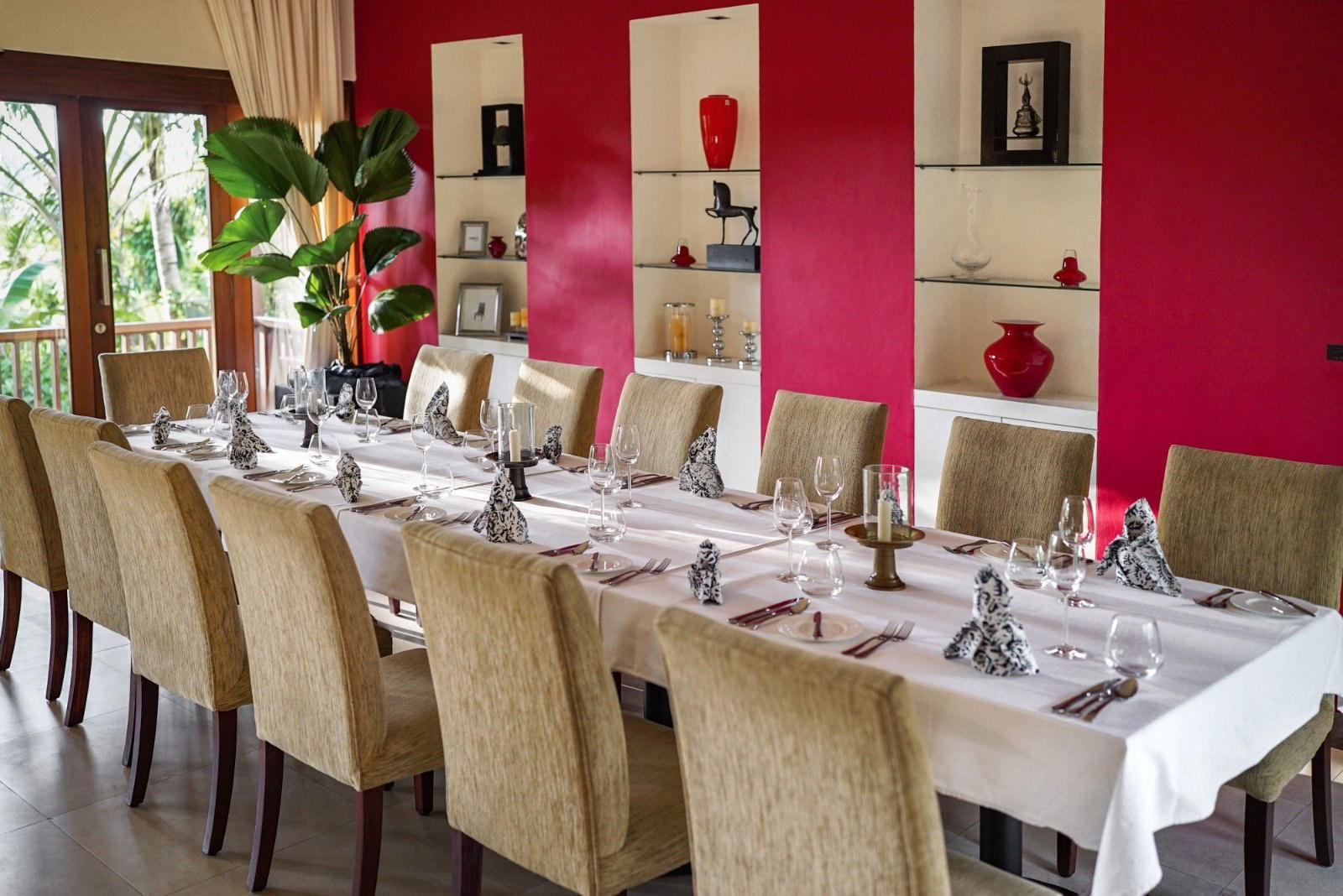
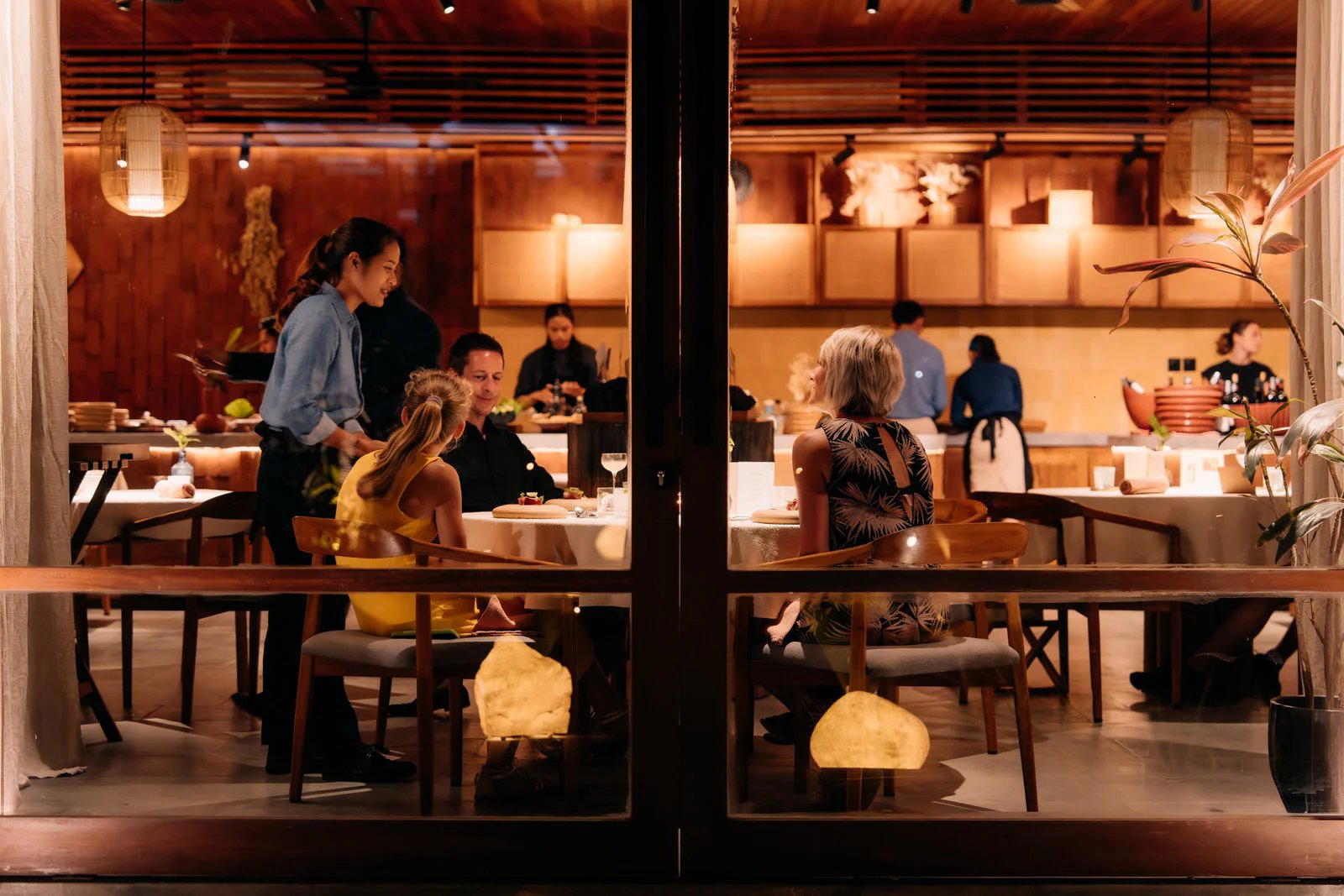
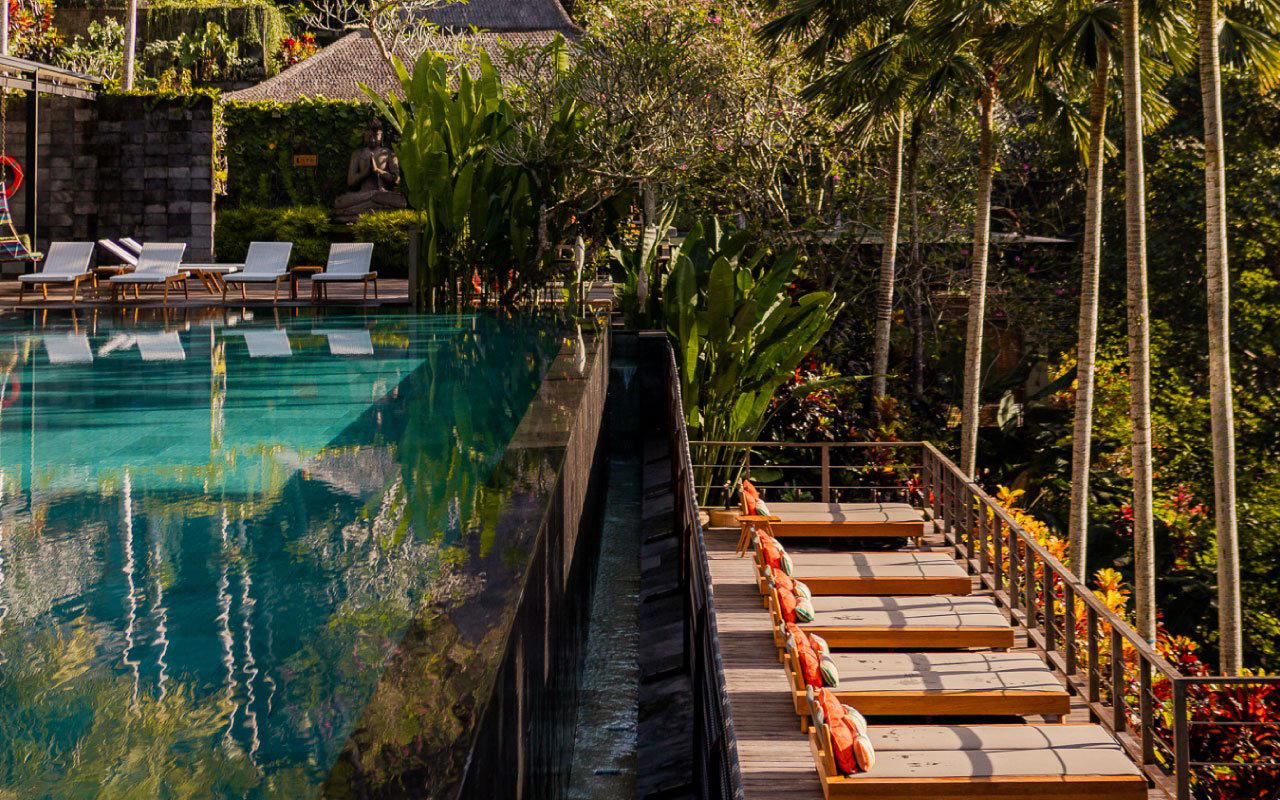
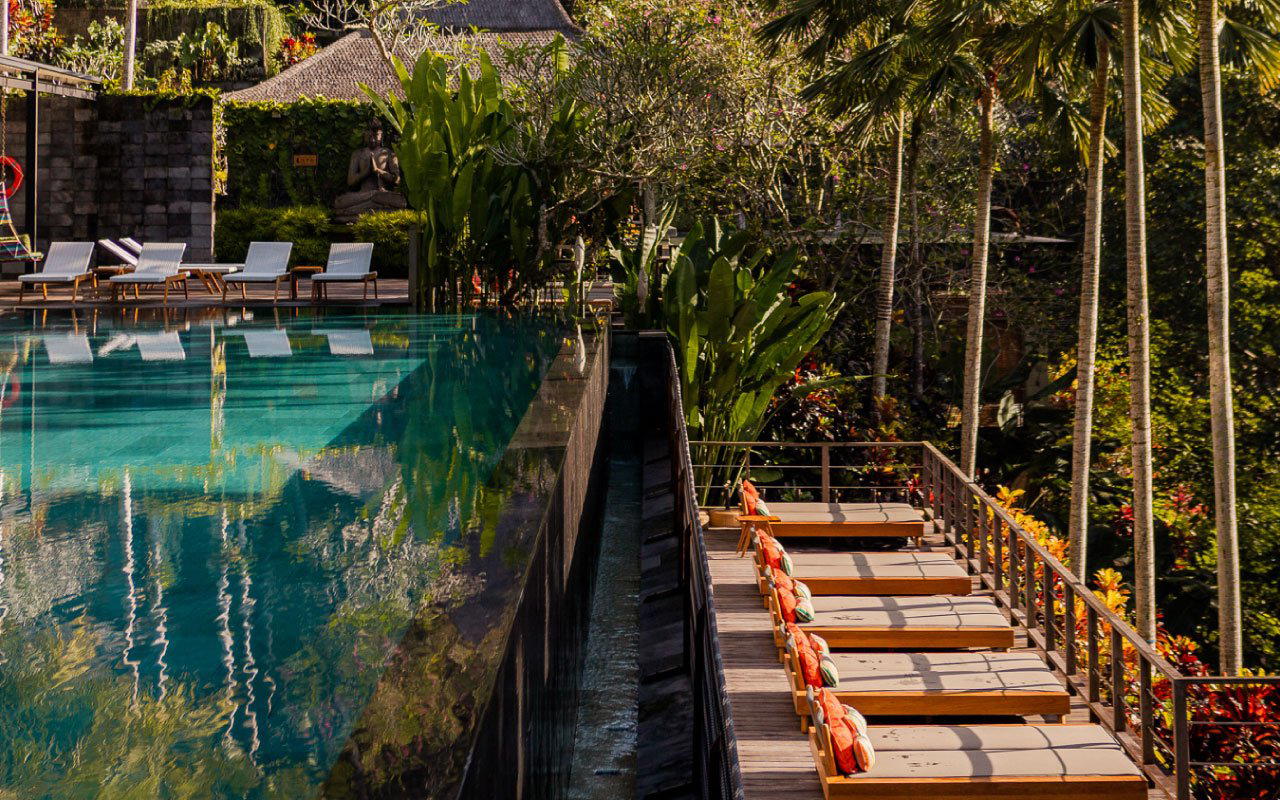
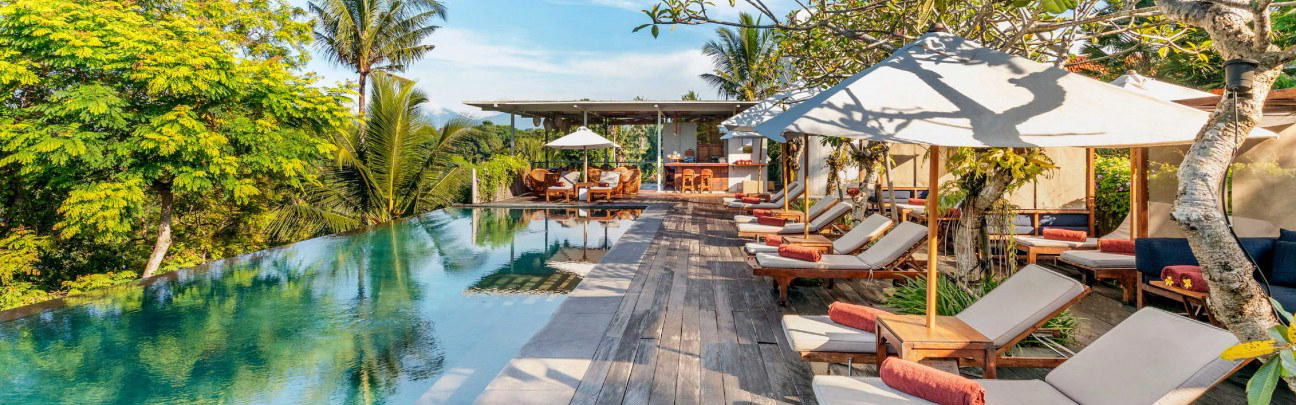
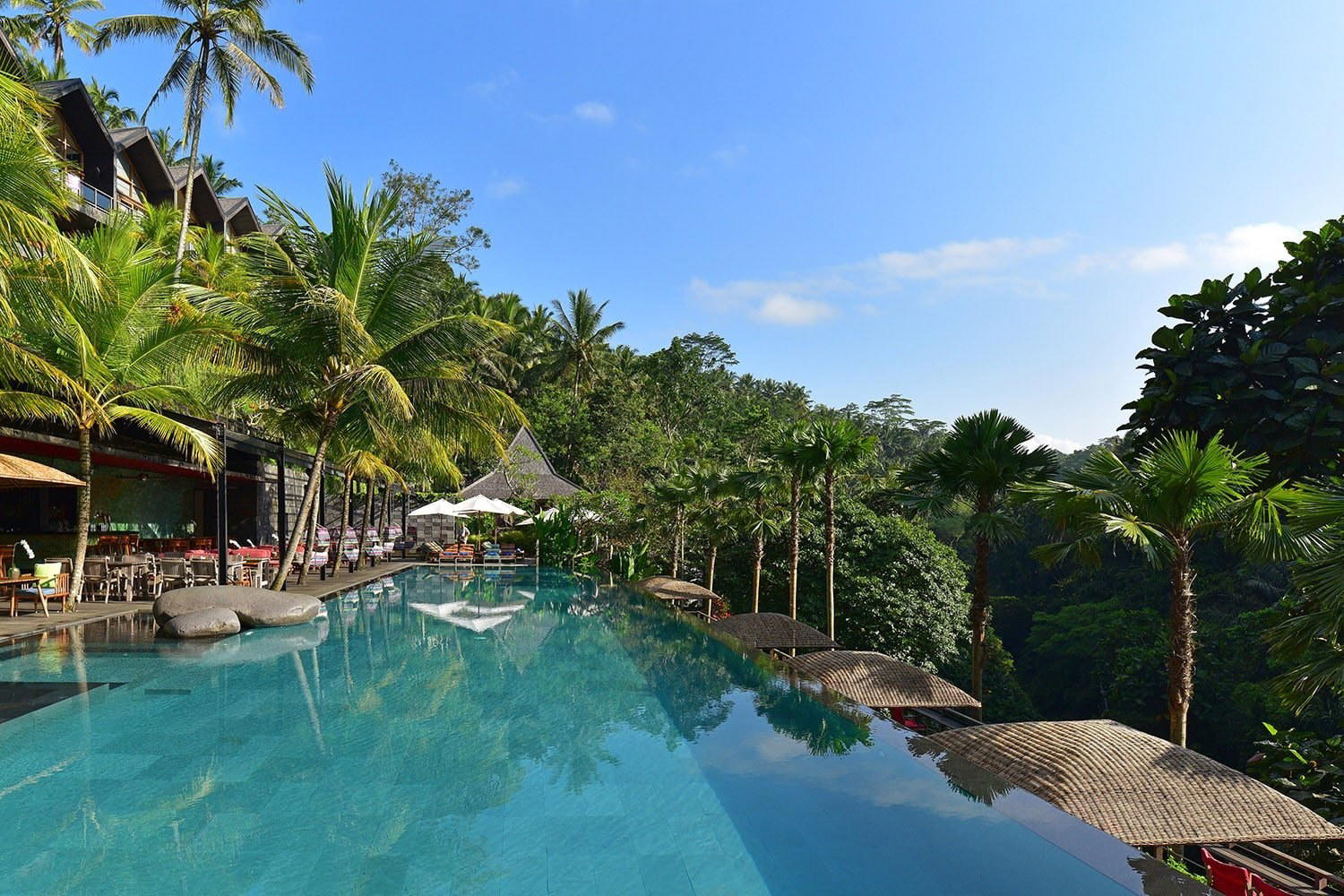
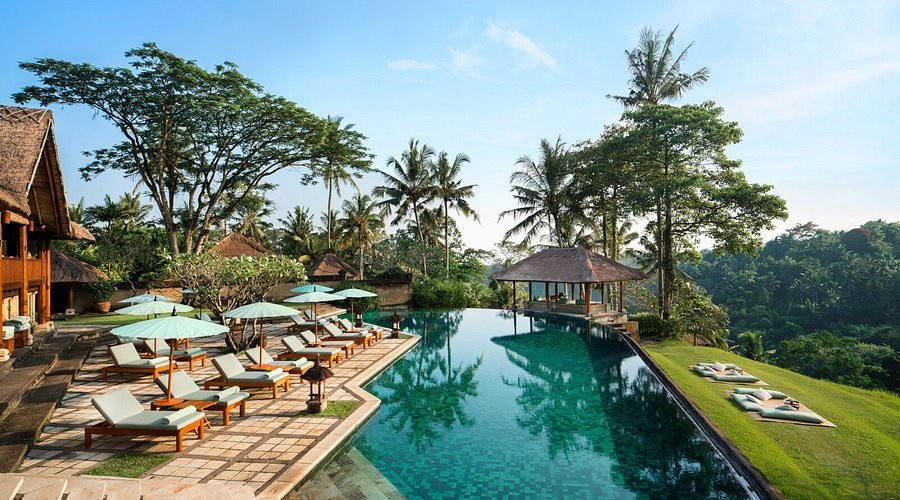
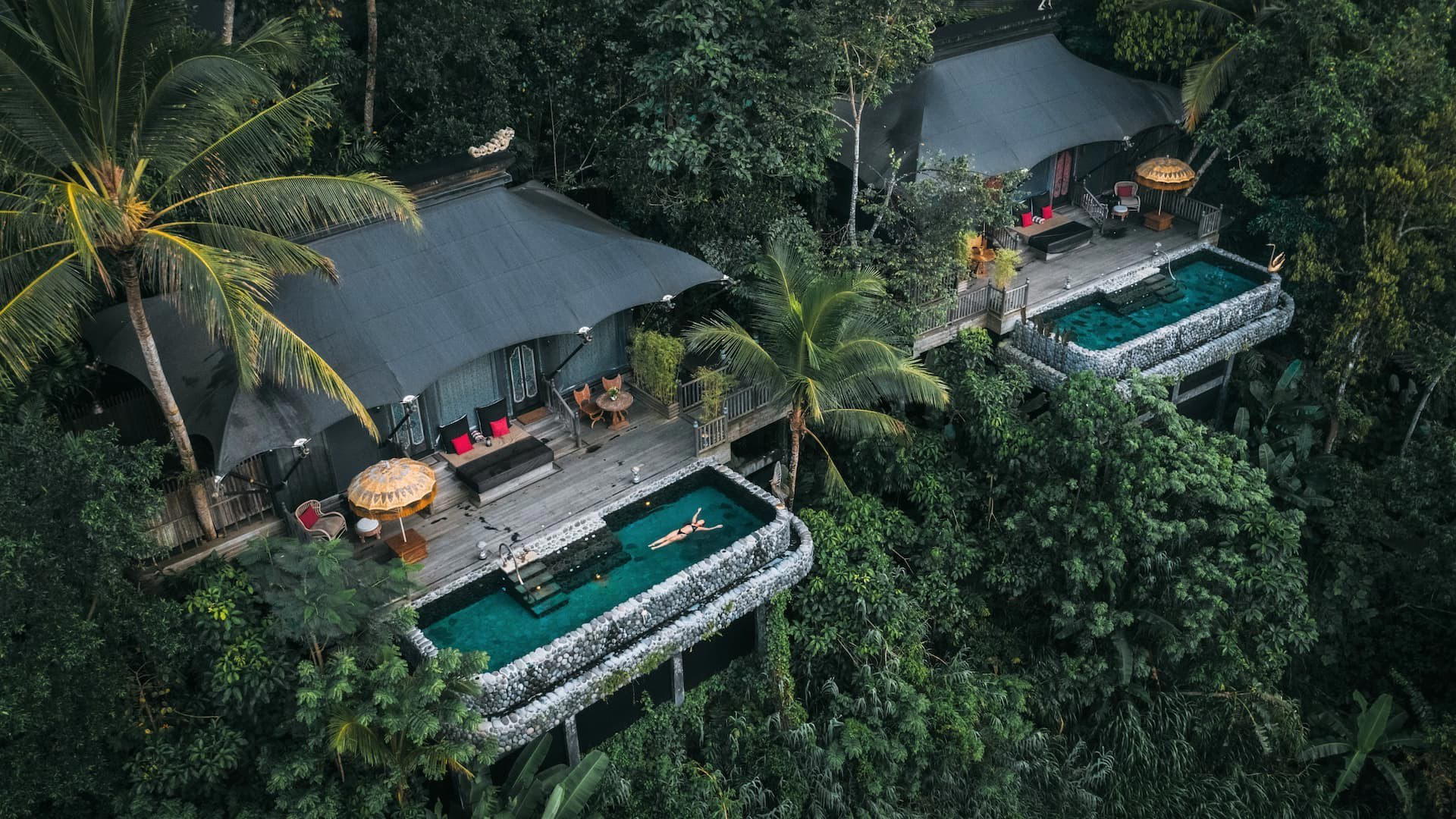
Half-open-air setting surrounded by lush tropical forests and rice terraces, offering a relaxing and elegant atmosphere.