Our verdict
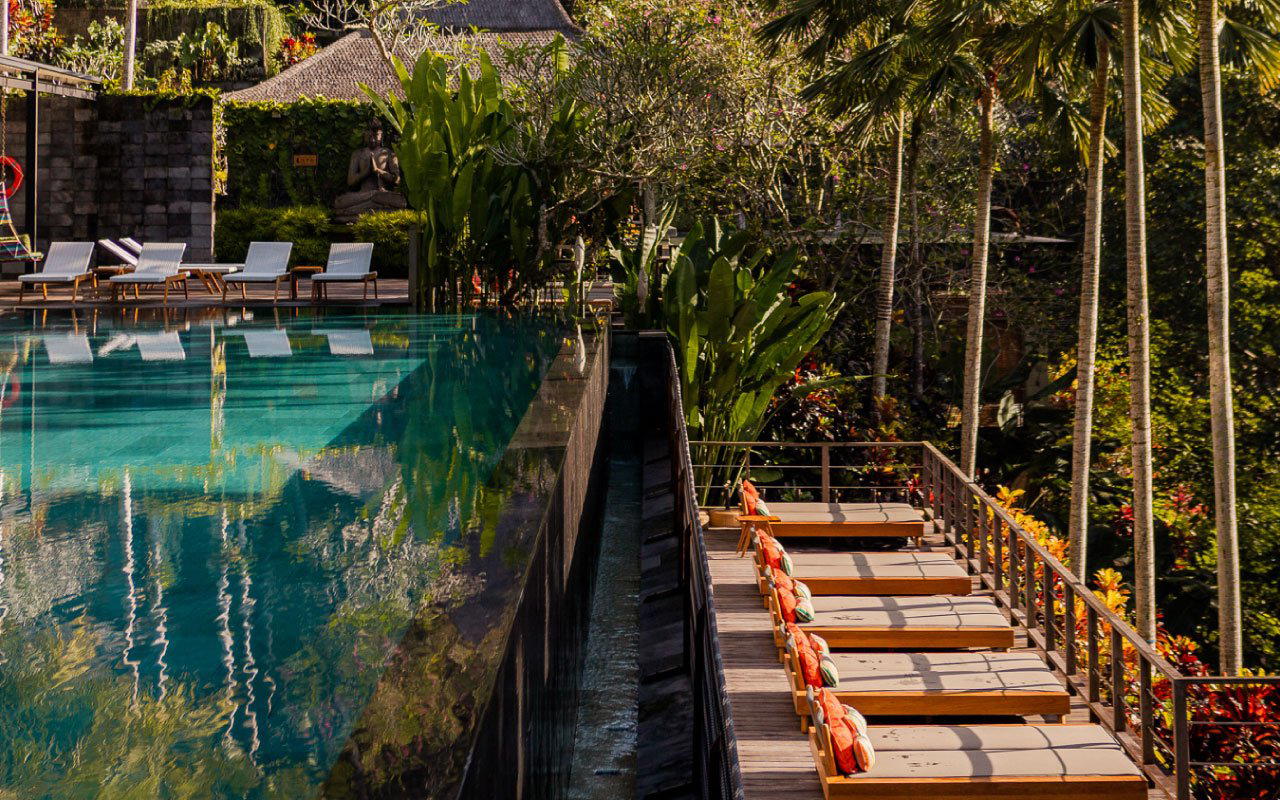
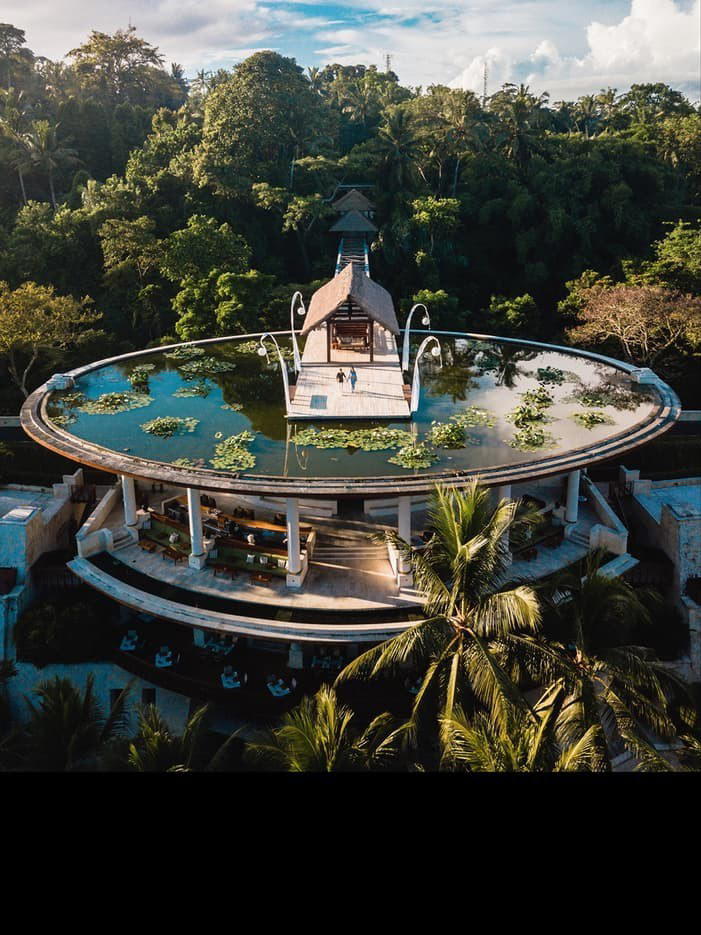
Set within the grounds of the Blanco Renaissance Museum above the Campuhan ridge, BLANCO par Mandif is among Ubud's most discussed fine-dining addresses, placing Indonesian ingredient traditions inside a format that reads closer to a European tasting counter than to anything else in Gianyar. The setting alone, colonial-era architecture, tropical garden light, river valley below, frames the meal before a dish arrives.

Pearl is the En Primeur Club membership app, where members save venues, book tables and use the concierge.
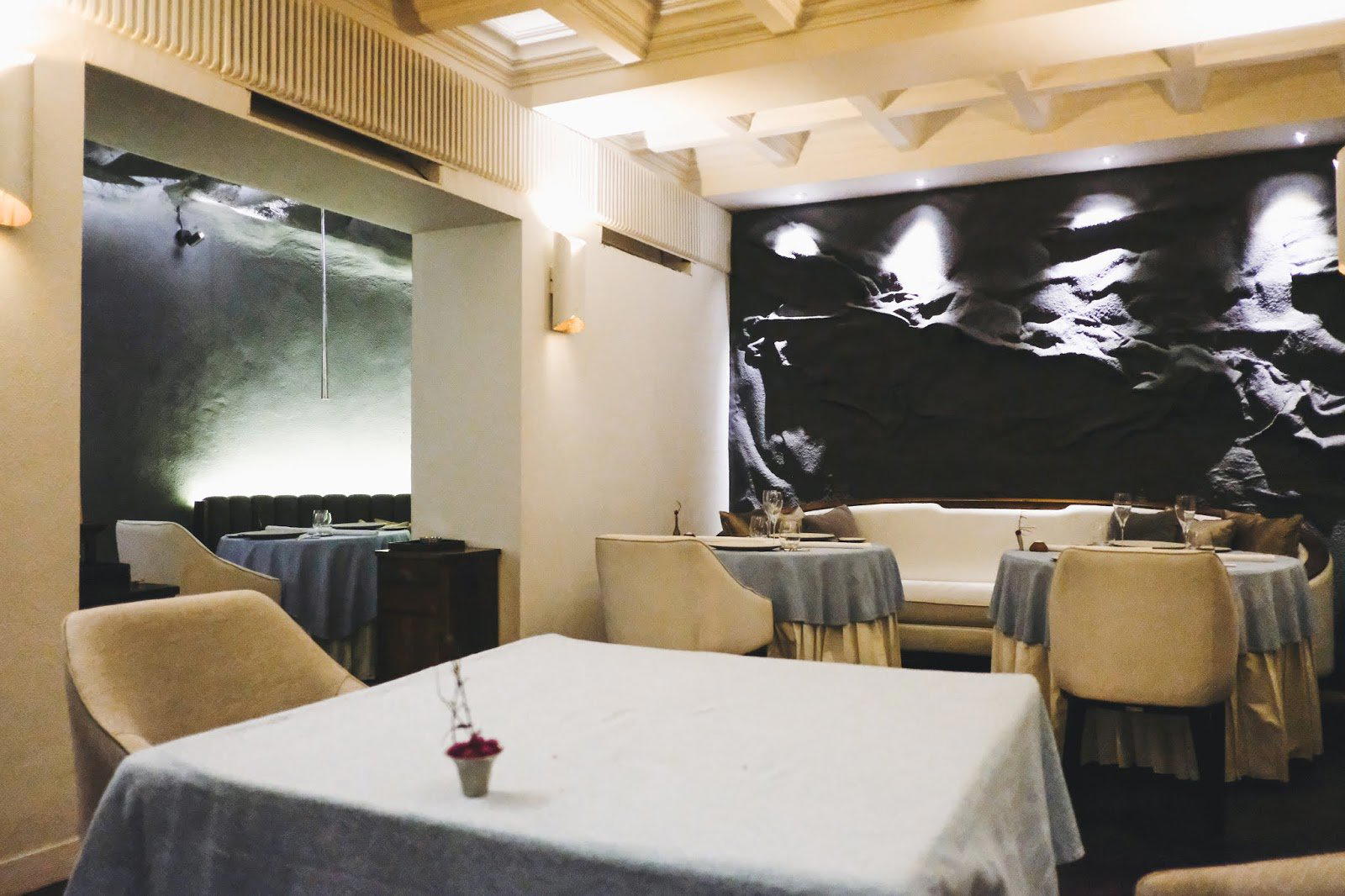
Where the Setting Does Half the Work
The approach to BLANCO par Mandif along Jalan Raya Tjampuhan already signals a particular kind of meal. The road climbs past the Campuhan ridge, one of Ubud's older art corridors, before the turn into the Blanco Renaissance Museum compound. Colonial-era architecture, overgrown garden paths, and the sound of the Wos River below create conditions that most restaurants spend considerable money trying to manufacture. Here, they are simply the site. Ubud's fine-dining tier has grown considerably in the past decade, with addresses like Locavore NXT in Ubud setting a benchmark for Indonesian ingredient-led tasting menus, but few have the physical theatre that comes built into the museum grounds.
That physical context matters because it shapes the register of the meal before the food arrives. Diners arrive through garden corridors rather than a conventional restaurant entrance. The transition from street noise to enclosed, plant-dense quiet is abrupt in the leading way. What follows is a format that places Indonesian culinary tradition inside a high-contact, low-seat-count tasting structure, a format that has become the dominant grammar for serious cooking across the region, from August in Jakarta to Sarong Bali in Canggu.
The Format and What It Signals
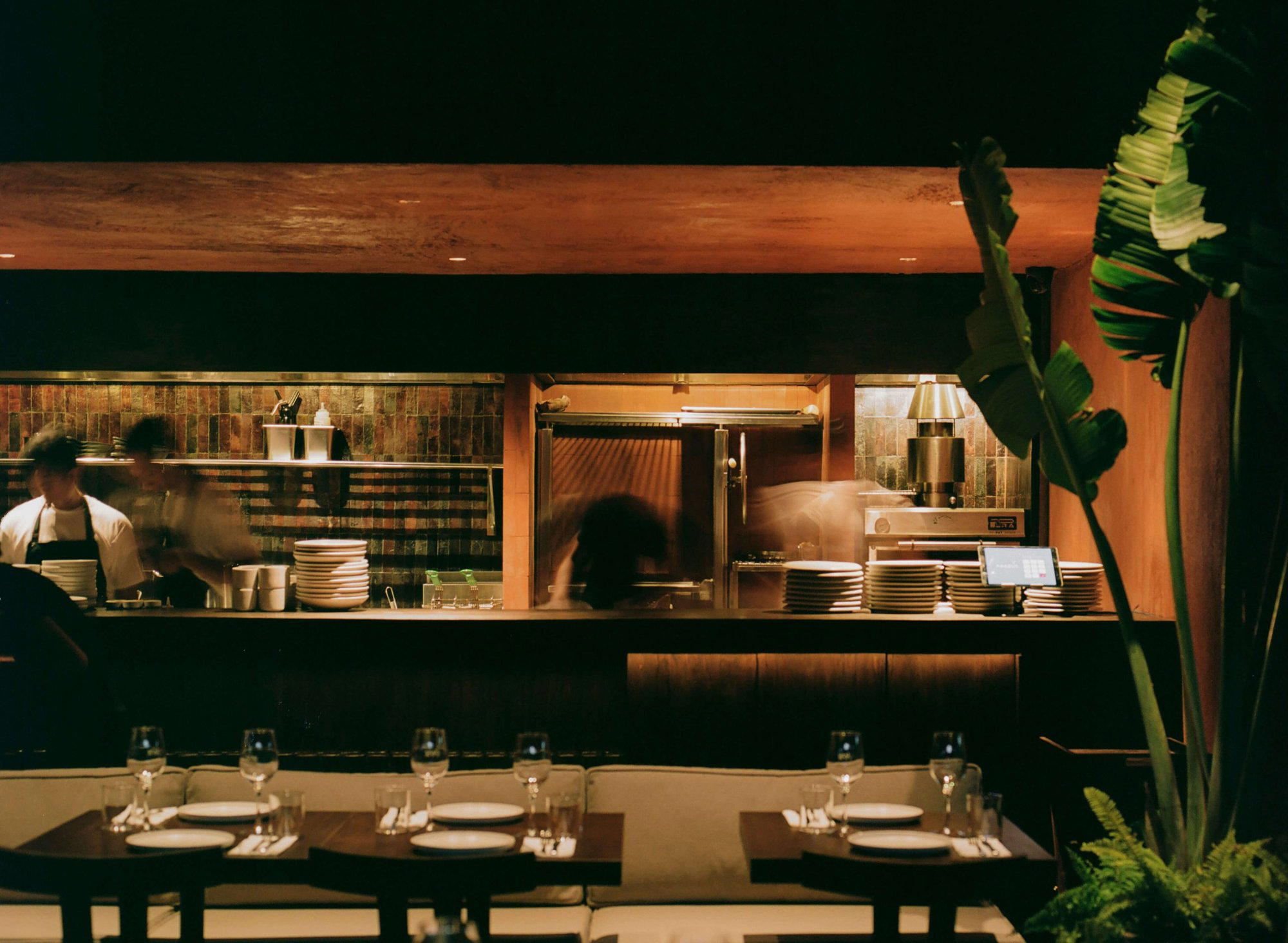
Intimate tasting counters with Indonesian foundations operate in a different competitive bracket from Bali's more casual dining tier. They are making an argument about the seriousness of local ingredients and technique, and BLANCO par Mandif sits within that argument. The format puts the kitchen's choices directly in front of the diner, sequenced courses, deliberate pacing, produce-forward thinking. Across Southeast Asia, this model has proved durable: Rumari in Jimbaran and Cuca Restaurant in Badung represent different expressions of the same impulse, each using the tasting format to give Indonesian and Balinese ingredients more structural weight than they receive in hotel-dining or casual-warung contexts.
What separates the top end of this format globally, whether at Le Bernardin in New York City or Lazy Bear in San Francisco, is not complexity for its own sake but the clarity with which each course makes a single, legible point. The leading Indonesian tasting menus apply the same discipline to their own archive of spice logic, fermentation traditions, and regional produce hierarchies. BLANCO par Mandif operates within this expectation.
Gianyar's Fine-Dining Position
Gianyar regency, which encompasses Ubud, holds Bali's densest concentration of serious restaurants. That density has increased markedly since the mid-2010s, with the area moving from a backpacker-adjacent art village with some good warungs to a destination with a credible fine-dining tier competing for the same traveller who books Four Seasons Bali at Sayan or Buahan, A Banyan Tree Escape. Alongside those resort dining rooms, a set of independent tasting-format restaurants has established Ubud as a genuine culinary address rather than merely a scenic one.
Its location inside the museum compound gives it a physical distinctiveness that resort restaurants, by definition, cannot replicate. The broader Gianyar dining scene includes landmark casual addresses like Babi Guling Ibu Oka 1 and Bebek Bengil (Dirty Duck Diner), which have held their positions for decades as expressions of specific Balinese cooking traditions. The tasting-format restaurants like BLANCO par Mandif occupy a different register, one concerned with recontextualising those traditions rather than serving them in their most direct form. Newer additions like Beduur Restaurant and Moksa in Bali round out a scene with genuine range. See the full Gianyar restaurants guide for a complete picture across categories and price points.
Planning the Visit
The museum grounds location on Jalan Raya Tjampuhan means the restaurant sits just north of central Ubud, accessible by a short taxi or ride-share ride from the Monkey Forest Road area. Evenings on the Campuhan ridge tend to cool faster than central Ubud, and the garden setting means ambient temperature and insect presence are part of the experience rather than controlled out of it, a consideration worth factoring in when planning what to wear. Tasting-format restaurants in this bracket across Bali and Indonesia generally book out several weeks in advance, particularly during the dry season months from May through September when international visitor numbers peak. Contacting the restaurant directly for reservations is the standard approach for independent fine-dining addresses of this type in Ubud. The Kahyangan in Gondangdia model of pairing Indonesian tradition with formal service structure offers a useful regional comparison for understanding the category that BLANCO par Mandif occupies.
Frequently asked questions
Does BLANCO par Mandif work for a family meal?
The restaurant sits within the Blanco Museum complex on Jalan Raya Tjampuhan in Ubud, a setting that rewards guests who arrive with some patience for the format. An intimate tasting counter structure is not designed around children's menus or casual drop-in dining. Families with older teenagers or adults seeking a considered meal together will find the setting more appropriate than those with young children.
What's the overall feel of BLANCO par Mandif?
The location inside the Blanco Museum grounds on Jalan Raya Tjampuhan, just north of central Ubud, sets a tone before you sit down, the approach along the Campuhan ridge is itself part of the experience. Inside, the format is intimate rather than theatrical, leaning on the density of serious Indonesian-rooted cooking that defines Gianyar's fine-dining tier. It is a deliberate meal in a composed setting, not a social scene.
Is BLANCO par Mandif actually inside the Blanco Museum, and does visiting the museum pair with dining there?
The restaurant occupies the Blanco Museum complex on Jalan Raya Tjampuhan in Ubud, Gianyar, the grounds of the museum established by the Spanish-Catalan artist Antonio Blanco, known for its dramatic position above the Campuhan river gorge. The pairing of the museum visit and the meal does make logical geographic sense given the shared site.
What do people recommend at BLANCO par Mandif?
What the venue's positioning within the Gianyar fine-dining bracket consistently signals is an Indonesian culinary foundation expressed through a structured tasting format, the kind of cooking where the sequence matters as much as any single plate. Checking directly with the restaurant before visiting is the reliable route to current menu details.
What part of town is BLANCO par Mandif in?
BLANCO par Mandif is located at Kompleks Museum Blanco, Jl. Raya Tjampuhan, Ubud, Sayan, Kec. Gianyar, Kabupaten Gianyar, Bali 80571, Indonesia, Gianyar.
What's the best way to book BLANCO par Mandif?
The restaurant's address, Kompleks Museum Blanco, Jl. Raya Tjampuhan, Ubud, Gianyar, Bali 80571, is the fixed reference point, and contacting the Blanco Museum directly or searching for the restaurant through current reservation platforms is the practical approach. Given the intimate counter format typical of this category, advance booking is advisable rather than arriving without a reservation.
What's the defining dish or idea at BLANCO par Mandif?
The defining idea is Indonesian cooking held to the discipline of a tasting counter rather than loosened into the broader, more casual format that dominates Bali's restaurant scene. The museum-grounds address in Ubud's Gianyar regency places the restaurant within Bali's most concentrated cluster of serious cooking, and the format itself, intimate, sequential, rooted in local culinary tradition, is the throughline rather than any single dish.
Peers You’d Cross-Shop
| Venue | Cuisine | Price |
|---|---|---|
| BLANCO par MandifThis venue (the venue you are viewing) | Modern Indonesian Degustation | Not listed |
| Jungle Fish Bali | Mediterranean-Inspired Indonesian | $20–30 |
| Sage | Vegan Fusion | $10–20 |
| Babi Guling Ibu Oka 1 | Balinese Babi Guling (Roast Suckling Pig) | $1–10 |
| Bebek Bengil (Dirty Duck Diner) | Balinese & Indonesian | $10–20 |
| Beduur Restaurant | French-Asian Fusion Fine Dining | Not listed |
Continue exploring
More in Gianyar
Restaurants in Gianyar
All restaurants in Gianyar →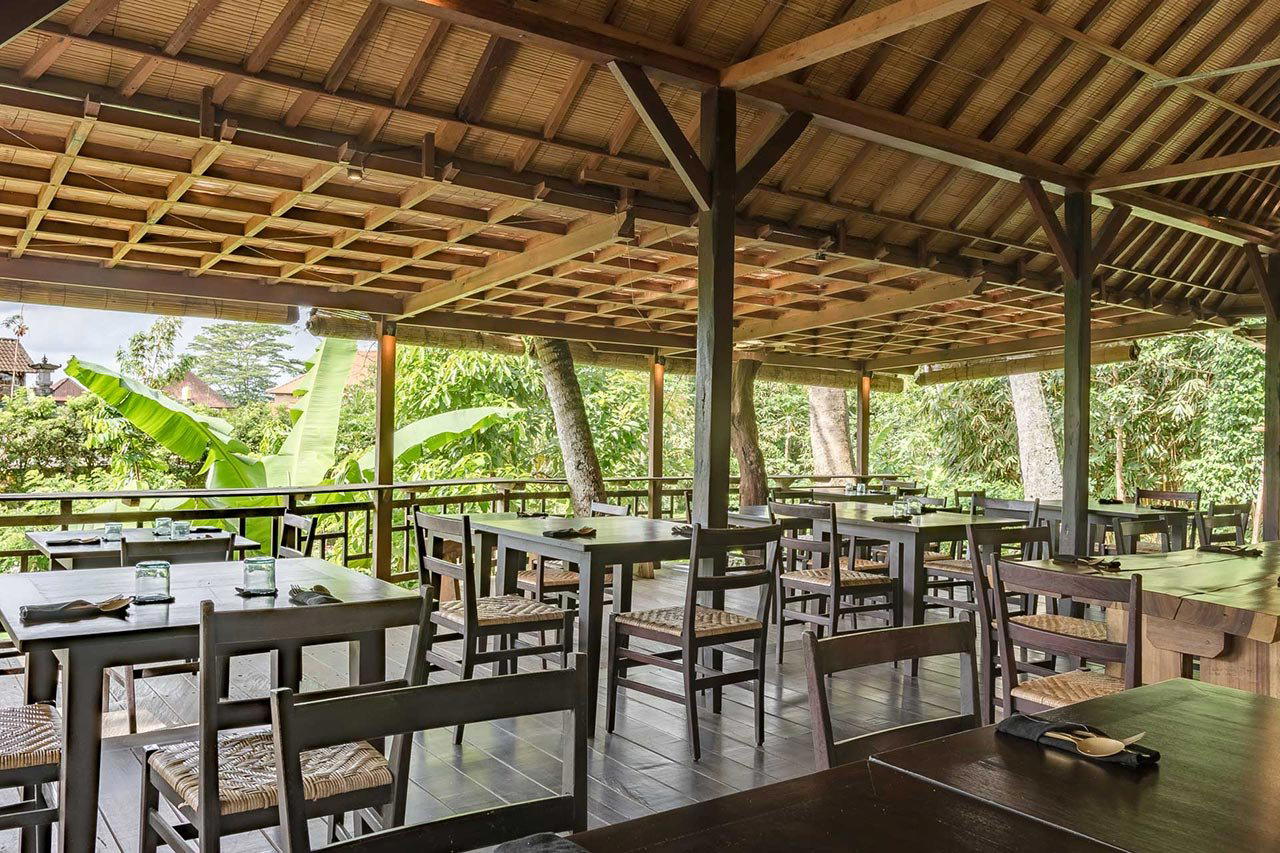
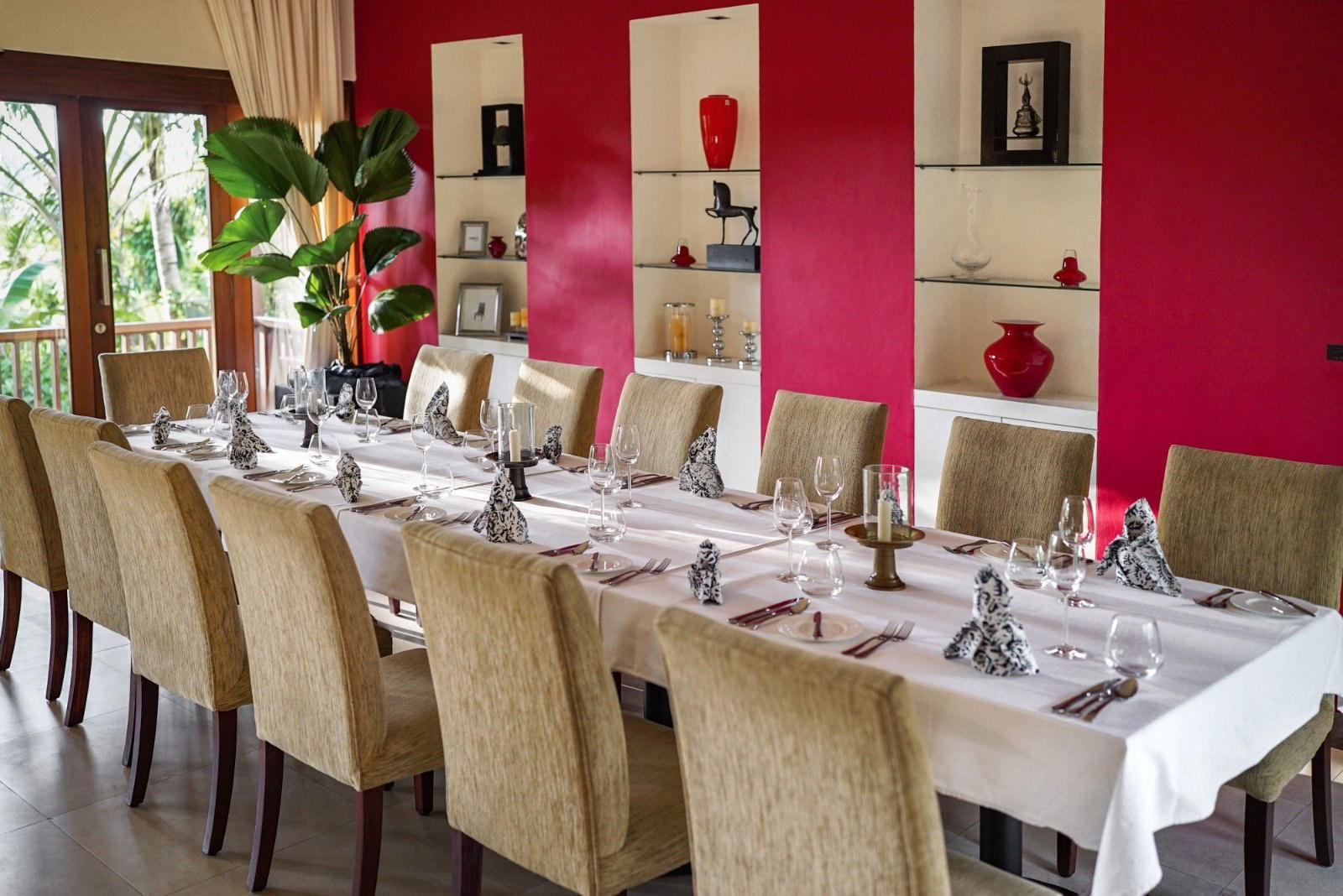
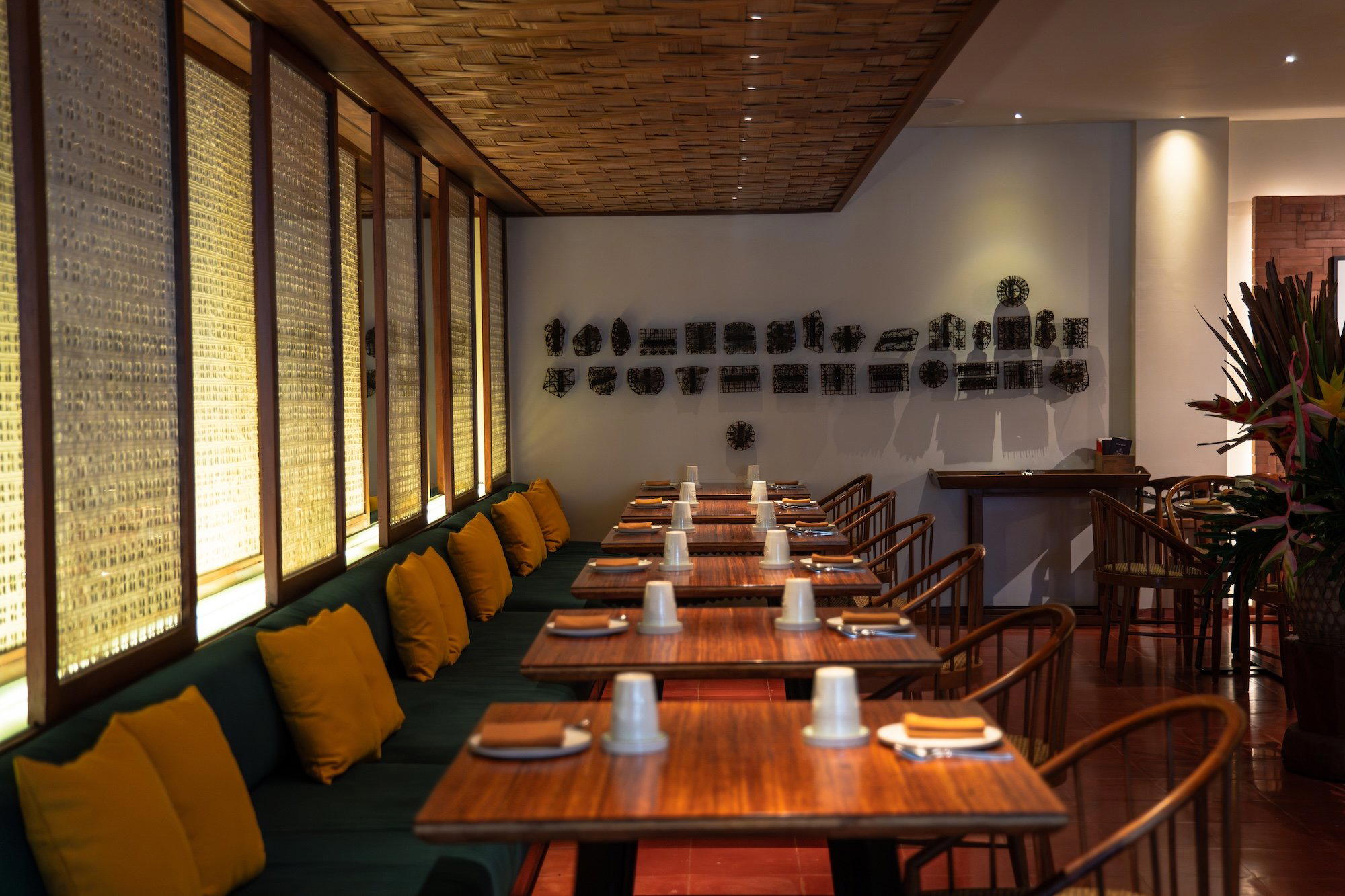
Bars in Gianyar
All bars in Gianyar →
Details
- Elegant
- Sophisticated
- Intimate
- Scenic
- Special Occasion
- Date Night
- Open Kitchen
- Extensive Wine List
- Local Sourcing
- Waterfront
- Garden
- Tasting Menu
- Vegetarian Friendly
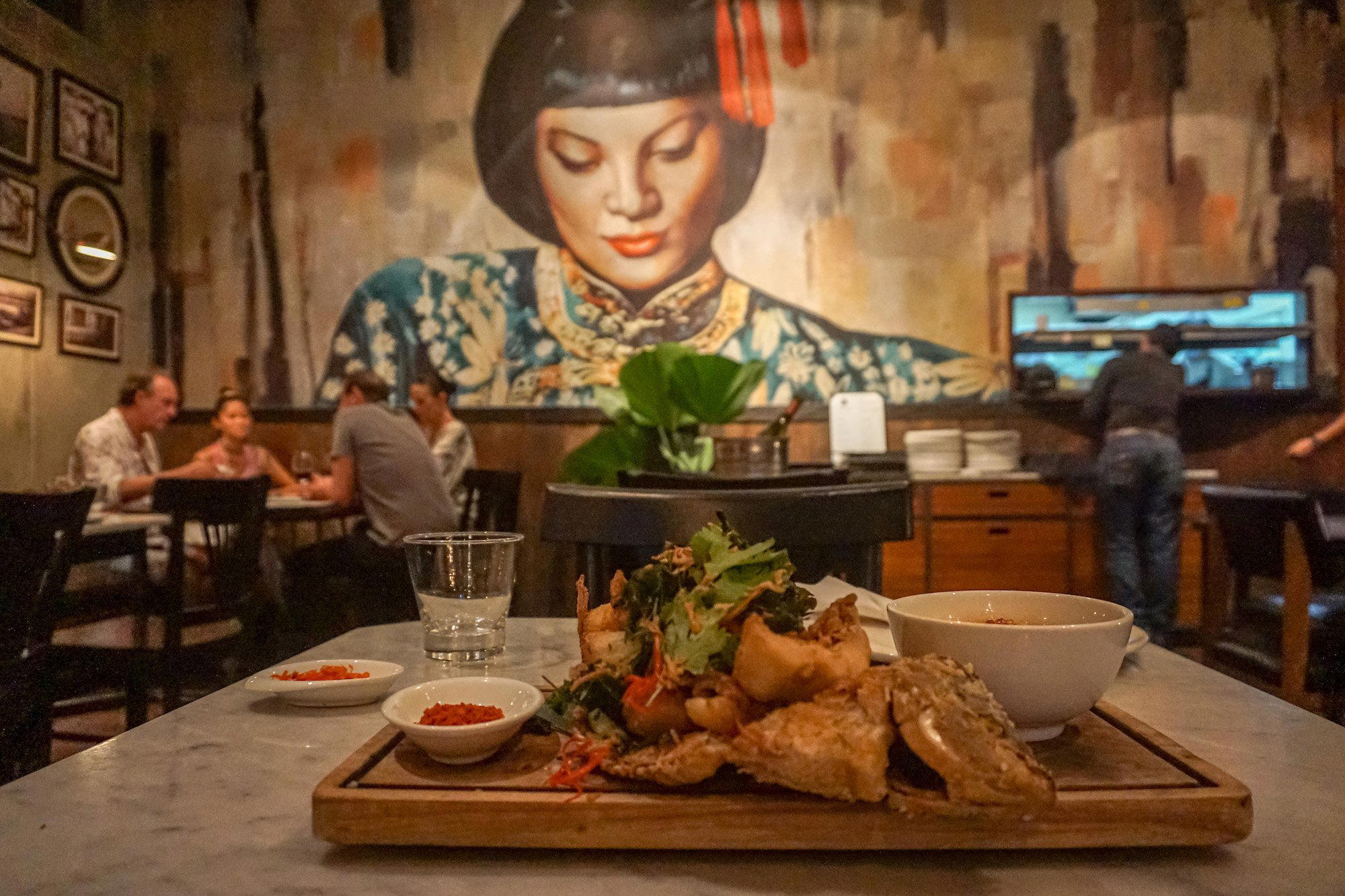
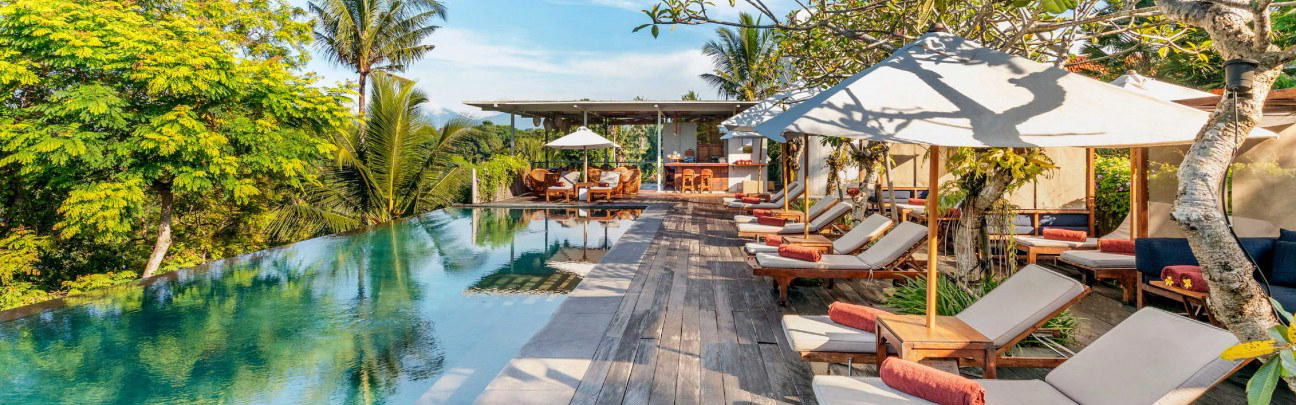
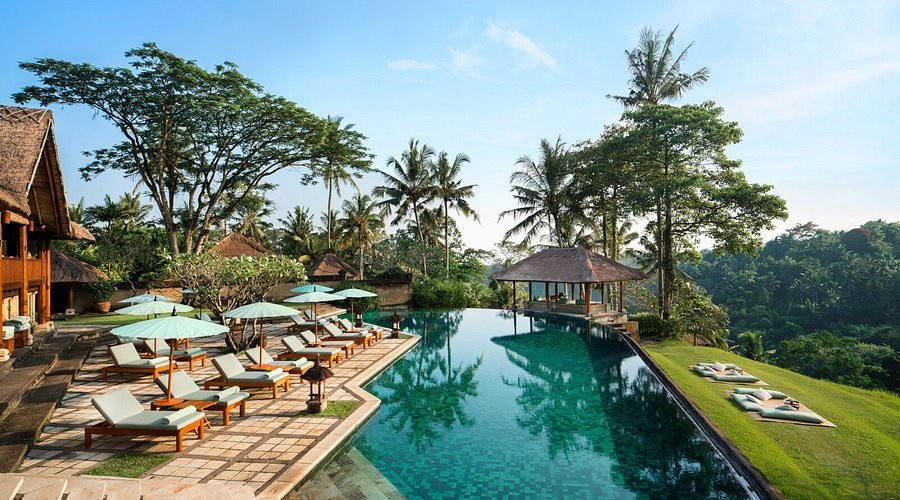
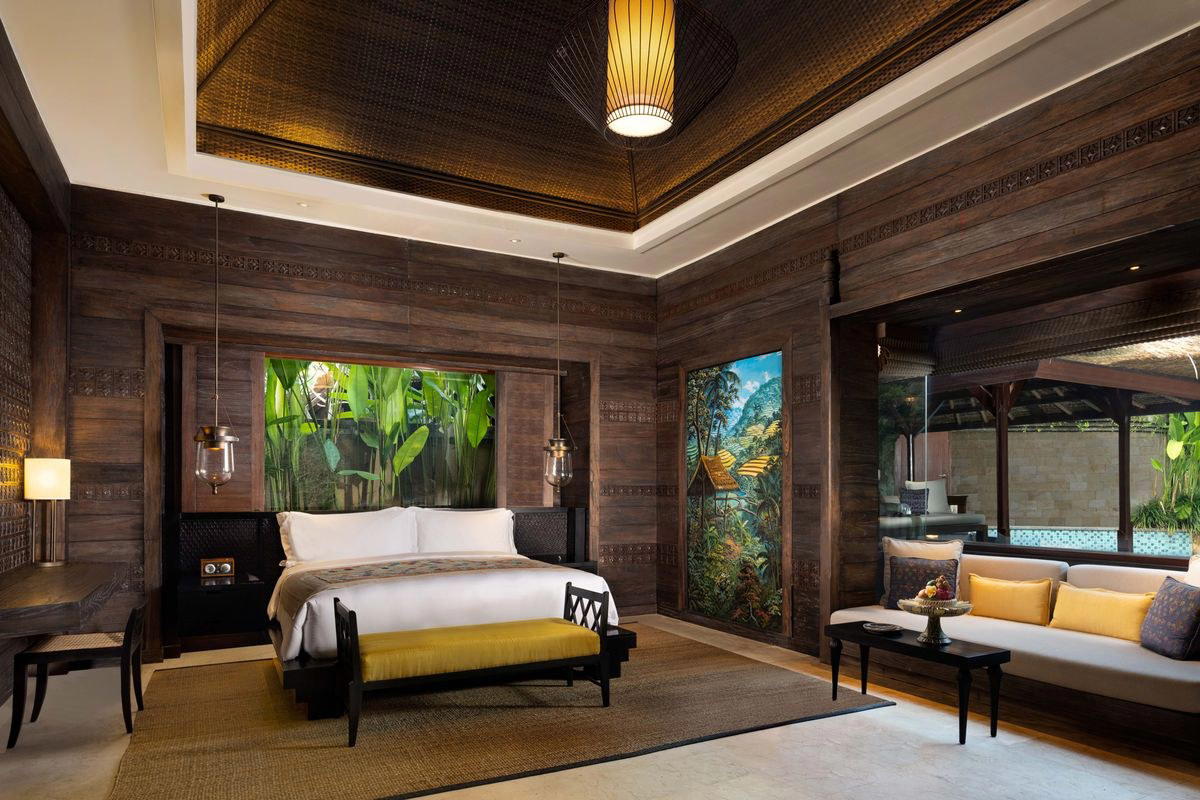
Intimate dining room with natural river views, calming greenery, and an atmosphere of refined elegance and warm hospitality.