
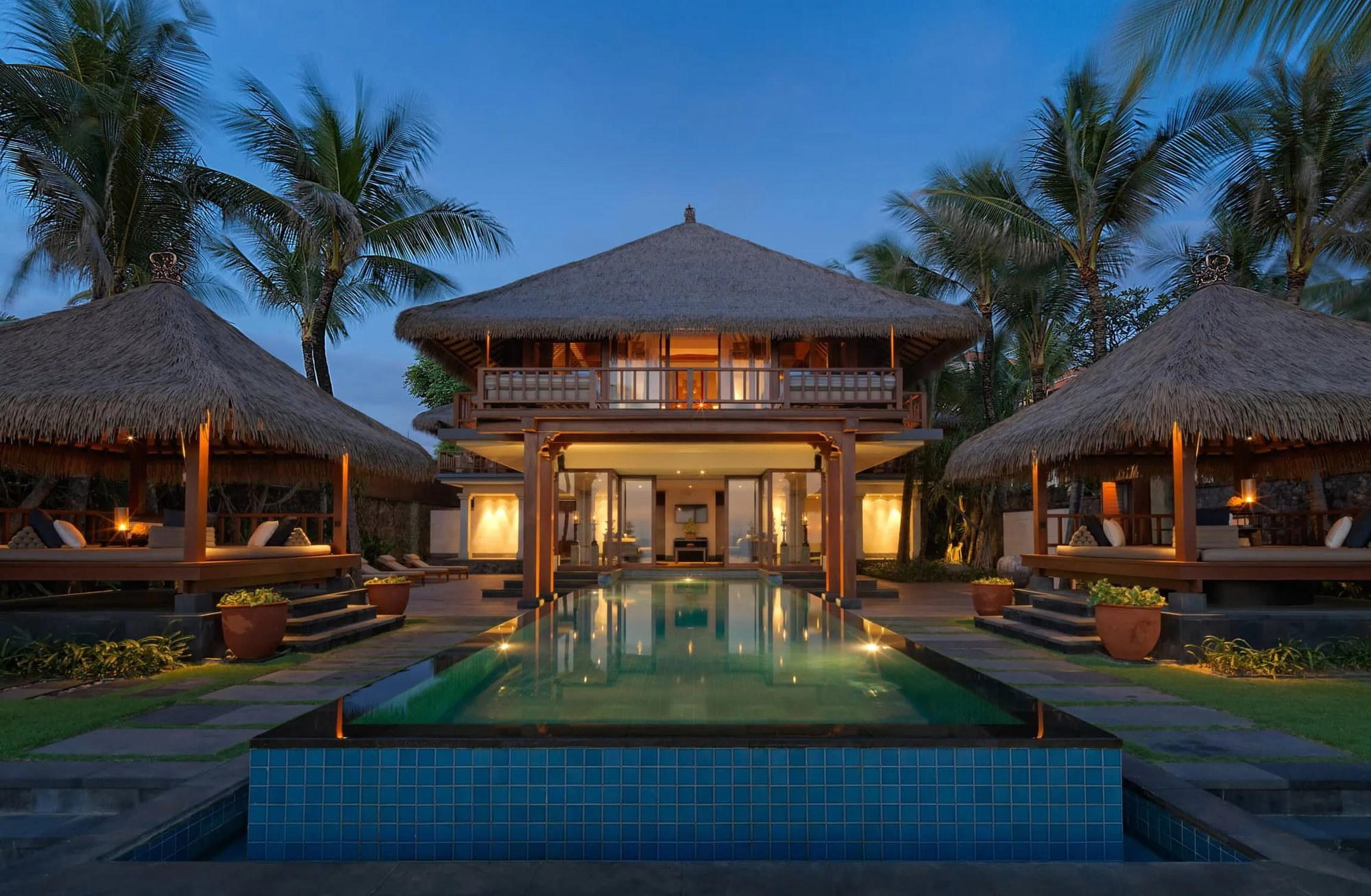
The Legian in Seminyak, Bali serves contemporary international cuisine with clear Asian influences, where must-try plates include French Toast with maple syrup, a chef’s tasting menu for private Beach House events, and fresh grilled local fish with seasonal aromatics. The resort restaurant pairs its food with a 200-label wine selection curated by sommelier I Nengah Suartika, emphasizing France, Champagne, Italy and Australia. Housed within an all-suite beachfront property and a private Beach House for up to 60 guests, The Legian delivers attentive, personalized service and ocean-salted air that lifts citrus and spice from every dish. Member of The Leading Hotels of the World, the restaurant blends relaxed seaside rhythm with refined, carefully prepared cuisine.
Pearl is the En Primeur Club membership app — saves, bookings, and concierge access live there. Same editors, same standards.
- Address
- Jl. Kayu Aya, Seminyak, beach, Kabupaten Badung, Bali, Indonesia
- Phone
- +62 361 730622
- Website
- lhm-hotels.com
- Directions
- Get directions
 Saves & bookings on Pearl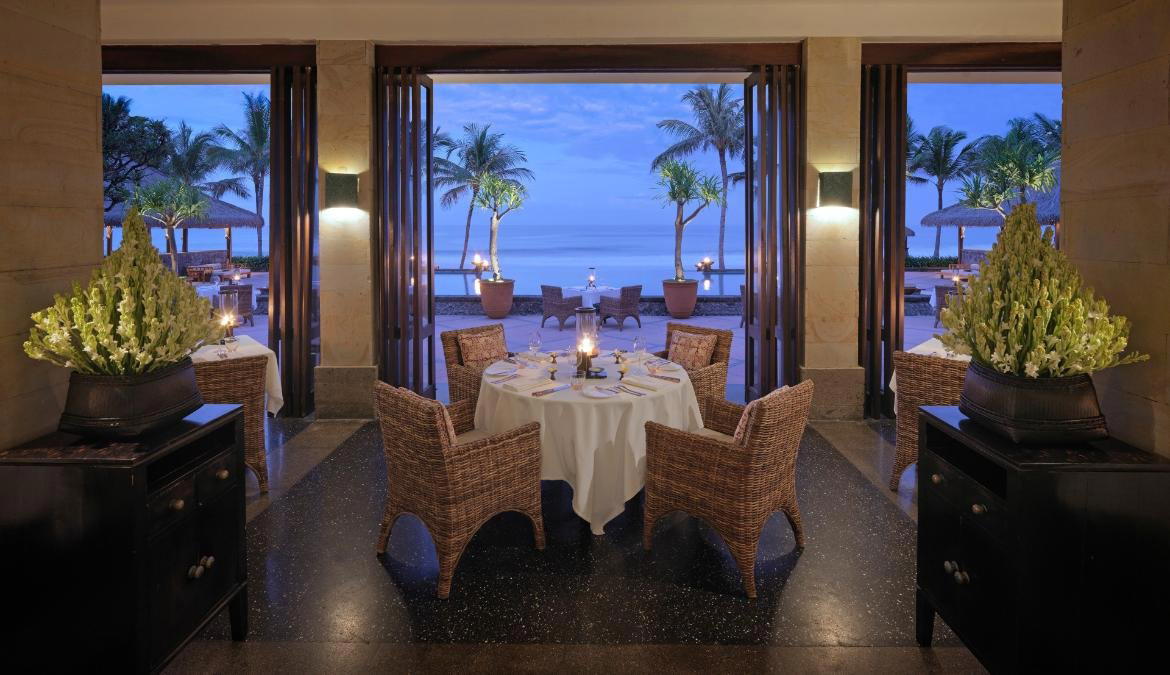
Where Seminyak Meets the Indian Ocean
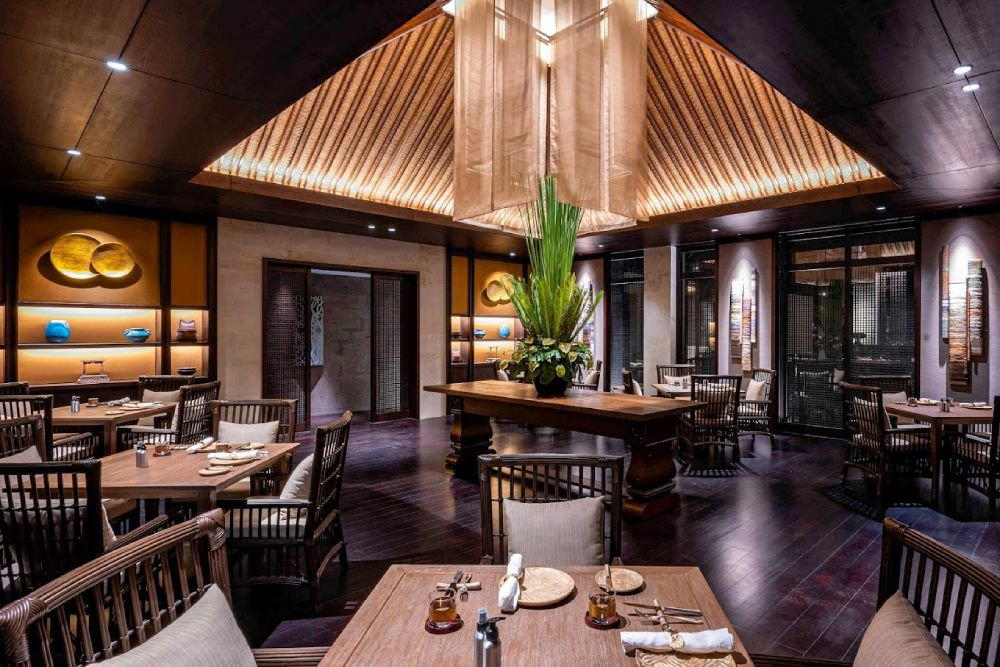
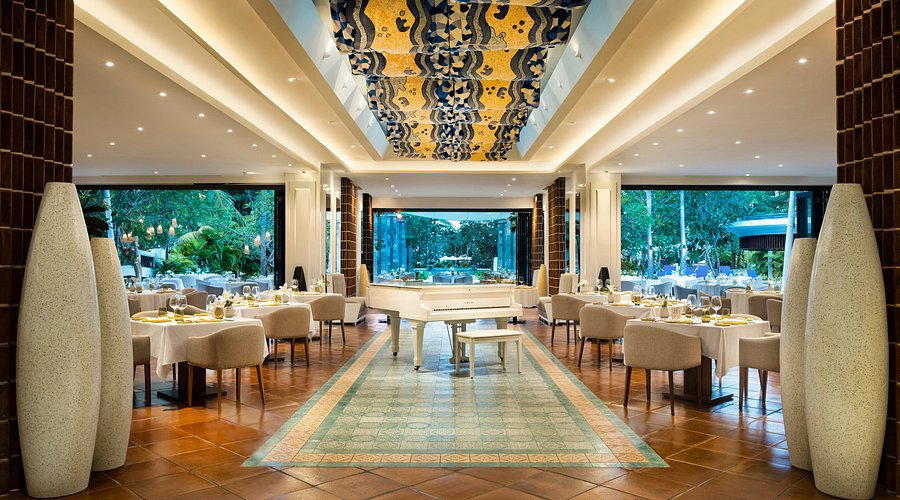
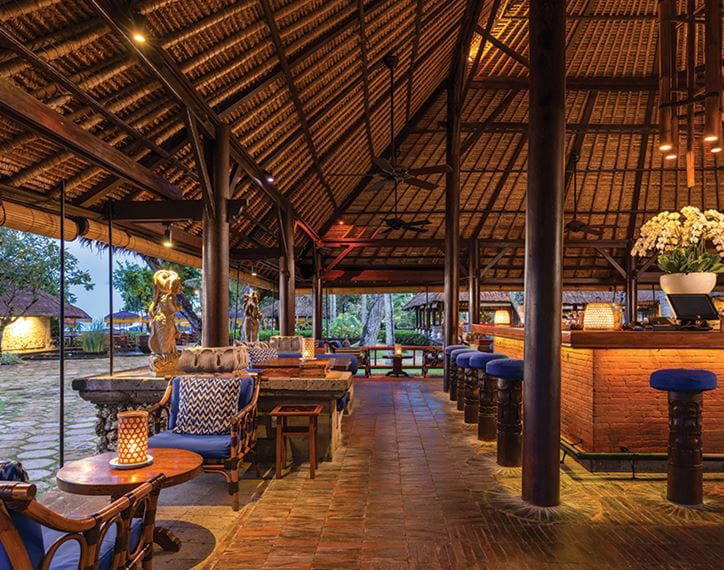
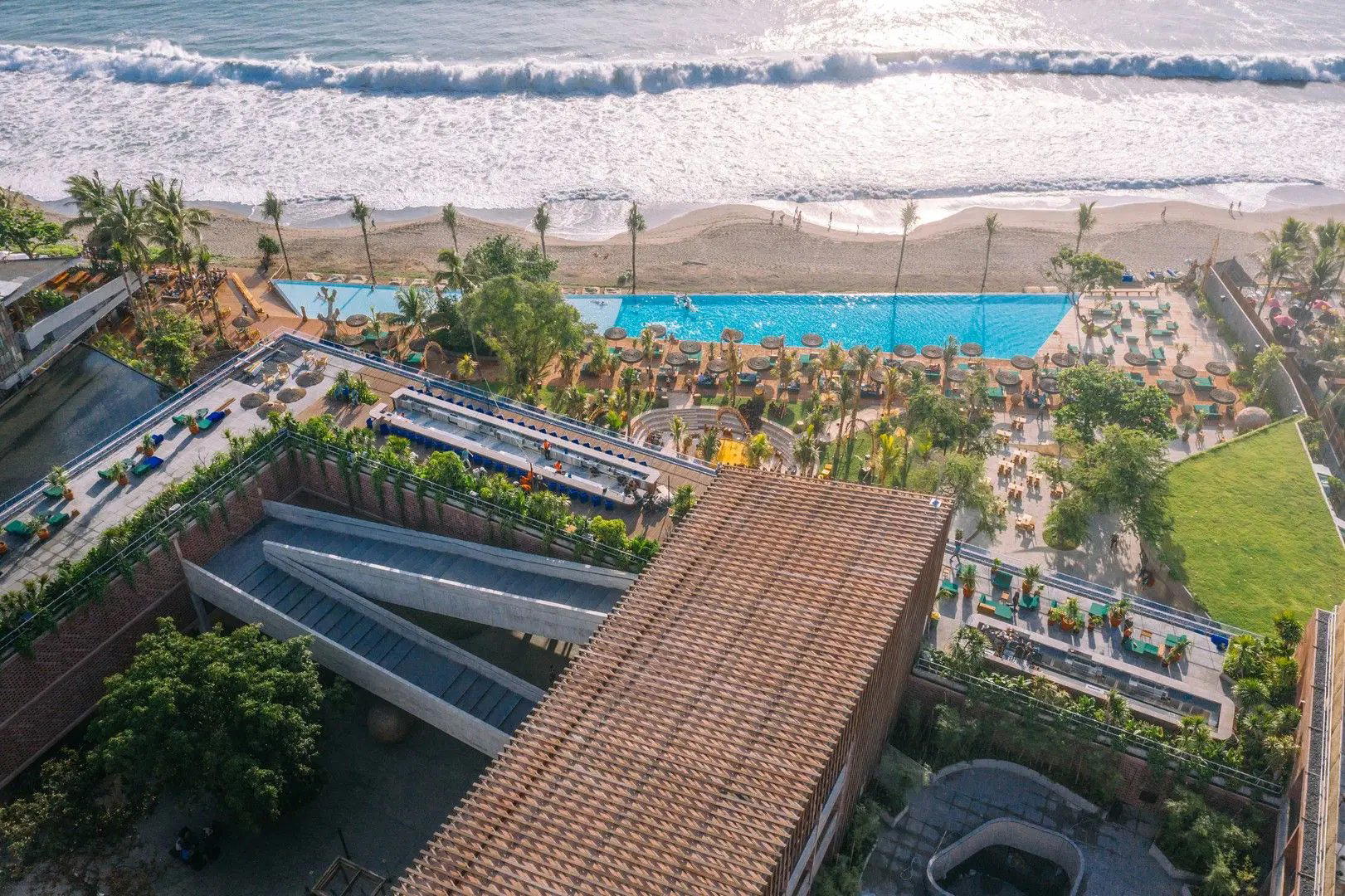
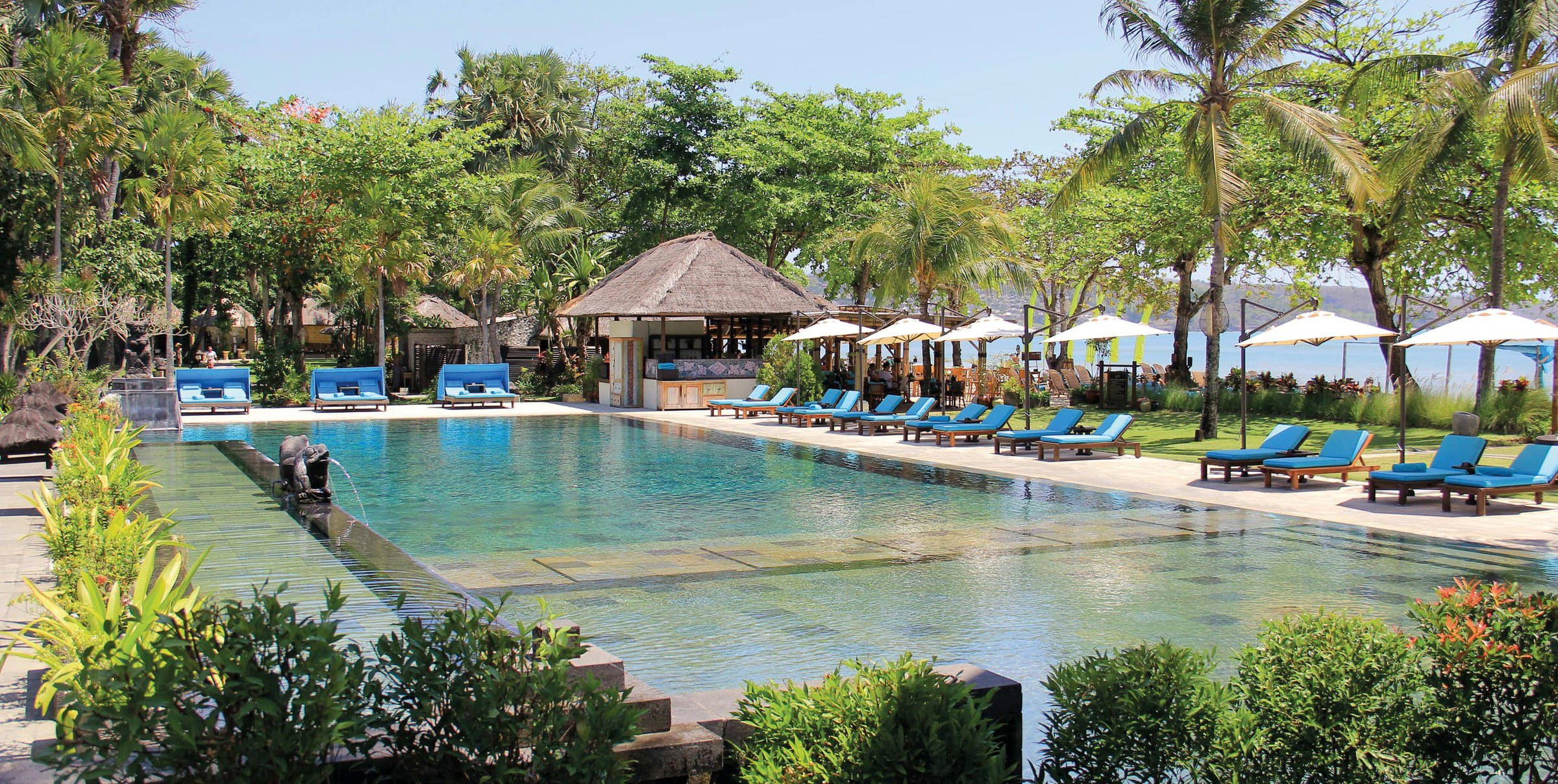
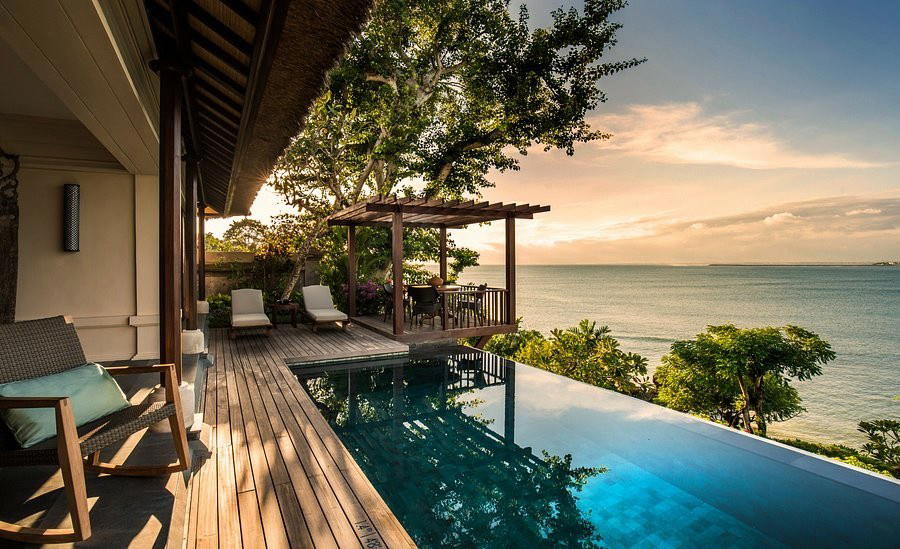
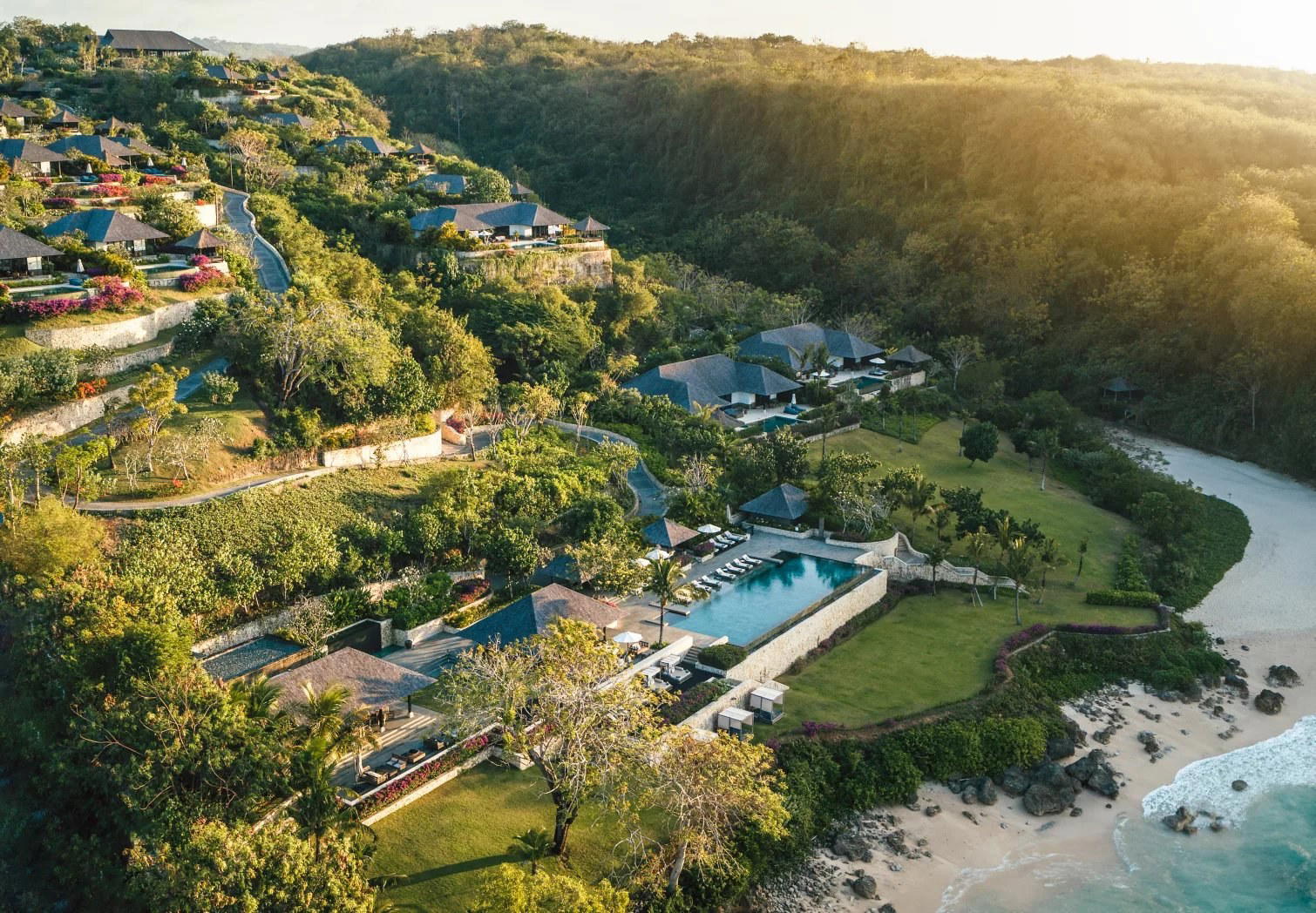
The approach to The Legian tells you something about how Seminyak's hotel-dining tier operates. The property sits at Jl. Kayu Aya in Seminyak, and the restaurant's position means the horizon is a constant presence. This is the kind of setting where the architecture does half the work, placing guests at the edge of the island rather than within it. Beachfront dining in Bali has a long history of trading on sunset theatrics, but the properties that hold a reputation across seasons are the ones that back the view with a serious kitchen and a wine program that earns its place on the table.
Asian Cooking and Where the Ingredients Come From
The Legian's kitchen operates with a menu framed around Modern Seafood Fine Dining. In Bali specifically, that framing carries real weight. The island sits at a point where the Indian subcontinent's spice trade routes, Chinese culinary migration, and indigenous Balinese technique have been layering over each other for centuries. An Asian menu in this context is not a catch-all category; it is an acknowledgment that the larder available in Bali is among the more complex in the region.
Ingredient sourcing in Bali divides between the local market system and international supply chains. Seminyak's upscale dining corridor has historically leaned on both, but the restaurants that age well tend to anchor their menus in what the island actually produces: volcanic-soil vegetables from the central highlands around Bedugul, fresh seafood from the southern waters, aromatic spice blends from local producers, and the tropical fruit cycle that shifts across the calendar. For a hotel restaurant operating at roughly $60 per person, that sourcing philosophy is not a luxury add-on; it is what justifies the positioning.
Compare this to the approach taken at restaurants like Locavore NXT in Ubud, where ingredient provenance is the explicit organizing principle of the entire menu architecture. The Legian's version is less manifesto-driven and more hospitality-integrated, which suits its audience of hotel guests and visiting diners who want serious food without a seminar attached to it. Further afield, Indonesian cuisine is gaining international recognition at places like Kahyangan in Gondangdia and Kaum in Jakarta, where the depth of the archipelago's culinary traditions is being treated as source material for fine dining rather than background noise.
The Wine Program at The Legian
The wine list at the restaurant is a considered program on the island. With around 200 selections and an inventory of approximately 1,000 bottles, it operates at a scale that allows for genuine range without tipping into unwieldy catalogue territory. The $$ wine pricing indicates a list that spans accessible and premium tiers, meaning a table can find something appropriate whether they are drinking by the glass over lunch or building a more serious bottle selection across dinner.
The list's strengths sit in France, Champagne, Italy, and Australia. That combination is worth unpacking in context. French and Italian wine programs are standard at Bali's upper-tier hotel restaurants, but the Australian component reflects geographic proximity and the strong trade relationships between Indonesian hospitality and Australian wine producers. Champagne as a specific strength, rather than just sparkling wine in general, signals that the program is built for occasions as much as for meals. Sommelier I Nengah Suartika manages the list, which at 1,000 bottles requires active stewardship to keep at proper condition in Bali's climate.
For comparison, wine programs of similar seriousness in the Asia-Pacific region at restaurants like 8 1/2 Otto e Mezzo Bombana in Hong Kong often run into the thousands of labels. The restaurant's more focused list is better suited to its context, where the goal is matching Asian food with accessible wine pairings rather than building a collector's archive.
Seminyak's Dining Position in Bali
Seminyak occupies a specific tier in Bali's dining geography. It is not the culinary research hub that Ubud has become, nor the beach-bar circuit of Canggu. It sits between those poles as the island's upscale lifestyle district, where hotel restaurants, standalone dining rooms, and a handful of serious independent operations cluster around a coastal strip. The competition is stiff and the visitor demographic skews toward travelers who have dined at serious restaurants elsewhere and bring comparative expectations.
That context matters when assessing what a restaurant at this address needs to deliver. Seminyak diners in the hotel-restaurant tier have access to places like Sarong Bali in Canggu and Rumari in Jimbaran within a short drive. At the international reference point, the operational standards of properties like Le Bernardin in New York City or Alain Ducasse at Louis XV in Monte Carlo set the template for what hotel-embedded fine dining can aspire to. The restaurant's position is not in that rarefied tier, but it operates with a kitchen and wine program that take the work seriously within its own category. See our full Seminyak restaurants guide to map where the restaurant sits among its peers.
Lunch, Dinner, and Planning Your Visit
The restaurant serves both lunch and dinner, which gives it a flexibility that many beachfront hotel restaurants in the area do not offer across both services. Lunch here is a different experience from dinner: the light is direct, the beach is active, and the menu functions as midday respite. Dinner shifts the register considerably, particularly as the sun drops over the Indian Ocean and the outdoor setting earns its place. General Manager John Grant Laing oversees the full operation, and the property is owned by Robby Johan.
The address is Jl. Kayu Aya, Seminyak Beach, Kabupaten Badung, Bali. For travelers building a broader Bali itinerary, the full range of what Seminyak offers is covered in our Seminyak hotels guide, bars guide, wineries guide, and experiences guide. For those extending beyond Seminyak, restaurants like Lazy Bear in San Francisco, Atomix in New York City, Emeril's in New Orleans, Alléno Paris au Pavillon Ledoyen, and Aponiente in El Puerto de Santa María illustrate the international range of EP Club's coverage for travelers who move between destinations.
Comparable Spots, Quickly
Comparable venues nearby, for context on price, style, and recognition.
| Venue | Cuisine | Price | Notes |
|---|---|---|---|
| The LegianThis venue — the venue you are viewing | Modern Seafood Fine Dining | $$$$ | Not listed |
| Shrimpis Restaurant | Fresh Seafood with Local Shrimp | $$$ | Seminyak |
| Moana Fish Eatery | Polynesian Seafood | $$ | Canggu, Banjar Badung |
| Apéritif Restaurant & Bar | Borderless Fine Dining Degustation | $$$$ | Ubud |
Recognition history
Dated appearances from independent guides and award organizations, with the underlying list record or original source where available.
Wine Spectator Award of Excellence
Wine Spectator
Continue exploring
More in Seminyak
Restaurants in Seminyak
Browse all →
At a Glance
- Romantic
- Elegant
- Sophisticated
- Intimate
- Scenic
- Date Night
- Special Occasion
- Celebration
- Waterfront
- Hotel Restaurant
- Terrace
- Extensive Wine List
- Waterfront
Current opening hours
- Monday
- 7 AM–10 PM
- Tuesday
- 7 AM–10 PM
- Wednesday
- 7 AM–10 PM
- Thursday
- 7 AM–10 PM
- Friday
- 7 AM–10 PM
- Saturday
- 7 AM–10 PM
- Sunday
- 7 AM–10 PM
Hours can change for holidays and private events. Last verified .
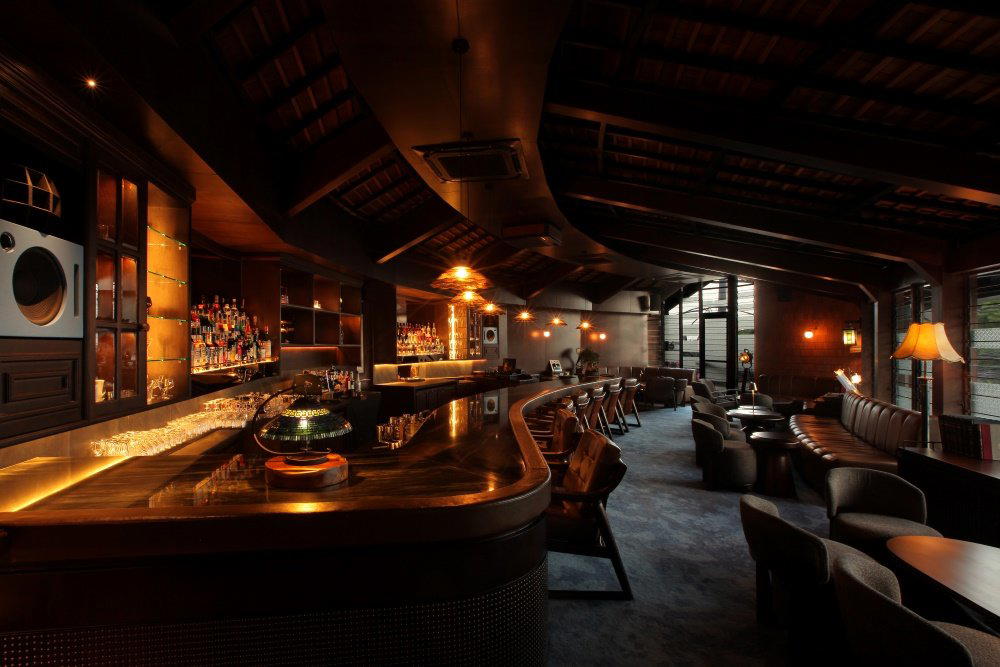
Romantic candlelit evenings with ocean breezes, piano music, and magical sunset ambiance.