Our verdict
Set along the rice terrace corridor between Tegallalang and Ubud, Jungle Fish Bali occupies one of Gianyar's more dramatic natural settings. The restaurant draws on the surrounding agricultural landscape for its ingredient logic, placing local sourcing at the centre of its offer. For visitors moving through the Ubud dining circuit, it sits in a distinct position relative to the town's more formal tasting-menu houses.

Pearl is the En Primeur Club membership app, where members save venues, book tables and use the concierge.
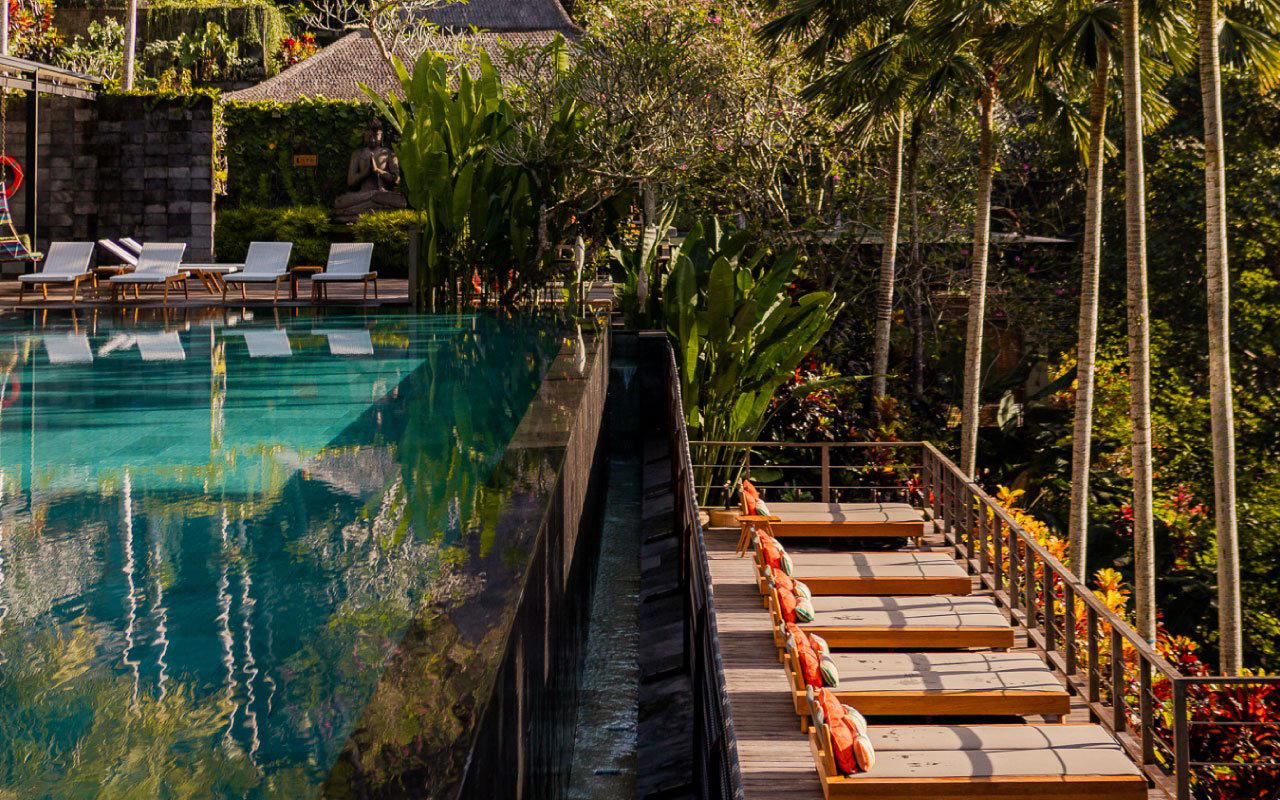
Where the Terraces Meet the Table
The road north from Ubud toward Tegallalang is one of Bali's more deliberate drives: the density of the town gives way to open paddy fields, roadside temple shrines, and the layered green of the rice terrace corridors that define Gianyar's interior. Jungle Fish Bali sits along this stretch, in Banjar Sebali, Keliki, a position that is less about proximity to Ubud's restaurant cluster and more about what surrounds it. Arriving here, the visual register shifts from the managed charm of central Ubud to something rawer: jungle canopy, terraced water, and the ambient noise of an agricultural landscape still in active use.
That setting is not incidental. In Bali's higher-end dining scene, the relationship between environment and plate has become one of the more contested editorial questions. At one end sit the formal tasting-menu houses of central Ubud, venues like Locavore NXT in Ubud and BLANCO par Mandif, which use local sourcing as a technical and philosophical framework expressed through structured multi-course formats. At the other end sit the view-driven destination restaurants, where the landscape is background rather than ingredient logic. Jungle Fish Bali operates in a position that is distinct from both: the surrounding rice-terrace environment is part of the sourcing context, not merely the backdrop.
The Ingredient Logic of the Tegallalang Corridor
Gianyar regency is among the most agriculturally productive areas on the island. The subak irrigation system, the traditional Balinese water management cooperative that UNESCO recognised in 2012 as part of its Cultural Range of Bali inscription, is most visible and most active in precisely this corridor between Ubud and Tegallalang. Restaurants that operate here have direct access to producers and smallholders who supply varieties of rice, vegetables, herbs, and tropical fruits that do not reach urban wholesale markets in the quantities or conditions necessary for consistent kitchen use.
That proximity to production has practical consequences for what ends up on the plate. Across Bali more broadly, the sourcing conversation has moved from gesture to infrastructure: restaurants that make serious ingredient-sourcing claims now need direct supplier relationships, not just market proximity. The progression is visible across the island's dining tier, from Moksa in Bali, which operates its own permaculture garden, to Cuca Restaurant in Badung, which built its menu architecture around local produce interpretation. Jungle Fish Bali's position in the Tegallalang rice corridor places it geographically inside this sourcing logic rather than adjacent to it.
Gianyar's Dining Tier and Where Jungle Fish Sits
Gianyar's restaurant scene is harder to map than Seminyak or Canggu because it spans registers that rarely appear in the same neighbourhood elsewhere in Bali. The warung tradition remains intact here in a way it has not in the south: Babi Guling Ibu Oka 1 continues to draw serious pilgrims for its suckling pig, operating on the logic of a single dish executed at high volume, while Bebek Bengil (Dirty Duck Diner) occupies the mid-tier tourist-facing category that Ubud has produced in quantity since the 1990s. Further along the spectrum, Beduur Restaurant and Buahan A Banyan Tree Escape represent the destination-dining tier associated with luxury property infrastructure.
Jungle Fish Bali occupies a position that is not cleanly assignable to any of these categories. It is not a warung, not a hotel restaurant, and not a formal tasting-menu counter in the Locavore mould. That positioning, somewhere between destination casual and ingredient-serious, is increasingly the interesting space in Bali's evolving mid-to-upper dining tier. Similar transitions have played out in comparable markets: Sarong Bali in Canggu refined the idea of global technique applied to local produce without committing to the formality of a tasting menu, and Cafe Organic Canggu in Banjar Badung built a following around ingredient provenance as the primary communication. Jungle Fish Bali's Tegallalang address signals a version of this logic applied to a more remote, more agricultural setting.
The Wider Indonesian Dining Context
Indonesia's premium dining tier has expanded significantly over the past decade, with Jakarta and Bali functioning as the two poles of the conversation. Venues like August in Jakarta have taken local ingredient sourcing to a technically rigorous extreme, earning the kind of international recognition that a decade ago would have been reserved for European or Japanese kitchens. Kahyangan in Gondangdia operates in a different register, but shares the broader impulse toward Indonesian ingredient identity as a competitive differentiator rather than a marketing qualifier.
Bali's contribution to this shift has been less about technical innovation and more about environmental integration: the island's restaurants at the serious end of the market have made the case that sourcing geography matters as much as sourcing philosophy. The rice terraces, the volcanic soil, the altitude variation between the coast and the interior, these are not interchangeable with mainland Indonesian produce contexts, and the restaurants that understand this distinction tend to produce menus that read as genuinely placed rather than generically tropical. Internationally, the conversation about terroir extending beyond wine into restaurant ingredient sourcing has moved from novelty to expectation; at Le Bernardin in New York City and at producer-focused destination restaurants like Lazy Bear in San Francisco, supplier relationships and seasonal specificity are treated as editorial content in their own right.
Planning a Visit
Jungle Fish Bali is located at Jl. Raya Sebali, Banjar Sebali, Keliki, Tegallalang, in the Gianyar regency, roughly north of central Ubud along the main Tegallalang road. The address places it outside Ubud's immediate walkable core, so independent transport, whether a hired driver or a scooter, is the practical requirement. The rice terrace corridor is at its most atmospheric in the early morning and late afternoon, when the light is low and the agricultural activity is visible; timing a visit around those windows adds a layer to the experience that midday does not. For a broader survey of what Gianyar's dining scene offers across price points and styles, our full Gianyar restaurants guide maps the full range. Those spending time across Bali's southern and western regions may also want to cross-reference with Rumari in Jimbaran and The Legian in Seminyak for contrasting coastal dining contexts. For Padang cuisine alongside a different kind of regional ingredient story, CARANO Masakan Padang in Bekasi offers a useful reference point on how Indonesian culinary regionalism operates at its most direct.
Frequently asked questions
How do I find Jungle Fish Bali?
Jungle Fish Bali is located at Jl. Raya Sebali, Banjar Sebali, Keliki, Tegallalang - Ubud, Kabupaten Gianyar, Bali 80561, Indonesia, Gianyar.
Is Jungle Fish Bali worth the drive from central Ubud?
Jungle Fish Bali is located at Jl. Raya Sebali, Banjar Sebali, Keliki, Tegallalang, roughly north of central Ubud along the main road toward the Tegallalang rice terraces, making it a natural stop for anyone already heading that direction. The Gianyar regency dining scene spans a wider range of formats and price points than the more curated strips of Seminyak or Canggu, so the drive rewards visitors who prefer restaurant experiences embedded in working agricultural landscape rather than resort corridors.
What's the signature dish at Jungle Fish Bali?
The restaurant sits in Gianyar regency, one of Bali's most agriculturally productive areas, and the Tegallalang corridor supplies fresh produce through the traditional subak irrigation system, context that shapes what kitchens in this corridor typically put on the plate. For confirmed menu information, check the venue's official channels via their current listed address on Jl. Raya Sebali, Keliki, Tegallalang.
How hard is it to get a table at Jungle Fish Bali?
Jungle Fish Bali is positioned along the Jl. Raya Sebali corridor in Tegallalang, a stretch that attracts significant visitor traffic given its proximity to the rice terraces north of Ubud.
What's the signature at Jungle Fish Bali?
The venue's defining format centres on its position in the Tegallalang corridor of Gianyar regency, where the surrounding subak-irrigated paddy fields set the physical and agricultural context for the kitchen.
In Context: Similar Options
Comparable venues nearby, for context on price, style, and recognition.
| Venue | Cuisine | Price | Notes |
|---|---|---|---|
| Jungle Fish BaliThis venue (the venue you are viewing) | Mediterranean-Inspired Indonesian | $20–30 | Not listed |
| Babi Guling Ibu Oka 1 | Balinese Babi Guling (Roast Suckling Pig) | $1–10 | Ubud |
| Bebek Bengil (Dirty Duck Diner) | Balinese & Indonesian | $10–20 | Padang Tegal, Ubud |
| Sage | Vegan Fusion | $10–20 | Nyuh Kuning |
| Buahan A Banyan Tree Escape | Modern Balinese Farm-to-Table | $150–200 | Payangan |
| Four Seasons Bali at Sayan | Modern Balinese with Mediterranean Influences | $50–100 | Sayan |
Continue exploring
More in Gianyar
Restaurants in Gianyar
All restaurants in Gianyar →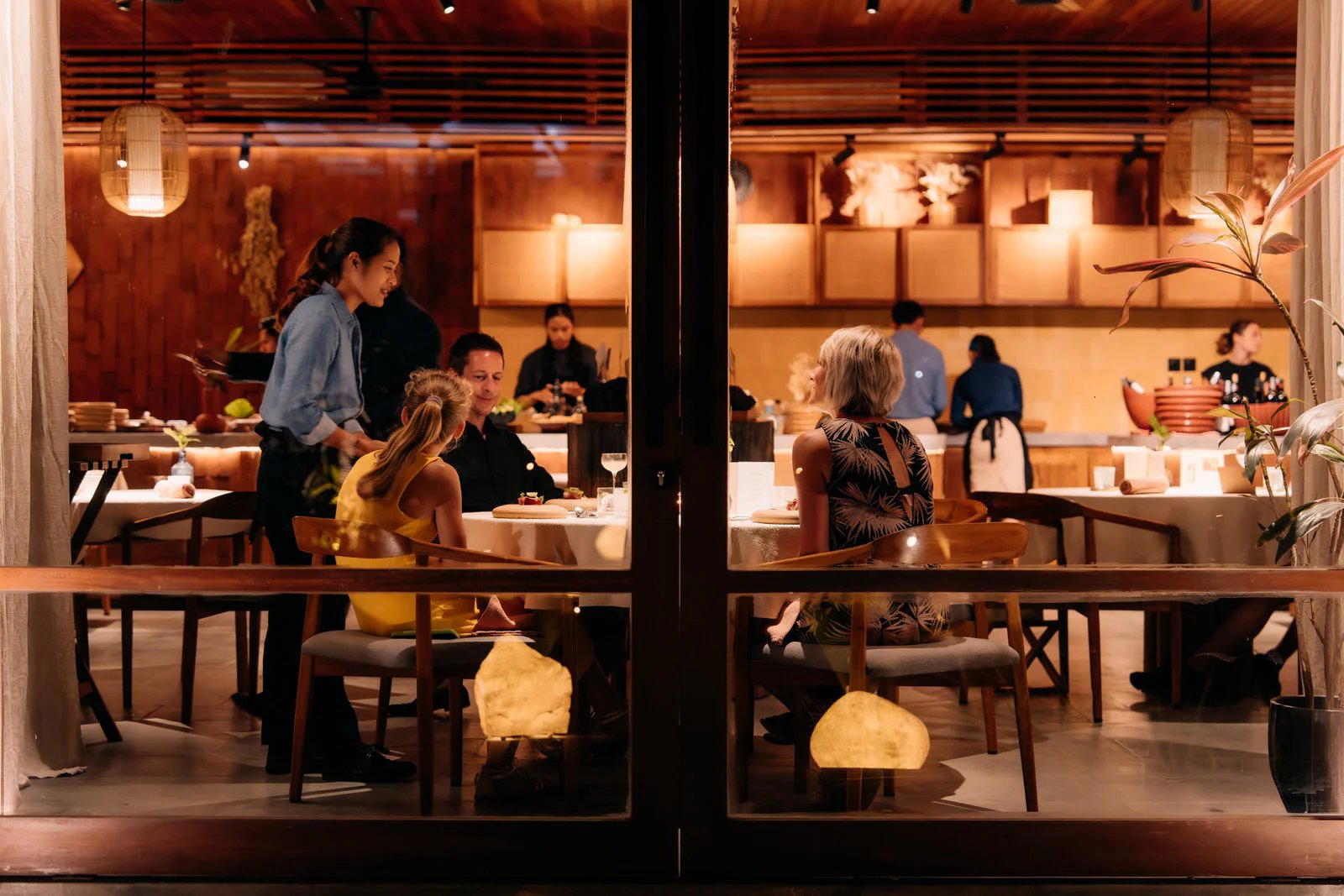
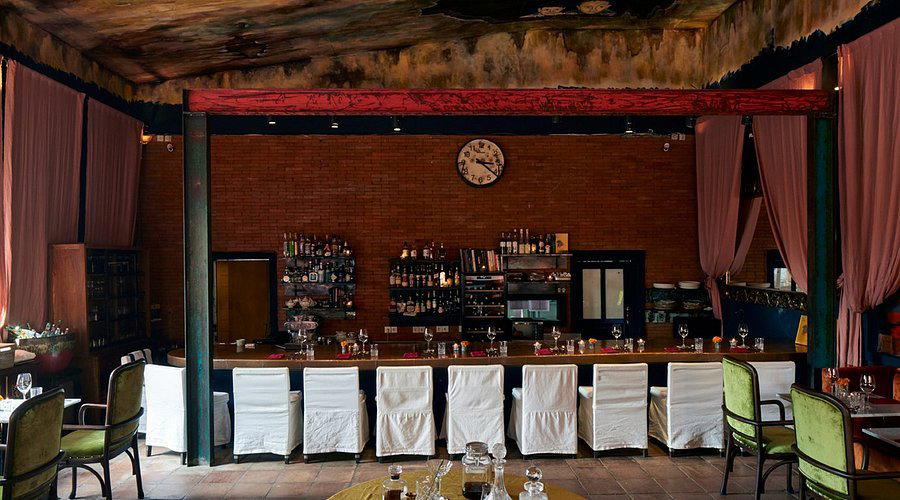
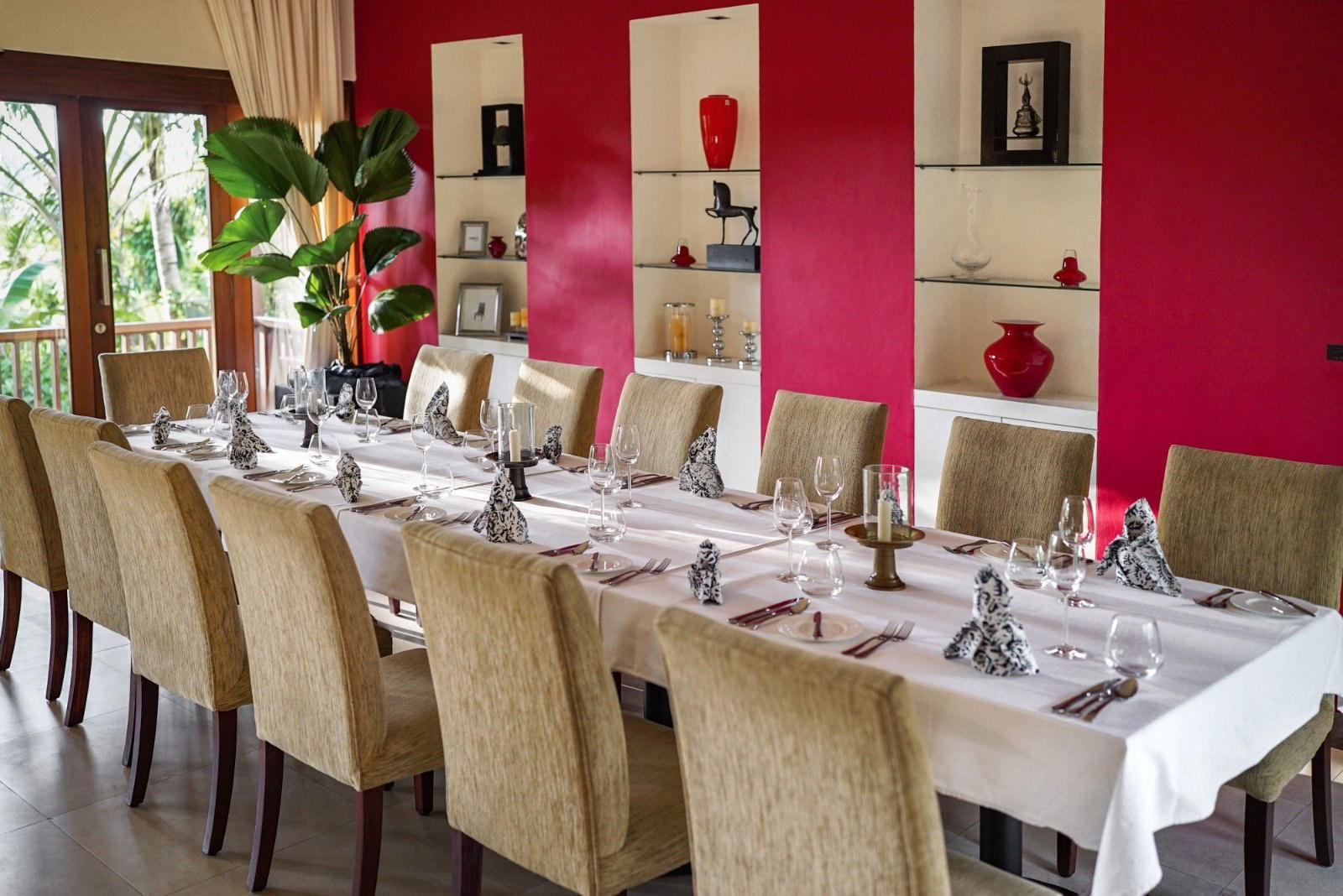
Bars in Gianyar
All bars in Gianyar →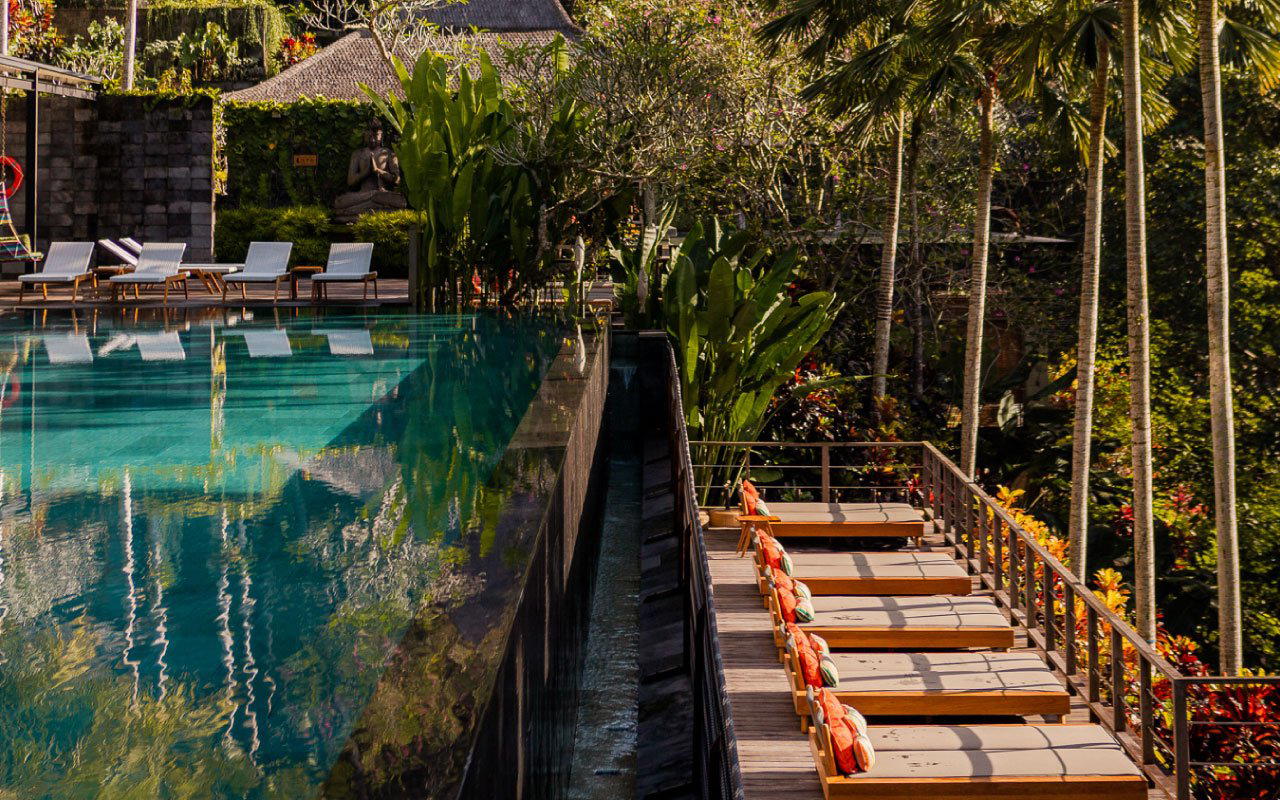


Details
- Scenic
- Trendy
- Bohemian
- Casual Hangout
- Brunch
- Celebration
- Rooftop
- Panoramic View
- Terrace
- Craft Cocktails
- Local Sourcing
- Organic
- Garden
- Mountain
- A La Carte
- Small Plates
- Cocktails
- Vegetarian Friendly
- Vegan Options
- Gluten Free Options
Current opening hours
- Monday
- 8 AM–9 PM
- Tuesday
- 8 AM–9 PM
- Wednesday
- 8 AM–9 PM
- Thursday
- 8 AM–9 PM
- Friday
- 8 AM–9 PM
- Saturday
- 8 AM–9 PM
- Sunday
- 8 AM–9 PM
Hours can change for holidays and private events. Last verified .
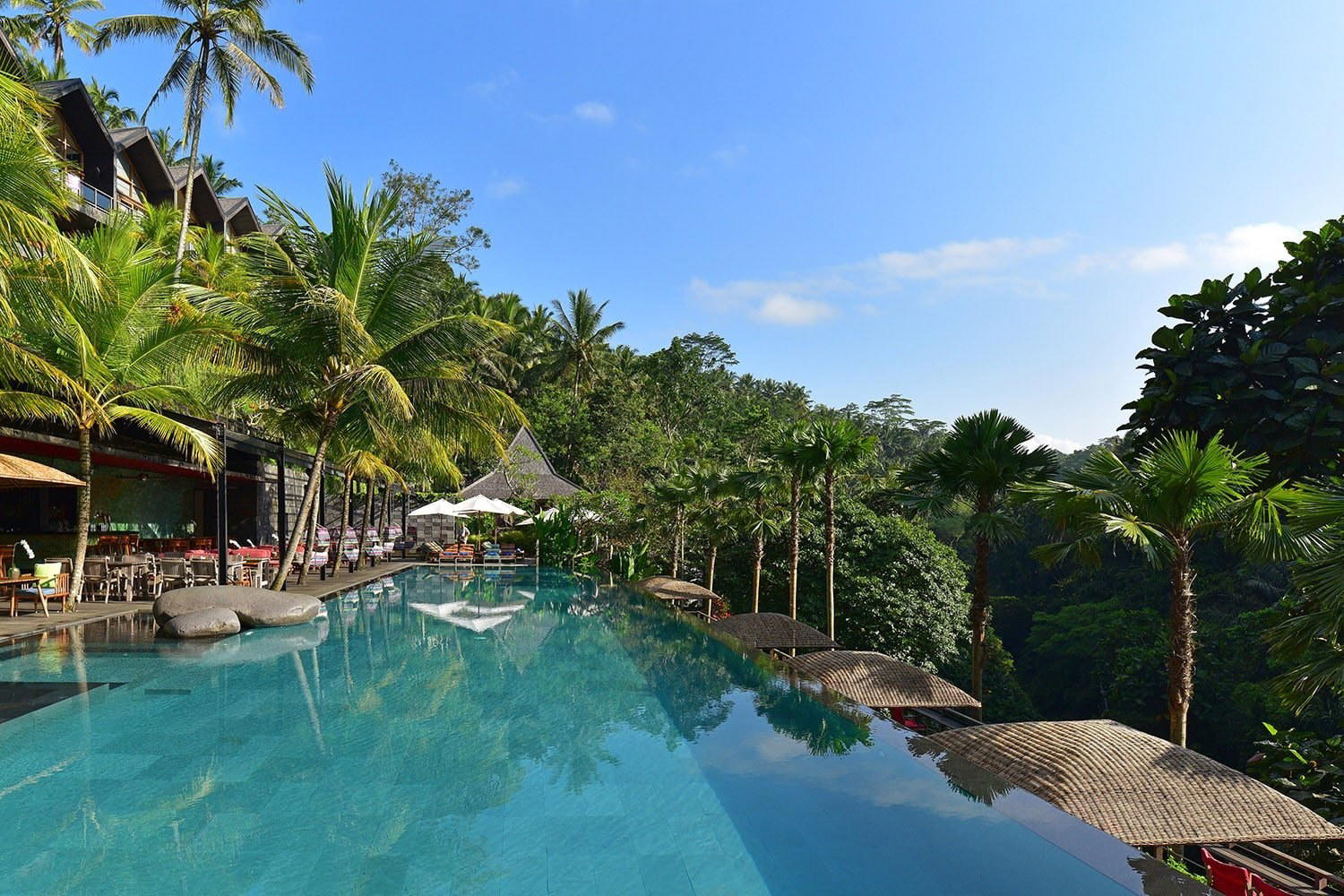
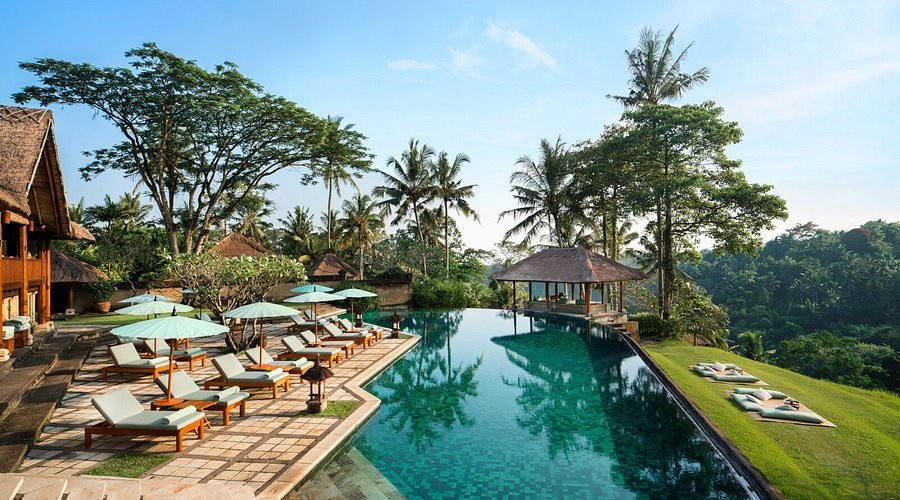
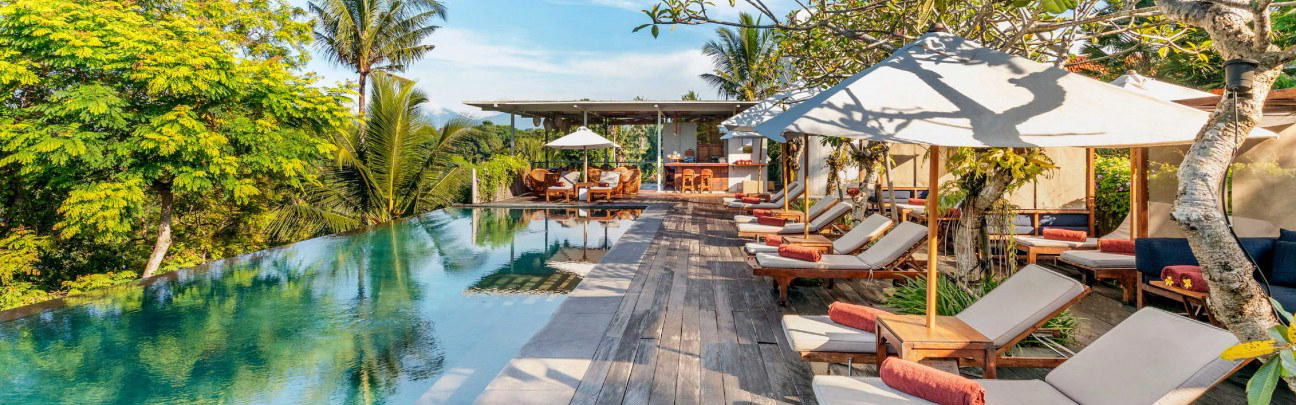
Chic jungle immersion with Balinese elegance fused with Danish styling, featuring hanging beds, sun loungers, and a relaxed poolside atmosphere.