Our verdict
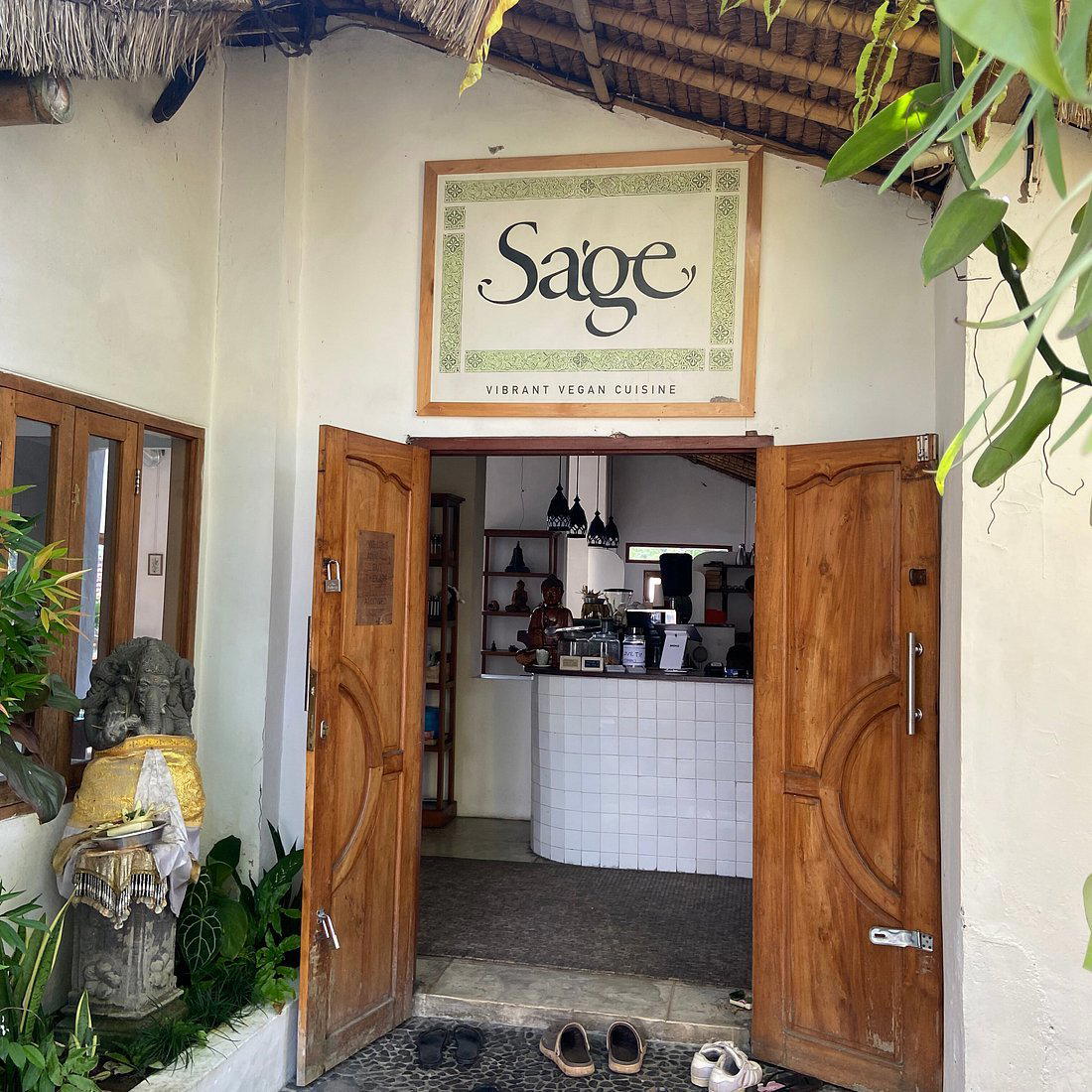
Located on Jalan Nyuh Bulan in the Mas district south of Ubud, Sage sits within a stretch of Gianyar that has quietly developed a serious dining identity over the past decade. The restaurant's address places it within easy reach of the Ubud art corridor, making it a reference point for visitors tracing Bali's evolving contemporary food scene alongside the region's older culinary traditions.

Pearl is the En Primeur Club membership app, where members save venues, book tables and use the concierge.
The menu
What to order
- Jackfruit tacos
- Tempeh tacos
- Butternut squash ravioli
Where the Mas Road Meets Ubud's Dining Shift
The road through Mas, running south from Ubud toward Gianyar's lowlands, is better known for its woodcarving galleries than its restaurants. That's precisely what makes the stretch around Jalan Nyuh Bulan worth attention: it sits just far enough from the Ubud tourist corridor to develop at its own pace, and in recent years a cluster of serious dining addresses has taken root here, drawing on the same local-sourcing logic that has reshaped the broader Ubud food scene without the self-consciousness that sometimes accompanies it closer to Monkey Forest Road.
Sage sits on this road at number one, its address in the Mas village placing it within the Kecamatan Ubud administrative zone while keeping a physical distance from the centre's busiest blocks. In a region where dining identity is increasingly defined by the tension between Balinese culinary tradition and internationally trained technique, location is more than logistics: it signals whose audience a restaurant is playing to.
The Cultural Weight Behind the Ubud Food Scene
Balinese cuisine carries a layered ritual identity that most visitors only partially encounter. The ceremonial cooking traditions of the island, from the communal preparation of babi guling (spit-roasted pig) for temple festivals to the fermented shrimp paste base of countless daily dishes, were never designed for restaurant presentation. That gap between tradition and plate has produced two distinct dining currents in the Ubud area: places that make Balinese cooking legible to outsiders without distorting it, and places that use local ingredients as raw material for something more internationally framed.
The tension is productive. Babi Guling Ibu Oka 1 and Bebek Bengil (Dirty Duck Diner) have anchored the traditional end of that spectrum for decades, the former serving ceremonial roast pork in a format that has barely changed, the latter turning bebek betutu (slow-cooked smoked duck) into a sit-down experience for international visitors. At the other end, BLANCO par Mandif has pushed into fine-dining territory, bringing tasting-menu format and global technique to bear on Indonesian ingredients. Locavore NXT in Ubud represents perhaps the most discussed iteration of this approach across the island, with a sourcing philosophy that has attracted international food press attention and placed Ubud on the same conversation as progressive restaurants in Jakarta and beyond.
The Mas address puts it in proximity to a quieter, more locally oriented dining culture than the central Ubud strip, which itself suggests a particular positioning in the market.
Gianyar's Dining Geography
The Gianyar regency contains a wider range of dining registers than the Ubud name tends to suggest. Beduur Restaurant and Buahan, A Banyan Tree Escape extend the area's fine-dining conversation into different price tiers and formats, the latter integrating lodging and a pronounced sustainability programme into its food identity. Across the broader Bali market, comparable restaurants operating in the contemporary-Indonesian or ingredient-led space include Sarong Bali in Canggu, Moksa in Bali, and Cuca Restaurant in Badung, each occupying a distinct niche in the island's dining ecosystem.
Beyond Bali, the broader Indonesian fine-dining conversation runs through August in Jakarta and Kahyangan in Gondangdia, both of which have attracted critical attention for their reinterpretation of Indonesian culinary heritage through contemporary technique. Rumari in Jimbaran takes a different approach in Bali's southern peninsula, leaning into seafood and a more coastal register. For visitors building a serious eating itinerary across the archipelago, these reference points help calibrate where any Ubud-area restaurant sits in the wider national picture.
Plant-forward dining has developed a particularly strong following in the Ubud corridor, partly because of the international visitor base and partly because local vegetable and herb culture is genuinely rich. Cafe Organic Canggu in Banjar Badung is among the more recognised addresses in that vein. Indonesian regional cooking more broadly, whether from Padang, Java, or Bali, draws on spice-forward techniques and communal formats that translate poorly into tasting-menu architecture but reward direct presentation: a point that CARANO Masakan Padang in Bekasi demonstrates at scale in a very different urban context.
Planning Your Visit
Sage is located at Jalan Nyuh Bulan No.1 in Mas, a short drive south of central Ubud along the main road toward Gianyar town. The Mas strip is navigable by car or scooter; ride-hailing apps operate widely in the Ubud area and are the practical choice for visitors based in central Ubud who prefer not to deal with parking. For a broader orientation to what's worth eating and drinking in the regency, the EP Club Gianyar restaurants guide maps the full range of options across price points and cuisine types.
Visitors who want international comparison benchmarks while thinking about Bali's tasting-menu tier can look at how format-driven restaurants in other markets position themselves: Le Bernardin in New York City and Lazy Bear in San Francisco represent the kind of tightly controlled, chef-led format that the Ubud fine-dining scene has been moving toward, even if the cultural and price contexts differ substantially. The Legian in Seminyak offers a useful local contrast, operating at the intersection of resort dining and serious food in Bali's more developed southern corridor.
Frequently asked questions
What part of town is Sage in?
Sage is located at Emas, Jl. Nyuh Bulan No.1, Mas, Kecamatan Ubud, Kabupaten Gianyar, Bali 80571, Indonesia, Gianyar.
How far is Sage from central Ubud, and is it easy to reach without a driver?
Sage is located at Jalan Nyuh Bulan No.1 in Mas, Kecamatan Ubud, within the Gianyar regency, the Mas strip runs directly south of Ubud's main centre along the road toward Gianyar town. The distance is short enough to cover by ojek or scooter rental, though the road carries steady traffic and pedestrian access is limited. Most visitors to this part of Gianyar arrange a driver or ride-hail for convenience.
What's the best thing to order at Sage?
The Mas location, away from Ubud's main tourist strip, tends to attract restaurants with a more ingredient-led approach, ask staff what arrived fresh and build from there.
Do I need a reservation for Sage?
No contact number or booking platform is currently listed for Sage. Given its address on Jalan Nyuh Bulan in Mas, a quieter stretch than central Ubud, walk-in availability is plausible, but visiting early or checking directly at the venue on arrival is the practical approach.
What do critics highlight about Sage?
The Gianyar regency dining scene has drawn broader editorial attention through venues like Buahan, A Banyan Tree Escape, which raises the regional profile, Sage's position in Mas places it within a dining corridor that is drawing increasing notice.
Do they accommodate allergies at Sage?
No specific allergy or dietary policy is documented for Sage. At the address on Jalan Nyuh Bulan No.
Price and Positioning
| Venue | Cuisine | Price |
|---|---|---|
| SageThis venue (the venue you are viewing) | Vegan Fusion | $10–20 |
| Jungle Fish Bali | Mediterranean-Inspired Indonesian | $20–30 |
| Babi Guling Ibu Oka 1 | Balinese Babi Guling (Roast Suckling Pig) | $1–10 |
| Bebek Bengil (Dirty Duck Diner) | Balinese & Indonesian | $10–20 |
| Beduur Restaurant | French-Asian Fusion Fine Dining | Not listed |
| BLANCO par Mandif | Modern Indonesian Degustation | Not listed |
Sage
Featured Guides
Continue exploring
More in Gianyar
Restaurants in Gianyar
All restaurants in Gianyar →
Bars in Gianyar
All bars in Gianyar →

Details
- Cozy
- Relaxed
- Casual Hangout
- Family
- Standalone
- Zero Proof
- Local Sourcing
- A La Carte
- Small Plates
- Vegan Options
- Vegetarian Friendly
- Gluten Free Options
Current opening hours
- Monday
- 8 AM–9 PM
- Tuesday
- 8 AM–9 PM
- Wednesday
- 8 AM–9 PM
- Thursday
- 8 AM–9 PM
- Friday
- 8 AM–9 PM
- Saturday
- 8 AM–9 PM
- Sunday
- 8 AM–9 PM
Hours can change for holidays and private events. Last verified .
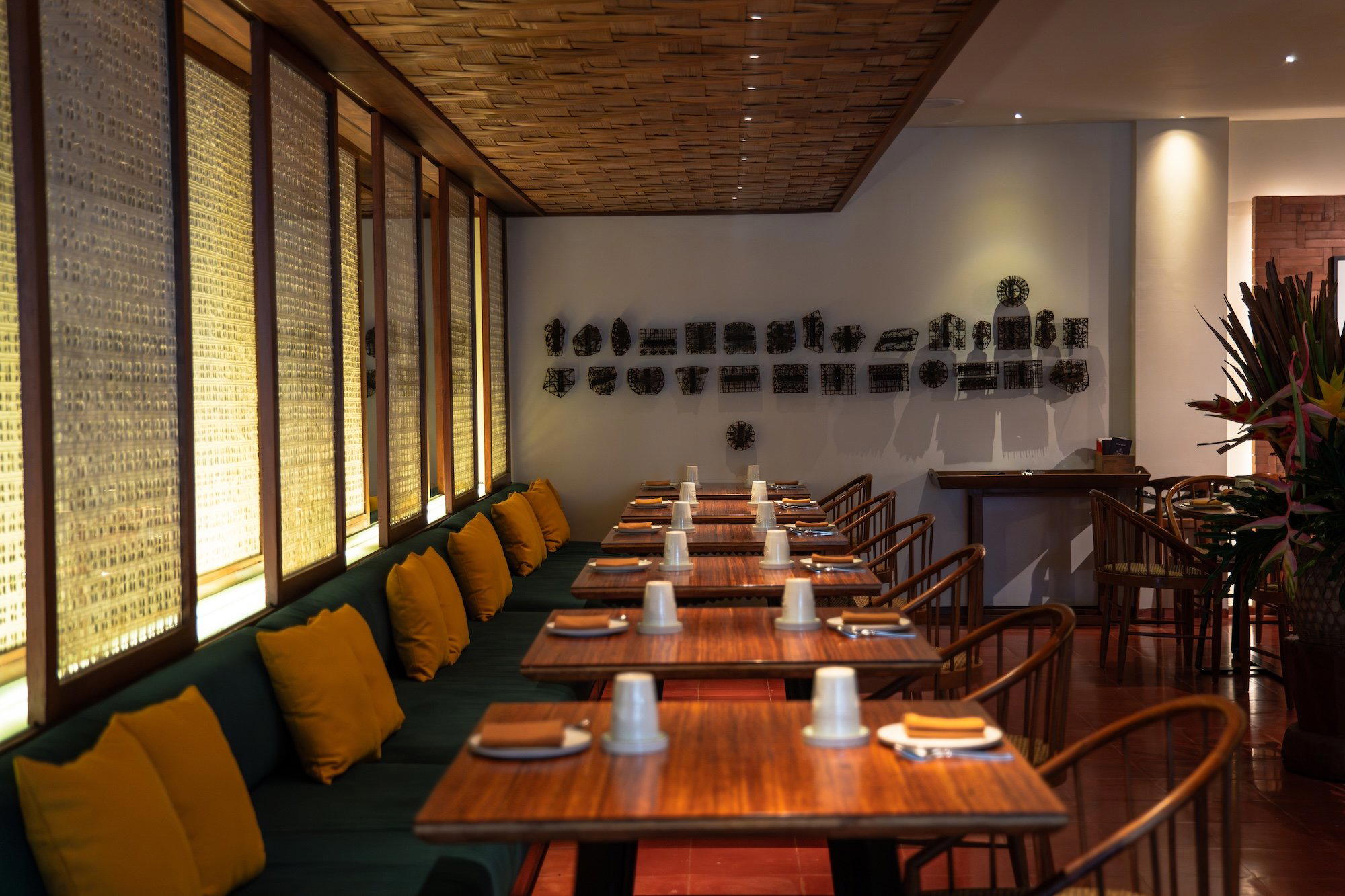
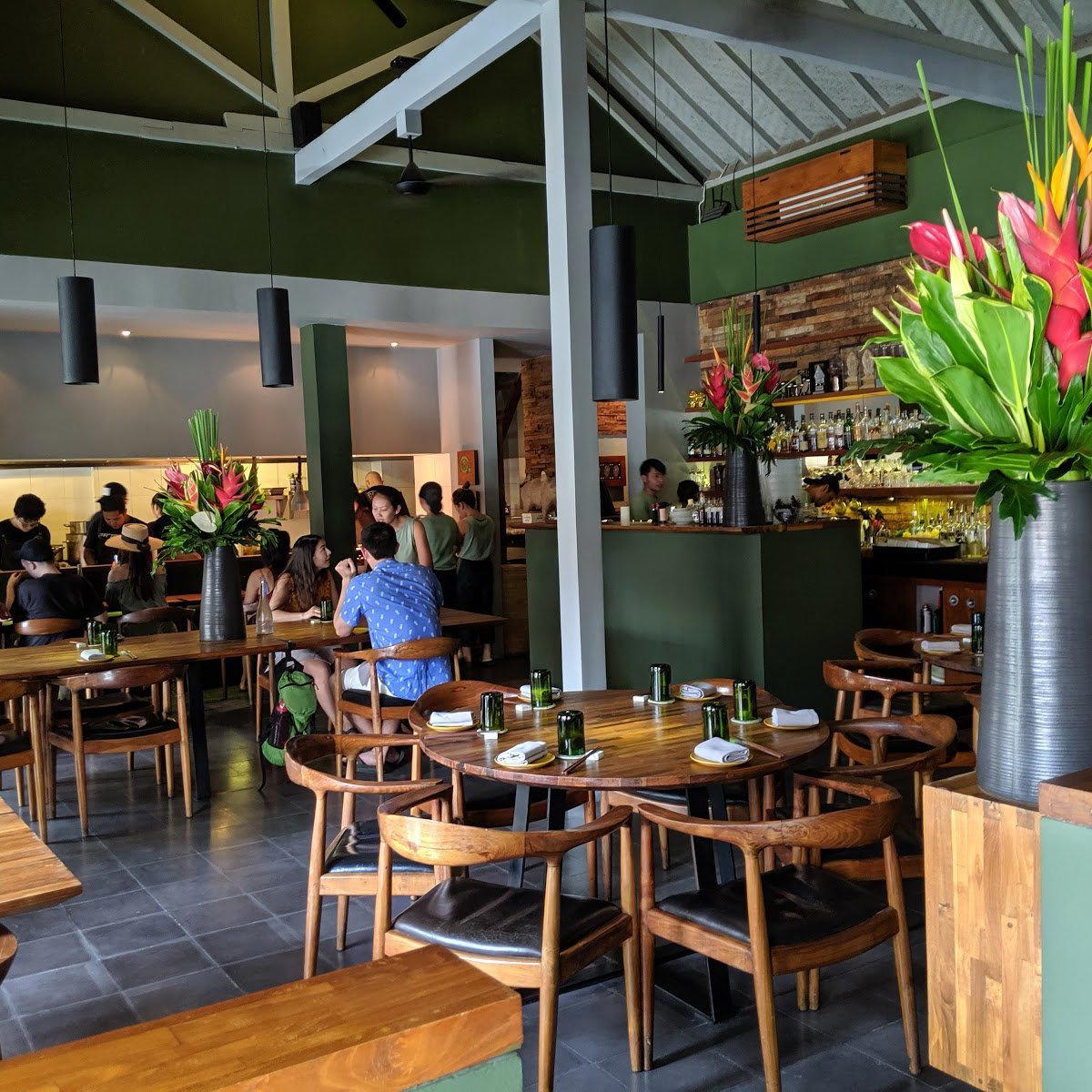
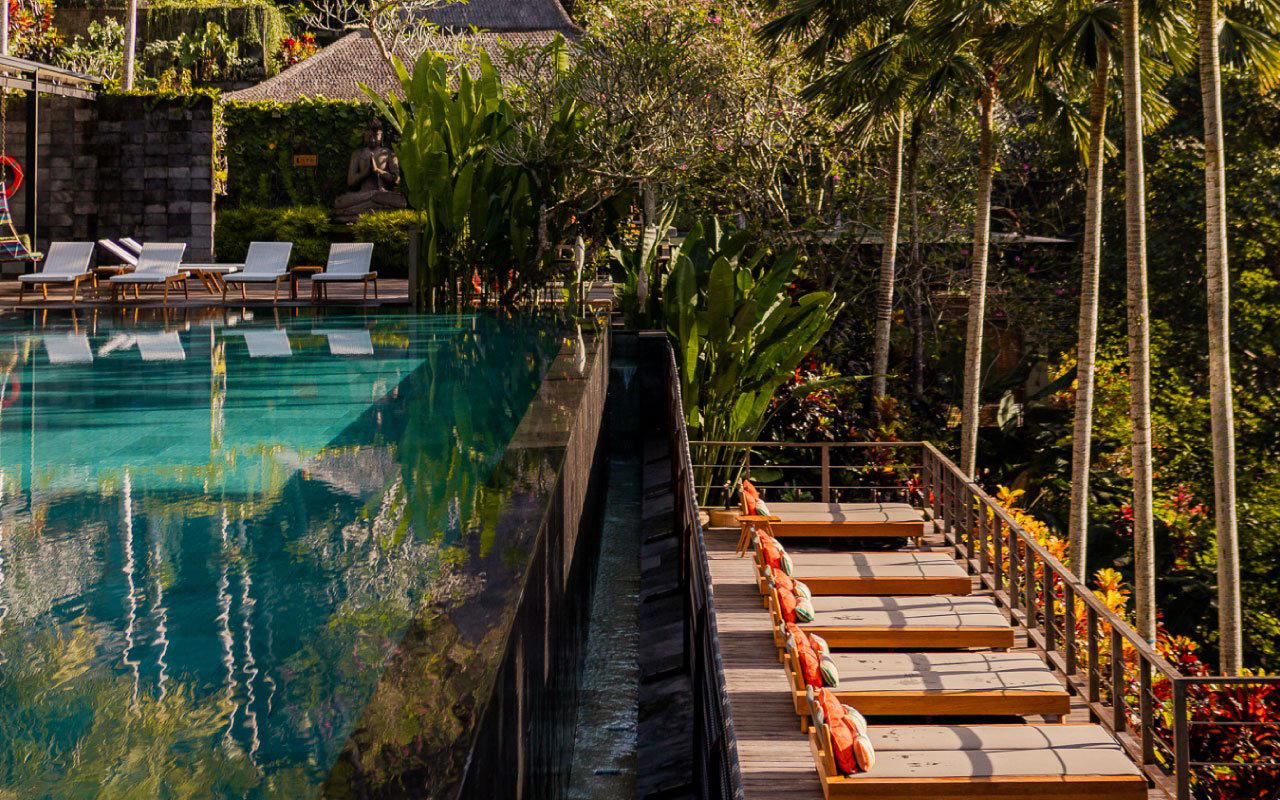
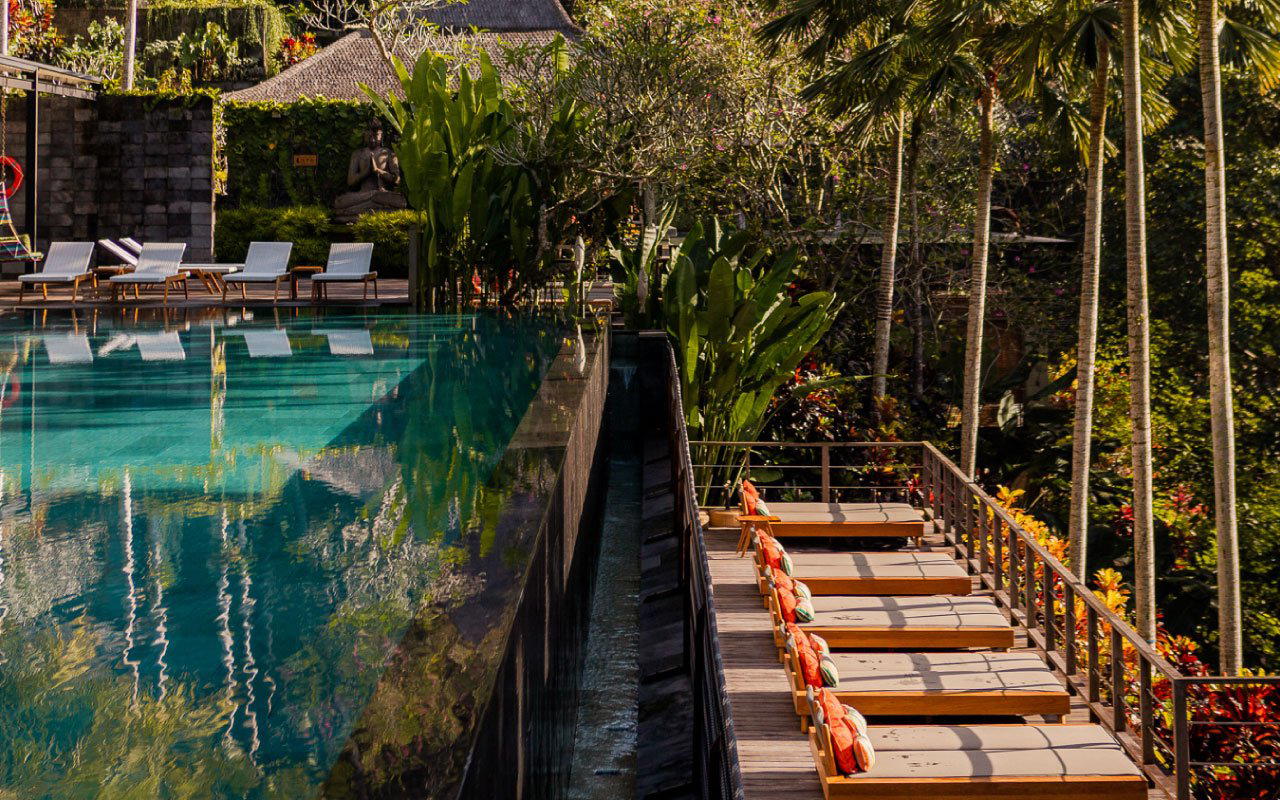
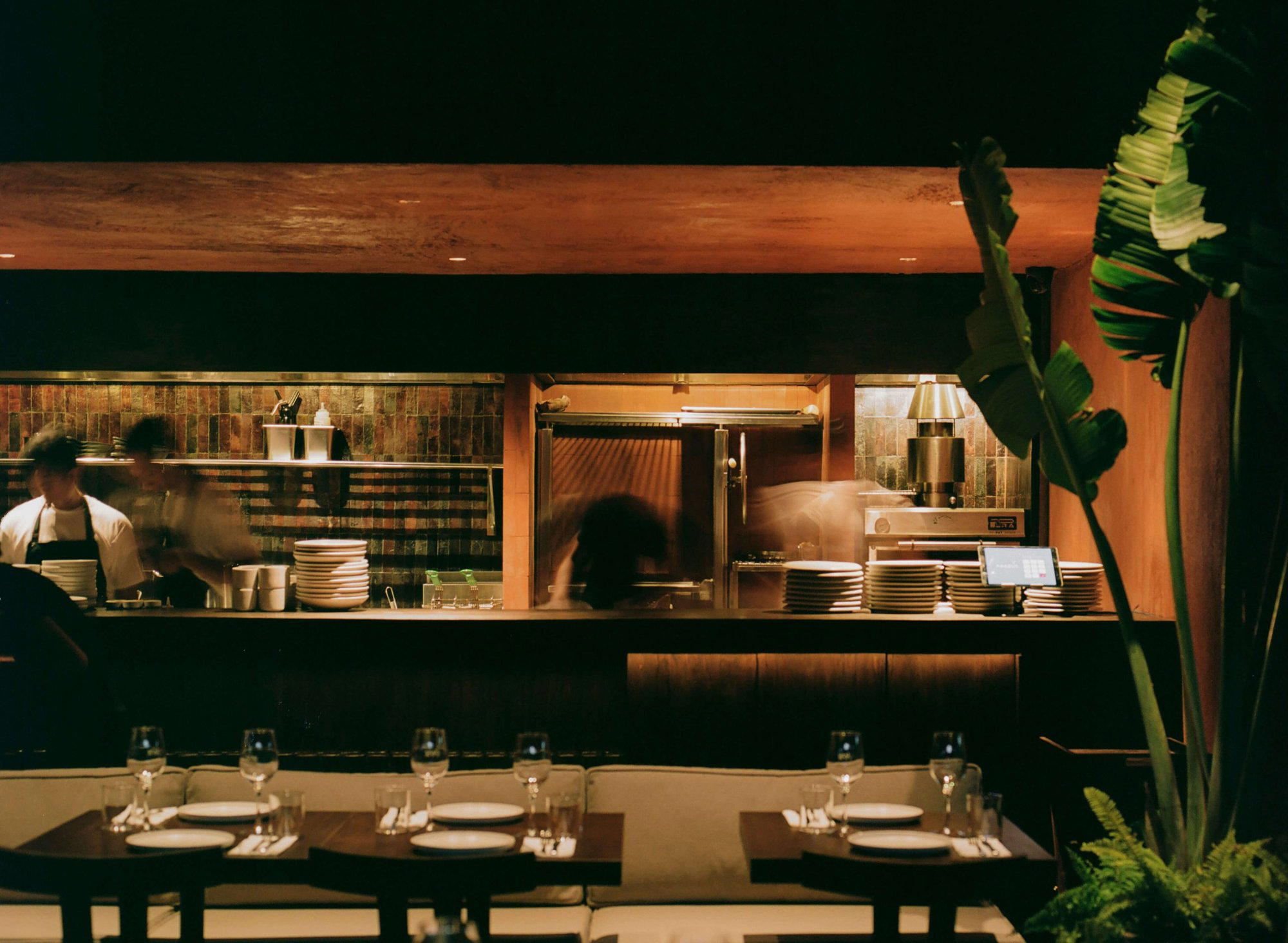
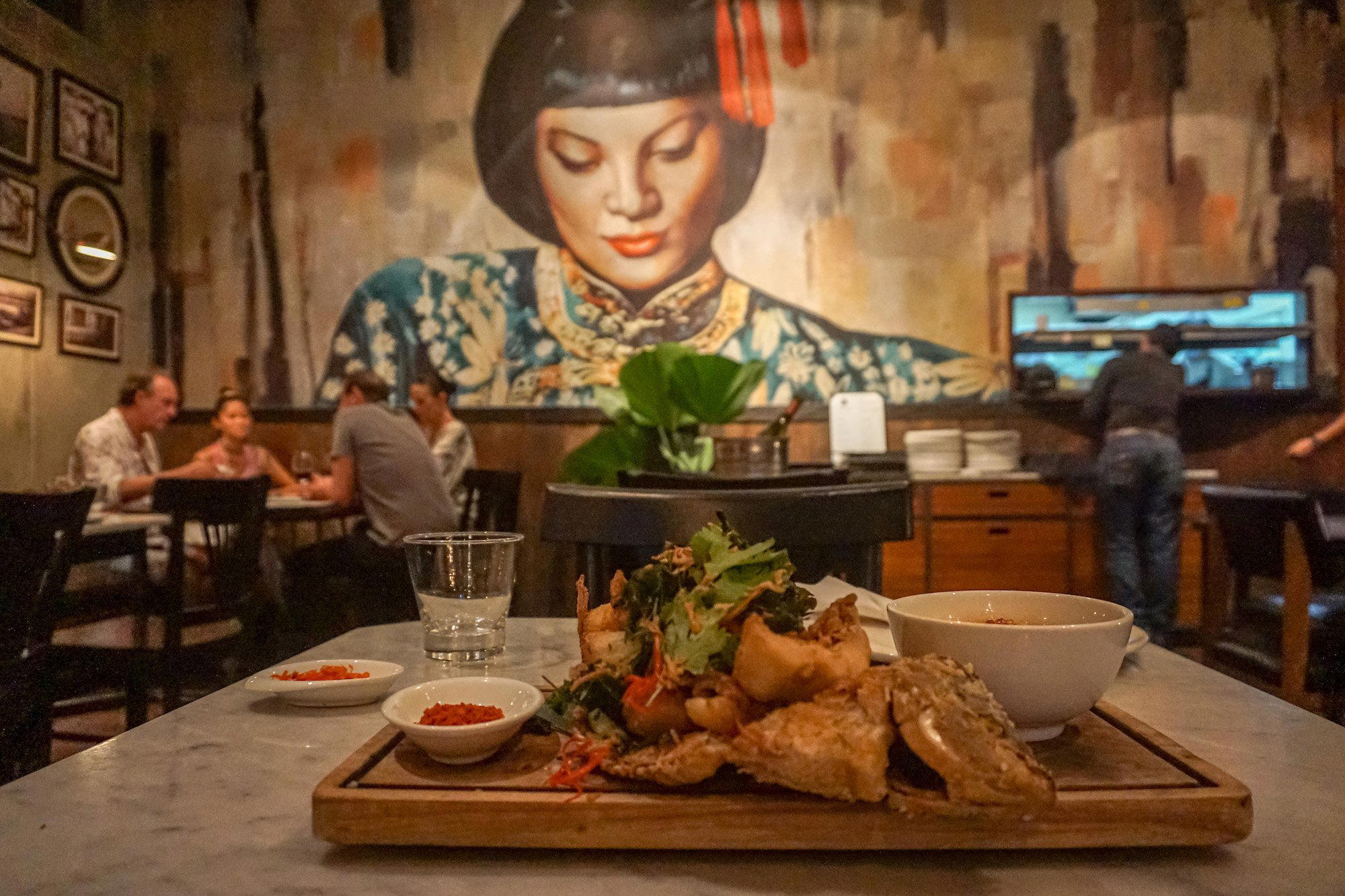
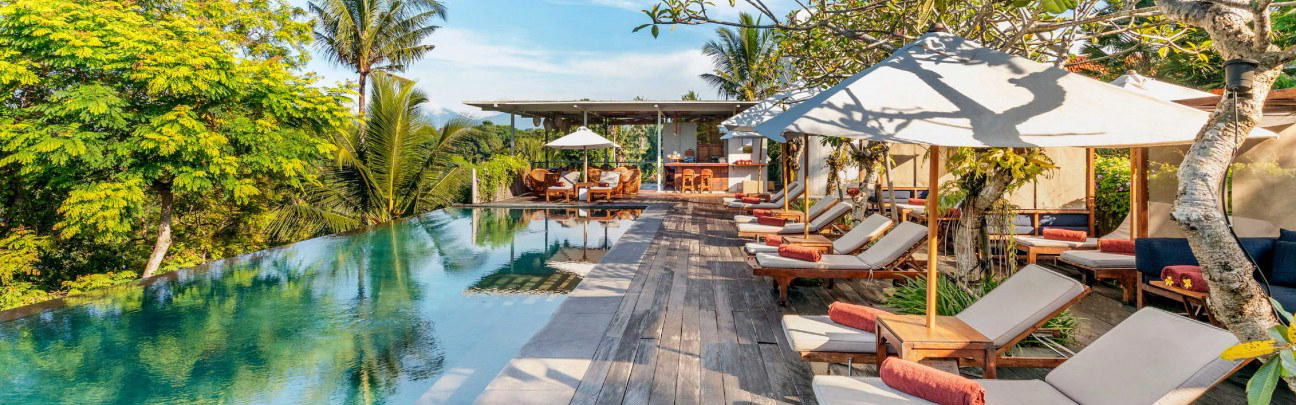
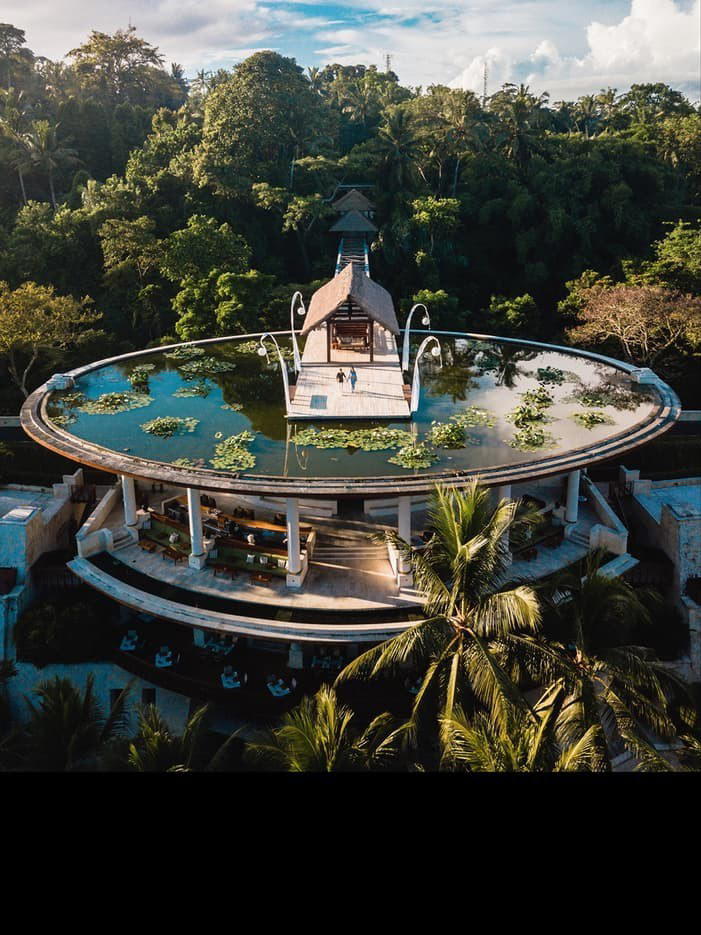
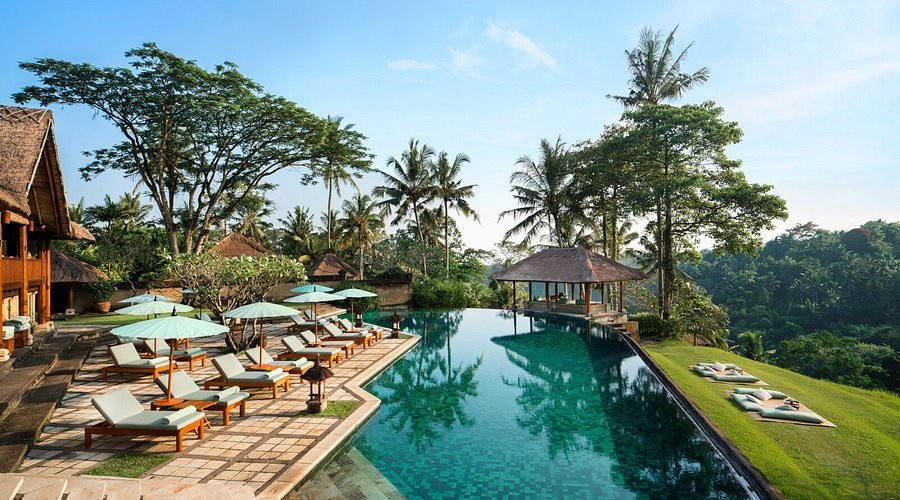
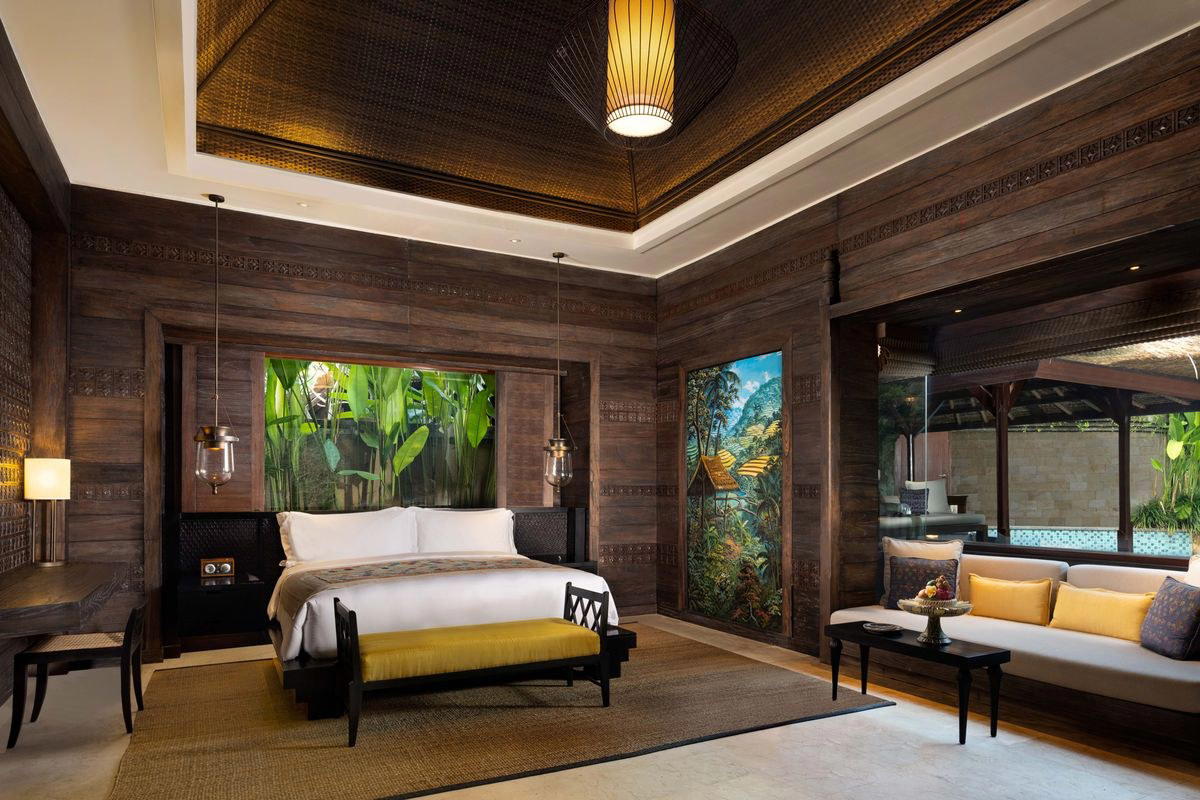
Relaxed and cozy with simple décor that enhances the casual, welcoming atmosphere.