Cafe Organic Canggu
Cafe Organic sits on Jalan Pantai Batu Bolong in the heart of Canggu, where Bali's health-conscious dining scene has grown into one of the island's most coherent food movements. The cafe draws on locally sourced, organic produce in a format that reflects the neighbourhood's appetite for ingredient-led eating over spectacle. It occupies a defined position in Canggu's daytime dining tier, suited to travellers who want to eat well without the formality of a full restaurant service.
- Address
- Jl. Pantai Batu Bolong No.58, Canggu, Kec. Kuta Utara, Kabupaten Badung, Bali 80351, Indonesia
- Phone
- +62 878 6017 2070
- Website
- cafeorganic.co
 Saves & bookings on Pearl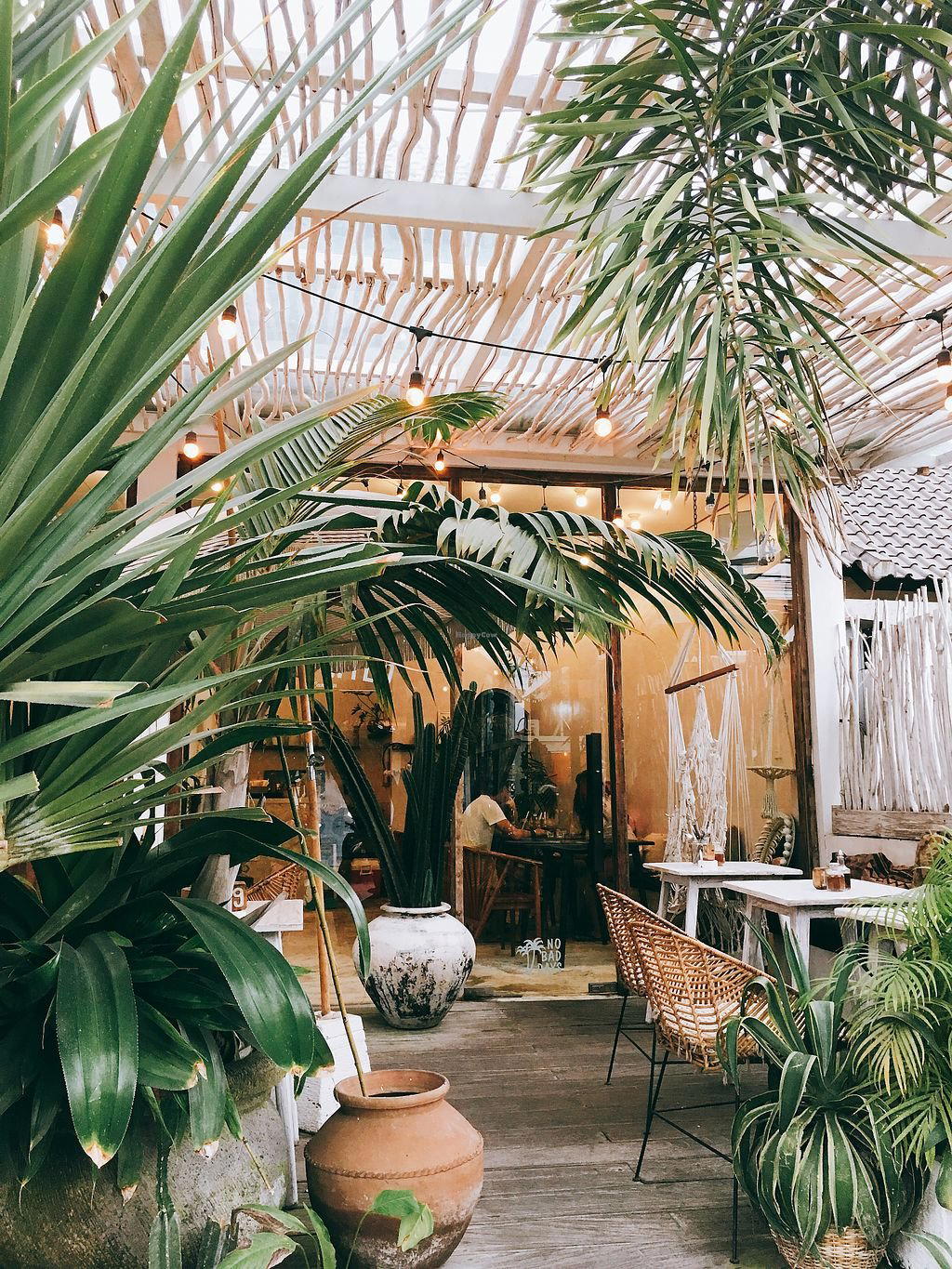
Where Canggu's Organic Food Movement Has Its Roots
Jalan Pantai Batu Bolong is one of those streets that tracks a neighbourhood's evolution in real time. A decade ago it was a single-lane road past rice paddies and surf shops. Today it anchors Canggu's daytime dining culture, with a concentration of cafes and eateries that have made ingredient provenance the primary conversation rather than the background noise. Cafe Organic Canggu is an Organic Plant-Based Cafe at Jl. Pantai Batu Bolong No.58 in Canggu, Badung, Bali, and it is permanently closed. Its address alone tells you something about how seriously this part of Bali takes its food sourcing credentials.
The organic and farm-to-table movement on Bali arrived through several distinct waves. Early adopters in Ubud, including venues like Moksa in Bali, established that the island's agricultural base could support a serious commitment to local, chemical-free produce. Canggu absorbed that lesson and repackaged it for a faster, more casual format, one that appealed to the longer-stay visitors and remote workers who began populating the neighbourhood from around 2015 onward. Cafe Organic was part of the cohort that shaped that format rather than simply following it.
The Sourcing Logic Behind the Menu
In Bali, the case for local organic sourcing is unusually strong. The island's agricultural traditions predate industrial farming methods, and smallholder rice and vegetable cultivation remains central to Balinese cultural life. What cafes like this one do is create a commercial channel for that produce, which in practice means shorter supply chains, better peak-season quality, and a menu that shifts with what is actually available rather than what a central procurement system has locked in.
This approach places Cafe Organic in a different competitive register from the tourist-facing buffets and hotel breakfast spreads that still dominate volume dining in Badung. It also separates it from the premium end of Bali's ingredient-led scene, where places like Locavore NXT in Ubud take the same sourcing philosophy into a tasting-menu format with full sommelier service. Cafe Organic occupies the middle ground: serious about where the food comes from, accessible in format, and priced for repeat visits rather than occasion dining.
The broader Indonesian context matters here too. Across the archipelago, regional cuisines have historically been defined by hyper-local ingredients and techniques that vary village by village. Bali's organic cafe tier borrows from that tradition without attempting to replicate it wholesale. What emerges is a fusion register that uses local produce as the anchor but allows global influences, particularly from plant-forward cooking traditions, to shape the presentation. For a fuller picture of how Indonesian regional cooking is being reinterpreted at the fine dining end, the work being done at August in Jakarta and Kahyangan in Gondangdia offers useful comparison points.
The Canggu Setting and Who Eats Here
The physical experience of eating on Jalan Pantai Batu Bolong in the morning or early afternoon is shaped by the street's specific energy: motorbikes, surf traffic, the occasional sound of construction further up the block, and the contrast of open-fronted cafes that pull in natural light and sea-adjacent air. Cafe Organic sits within this context. The Canggu cafe format generally favours communal tables, indoor-outdoor seating configurations, and an informality that makes solo dining, working lunches, and group gatherings equally comfortable.
Customer profile skews toward health-conscious travellers, digital nomads with extended Bali stays, and local expatriates who prioritise ingredient transparency over restaurant theatre. This is a different audience from the one at Sarong Bali in Canggu, which operates at a higher formality and price register, or the seafood-focused crowd at Moana Fish Eatery nearby. Understanding who a venue is built for is part of reading whether it belongs in a given itinerary. Cafe Organic is built for people who want to eat clean, eat local, and not make a production of it.
How Bali's Organic Cafe Tier Compares Regionally
Bali punches above its weight in the organic and health-focused cafe category relative to other Indonesian islands, and Canggu has the highest density of that offer within Bali itself. The concentration creates genuine competition for quality, which tends to raise the bar across the category. Venues that cannot credibly back up sourcing claims find the market unforgiving, particularly given the social-media-literate customer base that dominates daytime footfall on this strip.
Comparing across Indonesia, the organic cafe model has struggled to replicate in urban centres like Surabaya or Makassar, where the cultural fit is different and the tourist volume that cross-subsidises premium ingredient costs is absent. Bali's model, with Canggu as its commercial centre, works partly because of volume and partly because the island's agricultural identity gives sourcing claims a credibility they would struggle to sustain elsewhere. For context on how other regional food traditions are being commercialised at the premium end of the Indonesian market, CARANO Masakan Padang in Bekasi and bebek goreng harissa in Sidoarjo show how different the equation looks outside the tourist economy.
Internationally, the organic sourcing model that Canggu cafes operate under has parallels in cities like Melbourne, Los Angeles, and Copenhagen, where ingredient transparency became a baseline expectation rather than a differentiator. The difference in Bali is that the supply chain is genuinely shorter and the agricultural heritage is more intact, which gives the sourcing story more substance than it often carries in cities where ‘local’ has been stretched to cover a wide radius.
Planning a Visit
Cafe Organic is located at Jl. Pantai Batu Bolong No.58 in Canggu, within the Kuta Utara district of Badung. The street is accessible by motorbike or car from central Seminyak in under fifteen minutes in light traffic, though Canggu roads can slow considerably during peak midday hours. The venue follows a walk-in-friendly format. Arriving before the midday rush, typically before noon, generally ensures a table without a wait. For those building a broader Canggu or Badung itinerary, the full Banjar Badung restaurants guide covers the range from casual daytime venues through to formal evening dining options including Cuca Restaurant in Badung and Rumari in Jimbaran for evening meals. Those extending their Bali trip to Ubud should also consider Jungle Fish Bali in Gianyar for a different take on the island's ingredient-led dining offer.
How It Stacks Up
Comparable venues nearby, for context on price, style, and recognition.
| Venue | Cuisine | Price | Awards | Notes |
|---|---|---|---|---|
| Cafe Organic Canggu | Organic Plant-Based Cafe | $$ | , | Canggu |
| Moana Fish Eatery | Polynesian Seafood | $$ | , | Canggu, Banjar Badung |
| Mamasan Bali | cocktail_bar | $$$ | , | Kerobokan |
| Métis | lounge | $$$$ | , | Kerobokan |
| Si Jin | hotel_bar | $$$$ | , | Seminyak |
| Hiland 1280 Restaurant | Mountain Comfort Food | $$ | , | Pancasari |
Continue exploring
More in Banjar Badung
Restaurants in Banjar Badung
Browse all →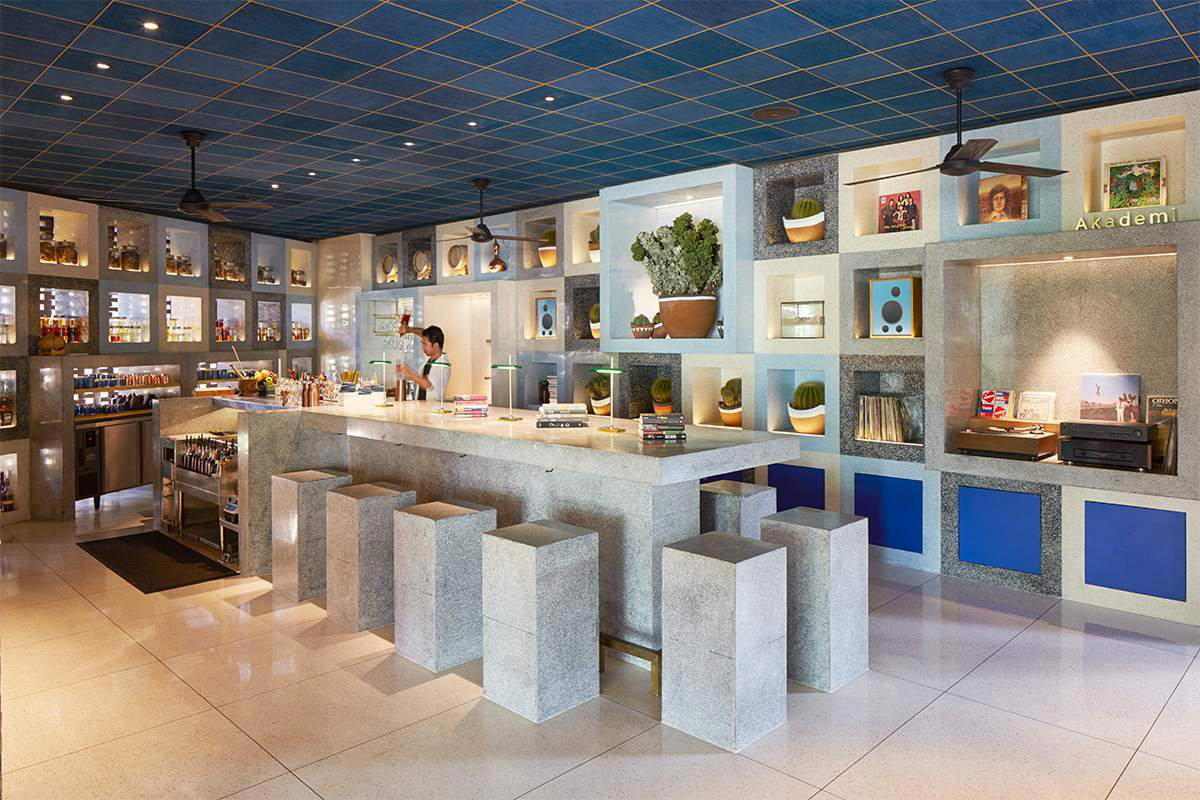
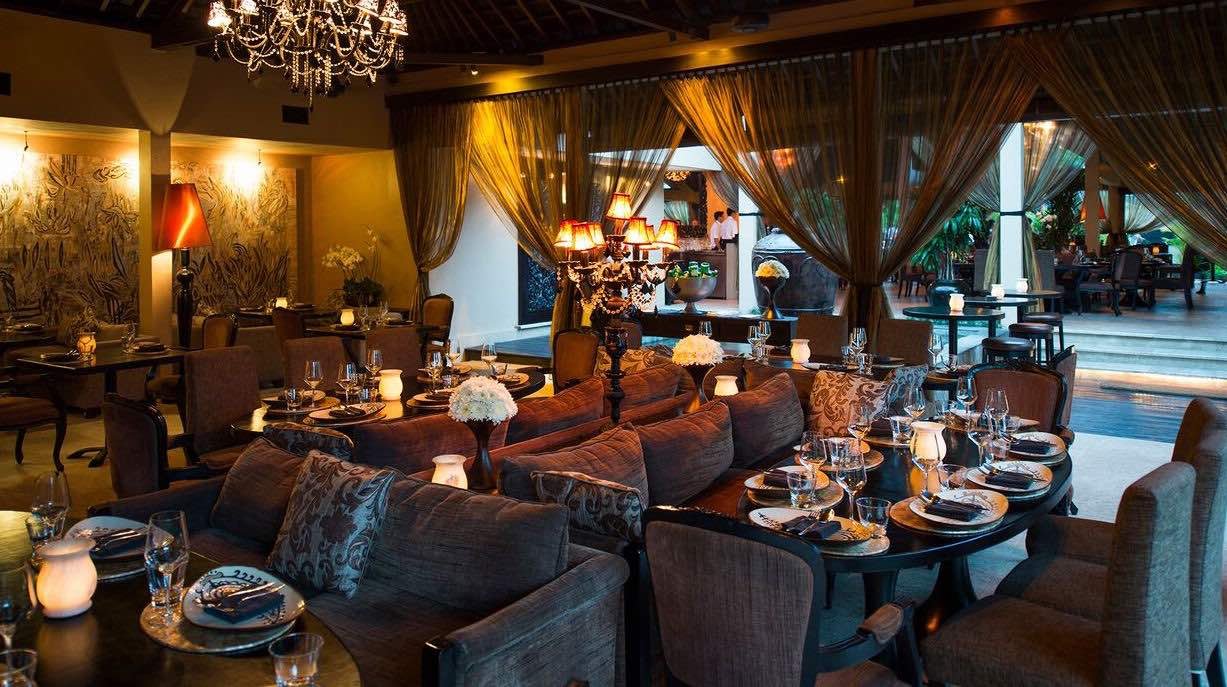
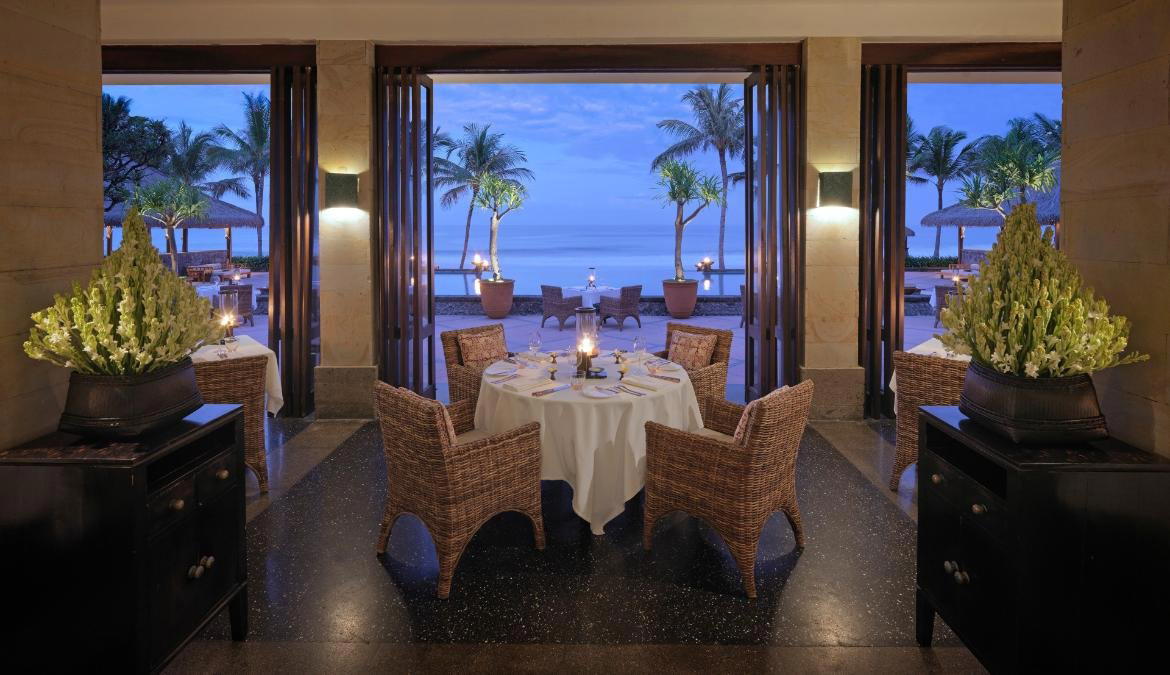
Bars in Banjar Badung
Browse all →
At a Glance
- Trendy
- Cozy
- Modern
- Brunch
- Casual Hangout
- Open Kitchen
- Organic
- Local Sourcing
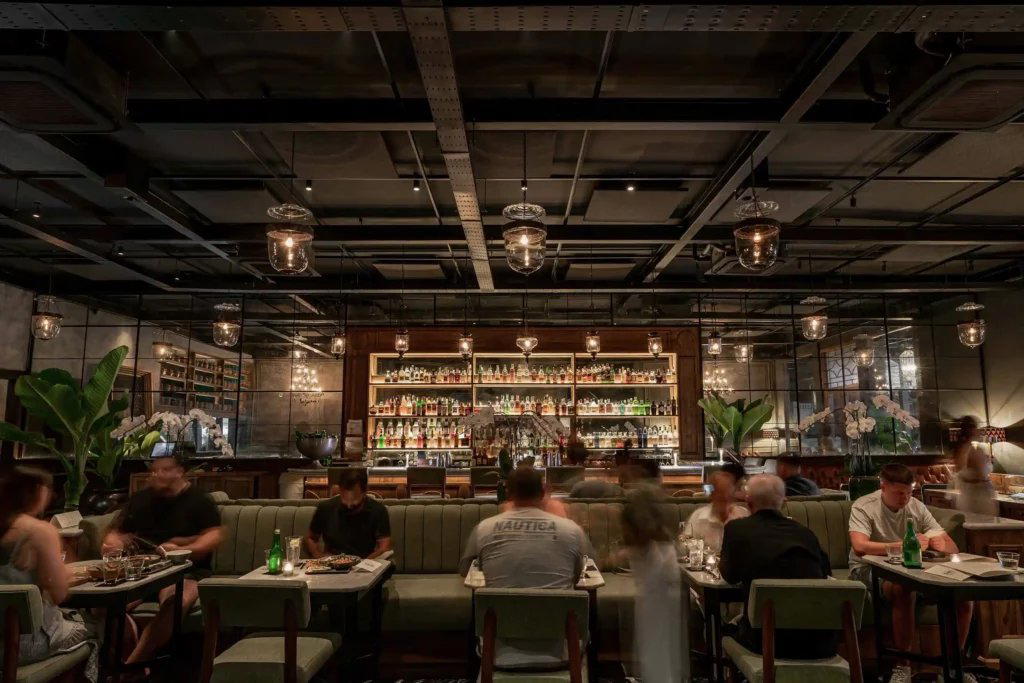
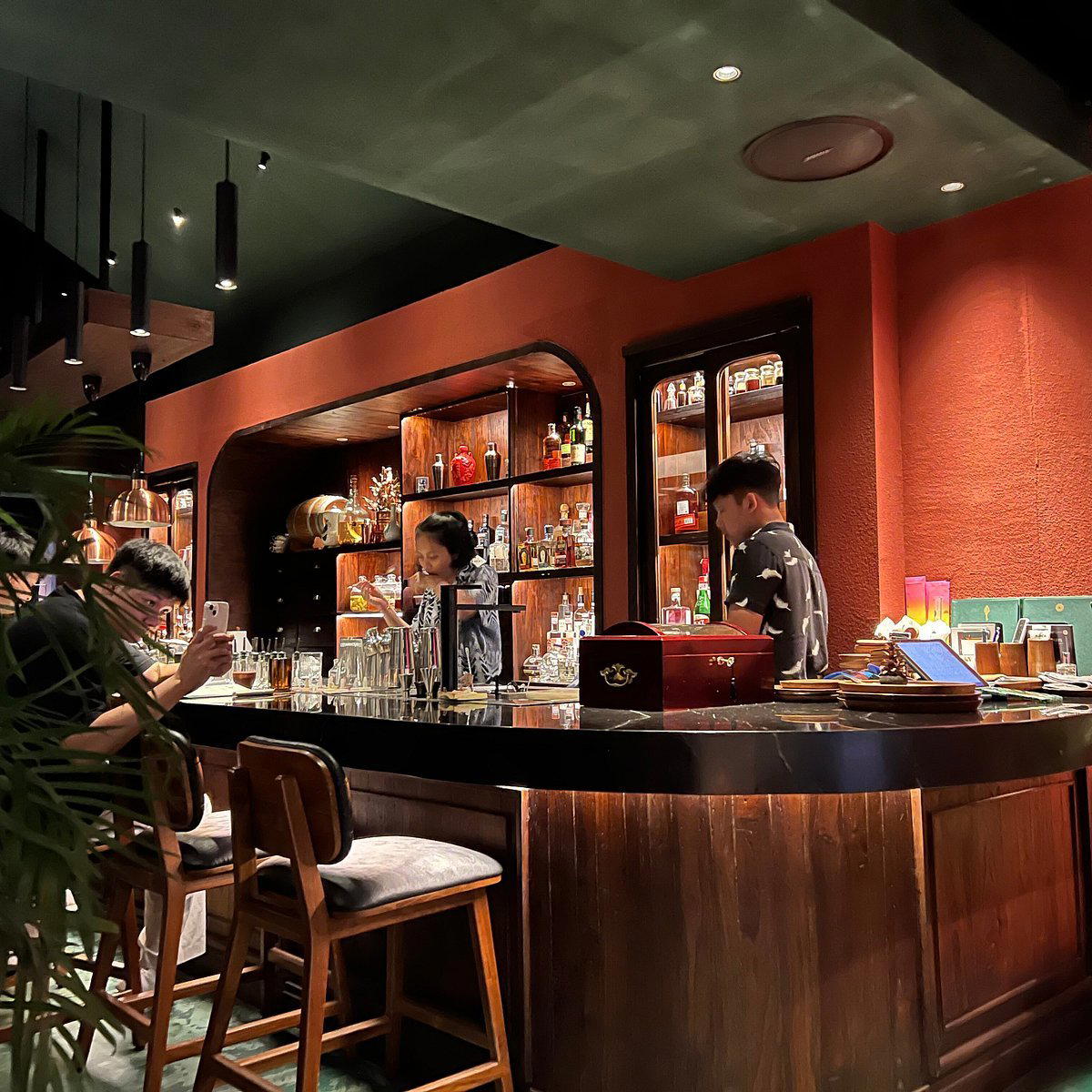
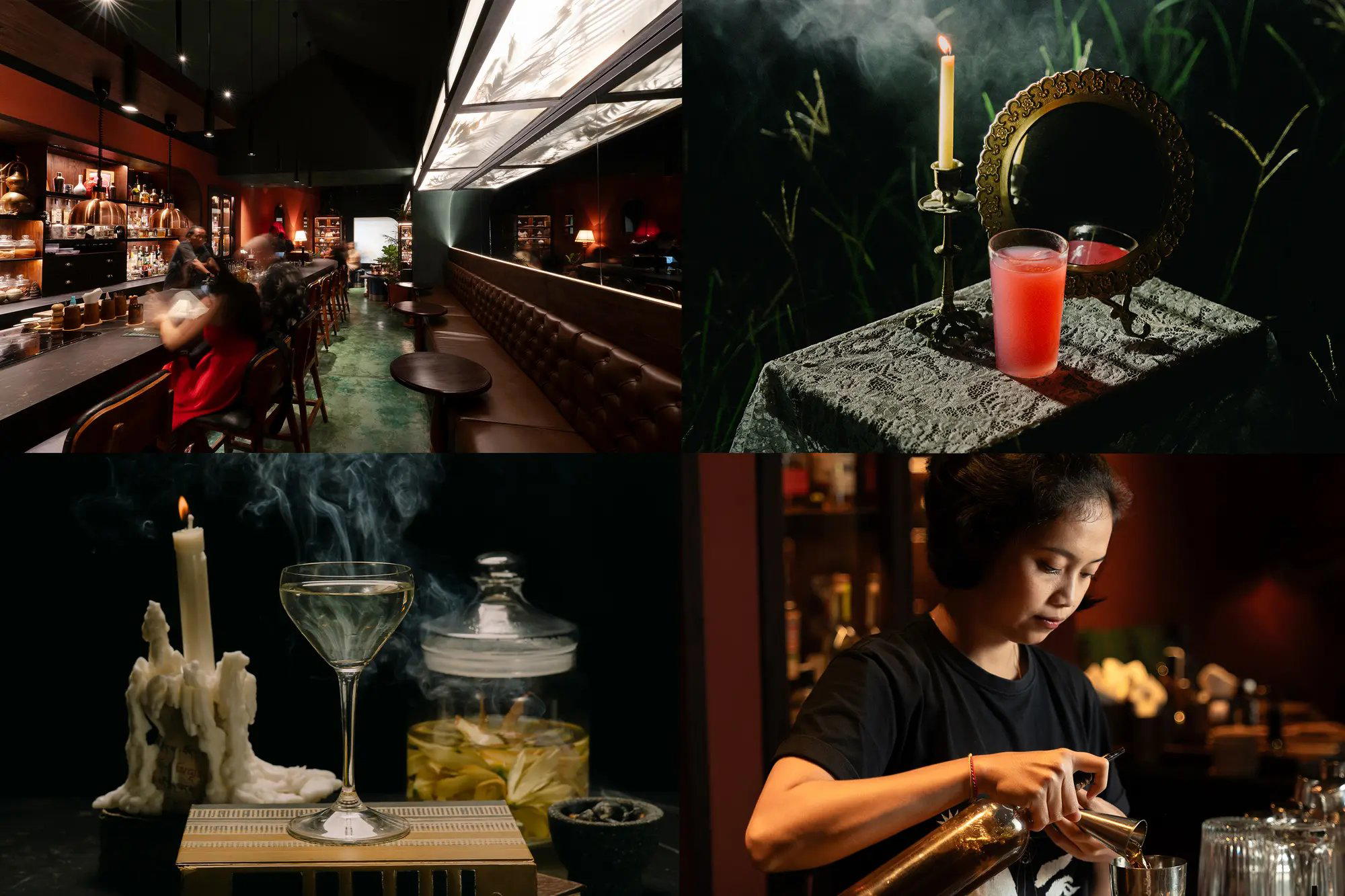
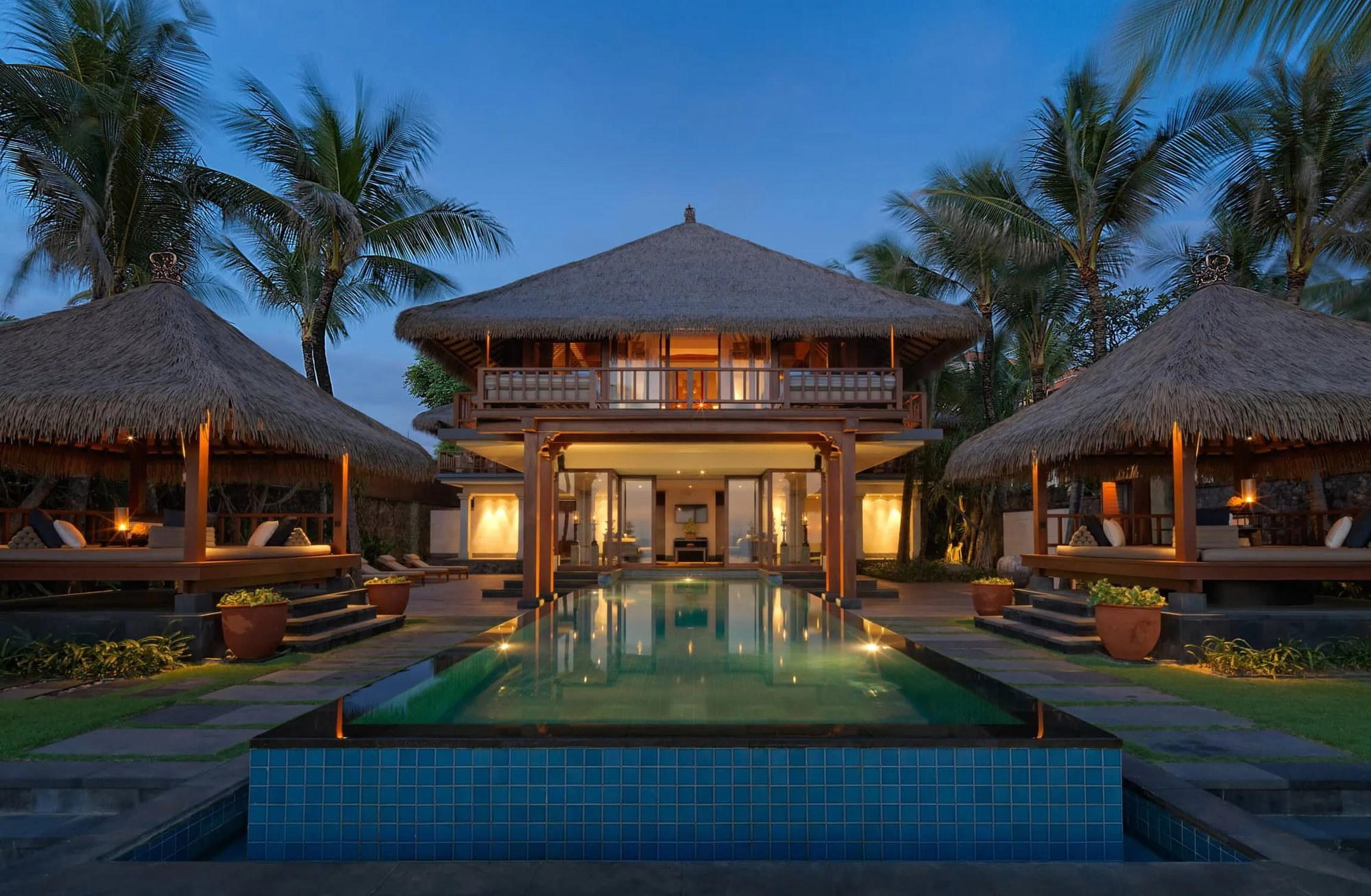
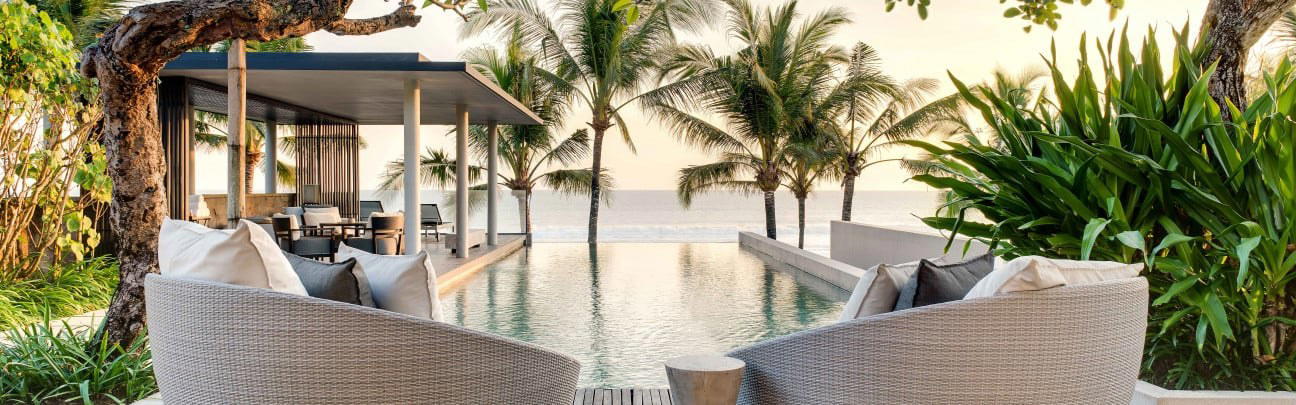
Warm earthy decor with tropical greenery, botanical beauty, and serene wellness-focused atmosphere.