
We're Smart World 3 Radishes
Our verdict
Set among papaya and coconut trees in the rice-paddy fringes of Sayan, Moksa operates as one of Ubud's most committed plant-based restaurants, drawing on Indian culinary traditions to shape a menu of raw and vegan dishes built from produce grown on-site. Chef Made Runatha's approach is rooted in daily freshness rather than formula, placing Moksa in a different register from Ubud's hotel-restaurant circuit.

Pearl is the En Primeur Club membership app, where members save venues, book tables and use the concierge.
The menu
What to order
- Laksa
- Balinese Rijsttafel
- Tempeh Ribs
- Jack Tacos
Where the Garden Is the Kitchen
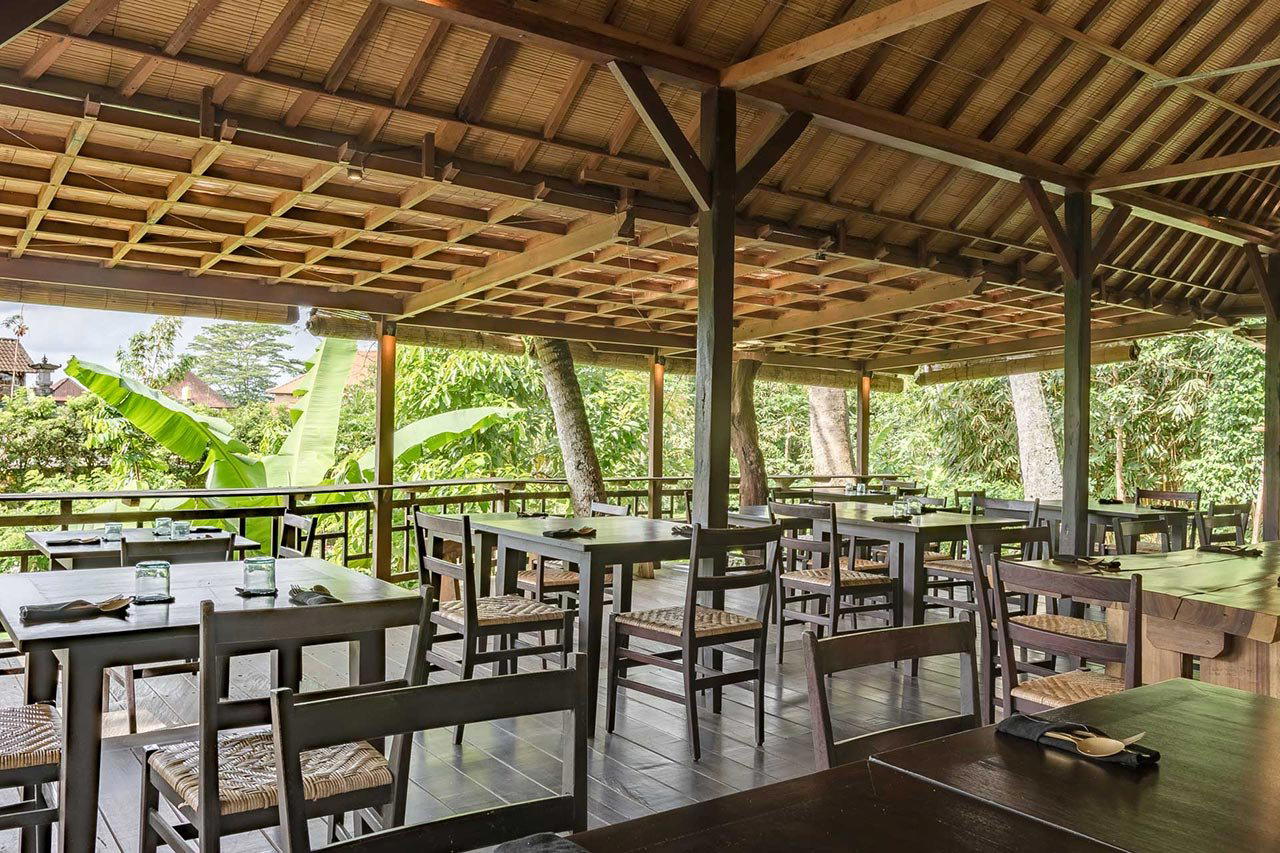
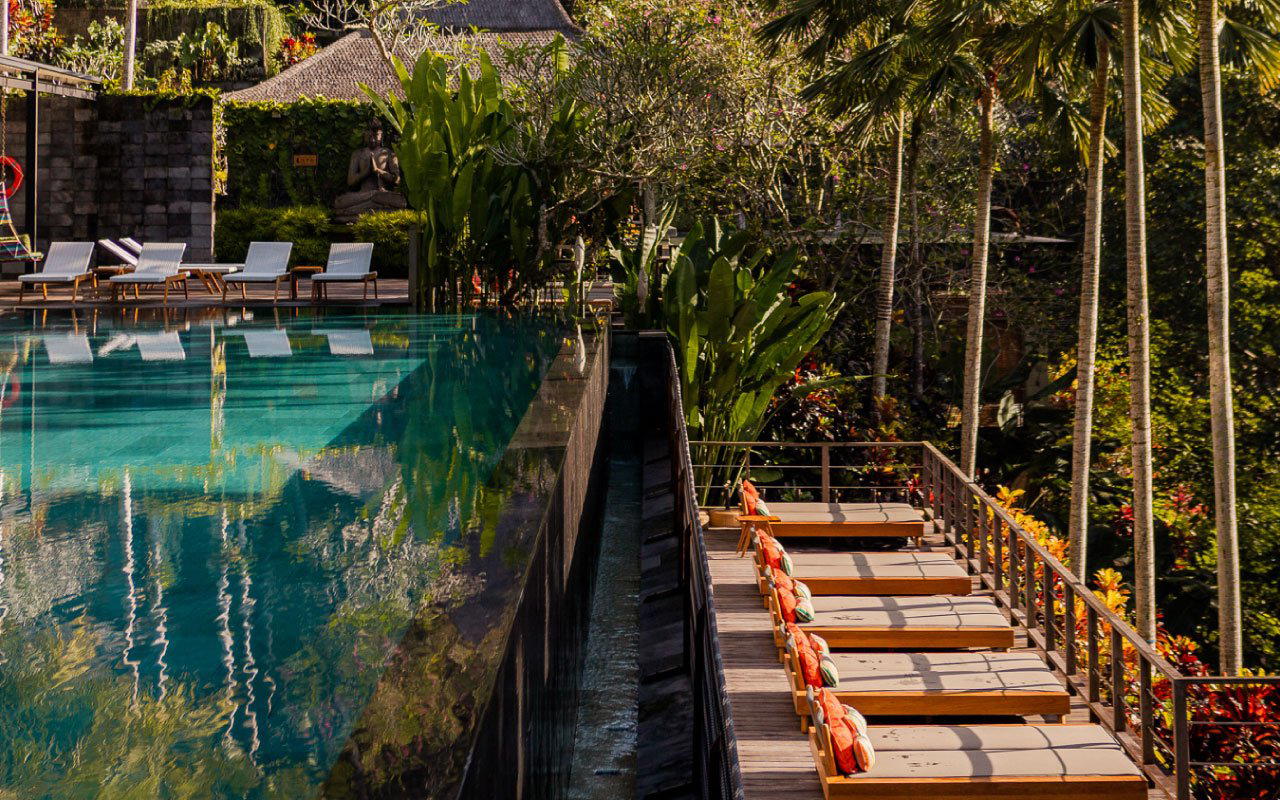
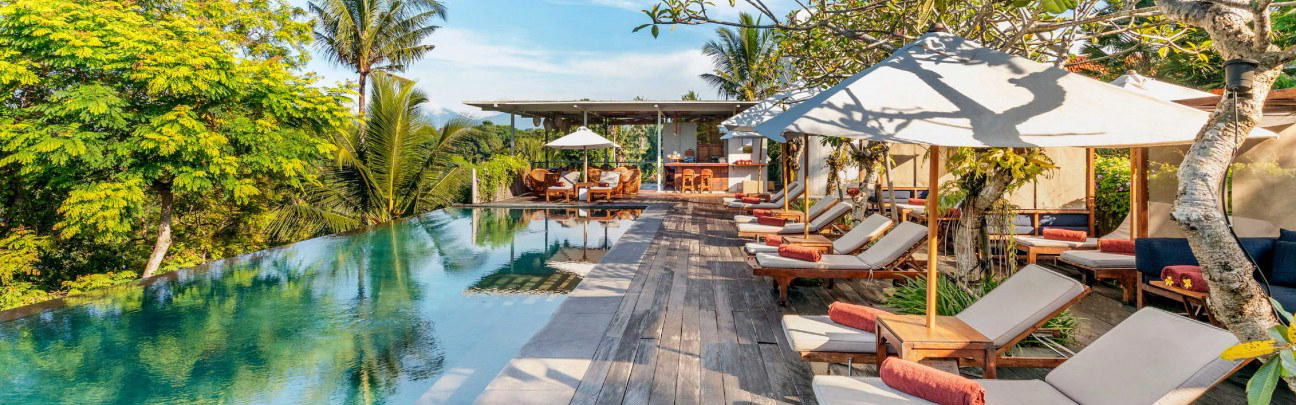
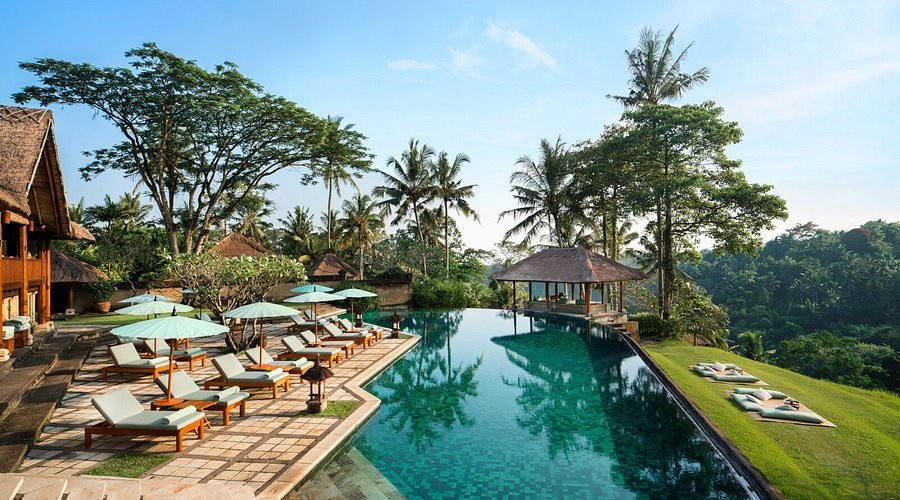
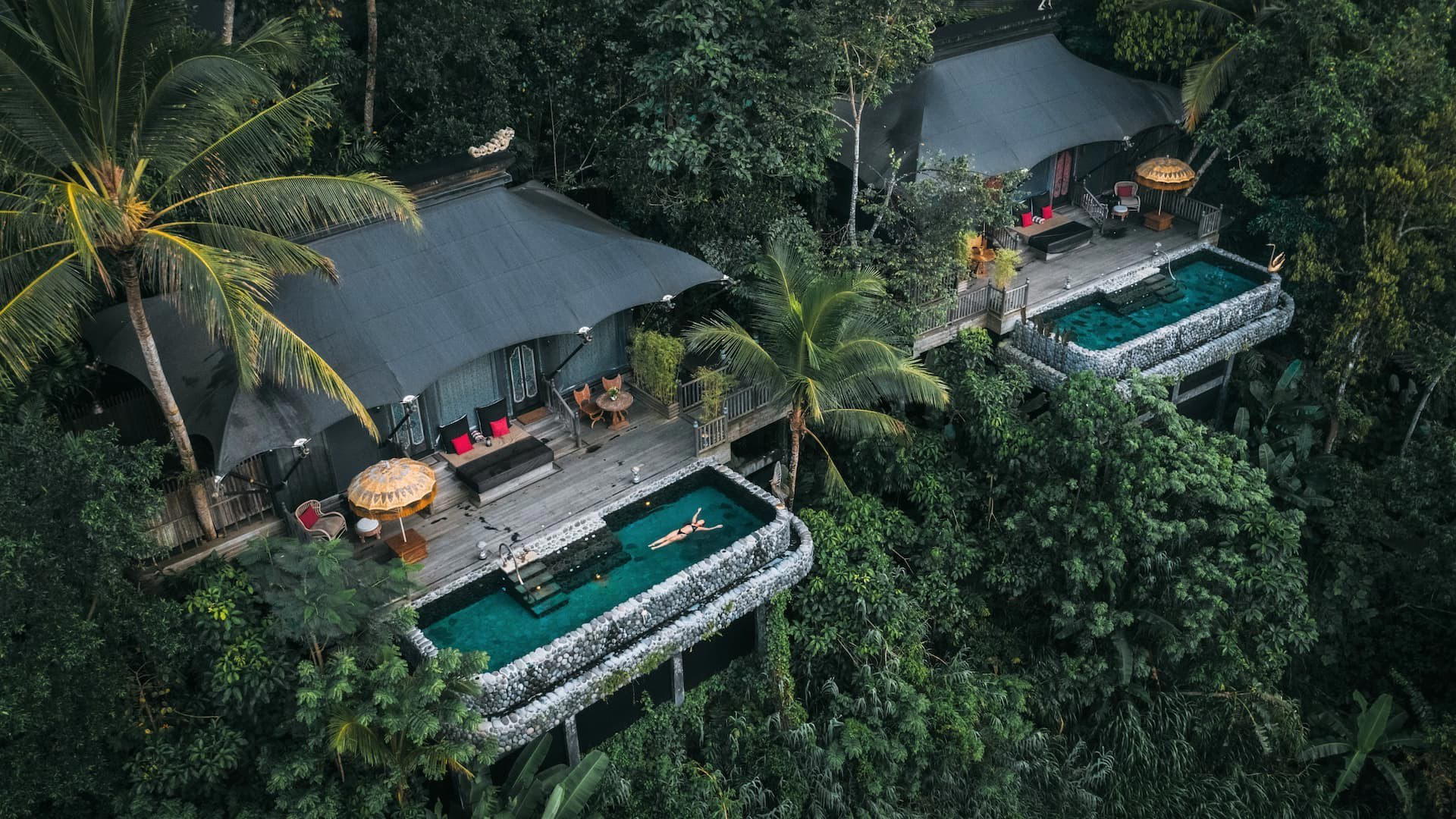
Ubud's dining scene has long divided between two poles: the hotel-backed restaurants that use the jungle backdrop as atmosphere while cooking in a conventional Western idiom, and the smaller, often owner-operated places that treat the surrounding land as a working resource. Moksa sits firmly in the second category. The restaurant occupies a garden setting in Sayan, on Ubud's quieter western edge, where papaya and coconut trees are not decorative, they are part of the supply chain. Guests eat with their feet essentially in the garden, separated from the growing beds by very little. That physical proximity to the source material is the premise of the place, not a styling choice.
Sayan itself sits slightly outside the main Ubud tourist corridor, which means the journey there carries a different character from the walk to, say, Locavore NXT in Ubud, which draws a more performance-dining crowd. Moksa's location filters for a particular kind of visitor: one who is arriving with purpose rather than by chance.
Indian Culinary Tradition Through a Balinese Lens
The cultural framework at Moksa is worth examining, because it sits at an unusual intersection. Bali's own culinary traditions are meat-forward, ceremonial pork, duck cooked in banana leaf, satay, and the island's tourism economy has historically amplified that identity. The raw and vegan format at Moksa does not draw from Balinese cooking as its primary reference. Instead, Chef Made Runatha works within Indian culinary traditions, which have a far longer and more philosophically grounded relationship with plant-based eating than almost any other major food culture on Earth.
Indian vegetarian cooking is not, in its classical forms, a cuisine of substitution, it does not attempt to replicate the texture or satisfaction of meat using vegetables. It works within a different logic entirely: spice complexity, fermentation, layered aromatics, and the nutritional density of legumes and whole grains as the central argument. The Ayurvedic strand of that tradition goes further, treating food as a system of balance rather than mere sustenance. When a restaurant frames its plant-based menu around Indian culinary roots, it is aligning with a lineage that has solved the problem of making vegetables compelling over centuries, not decades. That distinction separates Moksa from the wave of trend-driven vegan restaurants that emerged globally through the 2010s, many of which relied more on novelty than on culinary depth.
For comparison, Ubud's broader restaurant scene spans a wide range: Kayuputi represents the high-end beach hotel register; Mozaic has long operated in the French fine-dining tradition; Nusantara by Locavore works through Indonesian culinary heritage. Moksa occupies a position none of those cover, a daily, ingredient-led, plant-based format with a specific cultural lineage, operating outside the hotel circuit.
The Logic of Daily Freshness
What Chef Made Runatha has described as the restaurant's ambition, conjuring raw and vegan dishes every day that are fresh and driven by inspiration, points to a menu structure that resists standardisation. This matters practically as well as philosophically. Restaurants that commit to seasonal and daily variation are harder to plan around but more responsive to what the garden and local suppliers are actually producing. The dishes a table receives in the dry season will not be identical to what arrives during the wet months, when different produce dominates.
This model is relatively rare at Ubud's price points, where most restaurants, even those claiming farm-to-table credentials, operate from fairly fixed menus that change quarterly at leading. The daily freshness model pushes Moksa closer to the farm-restaurant hybrid format that has gained serious critical traction in Europe and parts of Asia, formats where the menu is downstream of the harvest rather than the other way around.
For those building a wider Bali itinerary, the contrast between Moksa's approach and the more composed, technique-heavy menus at places like Sarong Bali in Canggu or The Legian in Seminyak is instructive. Each represents a different answer to the question of what premium dining in Bali should be. Moksa's answer involves fewer luxury signals and more direct engagement with the land.
Positioning in the Ubud Plant-Based Scene
Ubud has attracted a concentration of health-oriented restaurants that is unusual even by Bali standards, partly because the town's longstanding association with yoga retreats and spiritual tourism has built a local market for this kind of food. But not all plant-based restaurants in Ubud operate at the same level of culinary seriousness. Some lean heavily on smoothie bowls and raw desserts aimed at the wellness-tourism market, with limited engagement with actual cooking technique or cultural tradition. Moksa's Indian culinary framework and its emphasis on daily inspiration rather than formula place it above that tier.
Visitors who have eaten at Rumari in Jimbaran or Lulu Bistrot in Badung and are looking for something that operates on a different set of values, less technique-display, more direct relationship between land and plate, will find Moksa's proposition coherent and specifically positioned.
Planning a Visit
Moksa sits in Sayan at Jl. Melati, Ubud II Kutuh, a short drive from central Ubud but leading reached by private car or hired driver rather than on foot, given the road conditions typical of Bali's rural lanes. The garden setting means the experience is weather-dependent in ways that enclosed restaurants are not: the wet season, which runs roughly from October through March, can affect outdoor seating. Visiting during the dry months brings the garden to its most productive state, which in turn feeds directly into what the kitchen has to work with. Booking ahead is advisable rather than optional; the format and setting draw a consistent audience, and the kitchen's commitment to freshness means capacity is limited by what is actually growing and available.
For a fuller picture of where Moksa sits within Bali's wider dining options, our full Bali restaurants guide maps the island's most significant tables across every major area. If you are building a broader trip, our full Bali hotels guide, our full Bali bars guide, and our full Bali experiences guide cover the surrounding context. Those extending their Indonesia itinerary beyond Bali should also consider August in Jakarta or Kahyangan in Gondangdia as points of reference for the country's broader fine-dining trajectory. For those curious about how plant-forward and ingredient-led restaurants perform at a global level, the programs at Lazy Bear in San Francisco and the classical foundations at Le Bernardin in New York City offer useful comparative frames, even if the culinary languages are entirely different.
Frequently asked questions
Is Moksa suitable for children?
The open garden setting in Sayan, with papaya and coconut trees throughout the grounds, gives children room to move, and the environment is informal enough to accommodate families. That said, the menu is entirely raw and vegan, driven by Indian culinary traditions, so children with narrow palates may find the options limited. It is worth checking the day's menu in advance.
What kind of setting is Moksa?
Moksa sits in a working garden in Sayan, a quieter residential area a short drive from central Ubud. Dining is open-air, with the garden effectively integrated into the space, papaya and coconut trees are immediately adjacent to where guests sit. The atmosphere is closer to a farm table than a formal restaurant.
Is Moksa Michelin-listed?
Moksa has received recognition including: Moksa is in the middle of nature, and you sit with your feet in the garden, as it were. The papaya and coconut trees are also nearby. Chef Made Runatha's dream scenario is to conjure up raw and vegan dishes every day that are super fresh an….
What should I eat at Moksa?
The menu is raw and vegan, composed daily by Chef Made Runatha and drawn from Indian culinary traditions. Because the kitchen works to what is freshest and most seasonally available, there is no fixed signature dish to pre-select. Arriving open to the day's offerings is the intended approach, the daily-changing format is the concept, not a limitation.
What's Moksa's location?
Moksa is located at Ubud II Kutuh Jl. Melati, Sayan, Kecamatan Ubud, Kabupaten Gianyar, Bali 80571, Indonesia, Bali.
Cost Snapshot
Comparable venues nearby, for context on price, style, and recognition.
| Venue | Cuisine | Price | Awards | Notes |
|---|---|---|---|---|
| MoksaThis venue (the venue you are viewing) | Plant-Based Vegan Permaculture | $20–30 | We're Smart World 3 Radishes | Not listed |
| Babi Guling Pak Dobiel | Traditional Balinese Roasted Suckling Pig (Babi Guling) | $1–10 | Not listed | Nusa Dua, Benoa, South Kuta, Traditional Balinese Roasted Suckling Pig (Babi Guling) |
| Locavore | Modern Indonesian Fusion | Not listed | Not listed | Lodtunduh, Ubud, Modern Indonesian Fusion |
| Peloton Supershop | Plant-Based Cafe | $10–20 | Not listed | Berawa, Plant-Based Cafe |
| TRI DATU RESTOURANT | Indonesian Warung | $10–20 | Not listed | Baturiti, Indonesian Warung |
| Apéritif Restaurant & Bar | Modern Fusion Fine Dining | $150–200 | Star Wine List | Ubud, Borderless Fine Dining Degustation |
Recognition history
Dated appearances from independent guides and award organizations, with the underlying list record or original source where available.
We're Smart World 3 Radishes
We're Smart World
Continue exploring
More in Bali
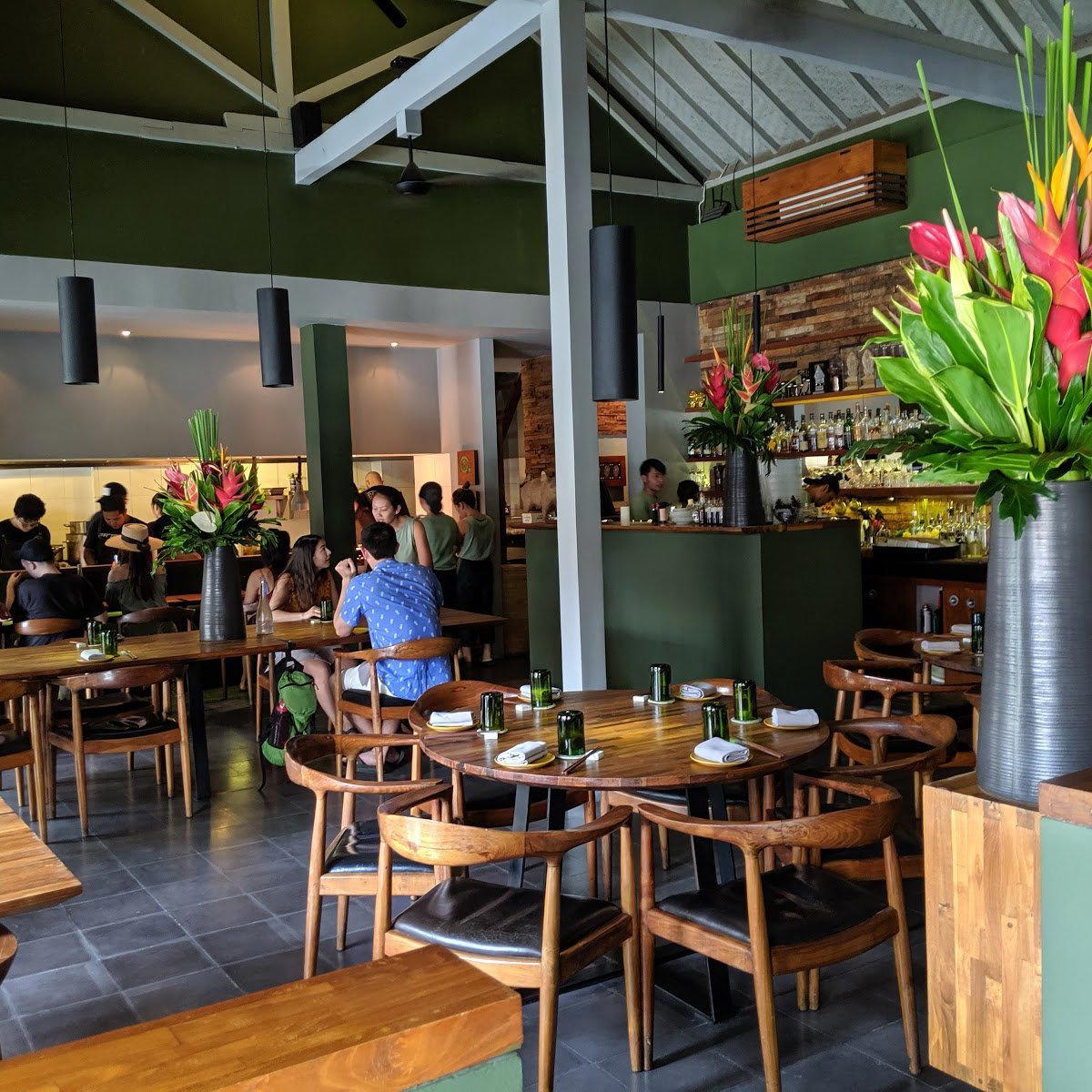
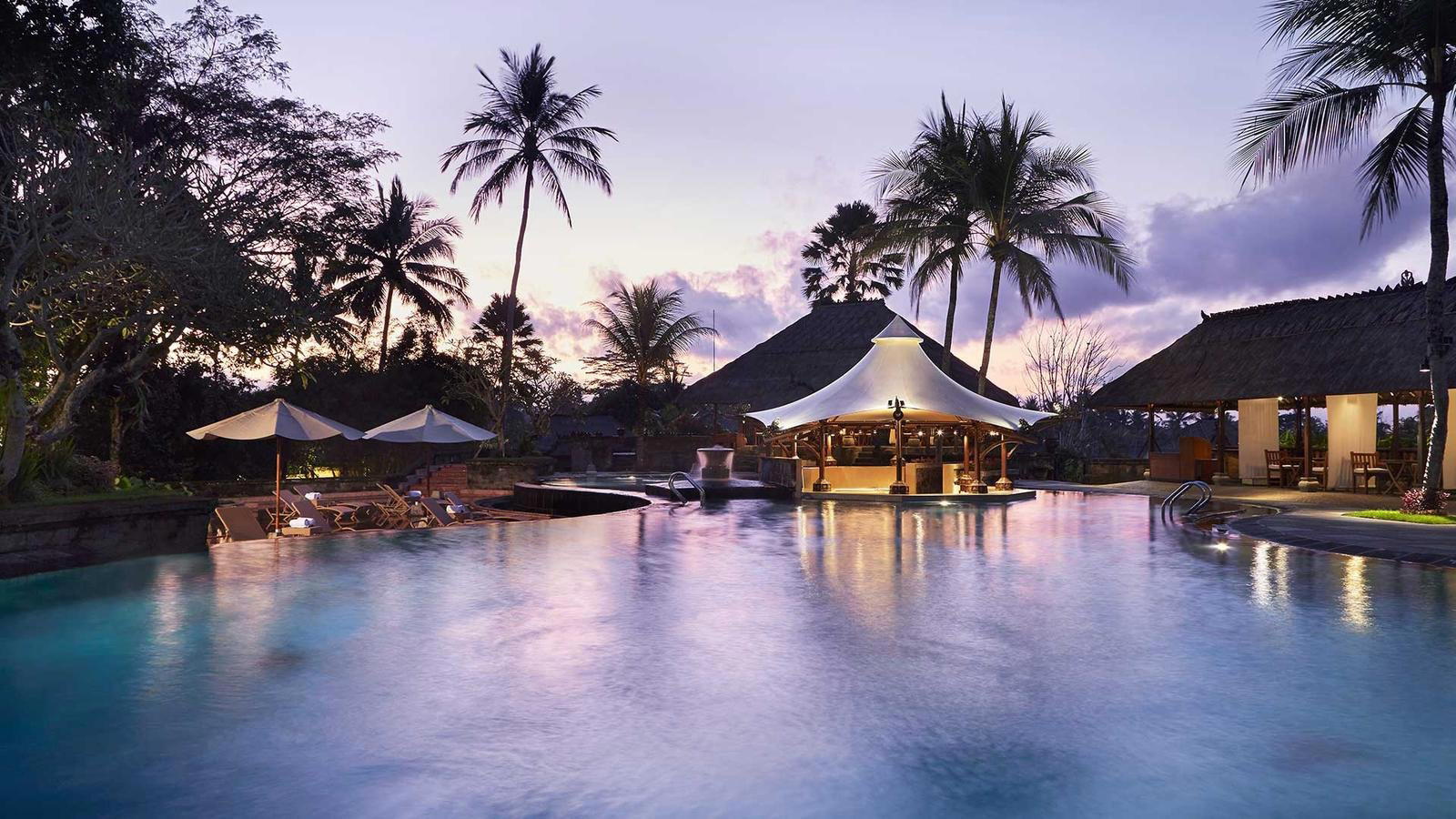
Restaurants in Bali
All restaurants in Bali →
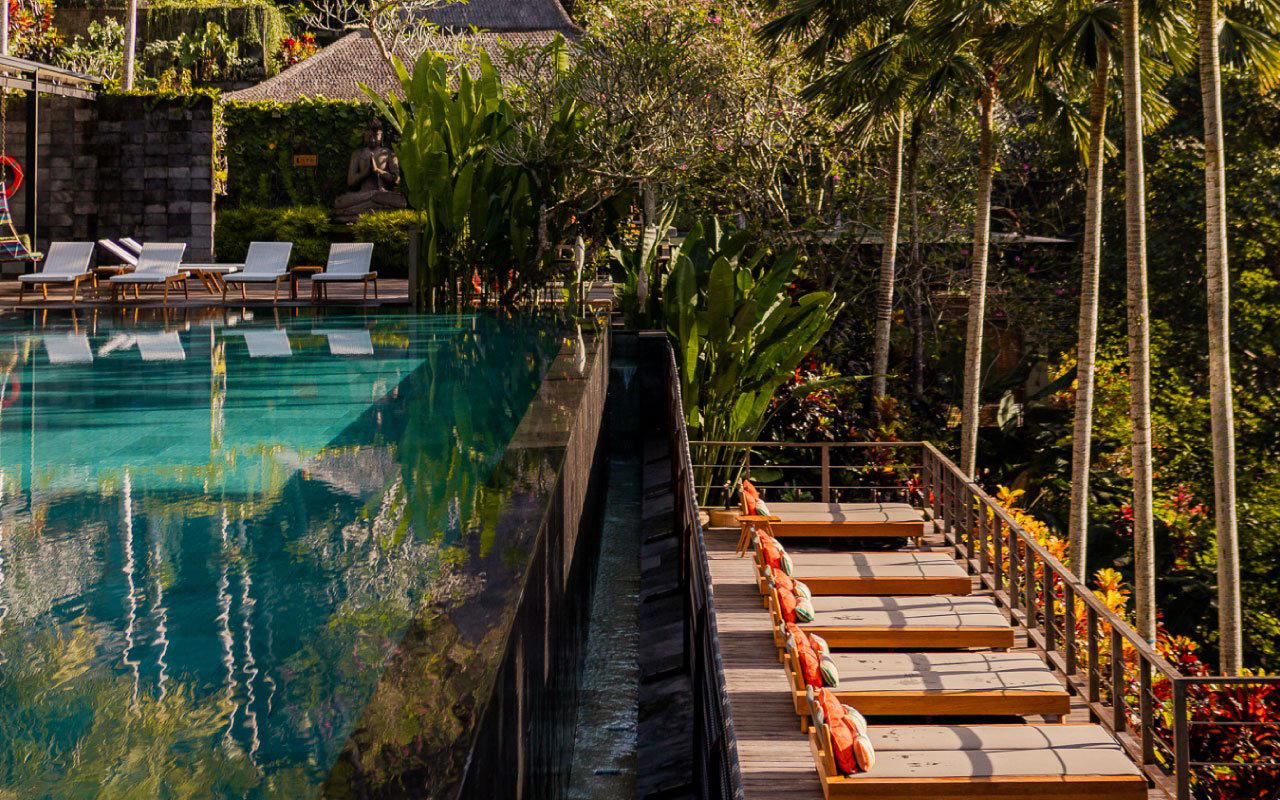
Bars in Bali
All bars in Bali →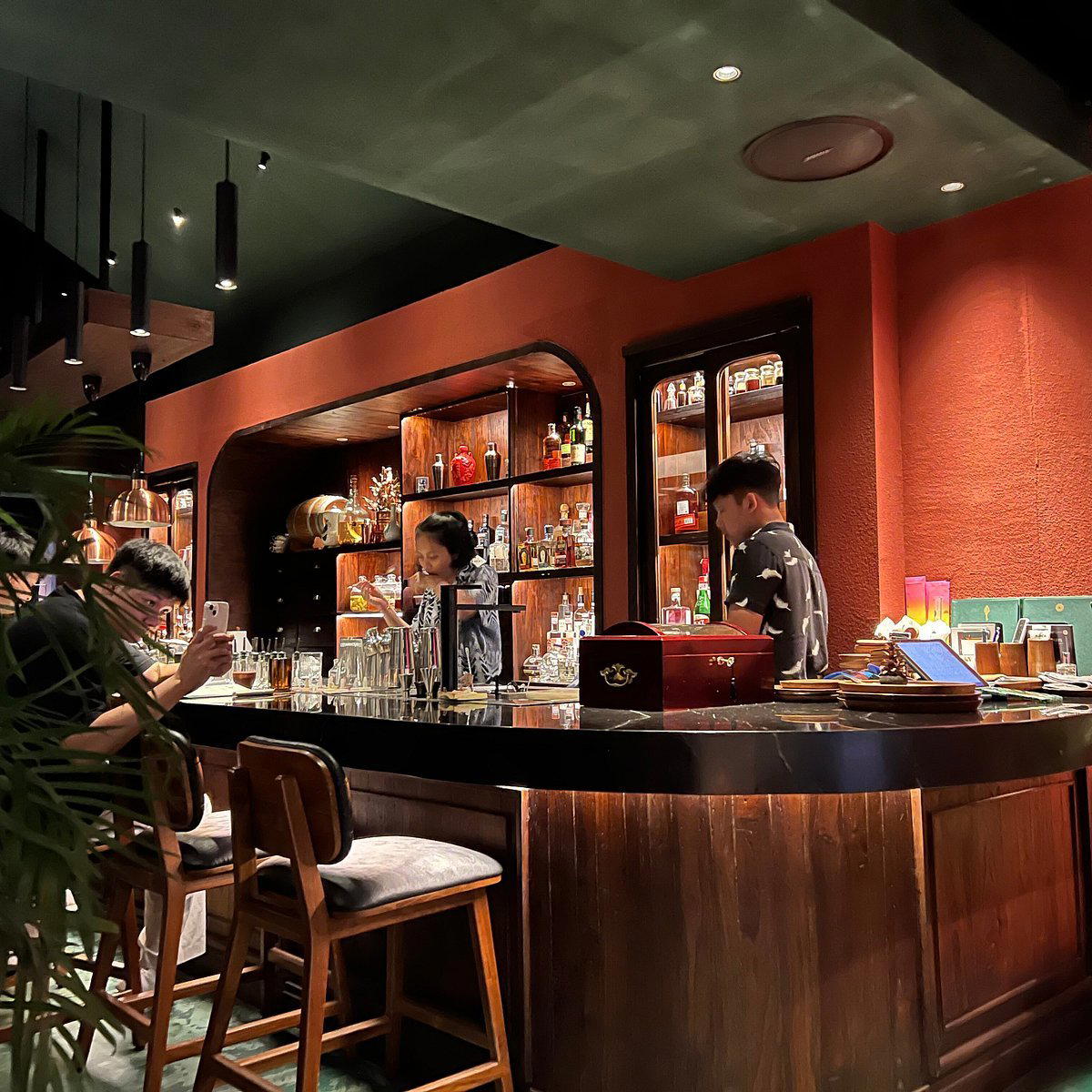

Details
- Cozy
- Intimate
- Date Night
- Special Occasion
- Casual Hangout
- Garden
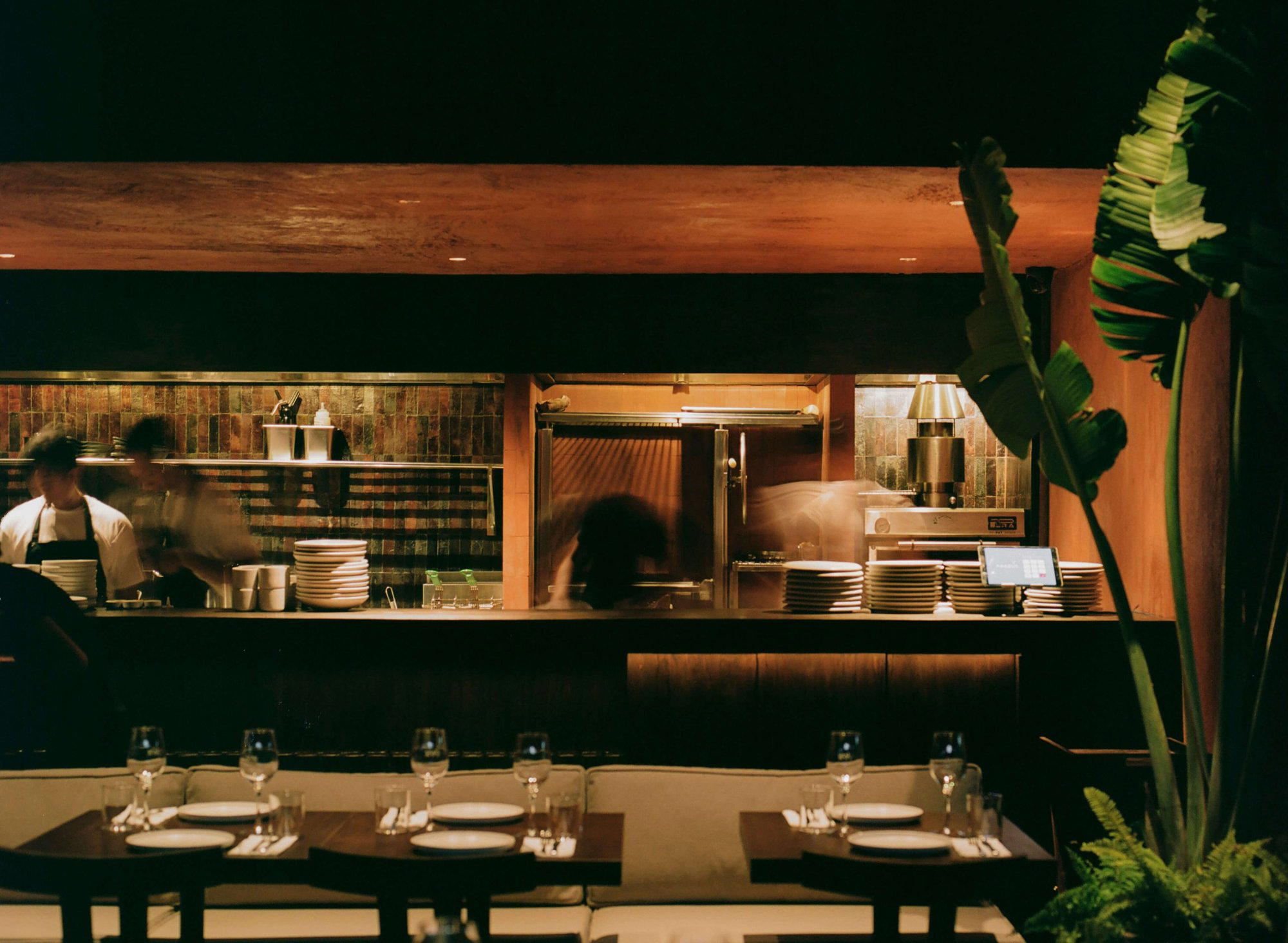
- Open Kitchen
- Local Sourcing
- Farm To Table
- Garden
- A La Carte
- Small Plates
- Vegan Options
- Vegetarian Friendly
Current opening hours
- Monday
- 9 AM–9 PM
- Tuesday
- 9 AM–9 PM
- Wednesday
- 9 AM–9 PM
- Thursday
- 9 AM–9 PM
- Friday
- 9 AM–9 PM
- Saturday
- 9 AM–9 PM
- Sunday
- 9 AM–9 PM
Hours can change for holidays and private events. Last verified .
Zen and peaceful atmosphere surrounded by lush gardens with low tables overlooking the permaculture garden.