Our verdict
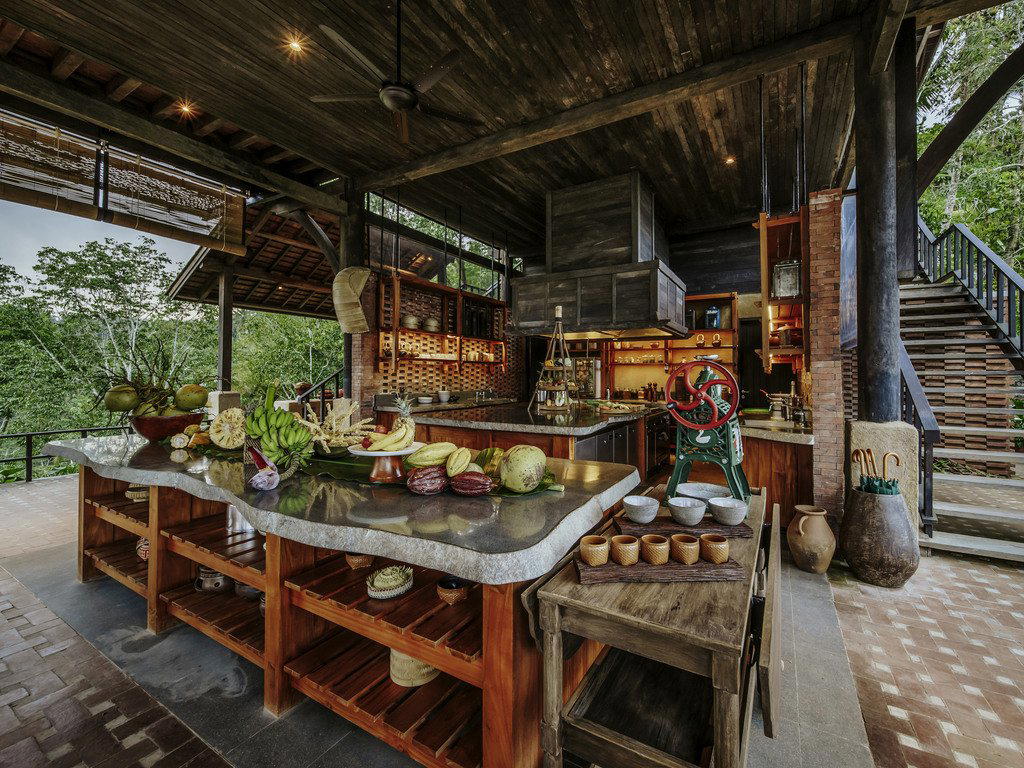
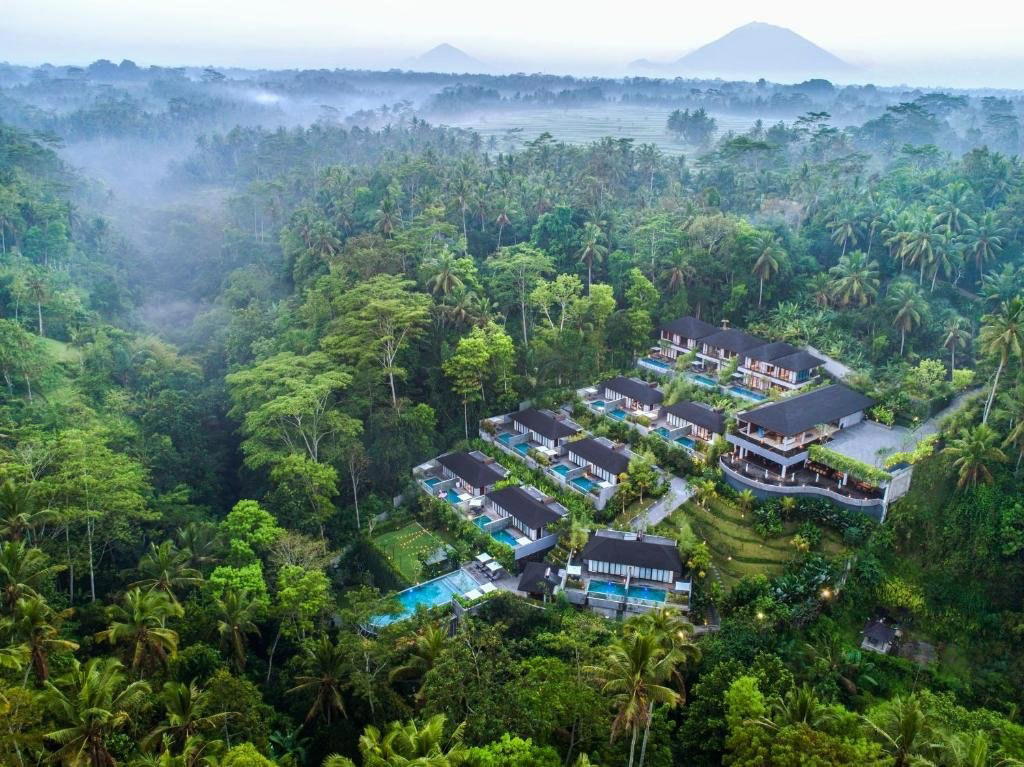
Buahan, A Banyan Tree Escape sits in Bali's Payangan highlands, positioning itself at the far edge of the no-walls, immersive-nature resort model that has reshaped premium hospitality across Southeast Asia. The property trades the conventional luxury formula of enclosed air-conditioned comfort for open structures, jungle sightlines, and a format built around stillness rather than amenity accumulation. For travellers weighing Ubud-area retreats, it represents a specific, committed proposition.

Pearl is the En Primeur Club membership app, where members save venues, book tables and use the concierge.
The menu
What to order
- Five-course dinner
- Heritage Timbungan
- Sayur Pecel
- Ayam Srosob
- Timbungan Ikan
Where Payangan's Jungle Becomes the Architecture
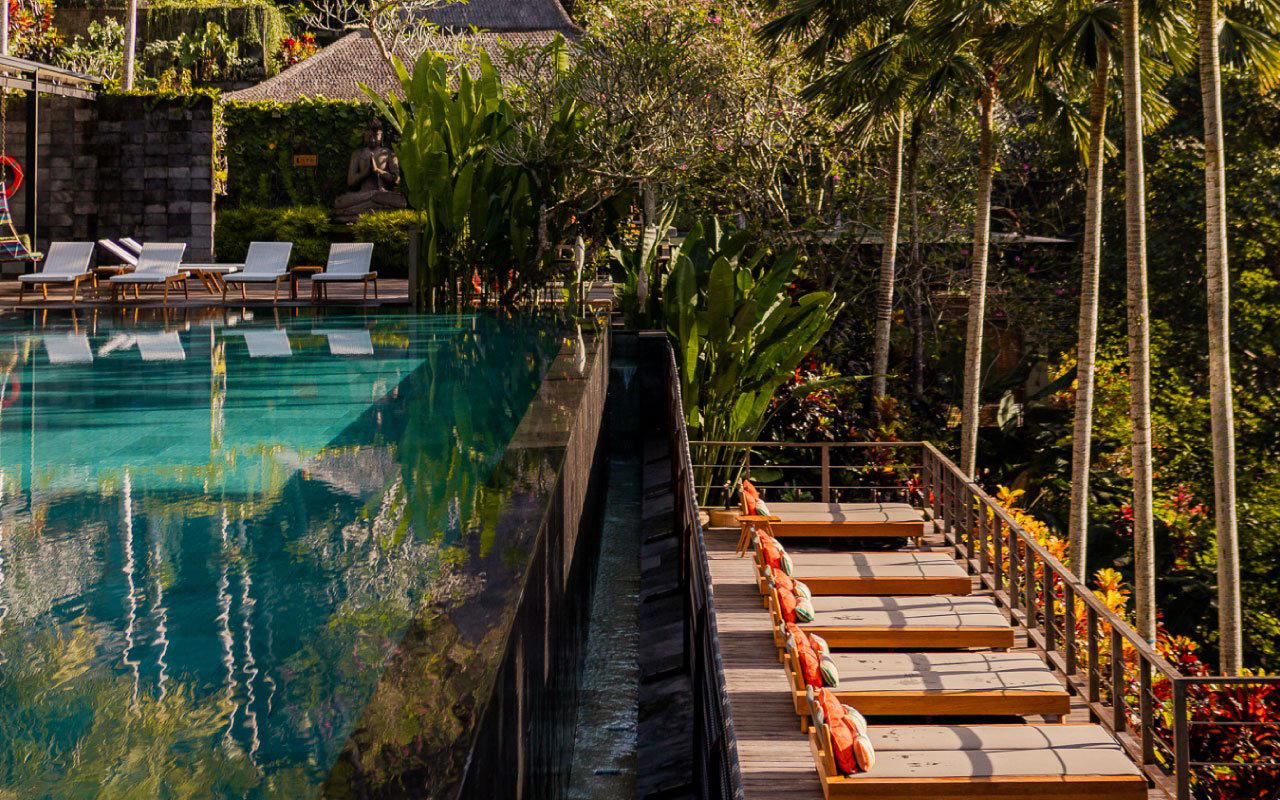
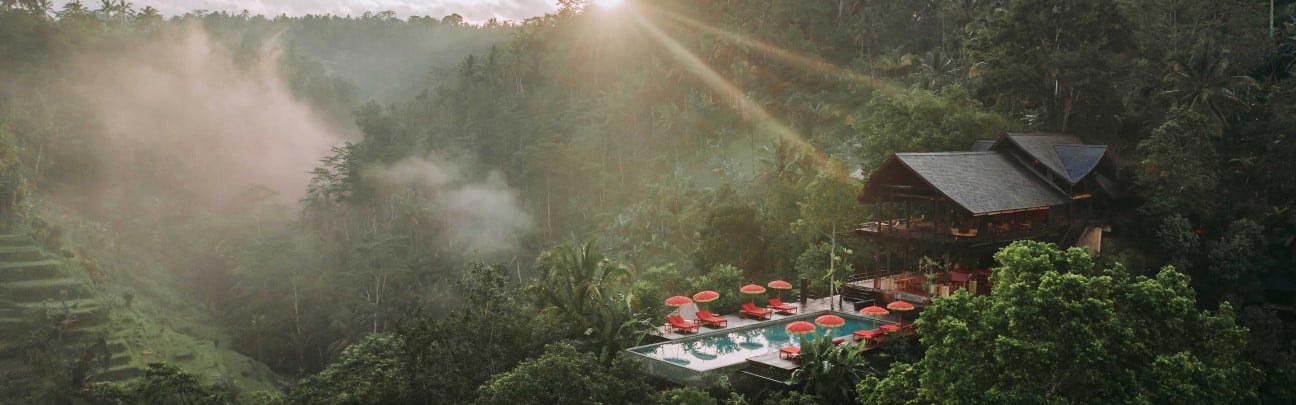
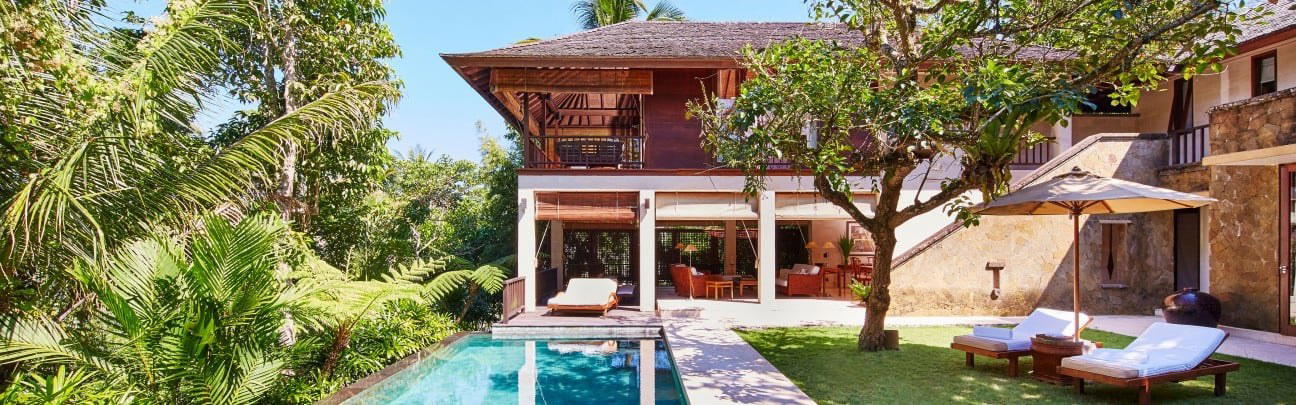
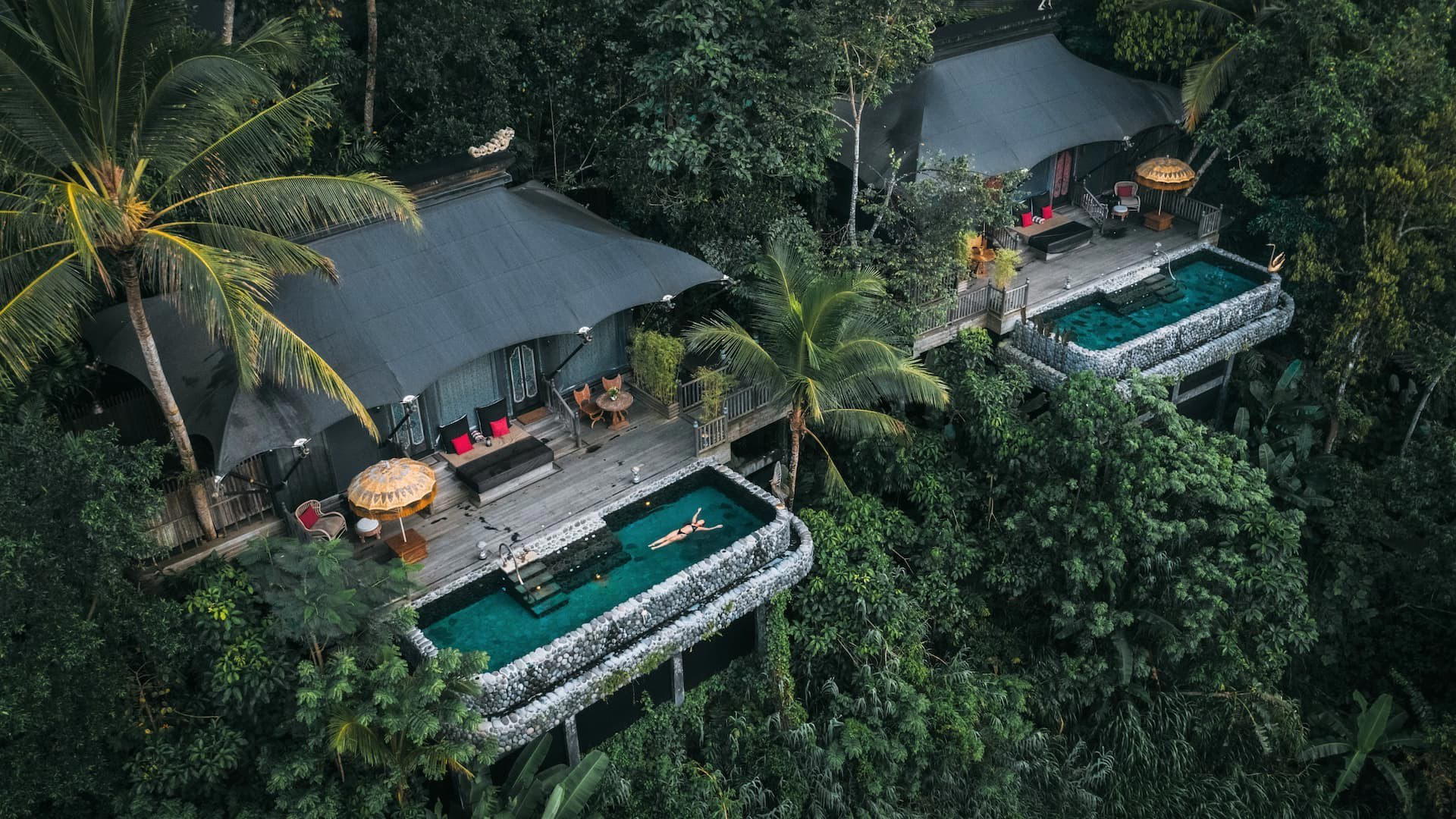
Arriving at Buahan, A Banyan Tree Escape in Payangan, northern Gianyar, the first thing you register is the absence of walls. This is not incidental, it is the design brief. The property sits above the Ayung River gorge in Bali's highland interior, where the air runs several degrees cooler than coastal Seminyak and the forest canopy is dense enough to muffle traffic entirely. The resort's open-structure approach places it within a small, specific tier of Southeast Asian hospitality: properties that have moved away from enclosure as the signal of luxury and replaced it with controlled exposure to landscape. In this format, the environment is both the amenity and the aesthetic.
This matters to the booking decision in a concrete way. Buahan is not a property for travellers who want the full-service international hotel experience, nor does it try to be. It belongs to the same broader design conversation as other low-footprint, landscape-integrated retreats that have gained traction across Bali and wider Southeast Asia over the past decade, a category in which the setting does most of the editorial work and the architecture's job is simply to stay out of its way.
The Booking Reality: What to Know Before You Commit
The editorial angle that matters most for this property is not what you'll eat or drink, it is what you need to understand before you attempt to book. Buahan operates as an escape-format property under the Banyan Tree group, a positioning that separates it from standard Banyan Tree hotels and places it closer to the ultra-low-key retreat end of their portfolio. Banyan Tree's Escape line is designed for smaller guest counts and a more deliberate, slower pace than the brand's conventional resort products, which means availability at any given time is limited by design.
Payangan is not Ubud town. Reaching the property requires a drive through highland roads that narrow considerably past Ubud's central area. Travellers flying into Ngurah Rai International Airport in Denpasar should allow at least 90 minutes for the transfer under normal traffic conditions, longer during Bali's high season peak, which runs from July through August and again around Christmas and New Year. Factoring this into your planning is not a minor logistical note; it shapes what the property is actually useful for. A two-night stay barely justifies the journey. Three nights or more is the format that makes the transfer worthwhile.
The Escape designation also signals a particular dining and programming structure. These are not properties where guests step out for dinner in a nearby restaurant strip. The nearest concentration of Ubud dining, including the kind of destination restaurants that draw food-focused travellers, such as BLANCO par Mandif or Locavore NXT in Ubud, requires a dedicated return trip rather than a casual evening out. Guests booking Buahan should expect to eat primarily on property and should choose accordingly. This is a feature for some travellers and a constraint for others; knowing which camp you're in before booking saves a significant amount of post-arrival disappointment.
The Gianyar Context: What the Region Offers
Gianyar regency contains most of what travellers associate with Ubud, its rice terraces, temples, craft villages, and the dense concentration of restaurants and wellness operations that have made the area Bali's most-visited interior destination. Within the regency, the dining spectrum runs from Balinese street-food institutions like Babi Guling Ibu Oka 1 to long-established tourist-facing classics like Bebek Bengil (Dirty Duck Diner), newer contemporary Indonesian operators like Beduur Restaurant, and resort dining at properties such as Four Seasons Bali at Sayan. See our full Gianyar restaurants guide for the broader picture across price tiers and styles.
Buahan's position in the northern part of the regency, well above the main Ubud corridor, separates it from this ecosystem more than a map might suggest. That separation is the point: the property is designed to discourage the kind of in-and-out itinerary that defines most Ubud visits. Whether that trade-off appeals depends entirely on what you are trying to achieve. For a fast-paced cultural trip covering temples, markets, and varied restaurants, a property closer to central Ubud makes more practical sense. For a retreat-focused stay where the highland environment is the primary purpose, the Payangan location is an asset rather than a drawback.
Where It Sits Relative to Bali's Premium Scene
Bali's premium hospitality has split into two broad camps over the past several years. One camp concentrates in coastal areas, particularly Seminyak and Canggu, where restaurant-bar culture is the primary draw and properties like Sarong Bali in Canggu represent a more social, outward-facing version of luxury. The other camp, to which Buahan belongs, pulls northward and inward, trading proximity to Bali's social scene for immersion in its highland landscape. Comparable Indonesian dining and retreat experiences at the high end of the market, operations like Moksa in Bali or, further afield, August in Jakarta, share the same general commitment to sourcing and environment over spectacle, though each occupies a different format and price tier.
For travellers who have experienced destination dining in other contexts, whether at Le Bernardin in New York City or Lazy Bear in San Francisco, the relevant comparison at Buahan is less about the food itself and more about the format: a contained, curated experience where the programme is deliberately limited in scope and where that limitation is the proposition, not a compromise. Closer to home, operations like Rumari in Jimbaran and Cuca Restaurant in Badung show how Bali's premium food scene has matured, but neither sits in the same retreat-first category that defines Buahan's appeal.
Planning Your Stay
Booking the property through Banyan Tree's reservation channels is the direct route; the Escape sub-brand has its own distinct listing separate from standard Banyan Tree hotels, and confirming which property you're booking matters given how different the two formats are. Given the limited room count implied by the Escape format and the high-season demand patterns of Bali's northern highland corridor, planning several months ahead for peak-period travel is practical rather than overcautious. Shoulder season, particularly May to June and September to October, offers the most reliable combination of manageable rainfall, reduced booking pressure, and the cooler highland temperatures that make open-structure accommodation most comfortable. The Payangan microclimate runs wetter than the coast and greener year-round, which is part of the aesthetic, but arriving in the middle of a heavy January downpour with no wall between you and the Ayung gorge is a different experience from the same room in late May.
For a broader read on what Bali's premium food and hospitality scene offers beyond this property, including Kahyangan in Gondangdia, Cafe Organic Canggu in Banjar Badung, CARANO Masakan Padang in Bekasi, and The Legian in Seminyak, the EP Club Gianyar guide maps the full range of options across the region.
Frequently asked questions
What's the address for Buahan A Banyan Tree Escape?
Buahan A Banyan Tree Escape is located at Buahan Kaja, Payangan, Gianyar Regency, Bali 80572, Indonesia, Gianyar.
Is Buahan A Banyan Tree Escape genuinely suited to guests with no car, or does the Payangan location require private transport?
The property's address in Buahan Kaja, north of central Ubud in Gianyar Regency, sits outside practical walking or rideshare distance from Ubud's main corridor. Guests without a private driver arrangement will find movement off-property slow and dependent on coordination. The Escape format is designed around staying in rather than using the property as a base, so the location is less a drawback and more a deliberate condition of the experience.
What's the must-try dish at Buahan A Banyan Tree Escape?
Specific menu data for this property is outside our current coverage. What is documented is that the Escape sub-brand's format centres on an immersive, contained on-property dining experience in Payangan, Gianyar, where leaving for outside restaurants is logistically inconvenient. That makes the on-site dining program, whatever its current rotation, the primary table for guests.
How far ahead should I plan for Buahan A Banyan Tree Escape?
The Escape sub-brand operates with a deliberately low room count, which compresses availability fast. For Bali's peak windows, July through August and the Christmas–New Year period, booking three to six months in advance is a reasonable baseline. Shoulder months like May, June, and September allow more flexibility, but Payangan's growing profile among travellers seeking distance from Seminyak's density means last-minute availability is rarely guaranteed.
Comparable Spots, Quickly
| Venue | Cuisine | Price |
|---|---|---|
| Buahan A Banyan Tree EscapeThis venue (the venue you are viewing) | Modern Balinese Farm-to-Table | $150–200 |
| Jungle Fish Bali | Mediterranean-Inspired Indonesian | $20–30 |
| Sage | Vegan Fusion | $10–20 |
| Babi Guling Ibu Oka 1 | Balinese Babi Guling (Roast Suckling Pig) | $1–10 |
| Bebek Bengil (Dirty Duck Diner) | Balinese & Indonesian | $10–20 |
| Beduur Restaurant | French-Asian Fusion Fine Dining | Not listed |
Continue exploring
More in Gianyar
Restaurants in Gianyar
All restaurants in Gianyar →
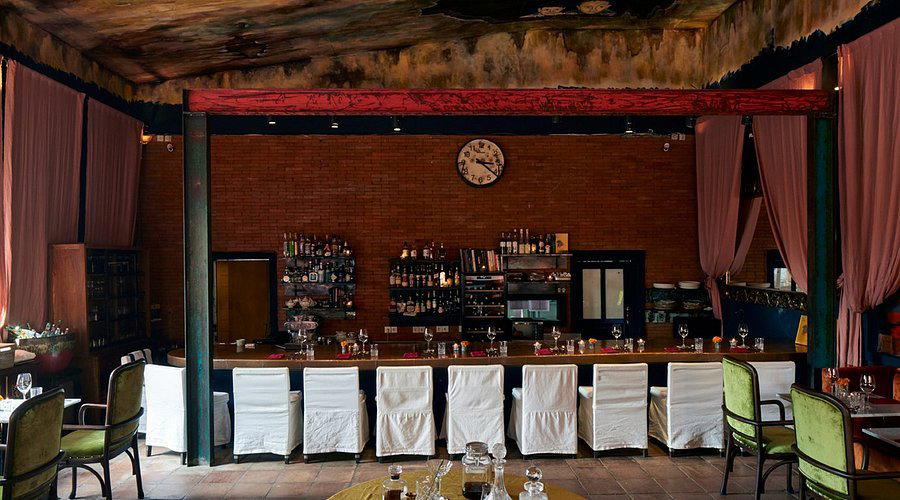
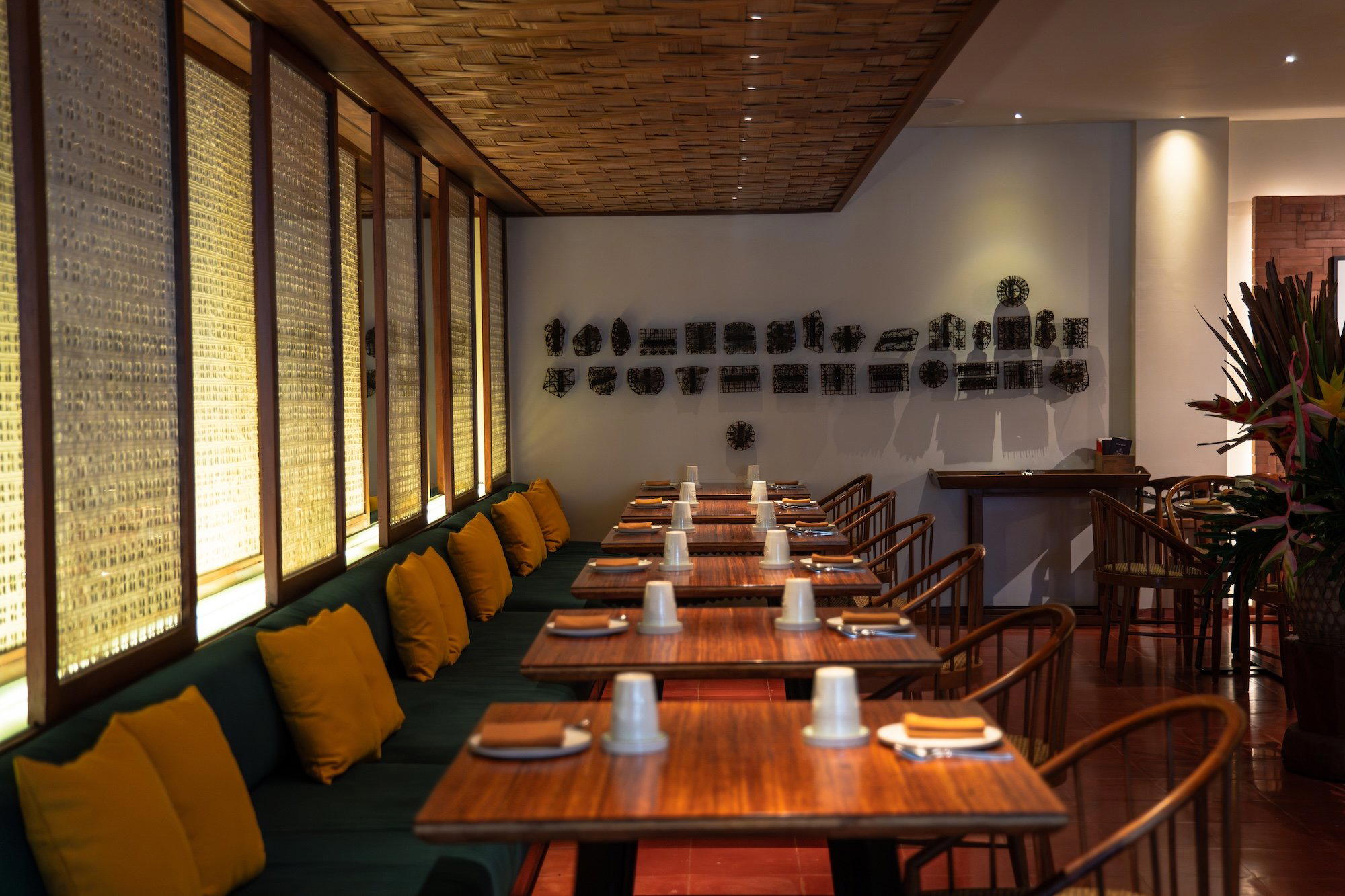
Bars in Gianyar
All bars in Gianyar →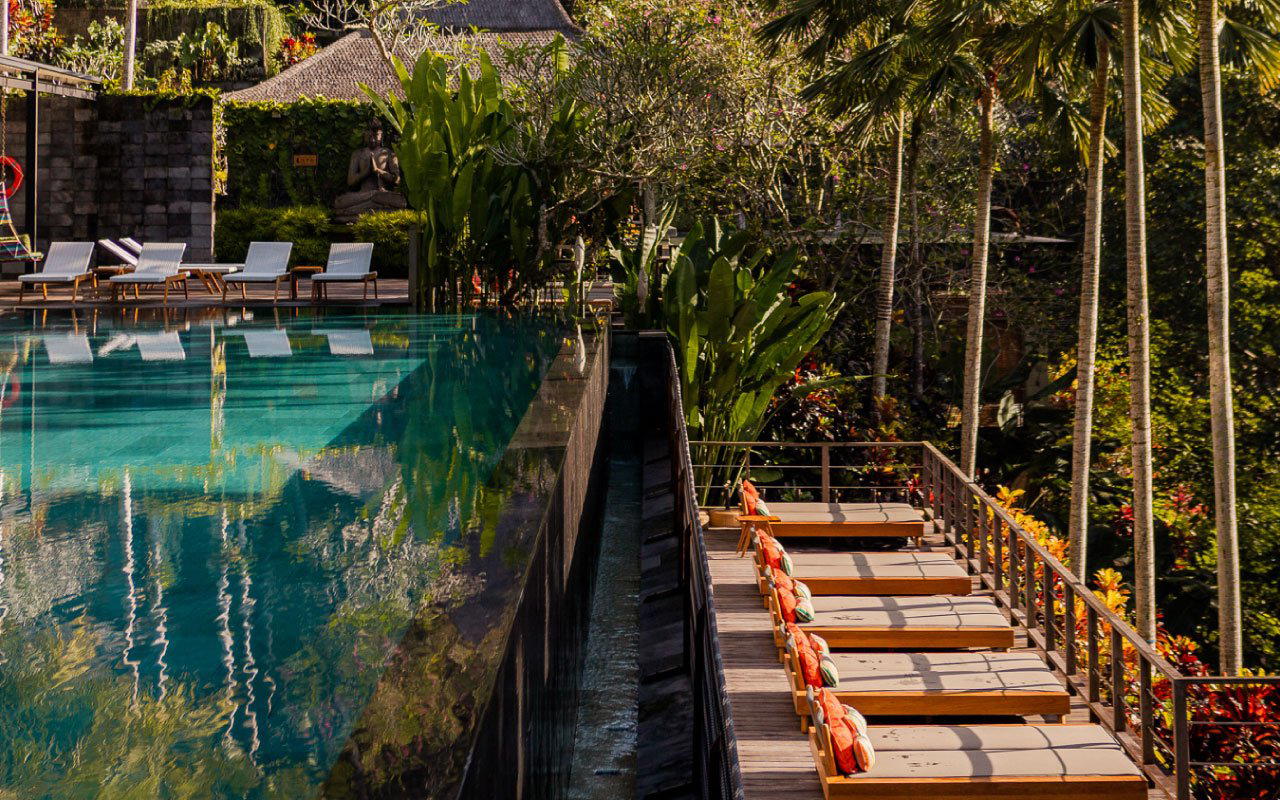
Details
- Scenic
- Quiet
- Intimate
- Elegant
- Date Night
- Group Dining
- Family
- Celebration
- Special Occasion
- Brunch
- Garden
- Panoramic View
- Hotel Restaurant
- Terrace
- Craft Cocktails
- Zero Proof
- Local Sourcing
- Sustainable Seafood
- Farm To Table
- Mountain
- Garden
- Set Menu
- A La Carte
- Cocktails
- Coffee
- Combustible
- Vegetarian Friendly
- Vegan Options
- Gluten Free Options
- Allergy Accommodating
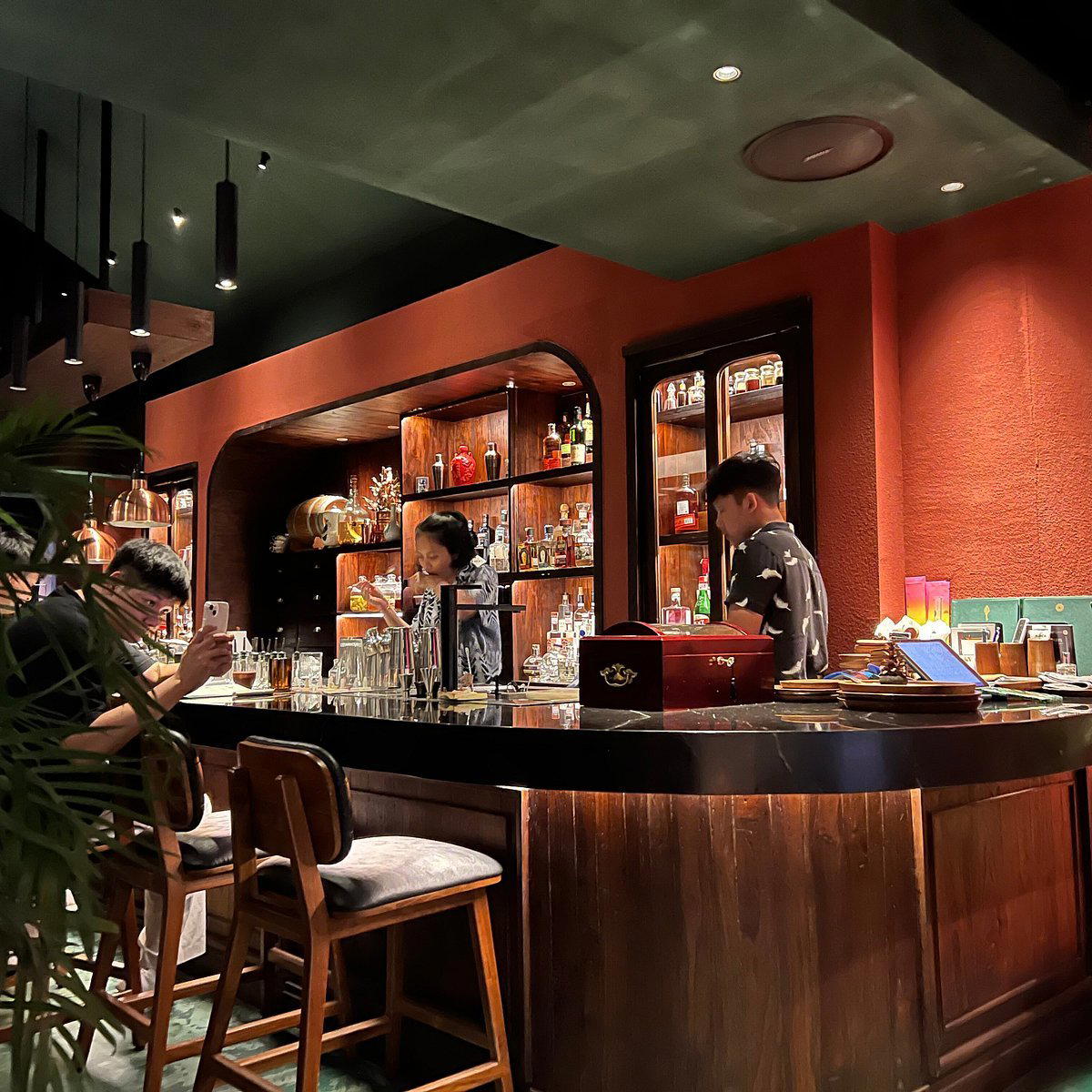
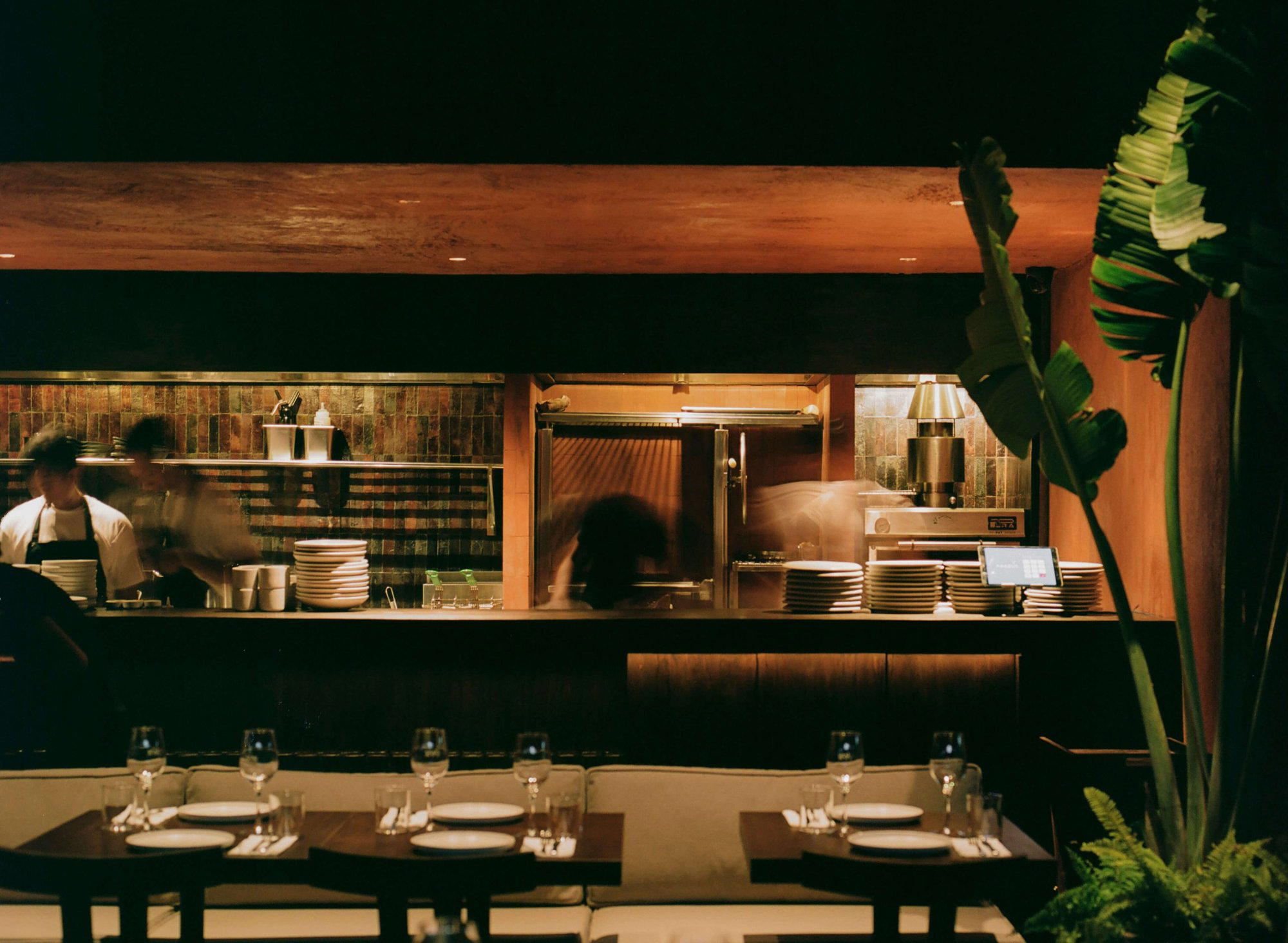
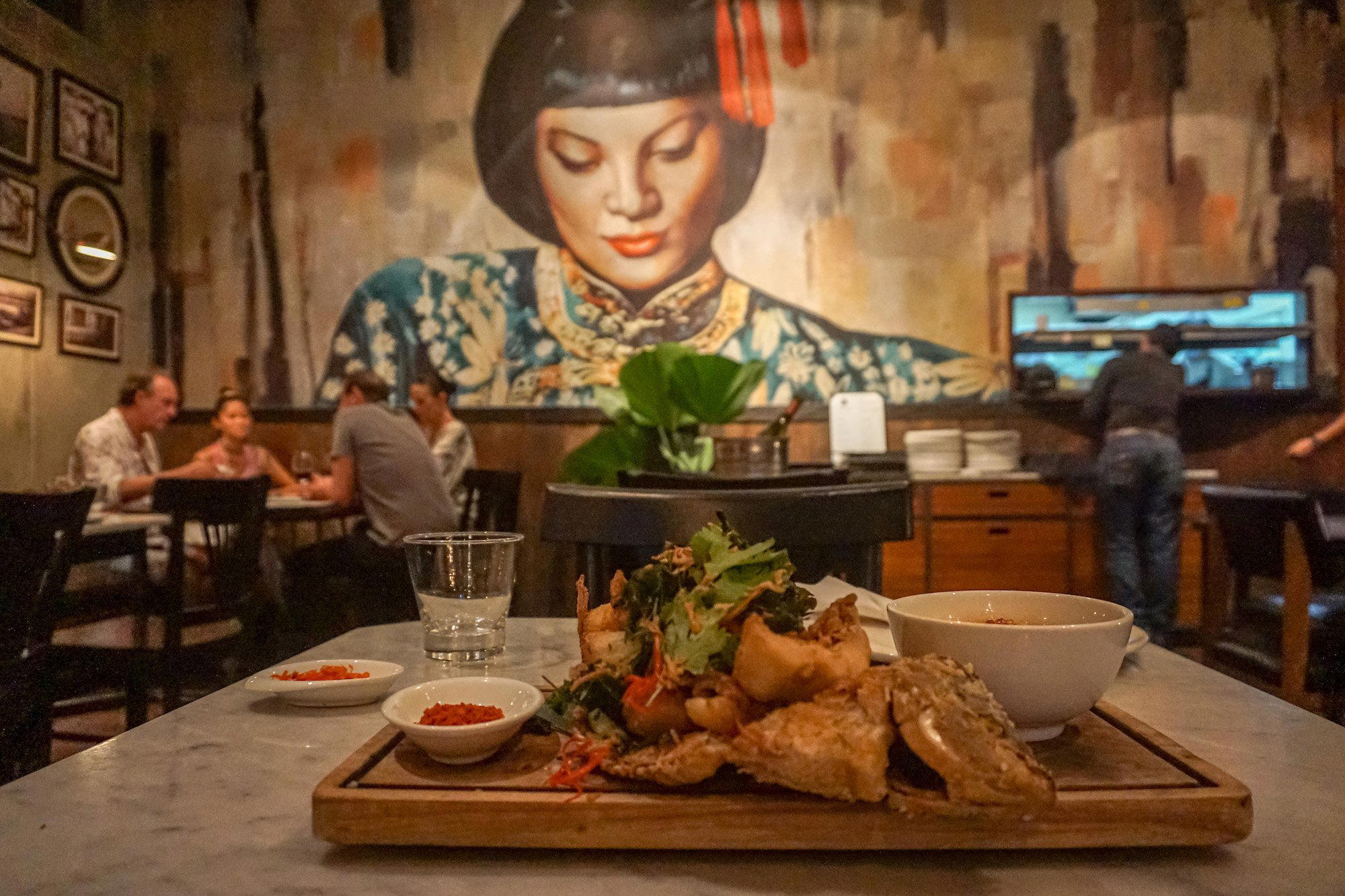
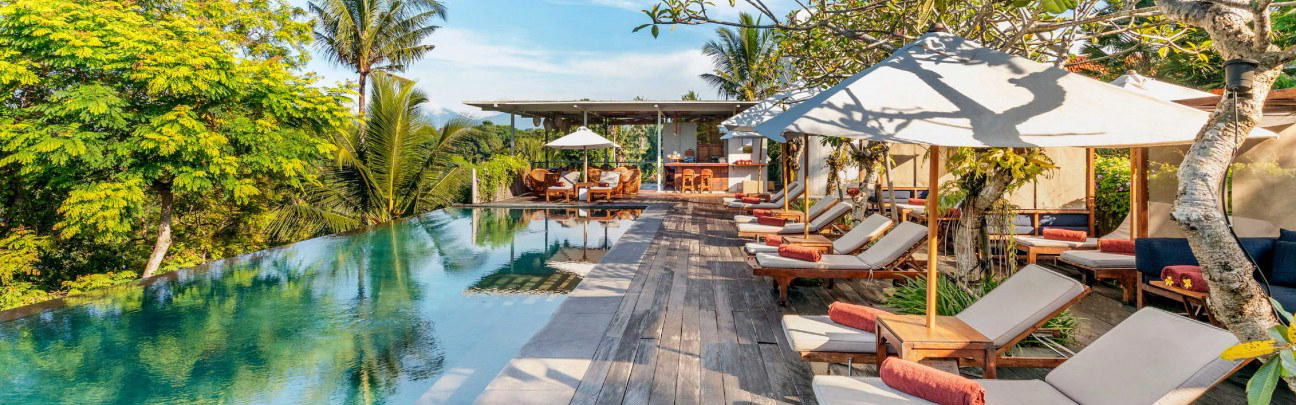
Open-air, rainforest-facing dining with a peaceful, immersive atmosphere; candlelit private-pavilion dinners and scenic mountain/valley views create a calm, intimate setting.