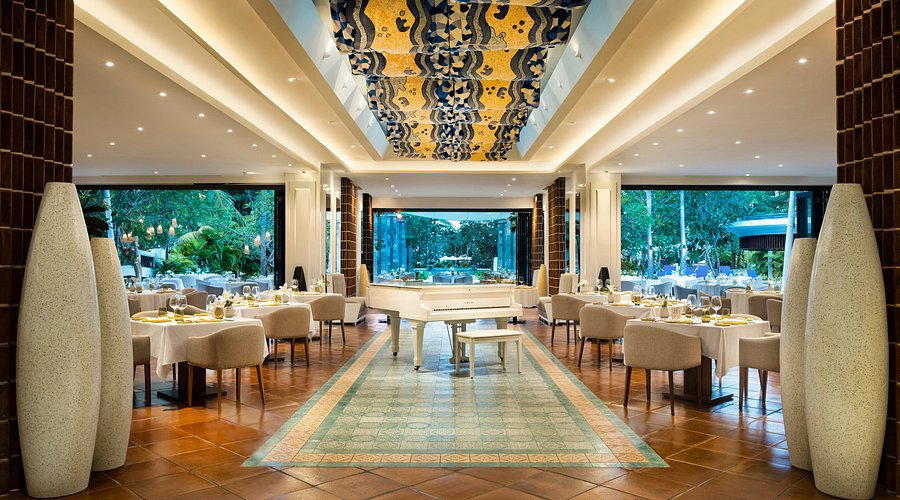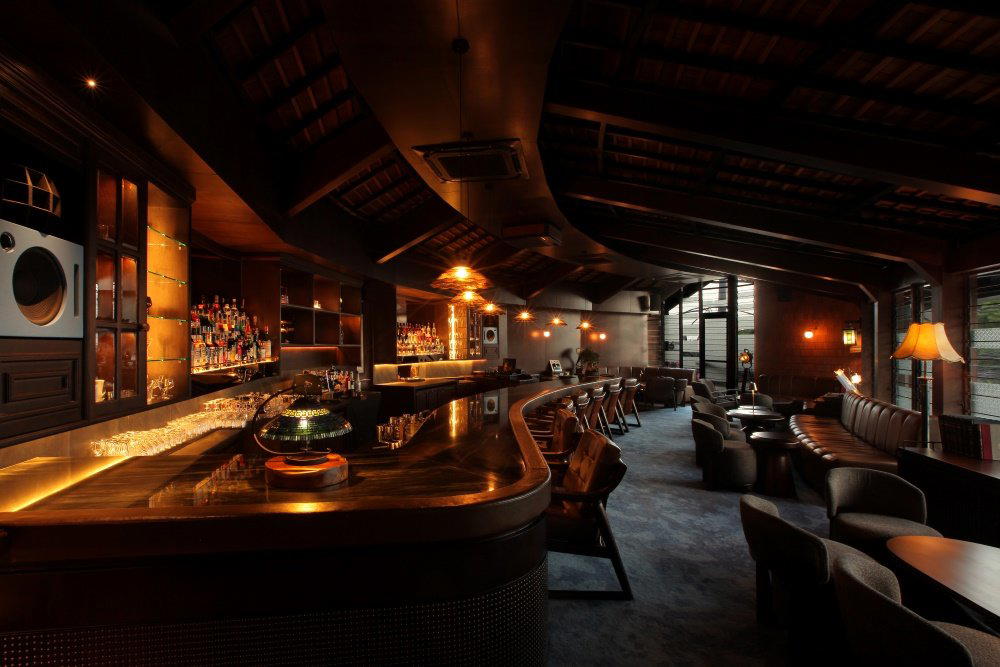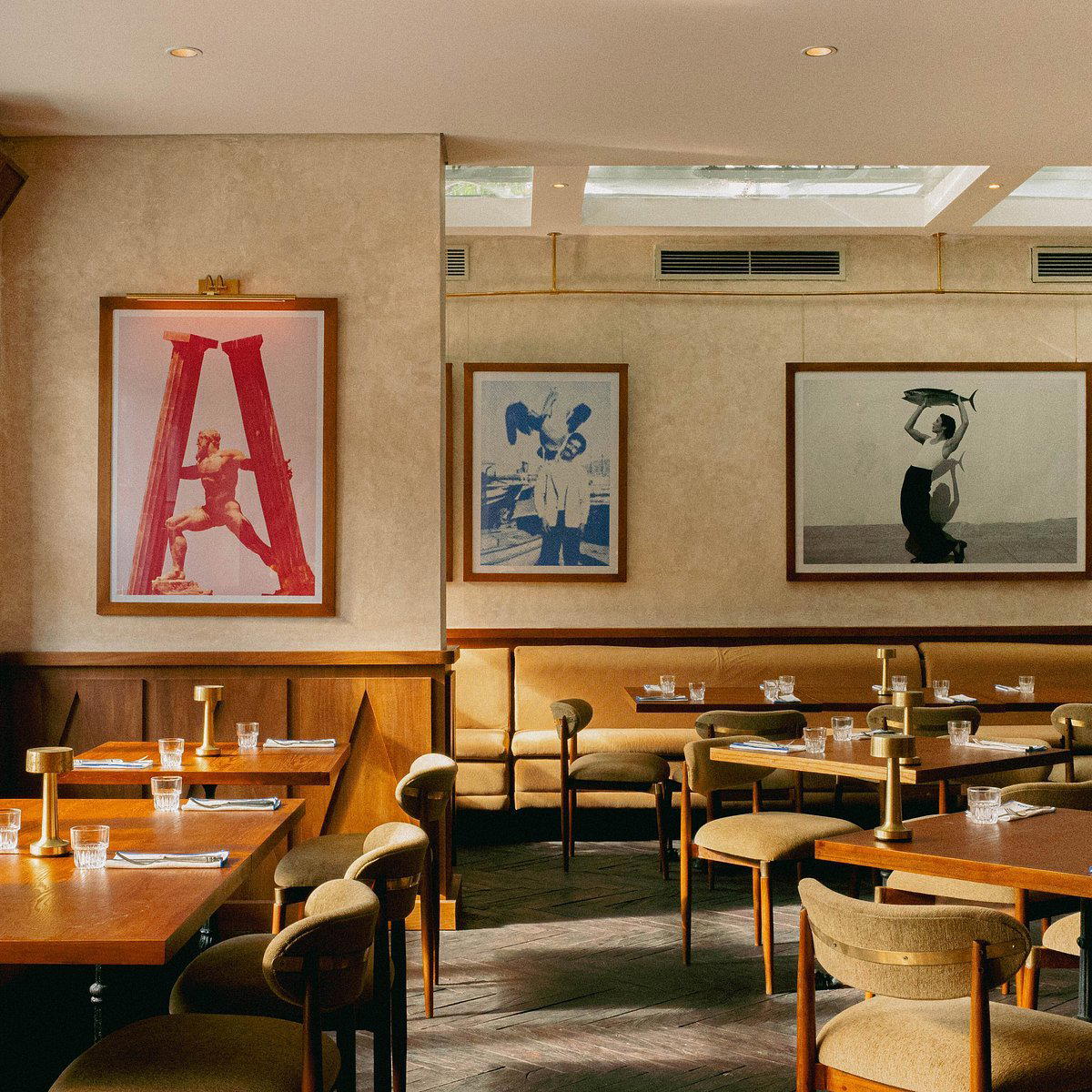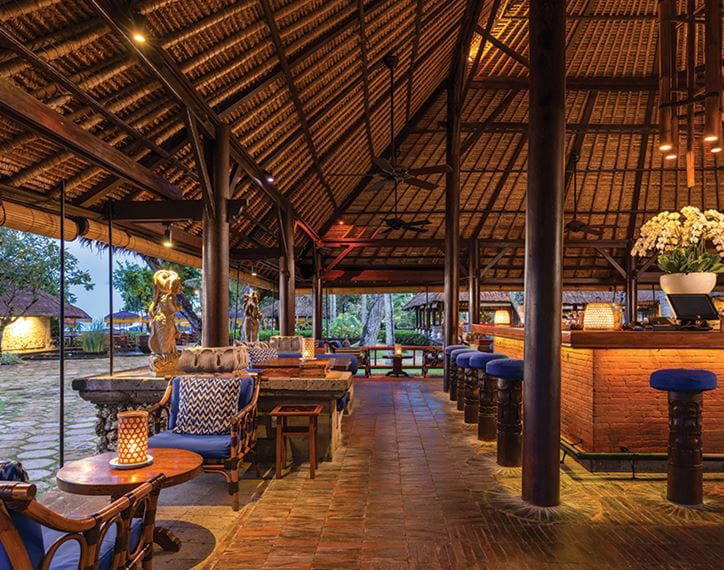
Ranked among Asia's top restaurants by Opinionated About Dining in both 2024 and 2025, Sarong brings chef Will Meyrick's pan-Asian lens to Canggu's Berawa strip. The format draws on culinary traditions across Southeast and South Asia, presented in a setting that reads as ceremonial Bali rather than beach-casual. It occupies a distinct tier in the island's dining scene, above the surf-and-rice crowd and alongside Bali's small cohort of internationally recognised tables.

Where Canggu's Beach Energy Meets Ceremonial Bali
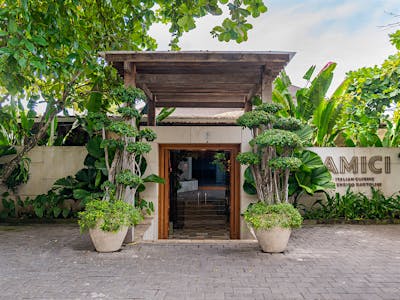
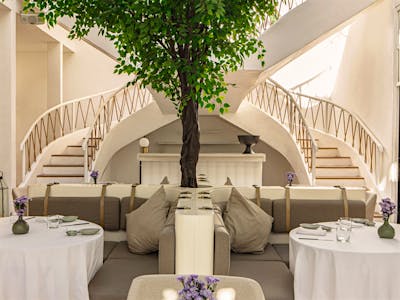
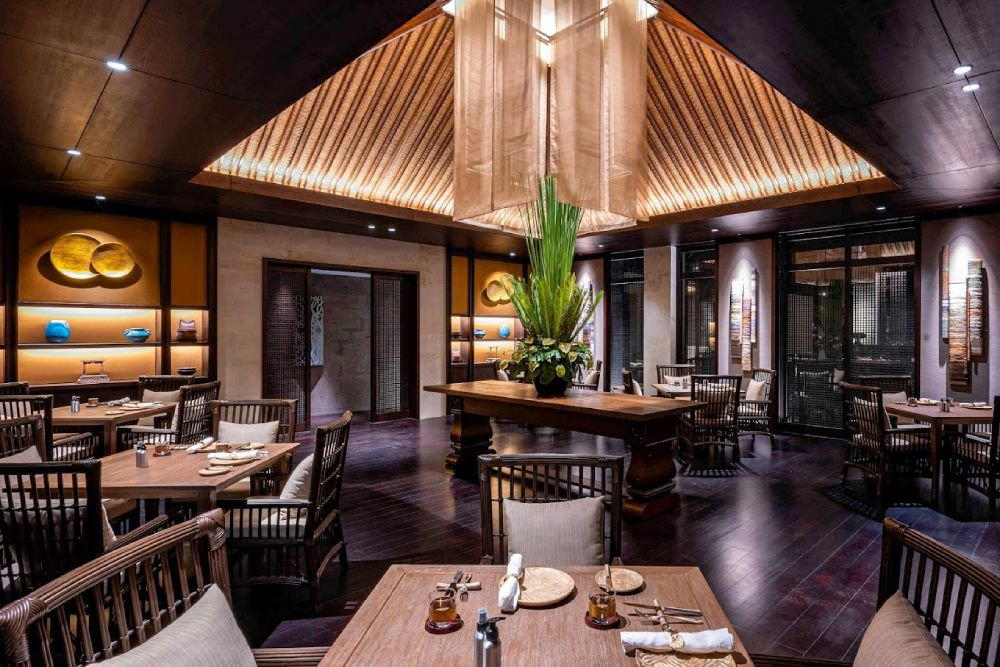
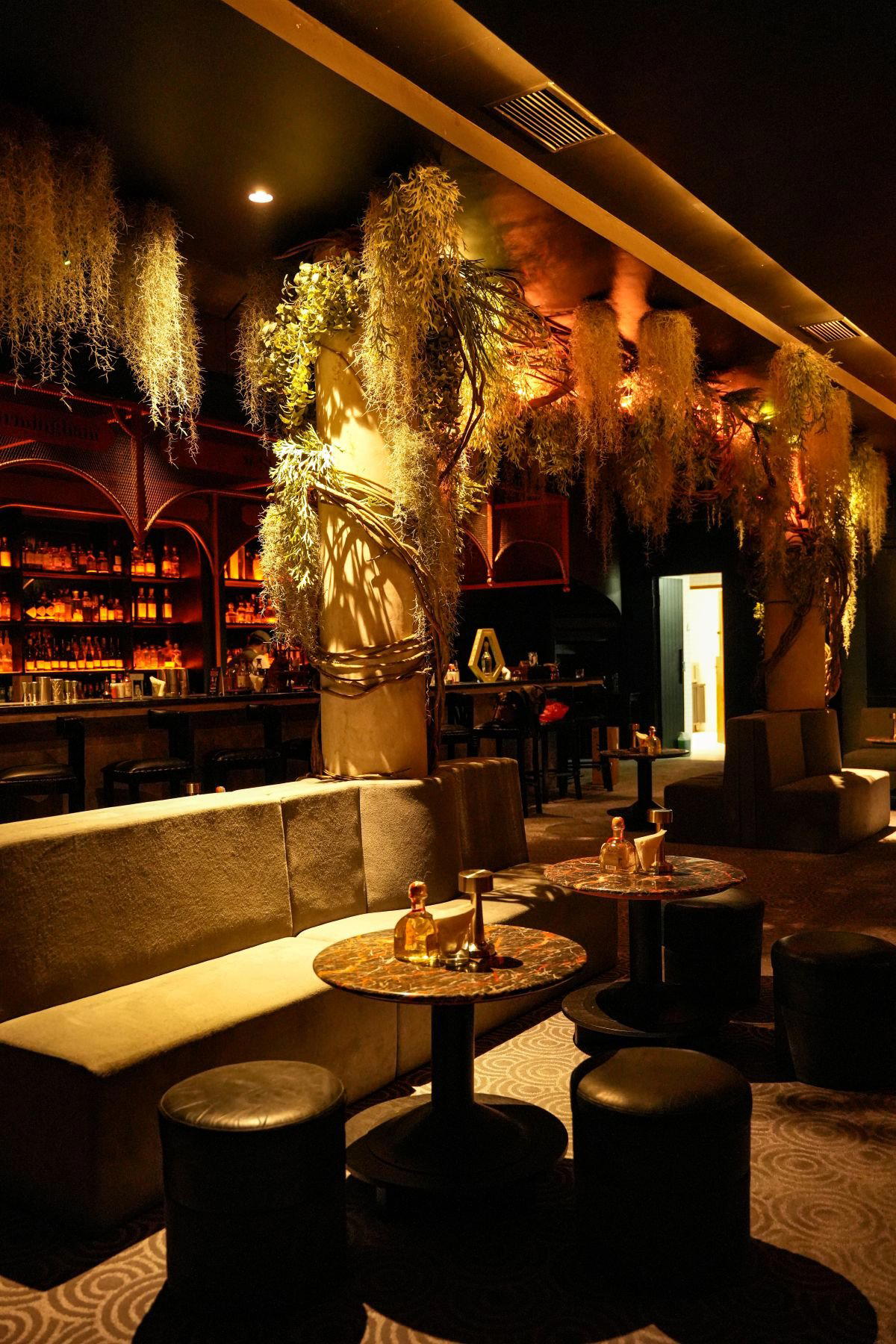
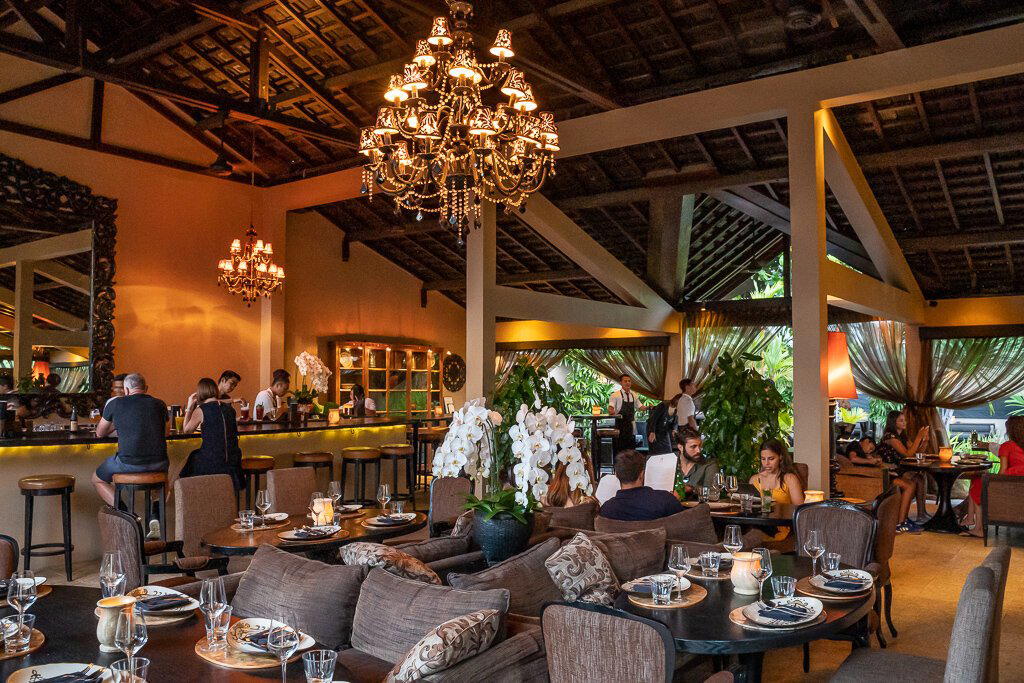
The approach to Sarong on Jl. Pantai Berawa reads differently from the smoothie bowls and surf-shop terraces that define most of Canggu's commercial strip. The architecture draws on Balinese temple aesthetics rather than resort minimalism: carved stone, low light, and a spatial formality that signals you are somewhere operating outside the beach-casual register the neighbourhood is known for. That contrast is deliberate. In a district where most openings track tourist footfall and informal dining, Sarong positions itself closer to Ubud's more considered restaurant culture than to Seminyak's scene-driven energy.
For context on where Sarong sits in Bali's broader dining picture, [Our full Canggu restaurants guide](https://www.enprimeurclub.com/restaurants/canggu) maps the full range of options across the area, from neighbourhood warungs to internationally recognised tables.
The Asian Fusion Format and What It Means Here
Asian fusion as a category carries enough baggage to require unpacking. At its worst, the label covers indiscriminate borrowing with no organising logic. At Sarong, the approach is rooted in chef Will Meyrick's extended research across Southeast and South Asia, with reference points that include Indonesian, Indian, Thai, and Chinese culinary traditions. The result sits closer to an anthropological project than a trend exercise: the kitchen works from primary sources rather than airport-lounge approximations.
That approach has parallels elsewhere in the region. [Locavore NXT in Ubud](https://www.enprimeurclub.com/restaurants/locavore-nxt-bali-restaurant) anchors its menu in Indonesian produce and technique, while [Kaum in Jakarta](https://www.enprimeurclub.com/restaurants/kaum-jakarta-restaurant) focuses on Indonesia's archipelago traditions specifically. Sarong operates with a wider geographic frame, drawing connections between culinary cultures across the continent rather than concentrating on a single national identity. For readers interested in how similar thinking plays out in different global cities, the Asian fusion category extends from [Dos Palilos in Barcelona](https://www.enprimeurclub.com/restaurants/dos-palilos-barcelona-restaurant) and [DEN KUSHI FLORI in Tokyo](https://www.enprimeurclub.com/restaurants/den-kushi-flori-tokyo-restaurant) to [Buddakan in New York City](https://www.enprimeurclub.com/restaurants/buddakan-new-york-city-restaurant) and [Blakes in London](https://www.enprimeurclub.com/restaurants/blakes-london-restaurant), each bringing its own organising logic to the same broad category.
The Recognition Record and What It Implies
Opinionated About Dining ranked Sarong at #428 among Asia's leading restaurants in 2024, and at #468 in 2025. The OAD list is compiled from votes by serious diners and food professionals rather than anonymous inspectors, which makes its rankings a reasonable signal of sustained peer recognition. Holding a position in the top 500 across two consecutive years in a field that includes Tokyo's three-Michelin-star counters and Singapore's most decorated tables is not a minor credential for a restaurant in Canggu's Berawa neighbourhood.
The 2024 to 2025 movement, a drop of 40 positions, is worth noting without over-interpreting. The OAD list fluctuates with voter participation and category competition, and a ranking in that band in either year places Sarong comfortably within Bali's top tier of internationally recognised restaurants. For comparison, [Locavore NXT](https://www.enprimeurclub.com/restaurants/locavore-nxt-bali-restaurant) and a small handful of Ubud tables represent Bali's other consistent presences on regional lists. Sarong's Google rating of 4.8 across 383 reviews adds a volume-weighted consumer signal that aligns with the OAD recognition rather than contradicting it.
Will Meyrick's Background as a Lens on the Menu
The editorial angle here is not a chef biography but a culinary genealogy question: what kind of training produces a menu with this particular scope? Meyrick has spent years cooking across Asia, and that extended field research matters because it is the mechanism through which the menu's source material was gathered. Restaurants that claim pan-Asian authority without that kind of accumulated on-the-ground exposure tend to flatten their references into caricature. The specificity that OAD-calibre recognition implies suggests the kitchen's relationship with its source traditions is substantive rather than decorative.
That pattern of chef-led research informing a wider regional dining conversation is visible at [Kahyangan in Gondangdia](https://www.enprimeurclub.com/restaurants/kahyangan-gondangdia-restaurant) and [Nusantara By Locavore](https://www.enprimeurclub.com/restaurants/locavore-nxt-bali-restaurant) in different ways, each operating from a foundation of deliberate knowledge-building rather than freestyle borrowing. At the higher end of the fusion-with-rigour category internationally, venues like [Aalto in Milan](https://www.enprimeurclub.com/restaurants/aalto-milan-restaurant) and [ChoLon in Denver](https://www.enprimeurclub.com/restaurants/cholon-denver-restaurant) demonstrate that the format can carry serious critical weight when the underlying culinary intelligence is present.
Canggu Context: A Neighbourhood Operating Above Its Station
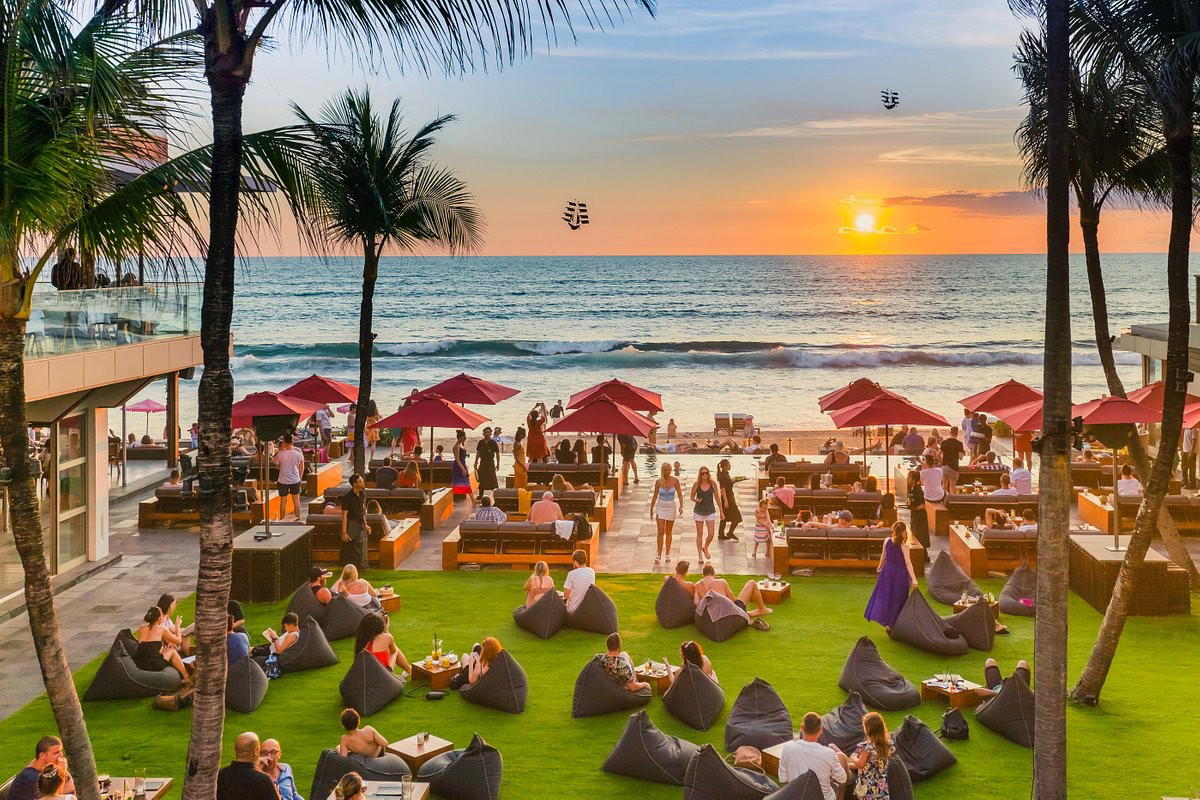
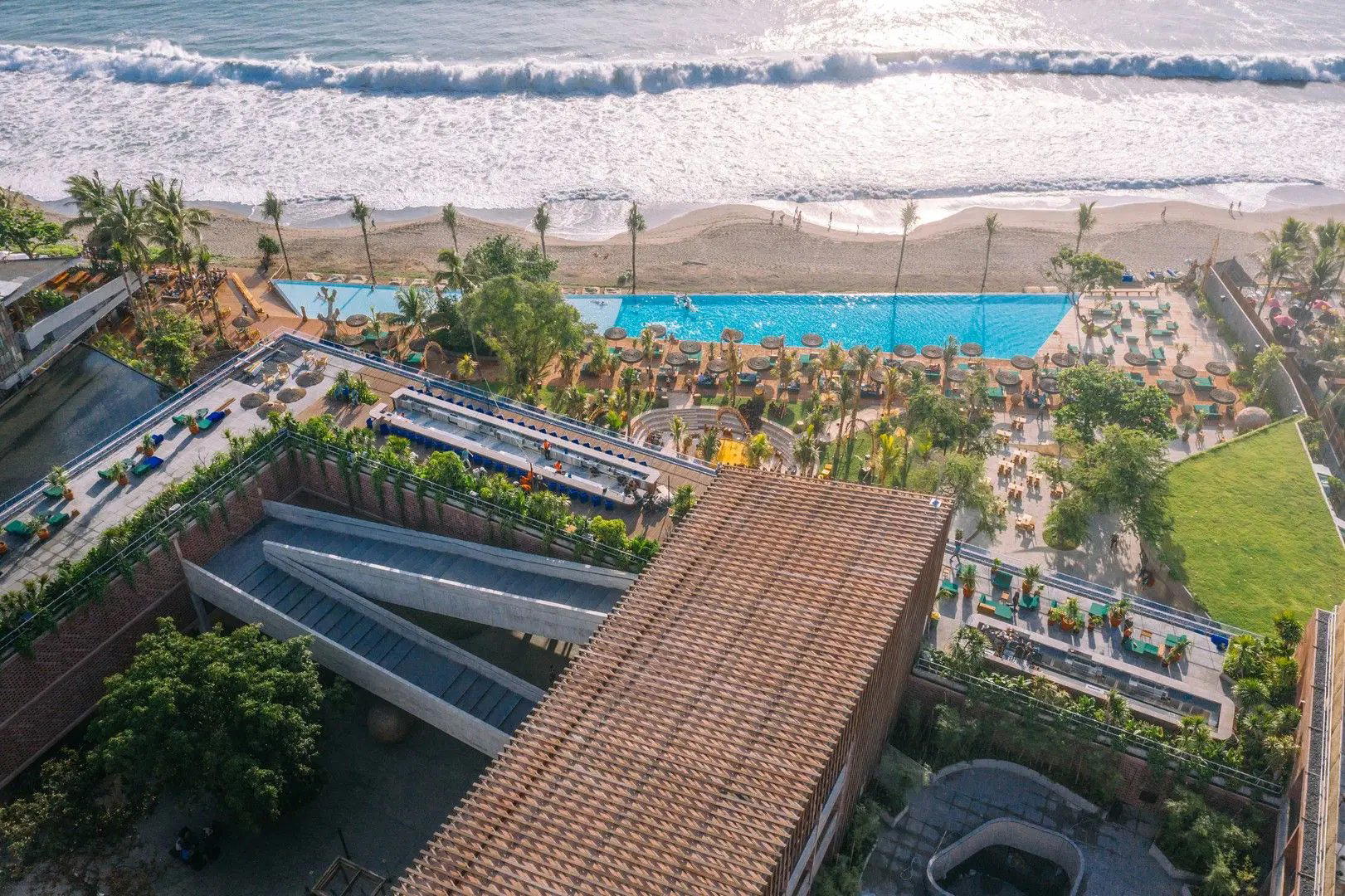
Canggu's reputation has been shaped by digital nomads, surf culture, and a hospitality infrastructure built around volume and informality. Sarong's address on the Berawa end of the Canggu strip places it in a slightly quieter pocket than the Echo Beach or Batu Bolong corridors, but the neighbourhood context is still a deliberate contrast to what the restaurant is doing. That friction is part of what makes the venue interesting: it is operating at a standard more commonly associated with Seminyak or Ubud while staying geographically embedded in Canggu.
For readers planning a broader Canggu stay, [Our full Canggu hotels guide](https://www.enprimeurclub.com/hotels/canggu), [bars guide](https://www.enprimeurclub.com/bars/canggu), and [experiences guide](https://www.enprimeurclub.com/experiences/canggu) map the full supporting infrastructure around a visit. The neighbourhood's wine and beverage scene is covered in [Our full Canggu wineries guide](https://www.enprimeurclub.com/wineries/canggu). Sarong sits in a peer set that also includes [The Legian in Seminyak](https://www.enprimeurclub.com/restaurants/the-legian-seminyak-restaurant) and [Rumari in Jimbaran](https://www.enprimeurclub.com/restaurants/rumari-jimbaran-restaurant) as reference points for Bali's upper dining tier, though each operates from a different base neighbourhood with a different primary audience.
Planning a Visit
Sarong is located at Jl. Pantai Berawa No.13, Tibubeneng, in the Kuta Utara area of Badung regency, which puts it on the western edge of Greater Canggu rather than in its commercial heart. The address is accessible by ride-hail apps that operate across Bali, and the Berawa strip has enough surrounding accommodation and nightlife infrastructure to make it a logical anchor for an evening rather than a standalone destination requiring a dedicated trip. Given the OAD ranking and a 4.8 Google score across several hundred reviews, advance reservations are advisable, particularly during Bali's high seasons in July, August, and the December holiday period. Booking method, current hours, and pricing details are leading confirmed directly with the restaurant, as these specifics are subject to change and are not confirmed in current public records. For readers building a wider Bali itinerary, the island's other internationally recognised tables are spread across Ubud, Seminyak, and Jimbaran, making Sarong a natural Canggu-side complement to a multi-neighbourhood eating plan.
Frequently Asked Questions
Can I bring kids to Sarong Bali?
Sarong's ceremonial setting and positioning at the upper end of Canggu's dining tier make it a better fit for adult-focused evenings than a family outing with young children.
How would you describe the vibe at Sarong Bali?
Sarong sits well outside Canggu's surf-casual mainstream. Its Balinese temple-influenced interiors and pan-Asian menu, recognised on OAD's Asia rankings in both 2024 and 2025, place it in the same register as Bali's more formally considered dining rooms, closer to Ubud's reference-driven restaurant culture than to the neighbourhood's beach-bar energy. Pricing information is not publicly confirmed, but the positioning and recognition level suggest it occupies the upper tier of the island's restaurant market.
What dish is Sarong Bali famous for?
Specific signature dishes are not confirmed in current public records, so naming one here would be speculation. What the OAD rankings and chef Will Meyrick's pan-Asian research background do confirm is a kitchen drawing seriously on Southeast and South Asian culinary traditions across the menu rather than concentrating on a single showpiece dish. For the most current menu information, checking directly with the restaurant is the reliable route.
Need a table?
Our members enjoy priority alerts and concierge-led booking support for the world's most difficult tables.
Access the Concierge