Kahyangan

Occupying the 28th to 30th floors of Wisma Nusantara on Jalan Thamrin, Kahyangan brings modern Indonesian cuisine to one of Jakarta's most prominent commercial addresses. A 2025 La Liste recognition at 75.5 points places it among the country's serious fine-dining options. The kitchen works within a tradition that treats Indonesian ingredients as the story, not the backdrop.
Pearl is the En Primeur Club membership app — saves, bookings, and concierge access live there. Same editors, same standards.
- Address
- Wisma Nusantara Lantai 28-30 Jalan M.H. Thamrin Kav. 59, Menteng, RT.9/RW.5, Gondangdia, Daerah Khusus Ibukota Jakarta 10350, Indonesia
- Phone
- +62 21 3912963
- Website
- pullmanjakartaindonesia.com
- Directions
- Get directions
 Saves & bookings on Pearl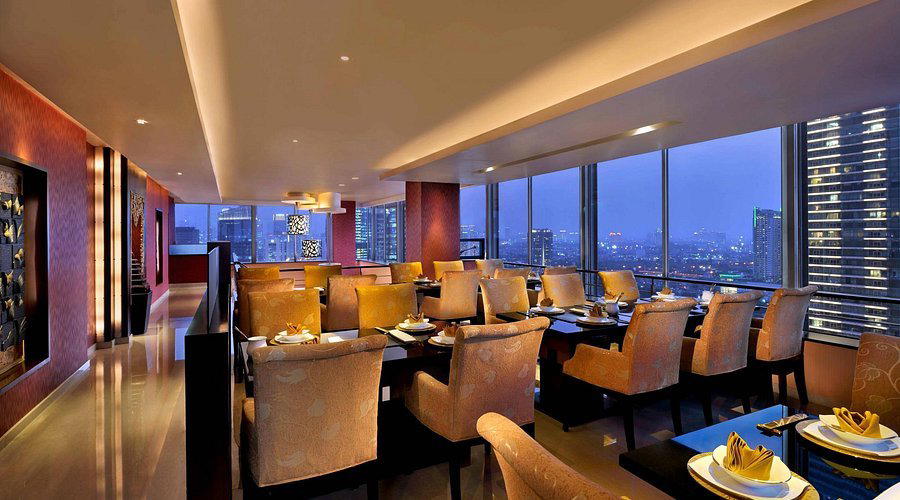
Above the Grid: Dining at Altitude in Central Jakarta
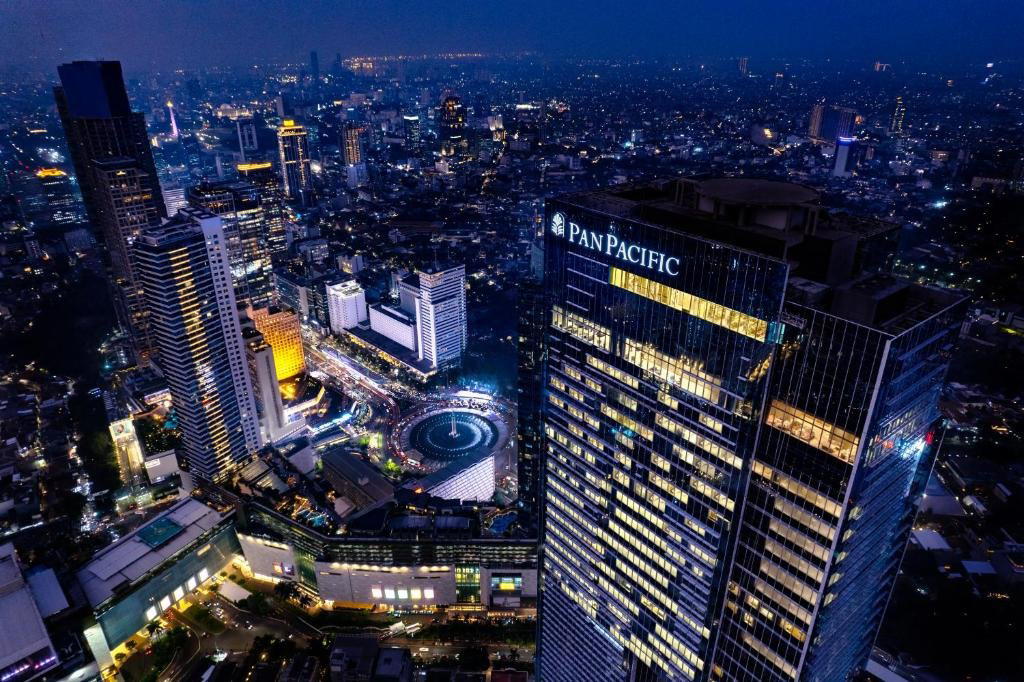
Jakarta's central business district does not ease you into a meal. Jalan M.H. Thamrin is a corridor of glass towers and perpetual traffic, a thoroughfare that measures its scale in flyovers rather than footpaths. Ascending to floors 28 through 30 of Wisma Nusantara changes the calculus entirely. At that height, the city reorganizes itself into something more legible, a grid of lights and movement that frames the room rather than overwhelms it. The view is not incidental to the experience at Kahyangan; it is structural. Kahyangan is a Japanese Shabu-Shabu & Teppanyaki restaurant in Jakarta, set across floors 28 to 30 of Wisma Nusantara. The name itself, drawn from Javanese and Sanskrit roots meaning 'heavenly realm' or 'abode of the gods,' sets an expectation that the physical position above the city does much to fulfill.
This category of high-altitude dining room carries specific pressures in any major city. The view can become the product, with the kitchen relegated to scenery support. What distinguishes the more serious operations in this tier is a kitchen program that would hold interest at street level. In Jakarta's modern Indonesian fine-dining conversation, that means a rigorous relationship with the archipelago's ingredients, not a loose gesture toward them.
What Indonesian Modern Means at This Altitude
At its weakest, it describes a restaurant that plates rendang in a ring mold and calls it contemporary. At its most considered, it describes a kitchen that understands Indonesian cuisine as a system of regional traditions, each with its own ingredient logic, spice grammar, and historical context, and then works within and across those traditions with technical precision.
Spices that shaped centuries of trade routes, nutmeg from the Banda Islands, cloves from Ternate, pepper from Bangka, grow in the same country as the restaurant serving them. The sourcing implications are significant. A kitchen genuinely committed to this geography has access to primary-source ingredients that their European counterparts would import at considerable cost and reduced freshness. That proximity to origin is a structural advantage, and the restaurants that exploit it coherently are the ones pushing the Indonesian modern category toward something with real critical weight.
Locavore NXT in Ubud has built its reputation on exactly this logic, treating Balinese and Indonesian produce as a fixed constraint rather than a flexible option. Locavore NXT in Ubud operates within a model where the sourcing decision precedes the recipe decision. Jakarta's fine-dining scene, represented by operations like August in Jakarta, has been developing a parallel track, urban, technically precise, but equally attentive to where the raw material originates. Kahyangan occupies a distinct position in this conversation: a high-altitude room in the commercial heart of the capital, working within the same tradition but calibrated for a clientele that moves between Jakarta's business towers and its cultural institutions.
The La Liste Position and What It Signals
It is not a score that arrives by accident, and in a market where international guide coverage of Indonesian restaurants remains thinner than the quality of the scene warrants, any La Liste recognition carries proportionally more signal value.
The broader Indonesian fine-dining category on La Liste's 2025 list reflects a growing international acknowledgment that the archipelago's culinary tradition, long overshadowed in global critical coverage by Japanese, French, and Nordic paradigms, sustains restaurants capable of competing in the same conversation as recognized operations in other cities. For reference, kitchens earning La Liste placement in comparable regional markets include 8½ Otto e Mezzo Bombana in Hong Kong and others working at the intersection of technical precision and strong regional identity. Kahyangan's placement in this framework suggests a kitchen operating with similar intent, even if the tradition it draws from is distinct.
Jakarta's Fine-Dining Geography
Menteng and the Thamrin corridor form Jakarta's most concentrated zone for this category of restaurant. The clientele is largely corporate and diplomatic on weeknights, with a domestic upper-middle-class presence strengthening on weekends. This is not a neighborhood that rewards obscurity, the restaurants that survive here do so because they offer something the business-dining circuit requires: a room that projects seriousness, a kitchen that delivers on it, and a format that works for both private celebrations and corporate entertainment.
High-floor dining in Jakarta has its own competitive logic. The city's persistent traffic makes vertical location a genuine convenience, a tower restaurant accessible via building elevator rather than a cross-city drive carries real practical value in a metropolis where the journey can consume as much time as the meal. Wisma Nusantara on Jalan Thamrin is well-positioned within this logic, sitting at a central Menteng address that draws from multiple corporate and residential catchments.
For visitors building a Jakarta dining itinerary, Kahyangan sits in the upper-tier modern Indonesian bracket, alongside other operations worth considering across the archipelago: Rumari in Jimbaran, Sarong Bali in Canggu, and The Legian in Seminyak represent different registers of Indonesian fine dining, each shaped by its location's specific tourism and cultural character. Internationally, the modern-cuisine-meets-regional-identity model finds analogues at Atomix in New York City and Lazy Bear in San Francisco, both of which built critical reputations on a similar premise: technical fine dining grounded in a specific cultural inheritance.
Planning Your Visit
Kahyangan operates from Wisma Nusantara, floors 28 to 30, at Jalan M.H. Thamrin Kav. 59, Menteng, Jakarta. Given its address within a major commercial tower in the Thamrin corridor, the restaurant is accessible from the surrounding hotel and business district on foot or by short transfer. For those arriving from elsewhere in Jakarta, the central Menteng location places it within reasonable distance of the Bundaran HI MRT station, making it one of the more transit-accessible fine-dining addresses in the city. Booking in advance is advisable given the floor count and the caliber of clientele the La Liste recognition draws.
Fast Comparison
Comparable venues nearby, for context on price, style, and recognition.
| Venue | Cuisine | Price | Notes |
|---|---|---|---|
| KahyanganThis venue — the venue you are viewing | Japanese Shabu-Shabu & Teppanyaki | $$$$ | Not listed |
| Soichiro Steakhouse | Irori Style Japanese Steakhouse | $$$$ | Senayan |
| Kamui Restaurant | Authentic Japanese | $$$ | Kebon Melati |
| Hachi Grill Ampera | Japanese Yakiniku & Shabu-Shabu All-You-Can-Eat | $$ | Ragunan |
| Cosmo Pony | Creative Cocktails with Indonesian Twists | $$$$ | Gondangdia |
| LAPO PORSEA - SCBD | Modern Batak Toba | $$$$ | Senayan |
Recognition history
Dated appearances from independent guides and award organizations, with the underlying list record or original source where available.
La Liste Top Restaurants
La Liste
Continue exploring
More in Gondangdia
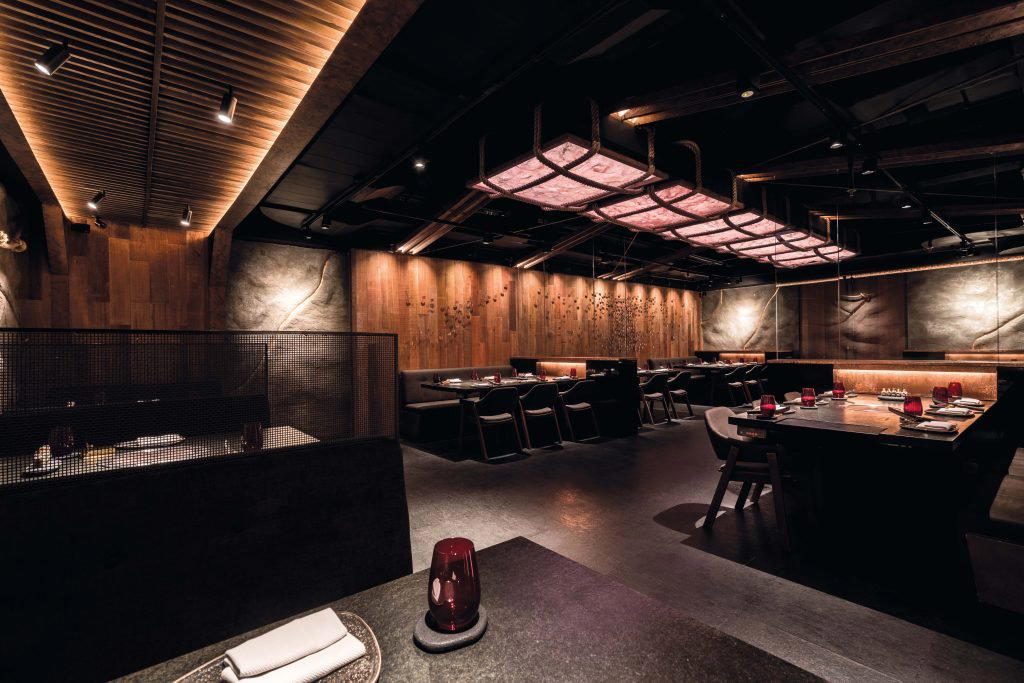
Restaurants in Gondangdia
Browse all →
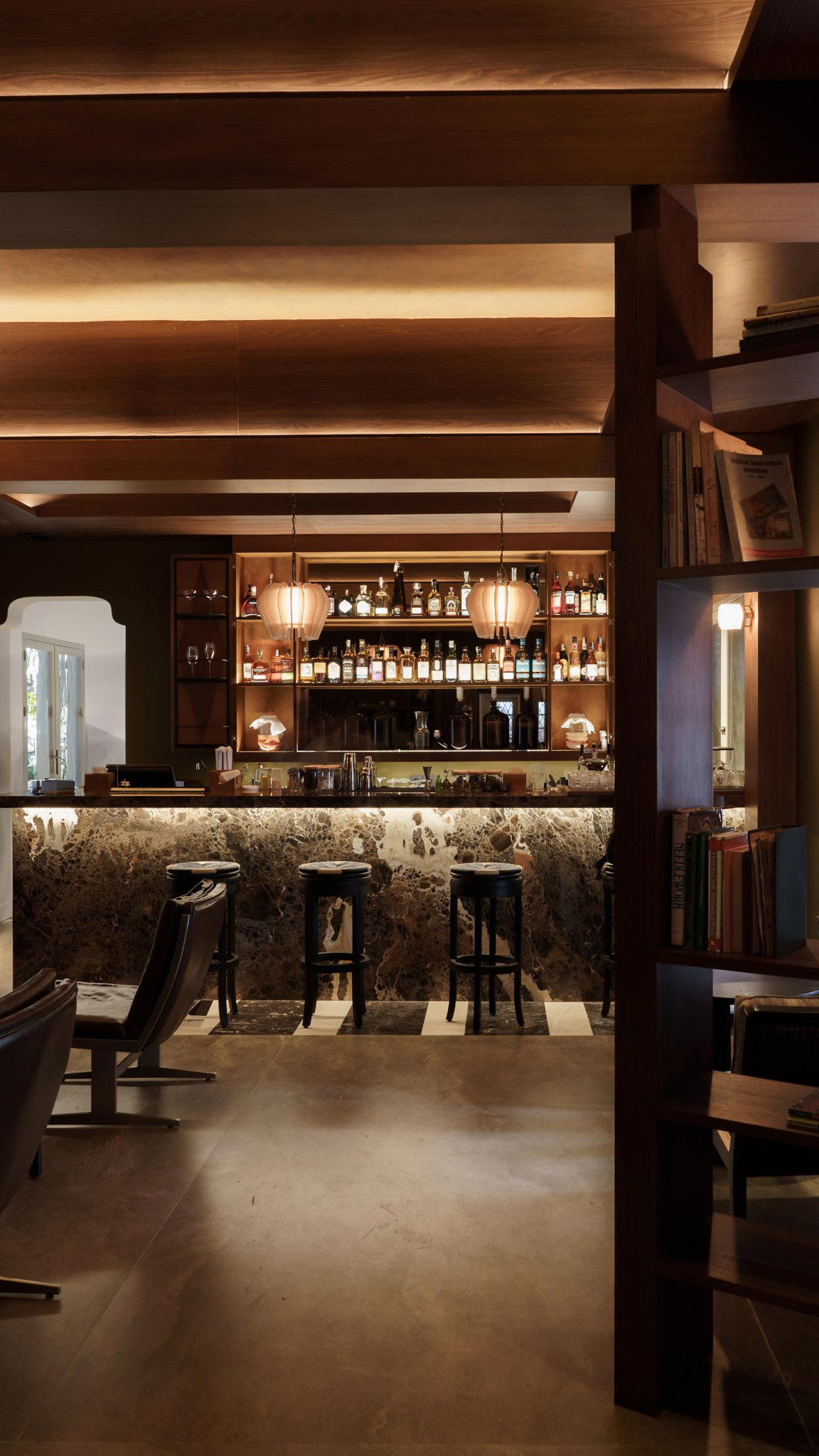
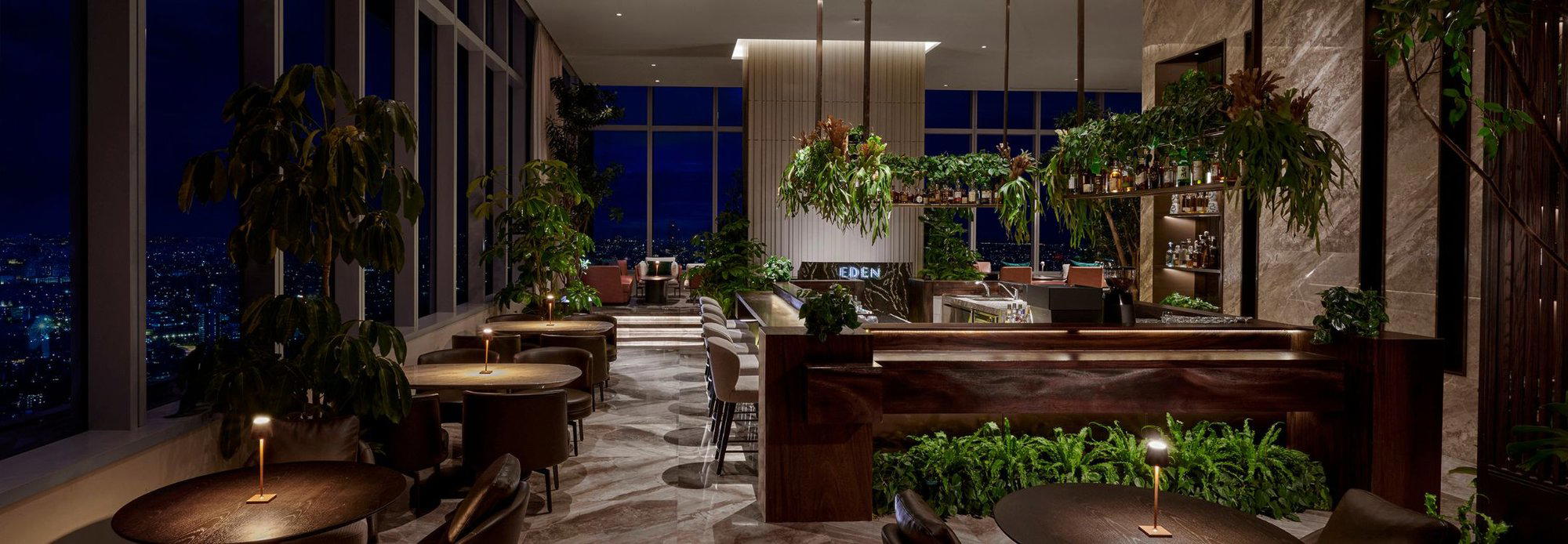
Bars in Gondangdia
Browse all →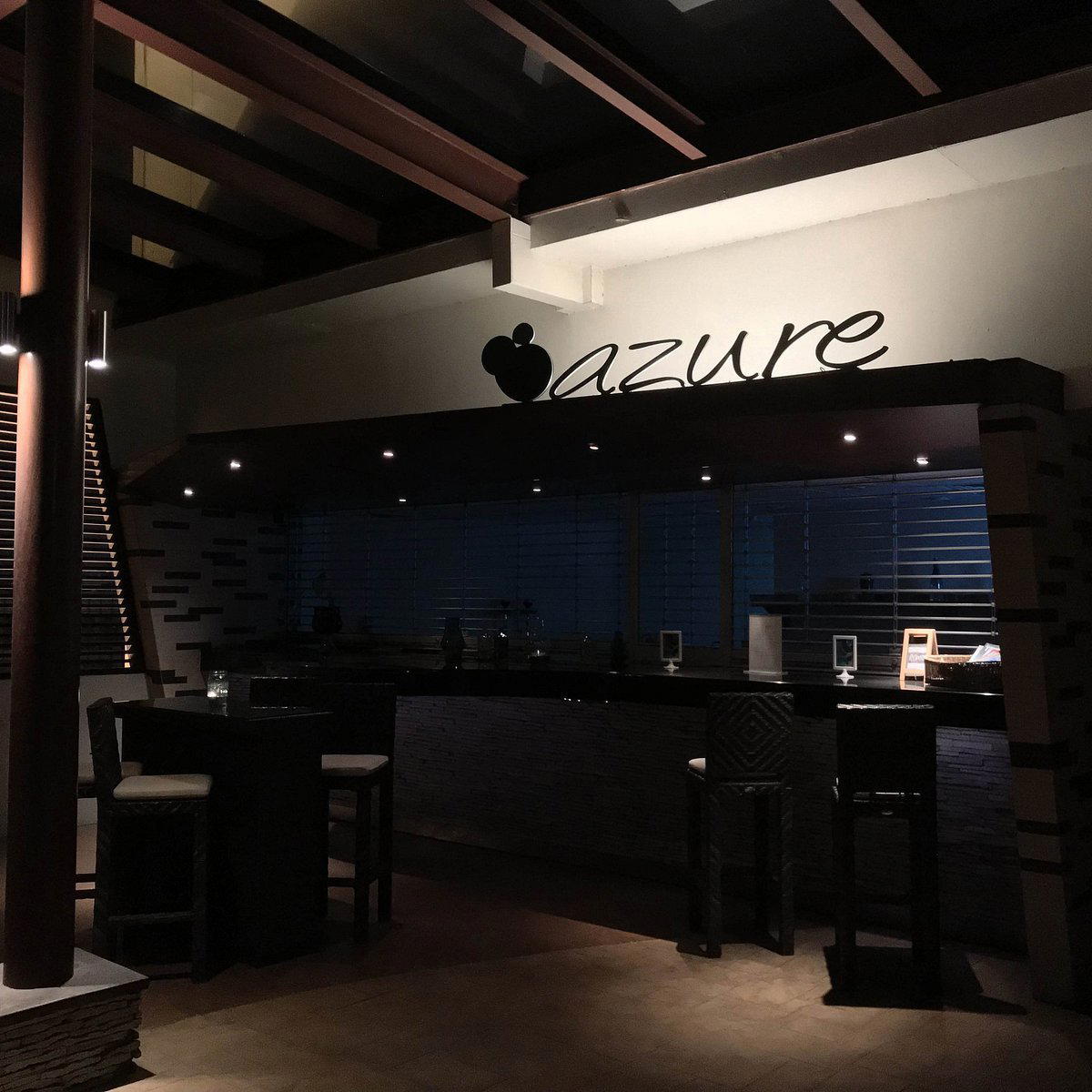
At a Glance
- Elegant
- Sophisticated
- Scenic
- Date Night
- Special Occasion
- Business Dinner
- Rooftop
- Panoramic View
- Skyline
Current opening hours
- Monday
- 12–3 PM, 6–10 PM
- Tuesday
- 12–3 PM, 6–10 PM
- Wednesday
- 12–3 PM, 6–10 PM
- Thursday
- 12–3 PM, 6–10 PM
- Friday
- 12–3 PM, 6–10 PM
- Saturday
- 12–3 PM, 6–10 PM
- Sunday
- 12–3 PM, 6–10 PM
Hours can change for holidays and private events. Last verified .
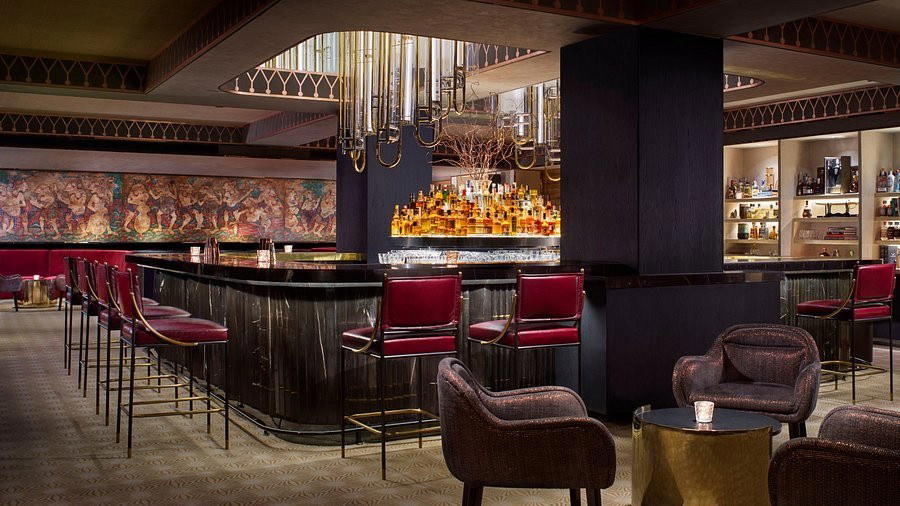
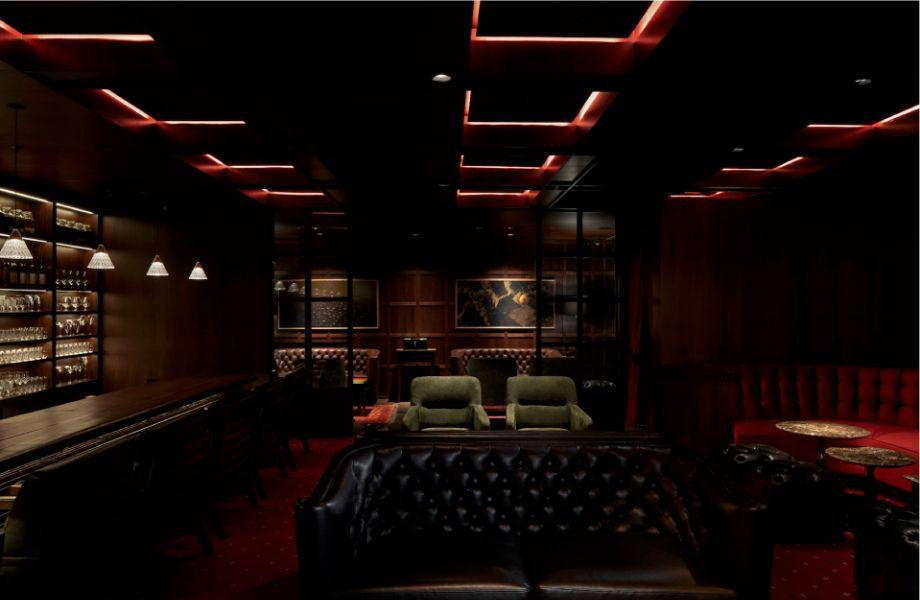
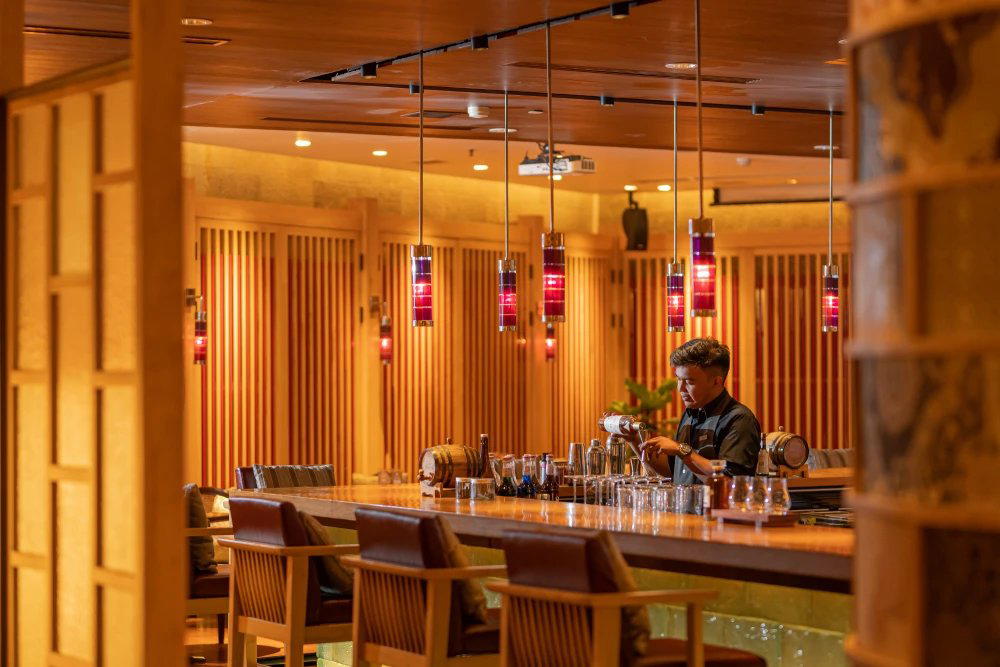
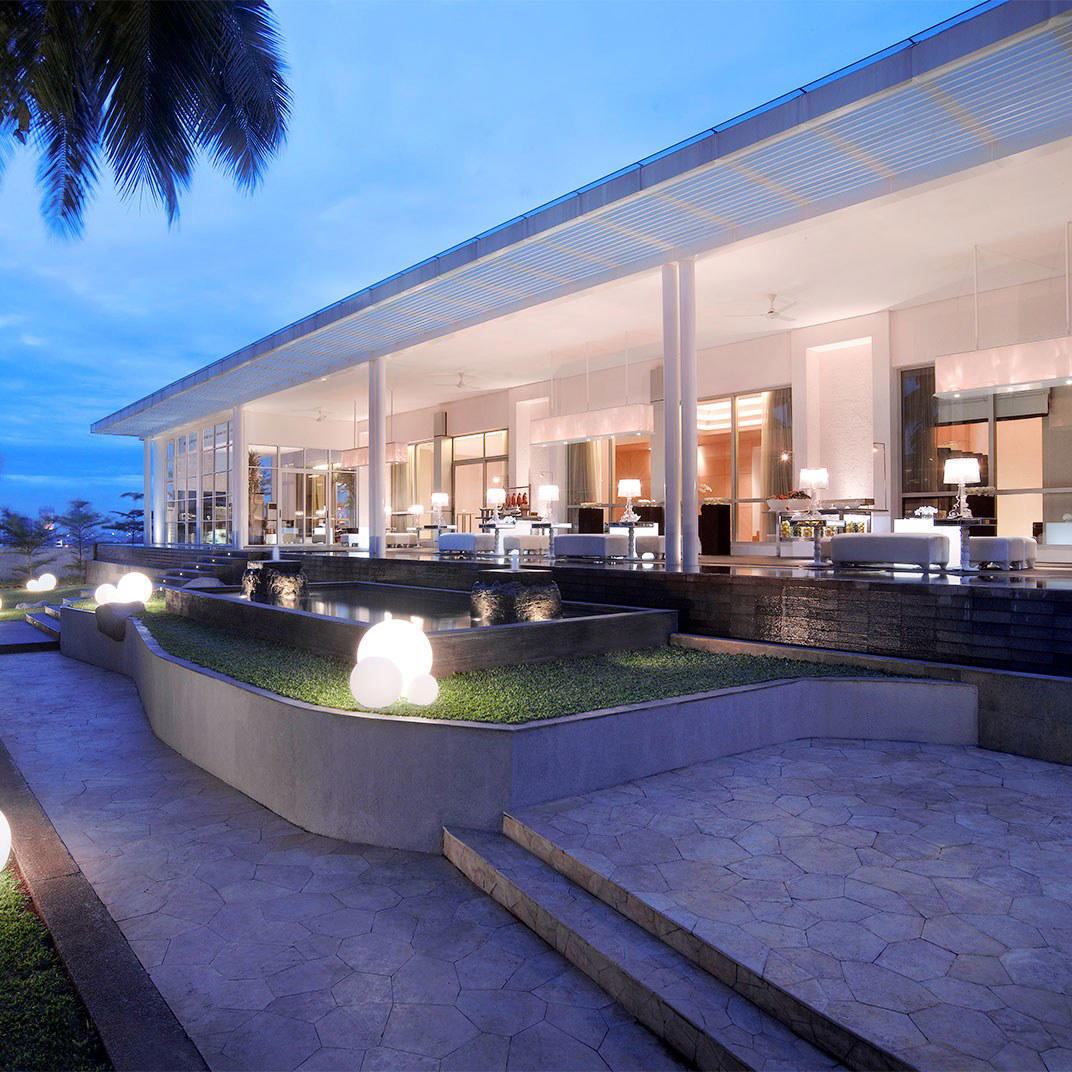
Ethereal and sophisticated with floor-to-ceiling windows framing dramatic city views and elegant lighting.