







One of only eight Ritz-Carlton Reserve properties worldwide, Mandapa occupies a stretch of the Ayung River valley in Kedewatan with 60 villas and suites designed to resemble a traditional Balinese village. Ranked 50th on the World's 50 Best Hotels list (2025) and awarded 98.5 points by La Liste Top Hotels (2026), it sits at the upper tier of Ubud's luxury accommodation market, where landscape integration and personal service define the competitive set.
Pearl is the En Primeur Club membership app — saves, bookings, and concierge access live there. Same editors, same standards.
- Address
- Jl. Raya Kedewatan, Kedewatan, Kecamatan Ubud, Kabupaten Gianyar, Bali 80571
- Phone
- +62 361 4792777
- Website
- ritzcarlton.com
- Directions
- Get directions
 Saves & bookings on Pearl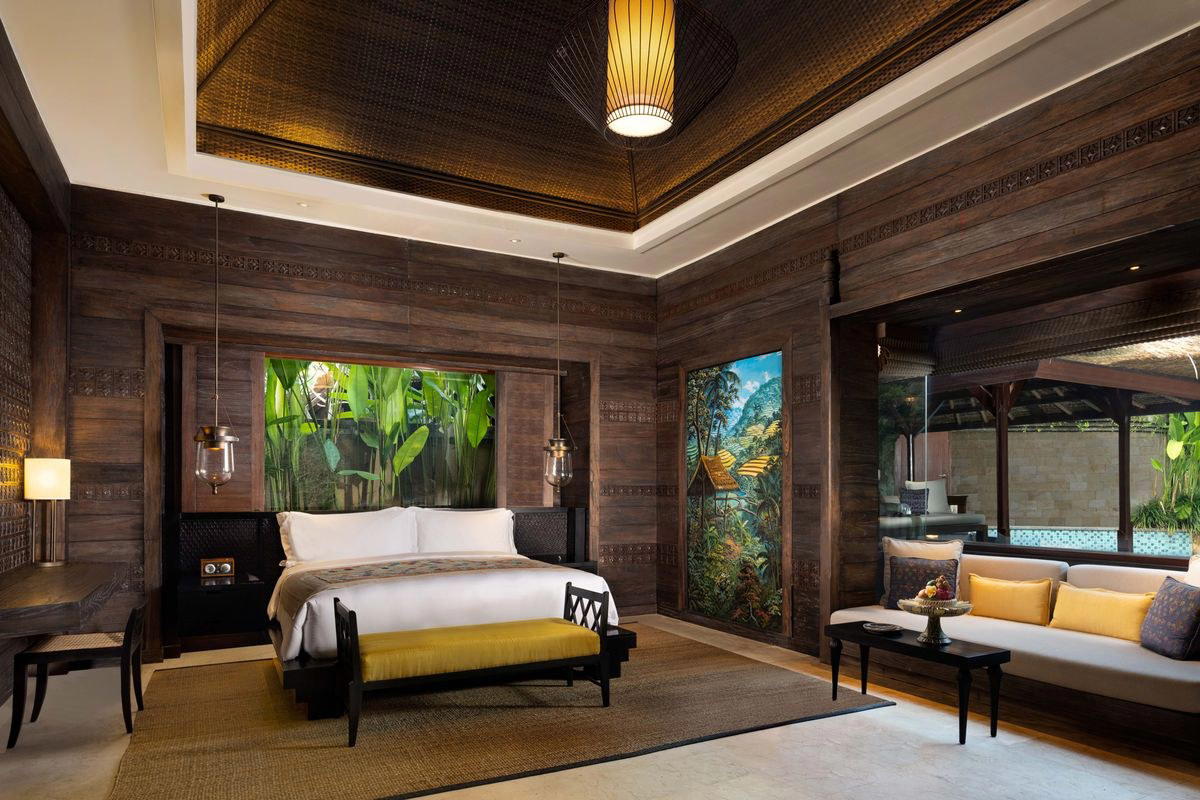
Arriving at the River's Edge
The approach to Mandapa, a Ritz-Carlton Reserve follows the kind of sequence that Ubud's premium properties have long understood as foundational: the noise of the main road drops away, the tree canopy thickens, and by the time a traditional Balinese gong marks your arrival, the Ayung River's current is already audible below. Mandapa's opening ritual, local herbal drink, gong strike, personal butler introduction, draws on longstanding Balinese ceremony. The Sanskrit word mandapa describes a temple pavilion, a place for rest and contemplation, and the property's designers, Asia-based DesignWilkes, have taken that reference seriously rather than decoratively.
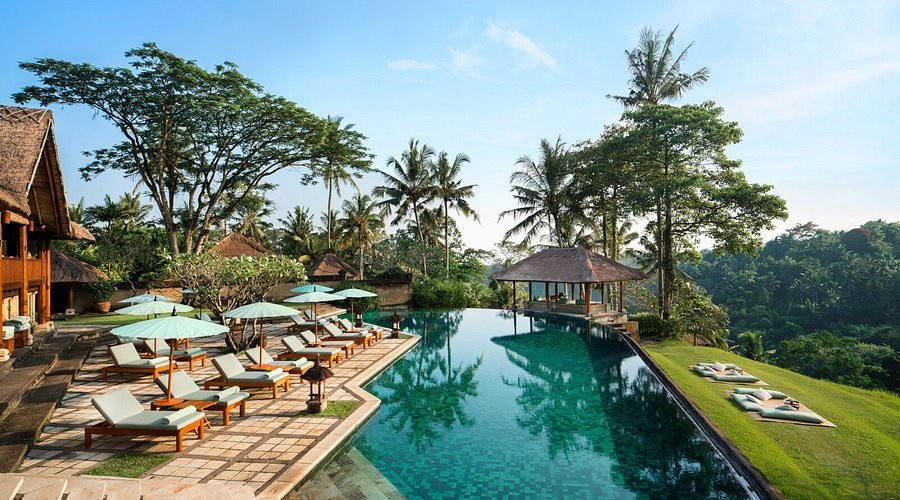
Ubud's premium hotel tier has expanded considerably over the past two decades. Properties like Amandari, Four Seasons Resort Bali at Sayan, and Capella Ubud, Bali occupy the same general tier, each staking a distinct position: Aman's restraint and sightlines at Amandari, the Sayan ridge's drama at Four Seasons, the tented glamping format at Capella. Mandapa's position in that set is defined by village-scale intimacy, 60 keys across 35 suites and 25 pool villas, combined with Ritz-Carlton's service infrastructure. That combination placed it at number 50 on the World's 50 Best Hotels list in 2025.
The Ritual of the Meal
Bali's food culture is inseparable from its ceremonial life. Rice is not simply a staple here; it carries spiritual significance that shapes how meals are sequenced, offered, and consumed. The white rice grown in the paddies surrounding Mandapa forms the base of nearly every Indonesian dish served across the property's four dining venues, accompanied by the layered spice combinations, turmeric, galangal, lemongrass, shrimp paste, that distinguish Balinese cooking from the broader Indonesian canon.
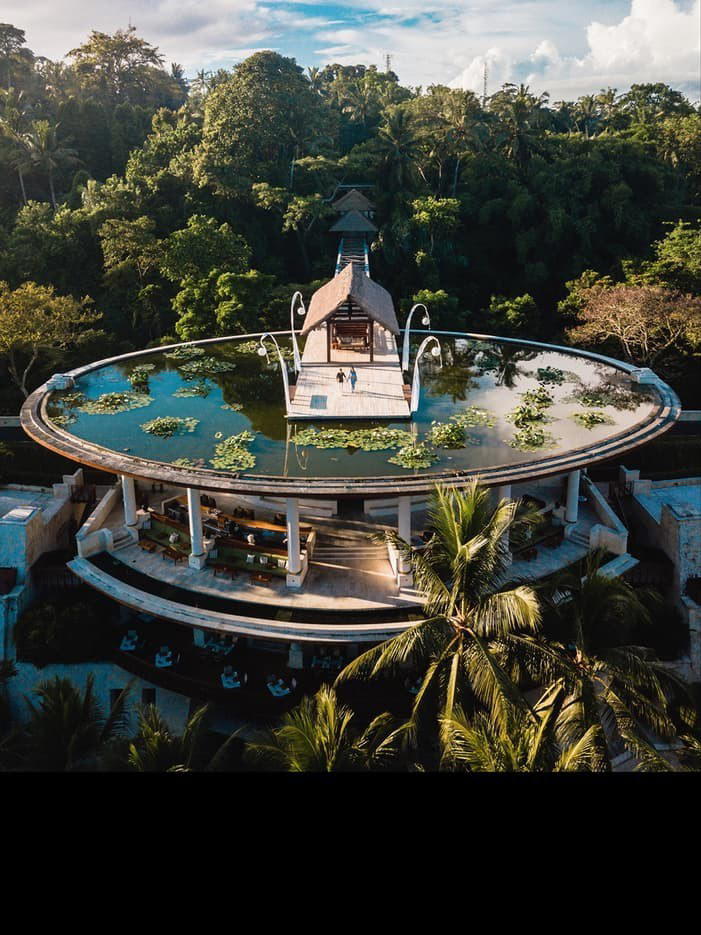
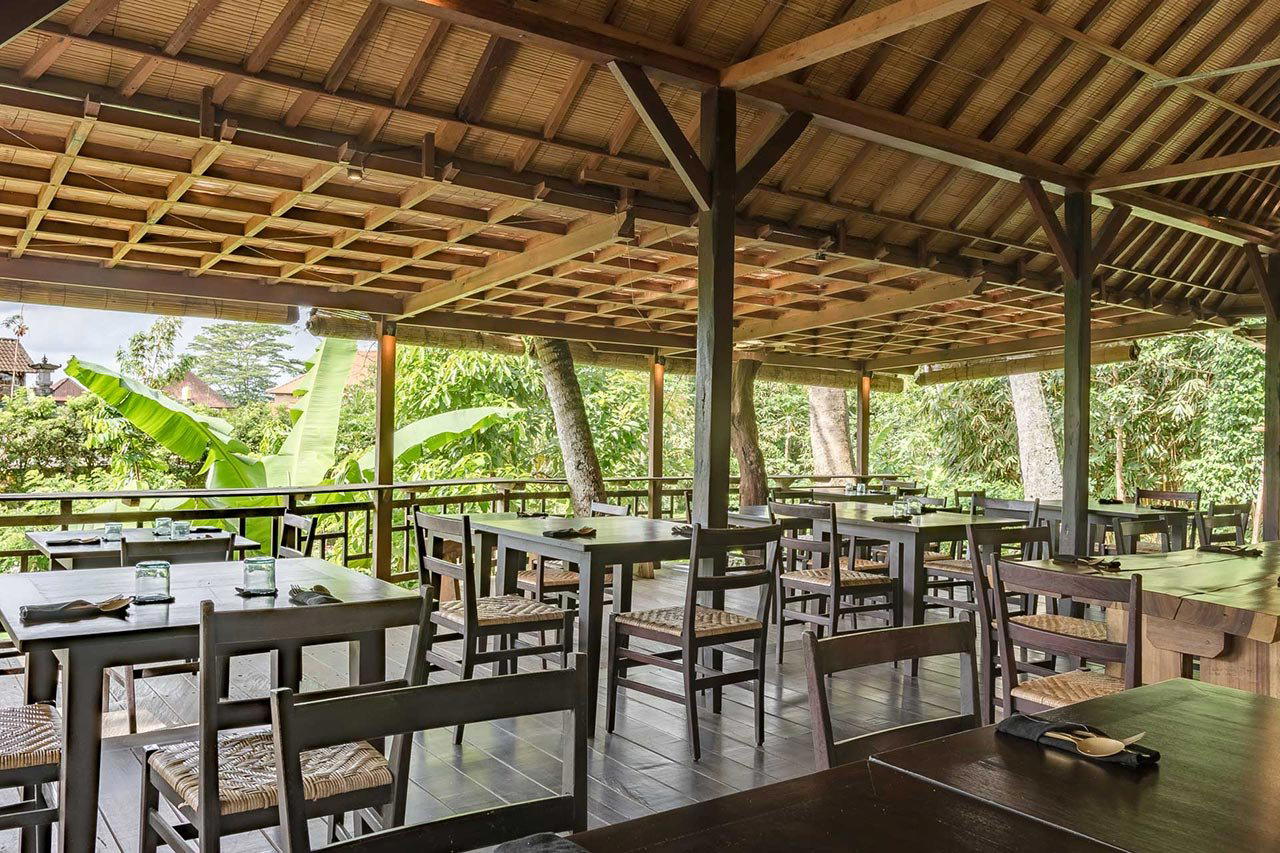
Where Mandapa distinguishes itself from other luxury properties in the Ubud dining tier is through its Dining Beyond format, which relocates the meal itself to the surrounding landscape. Guests can choose to eat at the river's edge or in the middle of the rice paddies, or have a meal prepared directly in their villa. The execution here is specific: the rice paddy setting connects the food being served to the agricultural system producing its primary ingredient. That closed loop is something that properties in more manicured or cliff-leading positions cannot easily replicate.
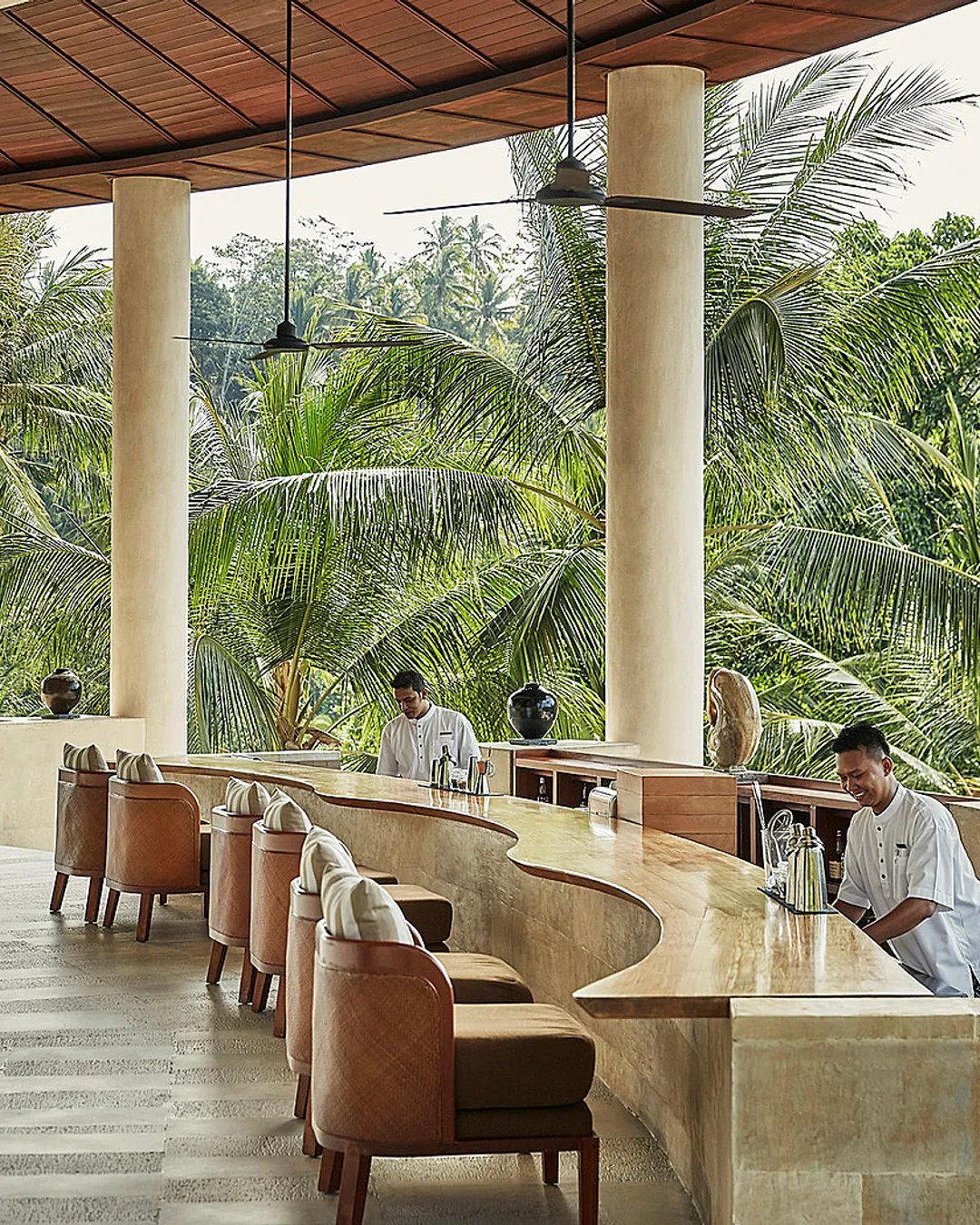
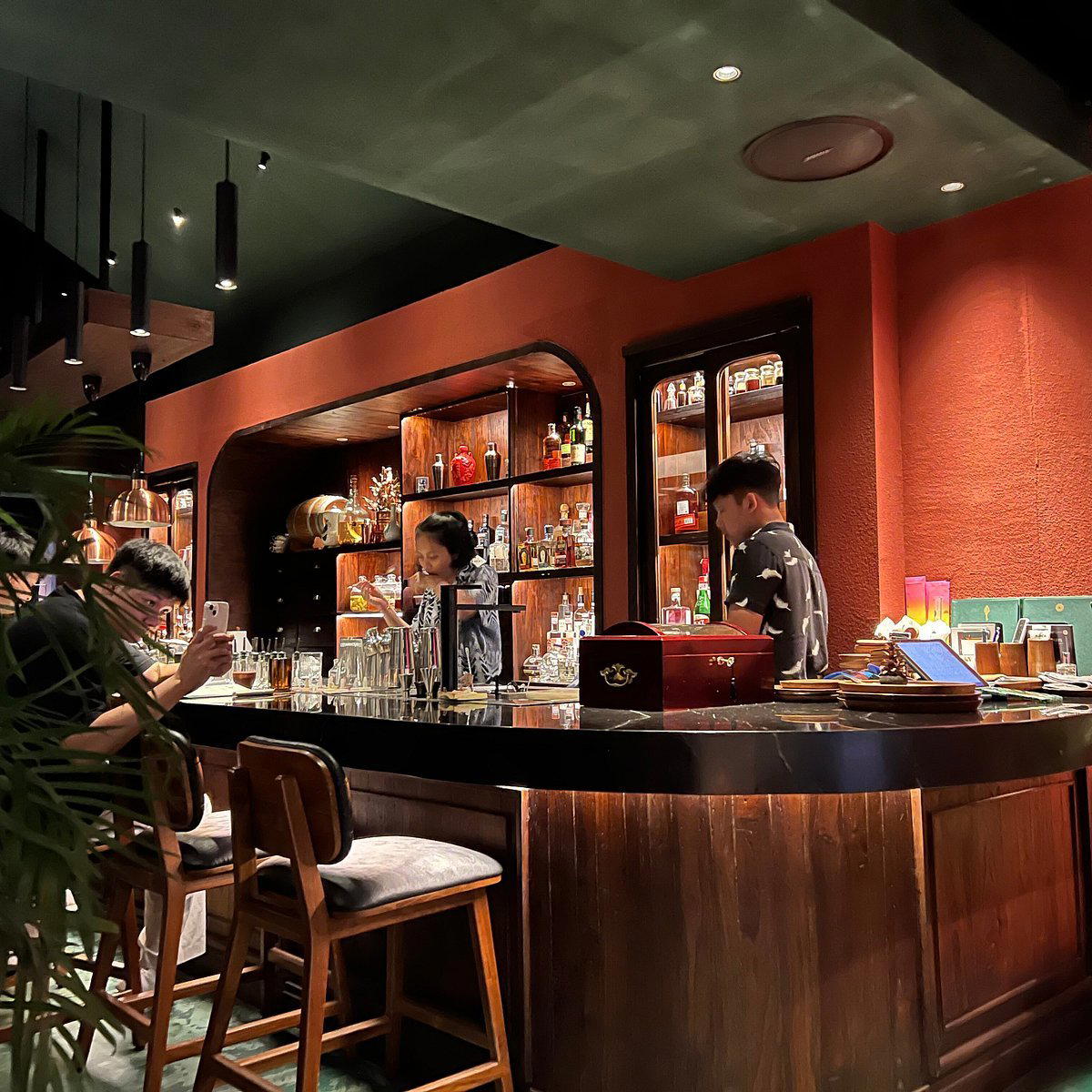
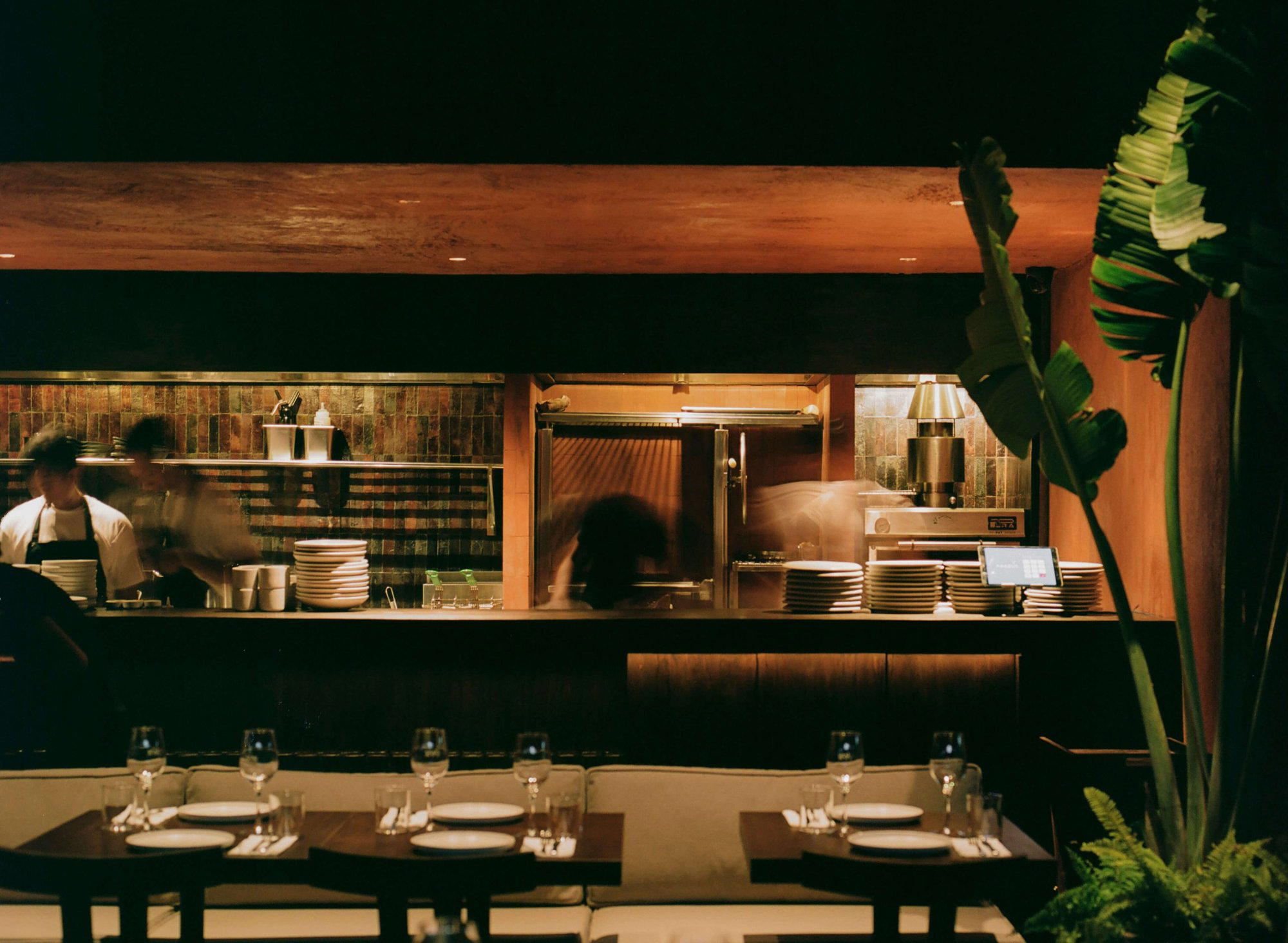
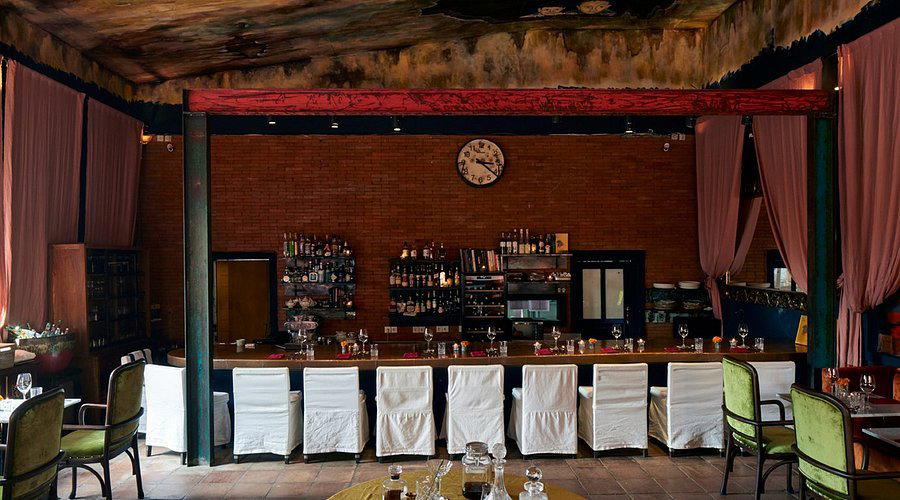
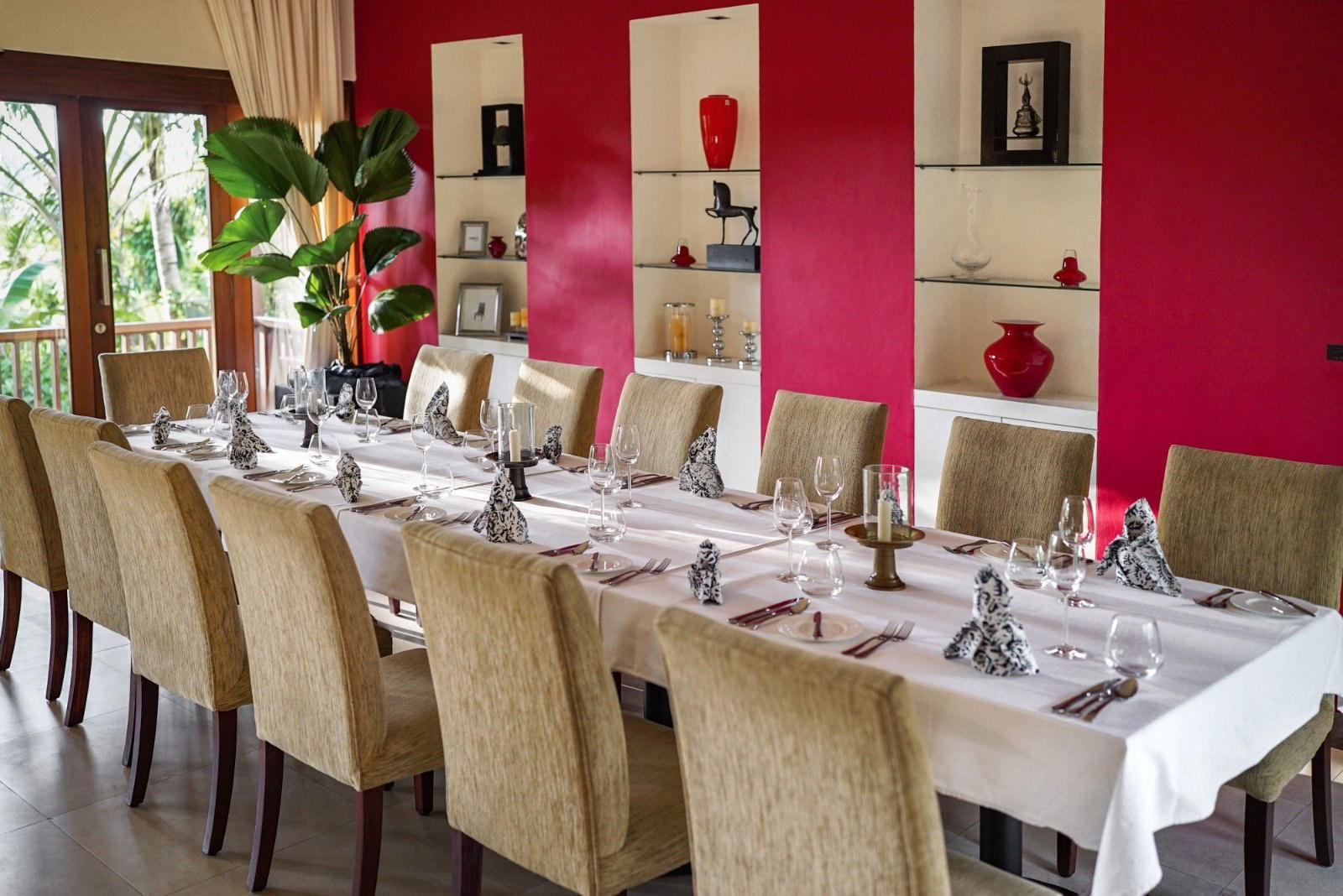
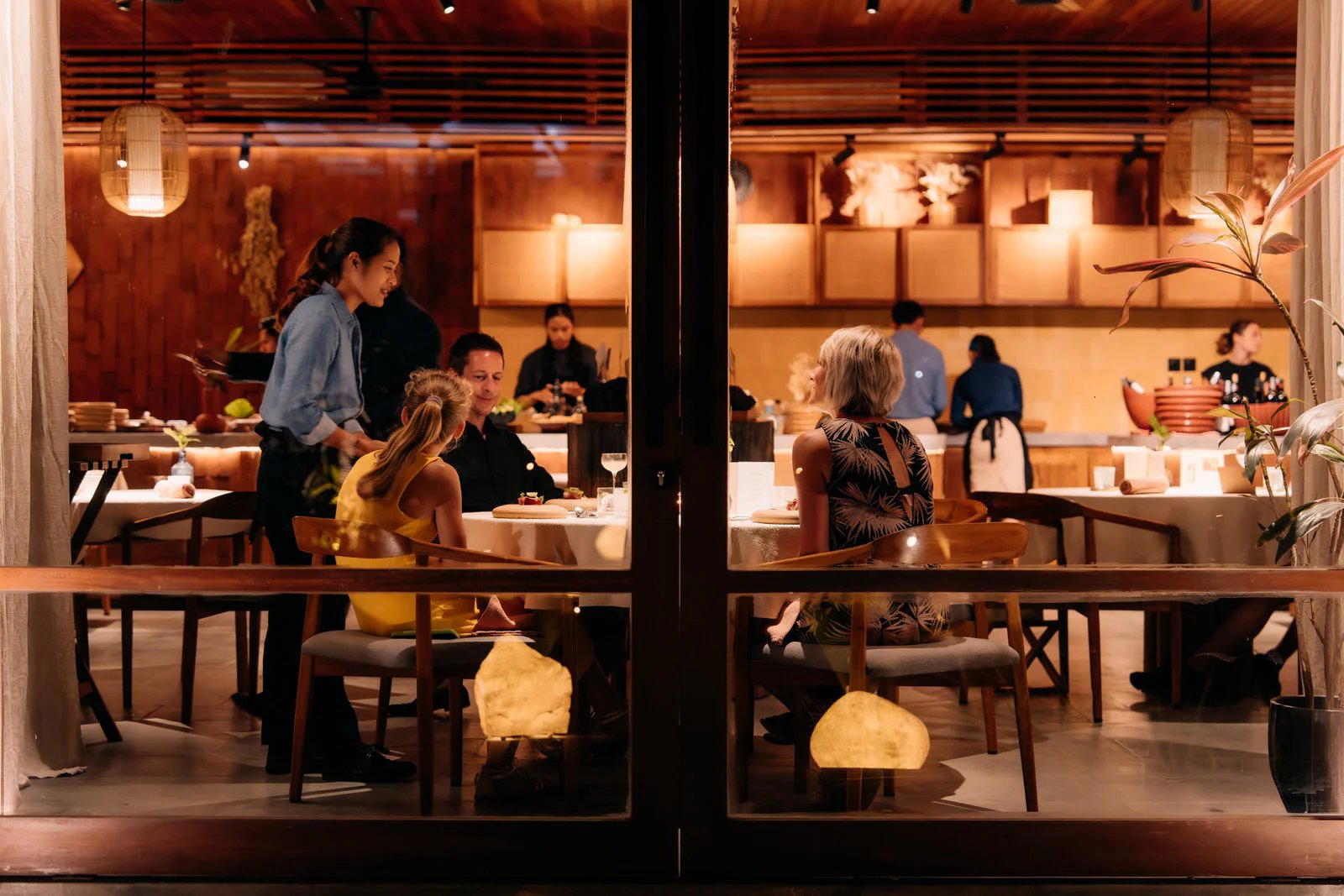
For those eating within the built environment, the four distinct dining venues cover the range from Indonesian regional cooking to international formats, structured to accommodate the pacing preferences of guests who are, by design, encouraged to slow down. In Balinese temple culture, the pavilion is a transitional space between the secular and sacred. The property applies that same rhythm to the meal.
What the 60 Keys Actually Mean
The constraint of 60 villas and suites is a deliberate one. In a market where larger luxury resorts routinely exceed 100 or 150 keys, the sub-60 ceiling at Mandapa, and at other COMO Shambhala Estate-tier competitors, signals a particular service philosophy: the ratio of staff to guests remains high, the property feels occupied rather than crowded, and the personal butler model, one per villa or suite for the duration of the stay, is actually deliverable.
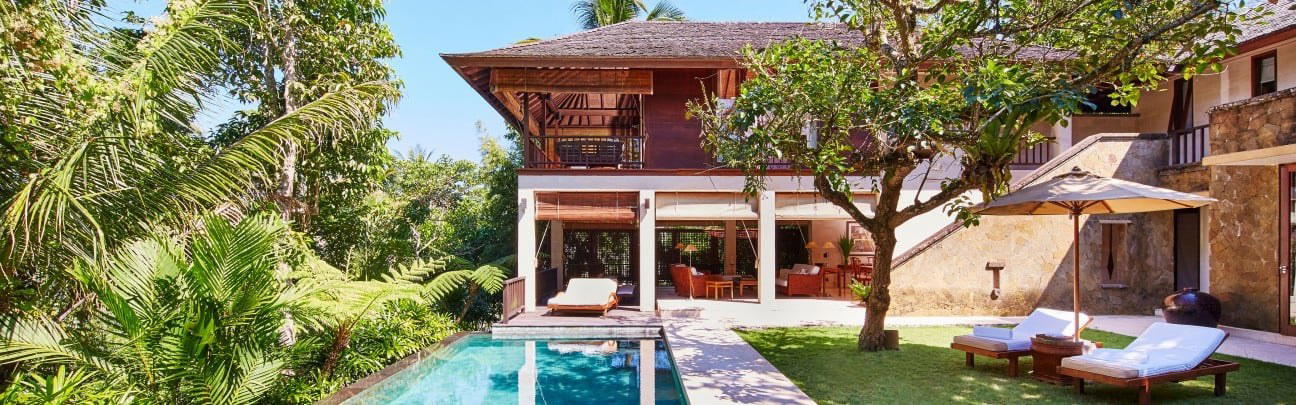
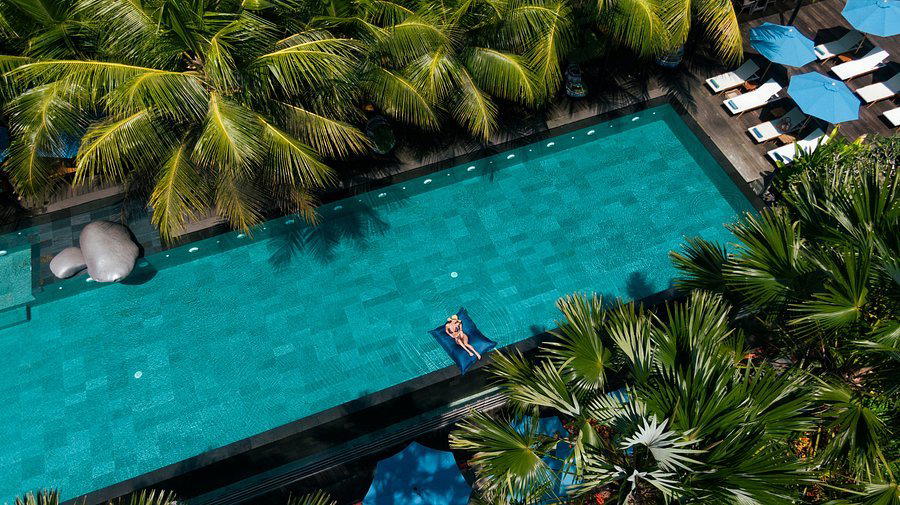
The room categories break into three distinct types. Reserve Suites at 1,075 square feet include marble soaking tubs, private patios with rice paddy views, and traditional Balinese décor in wood and natural materials. Mandapa Suites step up to 1,560 square feet, with 180-degree views across rainforest and paddy. The Pool Villas sit along the Ayung River with private gardens and swimming pools; the three-bedroom villa configuration adds a fully equipped kitchen, outdoor shower, separate dining and living areas, and a private pool of 1,850 square feet. Every room contains an original Balinese painting by a local artist, a detail that distinguishes the property's approach to local craft from the decorative gestures common in international luxury chains. Published rates begin at $800 per night.
Among Ubud's property tier, the pool villa configuration along the river is among the more spatially generous. Bisma Eight Ubud and COMO Uma Ubud operate in a lower key count but at different price points and with different landscape orientations. Mandapa's river-facing villas, where the sound of the Ayung is constant, represent one sought-after category.
Beyond the Property Boundary
Ubud's position in Bali's tourism geography is specific: it is the island's arts and crafts centre, a district defined by intricately carved temples, working rice terraces, and a creative class that has been drawing international visitors since the 1930s. The area around Kedewatan, where Mandapa sits, is quieter than Ubud's town centre, which is a relevant practical point, the property is a drive from the central market and gallery district, but the separation also means the grounds remain calm.
The Ayung River below the property is not purely scenic. Mandapa's rafting program uses the river actively, taking guests through the bends and rapids before depositing them at the property's private jetty, where a buggy completes the return, avoiding the hundred-stair climb that would otherwise end the experience on a less graceful note. The spa operates eight treatment rooms and includes access to a Balinese healer, a Balian, whose practice draws on generational knowledge.
For families, Mandapa Camp provides structured children's programming grounded in the local environment: organic gardening, Balinese kite flying, rice paddy exploration, and nature walks. This is a meaningful differentiator in a market where children's activities at luxury properties tend toward generic recreation.
For wellness-focused alternatives in the region, Gdas Bali Health and Wellness Resort and Chapung Sebali occupy adjacent niches. Further afield in Indonesia, properties like Nihi Sumba in Sumba and Hotel Komune and Beach Club Bali in Gianyar represent the island-hopping range of the regional luxury tier, while Alila Villas Uluwatu in Uluwatu anchors the southern Bali cliffside segment. For travellers comparing Ritz-Carlton Reserve properties against the Aman network internationally, Aman New York in New York City and Aman Venice in Venice illustrate how differently the two brands interpret the same service ambition across contexts.
Planning a Stay
Mandapa, a Ritz-Carlton Reserve is located at Jl. Raya Kedewatan, Kedewatan, Kabupaten Gianyar, Bali 80571, accessible via Ngurah Rai International Airport in Denpasar, approximately 45 minutes to an hour's drive depending on traffic.
A Credentials Check
Comparable venues nearby, for context on price, style, and recognition.
| Venue | Cuisine | Price | Awards | Notes |
|---|---|---|---|---|
| Mandapa, a Ritz-Carlton ReserveThis venue — the venue you are viewing | Contemporary luxury resort designed as a traditional Balinese village with sustainable materials and eco-conscious architecture honoring local customs. | $$$$ | Michelin 3 Key | Not listed |
| Capella Ubud, Bali | luxury tented camp in rainforest | $$$$ | Michelin 1 Key | Tegallalang |
| Viceroy Bali | luxury villa resort with Balinese architecture and modern comforts | $$$$ | Michelin 1 Key | Ubud |
| Four Seasons Resort Bali at Sayan | Contemporary Balinese resort with dramatic cantilevered design | $$$$ | Michelin 1 Key | Sayan |
| Amandari | Balinese village-style resort set in rice terraces overlooking Ayung River gorge | $$$$ | Michelin 1 Key | Kedewatan |
| COMO Shambhala Estate | Wellness-focused residential retreat with private villas and suites | $$$$ | Michelin 1 Key | Ubud |
Recognition history
Dated appearances from independent guides and award organizations, with the underlying list record or original source where available.
Fodor's Most Incredible Hotels in the World
Fodor's
Forbes 5-Star
Forbes
La Liste Top Hotels
La Liste
Travel + Leisure 100 Favorite Hotels in the World #45 · No. 45
Travel + Leisure · 2026 Travel + Leisure 100 Favorite Hotels in the World
Virtuoso Luxury Hotel Partner
Virtuoso
Forbes 5-Star
Forbes
Michelin 3 Keys
Michelin
Tatler Listed in Best Hotels Asia-Pacific
Tatler
Travel + Leisure 100 Favorite Hotels in the World #13
Travel + Leisure
World's 50 Best Best Hotels #50
World's 50 Best
At a Glance
- Romantic
- Scenic
- Elegant
- Sophisticated
- Honeymoon
- Romantic Getaway
- Wellness Retreat
- Anniversary
- Private Villa
- Butler Service
- Destination Spa
- Garden
- Waterfront
- Panoramic View
- Private Dining
- Wi Fi
- Pool
- Spa
- Fitness Center
- Room Service
- Concierge
- Kids Club
- Restaurant
- Bicycle Rental
- Business Center
- Garden
- Waterfront
- Mountain
- Wi Fi
- Pool
- Spa
- Fitness Center
- Room Service
- Concierge
- Kids Club
- Restaurant
- Bicycle Rental
- Business Center
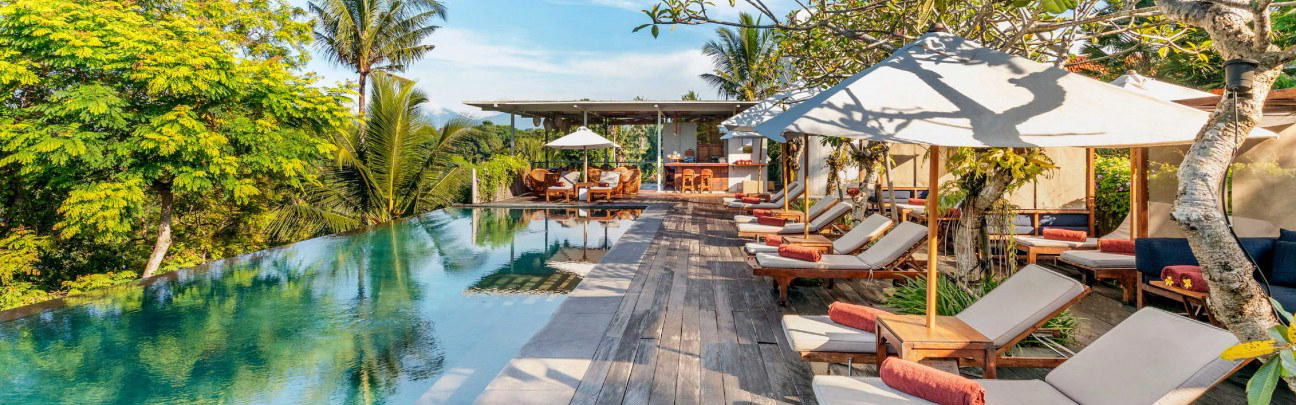
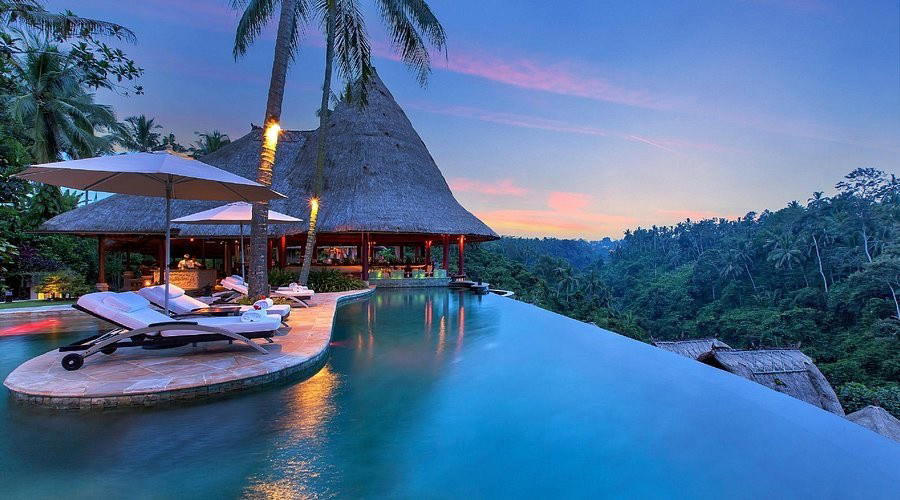
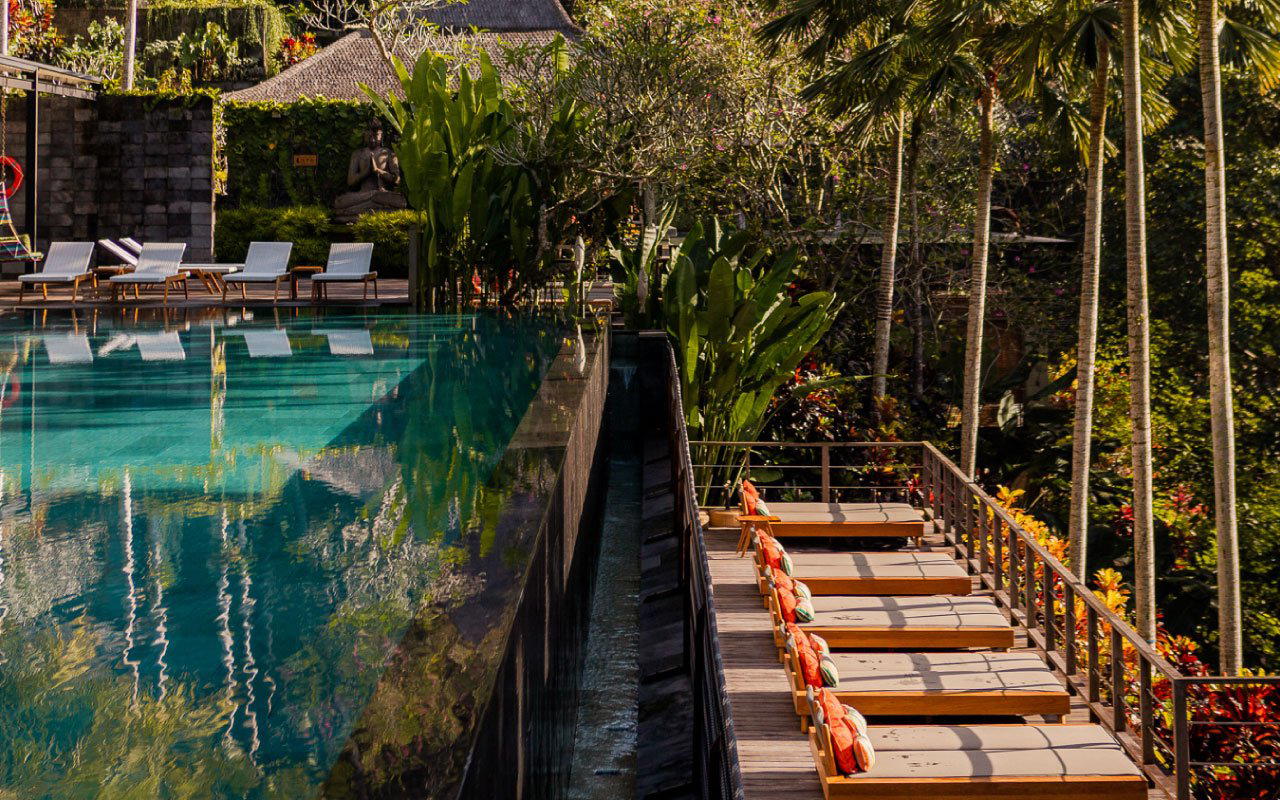
Serene and luxurious with natural lighting from floor-to-ceiling windows, lush tropical gardens, river views, and peaceful rice paddy vistas creating a tranquil retreat atmosphere.