Mamasan Bali
Mamasan Bali sits on Jalan Raya Kerobokan in the heart of Kerobokan Kelod, positioning itself within Bali's most concentrated stretch of serious drinking establishments. The bar draws a crowd that moves between the neighbourhood's design-led venues and expects depth behind the counter, not just a cocktail list built for Instagram. Kerobokan's bar scene has matured considerably, and Mamasan operates at its more considered end.
Pearl is the En Primeur Club membership app — saves, bookings, and concierge access live there. Same editors, same standards.
- Address
- Jl. Raya Kerobokan No.135, Kerobokan Kelod, Kec. Kuta Utara, Kabupaten Badung, Bali 80361, Indonesia
- Website
- mamasanbali.com
 Saves & bookings on Pearl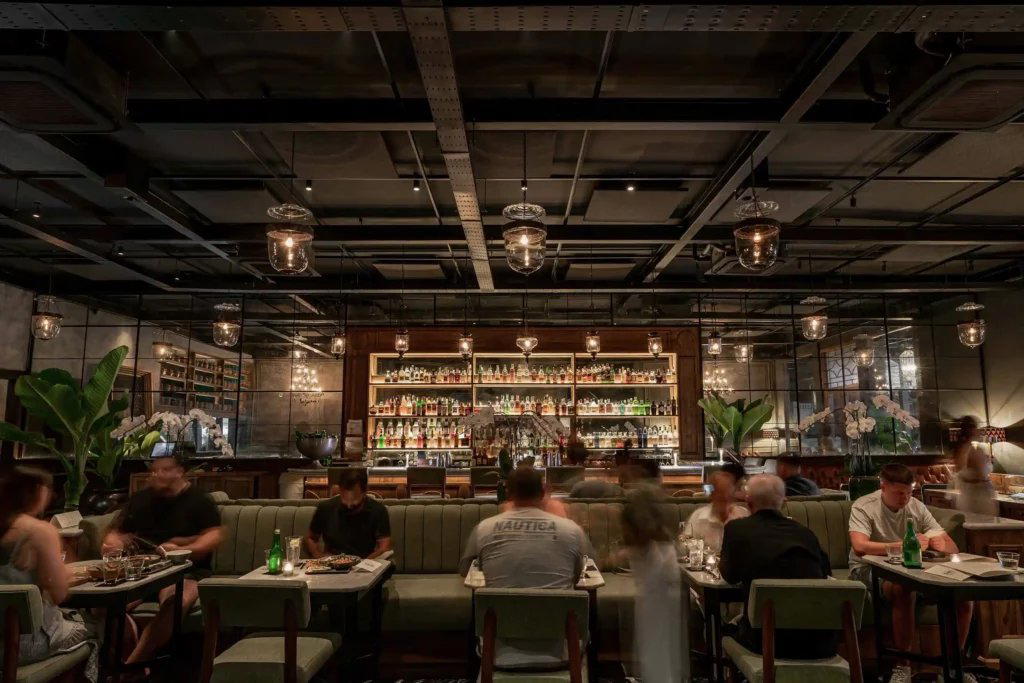
Kerobokan's Bar Strip and Where Mamasan Sits in It
Jalan Raya Kerobokan runs through one of Bali's most densely packed corridors of bars, restaurants, and design-led venues. The strip has developed over the past decade from a secondary dining destination into a genuine alternative to Seminyak's louder, more tourist-facing strip. The bars that have settled along this stretch tend to attract a crowd that knows the difference between a back bar assembled for aesthetics and one stocked with intention. Mamasan, at number 135, sits inside that more considered tier.
The physical address places Mamasan in Kerobokan Kelod, administratively part of Kuta Utara within Kabupaten Badung. That positioning matters in practical terms: it sits close enough to Seminyak to draw from its dining traffic while operating at a slightly different tempo, away from the beachfront clubs that define the southern end of the luxury leisure corridor. Venues like Ku de Ta in Seminyak and Bikini Restaurant Bali in Badung occupy the louder, higher-volume end of that corridor. Mamasan operates at a different register.
The Editorial Angle: Back Bar as Argument
Across Southeast Asia, a generation of bars has moved away from the tropical cocktail template, where drinks are sweet, colourful, and assembled from whatever local spirits happen to be available. The more serious operations have instead built programs around curation: rare bottles sourced from specific distilleries, spirits arranged by region and style, bartenders who can discuss provenance rather than simply mix. This shift mirrors what happened in London and New York roughly a decade earlier, when the back bar stopped being wallpaper and became the actual point of the visit.
Kerobokan has its own version of this evolution. Venues like Métis and Si Jin represent the neighbourhood's more curated end, each with a back bar that functions as editorial statement rather than supply list. Mamasan belongs to this cohort. The question worth asking of any serious bar in this part of Bali is not simply what cocktails it makes, but what the selection behind the counter signals about the ambition of the program.
For comparison, bars operating in this register elsewhere in the Pacific and beyond, including Bar Leather Apron in Honolulu and Jewel of the South in New Orleans, have built reputations primarily through the depth and coherence of their spirits selections rather than through novelty or setting alone. That model travels. The leading analogue in Indonesia's own bar circuit would be Carrots Bar in Jakarta and No. 11 (Eleven Jakarta) in South Jakarta, where the city's cocktail culture has developed a sharper technical vocabulary over recent years.
Bali's Drinking Culture: Context for the Visit
Bali's bar scene has historically been bifurcated. On one side: the beach club model, with high volume, high margins, and a crowd primarily interested in the setting. On the other: the village-bar model, low-key operations in converted shophouses serving long-stay visitors and the island's resident creative community. The middle ground, where craft cocktails meet considered ambience and something approaching a serious spirits program, has taken longer to consolidate than it has in Ubud, where The Night Rooster in Ubud has been doing the work for years, or in Gianyar, where Night Rooster in Gianyar extends that tradition.
Kerobokan's version of this middle ground is younger but developing quickly. The neighbourhood's rising rents have filtered out some of the lower-commitment operators, leaving behind venues that have had to develop a clearer point of view to justify their position. Mamasan is part of that post-filtering cohort. What distinguishes bars in this tier from the beach club operations is not price or prestige but the kind of attention they demand from a visitor willing to engage with them properly.
Whisky and aged spirits, in particular, have found a more receptive audience in Bali over the past five years, driven partly by the island's growing Japanese tourist and expat communities, who arrive with reference points from Tokyo's bar culture, and partly by a cohort of European and Australian long-term residents who have pushed local bar programs toward greater depth. A back bar with genuine range in aged whisky, rum, or cognac reads differently in this market than it would have a decade ago.
Planning the Visit
Jalan Raya Kerobokan No. 135 is accessible by ride-share from Seminyak in under ten minutes during off-peak hours, though Bali's traffic patterns make timing variable, particularly on weekends. The Kerobokan strip is leading approached as an evening destination rather than a drop-in; the bars along this stretch tend to reward visitors who arrive with time to spend rather than those passing through on a circuit. Mamasan sits at about US$25 per person.
Cost and Credentials
Comparable venues nearby, for context on price, style, and recognition.
Continue exploring
More in Banjar Badung
Bars in Banjar Badung
Browse all →
Restaurants in Banjar Badung
Browse all →
At a Glance
- Lively
- Trendy
- Sophisticated
- Elegant
- Date Night
- Group Outing
- Celebration
- Design Destination
- Lounge Seating
- Seated Bar
- Craft Cocktails
- Classic Cocktails
Current opening hours
- Monday
- 12–2:30 PM, 5:30–10:30 PM
- Tuesday
- 12–2:30 PM, 5:30–10:30 PM
- Wednesday
- 12–2:30 PM, 5:30–10:30 PM
- Thursday
- 12–2:30 PM, 5:30–10:30 PM
- Friday
- 12–2:30 PM, 5:30–10:30 PM
- Saturday
- 12–2:30 PM, 5:30–10:30 PM
- Sunday
- 12–2:30 PM, 5:30–10:30 PM
Hours can change for holidays and private events. Last verified .
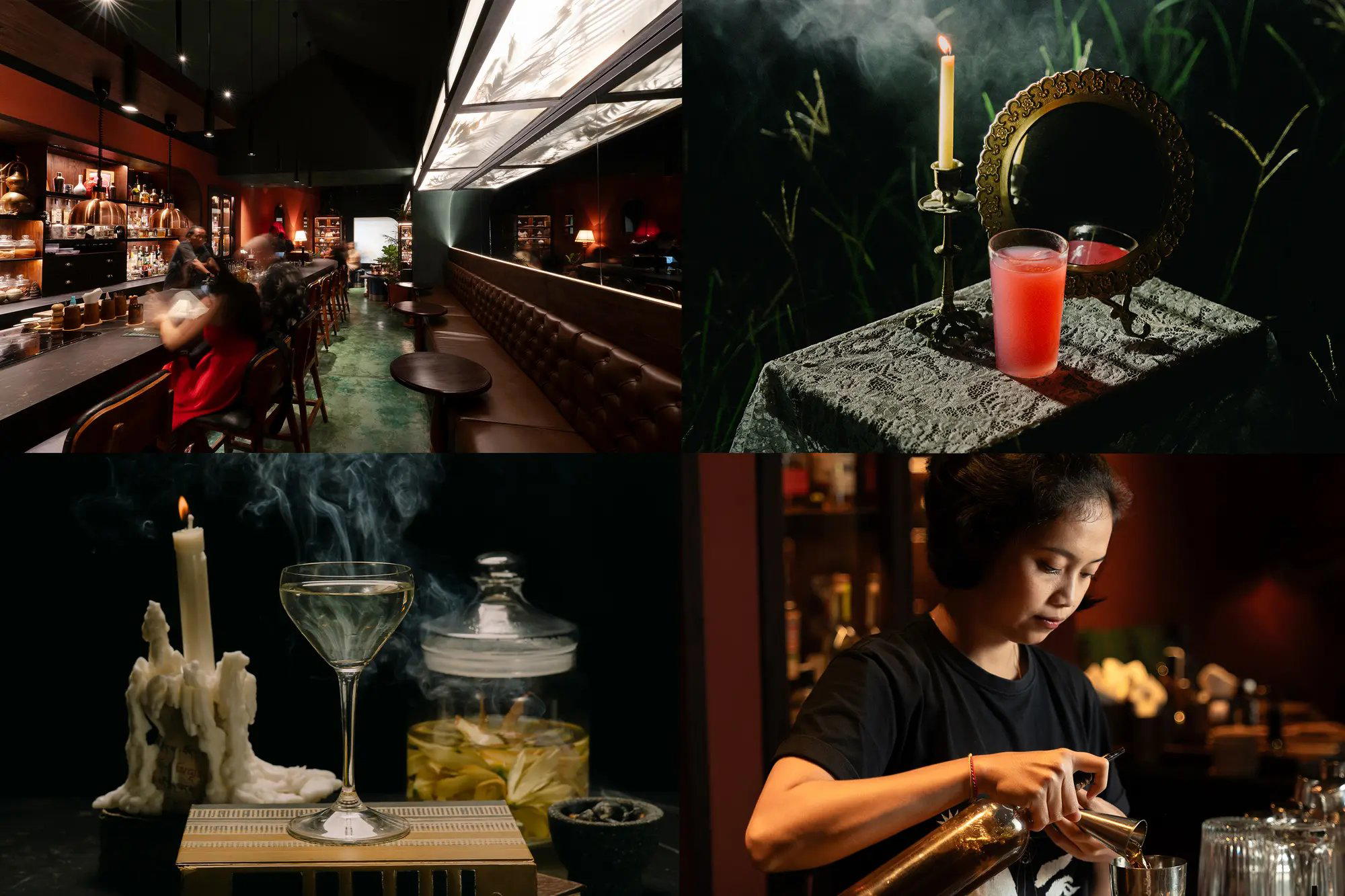
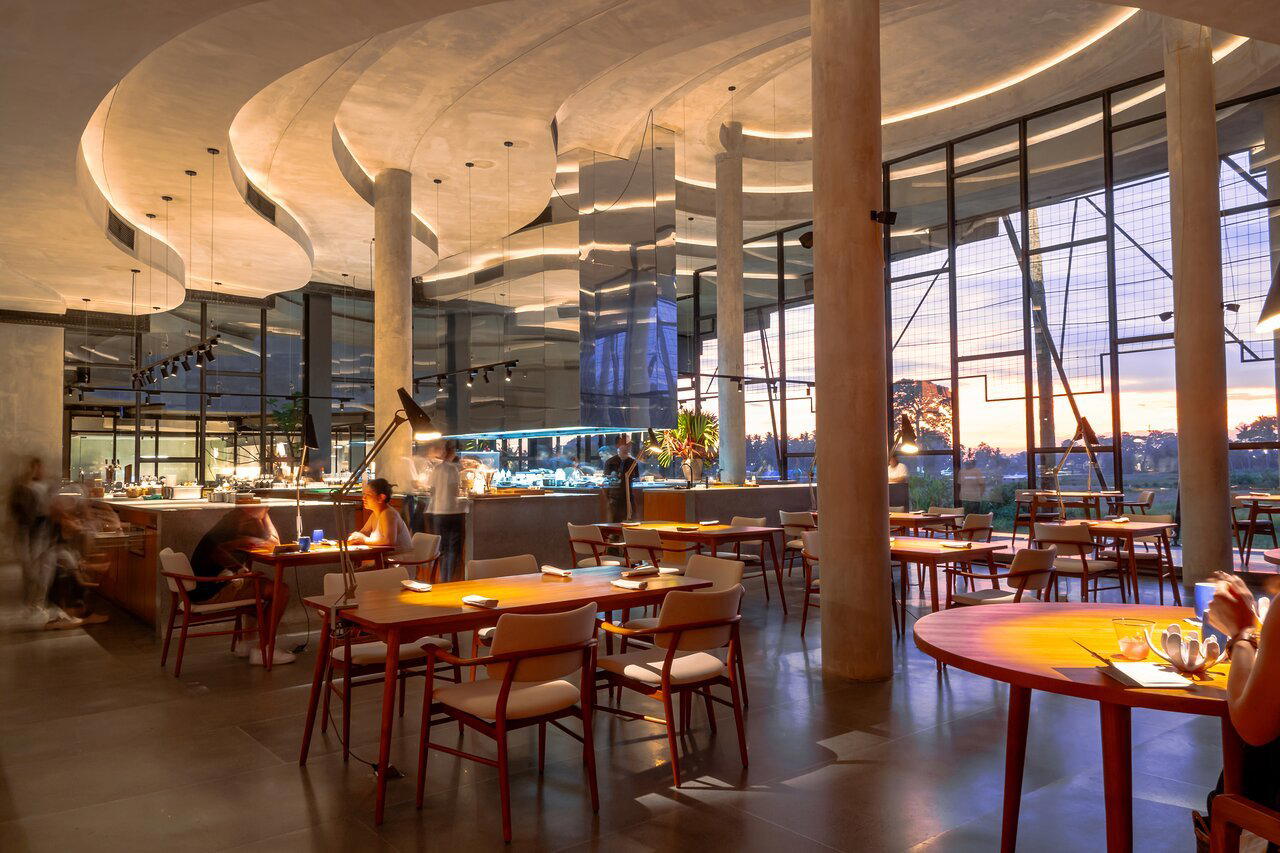
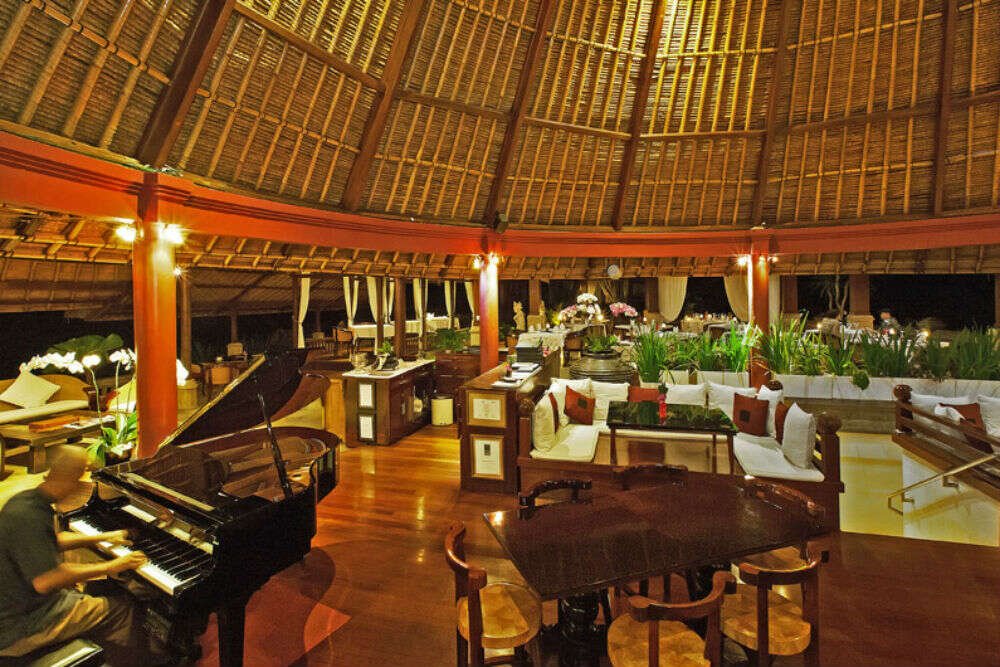
Low lighting, soft music, dark wood and vintage tile creating a high-energy yet relaxed atmosphere.