Our verdict
Perched above the Ayung River gorge in Sayan, Ubud, Four Seasons Bali at Sayan occupies a position that Bali's jungle-resort category has spent two decades trying to replicate. The property sits within Gianyar regency's most architecturally celebrated hospitality corridor, drawing guests who treat the resort's dining and wellness programming as the primary event rather than a backdrop to sightseeing.

Pearl is the En Primeur Club membership app, where members save venues, book tables and use the concierge.
The menu
What to order
- Bebek Betutu
- Babi Guling
- Rendang Sapi
- Kalio Udang
Where the Ayung Gorge Sets the Terms
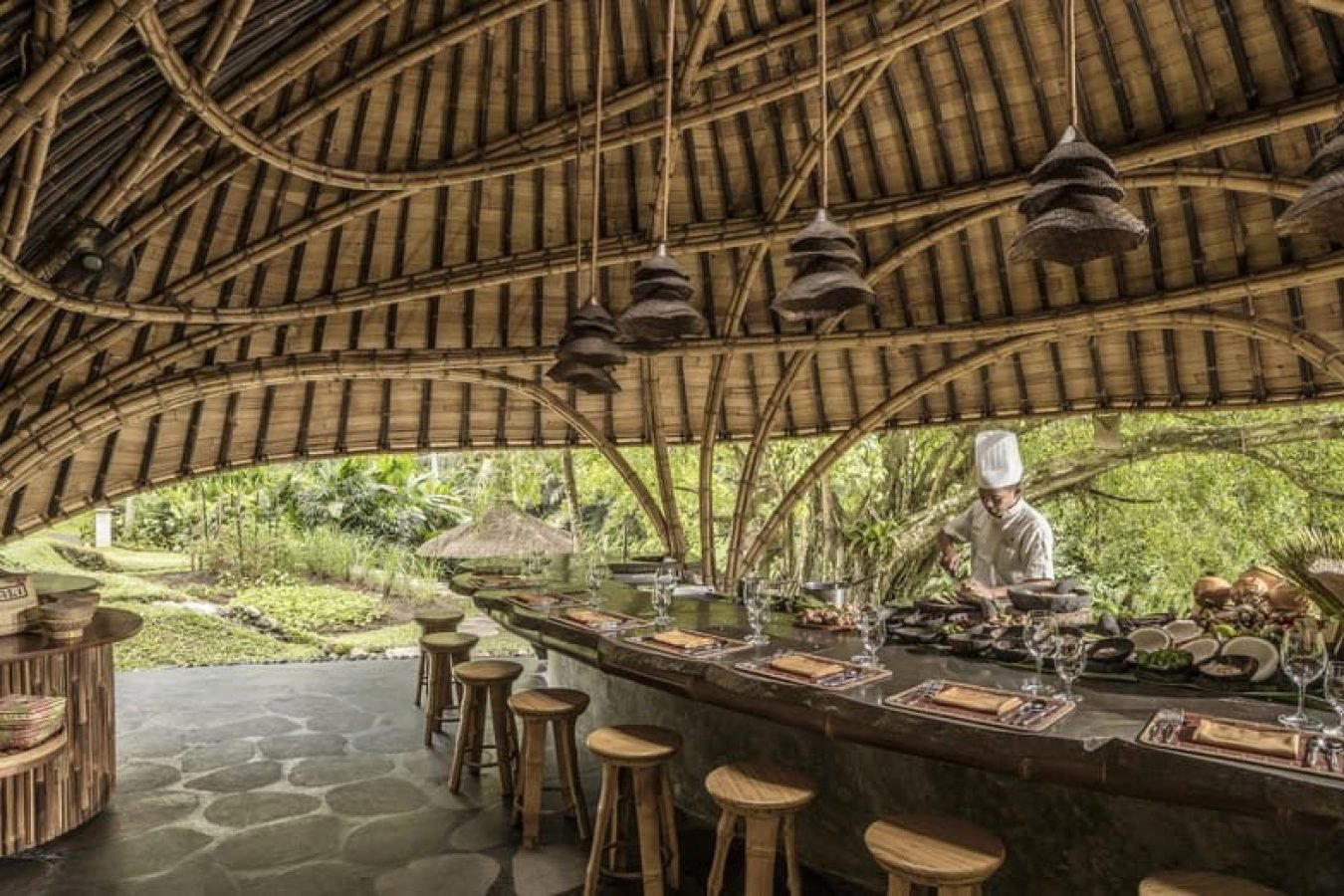
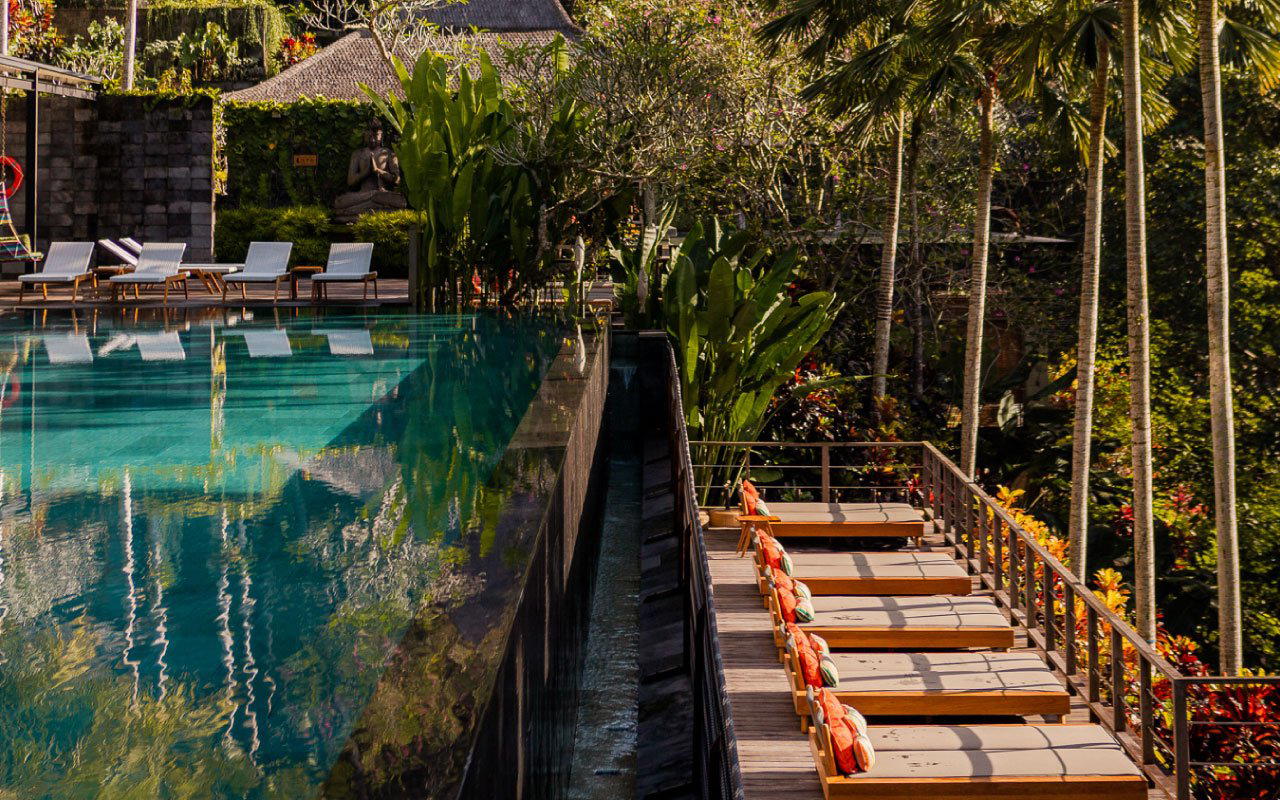
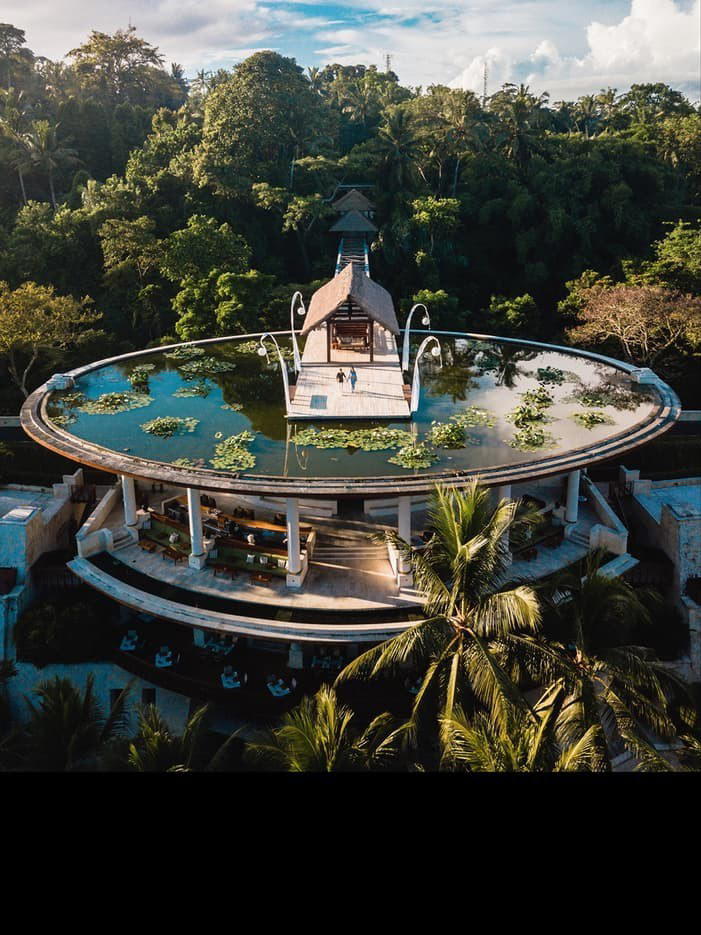
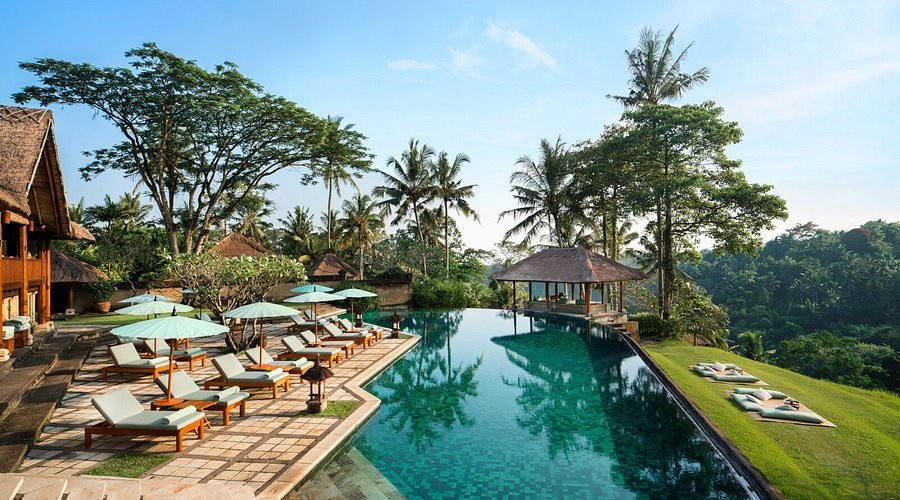
Bali's luxury resort market divides along a clear fault line: properties that use the island's landscape as scenery, and those whose architecture submits to it. Four Seasons Bali at Sayan belongs to the second category. Positioned above the Ayung River in Sayan village, a few kilometres northwest of central Ubud, the property occupies a tiered site that descends toward the gorge rather than imposing itself above it. The approach, crossing a narrow footbridge above a lotus pond before the reception reveals itself, signals immediately that the logic here is spatial compression and natural immersion, not grand-hotel scale. This is the design language that Bali's premium jungle segment has been working from since Sayan helped establish it.
Gianyar regency's hospitality corridor, which stretches from Ubud's gallery-dense centre toward the rice-terrace villages to the north, has produced a particular kind of guest expectation: that the property itself will function as cultural and sensory programming. Restaurants elsewhere in Gianyar, from the Balinese-roast specialists at Babi Guling Ibu Oka 1 to the duck-focused institution Bebek Bengil (Dirty Duck Diner), draw heavily on Balinese culinary tradition as their primary identity. The Four Seasons at Sayan operates from a different position: its dining sits inside a resort ecosystem where service choreography, setting, and a multi-disciplinary team dynamic shape the experience as much as what arrives on the plate.
The Collaborative Architecture of the Dining Program
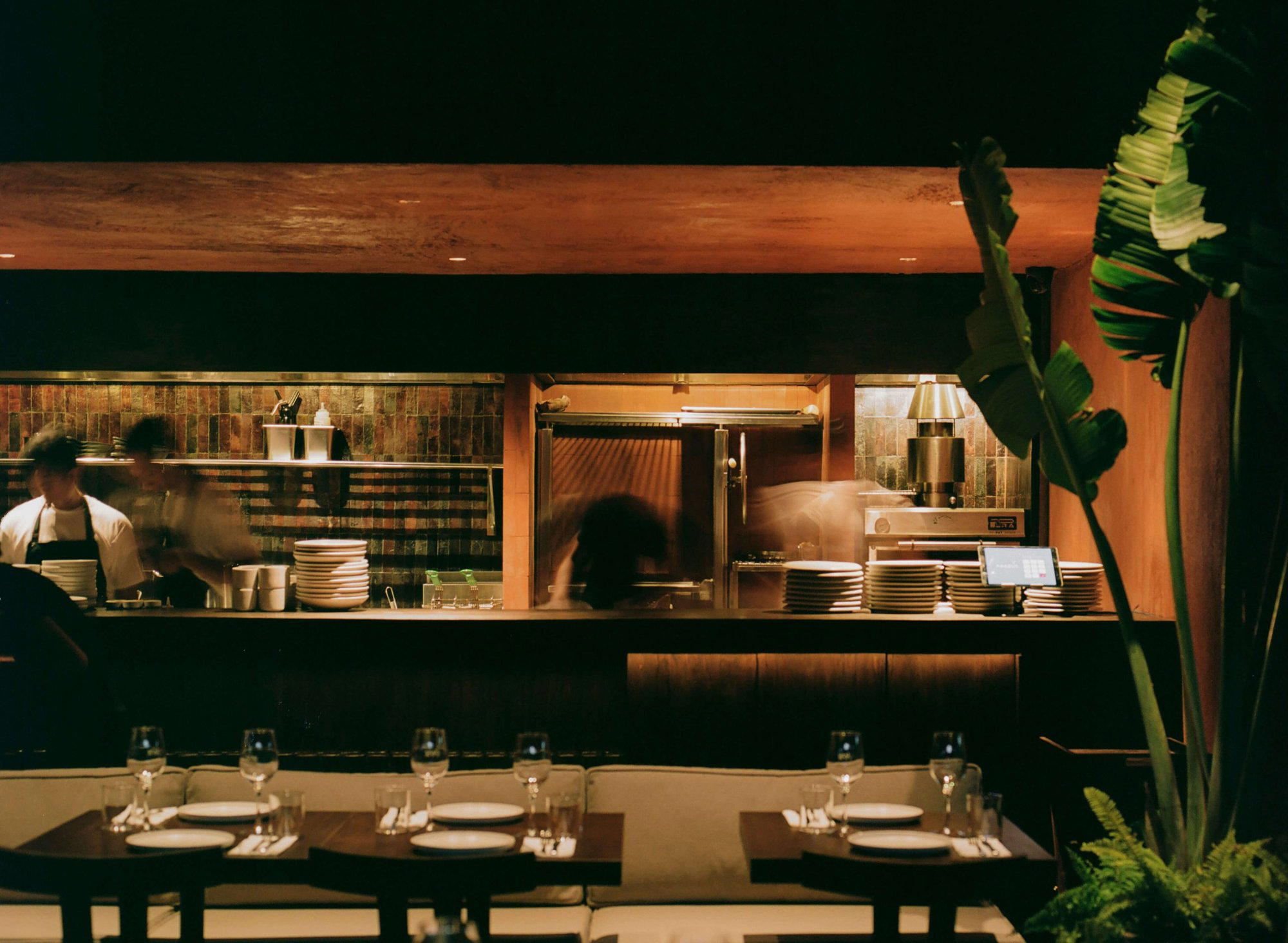
In the premium resort category across Southeast Asia, the shift over the past decade has been away from a single-chef auteur model toward integrated teams where kitchen, front-of-house, and beverage work as a unit. This is less a philosophical stance than a practical response to the scale and guest-mix complexity that large-format luxury properties require. At Sayan, that collaborative structure is visible across the property's multiple dining formats, which move from casual riverside settings to more composed evening experiences without sharp breaks in tone or quality register.
The front-of-house operation at properties in this tier carries an unusual burden: guests arrive with international reference points, dinner at Le Bernardin in New York City one month, a private-dining format like Lazy Bear in San Francisco another, and expect the service team to read those expectations and calibrate accordingly. Properties that handle this well do so through a front-of-house culture that shares context with the kitchen rather than operating as a separate delivery mechanism. The beverage program, meanwhile, functions as a connective layer: a wine list or cocktail program that has genuine depth signals to guests that the full team has been involved in shaping the experience, not just the chef's side of the pass.
Bali's broader dining scene has moved in a similar direction. Properties like Buahan, A Banyan Tree Escape in Gianyar have built programs explicitly around local sourcing and team integration. Standalone restaurants such as Locavore NXT in Ubud have pushed Indonesian ingredient-driven cooking into a more technically rigorous register. Against that backdrop, a property like Sayan occupies a specific position: large enough to absorb diverse guest preferences, but operating in a location, riverside jungle, limited through-traffic, destination-rather than walk-in footfall, that pushes the team toward a more curated, longer-arc guest relationship than a standalone urban restaurant can sustain.
Sayan in Its Competitive Set
The jungle-luxury segment in Ubud is well-populated. Several properties within a short drive of Sayan compete for the same high-spend, experience-oriented traveller. What separates the top tier from the wider field tends not to be amenity lists but the coherence of the overall program: whether the wellness offering, the dining, the excursion options, and the physical environment feel like a considered whole or an assembly of components sourced from a luxury-hotel playbook.
BLANCO par Mandif in Ubud and Beduur Restaurant represent the standalone fine-dining segment that has matured around Ubud's cultural tourism base. Further out across Bali, the comparison points shift: Sarong Bali in Canggu, Cuca Restaurant in Badung, and Rumari in Jimbaran each address a different slice of Bali's premium dining audience, from modern Pan-Asian to ingredient-led tasting menus to coastal seafood. The plant-forward end of the market, represented by places like Moksa in Bali and Cafe Organic Canggu in Banjar Badung, addresses a guest profile that increasingly overlaps with the wellness-resort demographic that Sayan draws.
Indonesia's wider fine-dining circuit adds further context. August in Jakarta, Kahyangan in Gondangdia, and CARANO Masakan Padang in Bekasi each illustrate how Indonesian culinary identity is being reframed across different city contexts. What the Ubud-based properties share, distinct from their Jakarta counterparts, is the expectation that the physical environment does significant work in shaping the guest's interpretation of what they're eating and drinking.
Planning a Stay: What the Logistics Actually Mean
Sayan sits on Jalan Raya Sayan in Sayan village, within Gianyar regency. The address places it roughly a ten-minute drive from central Ubud under normal traffic conditions, though Ubud's narrow roads can extend that window during peak daytime hours. For guests arriving from Ngurah Rai International Airport in Denpasar, the transfer is approximately one hour by private car, making this a genuine destination stay rather than a base for broad island touring. Booking for the property's dining experiences, particularly during the July-to-August peak season and the December holiday period, warrants advance planning: Bali's high-season demand compresses availability across the Ubud premium segment significantly. The dry season window between May and October represents the most consistently comfortable climate for the outdoor and semi-outdoor dining formats the property's setting enables. Our full Gianyar restaurants guide provides broader context for what's available across the regency if you're building an itinerary around dining rather than a single property stay.
Frequently asked questions
What part of town is Four Seasons Bali at Sayan in?
Four Seasons Bali at Sayan is located at Jl. Raya Sayan, Sayan, Kecamatan Ubud, Kabupaten Gianyar, Bali 80571, Indonesia, Gianyar.
What is the physical approach to Four Seasons Bali at Sayan like, and does it affect arrival logistics?
The resort sits on Jalan Raya Sayan in Sayan village, Gianyar regency, accessed via a road that descends into the Ayung River gorge, a route that differs materially from the flat approaches to most Ubud corridor properties. Vehicles with luggage need to account for the narrow gorge road, and guests with limited mobility should flag access requirements ahead of arrival. The descent is part of what establishes the site's seclusion, but it has practical implications for transfers from Ngurah Rai International Airport, roughly an hour away under normal traffic conditions.
What do regulars order at Four Seasons Bali at Sayan?
Repeat guests at Sayan tend to organise their dining around the physical setting rather than chasing specific dishes, riverside and gorge-view tables at the Ayung River site in Gianyar are the consistent draw. The property's position above the Ayung means that time of day and light conditions shape the experience as much as the menu. Guests returning to the property typically request those orientations specifically when booking through the resort.
How hard is it to get a table at Four Seasons Bali at Sayan?
Dining access at Sayan is structured around the room booking rather than a separate reservations queue, staying at the property on Jalan Raya Sayan, Gianyar, is the primary route in. That means the limiting factor is suite or villa availability, not restaurant capacity. During peak Bali travel periods, lead times on room bookings can extend considerably, which in practice makes early planning the operative constraint.
What has Four Seasons Bali at Sayan built its reputation on?
The property's standing in the Ubud corridor rests on its site: a terraced position above the Ayung River gorge in Sayan village, Gianyar regency, that very few competitors share. In a segment where multiple properties compete on architecture and service, the gorge micro-location has functioned as Sayan's consistent differentiator since the resort opened. That physical specificity, not amenity lists, is what drives repeat stays and long-term recognition in travel editorial coverage.
Can Four Seasons Bali at Sayan accommodate dietary restrictions?
Resort properties operating at this tier in Southeast Asia standardly manage dietary requirements through pre-arrival communication, and the Four Seasons network is structured to handle that process across its properties. Guests staying at the Sayan address in Gianyar should flag requirements at the booking stage rather than on arrival. The kitchen's ability to adapt is generally aligned with what the Four Seasons brand maintains across its global portfolio.
Is Four Seasons Bali at Sayan good value for money?
Within the Ubud luxury segment, Sayan's rate positions the Ayung gorge site as a core component of what you are paying for, not an amenity layered on top of a standard room price. Competing properties within a short drive of the Jalan Raya Sayan address offer comparable service tiers, but the gorge topography is not replicated. Whether that physical specificity justifies the premium relative to peers in Gianyar regency is the operative question for prospective guests.
Budget Reality Check
Comparable venues nearby, for context on price, style, and recognition.
| Venue | Cuisine | Price | Notes |
|---|---|---|---|
| Four Seasons Bali at SayanThis venue (the venue you are viewing) | Modern Balinese with Mediterranean Influences | $50–100 | Not listed |
| Beduur Restaurant | French-Asian Fusion Fine Dining | Not listed | Buahan, French-Asian Fusion Fine Dining |
| Sage | Vegan Fusion | $10–20 | Nyuh Kuning, Vegan Fusion |
| Buahan A Banyan Tree Escape | Modern Balinese Farm-to-Table | $150–200 | Payangan, Balinese Farm-to-Table |
| Jungle Fish Bali | Mediterranean-Inspired Indonesian | $20–30 | Keliki, Mediterranean-Inspired Indonesian |
| BLANCO par Mandif | Modern Indonesian Degustation | Not listed | Ubud, Modern Indonesian Degustation |
Continue exploring
More in Gianyar
Restaurants in Gianyar
All restaurants in Gianyar →
Bars in Gianyar
All bars in Gianyar →
Details
- Scenic
- Elegant
- Sophisticated
- Intimate
- Special Occasion
- Date Night
- Celebration
- Waterfront
- Garden
- Open Kitchen
- Terrace
- Hotel Restaurant
- Extensive Wine List
- Local Sourcing
- Garden
- A La Carte
- Tasting Menu
- Set Menu
- Gluten Free Options
- Vegetarian Friendly
- Vegan Options
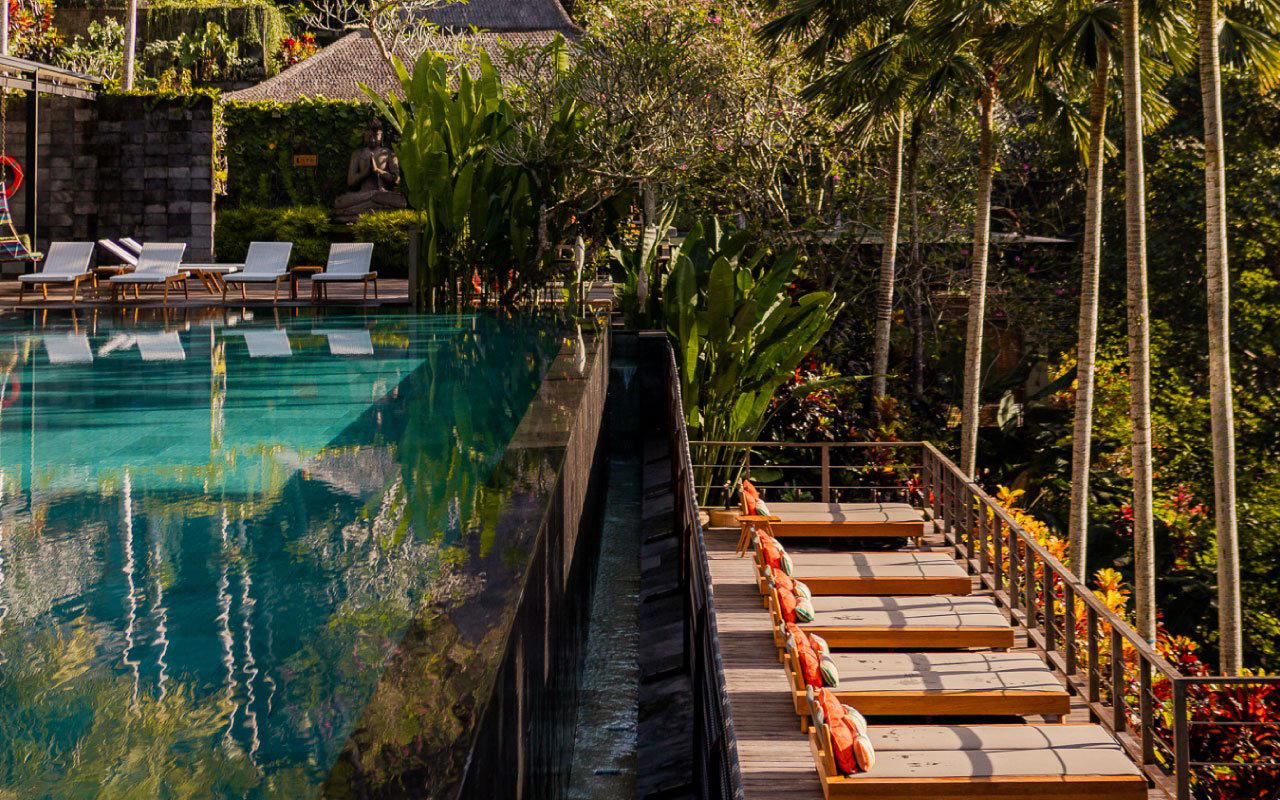
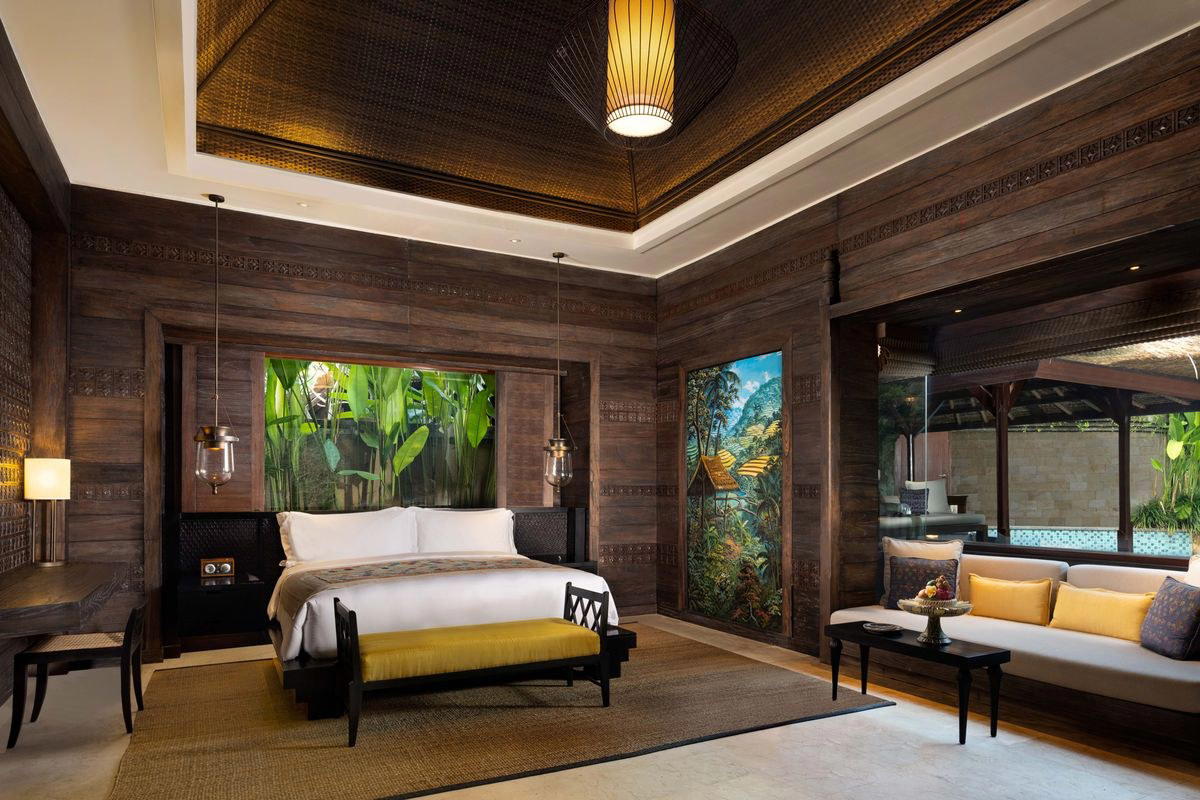
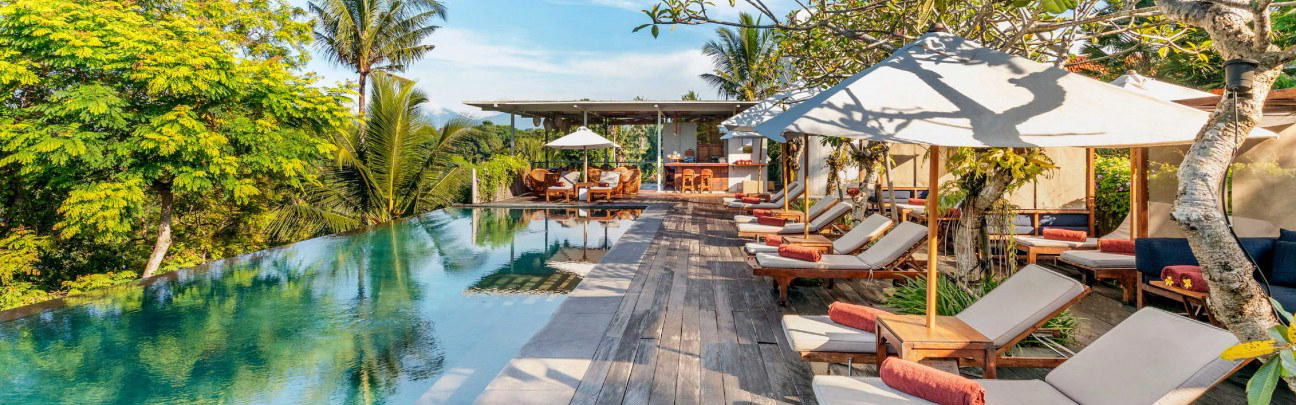
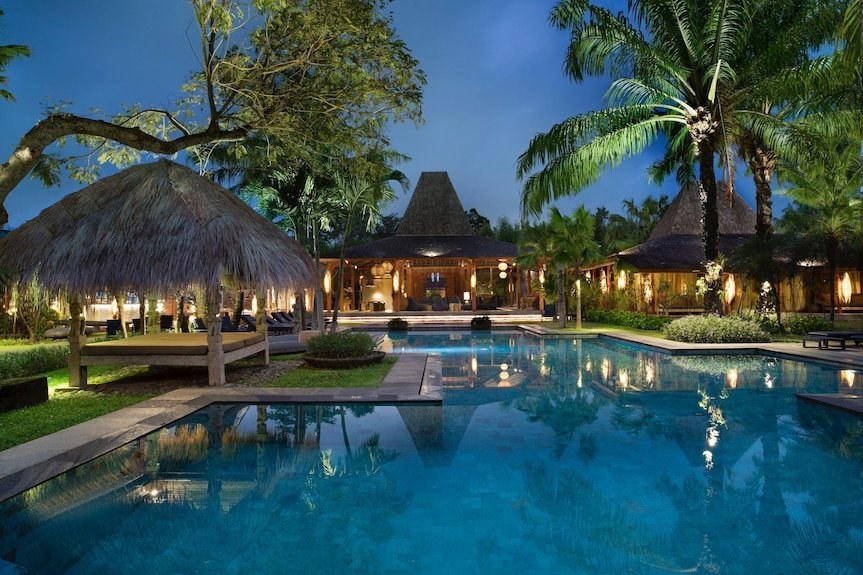
Open-air terrace with lush jungle surroundings, treetop vistas, and serene riverside atmosphere.