Our verdict
Cuca Restaurant sits in Jimbaran, one of Bali's most ingredient-rich coastal corridors, where the kitchen draws on local sourcing traditions to produce a menu that reads as modern without losing its regional footing. The setting and the produce philosophy place it in a peer group distinct from Seminyak's resort-facing dining circuit. Jimbaran regulars treat it as a reliable reference point for the area's more considered end of the table.

Pearl is the En Primeur Club membership app, where members save venues, book tables and use the concierge.
The menu
What to order
- BBQ Octopus
- Roasted Pork Buns
- Beef Bone Marrow with Garlic Sticky Rice
- Cold Smoked Butterfish
- Honey-Baked Pumpkin Salad
- Bali Breakfast Dessert
Jimbaran's Sourcing Tradition and Where Cuca Fits
Bali's south coast has always occupied an unusual position in Indonesian food culture. Jimbaran, in particular, sits at the intersection of the island's fishing economy and its highland growing regions, which means that kitchens operating here have access to a supply chain that most coastal resort towns can only approximate. The daily fish markets along Jimbaran Bay remain one of the more direct farm-to-table pipelines in the region, and the village's position at the base of Bali's agricultural belt gives serious kitchens a genuine argument for local provenance that goes beyond marketing language.
Cuca Restaurant operates within this context, on Jl. Yoga Perkanthi in the Kuta Selatan district of Badung. The address places it close enough to Jimbaran's fishing and market infrastructure to benefit from that supply chain, while sitting outside the high-traffic beach-club corridor that defines much of south Bali's dining conversation. That geographic positioning is editorial in itself: it signals a kitchen oriented toward produce over footfall.
The Physical Approach: What the Setting Communicates
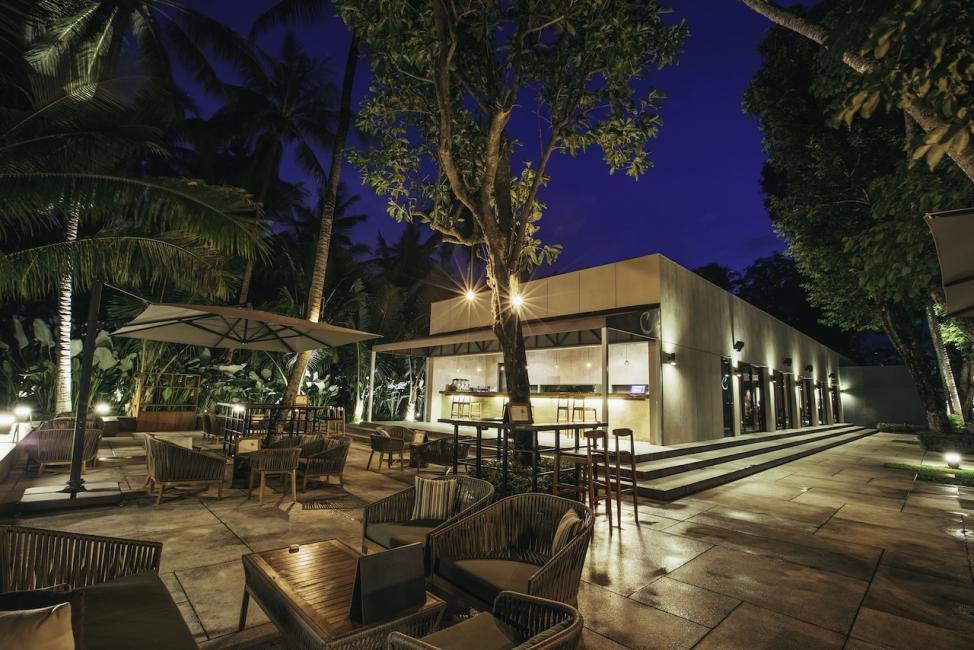
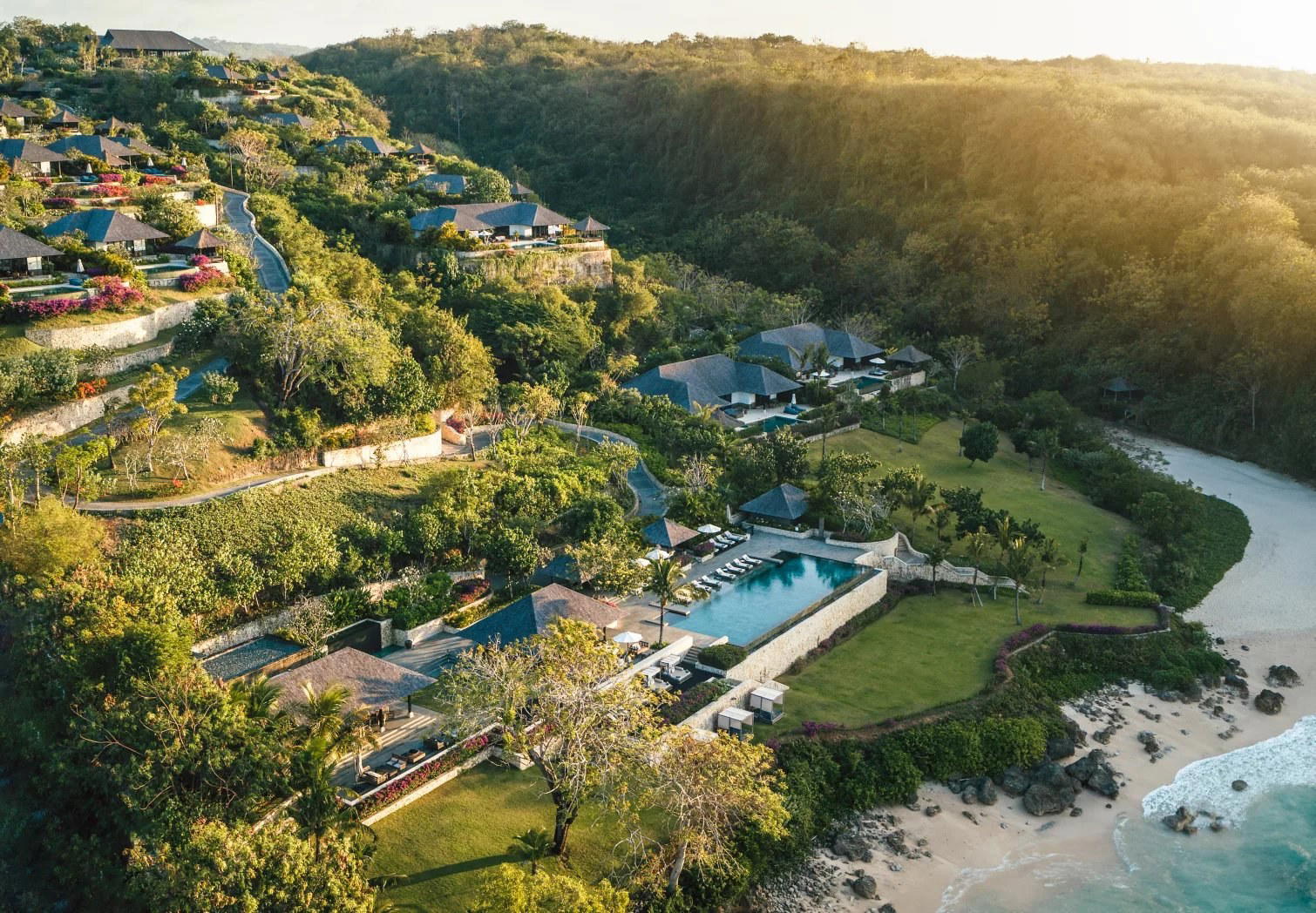
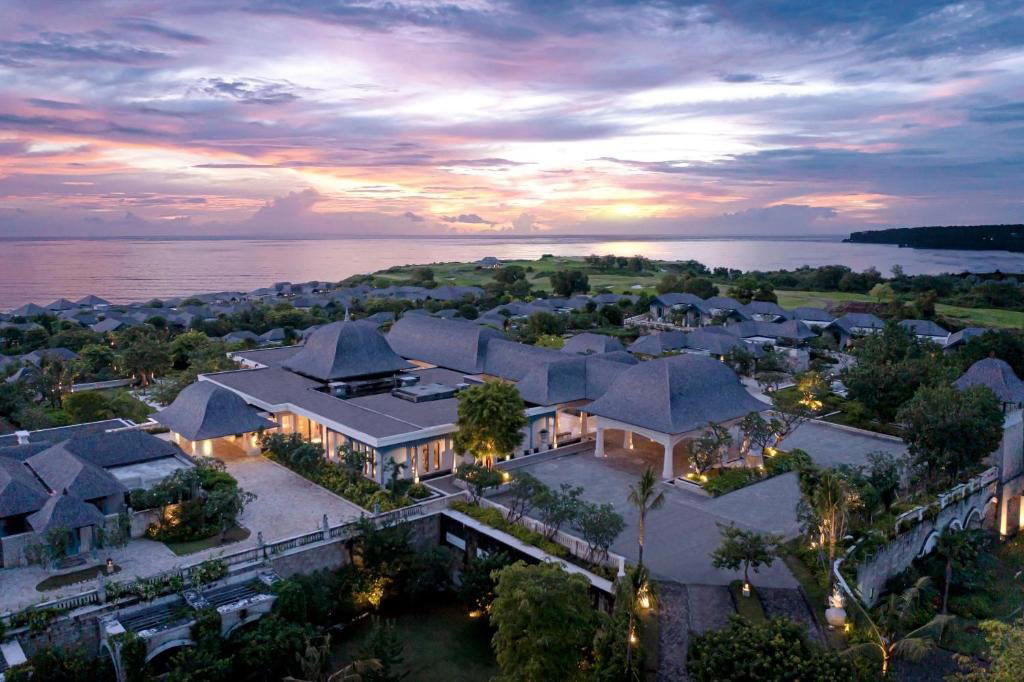
Arriving at Cuca, you are not walking into the kind of open-air spectacle that defines Bali's most photographed restaurant formats. The space is lower in scale than the cliff-leading venues or the vast Seminyak compound restaurants, and that restraint is part of what the setting communicates. Bali has developed two distinct registers for dining environments: the theatrical, view-led venue built around sunset timing and social media geometry, and the quieter, produce-focused room where the visual drama, if there is any, comes from the plate. Cuca belongs to the second register.
The dining room's scale encourages a different kind of attention than the sprawling beach clubs of Bikini Restaurant Bali or the coastal leisure formats further up the Kuta strip. The atmosphere is contained rather than expansive, which shifts the focus to the food itself. In Bali's competitive dining environment, that is a deliberate editorial choice by the kitchen, not an accident of real estate.
Ingredient Sourcing as the Core Argument
The sourcing question is worth taking seriously in Bali, because the island's rapid development has created a two-speed food economy. On one side, high-volume restaurants import proteins and produce to meet consistency standards across large covers. On the other, a smaller tier of kitchens has built their identity around the island's actual agricultural output: the volcanic-soil vegetables from the Kintamani highlands, the small-boat reef fish from Jimbaran and Nusa Dua, the heritage rice varieties from Tabanan, and the spice-growing traditions that predate tourism entirely.
Kitchens in this second tier, which includes Locavore NXT in Ubud at the more structured end of the spectrum and Moksa in Bali at the garden-to-plate end, have turned sourcing into an argument about what Balinese cuisine can mean when it is not simplified for export. Cuca sits within that broader movement, using Jimbaran's coastal and agricultural position as a practical sourcing advantage rather than a talking point.
The contrast with Jakarta's fine dining circuit is instructive. Venues like August in Jakarta operate within an urban supply chain that requires far more deliberate sourcing logistics to achieve local provenance. In Jimbaran, the infrastructure is already present: the question is whether a kitchen chooses to engage with it at depth, or defaults to the imported-produce safety net that higher-volume operations rely on.
Positioning in the Badung and South Bali Scene
South Bali's restaurant scene has fragmented into increasingly distinct tiers over the past decade. At the volume end, beach clubs and lifestyle restaurants serve thousands of covers weekly, with menus designed for accessibility and scale. The middle tier is crowded with competent international bistros and Indonesian-fusion concepts. The thinner upper tier, where ingredient sourcing, kitchen discipline, and format restraint are the differentiating factors, is where Cuca positions itself.
Within Badung specifically, the comparison set is narrow. Rumari in Jimbaran and Barbacoa represent different approaches to the Jimbaran dining question, and Akademi addresses a different price and format point entirely. Cuca's positioning is more analogous to the considered-produce school than to the lifestyle or volume formats, which makes it a more useful reference point for travelers arriving in Badung with serious eating as the priority.
For comparison beyond the island, the sourcing philosophy at Cuca connects to a broader international pattern. Lazy Bear in San Francisco and Le Bernardin in New York City both built their reputations on treating ingredient provenance as the primary creative brief, with technique serving the produce rather than obscuring it. Cuca applies a version of that logic to a Balinese context, which is a more demanding proposition given the island's complex supply chain.
Planning Your Visit: Practical Considerations
Jimbaran sits in the southern Kuta Selatan subdistrict of Badung, accessible from Seminyak in roughly 20 minutes by car and from the Ngurah Rai International Airport in under 15. The address on Jl. Yoga Perkanthi is navigable by driver or ride-hail app, both of which are the standard transport mode in south Bali. The surrounding neighborhood also includes Coco Bistro Tanjung Benoa and access to the Tanjung Benoa peninsula for those combining dinner with a longer south Bali itinerary.
Visitors comparing Cuca to venues elsewhere on the island should note that the Jimbaran dining zone operates at a different rhythm than Canggu or Seminyak. The area draws fewer walk-in crowds and the clientele skews toward travelers with specific dining intentions rather than the nightlife-adjacent traffic that fills Canggu tables. For reference on the Canggu end of the spectrum, Cafe Organic Canggu and Sarong Bali in Canggu represent that district's produce-conscious and refined dining options respectively.
For broader context across the Badung restaurant scene, including neighborhood-by-neighborhood breakdowns and category comparisons, the full Badung restaurants guide covers the full range from Ayam Betutu Khas Gilimanuk at the traditional Balinese end through to the international formats along the Seminyak and Kuta corridors. Travelers cross-referencing Indonesian dining more broadly can also consult Kahyangan in Gondangdia and CARANO Masakan Padang in Bekasi for the wider national context, or Jungle Fish Bali in Gianyar for Bali's east-of-Denpasar dining scene. The Legian in Seminyak anchors the hotel-dining end of south Bali's upper tier for comparison.
Frequently asked questions
Where is Cuca Restaurant in Badung?
Cuca Restaurant is located at Jl. Yoga Perkanthi, Jimbaran, Kec. Kuta Sel. Kabupaten Badung, Bali 80364, Indonesia, Badung.
How far is Cuca Restaurant from Ngurah Rai International Airport and Seminyak?
Cuca is located at Jl. Yoga Perkanthi in Jimbaran, Kec. Kuta Selatan, Kabupaten Badung, roughly 20 minutes by car from Seminyak and similarly close to Ngurah Rai International Airport, which sits in the same southern Badung corridor. That proximity makes it a practical choice for a first or last evening in Bali without requiring a cross-island transfer.
What should I eat at Cuca Restaurant?
Cuca's kitchen in Jimbaran centres on ingredient sourcing as a philosophy, so the menu reflects what is available from Bali's south coast producers and local supply networks rather than a fixed roster of signature plates. Ordering around whatever is most locally current on the day is the approach that aligns with how the kitchen operates. Arrival with an open brief, rather than a target dish, tends to produce the better meal here.
Do I need a reservation for Cuca Restaurant?
Cuca sits in Jimbaran within the Kuta Selatan subdistrict of Badung, a stretch of south Bali where restaurants at this tier do draw consistent demand. Booking ahead is advisable, particularly on weekends and during the high-season months of July, August, and December. Contacting the restaurant directly through their current website or via your accommodation concierge remains the most reliable route.
What's the defining dish or idea at Cuca Restaurant?
The defining argument at Cuca is sourcing: the kitchen positions itself against the volume-restaurant end of Bali's two-speed food economy by working with local producers in a region, Jimbaran and the broader Badung coast, that has a documented history of ingredient trade. That sourcing discipline is the through-line on the plate, more so than any single dish.
Can Cuca Restaurant adjust for dietary needs?
A kitchen operating with a sourcing-first approach and a changing menu framework is generally better positioned to accommodate dietary adjustments than one running fixed tasting menus with locked components. Communicating requirements at the time of booking, through your reservation contact or concierge, gives the team in Jimbaran the lead time to adjust meaningfully.
Should I splurge on Cuca Restaurant?
Cuca occupies a mid-to-upper tier in south Bali's increasingly stratified dining scene, sitting above the beach club and lifestyle restaurant volume end but operating with a different register than the Seminyak luxury hotel dining rooms. If the question is whether the cooking merits serious attention in Badung's current context, the sourcing-led approach and Jimbaran setting make it a credible choice for a principal dinner rather than a casual stop.
In Context: Similar Options
Comparable venues nearby, for context on price, style, and recognition.
| Venue | Cuisine | Price | Notes |
|---|---|---|---|
| Cuca RestaurantThis venue (the venue you are viewing) | Indonesian-Western Fusion Tapas | $30–50 | Not listed |
| Bikini Restaurant Bali | Asian-inspired Modern Fusion | Not listed | Seminyak |
| Mama San | Modern Southeast Asian Street Food | $30–50 | Kerobokan |
| Monsoon Restaurant | Global Fusion with Asian, Italian & Mexican | $20–30 | Canggu |
| Barbacoa | Latin American BBQ | $30–50 | Kerobokan |
Continue exploring
More in Badung
Restaurants in Badung
All restaurants in Badung →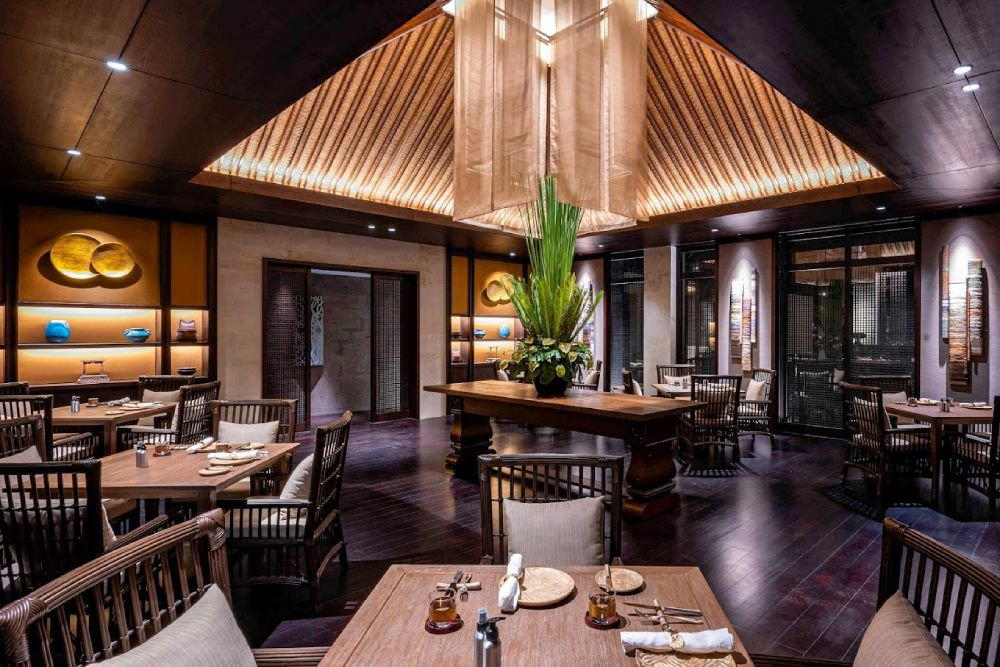
Bars in Badung
All bars in Badung →

Details
- Romantic
- Modern
- Elegant
- Date Night
- Group Dining
- Celebration
- Special Occasion
- Casual Hangout
- Open Kitchen
- Garden
- Design Destination
- Craft Cocktails
- Farm To Table
- Local Sourcing
- Sustainable Seafood
- Garden
- Small Plates
- Tasting Menu
- A La Carte
- Craft Cocktails
- House Made Cocktails
- Vegetarian Friendly
- Gluten Free Options
- Allergy Accommodating
Current opening hours
- Monday
- 12–11 PM
- Tuesday
- 12–11 PM
- Wednesday
- 12–11 PM
- Thursday
- 12–11 PM
- Friday
- 12–11 PM
- Saturday
- 12–11 PM
- Sunday
- 12–11 PM
Hours can change for holidays and private events. Last verified .
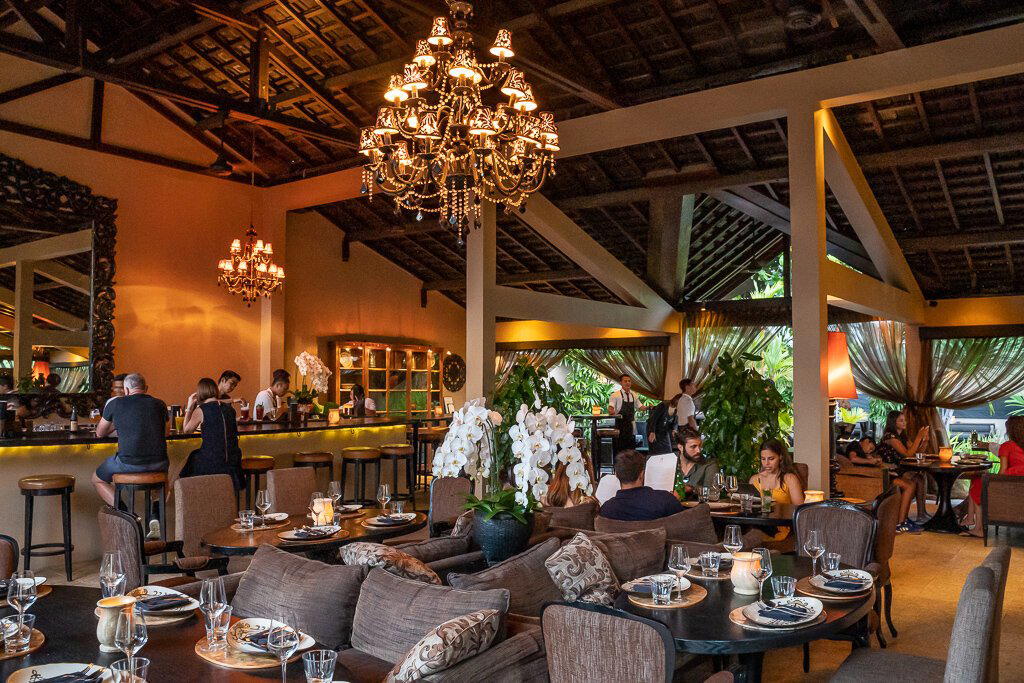
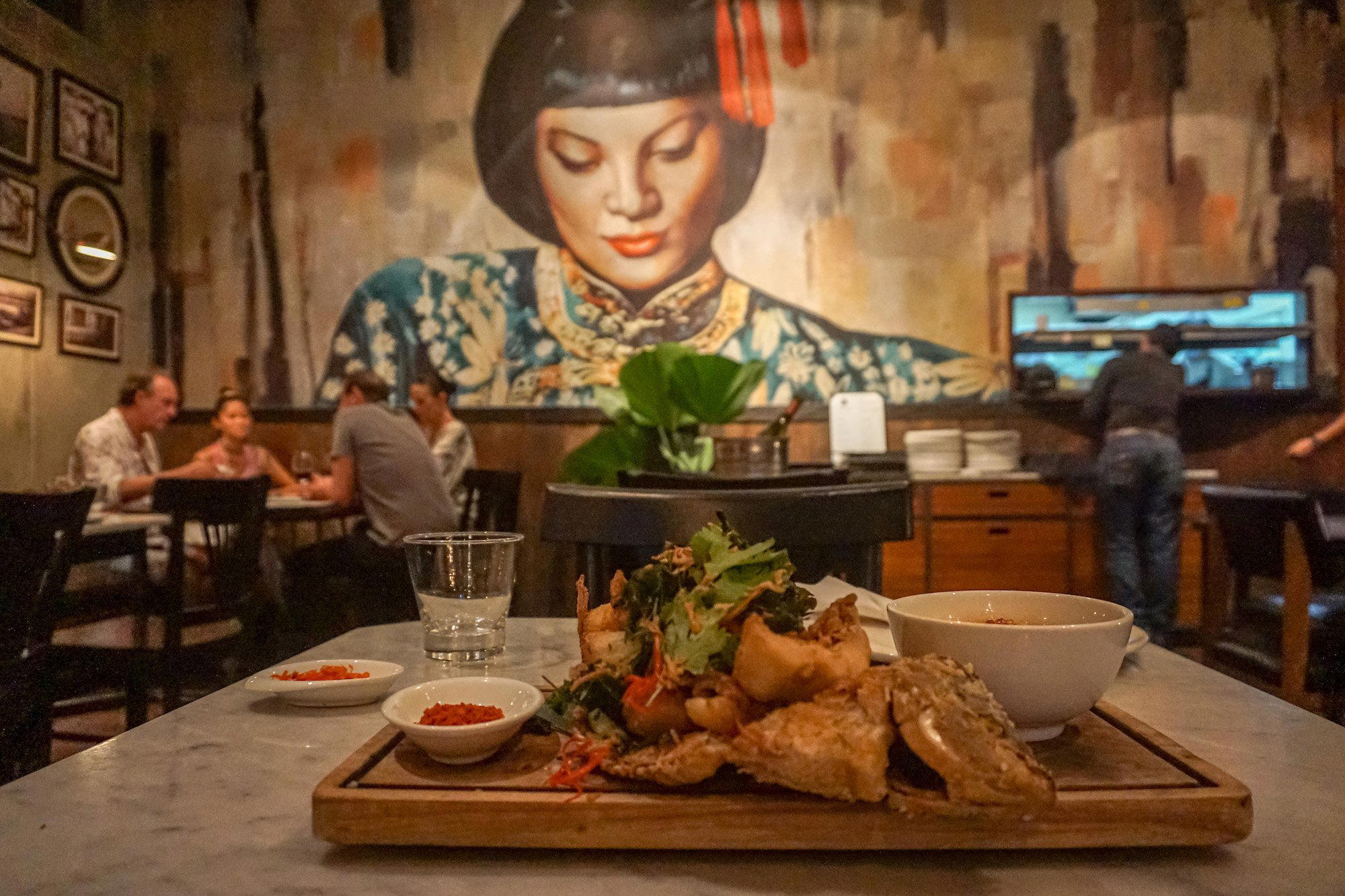
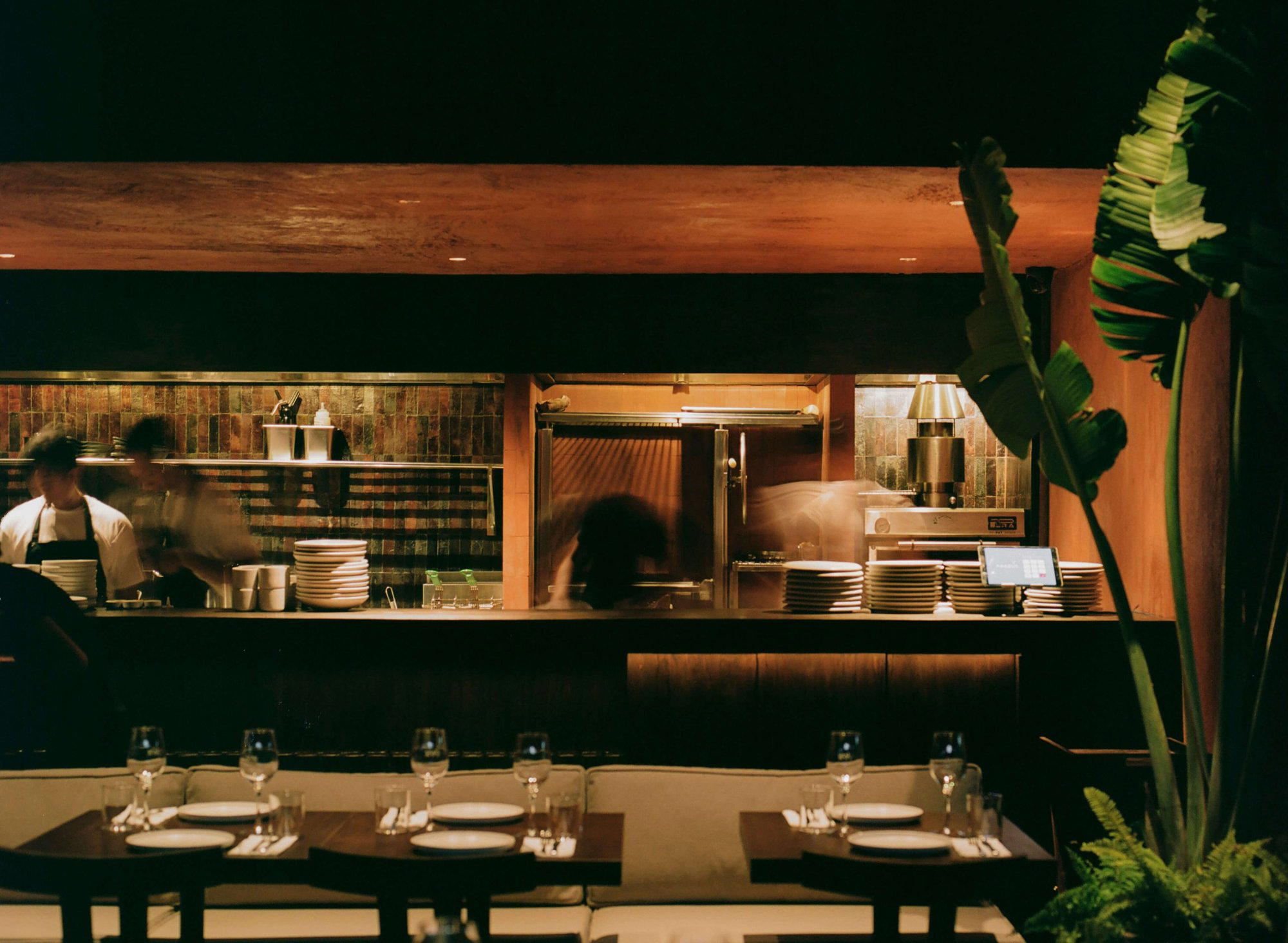
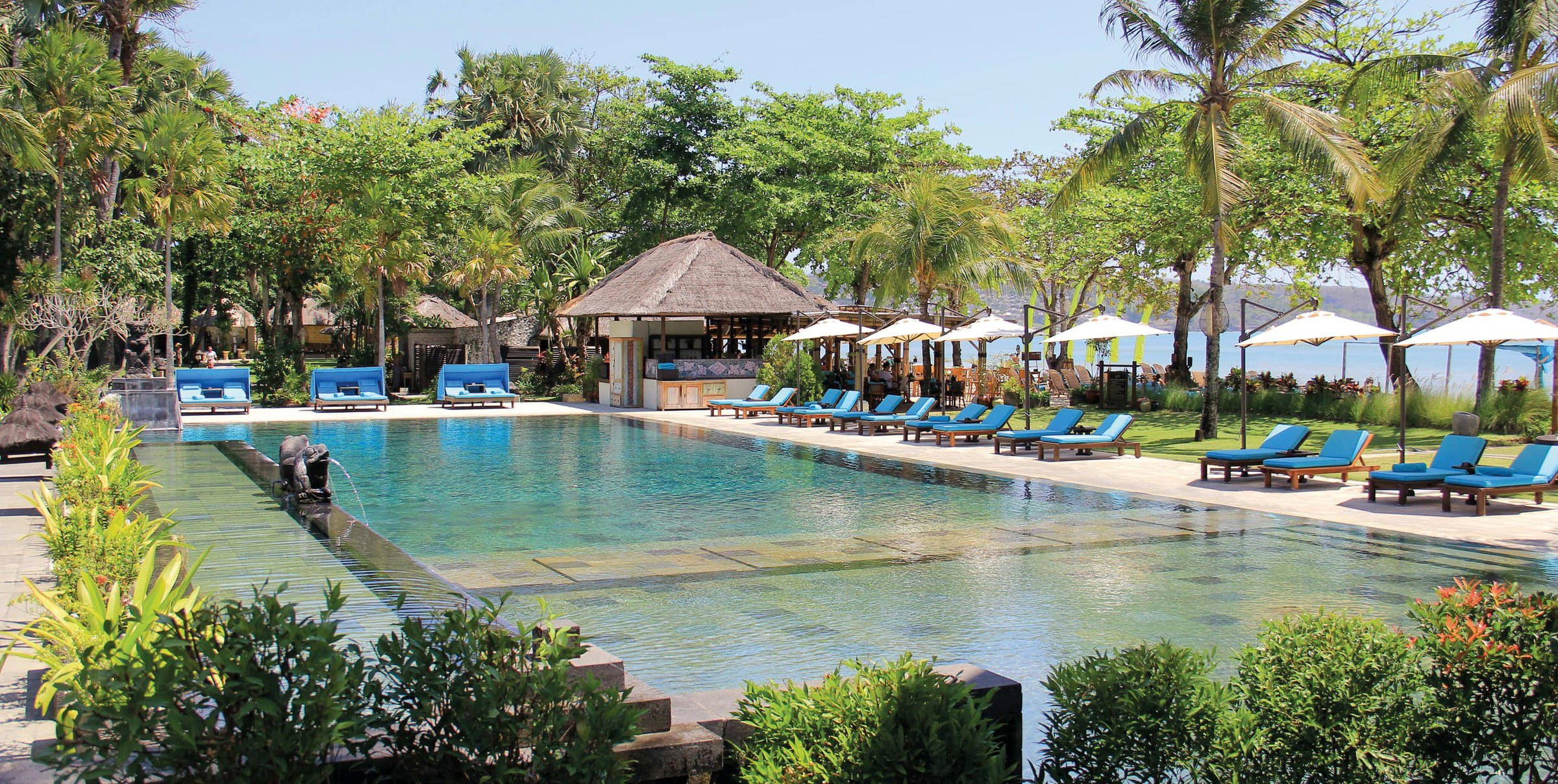
Serene and stylish garden oasis surrounded by coconut trees with warm, welcoming atmosphere; features multiple dining areas including an open kitchen food bar, traditional dining room, and garden lounge with contemporary yet comfortable decor.