
Herbivore by Locavore on Jl. Dewisita brings Filipino cuisine to Ubud under chef Kel Zaguire, earning an Opinionated About Dining Top Restaurants in Asia ranking (#255, 2024) and a Highly Recommended citation the year prior. The menu draws on local Balinese sourcing filtered through Filipino culinary logic, placing it at an unusual crossroads in a town better known for French and Indonesian fine dining.
Pearl is the En Primeur Club membership app — saves, bookings, and concierge access live there. Same editors, same standards.
- Address
- Jl. Dewisita No.10, Ubud, Kecamatan Ubud, Kabupaten Gianyar, Bali 80571, Indonesia
- Phone
- +62 823-4012-1319
- Website
- locavorenxt.com
- Directions
- Get directions
 Saves & bookings on Pearl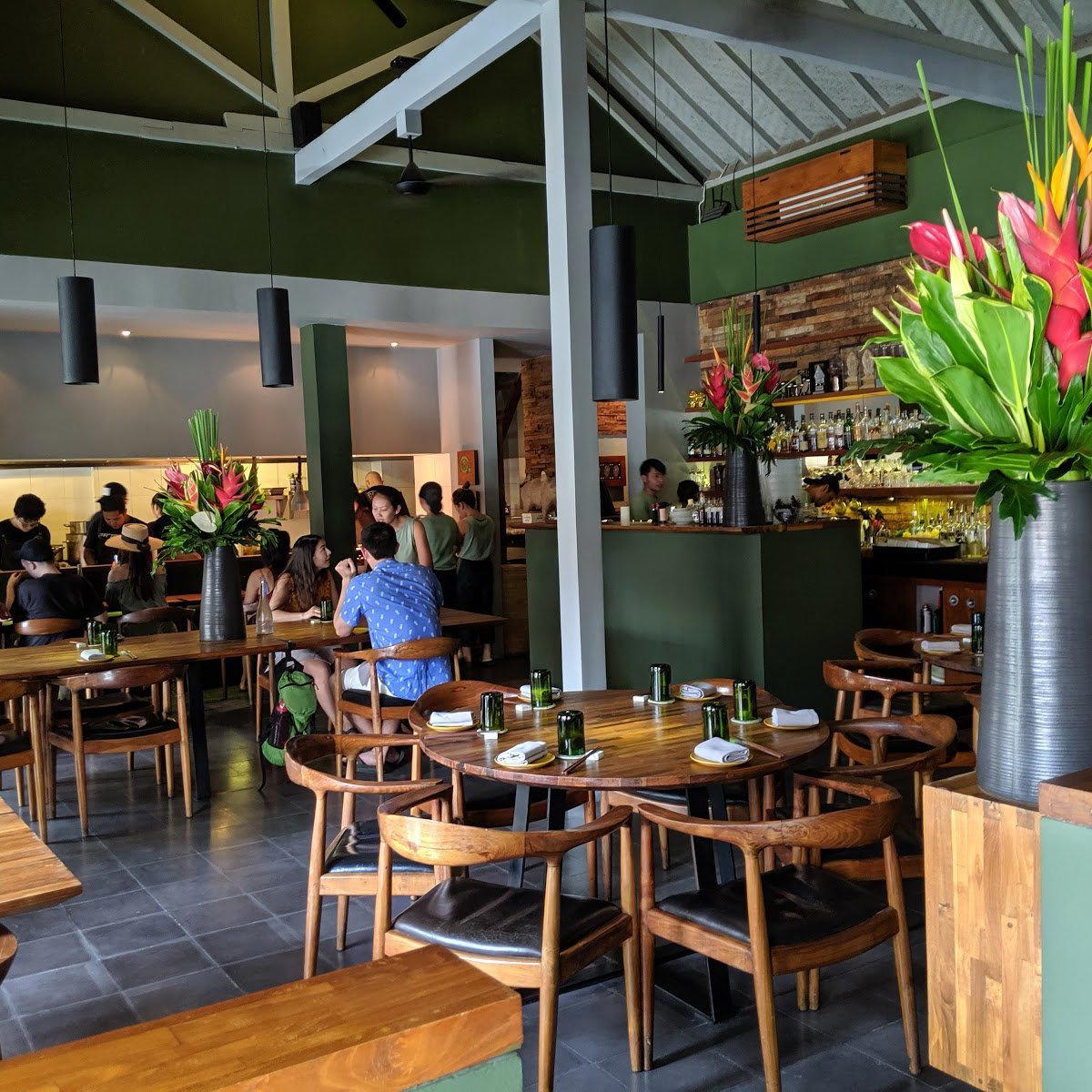
Filipino Cuisine Finds Its Place in Ubud's Sourcing Conversation
Jl. Dewisita sits inside Ubud's central core, close enough to the Palace to attract foot traffic but leafy enough that its restaurants operate at a remove from the busiest market corridors. On this street, Herbivore by Locavore occupies the kind of address that rewards deliberate visitors rather than casual passers-by. The Locavore group operates it, and the Herbivore identity signals a plant-forward and ingredient-sourcing emphasis.
What makes the restaurant's position genuinely interesting in the Ubud scene is not that it serves Filipino food in Bali, but that it applies Filipino culinary architecture to a hyper-local sourcing model. Filipino cooking is built on fermentation, souring agents, and the interplay between preserved and fresh ingredients, techniques that translate fluidly when the base ingredients come from the volcanic soils and tropical growing conditions of Bali. Chef Kel Zaguire works within this framework, with Balinese-sourced produce feeding a cuisine that would, in another context, draw on Philippine regional markets. The result is a restaurant that sits at an unusual junction in the broader Southeast Asian dining scene: rigorous in its sourcing ethics, Filipino in its culinary grammar.
Where the Ingredients Come From and Why It Changes the Food
Ubud's fine-dining tier has long made sourcing a central narrative. Locavore NXT and Nusantara By Locavore both build menus around the proposition that Bali's agricultural output, smallholder farms, highland vegetables, coastal proteins, is interesting enough to anchor a tasting format without importing premium ingredients. Herbivore by Locavore extends that logic but bends it through a different culinary lens. Where Indonesian cooking contextualises local produce through a tradition of spice pastes, coconut-based sauces, and rice-centred meals, Filipino cooking arrives with its own framework: vinegar-based braises, fermented shrimp pastes, dishes built on the souring principle of paksiw and sinigang. When those methods are applied to ingredients grown minutes from the kitchen, the sourcing story changes character.
Bali's farms produce conditions that are genuinely compatible with Filipino culinary logic. Tropical leafy vegetables, bitter gourds, and root crops used in Filipino cooking have direct analogues in Balinese agricultural tradition. The fermentation infrastructure present in Balinese food culture, tempeh production, preserved fish, pickled preparations, provides a technical overlap that makes the cross-pollination less arbitrary than it might first appear. The restaurant's plant-forward positioning (the Herbivore name is not incidental) means that this sourcing relationship is the primary story on the plate.
Opinionated About Dining Recognition and What It Signals
Herbivore by Locavore holds an Opinionated About Dining (OAD) ranking of #255 among the leading restaurants in Asia for 2024, having been Highly Recommended in the 2023 cycle.
In the context of Ubud's competitive fine-dining set, this recognition places the restaurant in a bracket alongside Mozaic and Apéritif Restaurant & Bar as restaurants that have attracted serious international dining attention rather than simply serving the resort tourism market.
Filipino Cooking's Wider Moment and Where This Fits
Filipino cuisine's international profile has shifted considerably over the past five years. Restaurants like Kasama in Chicago and Hapag in Makati have demonstrated that the cuisine's techniques and flavour principles hold up in formats that attract serious international attention, while operations like Kaya in Orlando have extended its geographic reach. The common thread across this cohort is a move away from treating Filipino food as inherently casual and toward applying its fermentation traditions, sourcing logic, and regional variation to formats that reward close attention.
The restaurant sits in this broader movement but with a specific Ubud inflection. The Locavore group's credibility in the fine-dining sourcing conversation provides institutional backing that a standalone Filipino restaurant in Bali would need years to establish independently. This is not a pop-up or a fusion experiment; it operates within a hospitality infrastructure that has already built relationships with Balinese smallholders and earned the trust of visiting food writers and dedicated food travellers. That context accelerates the restaurant's ability to be taken seriously on its own terms.
For comparison within the Bali and broader Indonesia scene, August in Jakarta, Kahyangan in Gondangdia, and Rumari in Jimbaran each take different approaches to the relationship between local sourcing and international culinary technique. Sarong Bali in Canggu and The Legian in Seminyak represent the more classically resort-anchored end of Bali's fine-dining spectrum. The restaurant's positioning is distinct from all of them: it combines a specialist cuisine (Filipino), a sourcing constraint (local Balinese produce), and a group framework (Locavore) that together create a competitive category with few direct comparators in the region.
Planning Your Visit
The restaurant is at Jl. Dewisita No.10 in central Ubud, an easy walk from the central market and the Ubud Palace. Given the OAD ranking and the relatively limited capacity typical of serious Ubud dining rooms, advance booking is advisable, particularly for dinner service. Ubud's restaurant scene as a whole is leading navigated with a clear sense of what tier and style you are targeting; the Ubud restaurant scene spans longstanding Balinese institutions like Ibu Oka and the Locavore group's multiple formats.
A Pricing-First Comparison
Comparable venues nearby, for context on price, style, and recognition.
| Venue | Cuisine | Price | Notes |
|---|---|---|---|
| Herbivore by LocavoreThis venue — the venue you are viewing | Filipino | $$$$ | Not listed |
| Syrco BASÈ | Ubud, Modern Indonesian Fine Dining | $$$$ | Not listed |
| Raya | Not listed | $$ | Ubud, Asian Fusion with Local Balinese Dishes |
| Apéritif Restaurant & Bar | Ubud, Modern Fusion Fine Dining | $$$$ | Not listed |
| Nusantara By Locavore | Ubud, Modern Indonesian Regional | $$$ | Not listed |
| Ibu Oka | Ubud, Balinese Babi Guling | $$ | Not listed |
Recognition history
Dated appearances from independent guides and award organizations, with the underlying list record or original source where available.
Opinionated About Dining Top Restaurants in Asia Ranked #255
Opinionated About Dining
Opinionated About Dining Top Restaurants in Asia Highly Recommended
Opinionated About Dining






At a Glance
- Elegant
- Intimate
- Sophisticated
- Cozy
- Special Occasion
- Date Night
- Open Kitchen
- Sake Program
- Local Sourcing
- Farm To Table
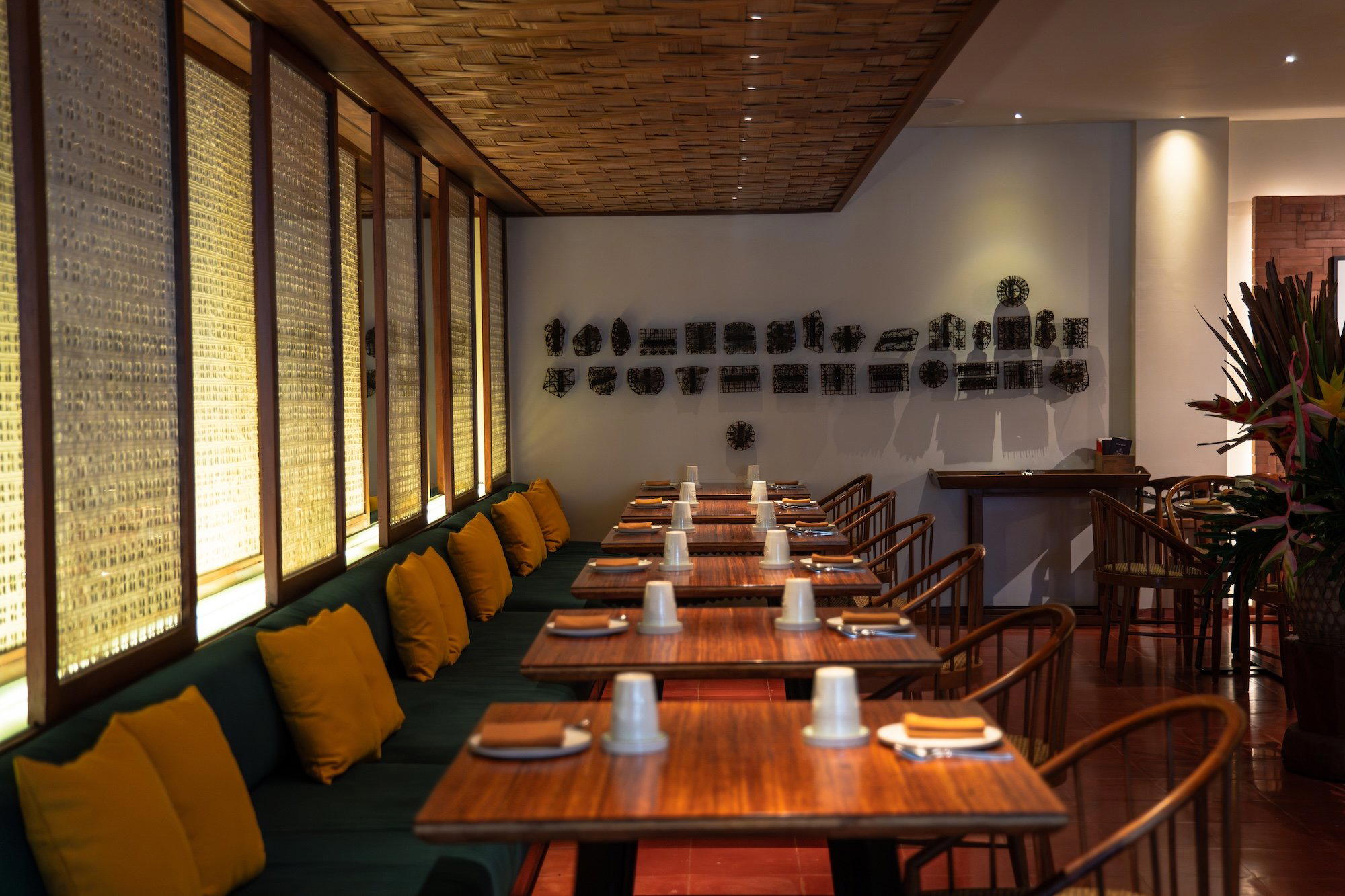
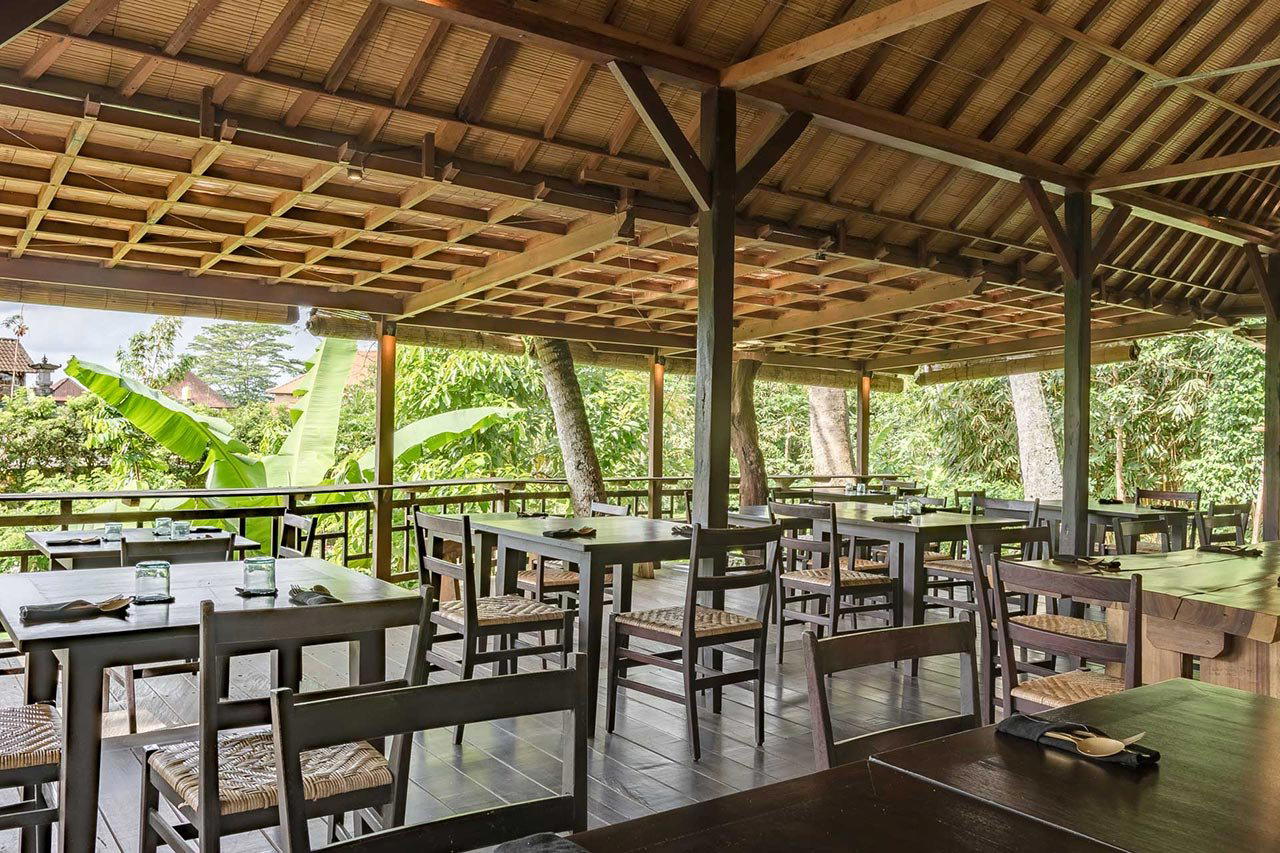
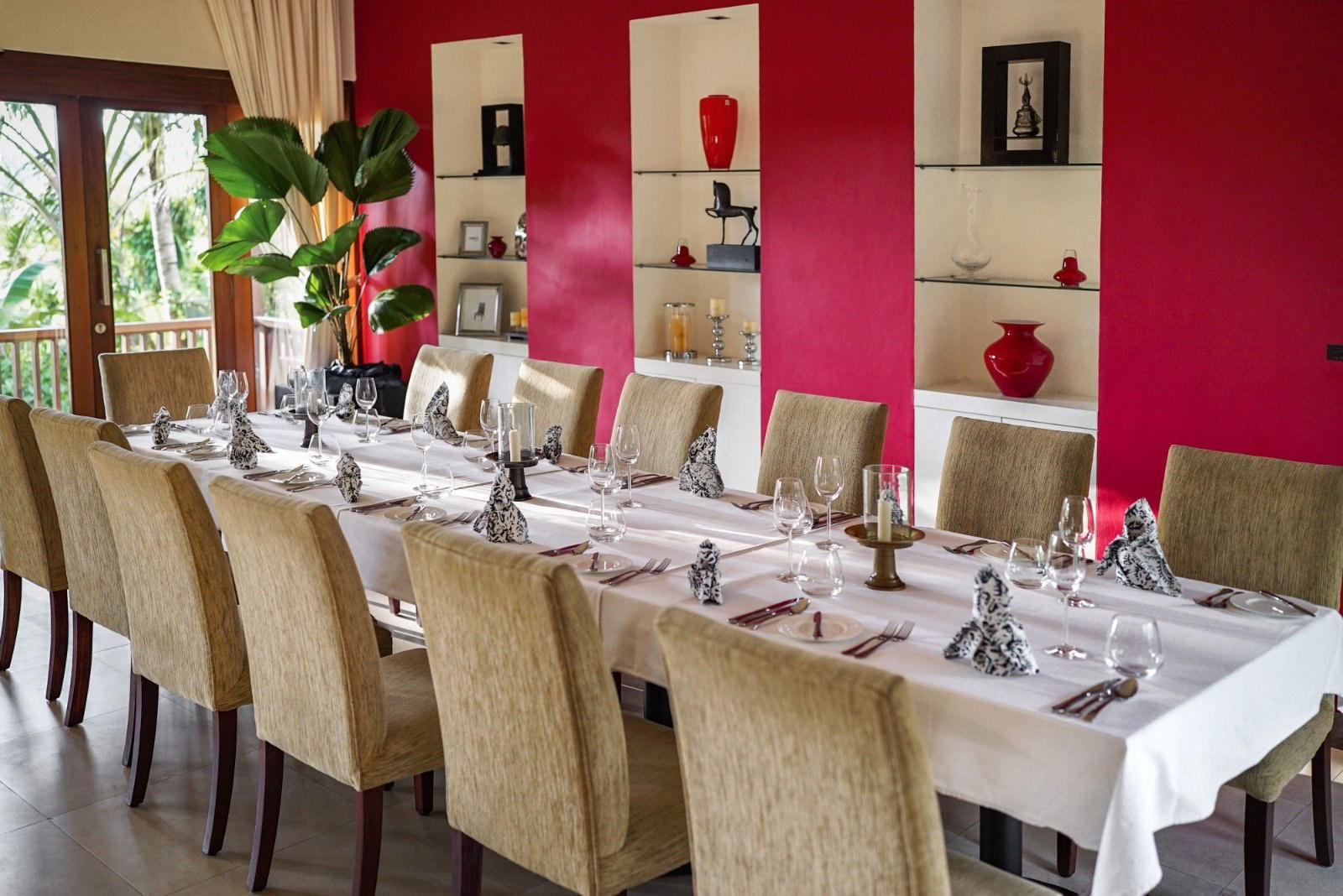
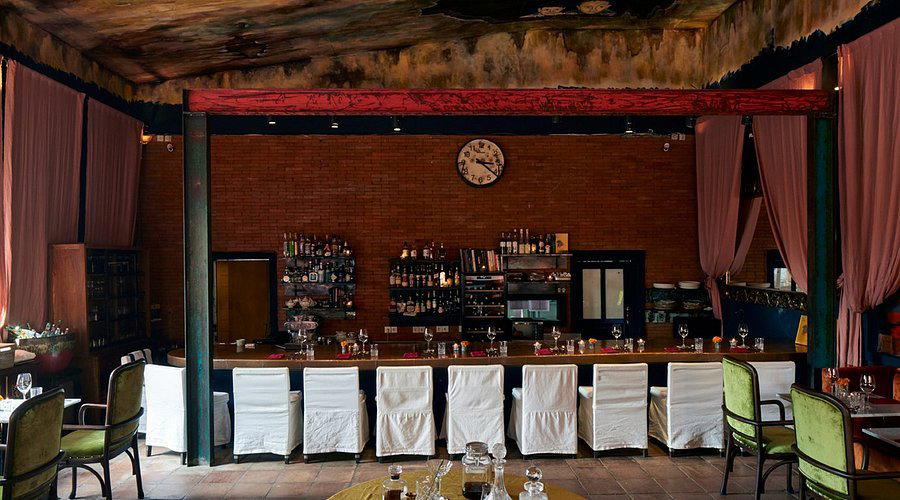
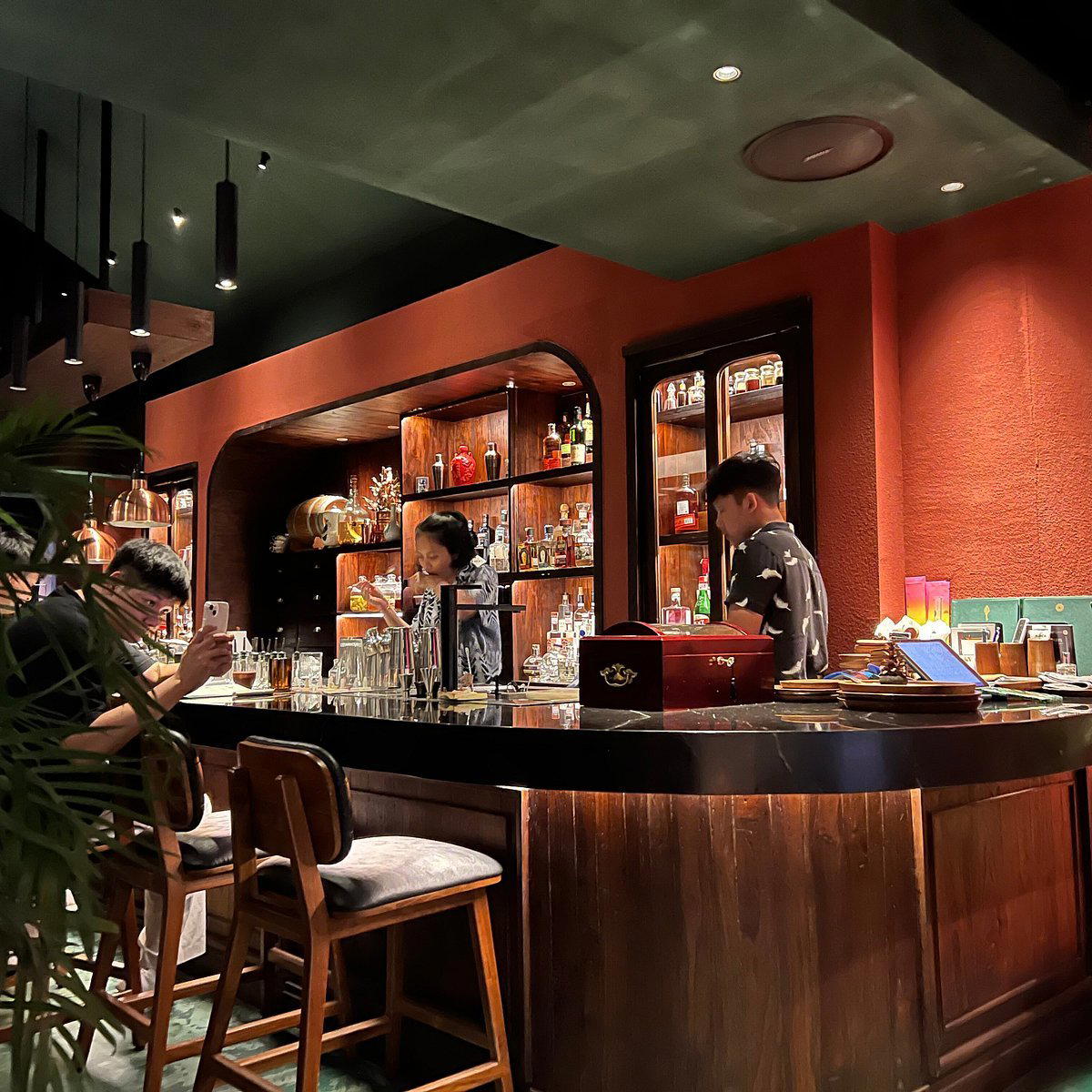
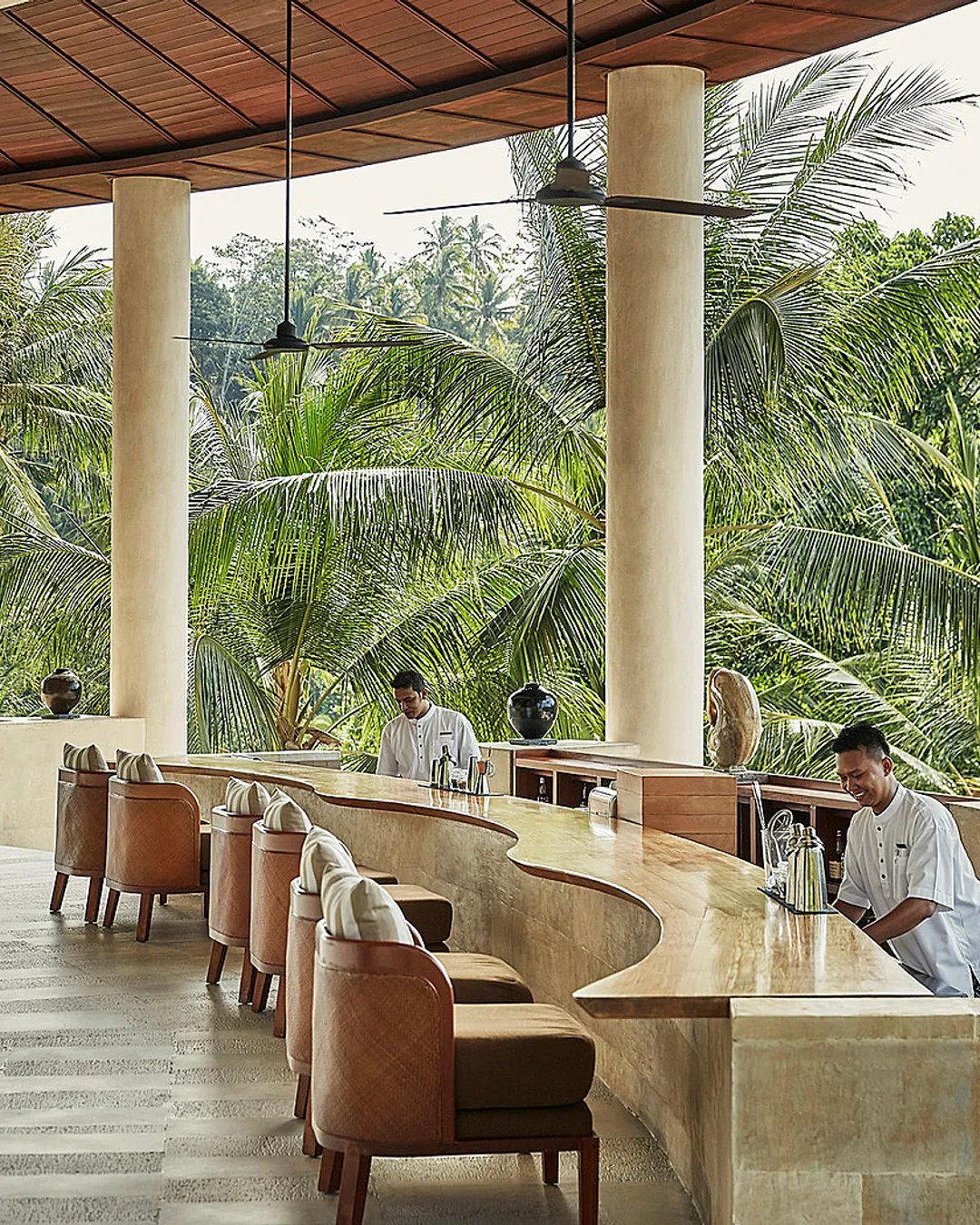
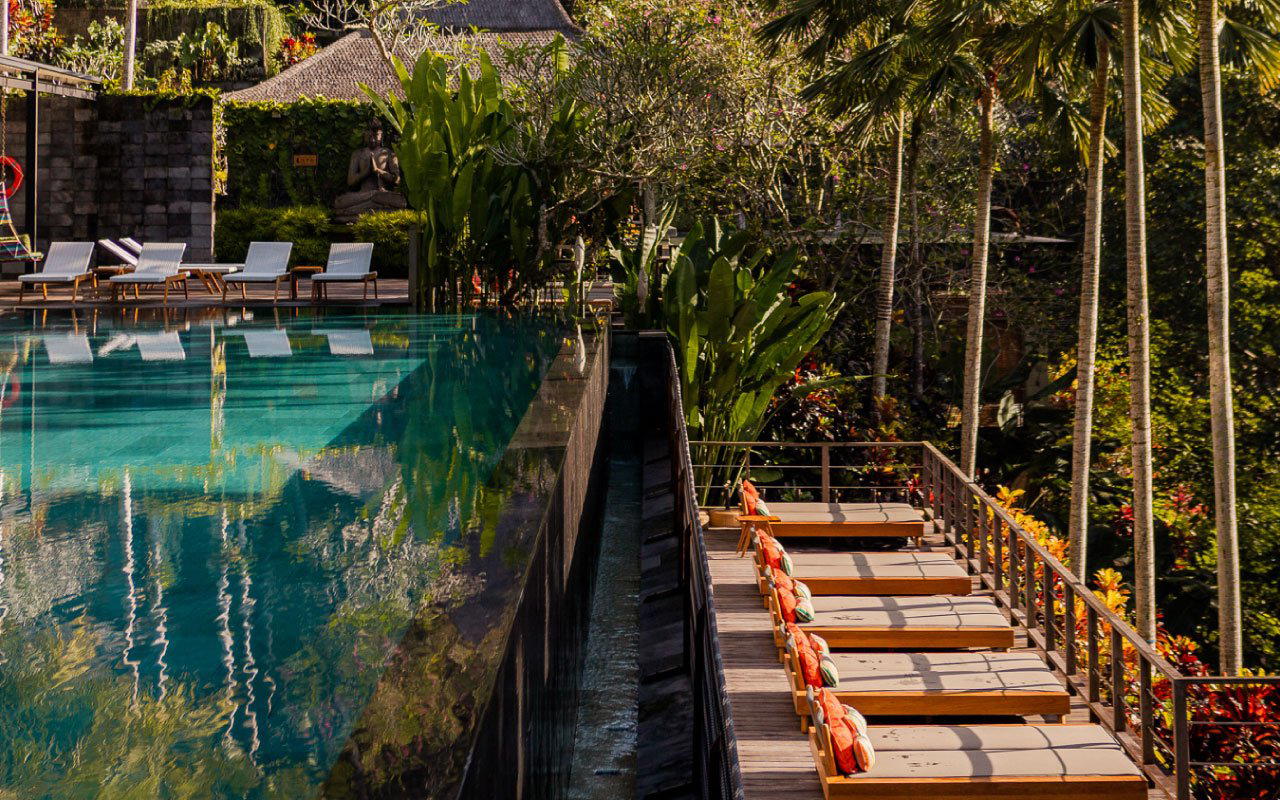
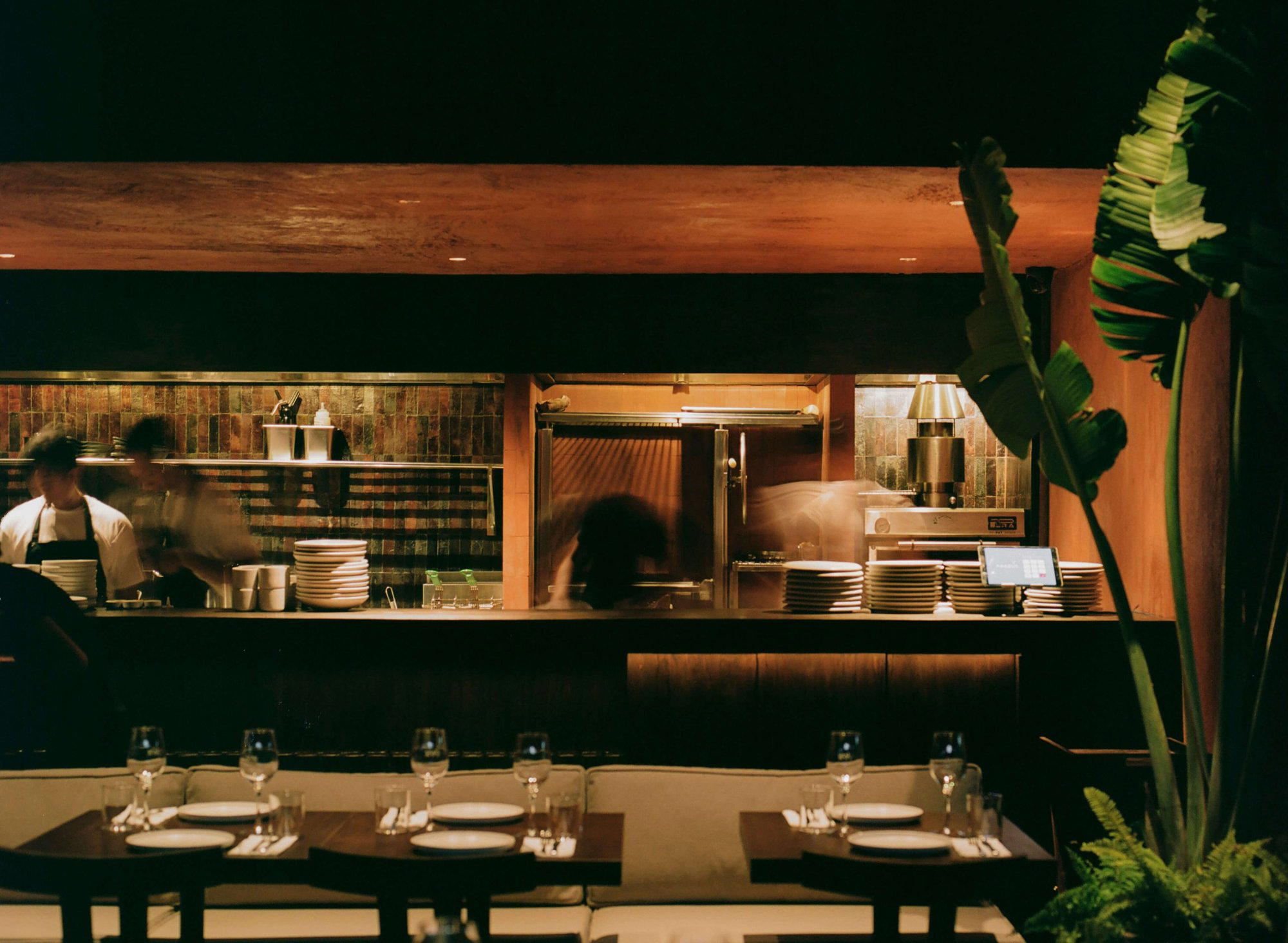
Relaxed yet refined atmosphere with lovely decor, attentive service, and an inviting environment well-suited for a menu progression.