Base is nice

In Mapo-gu, Base is Nice frames vegetable-centered Korean cooking as daily practice rather than dietary statement. Chef-owner Jang Jin-a draws on an international career in food consulting and styling to produce rice-and-vegetable sets with soup and banchan that read as refined home cooking. A reservation is required, and the, purposeful dining room earning consistent loyalty.
Pearl is the En Primeur Club membership app — saves, bookings, and concierge access live there. Same editors, same standards.
- Address
- 20 Dohwa 2-gil, Mapo-gu, Seoul, South Korea
- Phone
- +82 10-9617-6724
- Website
- instagram.com
- Directions
- Get directions
 Saves & bookings on Pearl
A Room That Slows You Down
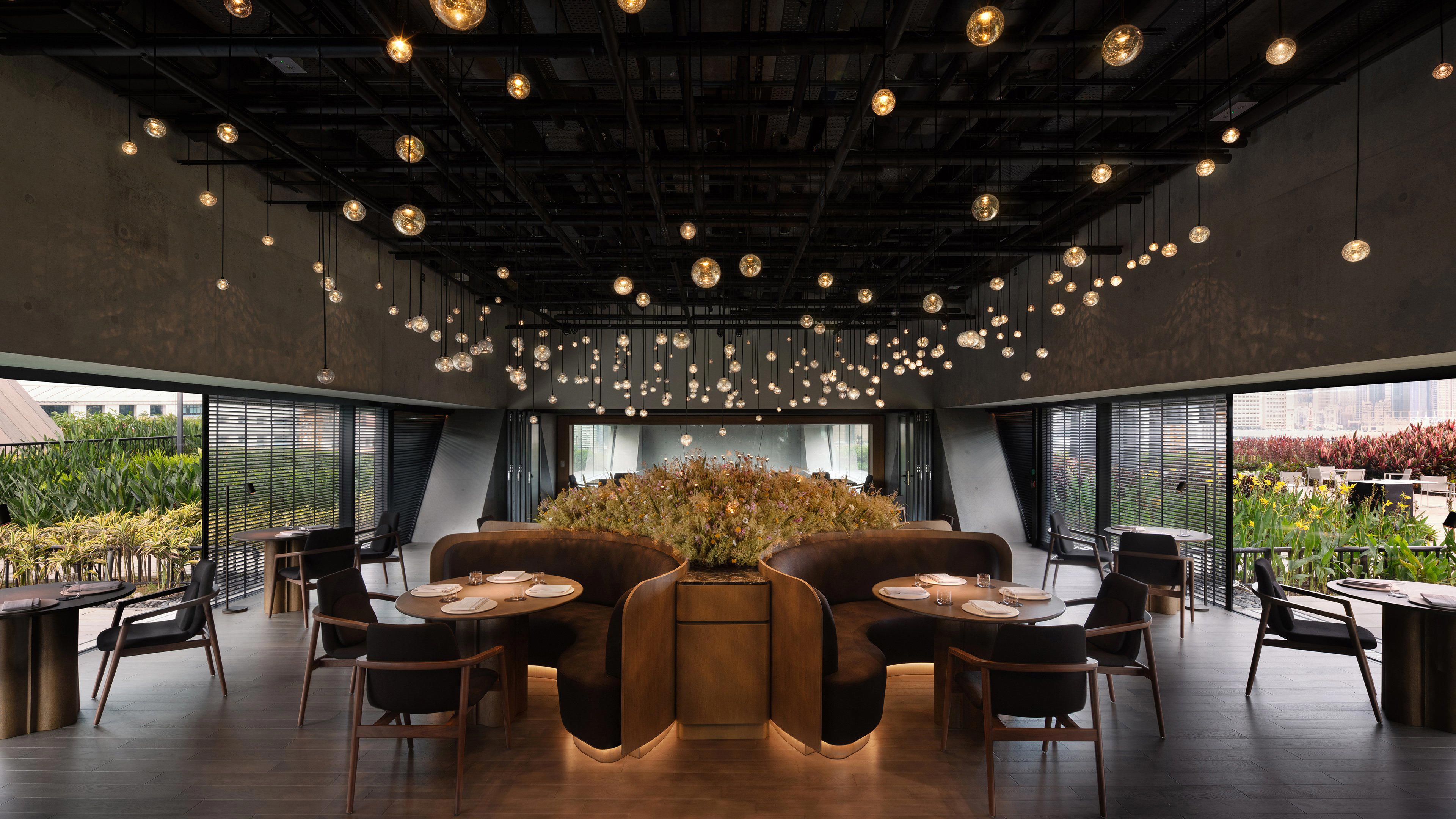
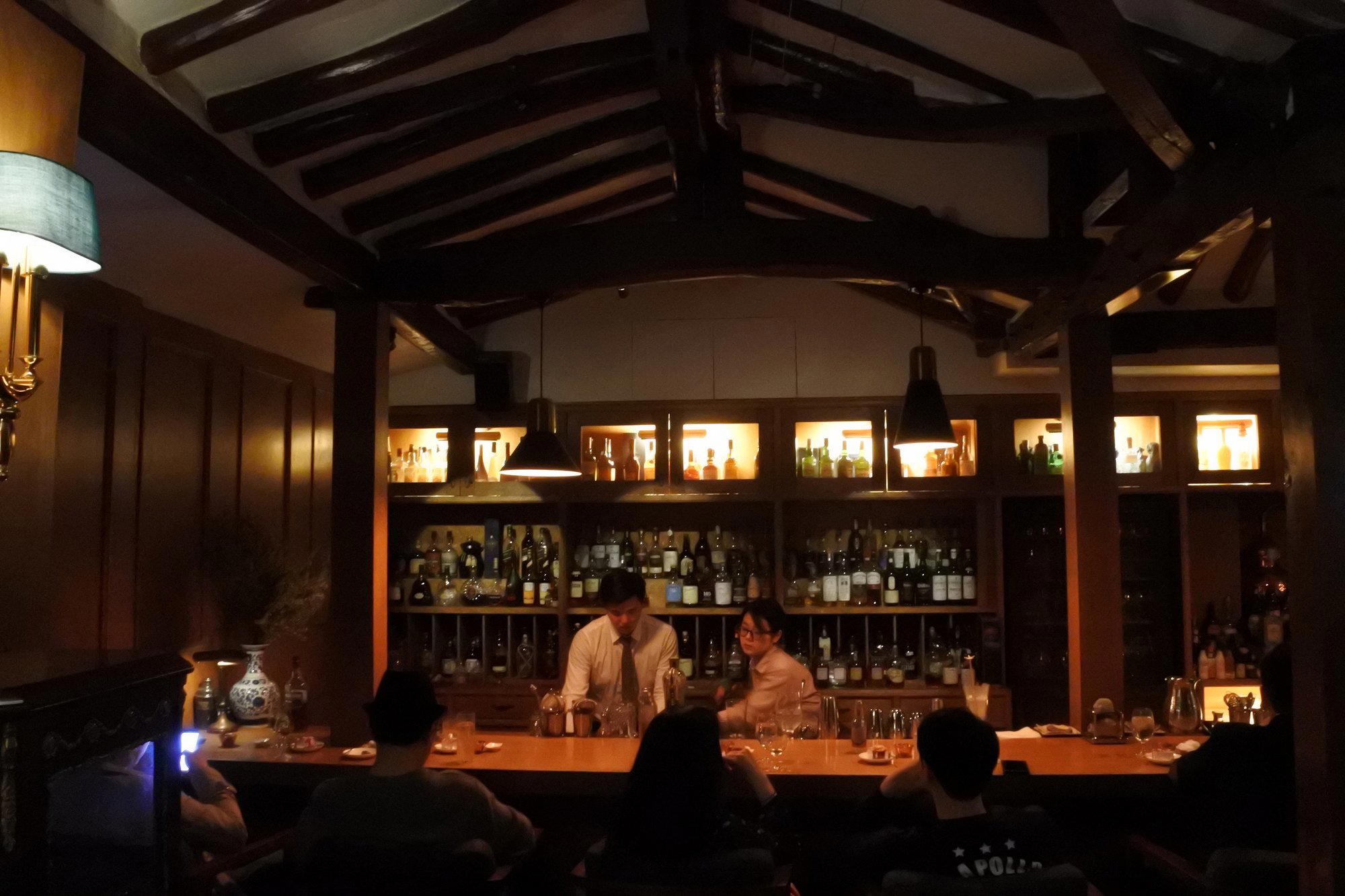
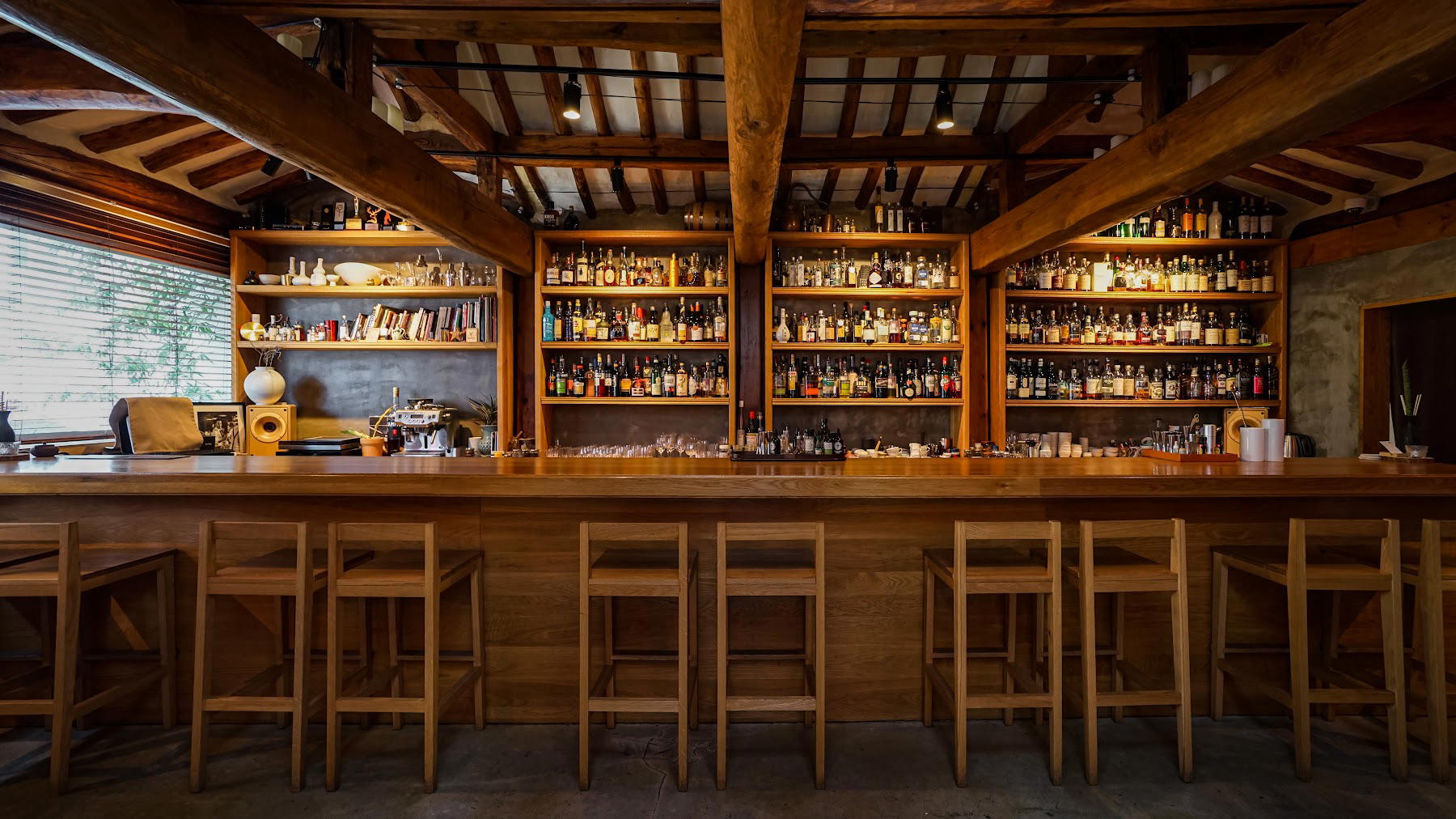
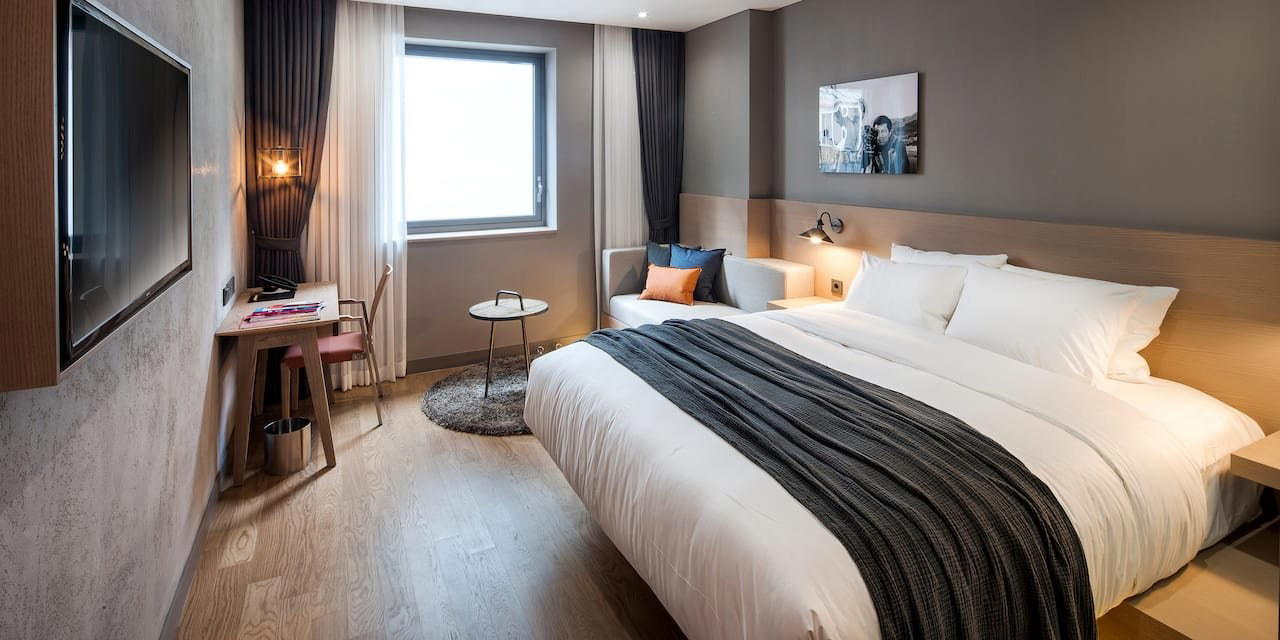
Mapo-gu is one of Seoul's more quietly productive districts: close enough to the Han River to feel unhurried, far enough from Gangnam's restaurant density to operate on its own terms. On Dohwa 2-gil, Base is Nice is a restaurant in Seoul's Mapo-gu serving vegetable-centered Korean bapsang at an accessible price point. The dining room has a natural ambience, with wood tones and daylight. This is a room designed to make you sit down and pay attention to what's in front of you.
That posture matters here, because the food asks for it. The menu is built around rice and vegetables, accompanied by soup and side dishes, a structure that Korean home cooking has used for centuries, and that a handful of Seoul restaurants are now presenting as a considered alternative to the Michelin-registered tasting-menu circuit. Where venues like Mingles, Jungsik, and Soigné work within internationally legible fine-dining formats, Base is Nice operates closer to the logic of banchan culture: multiple small preparations, balance across the table rather than within a single dish, and a meal that proceeds through accumulation rather than dramatic sequence.
The Shape of the Meal
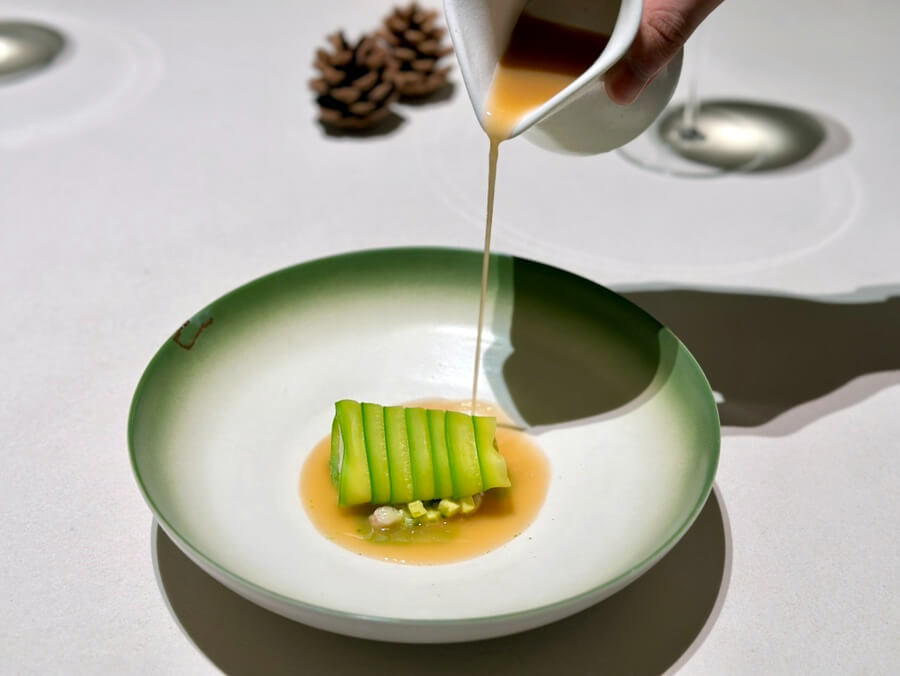
The dining ritual at Base is Nice is rooted in a format Koreans recognize as bapsang, a table set with a bowl of rice, a bowl of soup, and an array of side dishes. What changes here is the calibration. Chef-owner Jang Jin-a has spent a long career overseas as a restaurant consultant, food stylist, and food and beverage planner, and that background in professional food systems shows in the restraint applied to presentation and seasoning. These are not reconstructed or deconstructed versions of traditional dishes; they are refined iterations of cooking that treats vegetables as the main event without positioning itself as health-food rhetoric.
Jang has been explicit about this framing: the menu is designed to let diners experience everyday food through a natural, vegetable-centered diet, with no particular ideological investment in vegetarianism as a category. That distinction shapes how the meal feels. This is not a restaurant asking you to eat differently as a moral act; it is asking you to eat attentively as a pleasurable one.
In the broader context of how vegetarian cooking is handled across East Asian cities, this position is worth noting. At Fu He Hui in Shanghai, vegetarian cuisine is presented through elaborate, multi-course fine-dining architecture. Lamdre in Beijing works within a Tibetan Buddhist framework. Bonvivant in Berlin operates within European tasting-menu conventions. The restaurant sits outside all of those registers, closer to the domestic Korean table than to any of those international formats, and more committed to everyday legibility than to spectacle of any kind.
Where It Sits in Seoul's Dining Map
Seoul's restaurant tier at the ₩₩₩₩ end, where contemporary Korean venues like Kwonsooksoo, alla prima, and Onjium operate, is well-documented and internationally tracked by the Michelin Guide. At the single-₩ price point, the city's options are far more numerous and far less legible to visitors. The restaurant occupies that lower tier with an unusual degree of intentionality: the food is priced accessibly, but the kitchen is operating with the considered restraint of a chef who has spent decades thinking professionally about food systems.
That positioning places it closer, in spirit, to the temple food tradition at places like Baegyangsa Temple in Jangseong-gun than to Seoul's award-tracked dining circuit. The comparison is instructive: both traditions prioritize vegetable preparation as a complete cooking philosophy rather than a substitution strategy. The difference is that restaurant is secular, urban, and designed around contemporary daily eating rather than contemplative practice.
For visitors building a broader Seoul itinerary, the contrast with the city's upscale Korean tables is part of the value. Gaon and Kwon Sook Soo in Gangnam-gu represent Korean cuisine positioned for international recognition. The restaurant represents it positioned for daily use, and eating at both within the same trip gives a more complete picture of how the country's food culture actually operates across registers. You can extend that picture further with Mori in Busan, where similarly careful vegetable-forward cooking appears in a different urban context.
Planning Your Visit
The restaurant requires a reservation, which is the clearest logistical signal about how the kitchen operates. This is not a walk-in counter or a casual drop-by; the meal format and the small dining room both assume a seated, unhurried table. Mapo-gu is accessible from central Seoul by subway, with Mapo or Dohwa stations on Line 5 serving the area. The single-₩ price range means the financial commitment is low relative to almost any other reserved-table experience in the city, which makes the advance planning easier to justify.
Comparable Spots, Quickly
Comparable venues nearby, for context on price, style, and recognition.
| Venue | Cuisine | Price | Awards | Notes |
|---|---|---|---|---|
| Base is niceThis venue — the venue you are viewing | Vegetable-Centered Korean | $$ | Bib Gourmand | Not listed |
| Mapo Ok | Traditional Korean Seolleongtang | $$ | Bib Gourmand | 노고산동 |
| Gwanghwamun Gukbap | Korean Pork Soup (Dwaeji Gukbap) | $$ | Bib Gourmand | Sajik-dong |
| Jaha Son Mandu | Handmade Korean Dumplings | $$ | Bib Gourmand | 평창동 |
| Gomtang Lab | Traditional Korean Gomtang | $$ | Bib Gourmand | Samseong-dong |
| Nampo Myeonok | Traditional Korean Naengmyeon | $$ | Michelin Plate | Sajik-dong |
Recognition history
Dated appearances from independent guides and award organizations, with the underlying list record or original source where available.
Michelin Bib Gourmand
Michelin
Continue exploring
More in Seoul
Restaurants in Seoul
Browse all →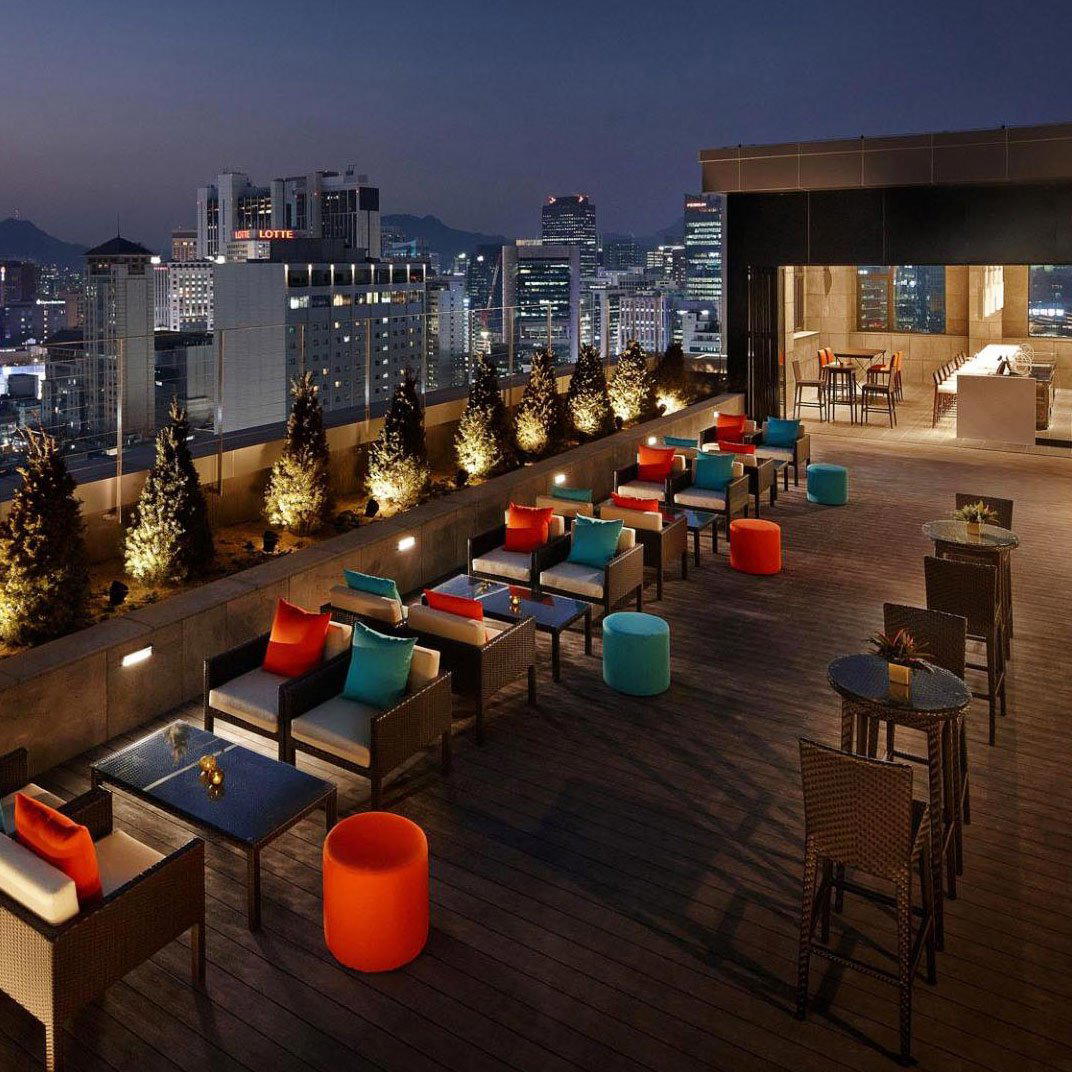
At a Glance
- Cozy
- Minimalist
- Intimate
- Solo
- Date Night
- Open Kitchen
- Local Sourcing
- Organic
Current opening hours
- Monday
- Closed
- Tuesday
- 11 AM–3 PM
- Wednesday
- 11 AM–3 PM
- Thursday
- 11 AM–3 PM
- Friday
- 11 AM–3 PM
- Saturday
- 11 AM–3 PM
- Sunday
- 11 AM–3 PM
Hours can change for holidays and private events. Last verified .
Minimalist decoration with atmospheric music and calm demeanor creating a natural, comforting atmosphere.