Gwanghwamun Gukbap

On a tight side street off Sejong-daero in Jung District, Gwanghwamun Gukbap has built a quiet following around a single proposition: dwaeji-gukbap made without shortcuts. Chef Park Chan-il separates the rice from the broth, uses black pork ham and Duroc shoulder, and finishes each bowl with chopped chives.
Pearl is the En Primeur Club membership app — saves, bookings, and concierge access live there. Same editors, same standards.
- Address
- 53 Sejong-daero 21-gil, Jung District, Seoul, South Korea
- Phone
- +82 2-738-5688
- Website
- guide.michelin.com
- Directions
- Get directions
 Saves & bookings on Pearl
A Bowl That Earns Its Simplicity
The white signage on the narrow lane off Sejong-daero announces nothing except the name. There is no menu board advertising provenance stories, no chalkboard listing farm partnerships. The room is spare and functional, built around the logic of a restaurant that has decided the soup is the entire argument. In a city where the dining conversation increasingly orbits tasting menus, imported technique, and guidebook validation, Gwanghwamun Gukbap occupies a different register entirely, one where the measure of quality is whether the broth is clean, aromatic, and worth coming back for on a grey Tuesday morning.
Dwaeji-gukbap is a working-person's dish with a long record in Korean food culture. It belongs to the same tradition of low-cost, high-yield pork cookery that produced Busan's gukbap belt, where places like Anmok, Hapcheon Gukbapjip, and Jeongjitgan have turned the format into a regional institution. Seoul's version has historically been more scattered, less codified. What Gwanghwamun Gukbap represents is an attempt to bring that same seriousness to the capital, in a district, Jung-gu, that sits directly between government buildings, office towers, and the cultural corridors of Gyeongbokgung.
The Case for Restraint: How the Bowl Is Built
The preparation at Gwanghwamun Gukbap follows a method that any serious gukbap cook would recognize: black pork ham and Duroc pork shoulder are boiled long enough to produce a broth that is clear rather than cloudy, fragrant rather than heavy. Duroc is a breed associated with higher intramuscular fat and a richer, more consistent flavour profile than commodity pork, which matters when the broth has nowhere to hide behind seasoning complexity.
The single most deliberate departure from convention here is the decision to serve the rice separately. In most gukbap service, the rice is submerged in the broth when it reaches the table. That approach is efficient, but it softens the rice quickly and muddies the broth with starch. Serving them apart keeps the broth intact and gives the diner control over texture. It is a small operational choice with a clear quality logic. Just before the bowl is served, chopped chives go in, a finishing move that adds aromatic brightness without weight.
This kind of restraint is not as passive as it appears. Deciding what not to do, and doing it consistently, is a form of discipline. The format at Gwanghwamun Gukbap has more in common with the precision logic of Seoul's high-end Korean dining, places like Gaon or Kwon Sook Soo, than the surface similarity of price point and format would suggest. The underlying principle is the same: identify the essential qualities of the dish, remove what dilutes them, and hold to that standard.
Sourcing as Structure, Not as Story
The editorial angle on sustainability in Seoul dining tends to focus on fine dining operations with visible sourcing programs, farm partnerships named on menus, and documented waste-reduction protocols. But there is a lower-profile version of ethical sourcing that operates through consistency of ingredient rather than communication of philosophy.
Using Duroc pork shoulder rather than undifferentiated commodity pork is a sourcing decision with direct flavour consequences. Duroc as a breed is slower-growing, better-marbled, and more expensive per kilogram than standard commercial breeds. Its selection in a single-dish restaurant operating at a single-won price tier signals that the margin calculation has been made in favour of ingredient quality rather than volume. That is not a negligible commitment in a format where the entire revenue model depends on throughput.
The black pork ham component reinforces this. Black pork, associated primarily with Jeju Island production in South Korea, carries a premium over mainland pork and a distinct flavour profile shaped by breed genetics and traditional rearing methods. Using both cuts in the same bowl is not redundancy, it builds a broth with layered depth that single-breed preparations rarely achieve. The sustainability argument here is not about certifications or printed sourcing maps. It is about choosing ingredients that require less intervention to taste correct.
For context on what Seoul's contemporary dining scene looks like when sustainability messaging is more visible, see operations like Mingles or alla prima, where seasonal sourcing decisions are integrated into tasting menu architecture. The restaurant works from the opposite direction: a fixed format, fixed ingredients, and quality maintained through selection rather than rotation.
Where This Fits in Seoul's Dining Map
Seoul's restaurant ecosystem has fractured sharply over the past decade. On one side: a dense concentration of Michelin-starred tasting menus, contemporary Korean operations with international ambitions, and fusion formats aimed at both local professionals and visiting food press. On the other: the city's deep infrastructure of specialist single-dish restaurants, pojangmacha traditions, and neighbourhood institutions that have survived not through reinvention but through unwillingness to compromise on the thing they do.
That review count, accumulated at a single-won price point, represents a high-frequency operation with a consistent return audience, the kind of signal that matters more than any individual critical mention. It compares instructively to the Michelin-starred contemporary Korean restaurants clustered at the ₩₩₩₩ tier, Jungsik, for instance, or ANAM, not because they compete for the same diner at any given meal, but because they represent two different bets on what Korean food's identity requires.
For a different entry point into Seoul's specialist Korean formats, Okdongsik offers a useful comparison at the traditional end of the spectrum. Those looking beyond the capital for gukbap tradition in its more documented regional form should look at the Busan context, where the dish has a longer and more institutionalised history. Outside Korea entirely, Mori in Busan and Baegyangsa Temple in Jangseong-gun represent other ends of Korean food's range.
Planning Your Visit
The restaurant is located at 53 Sejong-daero 21-gil in Jung District, a short walk from Gwanghwamun Station and within easy reach of the central business district. The price range sits at a moderate tier, making it accessible without any advance financial planning. Walk-in service is one reliable approach, especially during off-peak hours. Arriving early in a lunch or dinner window, before the office-district rush, typically offers the shortest wait.
Reputation Context
Comparable venues nearby, for context on price, style, and recognition.
| Venue | Cuisine | Price | Awards | Notes |
|---|---|---|---|---|
| Gwanghwamun GukbapThis venue — the venue you are viewing | Korean Pork Soup (Dwaeji Gukbap) | $$ | Bib Gourmand | Not listed |
| Hapjeongok | Traditional Korean Gomtang | $$ | Bib Gourmand | Seongsan-dong |
| Samcheongdong Sujebi | Traditional Korean Sujebi Noodle Soup | $$ | Bib Gourmand | 가회동 |
| Jaha Son Mandu | Handmade Korean Dumplings | $$ | Bib Gourmand | 평창동 |
| Myeon Seoul | Modern Korean Noodles | $$ | Bib Gourmand | 압구정동 |
| Base is nice | Vegetable-Centered Korean | $$ | Bib Gourmand | 노고산동 |
Recognition history
Dated appearances from independent guides and award organizations, with the underlying list record or original source where available.
Michelin Plate
Michelin
Michelin Bib Gourmand
Michelin
Michelin Bib Gourmand
Michelin
Continue exploring
More in Seoul
Restaurants in Seoul
Browse all →
At a Glance
- Modern
- Cozy
- Casual Hangout
- Standalone
Current opening hours
- Monday
- 11 AM–9:30 PM
- Tuesday
- 11 AM–9:30 PM
- Wednesday
- 11 AM–9:30 PM
- Thursday
- 11 AM–9:30 PM
- Friday
- 11 AM–9:30 PM
- Saturday
- 12–8:30 PM
- Sunday
- Closed
Hours can change for holidays and private events. Last verified .
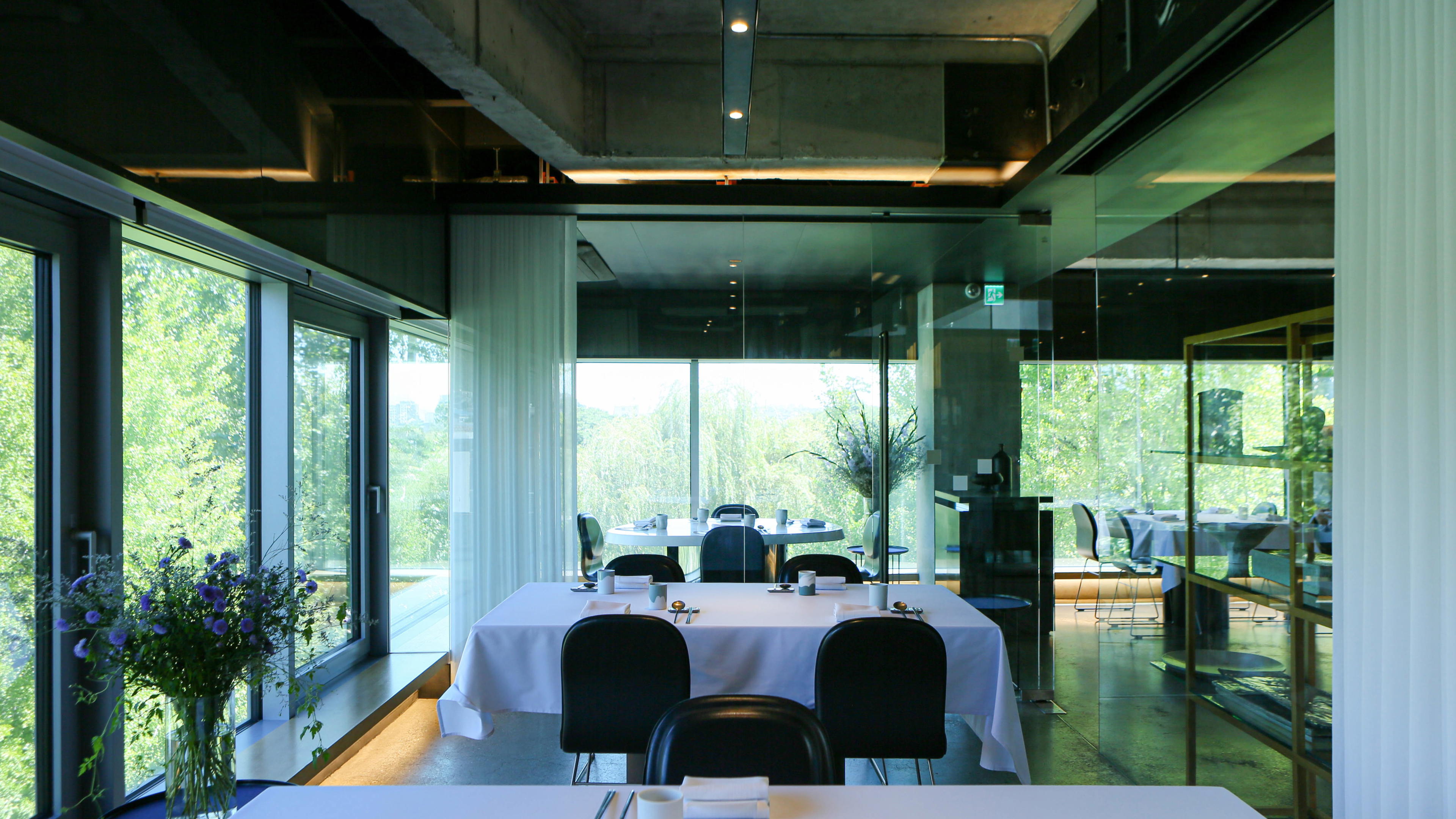
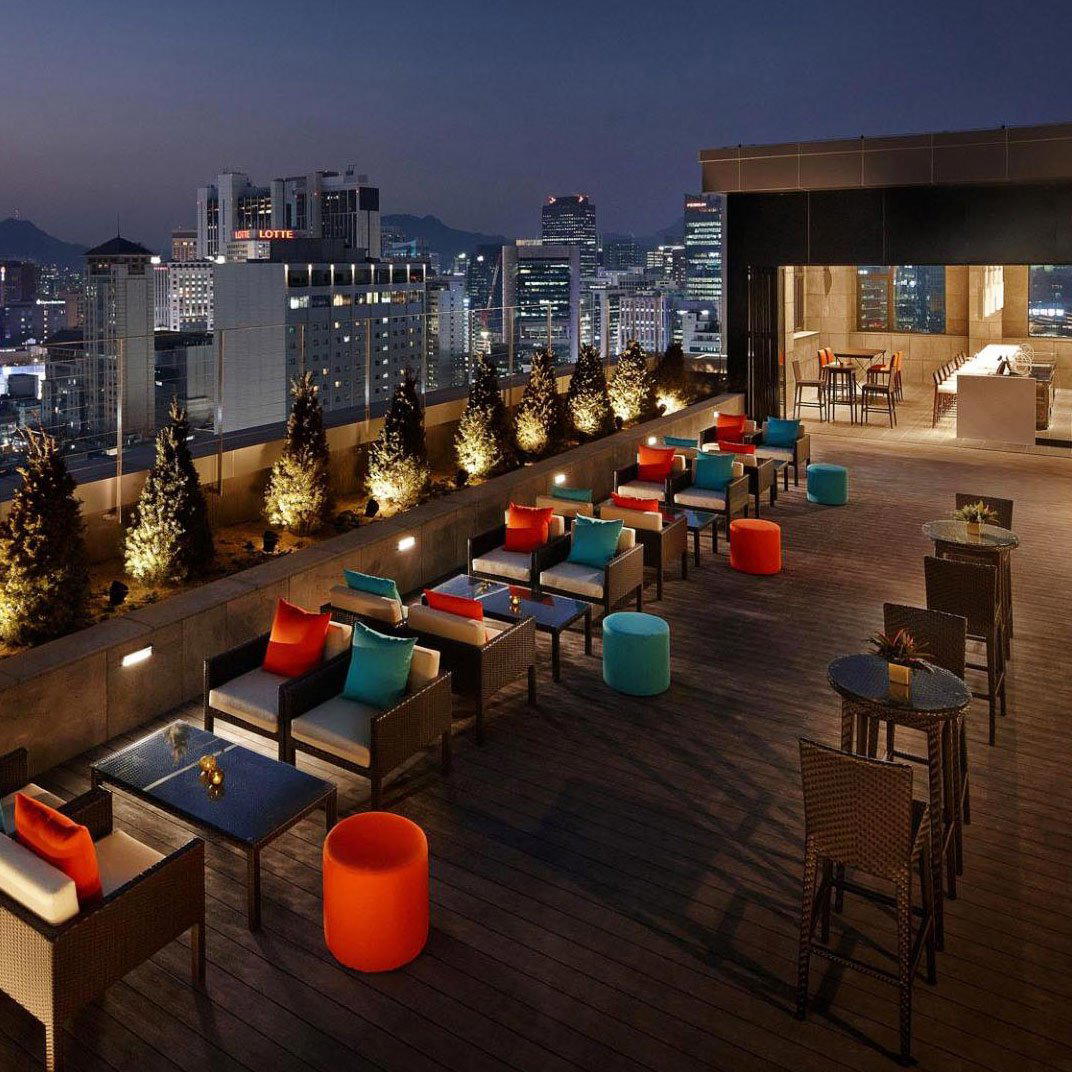
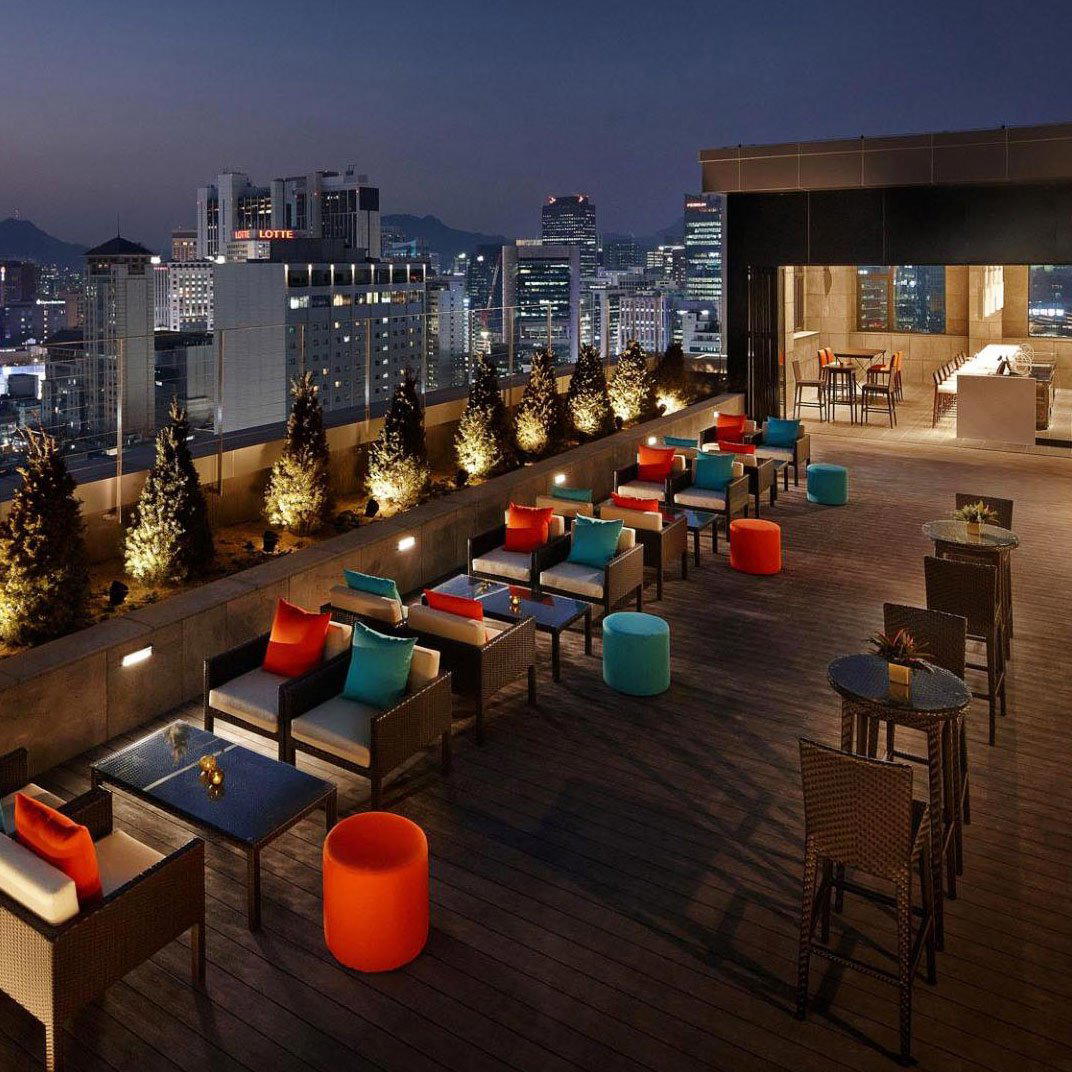
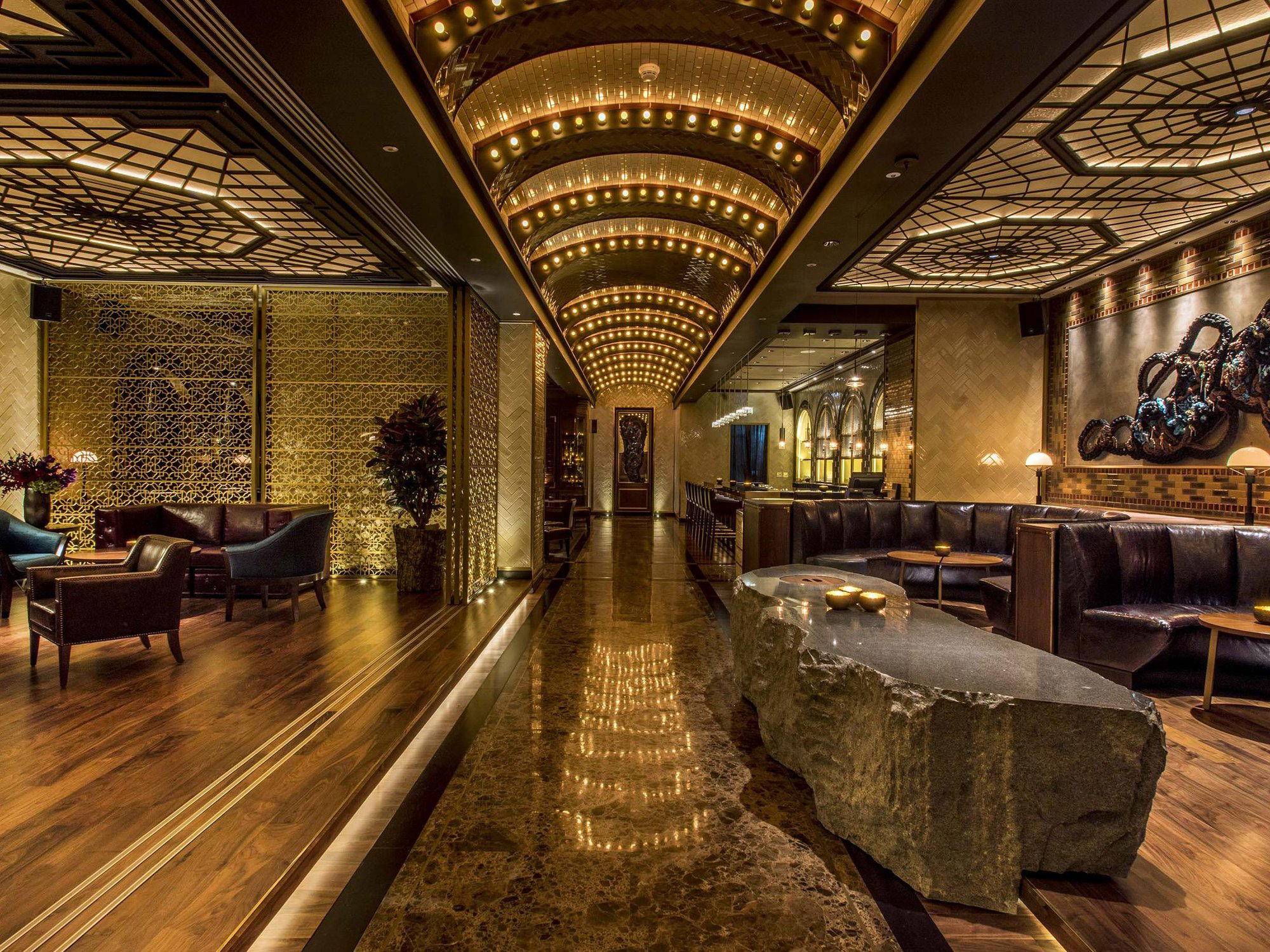
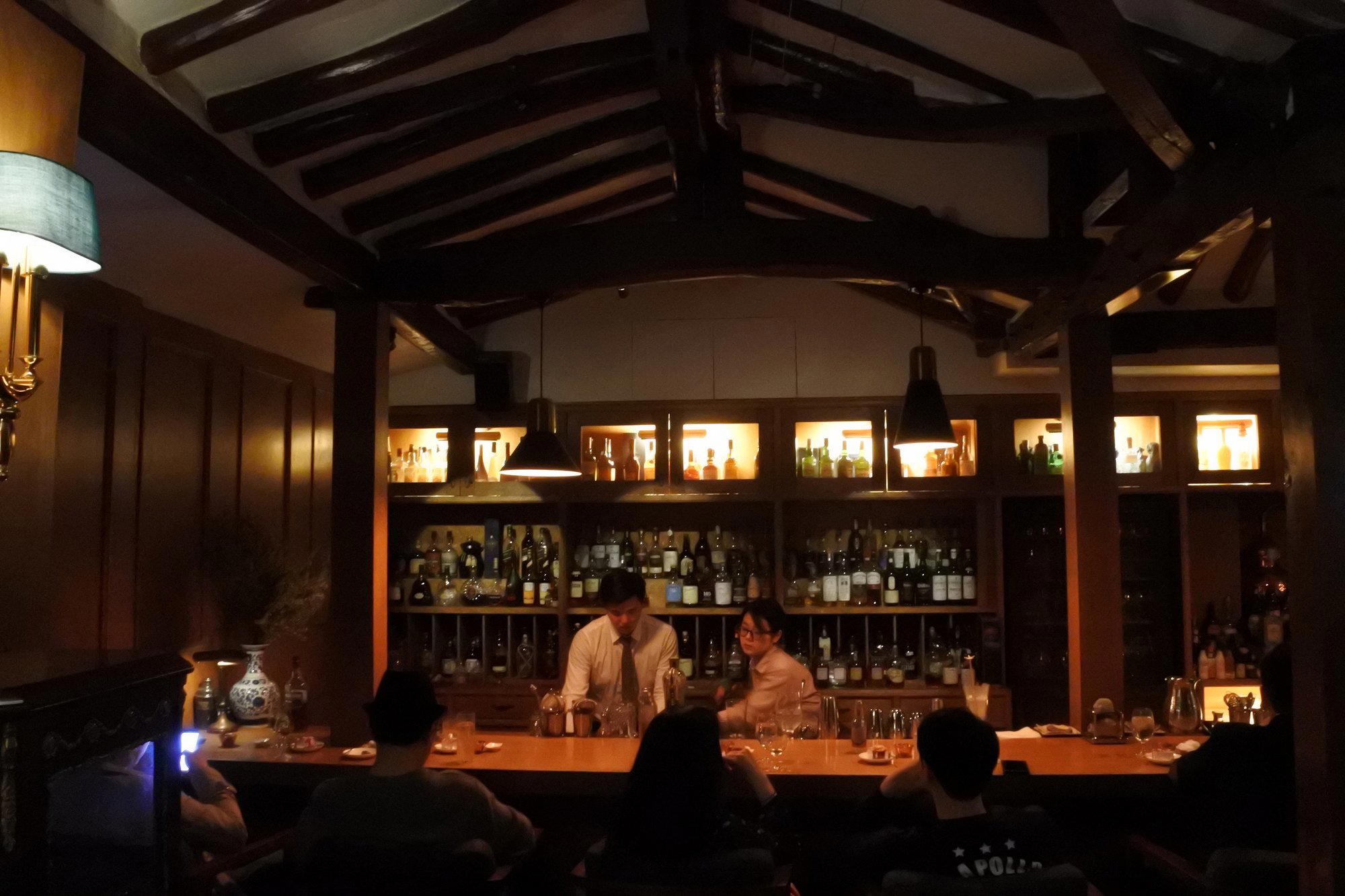
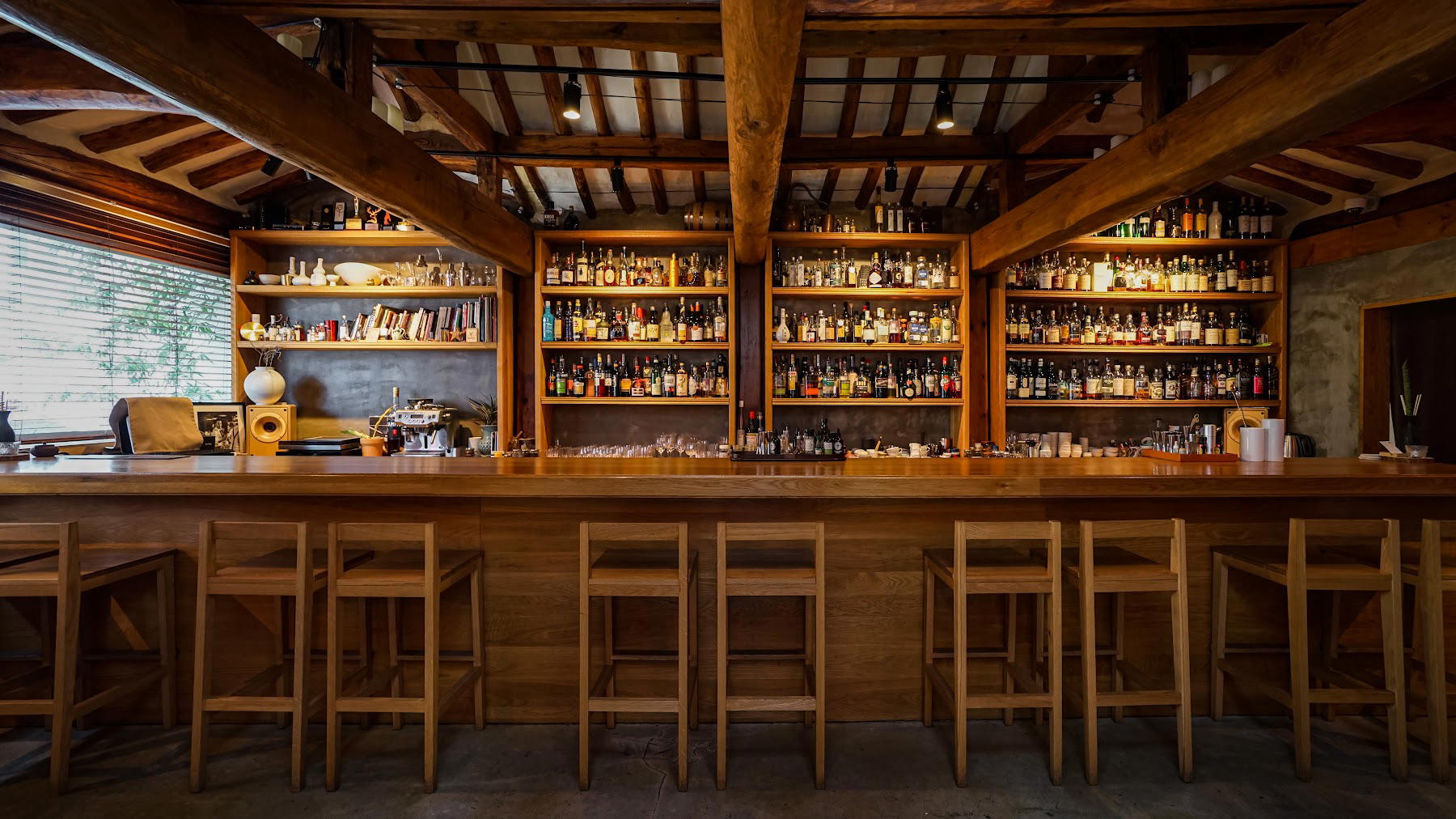
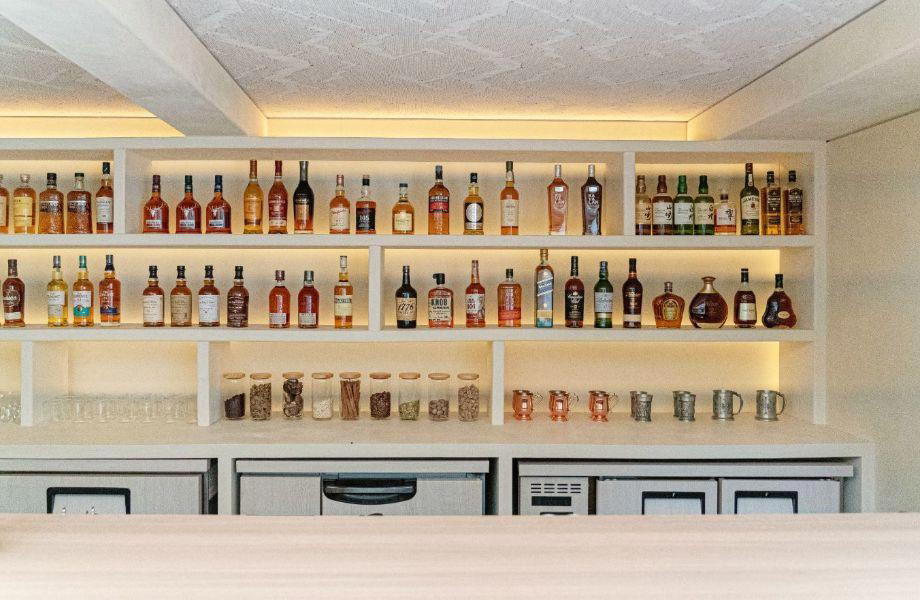
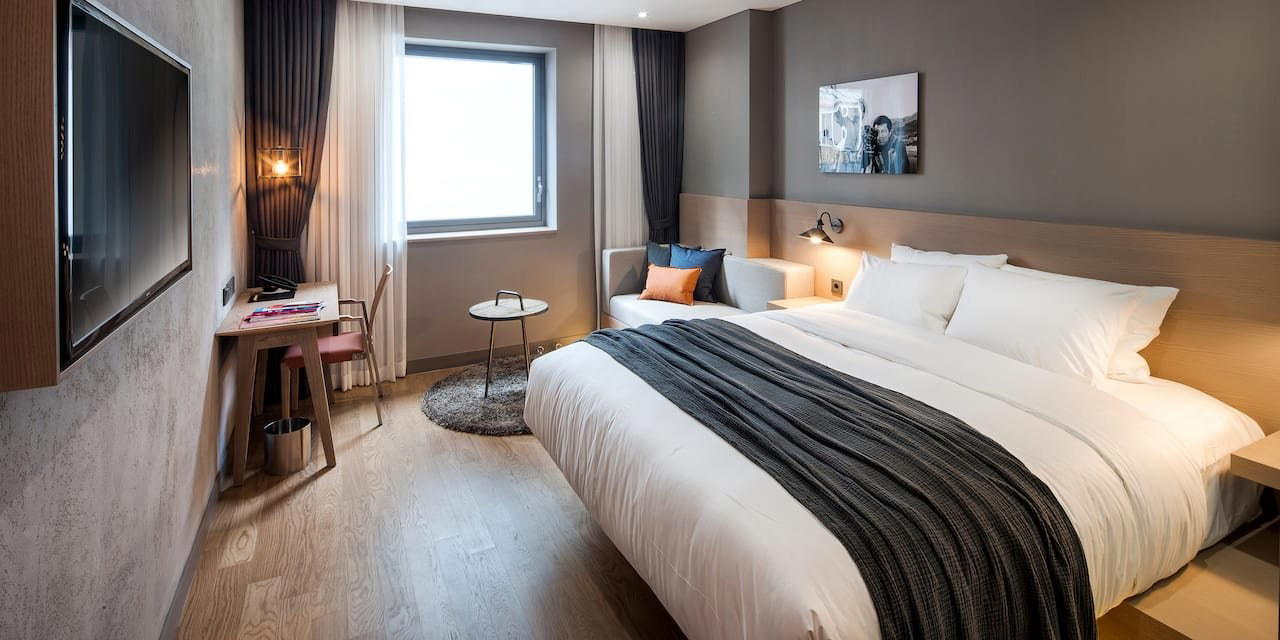
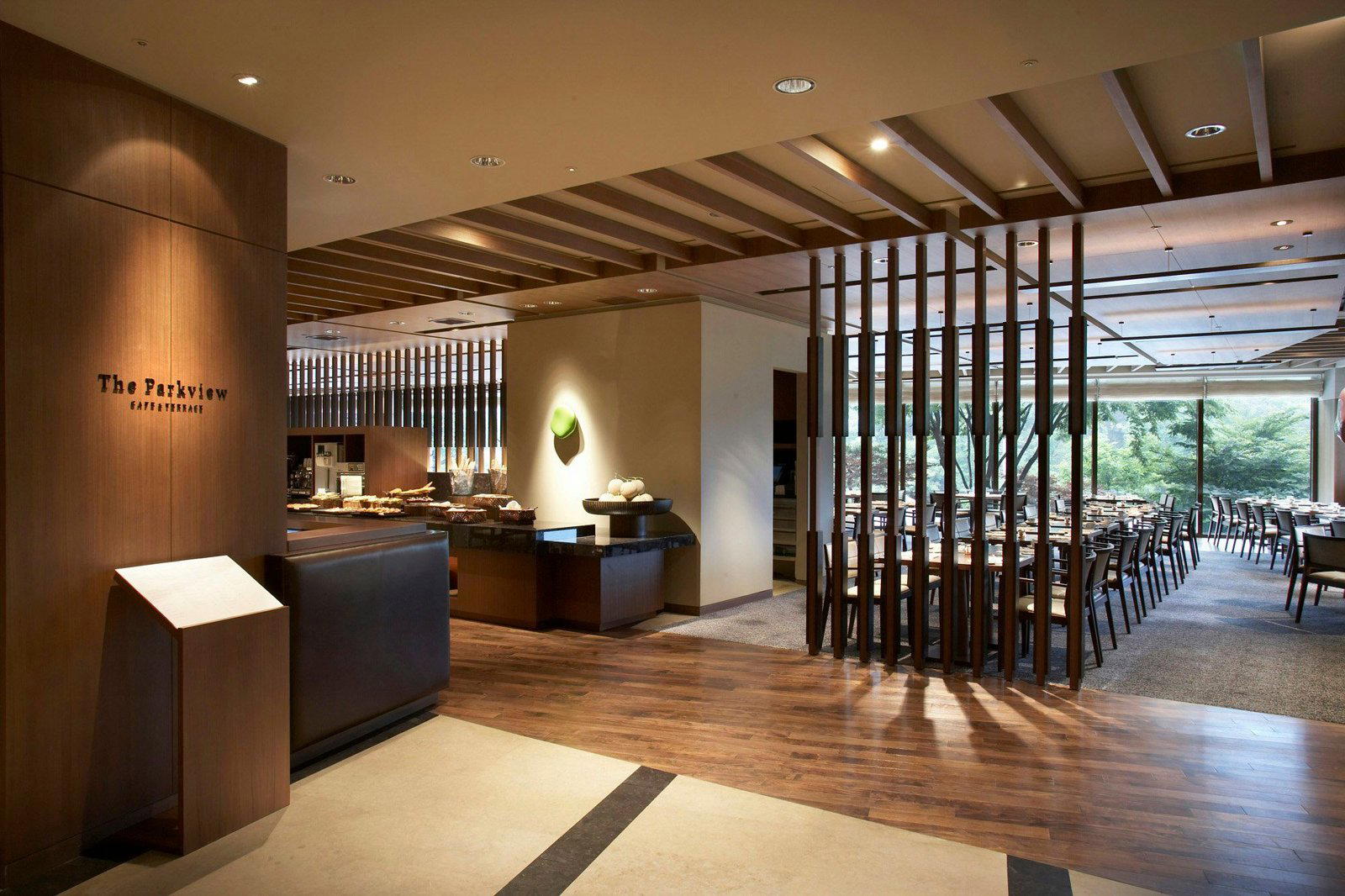
Modern and neat interior balancing trendy and welcoming, accommodating diverse age groups in a busy office district.