


1 Michelin Star · Falstaff Restaurant - 90 Falstaff Points · We're Smart World 4 Radishes
Our verdict
Bonvivant Berlin revolutionizes plant-based fine dining through innovative five and six-course vegan tasting menus that showcase local, seasonal ingredients transformed by masterful barbecue techniques and fermentation artistry in an atmosphere where culinary excellence meets Berlin's relaxed sophistication.

Pearl is the En Primeur Club membership app, where members save venues, book tables and use the concierge.
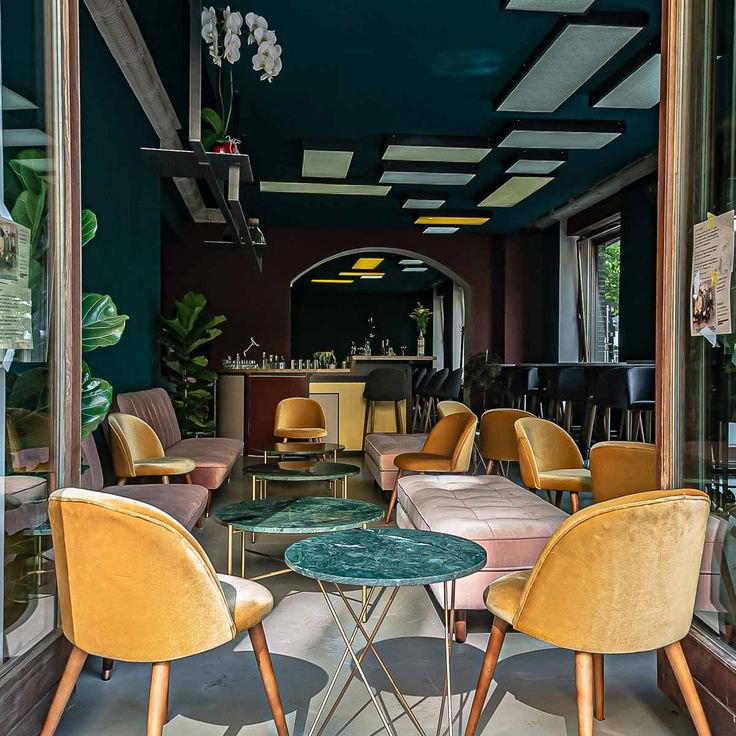
Plant-Forward at the top of the Table
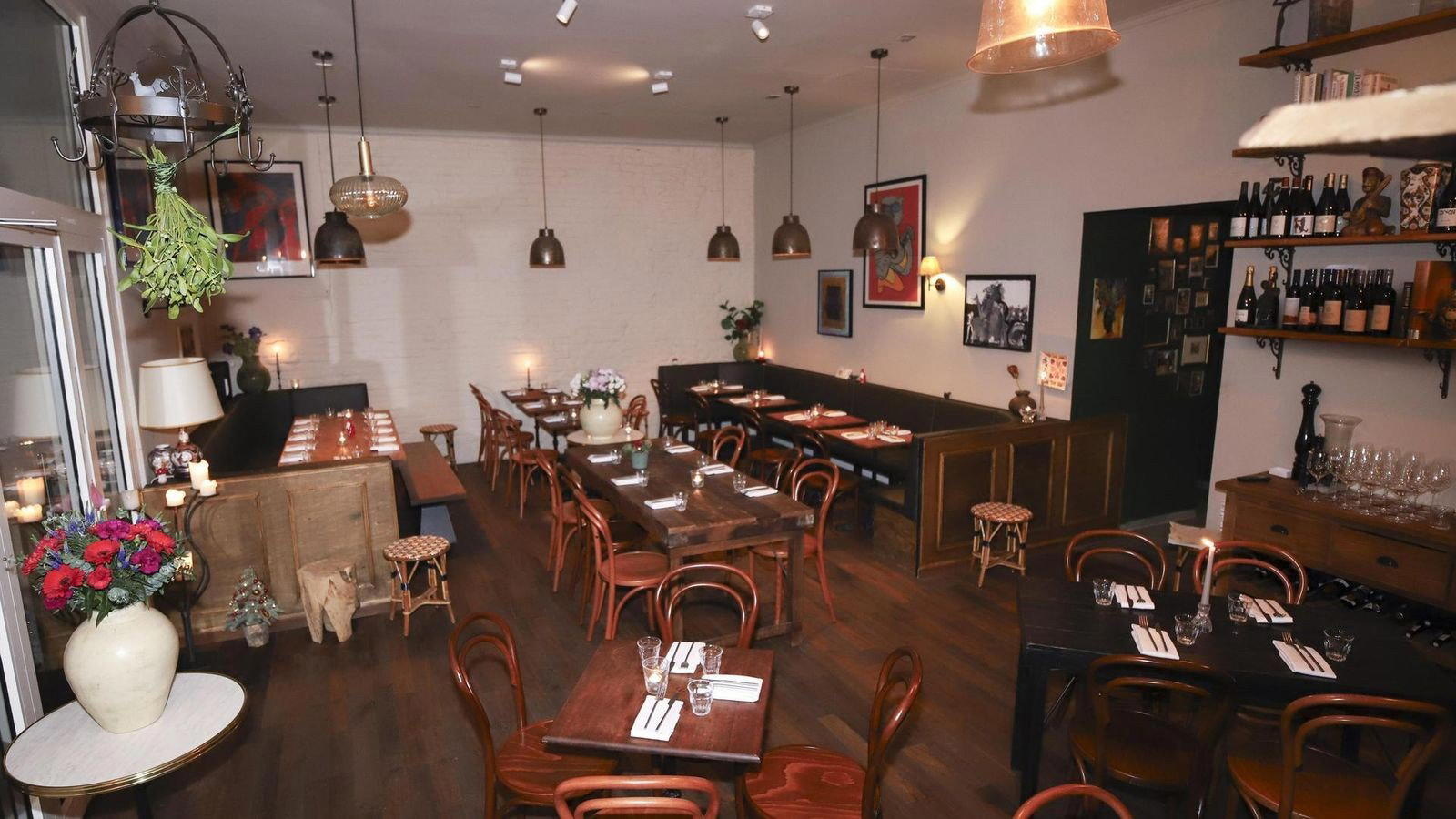
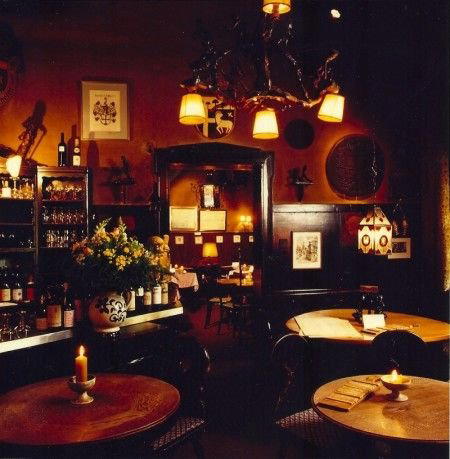
Goltzstraße sits in the Schöneberg district, a stretch of Berlin that trades in neighbourhood permanence rather than trend cycles. The street-level approach to Bonvivant gives little away: a modest address among residential blocks and corner shops. Inside, the atmosphere is calibrated to the kind of deliberate calm that high-format tasting menus require, a young service team, a relaxed register, and enough space between courses for genuine conversation. What the room communicates, before the first course arrives, is that the kitchen is not performing effort. It expects you to pay attention instead.
That positioning matters because Berlin's top tier of creative restaurants, including Rutz, Nobelhart & Schmutzig, and CODA Dessert Dining, each occupies its own conceptual lane. Bonvivant's lane is the narrowest and, in some respects, the most demanding: a strictly vegetarian format at €€€€ pricing, earning a Michelin star in 2025. To hold that position, a kitchen must convince guests that the absence of meat and fish is not a constraint but a deliberate expansion of what is possible with plant matter. The Michelin recognition suggests the argument is being made convincingly.
The Format and What It Demands
The menu operates as a set format of five or six courses, with the option to extend via a signature dish. Vegan throughout, the programme places its credibility on sourcing and technique rather than substitution. Ingredients are drawn from regional producers and calibrated to the season, which means the menu's personality shifts meaningfully across the year rather than cycling through a fixed repertoire dressed in different garnishes. The result is a kitchen that has learned to build depth through fire and fermentation rather than through animal products.
Accompaniments are treated as compositional elements rather than supporting acts, and the drinks programme, described as original and sophisticated, carries genuine weight in the overall experience. Cocktails and pairings are elaborated by the service team alongside the courses, which means the drink side of the meal is integrated into the editorial arc of the evening rather than offered as a parallel transaction. For a room operating at this price point, that integration is not optional; it is what separates a high-concept dinner from an expensive one.
Where Byron Gomez Fits the Scene
Chef Byron Gomez leads the kitchen at Bonvivant. The editorial angle here is not his biography but his placement: a named chef running a Michelin-starred vegetarian kitchen in Berlin in 2025 is operating at a specific frontier. The question the wider fine-dining world has been testing for over a decade is whether plant-forward cooking can sustain the technical ambition and flavour complexity that justify the leading price bracket. The star awarded to Bonvivant is one data point in an argument that is also being made, in different registers, by restaurants like Fu He Hui in Shanghai and Lamdre in Beijing, both vegetarian addresses with serious fine-dining credentials. The common thread across these kitchens is that the chef's skill is evaluated against the full range of fine-dining expectation, not scored on a curve for ingredient restriction.
Gomez's kitchen also extends its influence beyond the dining room. A cookery school operates next door to the restaurant, which places the operation in a category of venues that treat knowledge transfer as part of the mission rather than a revenue supplement. The team harvest ingredients themselves on a regular basis, maintaining a direct relationship with the supply chain that informs how dishes are constructed at the source rather than through procurement. At the €€€€ tier, these commitments function as trust signals for a guest who is paying not just for a meal but for a set of values they can verify.
Zero Waste as Kitchen Discipline
The zero-waste approach at Bonvivant is documented in the Michelin citation and is consistent with a broader trend in the European fine-dining avant-garde: treating waste reduction not as a moral addendum but as a creative constraint that sharpens kitchen thinking. When nothing is discarded, every component of an ingredient must justify its place in a dish or find application elsewhere in the menu. This is not straightforwardly easier than conventional mise en place; it requires more planning, more fermentation and preservation work, and a kitchen hierarchy that communicates across the entire ingredient lifecycle. The restaurants in Germany that have earned Michelin recognition in recent years, from JAN in Munich to Schwarzwaldstube in Baiersbronn to Aqua in Wolfsburg, operate across a wide range of formats and philosophies. What they share is technical discipline. Bonvivant's zero-waste framework appears to function as the same kind of internal standard.
Berlin's Michelin Tier in Context
Berlin's fine-dining tier has consolidated in recent years around a set of restaurants that share a €€€€ price point and, broadly, a commitment to either regional sourcing, creative format, or conceptual coherence. Cookies Cream has held vegetarian credentials in Berlin for longer than most, establishing that the city's dining public was prepared to pay serious prices for plant-based cooking before the wider European market caught up. Bonvivant's Michelin star in 2025 confirms that the category has matured beyond novelty positioning. It is now evaluated on the same criteria as Restaurant Tim Raue or Vendôme in Bergisch Gladbach, flavour precision, menu coherence, technical execution, and service quality. The distinction is no longer that it is vegetarian. The distinction is whether it is good enough.
A sample of that size at this price tier is meaningful data: it indicates a consistency of execution that holds across a wide range of guests and expectations, not just the conditions of a single inspector's visit. That breadth of satisfaction at €€€€ is harder to sustain than critical acclaim, and for prospective guests it is arguably more informative.
Planning a Visit
Bonvivant is located at Goltzstraße 32, 10781 Berlin, in the Schöneberg district. The address is accessible by U-Bahn, with the neighbourhood character of a working residential street rather than a designated restaurant row, which means arrival is quiet and untheatrical. The set menu format with five or six courses, plus an optional signature extension, requires roughly three hours. Given the Michelin recognition in 2025 and the manageable size of the operation, advance booking is advisable; this is not a walk-in proposition at this level of the Berlin dining tier. The cookery school next door operates as a separate booking, for those who want to extend their engagement with the kitchen's approach beyond a single dinner. For a fuller picture of Berlin's dining and hospitality options, the EP Club guides to Berlin restaurants, Berlin hotels, Berlin bars, Berlin wineries, and Berlin experiences cover the broader territory. Comparable German addresses worth considering alongside Bonvivant include ES:SENZ in Grassau and Restaurant Haerlin in Hamburg for guests building a wider itinerary around Michelin-level dining in Germany.
What Dish Is Bonvivant Famous For?
Bonvivant does not trade on a single signature dish in the way that some tasting-menu restaurants anchor their reputation to one showpiece. The format, a vegan set menu of five or six courses built around regional, seasonal produce, means the reference points shift with the harvest calendar. The barbecue grill is a recurring technique across courses, generating the kind of char-driven depth that has become one of the kitchen's most recognisable editorial moves. What the Michelin citation does confirm is that intense flavour, achieved through seasonal ingredients, regional sourcing, and grilling technique, is the consistent through-line, regardless of which specific dishes are on the menu at any given time.
Frequently asked questions
Where is Bonvivant in Berlin?
Bonvivant is located at Goltzstraße 32, 10781 Berlin, Germany, Berlin.
Who's behind the kitchen at Bonvivant?
The chef associated with Bonvivant is Byron Gomez.
Standing Among Peers
A quick peer reference to anchor this venue in its category.
| Venue | Cuisine | Price | Awards | Notes |
|---|---|---|---|---|
| BonvivantThis venue (the venue you are viewing) | Creative Vegan Fine Dining | $100–150 | 1 Michelin Star · Falstaff Restaurant - 90 Falstaff Points | Not listed |
| CODA Dessert Dining | Dessert-Inspired Fine Dining | $200–300 | 2 Michelin Stars · World's 50 Best #79 | Creative |
| Rutz | Modern German Fine Dining | $200–300 | 3 Michelin Stars · La Liste Top Restaurants | Modern European, Modern Cuisine |
| Nobelhart & Schmutzig | Hyper-Local Modern German Fine Dining | $100–150 | 1 Michelin Star · World's 50 Best #59 | Modern German, Creative |
| FACIL | Modern Fusion Fine Dining | $200–300 | 2 Michelin Stars · La Liste Top Restaurants | Contemporary European, Creative |
| Horváth | Modern Austrian Vegetable Cuisine | $200–300 | 2 Michelin Stars · La Liste Top Restaurants | Modern Austrian, Creative |
Recognition history
Dated appearances from independent guides and award organizations, with the underlying list record or original source where available.
Michelin 1 Star
Michelin
Falstaff Restaurant - 90 Falstaff Points
Falstaff
We're Smart World 4 Radishes
We're Smart World
Full recognition history (5 entries)
Michelin 1 Star
Michelin
Michelin 1 Star
Michelin
Continue exploring
More in Berlin
Restaurants in Berlin
All restaurants in Berlin →
Bars in Berlin
All bars in Berlin →

Details
- Cozy
- Elegant
- Trendy
- Sophisticated
- Date Night
- Special Occasion
- Brunch
- Open Kitchen
- Craft Cocktails
- Local Sourcing
- Zero Waste
- Tasting Menu
- A La Carte
- Small Plates
- Craft Cocktails
- Vegan Options
- Vegetarian Friendly
Current opening hours
- Monday
- Closed
- Tuesday
- 6–11 PM
- Wednesday
- 6–11 PM
- Thursday
- 6–11 PM
- Friday
- 9 AM–3 PM, 6–11 PM
- Saturday
- 9 AM–3 PM, 6–11 PM
- Sunday
- 9 AM–3 PM
Hours can change for holidays and private events. Hours as of .
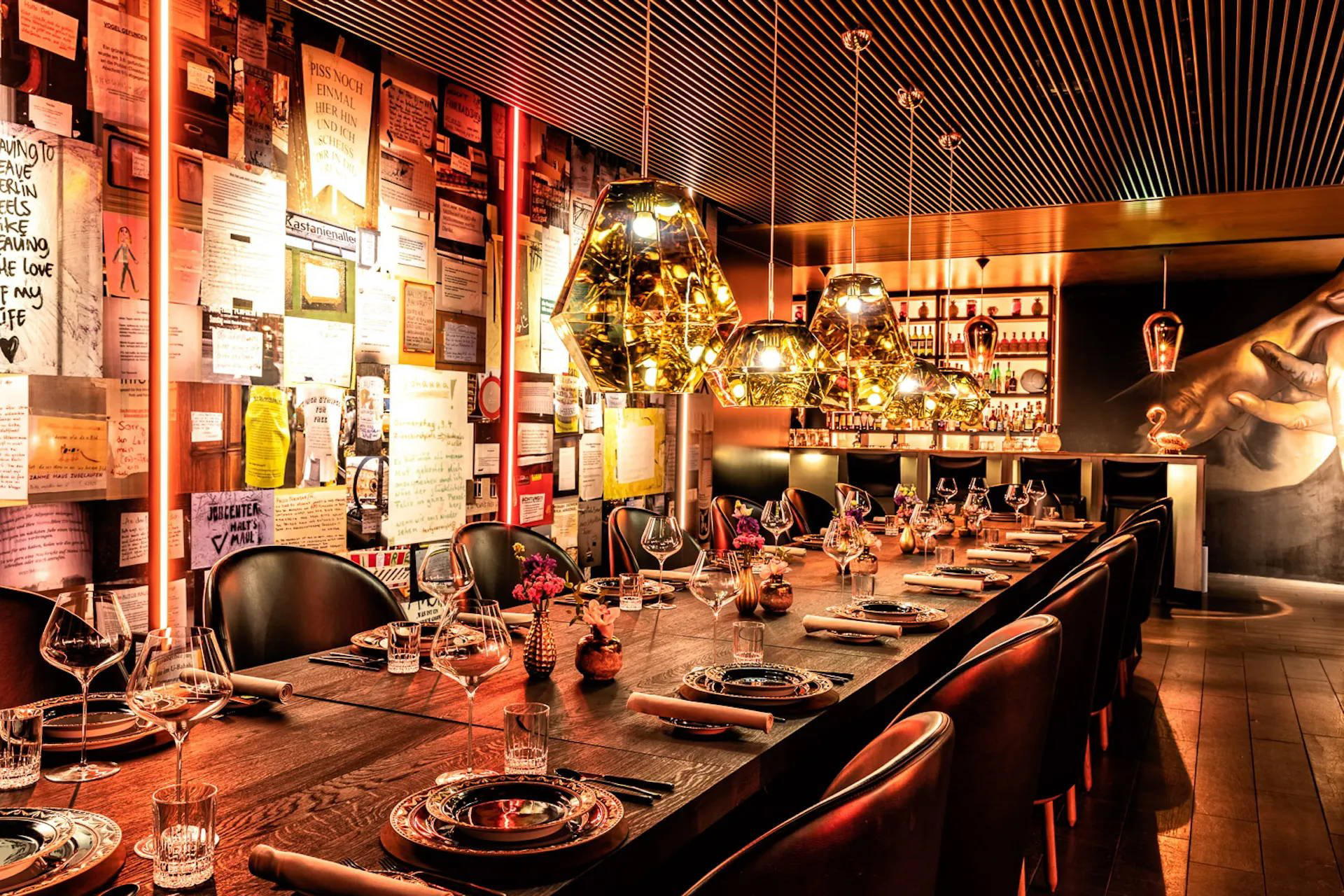
Stylish, relaxed atmosphere with captivating wall art, cozy setting, and a laid-back vibe praised for its warmth and sensory appeal.