Jaha Son Mandu

Michelin Bib Gourmand
Our verdict
Jaha Son Mandu has held the Michelin Bib Gourmand in both 2024 and 2025, placing it among the most consistent mandu specialists in Jongno. Operating out of a low-key address on Baekseokdong-gil, under chef Park Hye-Kyung, it occupies the traditional end of Seoul's dumpling spectrum, where craft and price discipline matter more than room design.

Pearl is the En Primeur Club membership app, where members save venues, book tables and use the concierge.
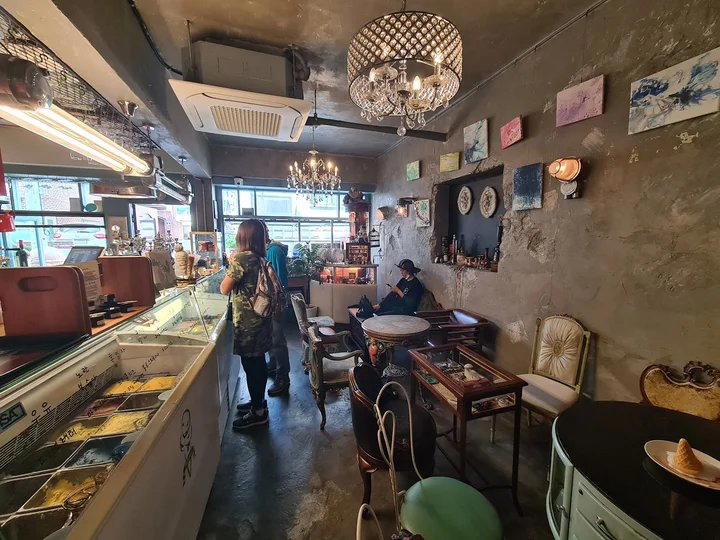
Where Jongno's Dumpling Tradition Still Has a Pulse
Baekseokdong-gil is the kind of street that resists the branding applied to more photogenic Seoul neighbourhoods. In Jongno District, a borough that contains both the formal grandeur of Gyeongbokgung and dense residential lanes barely altered in decades, the street sits on the quieter side of that equation. Arriving on foot, the visual register is muted: low facades, modest signage, a neighbourhood operating at its own pace. This physical restraint sets a context that matters for understanding what Jaha Son Mandu does and why it has attracted sustained Michelin attention.
Mandu, the Korean dumpling, occupies a different cultural position from the theatrical premium formats that dominate Seoul's internationally recognised dining scene. Where restaurants like Gaon or Kwon Sook Soo place Korean food inside expensive tasting frameworks aimed partly at international visitors, mandu sits closer to the everyday fabric of Korean eating. The form has roots in northern Korean cooking, with Goryeo-era references to wheat-wrapped parcels as ceremonial food, and a long post-war presence in Seoul's street and neighbourhood restaurant culture. The Bib Gourmand designation, which Michelin uses specifically to mark good cooking at accessible prices rather than fine-dining ambition, is the structurally correct recognition for this category.
A Consistent Bib Gourmand Record in a Competitive Category
Jaha Son Mandu has held the Michelin Bib Gourmand in both 2024 and 2025. In the Seoul Michelin guide, where the total number of Bib Gourmand awards is smaller than in cities like Tokyo or Paris, consecutive years on the list carry real weight. The designation requires the inspectors to return, re-evaluate, and confirm that both the cooking and the price-to-quality ratio have held. That two-year consistency distinguishes Jaha Son Mandu from the many mandu operations across the city that produce technically competent dumplings without attracting formal recognition.
Gaeseong Mandu Koong and Mandujip operate in a similar bracket, as does Mipildam. These are not interchangeable. Each carries a different regional or stylistic reference point, and the differences in wrapper texture, filling ratio, and broth construction are legible to anyone who eats across the category with some attention. Jaha Son Mandu's position within this group, rather than its individual characteristics, is the signal the Michelin entry provides. The category attracts serious critical attention in Seoul, and holding a position in it across consecutive years requires consistent execution.
The single-won price tier places Jaha Son Mandu at the accessible end of Seoul dining, a long distance from the ₩₩₩₩ tasting menus at Michelin-starred contemporaries like Mingles. This is a structural choice by Michelin: the Bib Gourmand exists precisely because price accessibility is itself a form of quality when the cooking justifies it. At the ₩ tier, the commitment to craft is harder to sustain commercially, which is part of why the recognition matters.
The Mandu Form and What Distinguishes Serious Practitioners
Korean mandu varies considerably by region, season, and occasion. The northern tradition, associated with Goryeo and later Joseon court cooking, favours larger, thinner-skinned dumplings with a higher ratio of filling to wrapper. The everyday Seoul tradition runs toward smaller, firmer forms suited to quick service and varied accompaniment. Son mandu, meaning hand-made dumplings, signals a preparation approach that resists mechanisation: the wrapping is done by hand, which affects both the seal and the texture of the cooked edge in ways that are detectably different from machine-formed product.
What separates a technically accomplished mandu house from a casual one is primarily the wrapper and the filling balance. Wrapper thickness and consistency determine how the dumpling holds up in broth or under steam, and whether the eating ratio of dough to filling stays coherent across the whole piece. Filling composition, particularly the moisture content and the seasoning restraint, governs whether the flavour is clean or muddied. These are the variables that Michelin inspectors are evaluating when they return to a mandu-focused restaurant, and they are less forgiving than they appear because they are difficult to maintain at volume over time.
Chef Park Hye-Kyung runs the kitchen at Jaha Son Mandu. In the context of this category, where the Bib Gourmand is the recognition signal rather than a starred award, the chef's role is understood through the lens of sustained craft rather than innovation. The Seoul mandu scene does not reward menu theatrics. It rewards precision in a form that has been made the same way for generations.
Seoul's Drinking Culture and What Pairs With Mandu
The editorial angle here requires an honest note: Jaha Son Mandu at the ₩ price tier is not a venue with a wine programme or a cellar depth to evaluate. The drinking tradition around mandu in Korea runs toward makgeolli, the lightly sparkling fermented rice drink with a natural acidity that cuts through the richness of pork-filled dumplings, or soju, which functions as a neutral pairing at this price and format level. For visitors whose Seoul itinerary includes serious wine drinking, the city's dedicated bar and natural wine scene is documented in our full Seoul bars guide, and the gap between a mandu lunch and an evening wine experience is one of the more enjoyable contrasts Seoul offers.
For broader orientation on where Jaha Son Mandu sits within Seoul's full dining range, our full Seoul restaurants guide maps the city across price tiers, neighbourhoods, and cuisine types. The Jongno area carries particular density for traditional Korean formats, with Bongsanok among the other addresses worth noting in the same district. Visitors planning a longer Korea trip can cross-reference with Mori in Busan or Baegyangsa Temple in Jangseong-gun for very different registers of Korean food culture. Those building a broader trip around the region should also consult our full Seoul hotels guide, our full Seoul wineries guide, and our full Seoul experiences guide.
For reference across different format and price points in the international Michelin ecosystem, Le Bernardin in New York City and Atomix in New York City illustrate what the starred tier looks like at the other end of the investment scale. Emeril's in New Orleans offers another reference point for how American recognition culture handles the accessible end of dining. The contrast with what the Bib Gourmand does in Seoul sharpens when viewed across these comparisons.
Know Before You Go
- Address: 12 Baekseokdong-gil, Jongno District, Seoul, South Korea
- Chef: Park Hye-Kyung
- Cuisine: Mandu (hand-made Korean dumplings)
- Price tier: ₩ (accessible; Michelin Bib Gourmand price threshold)
- Awards: Michelin Bib Gourmand 2024, Michelin Bib Gourmand 2025
- Booking:; walk-in likely given format and price tier
- Hours:; verify locally before visiting
- Nearest area: Jongno District, central Seoul; well-connected by metro
What's the must-try dish at Jaha Son Mandu?
What the Michelin Bib Gourmand award across 2024 and 2025 does confirm is that the inspectors found the core mandu offering worth returning to evaluate at price. In the son mandu format, the hand-formed dumplings are the kitchen's primary statement, and ordering whatever the day's preparation leads with is the structurally sound approach. For comparison of mandu styles across Seoul's recognised specialists, Gaeseong Mandu Koong and Mandujip offer useful contrast. Chef Park Hye-Kyung's kitchen anchors the menu in craft rather than rotation, which suggests consistency over novelty is the operating principle.
Frequently asked questions
Does Jaha Son Mandu have a Michelin star or similar recognition?
Jaha Son Mandu has received recognition including: Michelin Bib Gourmand (2025); Michelin Bib Gourmand (2024).
Who runs the kitchen at Jaha Son Mandu?
The chef associated with Jaha Son Mandu is Park Hye-Kyung.
What's the must-try dish at Jaha Son Mandu?
What the Michelin Bib Gourmand recognition in both 2024 and 2025 does confirm is that the mandu itself is the draw, handmade dumplings at a ₩ price point, under chef Park Hye-Kyung. Order across the mandu range rather than anchoring to a single item.
How much does it cost to eat at Jaha Son Mandu?
Pricing at Jaha Son Mandu is listed as ₩.
What part of town is Jaha Son Mandu in?
Jaha Son Mandu is located at 12 Baekseokdong-gil, Jongno District, Seoul, South Korea, Seoul.
The Essentials
| Venue | Cuisine | Price | Awards | Notes |
|---|---|---|---|---|
| Jaha Son ManduThis venue (the venue you are viewing) | Handmade Korean Dumplings | $10–20 | Michelin Bib Gourmand | Not listed |
| 7th Door | Modern Korean Fermentation Fine Dining | $100–150 | 1 Michelin Star · World's 50 Best #49 | Korean, Contemporary |
| Solbam | Contemporary Neo-Classical Korean | $200–300 | 1 Michelin Star · World's 50 Best #55 | Contemporary |
| Onjium | Modern Korean Royal Court Cuisine | Not listed | 1 Michelin Star · World's 50 Best #14 | Korean |
| L'Amitié | Classic French Fine Dining | $100–150 | 1 Michelin Star · La Liste Top Restaurants | French |
| Zero Complex | Modern French Neo-Bistro | $100–150 | 1 Michelin Star · La Liste Top Restaurants | Korean-French, Innovative |
Recognition history
Dated appearances from independent guides and award organizations, with the underlying list record or original source where available.
Michelin Bib Gourmand
Michelin
Full recognition history (2 entries)
Michelin Bib Gourmand
Michelin
Continue exploring
More in Seoul
Restaurants in Seoul
All restaurants in Seoul →
Bars in Seoul
All bars in Seoul →
Details
- Cozy
- Rustic
- Classic
- Family
- Casual Hangout
- Open Kitchen
- Sake Program
- Local Sourcing
- Mountain
- A La Carte
- Vegetarian Friendly
Current opening hours
- Monday
- Closed
- Tuesday
- 11 AM–9 PM
- Wednesday
- 11 AM–9 PM
- Thursday
- 11 AM–9 PM
- Friday
- 11 AM–9 PM
- Saturday
- 11 AM–9 PM
- Sunday
- 11 AM–9 PM
Hours can change for holidays and private events. Hours as of .
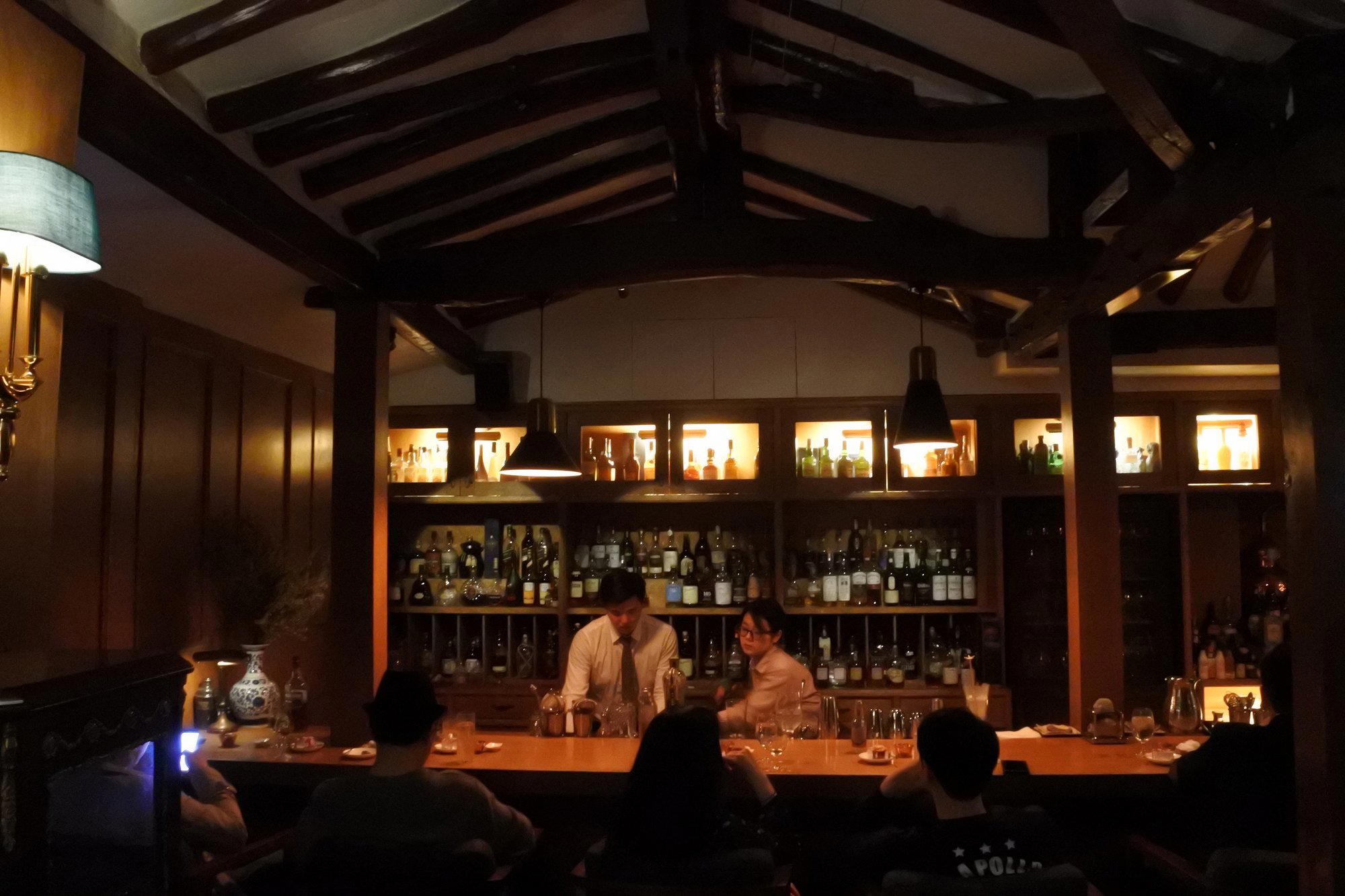
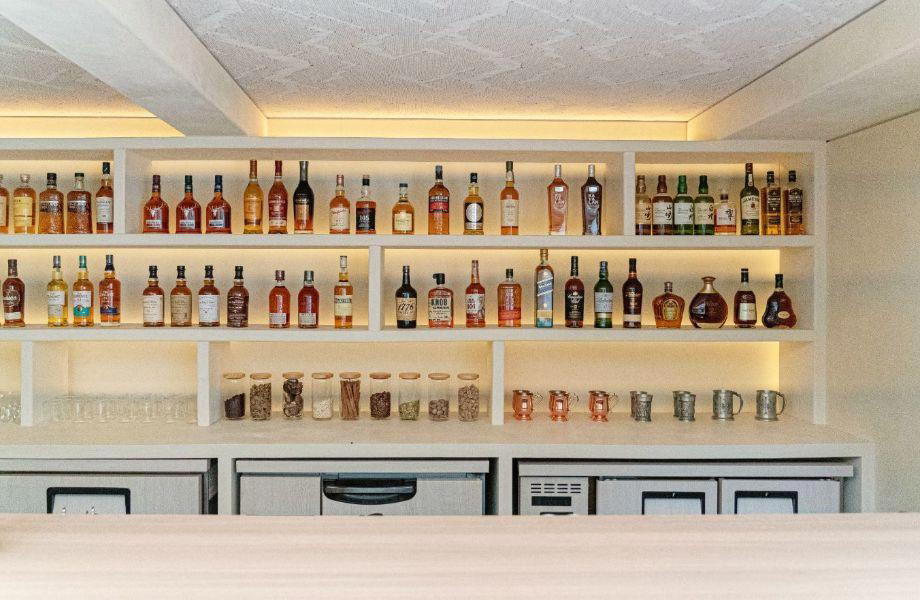
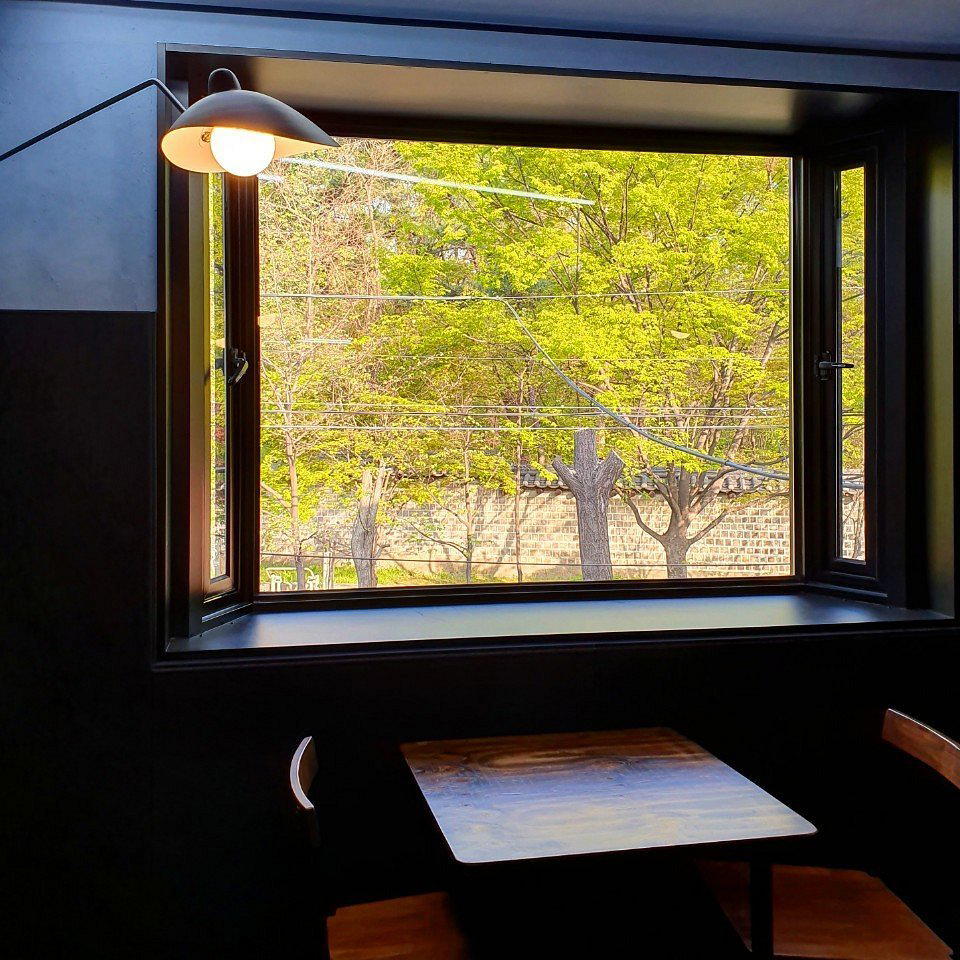
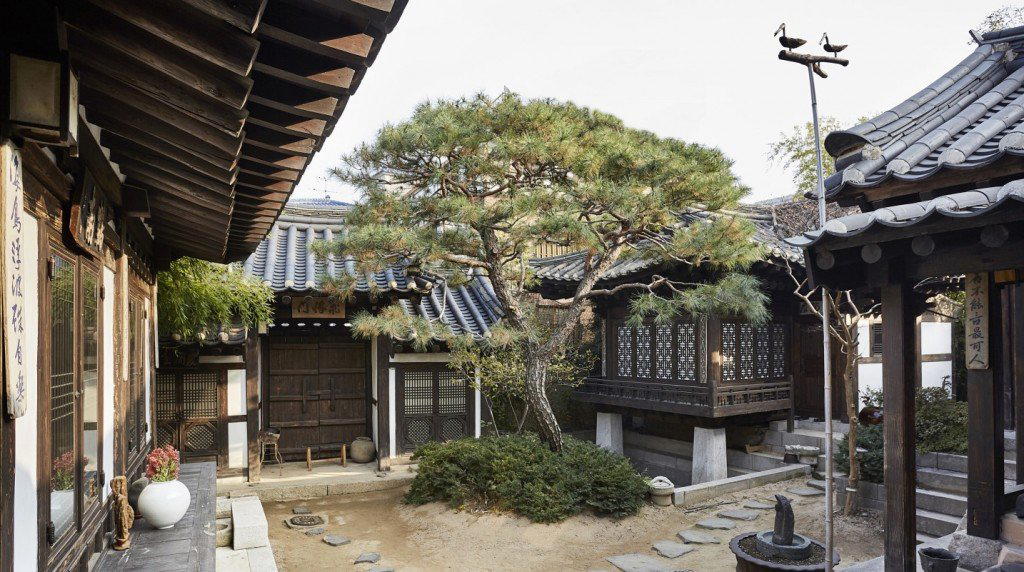
Homely and elegant atmosphere in a renovated house on a hill, with bright dining room and window seats offering spectacular mountain scenery.