Gomtang Lab

Gomtang Lab occupies the tenth floor of Gangnam's Hyundai Department Store, bringing a fine-dining lens to one of Korea's most elemental broths. Chef Chele Gonzalez's approach to the centuries-old gomtang tradition has earned consecutive Michelin Bib Gourmand recognition in 2024 and 2025, making this one of Seoul's more argued-over addresses at the accessible end of the Michelin spectrum.
Pearl is the En Primeur Club membership app — saves, bookings, and concierge access live there. Same editors, same standards.
- Address
- 10층, 현대백화점, 517 Teheran-ro, Gangnam District, Seoul, South Korea
- Phone
- +82 2-517-4656
- Website
- instagram.com
- Directions
- Get directions
 Saves & bookings on Pearl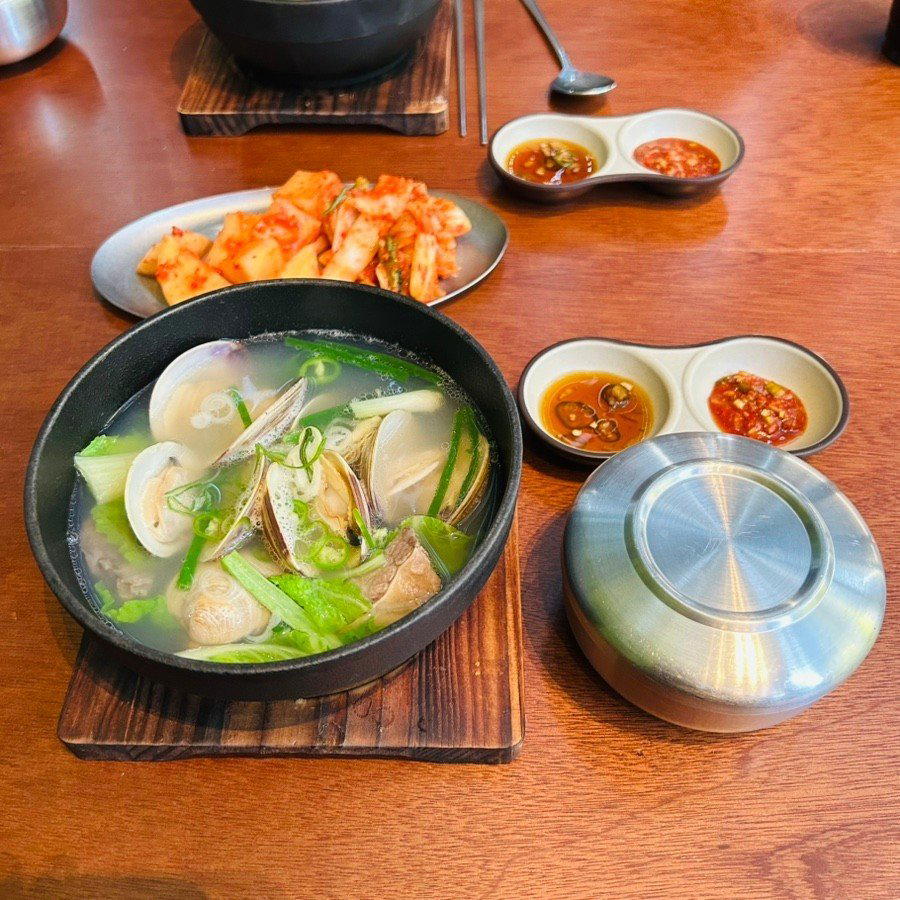
A Department Store Tenth Floor That Reframes a Korean Classic
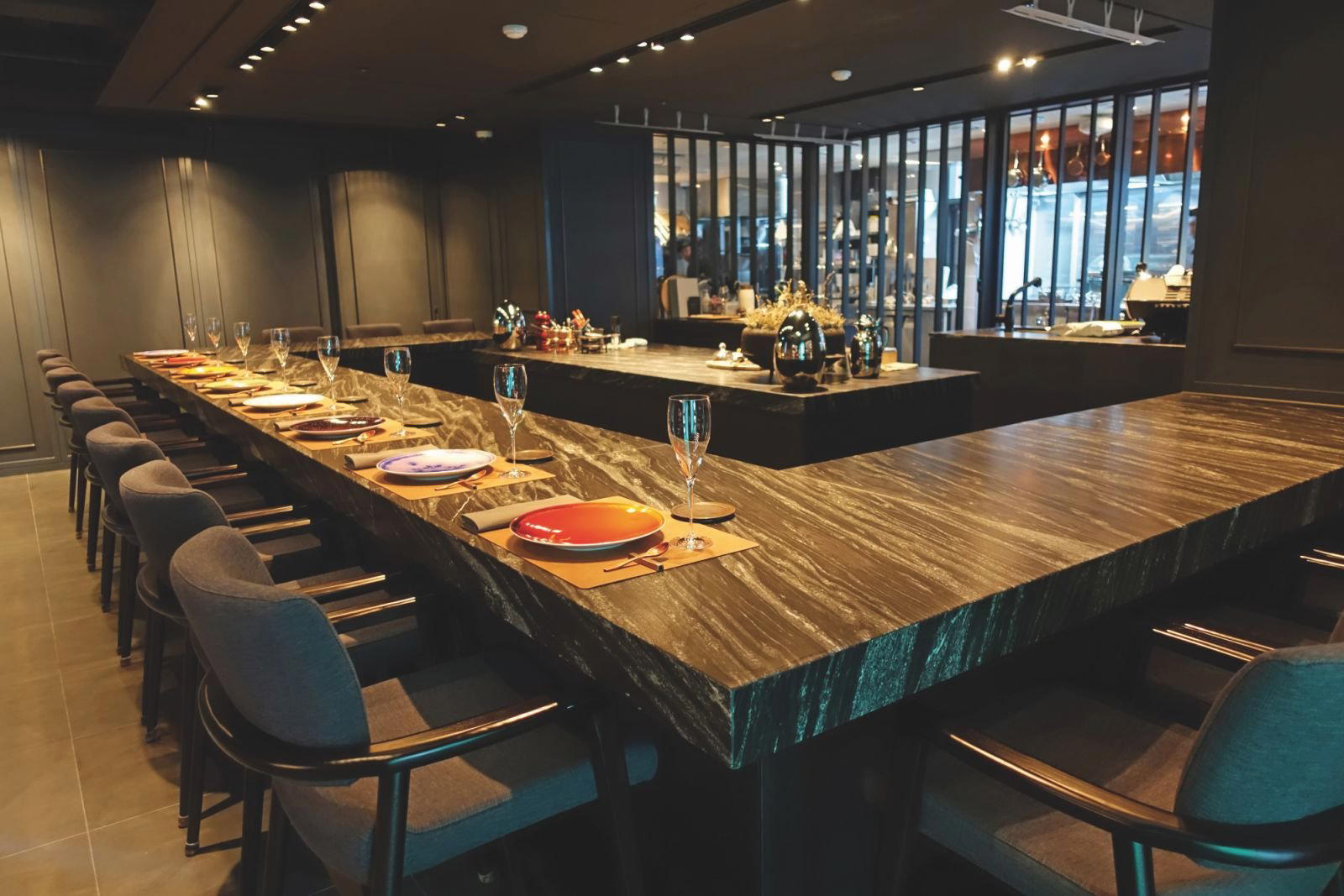
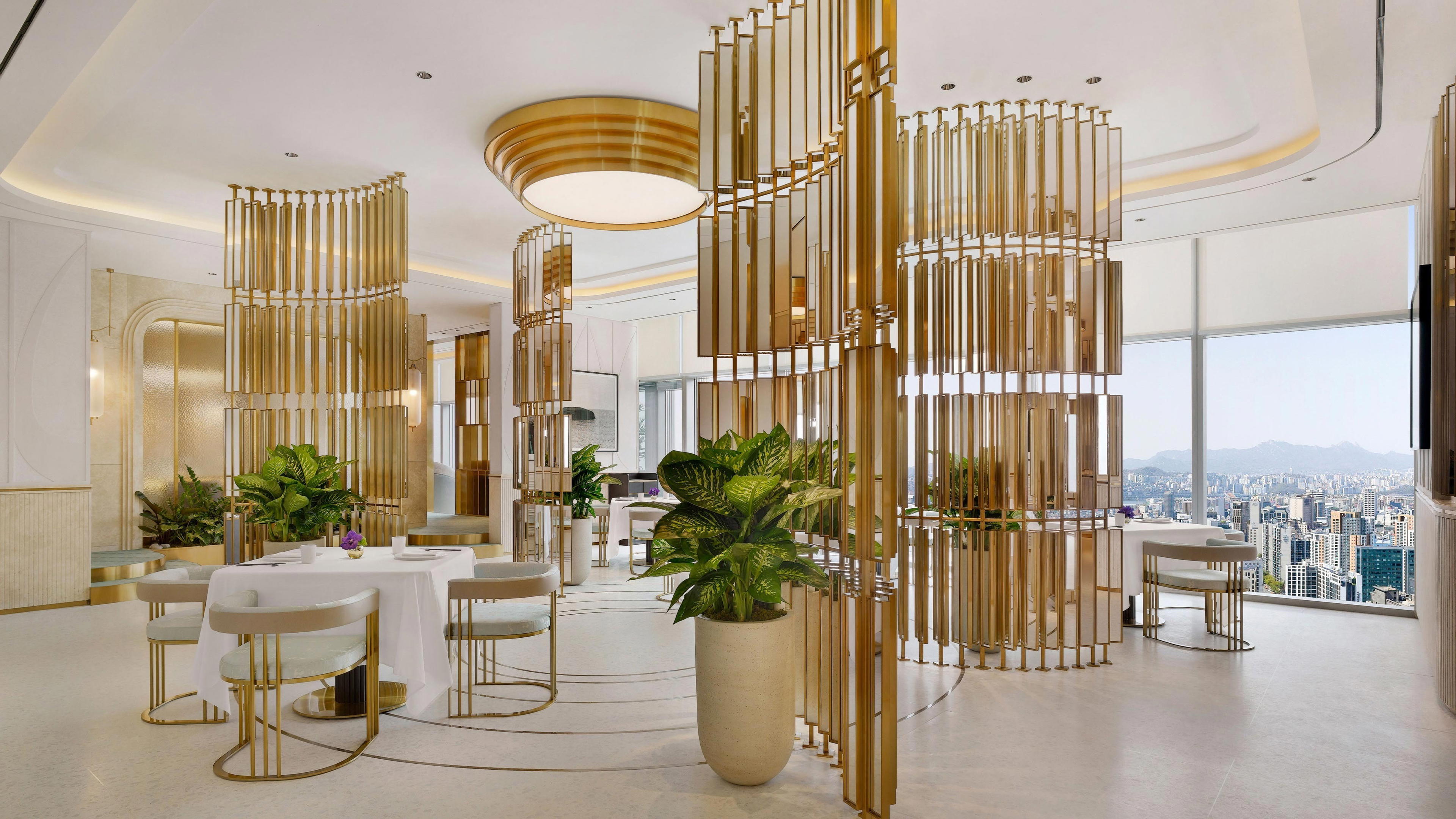
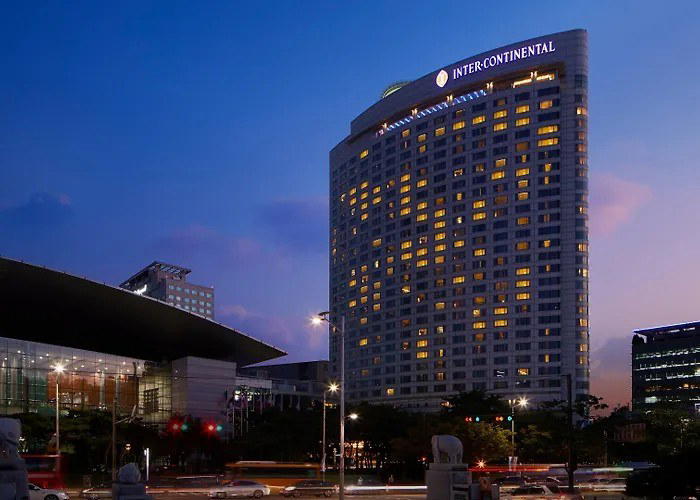
Department store dining in Seoul operates on a different logic than it does elsewhere. Where Western luxury retail tends to treat its food floors as afterthoughts, Hyundai's Gangnam flagship on Teheran-ro has long treated its upper levels as a destination for serious dining. The tenth floor, in particular, has become the kind of address where the elevator ride up carries genuine anticipation. Gomtang Lab sits within that context: a space defined by its elevation above the commercial floors below, with the Gangnam streetgrid visible through the glass.
The format matters here. Gomtang, the slow-cooked beef bone broth that has anchored Korean food culture for centuries, is typically served in specialists that prioritise speed and volume. The genre's institutions, places like Hadongkwan, Hapjeongok, and Kyewol Gomtang, built their reputations on consistency and throughput, not on environment. Gomtang Lab breaks that mould by placing the same broth tradition inside a department store fine-dining shell, asking whether gomtang can sustain the kind of attention that Seoul's premium restaurant tier applies to, say, contemporary Korean tasting menus.
The Physical Container as Editorial Statement
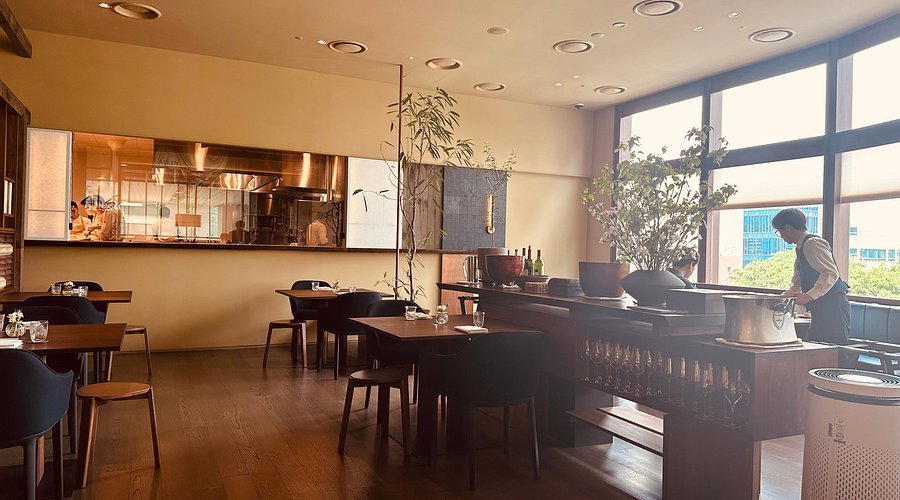
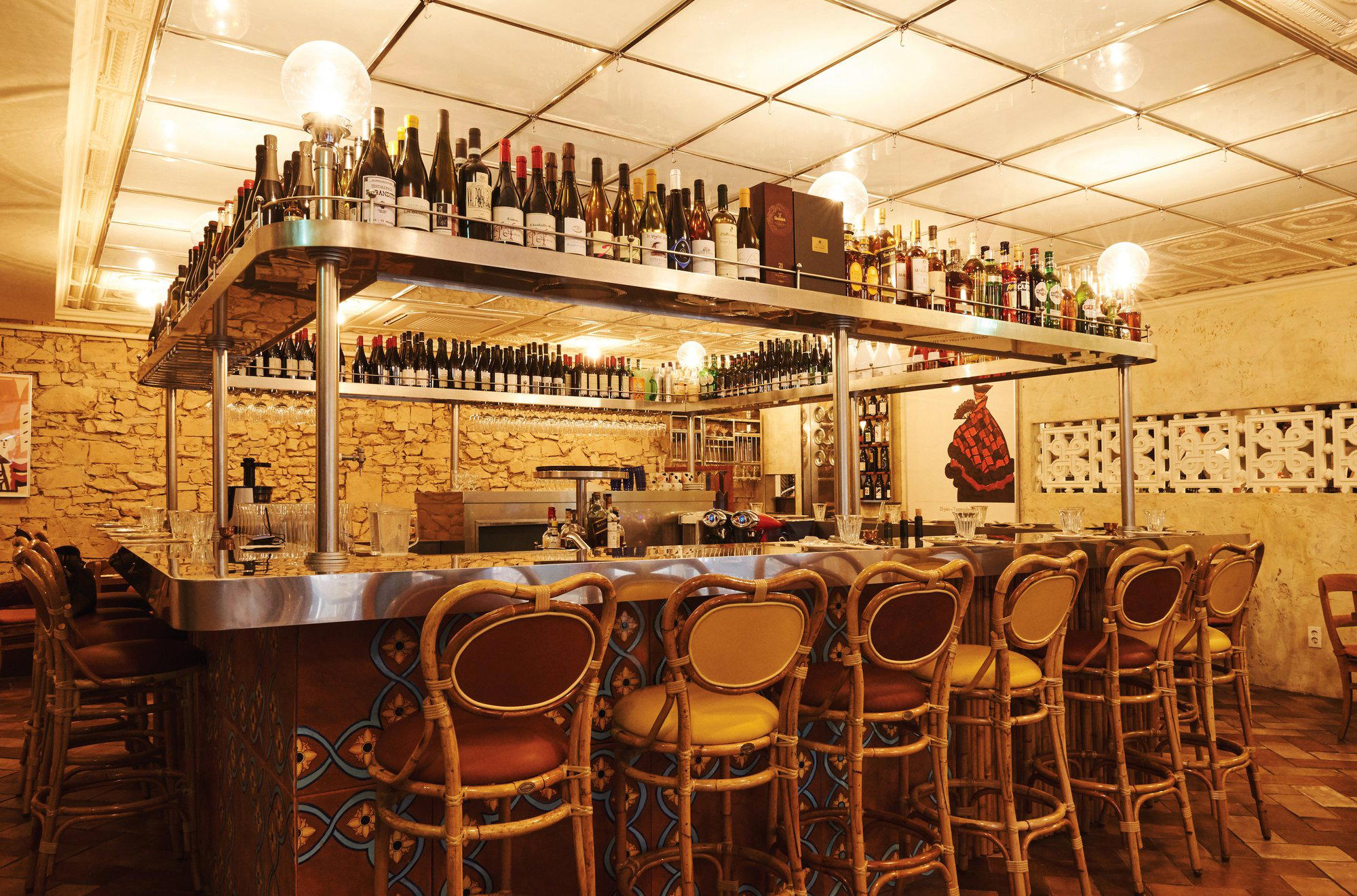
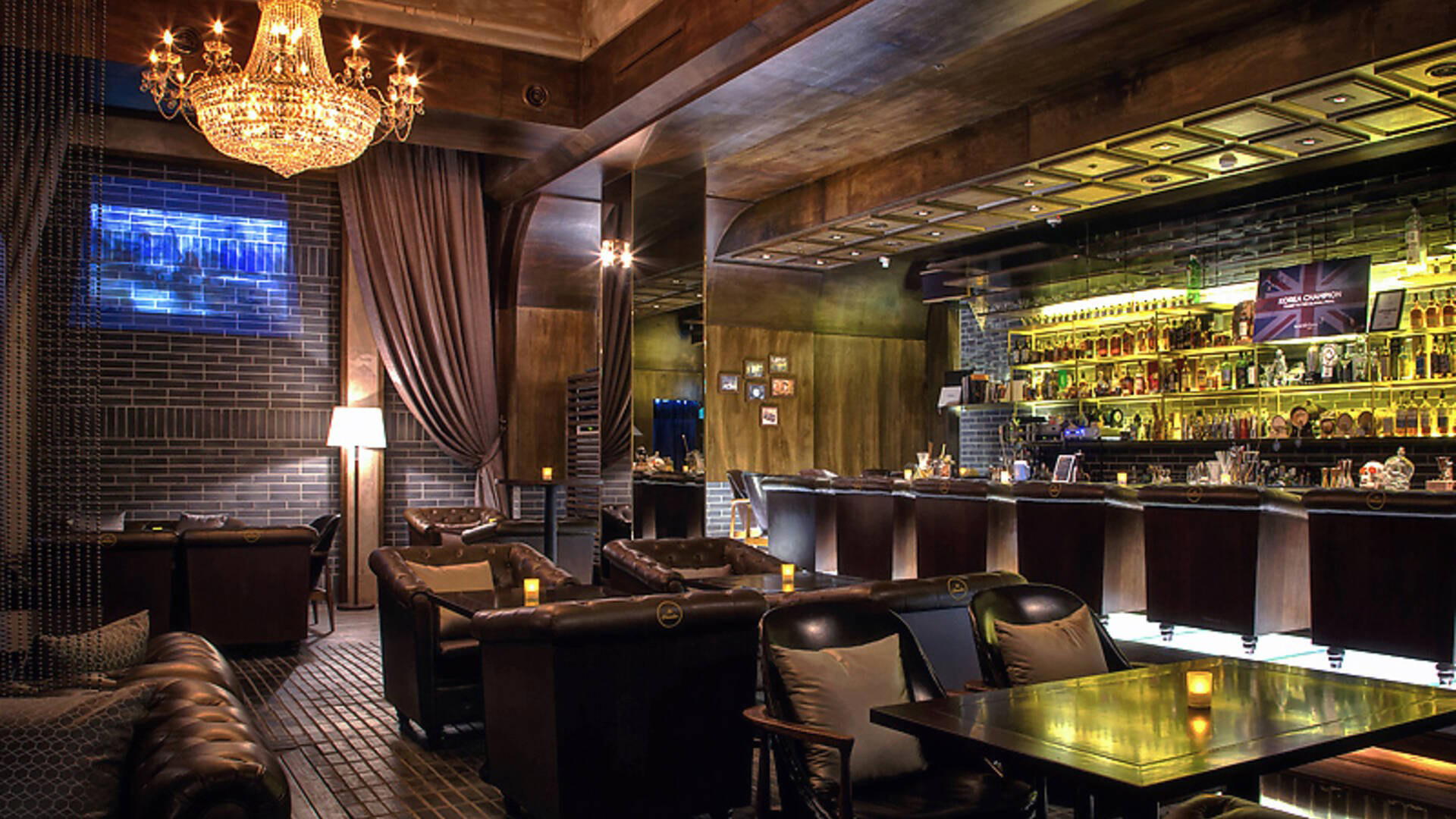
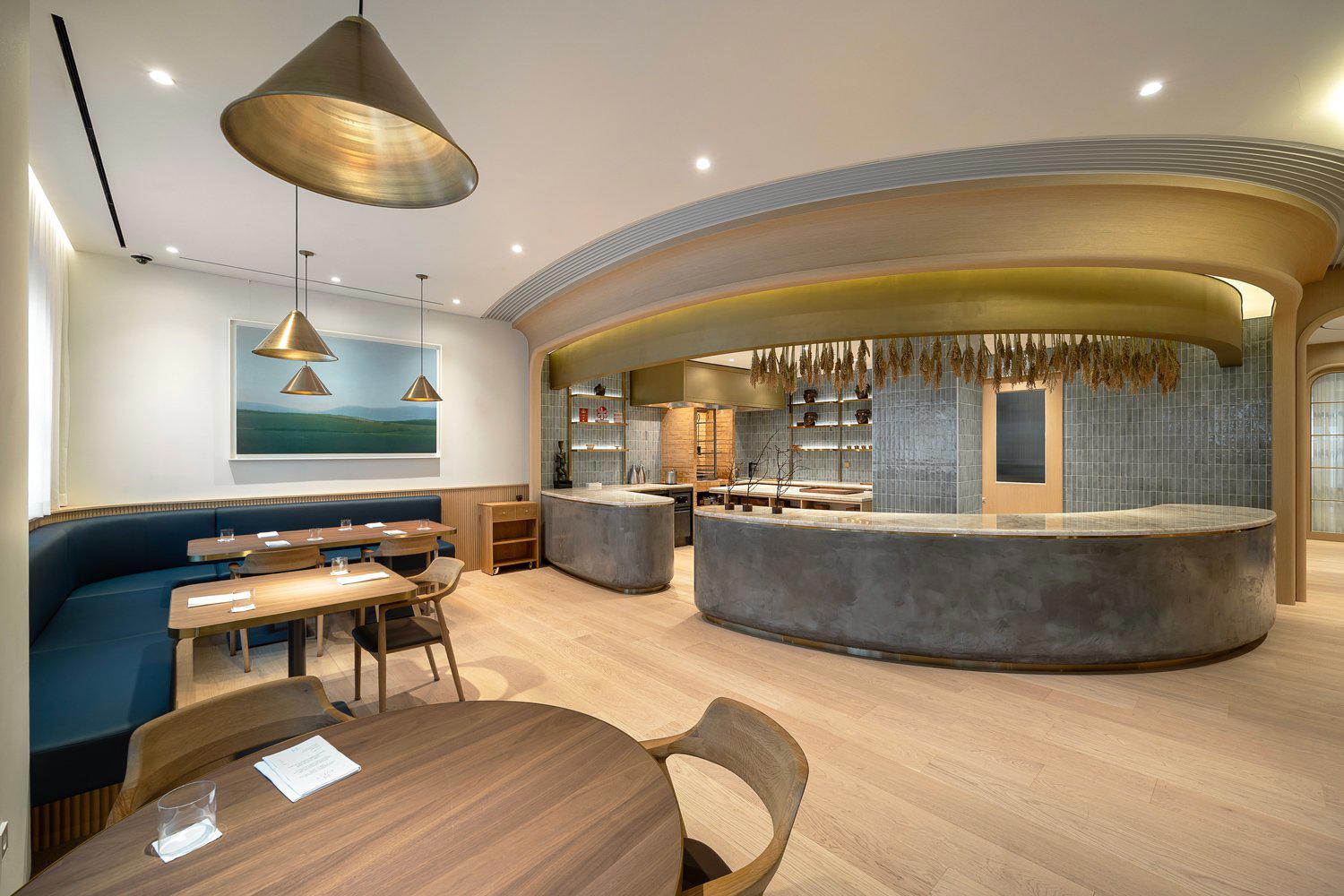
The design logic on the tenth floor changes what the food means. Seoul's restaurant design has split sharply over the past decade between minimalist Korean craft interiors, the kind used by Gaon or Kwon Sook Soo to signal continuity with hanok and joseon-era material culture, and a newer, more internationally inflected register that uses clean lines and controlled lighting to frame the food rather than the room. Gomtang Lab occupies that second register. The Hyundai building's contemporary architecture provides the outer frame; inside, the space works against the broth's historical associations with communal, unremarkable dining rooms. Seating arrangements in this tier of department store restaurants typically allow for city views rather than kitchen views, shifting the orientation from production to experience.
That spatial reframing has consequences for pricing expectations. The restaurant carries a single-currency price marker in the ₩ tier, keeping it accessible by Seoul standards. For comparison, the Michelin one-star contemporaries operating at the ₩₩₩₩ tier, venues like Mingles or the innovative Korean-French format at Zero Complex, ask considerably more per head. The restaurant's Bib Gourmand recognition is precisely calibrated to this position: good value at a recognisable quality threshold, not a concession to austerity.
Chef Chele Gonzalez and the Cross-Cultural Framing of a Korean Broth
The presence of Chef Chele Gonzalez at the helm of a gomtang specialist is the kind of detail that rewards a second look. Gomtang is not an international cuisine. It is specific, regional, and deeply encoded in Korean food memory. The appointment of a chef whose name signals non-Korean origins is a deliberate editorial choice by whoever conceived this project, and it positions the restaurant inside a broader Seoul trend: the application of cross-cultural fine-dining technique to dishes that have historically been treated as civilian food. This is distinct from fusion. The broth itself is not being hybridised; the approach to it is being professionalised and recontextualised through a different set of culinary references.
This pattern has precedent in Seoul's premium Korean dining sector, where chefs trained in French, Japanese, and Spanish kitchens have returned or arrived to apply technique to ingredients and dishes that local fine dining had previously ignored. The Bib Gourmand recognition in 2024 and 2025 suggests that Michelin's inspectors found the result coherent and convincing, not merely novel.
Positioning Within Seoul's Gomtang and Premium Casual Tiers
Seoul's gomtang map is more stratified than it appears from the outside. At the traditional end, volume houses like Hadongkwan in Jung-gu serve hundreds of covers daily, with a recipe and rhythm unchanged for decades. Regional specialists like Hanwolgwan in Busan represent a geographically rooted variation on the same broth tradition. In the middle, a newer category of more considered gomtang restaurants, including Neungdong Minari, has emerged to serve a Seoul dining public that wants the comfort of the broth without the institutional brevity of the traditional format. The restaurant sits at the upper end of this middle tier, in a physical setting that tilts it toward the premium casual category rather than toward the old-school specialists.
The comparison also extends beyond Korea. Korean restaurants have begun drawing serious international critical attention, with venues like Atomix in New York City demonstrating that Korean culinary frameworks can operate at stronger examples from the global fine-dining hierarchy. Within Seoul itself, the creative pressure on traditional forms is intensifying. The restaurant's project, of applying a design-conscious, internationally inflected approach to one of Korea's least glamorised broths, sits inside that larger movement.
Getting There and Practical Considerations
The restaurant is located on the tenth floor of the Hyundai Department Store at 517 Teheran-ro in Gangnam District, one of Seoul's most accessible commercial addresses, served by multiple subway lines and well within reach of the main Gangnam business and hotel corridor. The department store format means foot traffic is predictable during peak retail hours and on weekends, so timing a visit for weekday lunch or early dinner tends to produce a calmer arrival experience.
For those extending south, Mori in Busan and the temple dining at Baegyangsa Temple in Jangseong-gun offer two different frames on Korean food culture outside the capital. The The Flying Hog in Seogwipo represents a further detour into Korean regional dining for those making it as far as Jeju.
Where the Accolades Land
Comparable venues nearby, for context on price, style, and recognition.
| Venue | Cuisine | Price | Awards | Notes |
|---|---|---|---|---|
| Gomtang LabThis venue — the venue you are viewing | Traditional Korean Gomtang | $$ | Bib Gourmand | Not listed |
| Jaha Son Mandu | Handmade Korean Dumplings | $$ | Bib Gourmand | 평창동 |
| Seoryung | Pyongyang-Style Cold Noodles (Naengmyeon) | $$ | Bib Gourmand | 소공동 |
| ANAM | Modern Korean Gukbap | $$ | Bib Gourmand | 가회동 |
| Hwanggeum Kongbat | Homemade Tofu Korean | $$ | Bib Gourmand | 북아현동 |
| Budnamujip | Traditional Korean Beef BBQ | $$ | Michelin Plate | 서초동 |
Recognition history
Dated appearances from independent guides and award organizations, with the underlying list record or original source where available.
Michelin Bib Gourmand
Michelin
Michelin Bib Gourmand
Michelin
Michelin Bib Gourmand
Michelin
At a Glance
- Cozy
- Modern
- Minimalist
- Casual Hangout
- Open Kitchen
- Local Sourcing
Current opening hours
- Monday
- 11 AM–3 PM, 5–10 PM
- Tuesday
- 11 AM–3 PM, 5–10 PM
- Wednesday
- 11 AM–3 PM, 5–10 PM
- Thursday
- 11 AM–3 PM, 5–10 PM
- Friday
- 11 AM–3 PM, 5–10 PM
- Saturday
- 11 AM–3 PM, 5–10 PM
- Sunday
- 11 AM–3 PM, 5–10 PM
Hours can change for holidays and private events. Last verified .
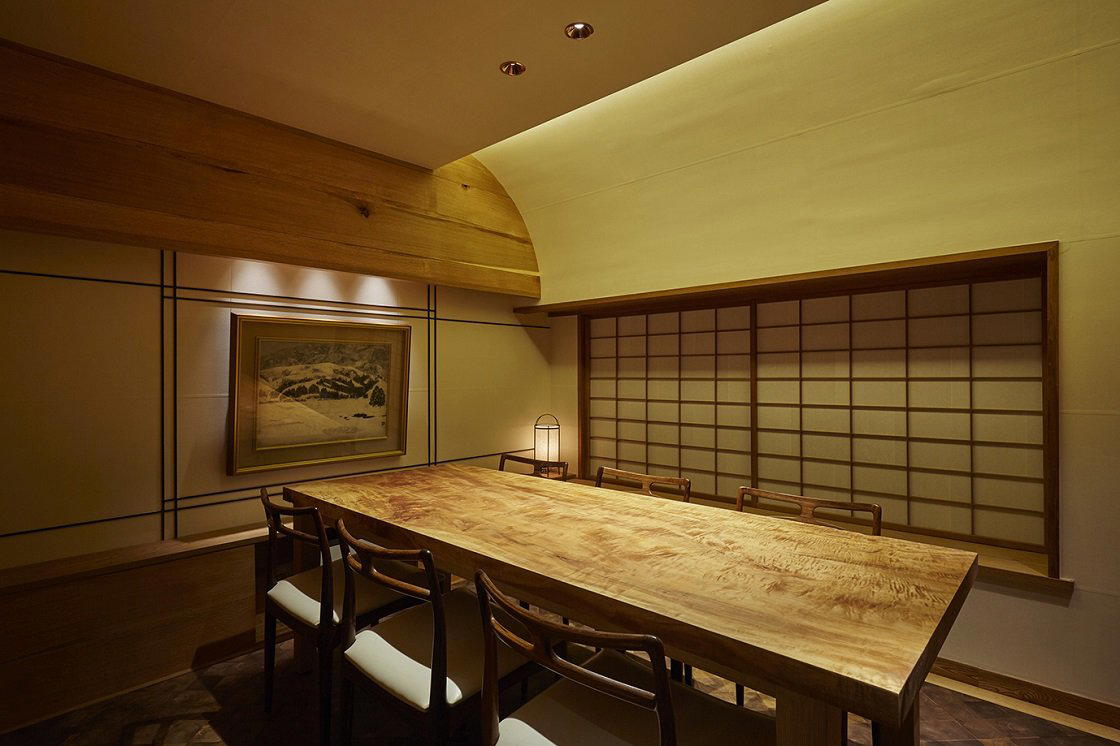
Warm unobtrusive lighting with practical welcoming design, counter seating, small tables, and aroma of simmering broth creating calm reliable atmosphere.