Tabelog 100 #50
Our verdict
Shunka Nakamura occupies a quiet address in Higashinihonbashi, Chuo City, placing it at a deliberate remove from Tokyo's more conspicuous dining corridors. The restaurant operates within the Japanese seasonal cuisine tradition, where the occasion itself, a celebration, an anniversary, a milestone, shapes the register of the meal. For those weighing Tokyo's serious kaiseki-adjacent options, it merits consideration alongside the city's other precision-led Japanese houses.

Pearl is the En Primeur Club membership app, where members save venues, book tables and use the concierge.
The menu
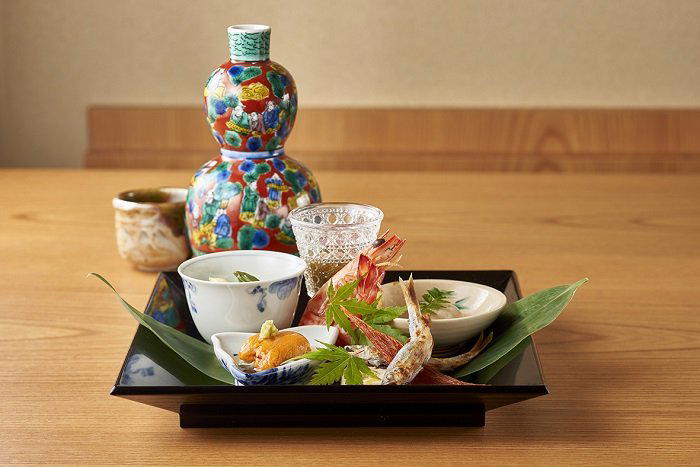
What to order
- Stir-fried Shanghai crab
- Abalone
- Steamed chicken
Higashinihonbashi and the Case for Occasion Dining Away from the Obvious Addresses
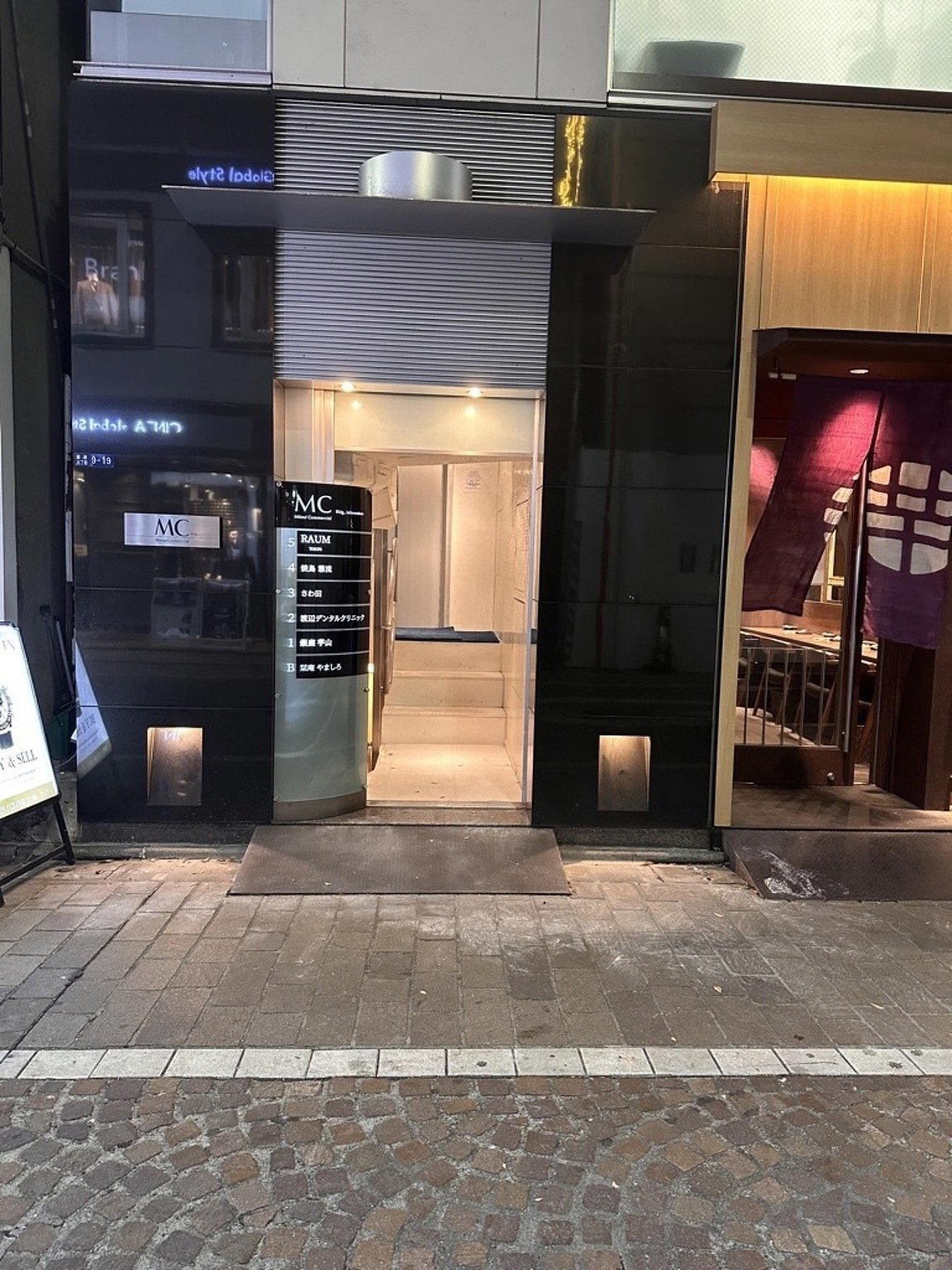
Tokyo's most-discussed special-occasion restaurants cluster predictably: Ginza counters, Nishi-Azabu rooms, the occasional Marunouchi address with a view. Higashinihonbashi, the old textile district on the eastern edge of Chuo City, does not figure prominently in that conversation. That displacement is, in itself, a signal worth reading. Neighbourhoods like this one, merchant-quarter bones, low-rise streetscapes, a working-city tempo, have historically produced restaurants that answer to a local clientele rather than to hotel concierges or restaurant-app algorithms. 旬華なか村, at 2 Chome-11-7 Higashinihonbashi, sits inside that pattern.
The address places it within walking distance of Higashinihonbashi and Bakuro-Yokoyama stations, though the surrounding streets read more like the functional city than the curated dining zones further west. That gap between location and ambition is a recurring feature of Tokyo's more serious Japanese cooking houses, many of which have always prioritised the kitchen's logic over the real-estate calculus.
The Occasion Meal in Japanese Dining: What the Tradition Demands
In Japan, the semantics of dining out for a significant occasion carry weight that most Western markets don't fully replicate. A birthday dinner, a retirement celebration, an anniversary meal, these are not simply restaurant visits with a cake at the end. The structure of Japanese seasonal cuisine, whether kaiseki-format or its more informal variations, is already organised around time: the ingredient at its peak, the season at its hinge point, the moment worth marking. This alignment between the form of the food and the purpose of the gathering is not incidental. It is the architecture of the tradition.
Restaurants in this mode tend to operate at a different pace from the city's trendier rooms. The meal unfolds rather than accelerates. Courses arrive in a sequence calibrated to the season's produce rather than to a kitchen's desire to impress quickly. For a diner choosing where to spend a meaningful evening in Tokyo, this matters: the room is not competing with itself for your attention in the way that, say, a high-production European tasting menu often does. Compare that register against the French-inflected precision of L'Effervescence or the architectural kaiseki sequence at RyuGin, all three formats serve the occasion, but through different idioms.
Where 旬華なか村 Sits in Tokyo's Japanese Dining Spectrum
Tokyo's Japanese cuisine scene at the serious end splits into several recognisable tiers. At one extreme, the Michelin-weighted omakase counters, places like Harutaka in Ginza, operate on allocation systems, months-ahead booking windows, and price points that signal the category before you arrive. At the other, a large middle band of kappo and kaiseki-adjacent restaurants serves the city's working-dinner and celebration market with less theatrical apparatus but no less care in sourcing.
旬華なか村 occupies a position in that middle-to-serious band. The name itself signals intent: 旬 (shun) refers to seasonal peak, the concept underpinning most serious Japanese cooking, while 華 (hana/ka) carries connotations of brightness and occasion. The restaurant's full name, 旬華なか村, frames the experience before the meal begins.
For diners navigating Tokyo's options from outside the city, the Higashinihonbashi location offers a practical advantage that the Ginza corridor does not: lower surrounding noise, a neighbourhood that doesn't presuppose a particular type of diner, and proximity to the eastern transit network. Those travelling from Kyoto or Osaka, where the kaiseki tradition runs through places like Gion Sasaki or HAJIME, will find the Tokyo version of this format operating under different pressures but similar seasonal logic.
Planning the Meal: Practical Considerations for Special Occasions
Booking ahead at any serious Japanese restaurant in Tokyo is standard practice, not a precaution. The city's reservation culture operates on the assumption that notable rooms fill in advance, and restaurants calibrated for occasion dining particularly so, the clientele is typically planning rather than spontaneous. For a celebration dinner at 旬華なか村, contact via the restaurant directly or through a hotel concierge familiar with the Chuo City dining circuit is the most reliable approach, given that centrally listed booking platforms do not always carry the full picture for smaller Japanese houses.
Seasonal timing shapes availability as much as demand does. Spring (cherry blossom period, late March through April) and autumn (October through November) represent Tokyo's two peak dining seasons, when both ingredients and visitor numbers converge. Booking earlier in these windows is advisable. The quieter months, late January, mid-summer, offer more flexibility and, in some cases, a kitchen more focused on a narrower, more concentrated menu.
For those building a broader Japan itinerary around serious dining, the country's regional circuit extends well beyond Tokyo. Goh in Fukuoka, akordu in Nara, and smaller regional houses like 一本木 流川制 in Nanao and 湖畔廚房 in Takashima each represent distinct regional takes on the seasonal-ingredient tradition. See our full Tokyo restaurants guide for further context on how the city's Japanese dining landscape is currently arranged.
The Broader Context: Tokyo as an Occasion-Dining City
Tokyo operates at a scale that makes it unlike any other serious dining city. The sheer density of high-calibre Japanese cooking, across sushi, kaiseki, tempura, robata, and hybrid formats, means that occasion dining here carries almost too many options. The filtering question is not whether to find quality but which idiom of quality leading matches the specific occasion.
The French-influenced rooms, including Sézanne and the more experimental Crony, offer occasion dining through a European tasting-menu lens. The sushi counters offer it through precision and ceremony around a single ingredient category. The seasonal Japanese houses, by contrast, offer it through time itself, the meal as a document of what was available, at its peak, on that particular evening in that particular season. For a milestone occasion, that framing carries its own argument.
Internationally, the comparison set for this kind of dining extends to places like Atomix in New York, which translates Korean fine dining into a Western occasion-meal format, or Le Bernardin, where the occasion is constructed through classical French rigour. Tokyo's Japanese houses operate from a fundamentally different premise: the occasion and the cuisine are already speaking the same language.
Regional Japanese restaurants further outside the main urban circuit, including 鳳翔館 in Nishikawa Machi, 古代山乃 in Sapporo, Birdland in Sakai, and Bistro Ange in Toyohashi, each demonstrate that the occasion-dining impulse in Japan is not confined to the major cities. 旬華なか村's Higashinihonbashi address fits that same pattern at the Tokyo scale: a serious room that does not require a famous postcode to make its case.
Quick reference: 旬華なか村, 2 Chome-11-7 Higashinihonbashi, Chuo City, Tokyo 103-0004. Book directly or via concierge. Advance booking recommended, particularly for spring and autumn dates.
Frequently asked questions
Where exactly is 旬華なか村?
旬華なか村 is located at 2 Chome-11-7 Higashinihonbashi, Chuo City, Tokyo 103-0004, Japan, Tokyo.
Is 旬華なか村 a good choice for a special occasion dinner in Tokyo's Higashinihonbashi neighbourhood?
Higashinihonbashi sits within Chuo City, historically one of Tokyo's merchant and craft districts, and restaurants in this area tend to attract a local clientele of regulars rather than the tourist traffic that surrounds the Ginza addresses. For a special occasion, that dynamic often translates to a quieter room and a more focused meal. The 旬華なか村 name, combining seasonal peak ingredients (旬華) with a family provenance (なか村), signals a Japanese kitchen where the occasion format is embedded in the restaurant's identity, not an afterthought.
What should I eat at 旬華なか村?
The restaurant's name signals the approach directly: 旬 (shun) refers to seasonal peak ingredients, and that philosophy shapes what arrives at the table. In Tokyo's serious Japanese dining scene, this typically means the kitchen follows market availability rather than a fixed printed menu, so what you eat depends on when you visit. Arriving with openness to the chef's selection, rather than specific dish requests, is the expected posture at this level of Japanese restaurant.
Should I book 旬華なか村 in advance?
Yes, and well in advance. Tokyo's reservation culture at serious Japanese restaurants operates on the assumption that tables are rarely held for walk-ins, and a restaurant in Higashinihonbashi drawing occasion diners will fill its seats through prior bookings. For a special occasion meal, contacting the restaurant several weeks ahead is standard practice in this city, not an abundance of caution.
What's 旬華なか村 best at?
The restaurant's positioning in Higashinihonbashi, away from the high-traffic Ginza and Nishi-Azabu clusters, suggests a kitchen that earns its following on the strength of the cooking rather than location or profile. The 旬 (seasonal) emphasis in the name points to ingredient-led Japanese cuisine timed to peak availability, which in Tokyo's dining context places it alongside restaurants treating the calendar as the primary menu. That discipline is the clearest signal of what the kitchen prioritises.
Can 旬華なか村 accommodate dietary restrictions?
At restaurants with a seasonal, market-driven Japanese menu structure, dietary restrictions are best communicated at the time of booking rather than on arrival. This gives the kitchen time to adjust a course-based meal without compromising the sequence. Contacting the restaurant directly when making your reservation is the practical approach, and doing so in Japanese, or with a Japanese-speaking intermediary, tends to produce more reliable results at this type of Tokyo establishment.
Just the Basics
Comparable venues nearby, for context on price, style, and recognition.
| Venue | Cuisine | Price | Awards | Notes |
|---|---|---|---|---|
| 旬華なか村This venue (the venue you are viewing) | Modern Cantonese Kappo | $100–150 | Tabelog 100 #50 | Not listed |
| Ren | Modern Chinese with French influence tasting menu | $150–200 | Tabelog 100 #82 | Minato, Modern Chinese with French influence tasting menu |
| M Mugen | Fine Chinese counter omakase in Ginza | $150–200 | Tabelog 100 #27 | Chūō, Fine Chinese counter omakase in Ginza |
| 赤坂 桃の木 | Modern Cantonese Chinese | $150–200 | Tabelog 100 #95 | Chiyoda, Modern Cantonese Chinese |
| Santa Hanten | Chinese Fine Dining | $150–200 | Tabelog 100 #86 | Minato, Chinese Fine Dining |
| jiubar | Modern Chinese Bistro & Bar | $30–50 | Tabelog 100 #30 | Shinjuku, Modern Chinese Bistro & Bar |
Recognition history
Dated appearances from independent guides and award organizations, with the underlying list record or original source where available.
Tabelog 100 #50 · No. 50
Tabelog · Tabelog 100 - Chinese cuisine - TOKYO - 2026