
M Mugen places Chinese cooking inside Ginza’s compact counter-dining culture rather than the banquet-room tradition. The eight-seat format, wine-bar category, Tabelog Chinese TOKYO “Tabelog 100” 2026 selection, and JPY 20,000–29,999 dinner bracket point to a precise, high-touch restaurant built for guests who care about pacing, aroma, and restraint.
Pearl is the En Primeur Club membership app — saves, bookings, and concierge access live there. Same editors, same standards.
- Address
- Japan, 〒104-0061 Tokyo, Chuo City, Ginza, 7 Chome−4−6 1階 7丁目4−6ACN銀座7ビルディング1階
- Phone
- +81 3-6263-9737
- Website
- omakase.in
 Saves & bookings on Pearl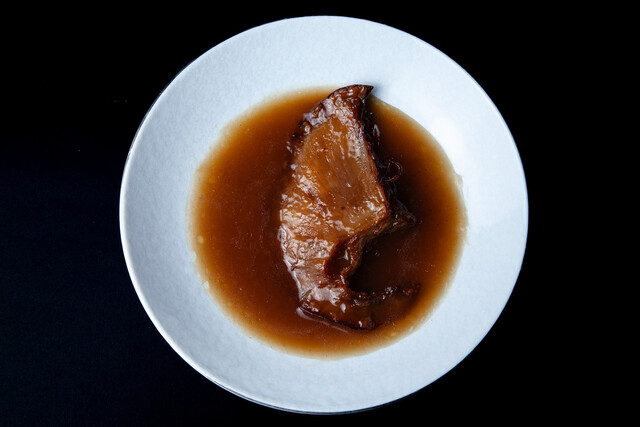
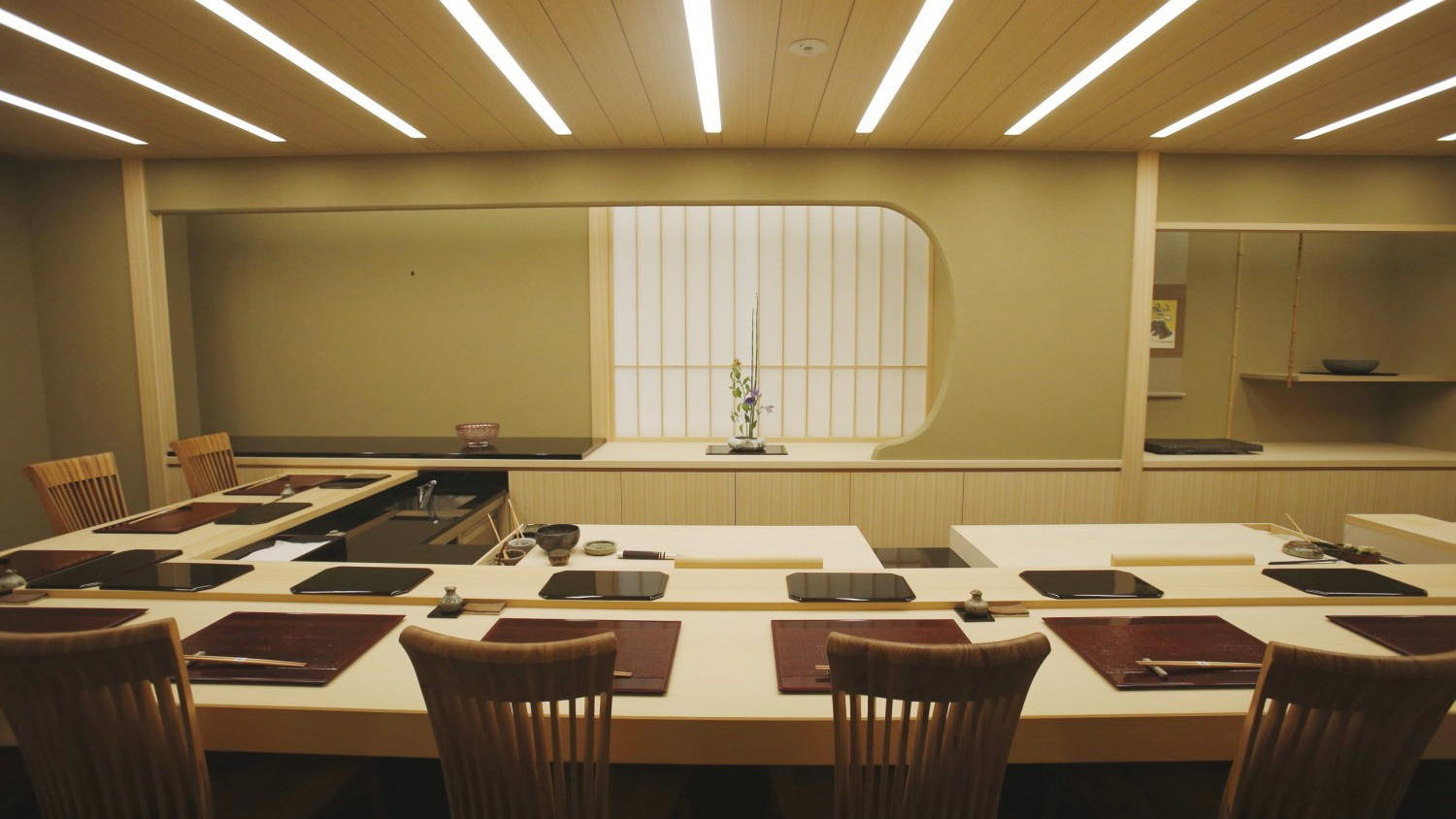
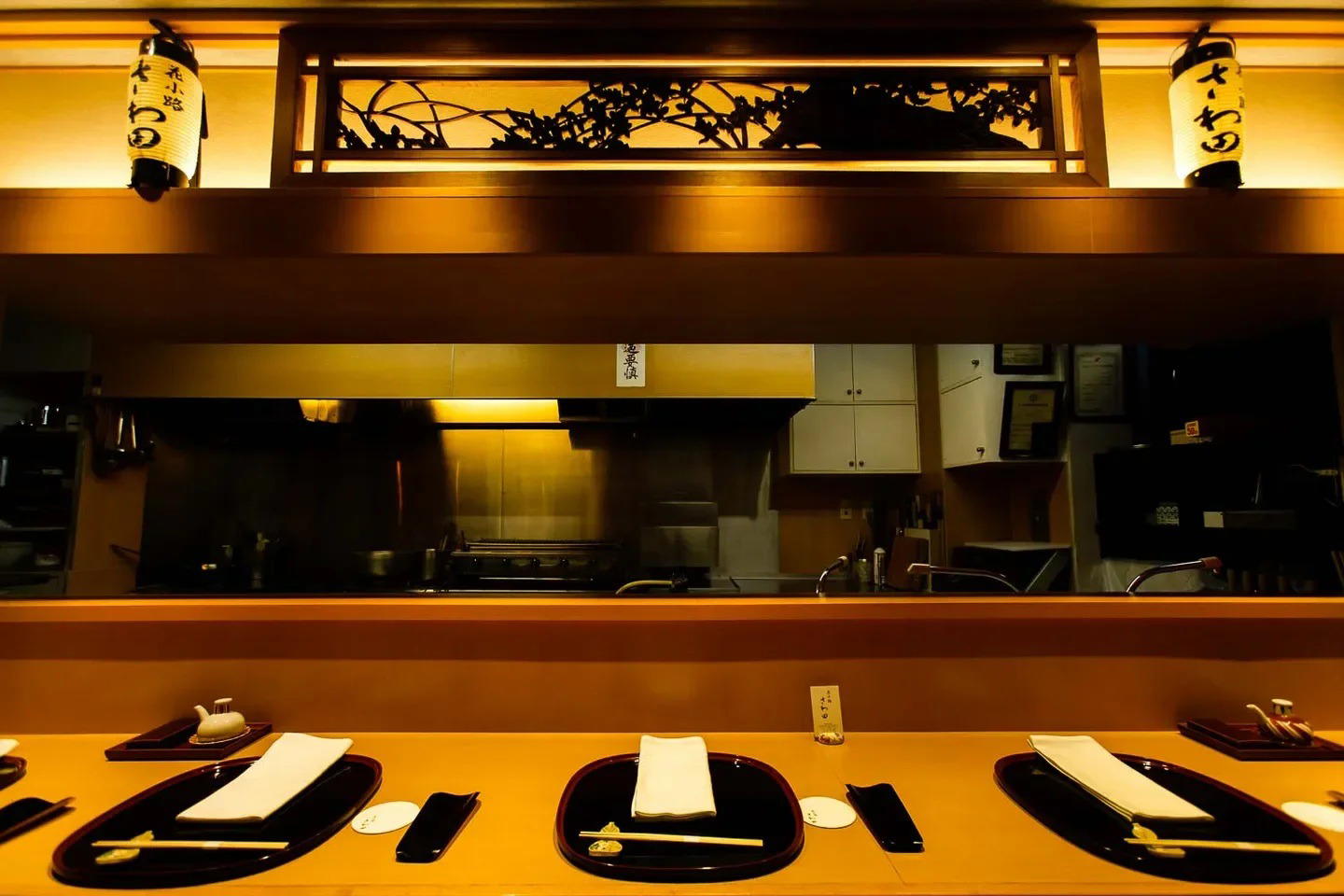
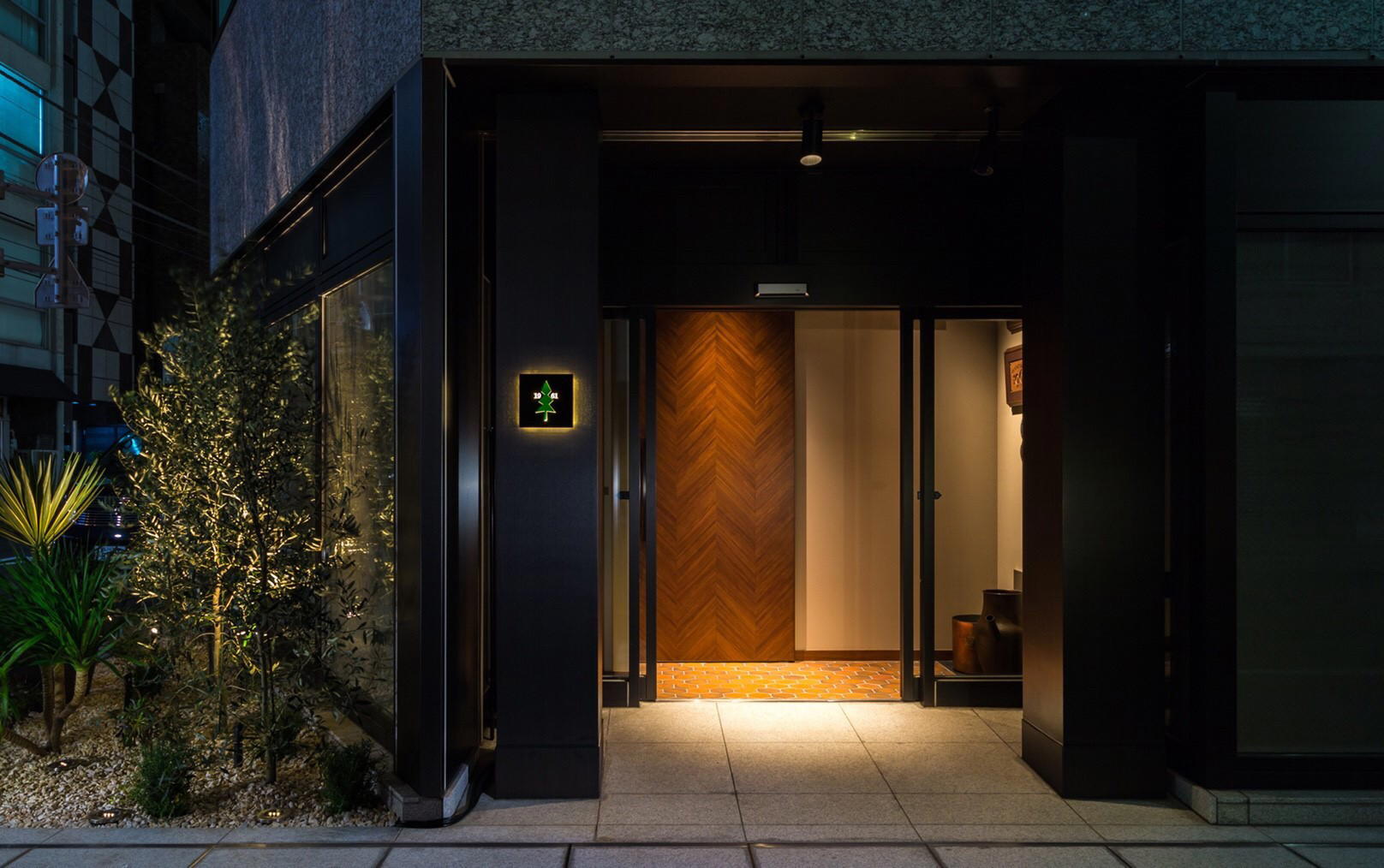
Ginza’s smaller restaurants announce themselves quietly: a lift lobby, polished frontage, a counter hidden off Chuo-dori. In Tokyo, the counter has become a serious format for cuisines once tied to larger rooms, including Chinese cooking. M Mugen speaks this compact Ginza language: eight seats, counter-only, Chinese cuisine with a wine-bar identity, and a dinner price band that places it in the city’s higher-intent tier, not casual neighborhood dining.
Do not read it as a mini grand Chinese dining room. It belongs to a Tokyo pattern where luxury means control: fewer guests, tighter sequencing, sharper beverage alignment, and little tolerance for wasted space or service. An eight-seat counter leaves little room for excess inventory or unfocused cooking. That is not a sustainability manifesto without evidence, but the format demands disciplined purchasing, portions, and pacing because the room leaves no margin for sprawl.
Chinese cooking scaled to Ginza's counter culture
Tokyo’s Chinese dining scene spans hotel Cantonese rooms, luxury Sichuan specialists, neighborhood gyoza-and-noodle rooms, and newer small-format counters borrowing sushi and kappo concentration without copying their cuisine. M Mugen sits in the last group. Its Tabelog listing places it under Chinese and wine bar, a pairing that says much about contemporary Ginza. Wine is no longer an accessory in this tier; it signals precision, price, and pacing.
The Tabelog Chinese TOKYO “Tabelog 100” 2026 selection gives the restaurant a public marker in a crowded category. Tabelog’s Hyakumeiten lists matter in Japan because they reward sustained local attention rather than imported prestige alone. A 3.70 Tabelog score is not casual approval in Tokyo’s user-review culture; it places a restaurant in a narrow band watched by experienced diners. The restaurant appears with source display order 27, though that is not an official rank and should be read as list placement, not a league-table finish.
Chef Tatsuji Uchida is the named culinary credential, with public listing text noting a No.1 title in Shanghai. That anchors the kitchen in Chinese culinary competition rather than vague international luxury. The more interesting story is the format: Chinese cooking compressed into an eight-seat Ginza counter, where aroma, heat, and timing are exposed to the guest instead of hidden by banquet-room distance.
Compression also changes the meal’s ethics. Large-format Chinese dining can reward breadth: many plates, textures, shared-table abundance. A counter rewards editing. Ingredients must earn their place, wine must suit the sequence, and attention shifts to kitchen rhythm rather than the theater of plenty. In sustainability terms, the format favors focus over display, though sourcing policies are not publicly specified here. The credible claim is narrower: the room is built around limited capacity, not volume.
Why wine changes the expectations
Calling a Chinese restaurant a wine bar in Ginza is serious positioning. Tokyo has long paired French wine with Japanese cuisine, but Chinese food complicates the equation: heat, oil, vinegar, fermented notes, and sweetness expose lazy pairing. A restaurant foregrounding wine here tells diners to expect deliberate beverage conversation, not a premium-by-the-glass gesture.
The dress guidance reinforces that point. Guests are asked to avoid strong perfume or scented fabric softeners because dishes and alcohol are meant to be experienced through aroma. That frames scent as part of the meal’s structure, not background atmosphere. It also makes the restaurant a poor fit for diners wanting a loud celebration first and dinner second, even though birthday plates and private use are listed services.
Ginza provides comparisons without flattening the category. L’OSIER represents the district’s grand French luxury; Ginza kitafuku narrows focus to crab; 銀座久兵衛 belongs to older sushi grammar. M Mugen operates elsewhere, closer to the modern counter-restaurant question: how much complexity can a small room deliver before it feels overworked? The answer depends on restraint. Eight seats create intimacy, but expose every delay, overlong explanation, and pairing choice.
For travelers mapping Tokyo, this belongs beside category-specific research, not a generic Ginza evening. Build the wider city picture through Our full Tokyo restaurants guide, with nearby contrasts from . 鮪と炭火焼き うお炭 秋葉原店 to 12/10 Shinjuku ten, 124. KAGURAZAKA (Yakitori), 2D Cafe, and 3 Chome no Curry Ya San. These are not peers in cuisine or price; they show how fragmented Tokyo dining becomes beyond one neighborhood or genre.
The guest who should choose this room
M Mugen suits diners interested in Chinese cuisine as a controlled, counter-led experience rather than a shared-table banquet. The JPY 20,000–29,999 dinner band, 10% service charge, reservation-only structure, and credit-card payment policy place it firmly in planned-evening territory. Cancellation terms are graduated, rising from a post-reservation fee to the full charge close to the date, making it a poor choice for loose itineraries.
The logistics are characteristically Ginza: compact, transit-friendly, unforgiving of lateness. The restaurant notes a simultaneous start and opens shortly before service, so the rhythm is closer to a small tasting counter than an all-evening drop-in room. Private bookings are listed for groups of six to eight, significant in an eight-seat space; a small party can effectively turn the room into a closed-format dinner without a private dining room.
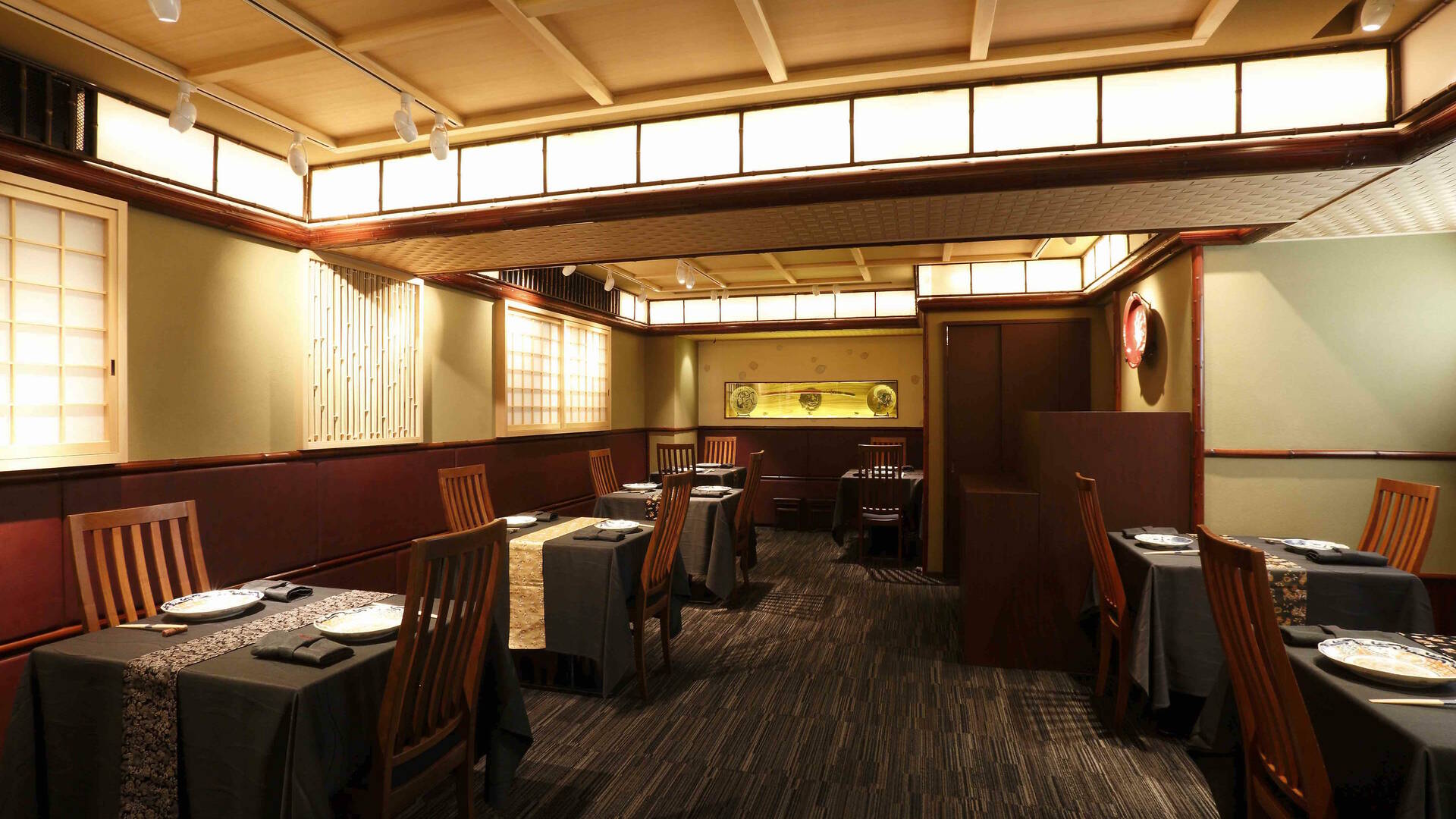
Practical boundaries matter. Private rooms are not listed, smoking is not permitted, parking is unavailable, and the room is counter-based. Multilingual menu support in Simplified Chinese and Chinese-speaking staff are listed, useful in a city where language can shape how much nuance a visitor catches. BYO drinks are available, though the restaurant’s wine focus means that choice should be careful, not reflexive.
Tokyo planning rarely happens in a vacuum. A serious dining trip often needs hotel, bar, and daytime structure around the meal; use Our full Tokyo hotels guide, Our full Tokyo bars guide, Our full Tokyo wineries guide, and Our full Tokyo experiences guide to build that context. For wider Japan and beyond, the contrast points are broad: -Grilled beef Sukiyaki- KAMAKURA TANUKIAN 鎌倉 たぬき庵 in Kamakura,.cafe in Osaka,.know in Kumamoto, (Shoku) Vietnam in Kawasaki, [Curry Senmon Ten] Maruyama Kyoju. in Sapporo, [ki:] in Kyoto, Jōdo Saké Bar in Los Angeles, and Onigiri Time in Pasadena. M Mugen’s appeal is narrower: Chinese technique filtered through Ginza’s counter discipline, with wine and aroma as central conditions of the room.
In Context: Similar Options
Comparable venues at a glance for context.
| Venue | Cuisine | Price | Awards | Notes |
|---|---|---|---|---|
| M MugenThis venue — the venue you are viewing | Fine Chinese counter omakase in Ginza | $$$$ | , | |
| 旬華なか村 | Modern Cantonese Kappo | $$$$ | , | Chūō |
| Fureika (中国飯店 富麗華) | Traditional Shanghai & Cantonese Chinese | $$$$ | , | Higashiazabu |
| Szechwan Restaurant Chen Shibuya | Authentic Sichuan Cuisine | $$$$ | , | Shibuya |
| Cantonese en | Modern Cantonese for Beauty and Health | $$$ | , | Chiyoda |
| Ino Cantonese Nihonbashi Takase | Innovative Cantonese with Japanese ingredients | $$$$ | , | Chūō |



At a Glance
- Intimate
- Elegant
- Sophisticated
- Modern
- Special Occasion
- Date Night
- Business Dinner
- Celebration
- Solo
- Chefs Counter
- Open Kitchen
- Standalone
- Corkage Allowed
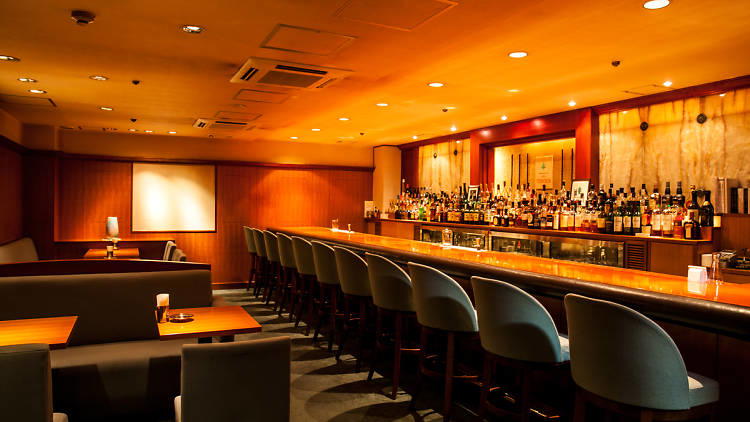
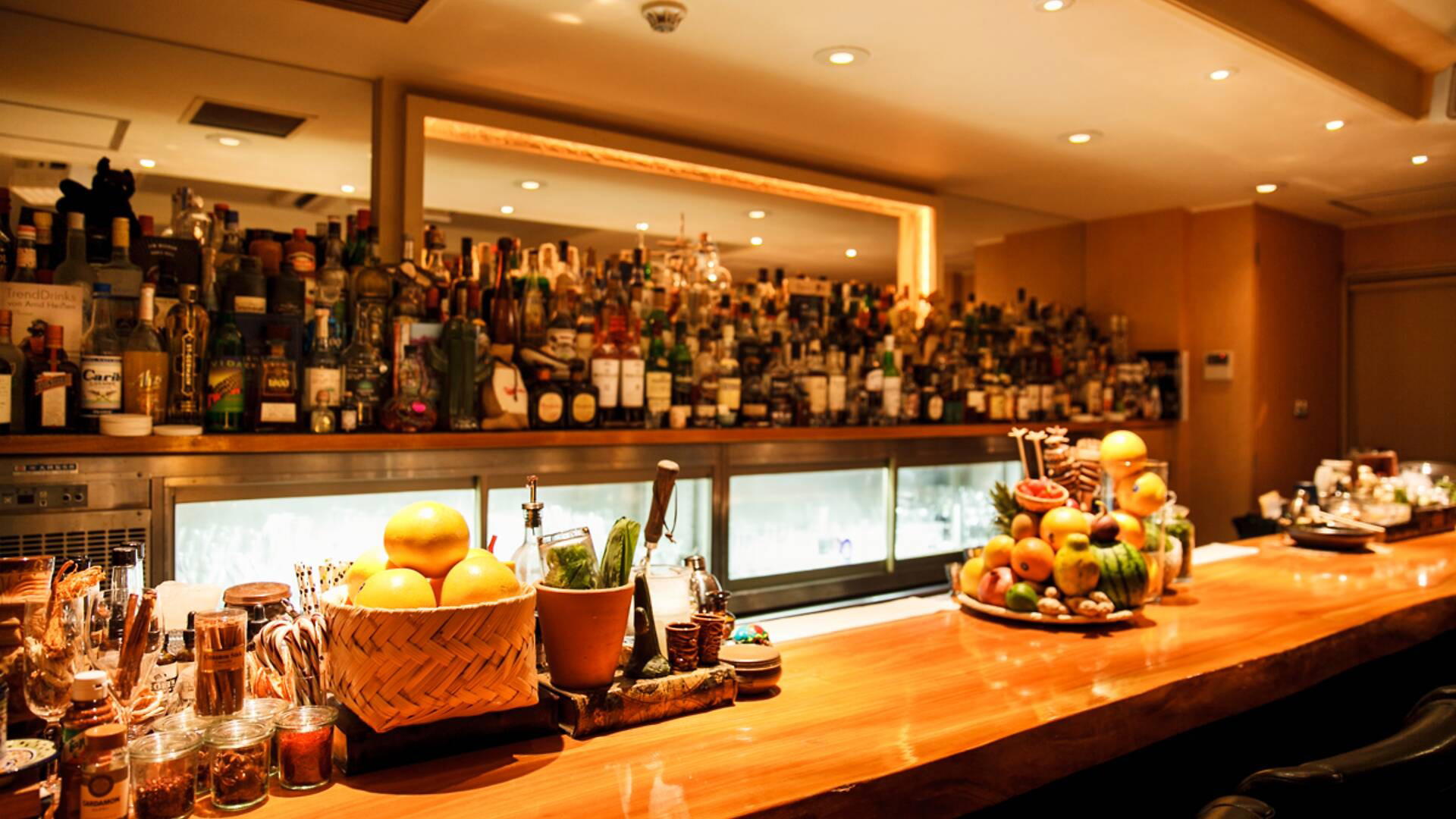
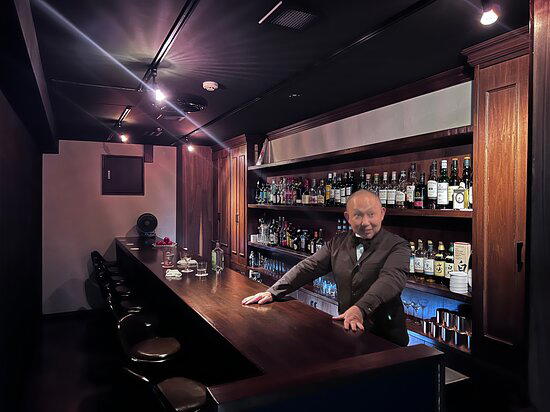
An intimate 8-seat counter-only space in Ginza with a live kitchen focus, designed for a quiet, concentrated dining experience where guests closely watch the chef prepare a seasonal Chinese omakase course.