
Tabelog 100 #82
Our verdict
Ren belongs to Tokyo’s small-format Chinese dining tier, where French technique, wine service and course pacing pull the genre away from banquet-room habits. The Nishiazabu address, 15-seat room, Tabelog 100 Chinese TOKYO 2026 selection and split lunch-dinner pricing make it a sharper choice for diners comparing value at midday against the fuller evening commitment.

Pearl is the En Primeur Club membership app, where members save venues, book tables and use the concierge.
The menu
What to order
- Caviar course
- Omar lobster preparation
- Peking duck
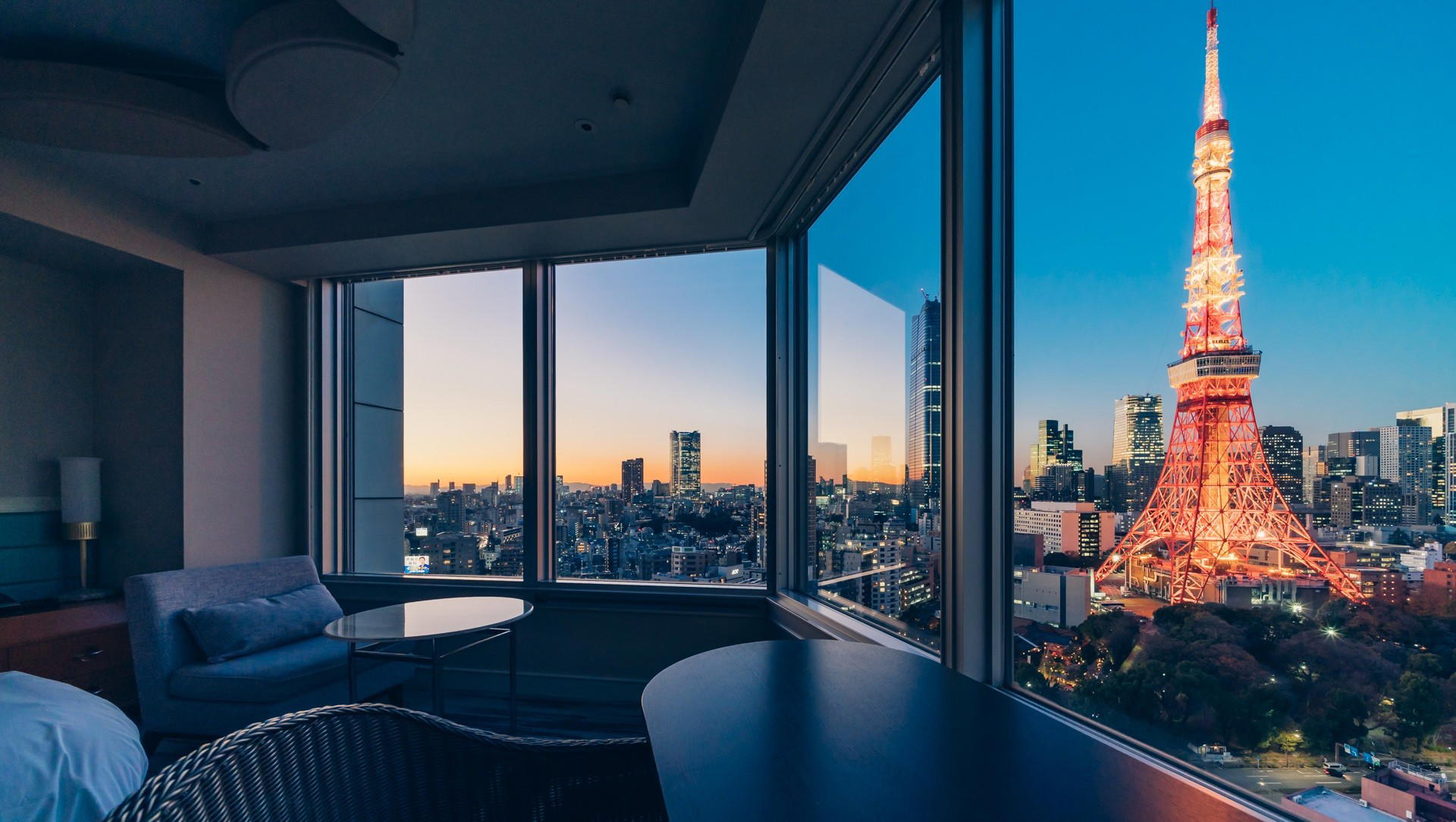
Tokyo changes after dark: traffic thins, the city’s larger districts feel close but not dominant, and compact dining rooms matter more than street frontage. Ren fits a precise Tokyo pattern: Chinese cooking with French and innovative cues, scaled for a premium meal and framed as a cross-cultural restaurant rather than a conventional single-category room.
The public category line says it plainly: Chinese, French, Innovative. In Tokyo, that is not decorative. It places Ren within a newer bracket of Chinese dining where course structure, technique and pairing culture can distinguish the experience from banquet formality or casual à la carte familiarity. Tabelog’s 2026 Hyakumeiten recognition gives the claim external weight, and the 3.67 score puts it in a tier where format, pacing and meal period matter.
Lunch makes the format easier; dinner gives it more weight
The lunch-versus-dinner divide is the practical lens. Lunch is listed at JPY 10,000 to JPY 14,999; dinner rises to JPY 20,000 to JPY 29,999. In Tokyo, that gap is material. Daytime service offers a lower-risk read on the kitchen’s Chinese-French grammar, especially for diners testing whether the style lands closer to refined Chinese cooking or a French-led tasting structure with Chinese references.
Dinner belongs to the slower Tokyo night economy: longer meals, stronger occasion value and a room built around progression rather than speed. The point is not simply paying more for the same idea. It is choosing whether Ren should be a measured daytime stop or the main dining event of the evening, which is often how premium Tokyo restaurants are best understood.
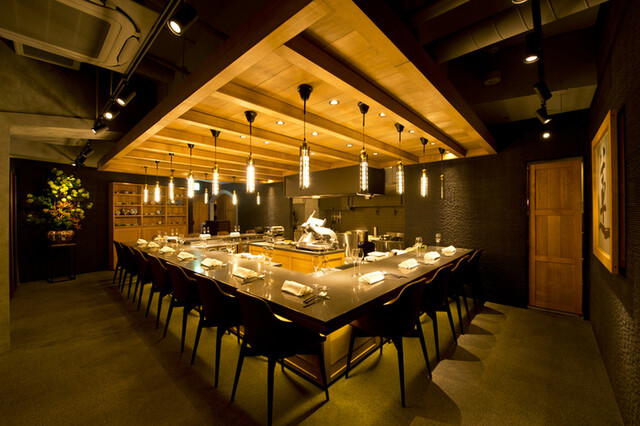
The compact-room question raises the stakes. Small Tokyo dining rooms can feel intimate or compressed depending on staging, and Ren’s appeal is tied to how confidently it handles a focused format. Without needing the spectacle of a large dining room, the restaurant’s public identity rests on category clarity, price positioning and recognition within the city’s Chinese dining conversation.
Chinese cooking in Tokyo is no longer a single category
Tokyo Chinese dining now splits across high-end rooms, regional specialists, neighborhood restaurants, hotel dining rooms and small chef-led formats using French technique. Ren sits in the cross-cultural lane. The pleasure is less abundance than editing: Chinese, French and innovative categories suggest sequence, interpretation and a premium course-minded experience rather than sheer menu breadth.
That explains the Tokyo setting. The city rewards restaurants that do not need heavy walk-by traffic: appointment-led rooms, small-format dining and meals planned as destinations rather than conveniences. For the wider dining map, Our full Tokyo restaurants guide is the useful companion, while travelers building the rest of the trip can cross-reference Our full Tokyo hotels guide, Our full Tokyo bars guide, Our full Tokyo wineries guide and Our full Tokyo experiences guide.
The comparison set needs care. 分とく山 belongs to a different Japanese tradition, Ushimatsu draws on yakiniku’s beef-led grammar, and ura matsu sits in another premium lane. K+ and Cusavilla further show how Tokyo’s premium rooms cluster by scale and intent as much as cuisine label. Ren does not replace them; it occupies the Chinese-French niche, with a more explicit cross-cultural identity than traditional Japanese or yakiniku rooms.
That niche helps visitors who already have sushi, tempura or kaiseki fixed elsewhere. Tokyo fatigue can set in when every reservation chases the same signals: counter, omakase, difficult booking, chef-facing ritual. A Chinese-French course meal changes the rhythm without abandoning the city’s precision. Diners comparing casual breadth elsewhere can think more generally about other Tokyo dining rooms for different registers, but Ren is the more focused premium choice in this lane.
The planning question is timing, not just price
The key planning point is deciding where Ren sits in the day. The listed lunch and dinner bands are meaningfully different, so the choice should be made before the rest of the itinerary fills in. Ren is a poor fit for a day built around uncertainty; it works better when the meal is treated as a fixed point rather than an afterthought.
Access also matters in a general Tokyo sense. Plan enough time between hotel, transport and the restaurant, and avoid treating the booking like a casual stop between other commitments. Premium rooms in the city reward punctual, low-friction arrivals, particularly when the meal’s appeal depends on pacing, course structure and the full arc of the experience.
For diners traveling beyond Tokyo, the contrast is instructive. Japan’s regionally broad, format-shifting dining culture appears in many unnamed forms across the country, from beef-led meals and cafe formats to curry specialists and Kyoto dining rooms. Overseas comparisons show how Japanese dining abroad often isolates a category, while Tokyo keeps recombining them.
The editorial call is simple: choose lunch to test the Chinese-French premise with less spend and a lighter day structure; choose dinner if longer pacing and a more deliberate Tokyo evening define the plan. Either way, Ren suits diners interested in Tokyo’s evolving Chinese category more than those seeking a conventional banquet, casual à la carte meal or late walk-in fallback.
Fast Comparison
Comparable venues to calibrate price, style, and recognition.
| Venue | Cuisine | Price | Awards | Notes |
|---|---|---|---|---|
| RenThis venue (the venue you are viewing) | Modern Chinese with French influence tasting menu | $150–200 | Tabelog 100 #82 | Not listed |
| 飘香 广尾店 | Traditional Sichuan Omakase | $200–300 | Tabelog 100 #74 · Black Pearl 1 Diamond | Hiroo |
| Szechwan Restaurant Chen Shibuya | Authentic Sichuan Cuisine | $50–100 | Tabelog 100 #54 | Shibuya |
| M Mugen | Fine Chinese counter omakase in Ginza | $150–200 | Tabelog 100 #27 | Chūō |
| 虎峰 | Modern Cantonese chef’s counter | $200–300 | Black Pearl 1 Diamond | Roppongi |
| Fureika (中国飯店 富麗華) | Shanghai-Cantonese Chinese Fine Dining | $100–150 | Michelin Plate · Black Pearl 2 Diamond | Higashiazabu |
Recognition history
Dated appearances from independent guides and award organizations, with the underlying list record or original source where available.
Tabelog 100 #82 · No. 82
Tabelog · Tabelog 100 - Chinese cuisine - TOKYO - 2026



Continue exploring
More in Tokyo
Restaurants in Tokyo
All restaurants in Tokyo →






Details
- Elegant
- Intimate
- Sophisticated
- Modern
- Date Night
- Special Occasion
- Celebration
- Business Dinner
- Chefs Counter
- Design Destination
- Standalone
- Extensive Wine List
- Tasting Menu
- Set Menu
- Wine
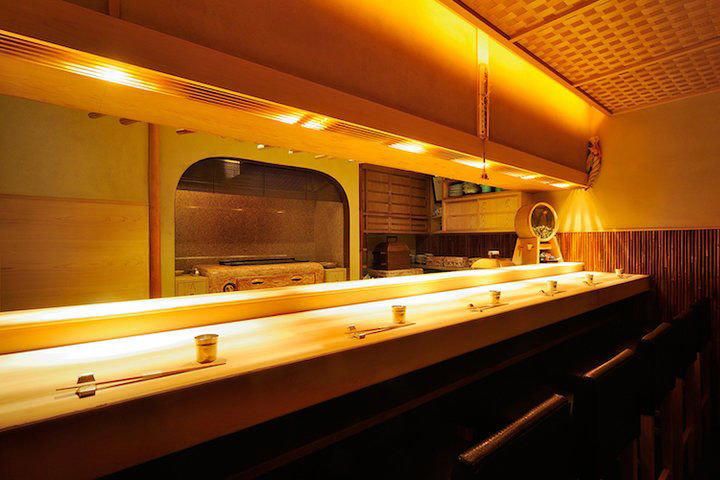
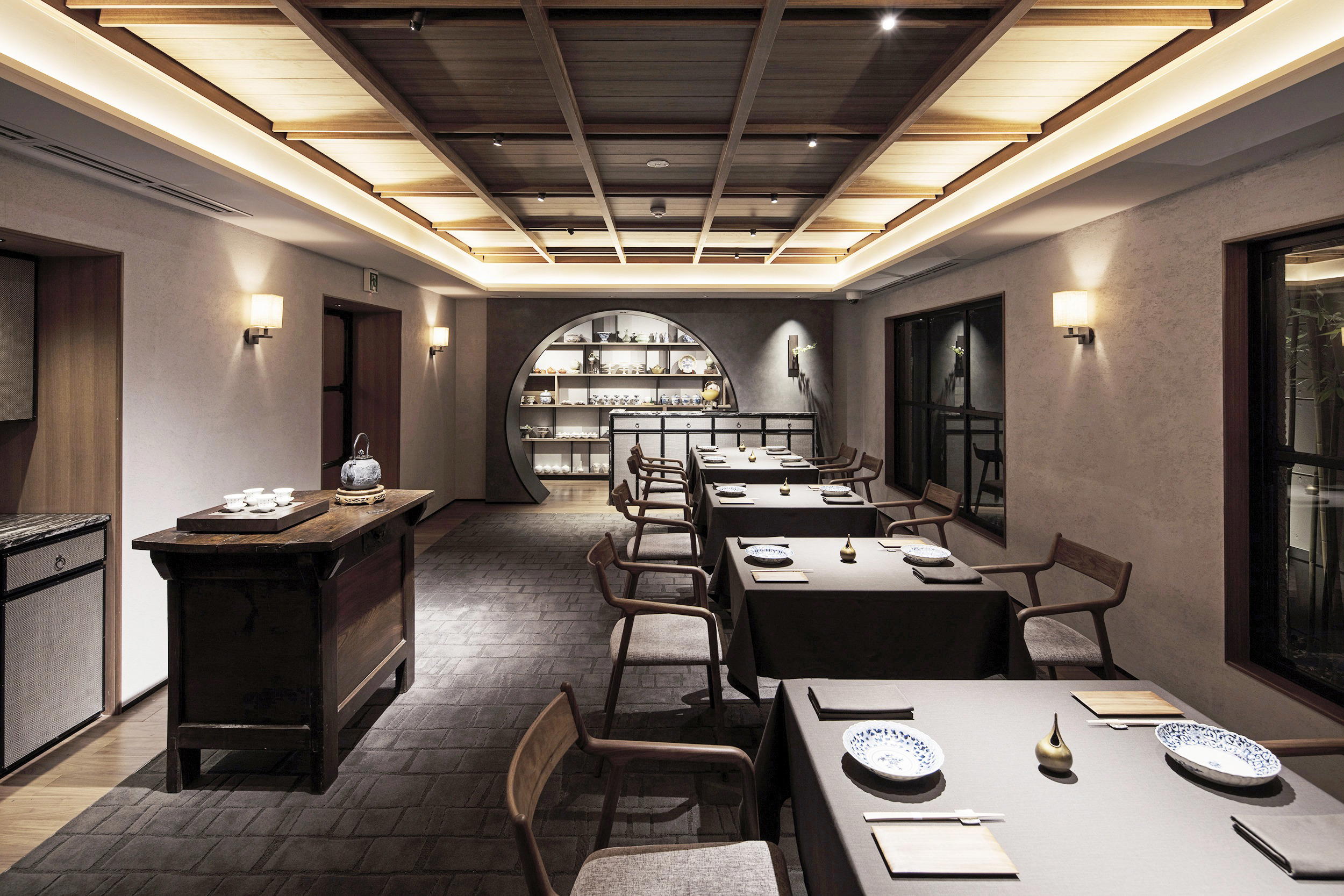
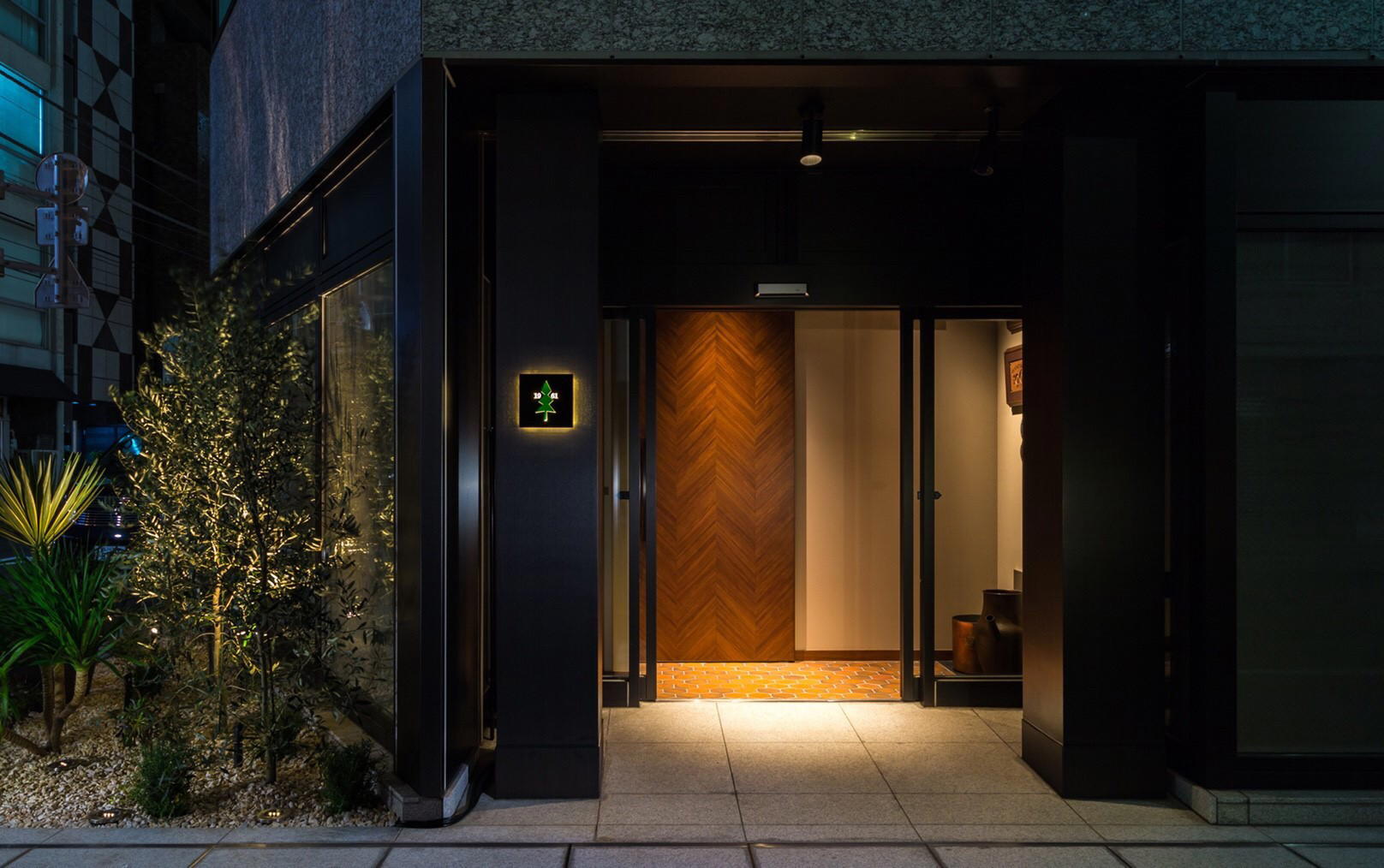
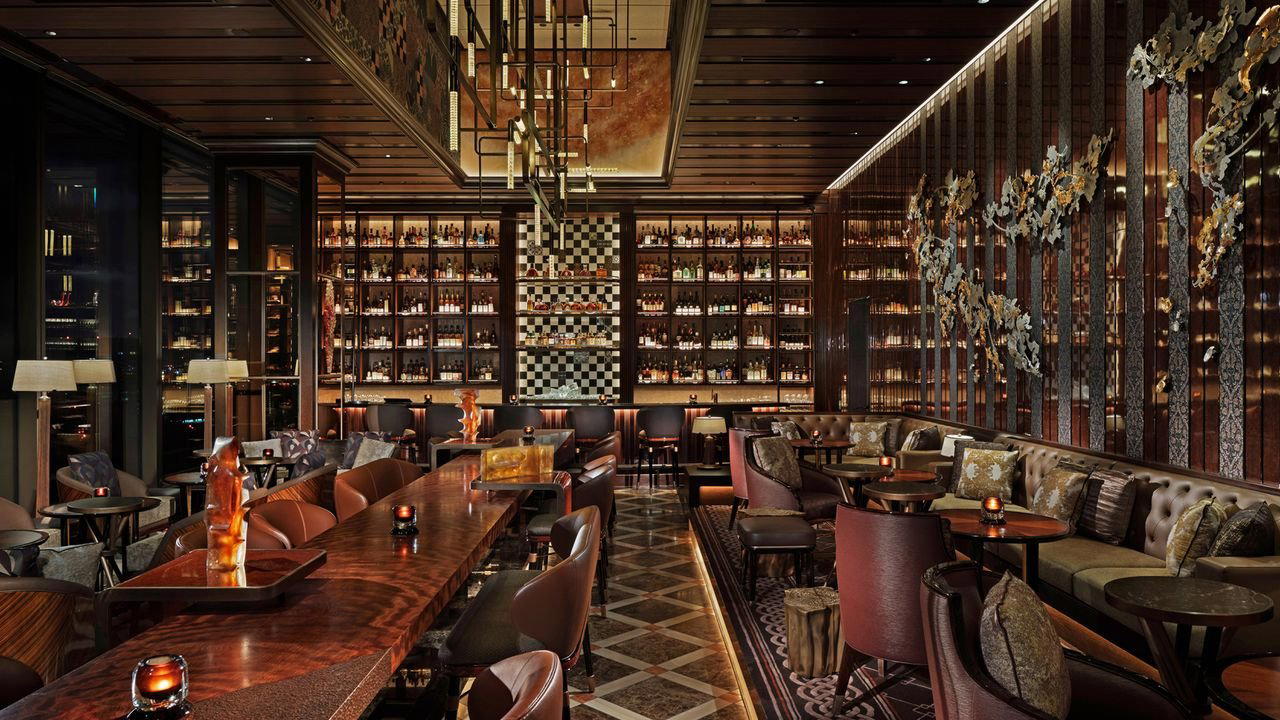
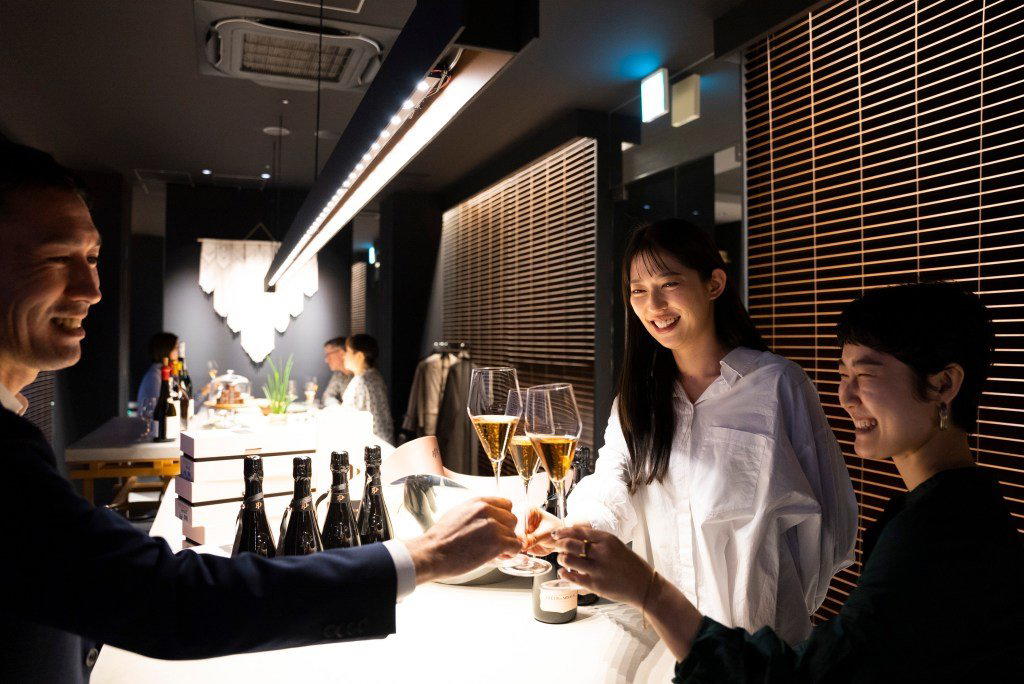
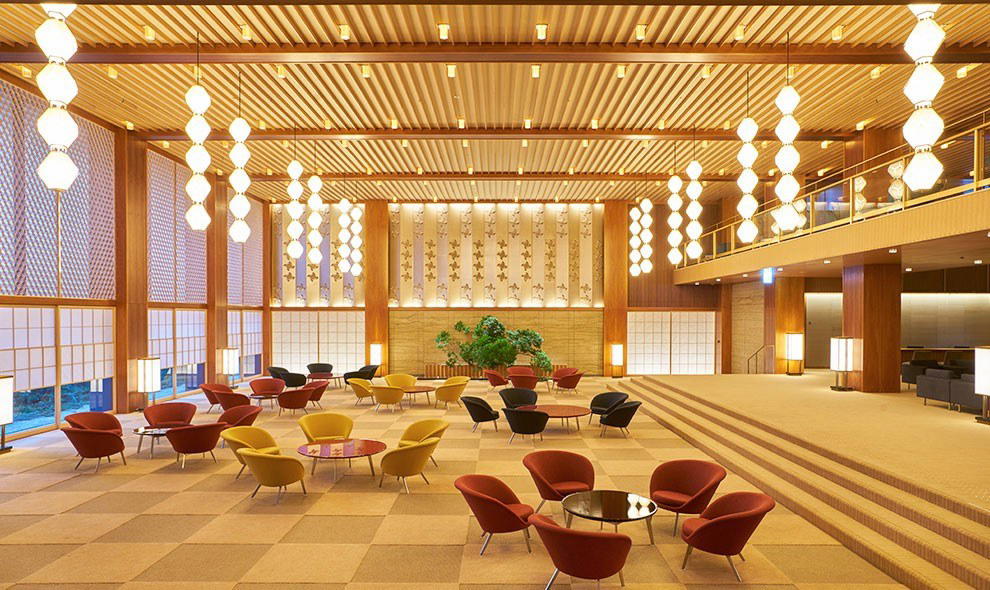
Elegant, quietly intimate basement space with counter-focused seating, refined modern design, and a calm atmosphere suited to lingering multi-course dinners.