Google: 4.4 · 341 reviews

Ponte Vecchio occupies a Kitahama address that places it at the intersection of Osaka's financial district calm and its enduring appetite for European fine dining. The restaurant represents a generation of Italian cooking in Japan that predates the current wave of chef-driven imports, making it a reference point for how Western technique settled into a Japanese service register.
 Discover on Pearl
Pearl is the En Primeur Club membership app — saves, bookings, and concierge access live there. Same editors, same standards.
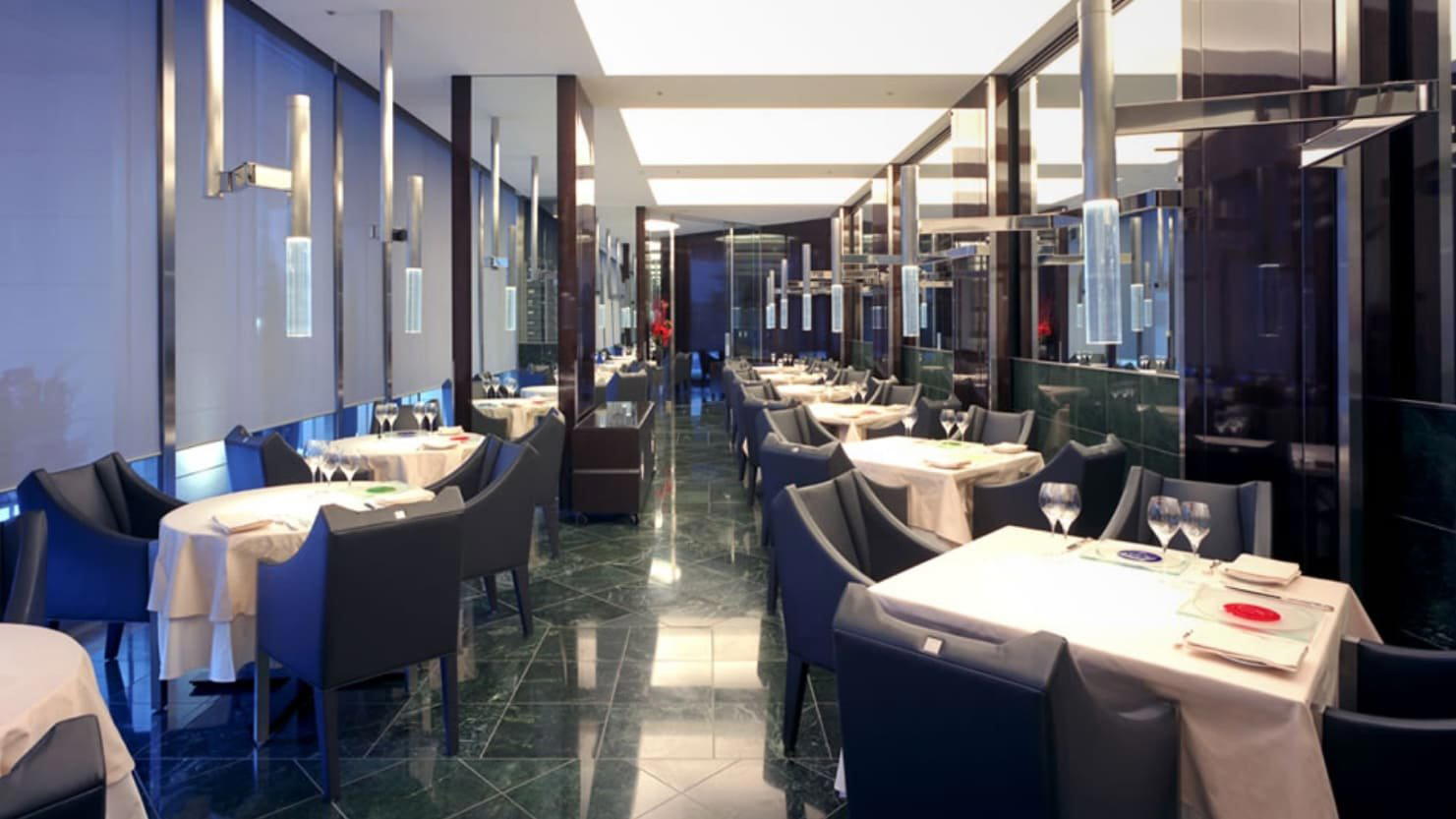
Kitahama and the Italian Dining Tradition That Shaped Osaka's Formal Restaurant Scene
The Kitahama district, anchored along the north bank of the Tosabori River, has historically housed Osaka's financial and legal institutions rather than its celebrated food markets. That civic seriousness gave rise to a particular kind of restaurant: not the raucous takoyaki counter or the standing izakaya that defines the city's popular image, but the formal dining room aimed at business entertaining and occasion meals. Italian cuisine, with its wine-forward service logic and graduated course structure, slotted into that framework earlier and more durably than most other Western traditions. Ponte Vecchio (ポンテベッキオ), at 1 Chome-8-16 Kitahama, sits inside that history rather than against it.
Kitahama today sits between two stronger food-narrative neighborhoods: Shinsaibashi to the south, where the density of Michelin-starred and globally referenced restaurants has intensified over the past decade, and Nakanoshima to the west, where hotel dining has moved upmarket. For diners cross-referencing Osaka's premium European dining tier, that geography matters. Kitahama's restaurants tend toward quieter rooms and longer-tenured operations, the kind of address where the clientele books weeks rather than days in advance and the sommelier recognizes returning guests by preference rather than by name badge.
The Booking Logic: Why Timing Here Differs from Central Osaka
Osaka's most heavily trafficked reservation systems now run through consolidated platforms, with demand concentrated on Friday and Saturday evenings and on the weeks surrounding Golden Week and the autumn calendar peak. Kitahama's formal dining addresses, including Ponte Vecchio, tend to absorb that demand differently. The core clientele skews toward weekday lunch and weekday dinner, driven by the district's business population, which means weekend slots can open with less competition than comparable rooms in Shinsaibashi or Namba. That pattern is worth noting for international visitors whose itineraries default to weekend evenings.
For context within Osaka's broader premium dining scene, the booking difficulty at restaurants like HAJIME in Osaka and the kaiseki houses that define the city's Michelin performance operates on a different axis entirely: name recognition and international press coverage drive demand there to the point where lead times of two to three months are routine. Ponte Vecchio, as a long-established European address in a quieter district, is likely to offer more accessible entry points, though confirmation of current booking lead times requires direct contact with the restaurant. No booking system or platform data is available in the current record.
Visitors comparing Osaka's Italian dining tier against Tokyo's European fine dining concentration should note that the demand dynamics differ substantially. Tokyo addresses such as Harutaka in Tokyo operate within a market where international press cycles and social media visibility compress booking windows rapidly. Osaka's European fine dining segment, particularly in Kitahama, has historically operated with less international visibility, which translates into a more plannable experience for travelers who do their research in advance.
European Fine Dining in Japan: What the Format Signals
Italian restaurants that have sustained formal operations in Japan's major cities for more than a decade occupy a specific position in the country's dining hierarchy. Unlike the newer wave of Italian-trained Japanese chefs returning from stages in Rome or Milan, the earlier generation of establishments built their identity around adapting Italian course structure to Japanese service expectations: precise timing, minimal tableside theater, and a formality of presentation that differs from how the same food might be served in Florence or Bologna. That adaptation produced a hybrid format that Japanese diners recognize as Italian but that Italian visitors sometimes find more ceremonious than familiar.
Within Osaka specifically, the European fine dining segment now competes for attention against a kaiseki tradition that has deepened its international profile significantly. Restaurants like Ajikitcho Bunbuan and Aka to Shiro represent the city's commitment to Japanese culinary forms at the high end. European fine dining in this context tends to attract a clientele that has moved between both traditions comfortably and is choosing Italian or French not as an alternative to Japanese dining but as a considered selection within a varied dining calendar.
For those building a week-long Osaka itinerary across multiple cuisines and registers, Calendrier and Az represent the French fine dining counterpart in terms of occasion-meal positioning. Across the wider Kansai region, Gion Sasaki in Kyoto and akordu in Nara show how Western-Japanese culinary hybridity plays out in different city contexts, with Nara in particular offering a case study in how European technique can be threaded through local ingredient sourcing in ways that differ from Osaka's approach.
Approaching the Address: What Kitahama Feels Like Before You Arrive
Kitahama Station on the Osaka Metro Sakaisuji Line places diners within a short walk of the Tosabori River frontage. The streetscape along Kitahama is more subdued than the tourist-facing corridors of Namba or Dotonbori: office buildings, a few heritage banking facades, and the occasional gallery occupy the ground floor retail. Evening foot traffic is light by Osaka standards, which makes the transition from street to formal dining room more abrupt and more deliberate than in the city's busier quarters. That quality of arrival, moving from a quiet civic street into a considered interior, is a defining characteristic of this dining tier and worth factoring into the overall experience rhythm of an evening.
Visitors pairing Osaka with a wider Japan itinerary will find useful reference points in how other cities handle European fine dining within Japanese service culture. Goh in Fukuoka represents a southern Japan approach to the same cross-cultural question. For those interested in how the tradition extends into less-visited prefectures, 一本木 糸川製 in Nanao and 湖邸庵 in Takashima offer regional contrasts worth considering. The full picture of Osaka's dining options across all tiers and cuisines is available in our full Osaka Shi restaurants guide.
For context on how premium Italian dining in Japan compares to its Western counterparts, Le Bernardin in New York City illustrates the French fine dining anchor of the American market, while Atomix in New York City shows how Korean culinary tradition has been reframed within a tasting-menu format that has influenced how other non-Western cuisines are presented at the fine dining tier globally. Additional Osaka dining references worth cross-checking include Ajihei Sonezaki and Birdland in Sakai.
Know Before You Go
- Address: 1 Chome-8-16 Kitahama, Chuo Ward, Osaka, 541-0041, Japan
- Nearest station: Kitahama Station, Osaka Metro Sakaisuji Line
- Booking: No platform booking data available; contact the restaurant directly to confirm current reservation lead times and availability
- Leading timing: Weekday evenings may offer more flexibility than weekends given the district's business-focused clientele base
- Planning note: Confirm hours, pricing, and dress expectations directly before visiting, as no current operational data is available in this record
Style and Standing
A small peer set for context; details vary by what’s recorded in our database.
| Venue | Cuisine | Awards | Notes |
|---|---|---|---|
| ポンテベッキオ | This venue | ||
| èæ¾åå¤å· | |||
| Hachi | |||
| ç±³å¢ | |||
| Kushiage 010 | |||
| Unagi Nishihara |
Continue exploring
More in Osaka Shi
Restaurants in Osaka Shi
Browse all →

Bars in Osaka Shi
Browse all →
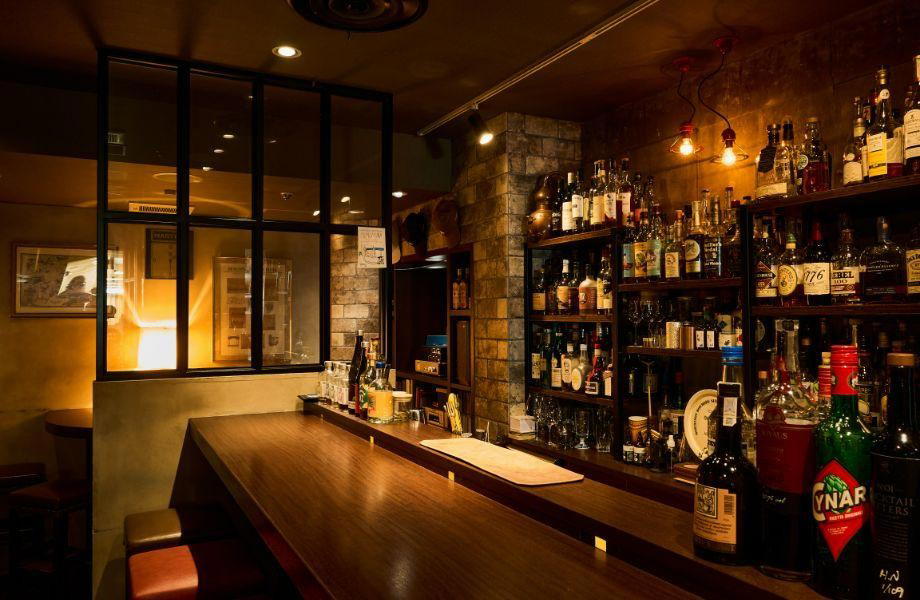

Hotels in Osaka Shi
Browse all →




Wineries in Osaka Shi
Browse all →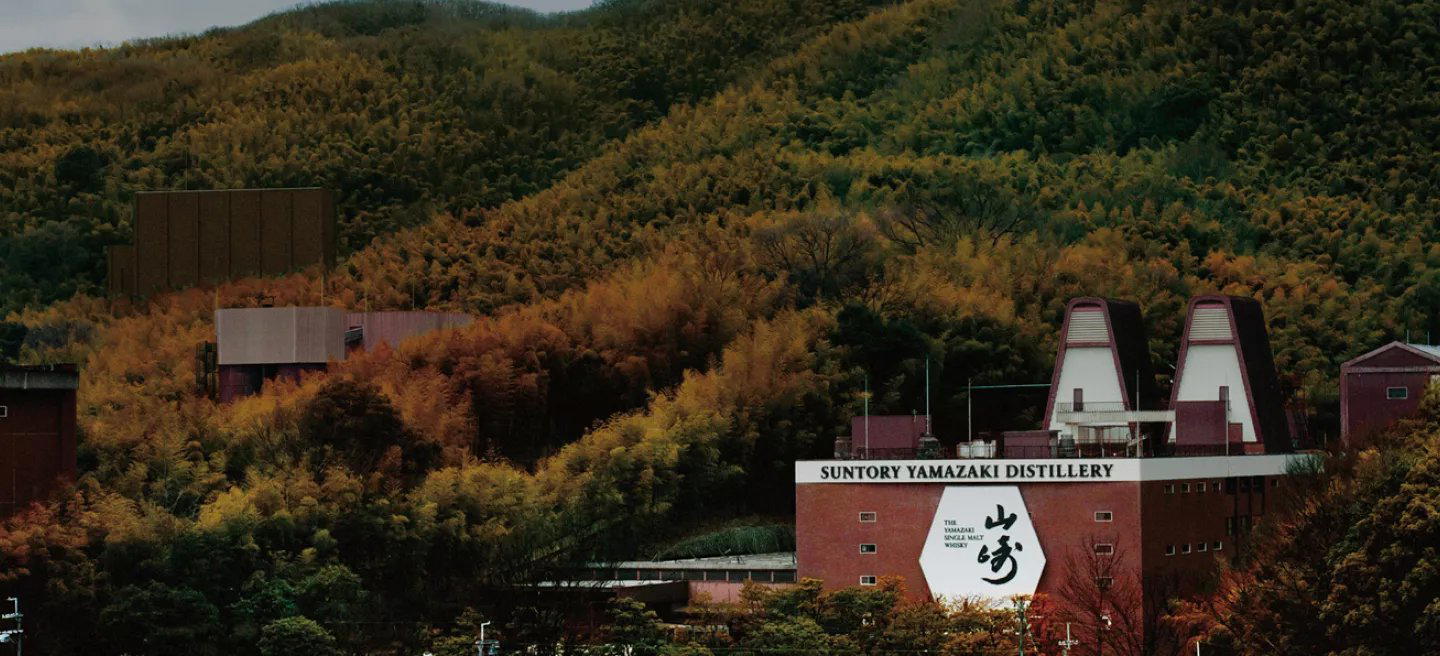
At a Glance
- Elegant
- Sophisticated
- Cozy
- Date Night
- Business Dinner
- Sake Program
- Street Scene
Intimate and elegant atmosphere with night views from the 10th floor, creating a sophisticated yet relaxed dining experience.