
Tabelog Bronze #24
Our verdict
Ara Ki is a reservation-only Edomae sushi counter in Akasaka, Tokyo, with nine seats and a dinner price of JPY 60,000–79,999. A 2026 Tabelog Award Bronze winner and member of the Tabelog Sushi Tokyo 100, it operates Tuesday through Saturday from 18:00, with all guests seated simultaneously. Booking is handled without an official website, making early planning essential.

Pearl is the En Primeur Club membership app, where members save venues, book tables and use the concierge.
A Counter in Akasaka's Upper Tier
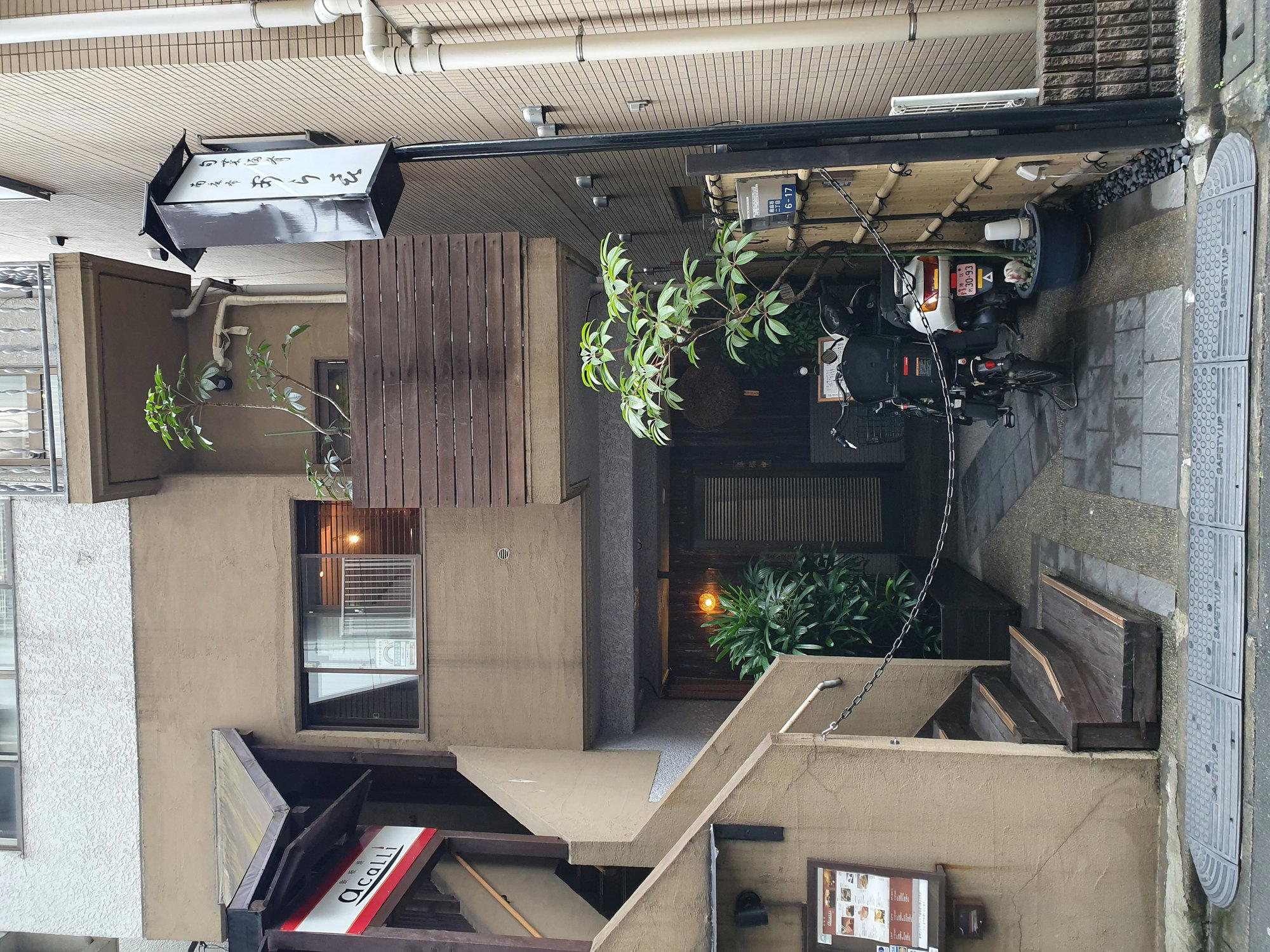
The second floor of a low-profile building on Akasaka's 6-chome strip does not announce itself. There is no signage designed to catch passing attention, no ground-floor presence angling for walk-ins. The format at Ara Ki, nine counter seats and a single private room, is a deliberate signal: this is a reservation-only operation where the evening is structured around a fixed start time of 18:00, all guests arriving together. In Tokyo's upper tier of Edomae sushi, that simultaneity is a feature, not a constraint. It allows a counter of this size to function as a single, coherent service rather than a rolling progression of arrivals and departures.
Tokyo's premium sushi scene has stratified considerably over the past decade. The city now has a recognisable leading bracket, counters priced above JPY 50,000 at dinner, operating at small scale, with booking windows measured in weeks rather than days. Ara Ki sits firmly inside that bracket, with dinner running JPY 60,000–79,999 per person according to Tabelog review data. That positions it above mid-market omakase counters in neighbourhoods like Shinjuku or Shibuya and in direct competition with celebrated sushi addresses in Ginza and Azabu-Juban. For comparison, Harutaka, a three-Michelin-star counter, occupies a similar price altitude in Ginza. The fact that Ara Ki commands comparable spend from a less obvious address in Akasaka says something about how the Tokyo sushi market increasingly rewards reputation over postcode.
The Edomae Tradition and What It Demands
Edomae sushi is not a loose descriptor. It refers to a specific tradition rooted in Edo-period Tokyo Bay fishing and the pre-refrigeration techniques developed to preserve and prepare fish: curing with salt and vinegar, marinating in soy, ageing under kombu, applying nikiri brush by brush at the counter. The tradition is technically exacting and, at the level Ara Ki operates, unforgiving. A Tabelog score of 4.24, placing the restaurant at rank 24 among Tabelog Award Bronze winners for 2026, reflects a level of execution that the platform's reviewers, broadly experienced across Tokyo's sushi tier, judge against the most demanding standard in the city.
Inclusion in the Tabelog Sushi Tokyo 100 for 2025 reinforces that standing. The list is not a promotional exercise; it draws on aggregated user scores and is competitive enough that several counters with Michelin recognition do not appear on it. For a counter without an official website, without a public phone number listed, and without the marketing infrastructure of a hotel restaurant or a recognised group, that kind of peer-validated recognition carries weight. It implies that repeat visitors, the core of any serious sushi counter's clientele, are returning and scoring consistently.
The food programme is described as particular about fish, which in Edomae context means sourcing and preparation decisions made at the ingredient level rather than from a fixed seasonal menu. The drink programme reflects comparable specificity: sake selected with intent, wine chosen with the same care. At this price point, the expectation is that neither the fish nor the drinks are afterthoughts, and the listing detail suggests they are not.
The Booking Problem
This is where the editorial angle on Ara Ki becomes the practical challenge. The restaurant has no official website. There is no online reservation system publicly associated with it. The Tabelog listing, which carries the award credentials and the review score, serves as the primary digital reference point, and Tabelog's own reservation function is the most accessible route for visitors without a prior relationship with the counter.
In Tokyo's top-tier sushi world, this is not unusual. Several counters operating at or near Ara Ki's price point function on similar terms: no website, no direct email booking, access primarily through Tabelog or through a concierge relationship. For guests arriving from outside Japan, the absence of an English-language booking channel is a real friction point. Hotel concierges at properties in Minato or Chiyoda, the wards that bracket Akasaka, are often the most reliable intermediary. Concierges at Tokyo's leading hotels frequently maintain working relationships with counters of this profile, and an approach through that channel, with significant advance notice, is more likely to succeed than a cold Tabelog submission in English.
The operational schedule narrows the window further. Tuesday through Saturday only, dinner service beginning at 18:00, closed on Sundays, Mondays, and public holidays, with the listing noting additional irregular closures. A five-night window per week at nine seats means the counter produces a maximum of 45 covers on any given week, probably fewer given the private room configuration. That scarcity is not an accident. Counters at this level price and operate to serve a guest list of regulars supplemented by a small number of new visitors, and the booking structure reflects that.
Visitors planning around Tokyo's busiest travel periods, Golden Week in late April to early May, the autumn leaf season in November, or the cherry blossom window in late March, should account for the fact that Akasaka becomes a premium area during those weeks. The restaurant sits approximately 150 metres from Akasaka station, accessible from the Chiyoda Line, which means transport is not a complication, but table availability almost certainly is. Booking three to four weeks in advance is a reasonable starting assumption; for peak periods, longer lead times are advisable.
Where Akasaka Sits in Tokyo's Dining Map
Akasaka occupies an interesting position in Tokyo's dining geography. It is a business district by day, historically associated with political and corporate entertaining, which means the area has long supported high-expenditure restaurants serving serious professional hospitality. That context has made it a quietly credible address for counter dining that does not depend on the tourist density of Ginza or the neighbourhood identity of Roppongi. Counters that open here are generally not trying to attract passing attention; they are serving a known clientele.
Within the French and progressive Japanese tier, L'Effervescence, RyuGin, Sézanne, and Crony all operate at comparable spend levels in adjacent or nearby neighbourhoods. The broader Tokyo guide at EP Club's Tokyo restaurant listings maps that tier in full. Internationally, the comparison holds against fish-forward tasting counter formats globally: the precision-over-volume model that Ara Ki represents appears in concentrated form at counters like Le Bernardin in New York, though the omakase format is structurally distinct from a Western tasting menu.
Across Japan, the same counter-led seriousness appears in different cuisine registers: HAJIME in Osaka, Gion Sasaki in Kyoto, and Goh in Fukuoka all share the small-format, reservation-essential operating model. For visitors building a multi-city Japan itinerary, that continuity is worth noting: the access logic at Ara Ki applies to most of the country's top-tier restaurant addresses. Advance planning, ideally through a concierge or local contact, is the consistent approach.
Planning a Visit
Ara Ki operates Tuesday to Saturday, dinner only, beginning at 18:00 with a simultaneous seating for all guests. Dinner is priced at JPY 60,000–79,999 per person. Credit cards are accepted; electronic money is not; QR code payment via d Barai is available. The restaurant is non-smoking throughout. Nine counter seats are the primary format, with one private room available, though the venue is not available for full private hire. Parking is not on site. The address is 6-3-16 Akasaka, Minato City, Tokyo, second floor of the Akasaka Street Building, approximately 150 metres from Akasaka station on the Tokyo Metro Chiyoda Line.
For broader planning across Tokyo, EP Club covers bars, hotels, wineries, and experiences in the city. Further afield in the Kanto region, 1000 in Yokohama and Atomix in New York (for the diaspora comparison) round out the high-intent dining picture. For those extending south, 6 in Okinawa and akordu in Nara operate in the same reservation-essential register.
Frequently asked questions
What dish is Ara Ki famous for?
Ara Ki is a sushi counter operating within the Edomae tradition, which means the focus is on nigiri and the classical Tokyo techniques of curing, ageing, and preparing fish sourced with care. The Tabelog listing notes a particular emphasis on fish quality.
How hard is it to get a table at Ara Ki?
Considerably hard. The counter seats nine, operates five nights per week, and is reservation-only with no official website or public booking system. Tabelog is the primary access route for first-time visitors without a prior relationship. A 4.24 Tabelog score, Bronze award for 2026, and inclusion in the Sushi Tokyo 100 for 2025 indicate strong demand. Visitors without a Japanese-language booking contact are advised to approach through a hotel concierge with significant advance notice, particularly for peak travel periods.
What's the standout thing about Ara Ki?
The combination of a 4.24 Tabelog score, a 2026 Bronze award, and membership in the Sushi Tokyo 100 places Ara Ki among the most consistently reviewed Edomae counters in the city. That operating profile is a reliable proxy for a counter that prioritises its established clientele over new volume.
Cost Snapshot
Comparable venues nearby, for context on price, style, and recognition.
| Venue | Cuisine | Price | Awards | Notes |
|---|---|---|---|---|
| Ara KiThis venue (the venue you are viewing) | Edomae Sushi | $300–500 | Tabelog Bronze #24 | Not listed |
| Sushi Yasumitsu | Seasonal Edomae Omakase Sushi | $300–500 | Tabelog Bronze #520 | Shinjuku, Seasonal Edomae Omakase Sushi |
| Kiyoda Annex | Chūō, Tokyo Edomae Sushi | Not listed | Not listed | Not listed |
| 新ばし 星野 | Traditional Japanese Kaiseki | $300–500 | Not listed | Minato, Traditional Japanese Kaiseki |
| 宮坂 | Hokkaido-style Omakase Sushi | Not listed | Not listed | Minato, Hokkaido-style Omakase Sushi |
| Tokyo Nikushabuya Subin | Modern Japanese Nikushabu & Yakiniku | Not listed | Tabelog Bronze #463 | Chūō, Modern Japanese Nikushabu & Yakiniku |
Recognition history
Dated appearances from independent guides and award organizations, with the underlying list record or original source where available.
Tabelog Bronze #24
Tabelog
Full recognition history (2 entries)
Tabelog 100 #71 · No. 71
Tabelog · Tabelog 100 - Sushi - TOKYO - 2025
Continue exploring
More in Tokyo
Restaurants in Tokyo
All restaurants in Tokyo →
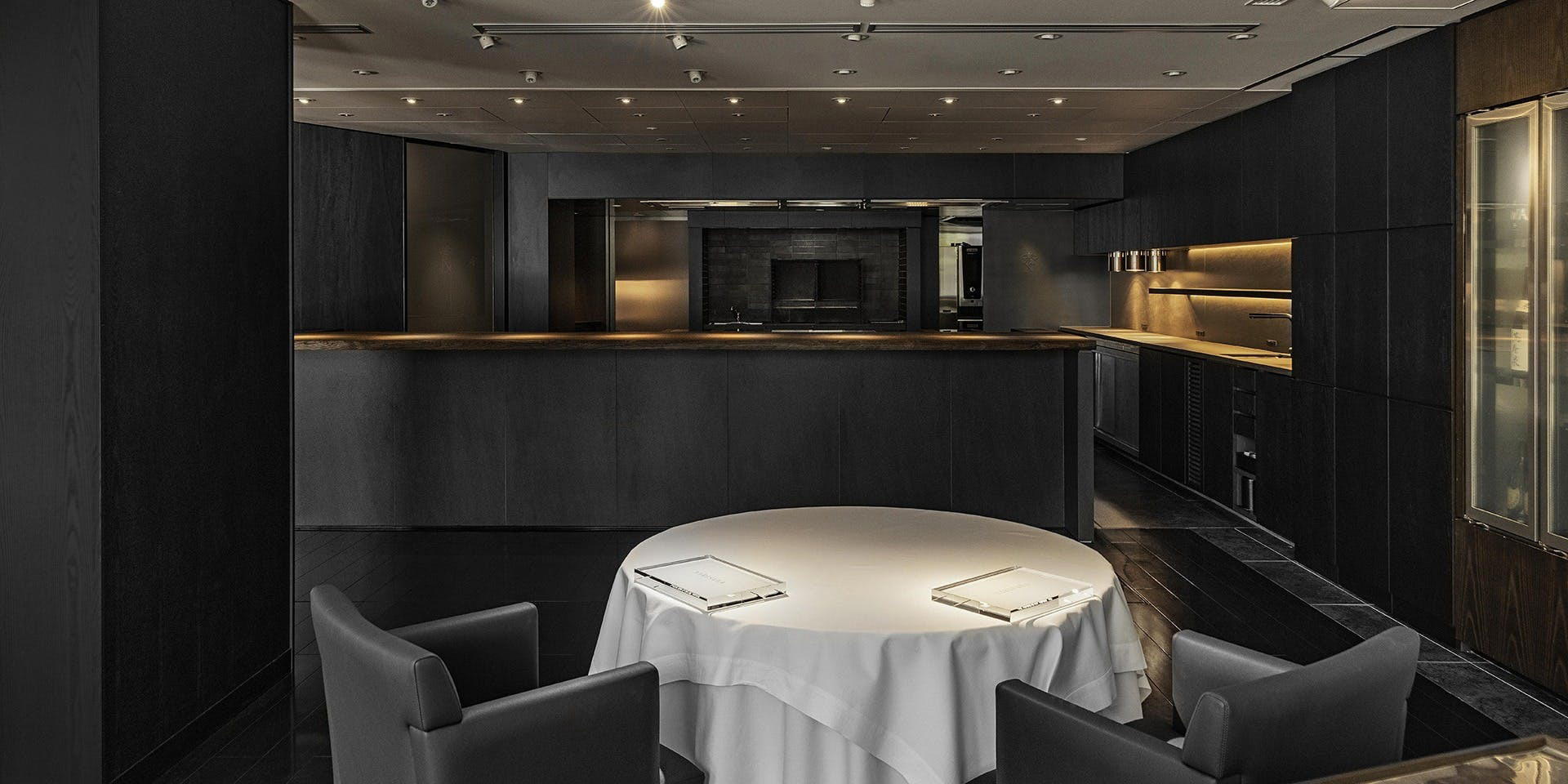

Bars in Tokyo
All bars in Tokyo →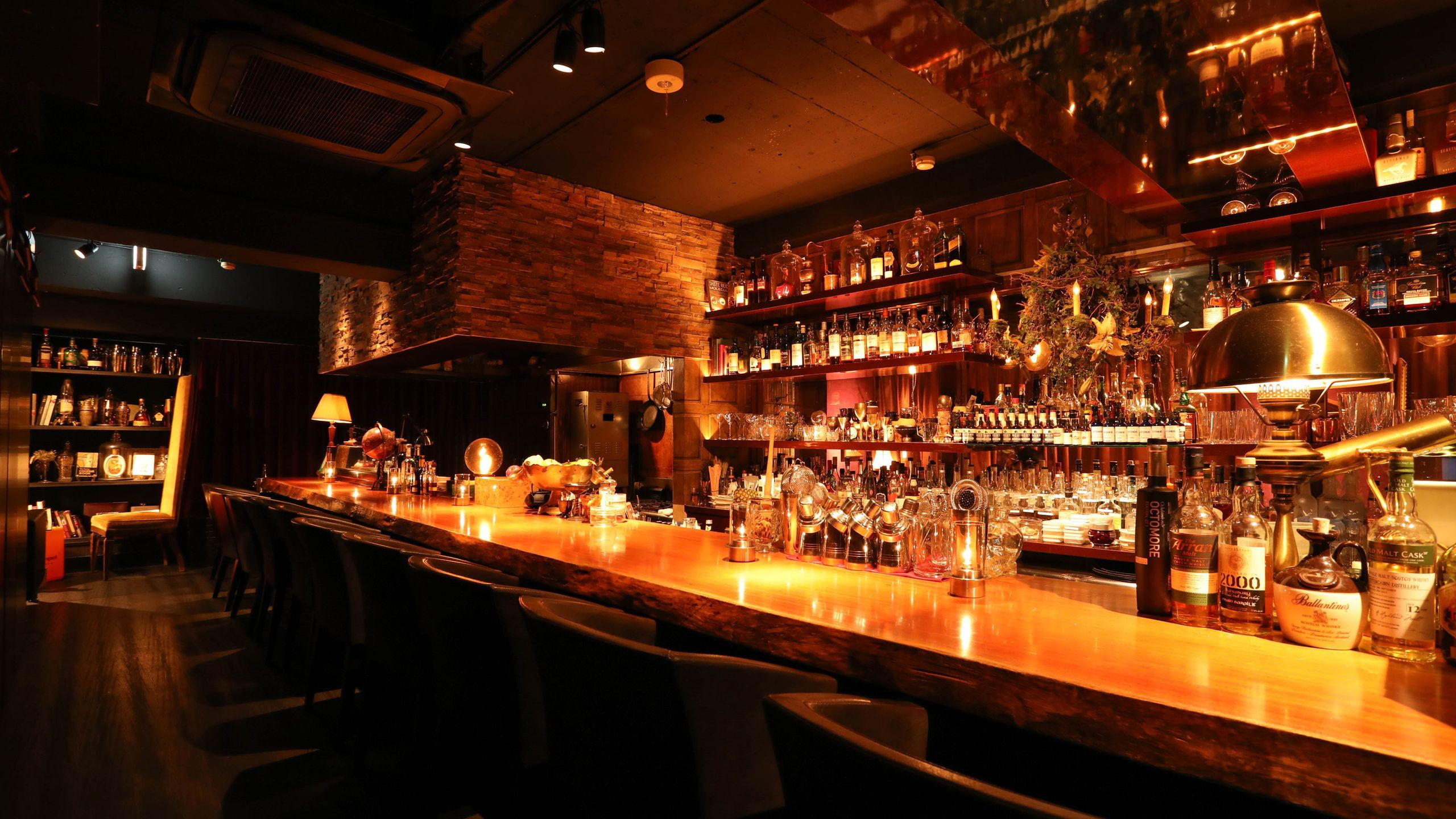
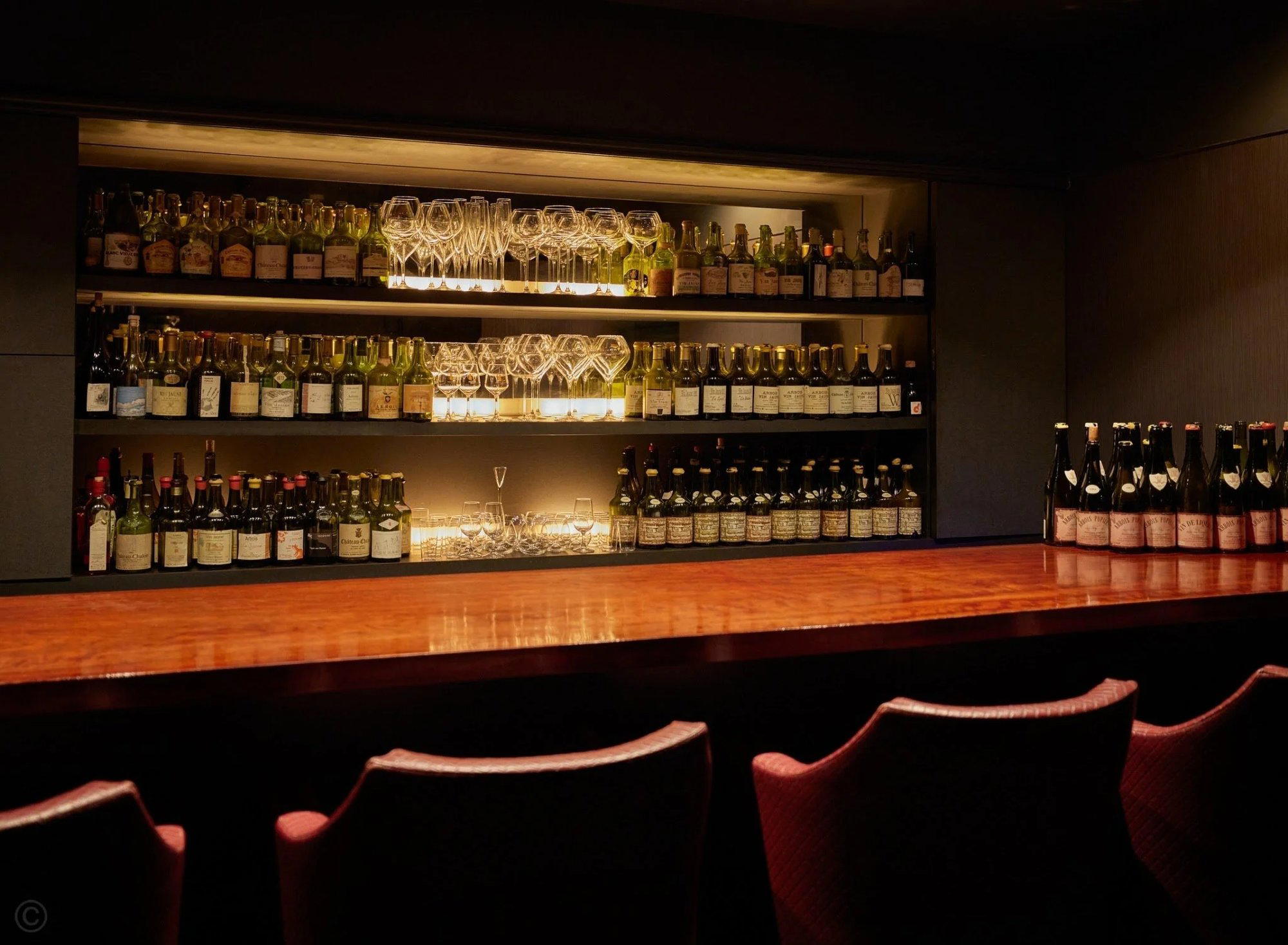
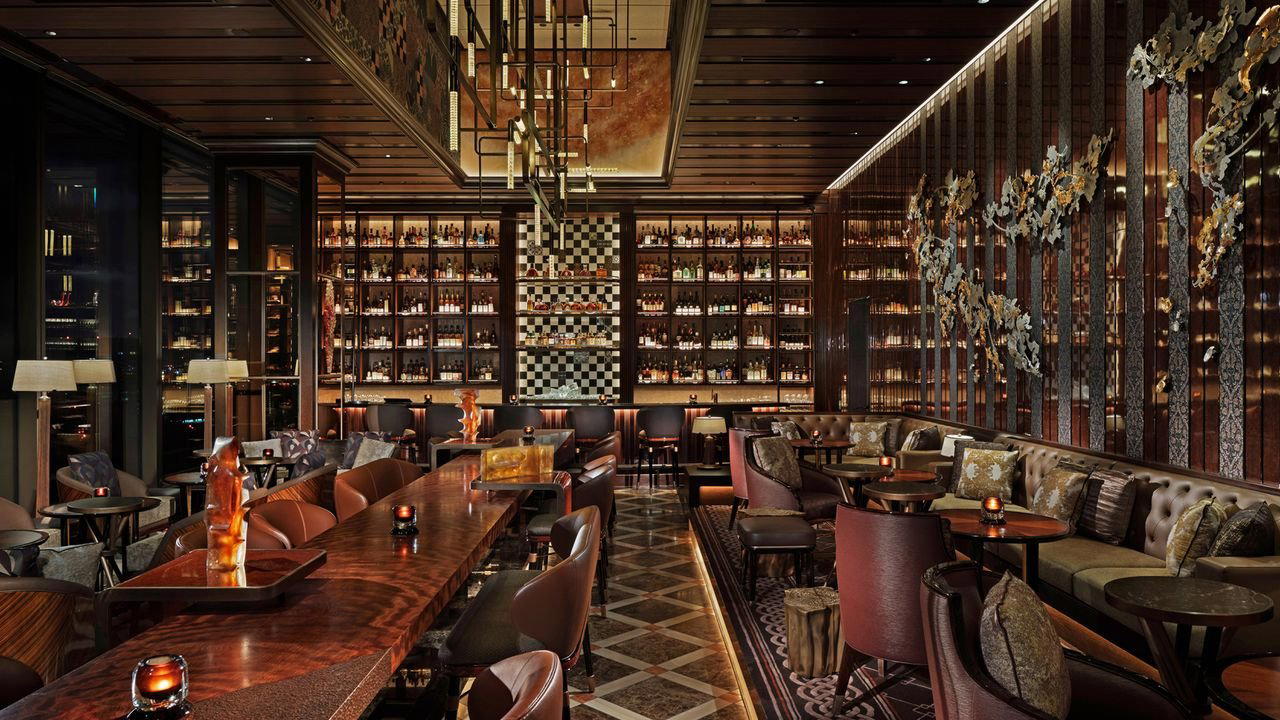



Details
- Intimate
- Elegant
- Sophisticated
- Special Occasion
- Chefs Counter
- Sake Program
- Local Sourcing
- Omakase
- Counter Dining
Intimate sushi counter with traditional Japanese elements and focused, ceremonial atmosphere.