
Tabelog Bronze #463
Our verdict
Tokyo Nikushabuya Subin belongs to Ginza’s high-price hot pot tier, where shabu-shabu and sukiyaki function less as comfort food than as a controlled beef service. Recognition includes The Tabelog Award 2026 Bronze and selection for Tabelog Hot Pot 100 in 2024, placing it in a serious domestic conversation around Japanese meat cookery.

Pearl is the En Primeur Club membership app, where members save venues, book tables and use the concierge.
The menu
What to order
- A5 Wagyu Nikushabu
- Charcoal-Grilled Ribeye
- Tajima Gyu Shabu-Shabu
- Short Rib Kalbi
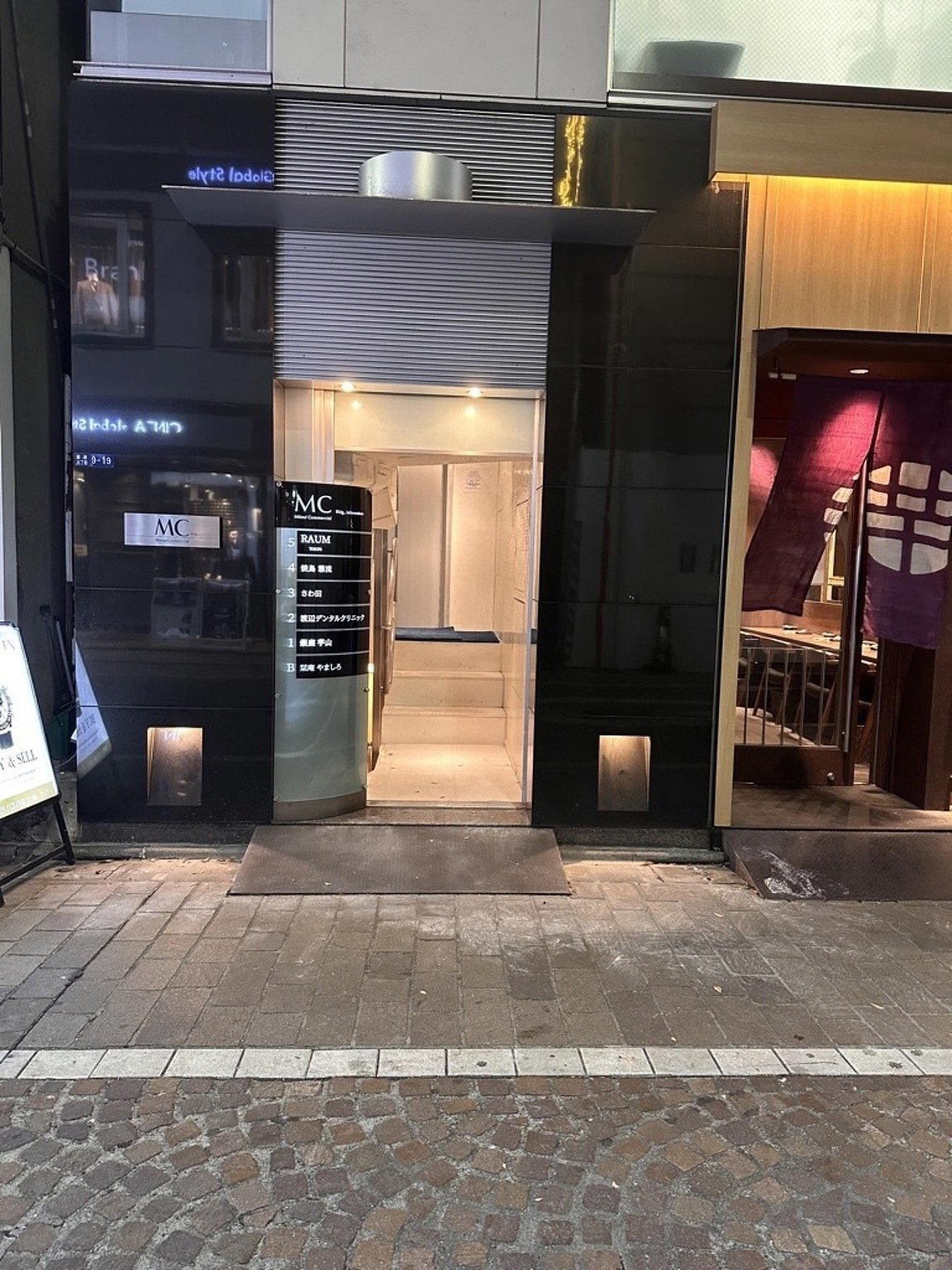
Ginza’s basement restaurants have their own grammar: discreet entrances, elevator doors, narrow corridors, and rooms that quiet the city before the first pot appears. There, Japanese hot pot shifts register. Shabu-shabu and sukiyaki began as domestic forms built around shared heat and precise timing; in central Tokyo’s luxury dining belt, they become studies in sourcing, service rhythm, and restraint.
Tokyo Nikushabuya Subin belongs to that Ginza category. The cooking language is familiar, shabu-shabu, sukiyaki, and related meat dishes, but the signals are rarer: a small room, counter seating, private-room use, sommelier service, and a price bracket for special-occasion dining rather than everyday nabe. Its Tabelog score of 4.23 and The Tabelog Award 2026 Bronze matter because Japan’s hot pot field is crowded; recognition at this level suggests domestic diners are judging more than luxury ingredients.
Ginza hot pot, treated as precision beef service
Shabu-shabu rewards control. Thinly sliced beef, broth, dipping sauces, vegetables, and rice sound simple until the margin for error appears: temperature, slice thickness, fat content, sequence, and pace all alter the meal. Sukiyaki works differently, using sweet soy seasoning and a deeper exchange between beef fat, sugar, and egg. Both traditions depend on diner timing, but higher-end Tokyo rooms reduce improvisation and make service part of the discipline.
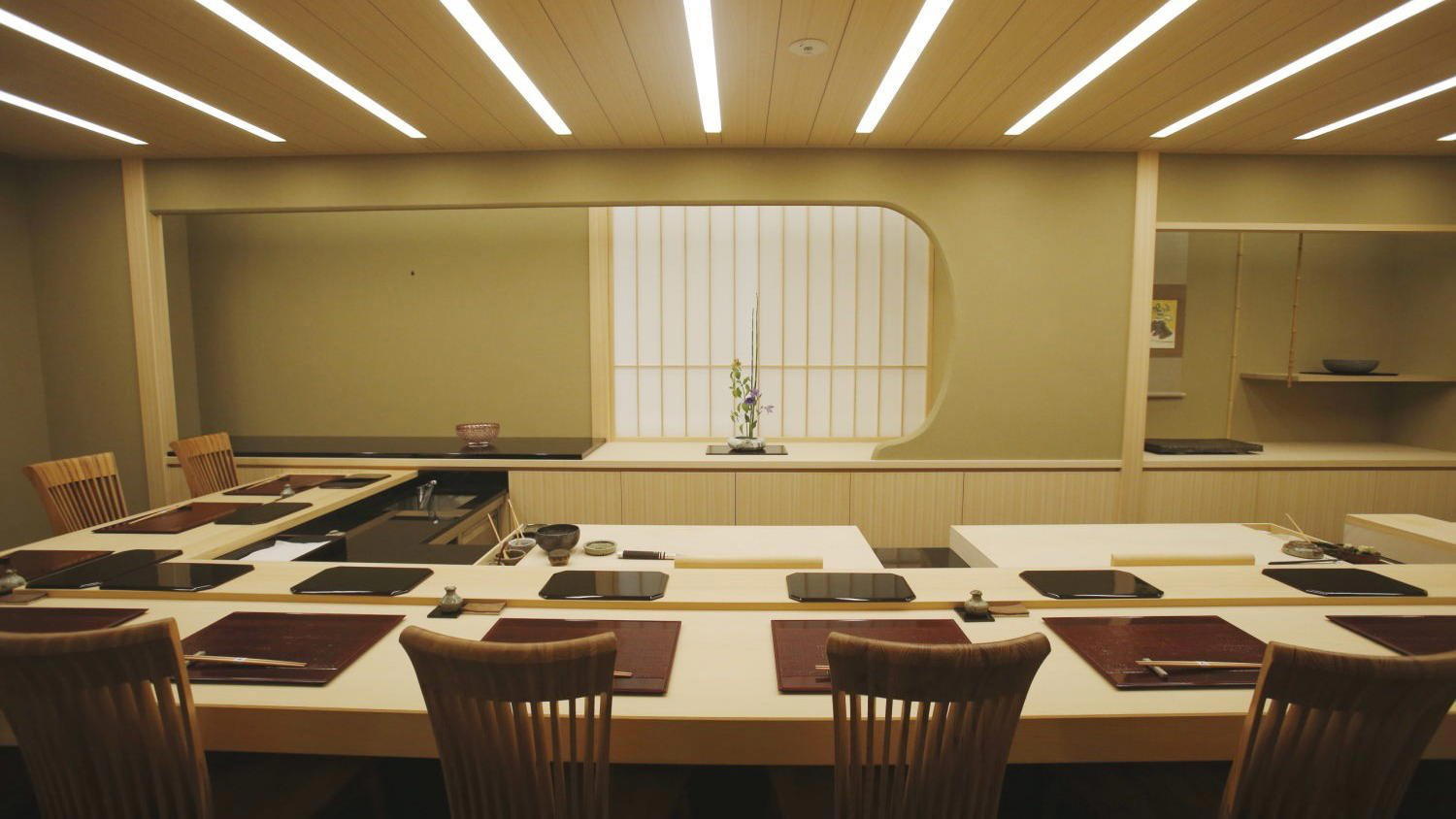
That shift defines this restaurant’s place in Ginza. The category is not imitating kaiseki or sushi, though it borrows their seriousness around seating, pacing, and ingredient focus. Instead, it asks a narrower question: how much structure can beef hot pot take without losing its communal roots? A 16-seat configuration, with an eight-seat counter and two private rooms, answers through scale. Small capacity changes hot pot from a usually convivial format into something closer to a measured tasting, with the pot as the focus rather than background comfort.
The award history sharpens the point. Selection for Tabelog Hot Pot 100 in 2024 placed the restaurant in a category-specific national conversation; Bronze recognition in 2025 and 2026 moved it into a broader awards tier. In Tokyo, where international visitors often default to sushi, tempura, and French-influenced tasting menus, that matters. Hot pot has fewer English-language shortcuts, making domestic recognition a stronger guide than imported prestige language.
How the price tier changes the expectation
Ginza is skilled at separating similar ideas by intent. A simple counter lunch, polished business dinner, and celebratory private-room meal may sit within blocks but belong to different economies. The listed dinner budget of JPY 40,000 to JPY 49,999 places this restaurant where diners should expect more than premium beef. Value depends on course structure, service attention, drink support, and the sense that the format has been edited to its strongest elements.
Comparison helps, but only within a realistic frame. PENTHOUSE GINZA hanare, also in Tokyo, appears in a lower dinner band of JPY 20,000 to JPY 29,999, placing it in another spending conversation. Tachibana and Miyazawa sit far below this luxury threshold, while Oryori Katsushi represents Japanese dining at a broader ¥¥¥ level rather than this specific hot pot bracket. Sushi Sugawara, despite its name, is listed here as Italian, underlining the danger of reading Ginza by name alone. The district rewards precision: category, price, and format matter more than address prestige.
For travelers planning Tokyo food broadly, this is the counterweight to sushi-led itineraries. A meal here makes sense when the focus is Japanese beef culture rather than omakase performance, and when the interest is how Tokyo turns shared foods into high-control restaurant formats. Readers can cross-reference Our full Tokyo restaurants guide, then contrast other city registers through Our full Tokyo bars guide, Our full Tokyo hotels guide, Our full Tokyo experiences guide, and Our full Tokyo wineries guide.
The reader decision: beef, privacy, and domestic credibility
The strongest case for Tokyo Nikushabuya Subin is not novelty, but the opposite: a familiar Japanese format handled at a level domestic diners have already marked out. For visitors, that matters. Tokyo dining can be overread through scarcity and spectacle; hot pot asks for attention to pacing, heat, fat, sauce, and conversation, not a parade of named plates.
The private-room policy also defines who the room suits. Families are not a casual add-on; children are limited to private rooms, and the same adult course condition applies for younger guests. That makes the restaurant better for planned adult dining, business entertaining, or a family meal where private-room terms are in the budget from the start. For solo diners or couples, the counter keeps the experience closer to the cooking process and away from the banquet-room mood that can flatten high-end hot pot elsewhere.
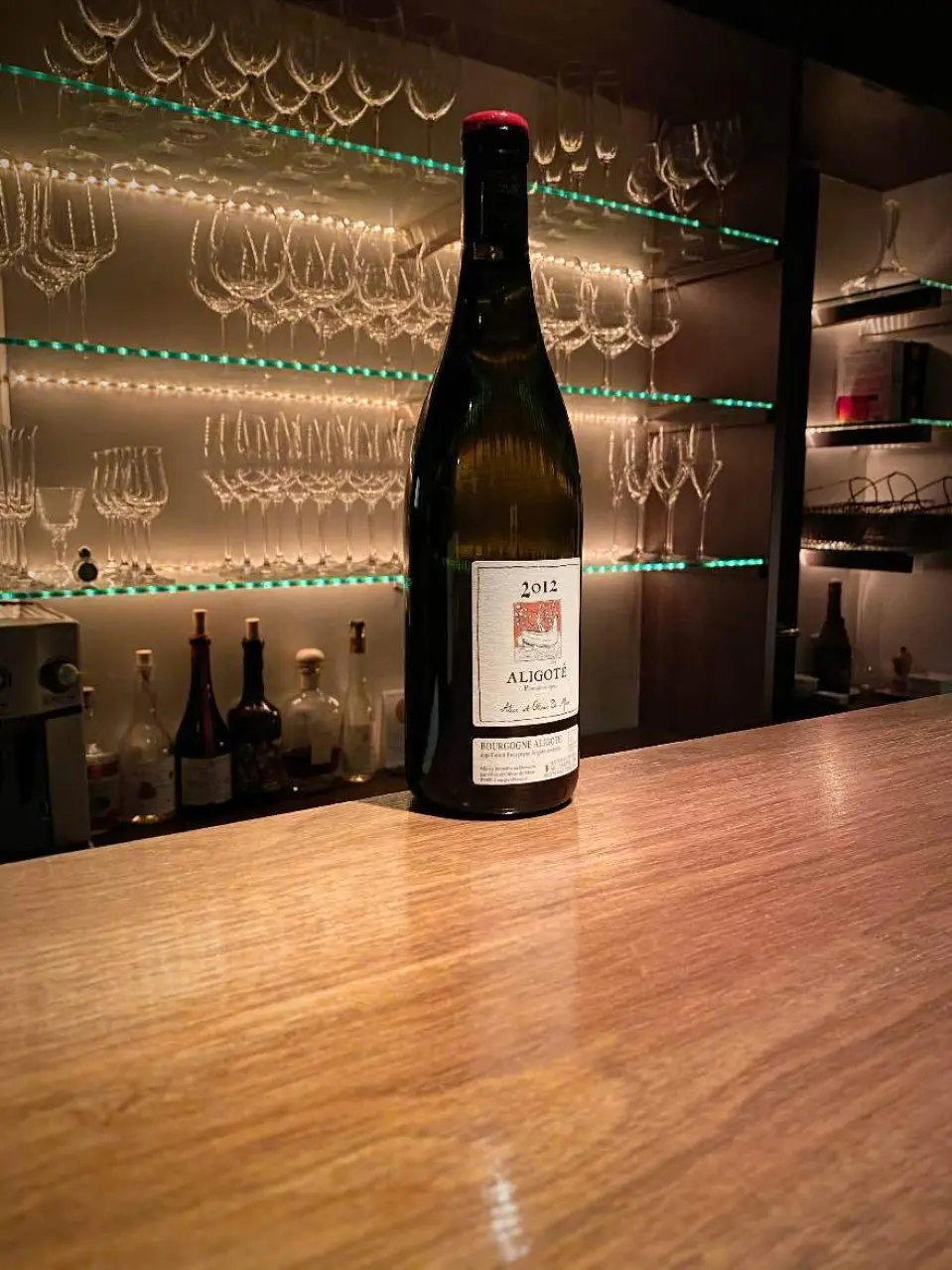
Drink support is another marker. Sake, shochu, wine, BYO options, and sommelier service place the meal in an international luxury-dining frame without shifting the cuisine’s center of gravity. Beef hot pot can absorb wine more convincingly than many delicate Japanese formats, especially when sukiyaki’s soy-sugar depth enters the equation. That flexibility appeals to travelers who want Japanese structure without a rigid beverage script.
Within a larger Japan itinerary, this Ginza meal pairs best with category contrasts, not replicas. In Tokyo, readers might place it beside casual or specialist addresses such as. 鮪と炭火焼き うお炭 秋葉原店, 12/10 Shinjuku ten, 124. KAGURAZAKA (Yakitori), 2D Cafe, or 3 Chome no Curry Ya San. Beyond the city, -Grilled beef Sukiyaki- KAMAKURA TANUKIAN 鎌倉 たぬき庵 in Kamakura keeps beef cookery in view, while [ki:] in Kyoto.cafe in Osaka.know in Kumamoto, (Shoku) Vietnam in Kawasaki, and [Curry Senmon Ten] Maruyama Kyoju. in Sapporo show how Japanese cities organize appetite around format and setting. For a wider Japanese-food diaspora lens, Jōdo Saké Bar in Los Angeles and Onigiri Time in Pasadena are useful counterpoints.
The verdict is simple: choose this restaurant for high-end Japanese beef hot pot with credible domestic recognition, not when the evening needs casual flexibility. In Ginza, that distinction is everything.
Frequently asked questions
What's the address for Tokyo Nikushabuya Subin?
Tokyo Nikushabuya Subin is located in Tokyo.
When is Tokyo Nikushabuya Subin open?
Hours at Tokyo Nikushabuya Subin: Mon, Tue, Wed, Thu, Fri 12:00 - 14:30 17:00 - 22:00.
What is Tokyo Nikushabuya Subin known for?
It is known for shabu-shabu and sukiyaki in Ginza, with Tabelog Bronze awards in 2025 and 2026 and selection for Tabelog 100 Hot Pot 2024. The room has 16 seats, including an 8-seat counter and two private rooms.
Do they accommodate allergies at Tokyo Nikushabuya Subin?
Those details are not published. The menu focus is shabu-shabu, sukiyaki, and tonkatsu in Tokyo’s Ginza district. Check the venue's official channels for the latest details.
Can I bring kids to Tokyo Nikushabuya Subin?
Yes, but children are only allowed in private rooms, and the venue charges a 10,000 yen fee per child. Children under 15 must share the same adult course, and the restaurant is at 8 Chome-6-20 Ginza, Chuo City, Tokyo.
What should I expect atmosphere-wise at Tokyo Nikushabuya Subin?
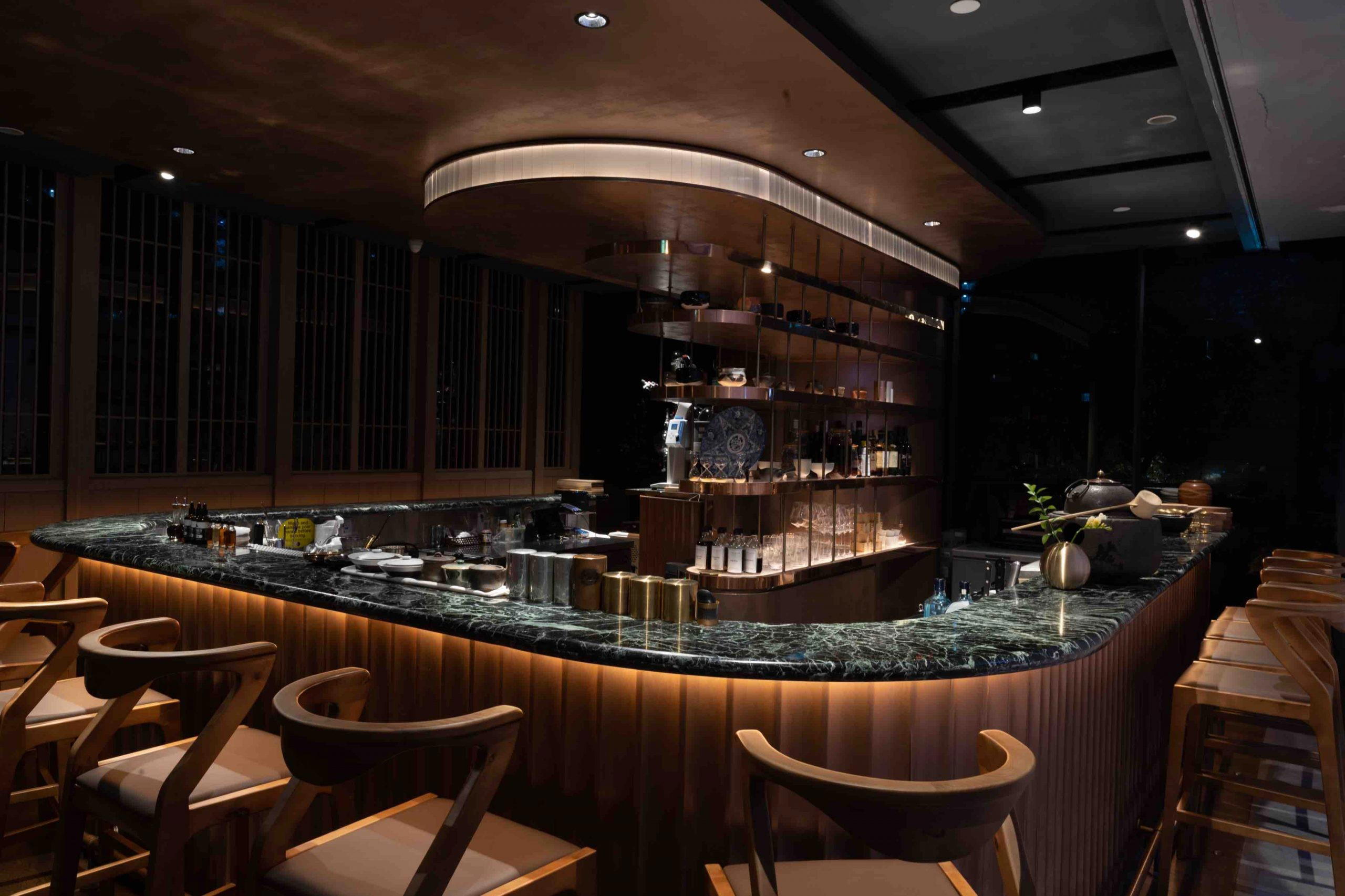
Expect a compact Ginza room rather than a large dining hall: 16 seats, counter seating for eight, and two private rooms for four. The space is described as stylish, relaxing, and spacious, with free Wi-Fi, power outlets, and a fully enclosed smoking room available.
Pricing, Compared
Comparable venues nearby, for context on price, style, and recognition.
| Venue | Cuisine | Price | Awards | Notes |
|---|---|---|---|---|
| Tokyo Nikushabuya SubinThis venue (the venue you are viewing) | Modern Japanese Nikushabu & Yakiniku | Not listed | Tabelog Bronze #463 | Not listed |
| Yoroniku Azabudai Hills | Modern Wagyu Yakiniku Kaiseki | $150–200 | Tabelog Silver #159 | Minato, Modern Wagyu Yakiniku Kaiseki |
| Kanjo | Modern Duck & Soba Kaiseki | $200–300 | Tabelog Bronze #163 | Minato, Modern Duck & Soba Kaiseki |
| Maruta | Wood-fired Seasonal Japanese | $200–300 | Star Wine List · We're Smart World 4 Radishes | Jindaiji, Wood-fired Seasonal Japanese |
| Ushigoro S NishiAzabu | Premium Yakiniku | $150–200 | Tabelog 100 #27 | Minato, Premium Yakiniku |
| Zai | Modern Edomae Sushi Omakase | $200–300 | Star Wine List · Tabelog 100 #82 | Shibuya, Modern Edomae Sushi Omakase |
Recognition history
Dated appearances from independent guides and award organizations, with the underlying list record or original source where available.
Tabelog Bronze #463
Tabelog
Full recognition history (3 entries)
Tabelog Bronze
Tabelog
Tabelog 100 #74 · No. 74
Tabelog · Tabelog 100 - Hot Pot - 2024
Continue exploring
More in Tokyo
Restaurants in Tokyo
All restaurants in Tokyo →


Bars in Tokyo
All bars in Tokyo →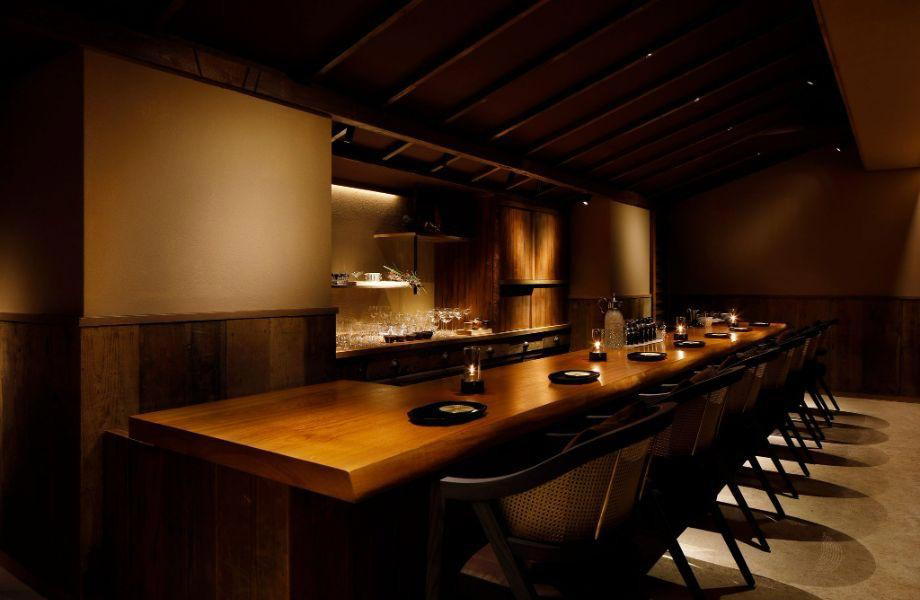

Details
- Intimate
- Elegant
- Sophisticated
- Modern
- Cozy
- Business Dinner
- Date Night
- Special Occasion
- Chefs Counter
- Private Dining
- Sake Program
- A La Carte
- Omakase
- Small Plates
- Sake Program
Current opening hours
- Monday
- 4–10 PM
- Tuesday
- 4–10 PM
- Wednesday
- 4–10 PM
- Thursday
- 4–10 PM
- Friday
- 4–10 PM
- Saturday
- Closed
- Sunday
- Closed
Hours can change for holidays and private events. Hours as of .
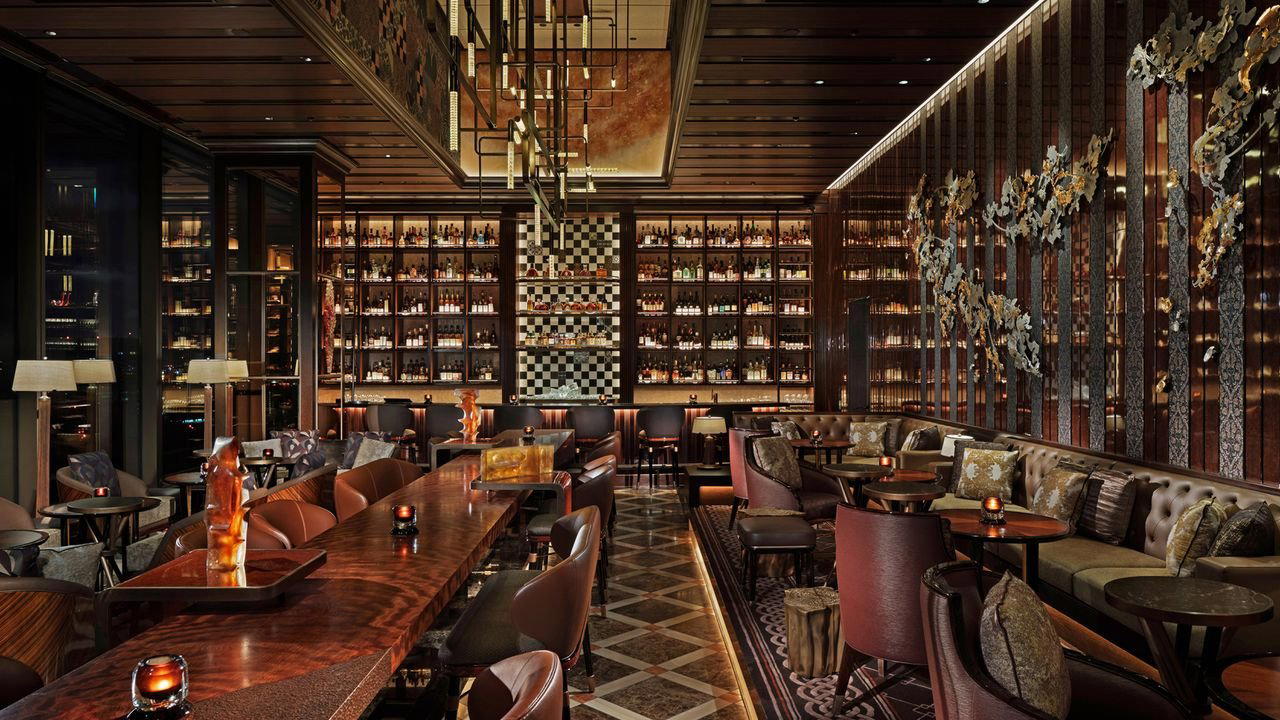
Warm, practical lighting with comfortable close seating in a purposeful B1F space that emphasizes food details and supports conversation, keeping external noise low.