
Tabelog Bronze #520
Our verdict
Sushi Yasumitsu belongs to Tokyo’s compact, counter-led sushi tier, where recognition is earned through fish handling, pacing, and restraint rather than spectacle. The Shinjuku address carries Tabelog Award 2026 Bronze recognition and selection for Tabelog Sushi TOKYO “Tabelog 100” 2025, placing it among serious sushi rooms for diners who read format and accolades closely.

Pearl is the En Primeur Club membership app, where members save venues, book tables and use the concierge.
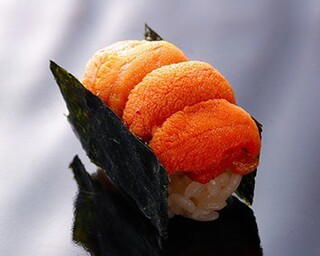
The menu
What to order
- Echizen Crab
- Matsuba Crab
- Sea Urchin Tasting
- Mantis Shrimp
Yotsuya Saneicho is not Ginza theatre. The approach is quieter, nearer Shinjuku’s residential and office edges than Tokyo’s luxury-shopping axis, and that frames the meal. Here, serious sushi can look less ceremonial from the street while remaining exacting at the counter. The split between counter seats and a small private room signals proximity: fish, rice, knife work, and timing, not dining-room drama.
Tokyo sushi is increasingly stratified. At one end are international trophy counters with global booking demand and status-marker prices; at another are neighbourhood specialists where technique and sourcing carry the evening without luxury cues. Sushi Yasumitsu belongs to the latter conversation while carrying outside validation: The Tabelog Award 2026 Bronze and selection for Tabelog Sushi TOKYO “Tabelog 100” 2025 and 2022. In Japan’s dining culture, that is not decorative. It says regular diners and the country’s restaurant-ranking ecosystem place the shop in a serious sushi bracket.
Classic Edomae discipline without Ginza's grandstanding
The useful way to read a Tokyo sushi counter is not to hunt for novelty. Edomae sushi rewards repetition, control, and small calibrations: rice temperature, vinegar balance, fish ageing, curing, marination, and the rhythm between cooked, raw, lean, rich, and shellfish courses. Modern technique enters quietly when it sharpens inherited methods rather than replacing them. A venue listed across sushi, seafood, and crab categories points to that traditional base, where the counter should cover more than tuna and white fish.
That makes the tradition-versus-innovation question more interesting. Tokyo has many counters presenting themselves as orthodox guardians, yet the city’s better sushi rooms have always been technical laboratories. Refrigeration, supply chains, ageing practice, rice management, and reservation systems have changed the craft without making it fusion. The strongest contemporary counters use modern control to make old forms more precise. Sushi Yasumitsu’s recognition within Tabelog’s sushi-specific lists places it inside that conversation: not a novelty restaurant, but a room judged by diners who know performance from control.
For travellers, the lesson is practical even without a printed menu. Do not expect maximal choice. Tokyo counter sushi often means handing sequence and tempo to the house. The diner notices proportion: how rice supports fish, how richer cuts are spaced, how cooked seafood interrupts raw courses, and how the meal avoids fatigue. A smaller room can be more persuasive than a louder one, giving less room for distraction and more for judgement.
What the recognition says about the room
Tabelog’s influence in Japan differs from a hotel-concierge list or imported awards guide. It is embedded in local dining behaviour, and high Tokyo sushi scores are hard won because the category is dense, opinionated, and unforgiving. A 2026 Bronze award and repeat “Tabelog 100” sushi selection indicate a counter beyond neighbourhood affection, with a wider citywide signal. That does not make it a trophy booking internationally; it makes it useful for diners who care how Japanese diners sort seriousness from reputation.
Room size shapes the experience. Fourteen seats, with eight at the counter and a six-person private room, puts the restaurant in the low-capacity tier where consistency depends on a narrow service band. This is not choosing a large hotel sushi bar or an à la carte seafood restaurant. A small counter compresses the evening and asks for punctuality, attention, and comfort with a chef-led sequence. For solo diners and pairs, the counter is the relevant format; for a small group, the private room changes the social register without becoming a banquet setting.
The seafood focus should be taken literally. Tokyo sushi is a supply-chain cuisine as much as a craft tradition, and serious counters compete on access, selection, preparation, and waste discipline. Crab in the category mix is a useful clue for diners who prefer a broader seafood register, though the core decision is whether the counter format suits the evening. Those seeking a long wine-led meal, a large table, or flexible à la carte ordering will read this differently from diners wanting a compact, fish-first sequence.
How to place it in a Tokyo dining itinerary
Yotsuya and Yotsuya-Sanchome occupy useful middle ground for travellers: central enough for a focused dinner plan, less saturated with international restaurant tourism than Ginza or Roppongi, and close to Shinjuku without inheriting its constant volume. That geography makes the restaurant sharp for a night built around sushi rather than a district crawl. The neighbourhood need not perform for the meal to work.
Tokyo rewards diners who separate categories before choosing names. A sushi counter, yakitori counter, curry specialist, and themed café answer different needs, even in the same city search. For a broader read on the city’s dining spread, start with Our full Tokyo restaurants guide, then compare category mood rather than forcing every meal into the same luxury frame. Nearby and citywide alternatives pull different ways: 12/10 Shinjuku ten for Shinjuku dining energy, 124. KAGURAZAKA (Yakitori) for skewers and counter rhythm, 3 Chome no Curry Ya San for Japanese comfort, 2D Cafe for visual novelty, and. 鮪と炭火焼き うお炭 秋葉原店 for a tuna-and-charcoal direction.
Travellers building a wider Japan route can apply the same logic outside Tokyo: -Grilled beef Sukiyaki- KAMAKURA TANUKIAN 鎌倉 たぬき庵 in Kamakura.cafe in Osaka.know in Kumamoto, (Shoku) Vietnam in Kawasaki, [Curry Senmon Ten] Maruyama Kyoju. in Sapporo, and [ki:] in Kyoto each sit in a different lane. For non-restaurant planning, keep the city map close: Our full Tokyo hotels guide, Our full Tokyo bars guide, Our full Tokyo wineries guide, and Our full Tokyo experiences guide. Across the Pacific, Jōdo Saké Bar in Los Angeles and Onigiri Time in Pasadena show how Japanese forms change abroad; in Tokyo, the reference point remains tighter, quieter, and more demanding.
Frequently asked questions
What's the price range at Sushi Yasumitsu?
Pricing at Sushi Yasumitsu is listed as JPY 20,000 - JPY 29,999.
What should I expect cuisine-wise at Sushi Yasumitsu?
Sushi Yasumitsu serves Sushi, Seafood, Crab cuisine.
What are Sushi Yasumitsu's hours?
Hours at Sushi Yasumitsu: Mon: 5:30–10:30 PM; Tue: 5:30–10:30 PM; Wed: 5:30–10:30 PM; Thu: 5:30–10:30 PM; Fri: 5:30–10:30 PM; Sat: 5:30–10:30 PM; Sun: Closed.
Where exactly is Sushi Yasumitsu?
Sushi Yasumitsu is located in Tokyo.
A quick peer reference to anchor this venue in its category.
| Venue | Cuisine | Price | Awards | Notes |
|---|---|---|---|---|
| Sushi YasumitsuThis venue (the venue you are viewing) | Seasonal Edomae Omakase Sushi | $300–500 | Tabelog Bronze #520 | Not listed |
| Harutaka | Edo-Style Omakase Sushi | $200–300 | 3 Michelin Stars · World's 50 Best #76 | Sushi |
| RyuGin | Modern Kaiseki | $500+ | 3 Michelin Stars · World's 50 Best #41 | Kaiseki, Japanese |
| L'Effervescence | Modern French with Japanese Influences | $200–300 | 3 Michelin Stars · World's 50 Best #69 | French |
| HOMMAGE | Modern French with Japanese Influences | $150–200 | 2 Michelin Stars · World's 50 Best #78 | Innovtive French, French |
| MAZ | Innovative Peruvian-Japanese Fusion | $150–200 | 2 Michelin Stars · World's 50 Best #28 | Innovative |
Recognition history
Dated appearances from independent guides and award organizations, with the underlying list record or original source where available.
Tabelog Bronze #520
Tabelog
Full recognition history (2 entries)
Tabelog 100 #21 · No. 21
Tabelog · Tabelog 100 - Sushi - TOKYO - 2025
Continue exploring
More in Tokyo
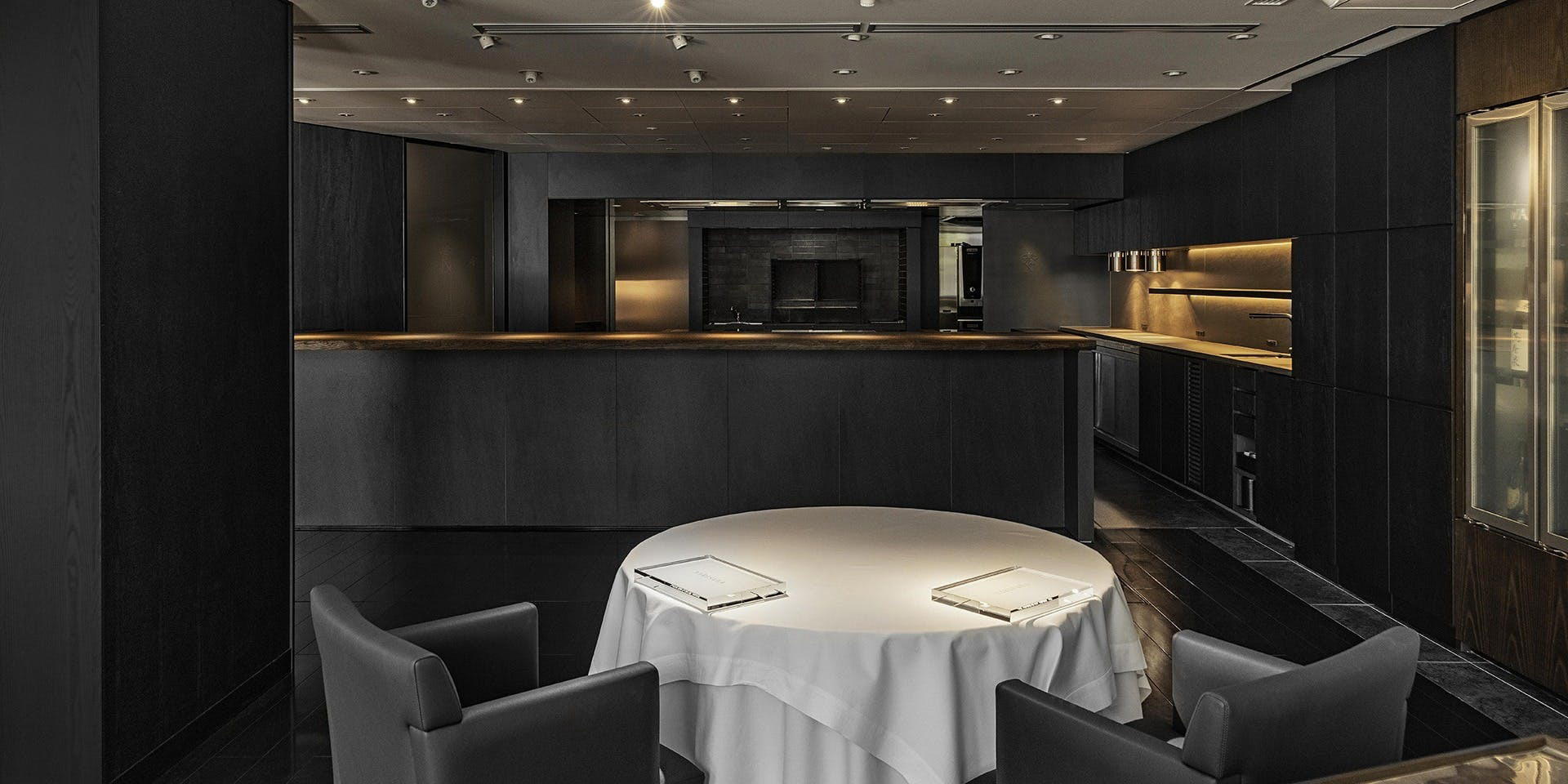
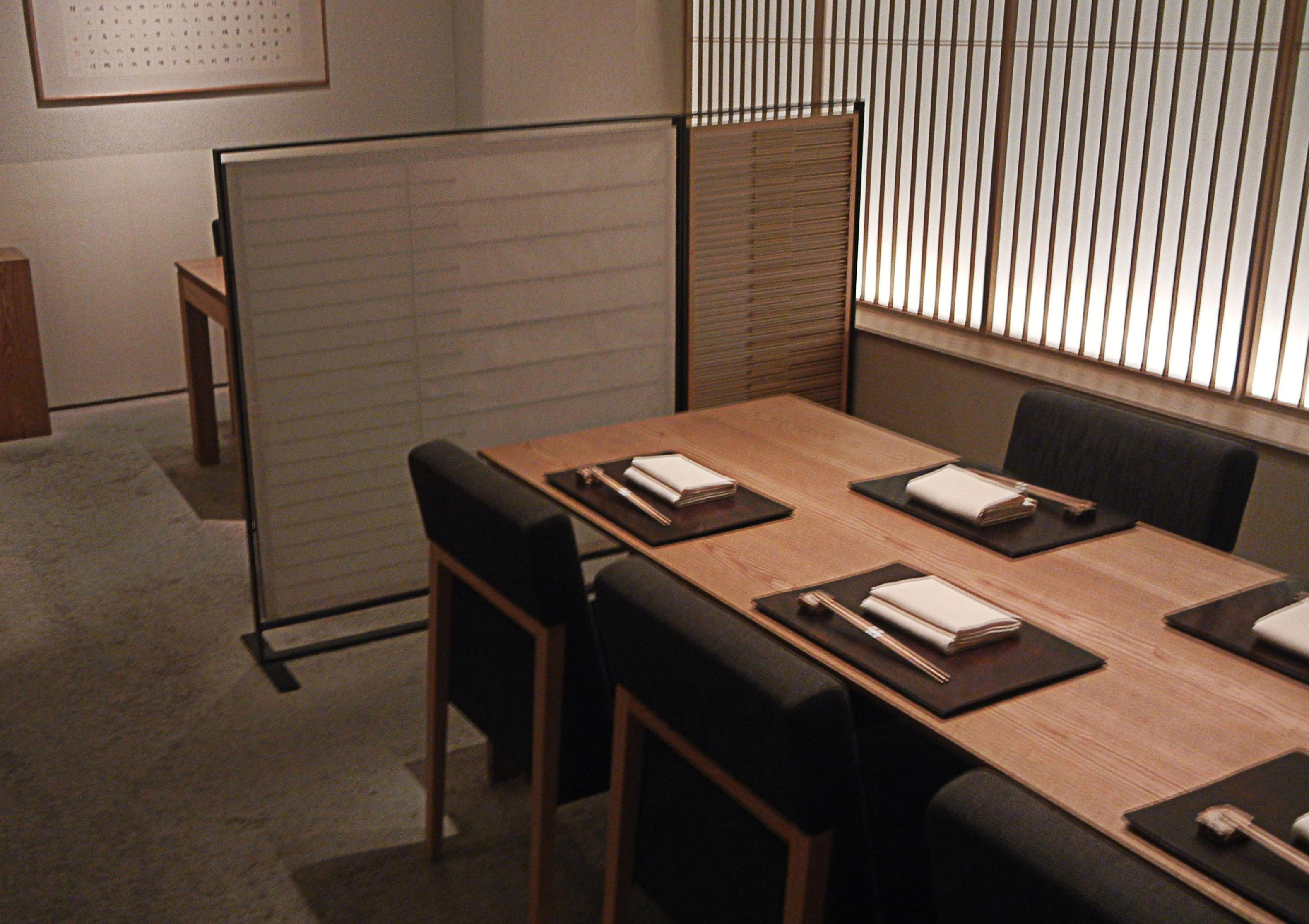
Restaurants in Tokyo
All restaurants in Tokyo →


Bars in Tokyo
All bars in Tokyo →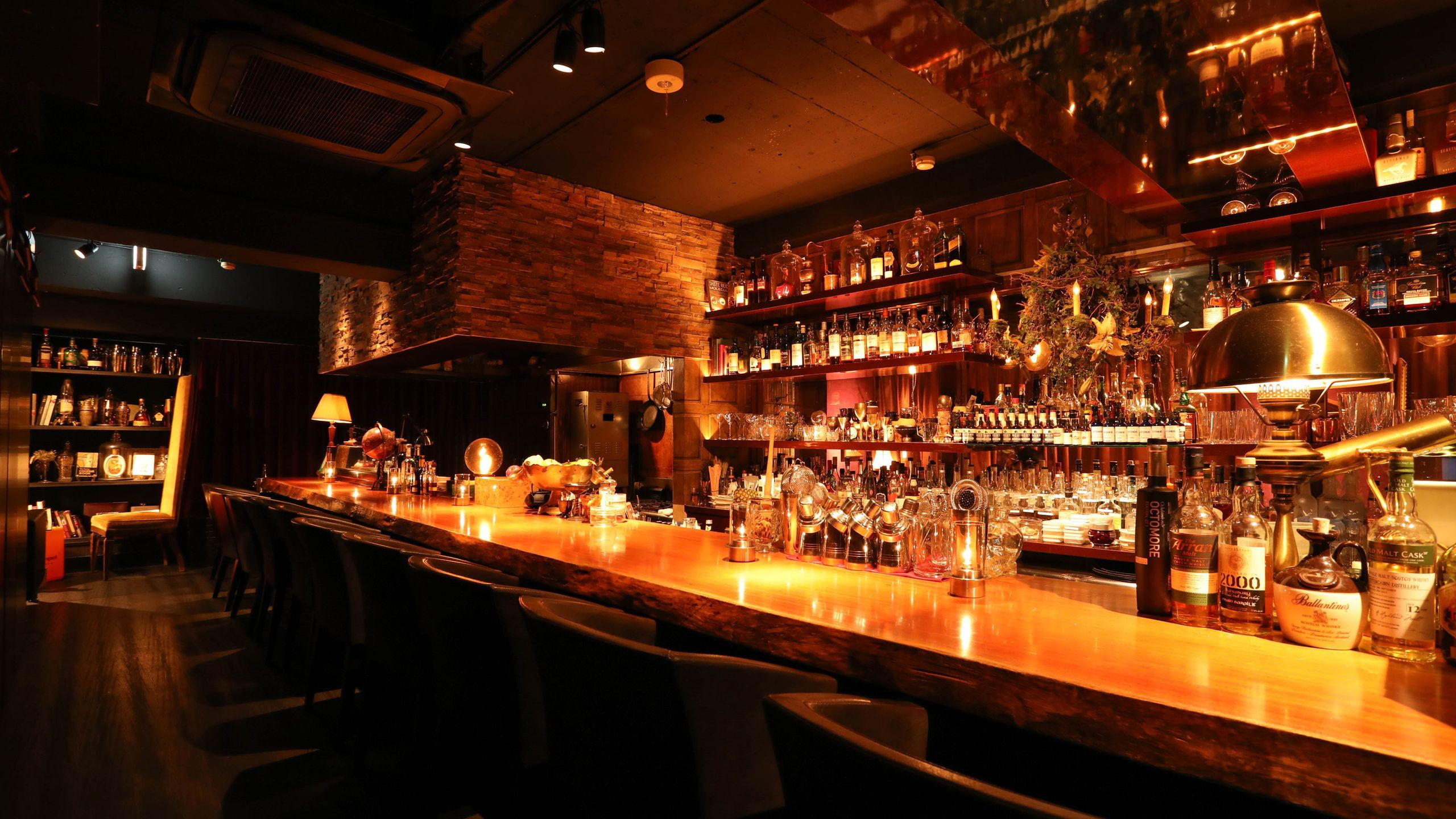






Details
- Intimate
- Elegant
- Cozy
- Special Occasion
- Date Night
- Chefs Counter
- Private Dining
- Sake Program
- Sustainable Seafood
- Omakase
- Counter Dining
- Sake
Current opening hours
- Monday
- 5:30–10:30 PM
- Tuesday
- 5:30–10:30 PM
- Wednesday
- 5:30–10:30 PM
- Thursday
- 5:30–10:30 PM
- Friday
- 5:30–10:30 PM
- Saturday
- 5:30–10:30 PM
- Sunday
- Closed
Hours can change for holidays and private events. Hours as of .
Bright and inviting Japanese-style space with a relaxing counter and private room atmosphere filled with repeat customers enjoying warm hospitality.