Our verdict
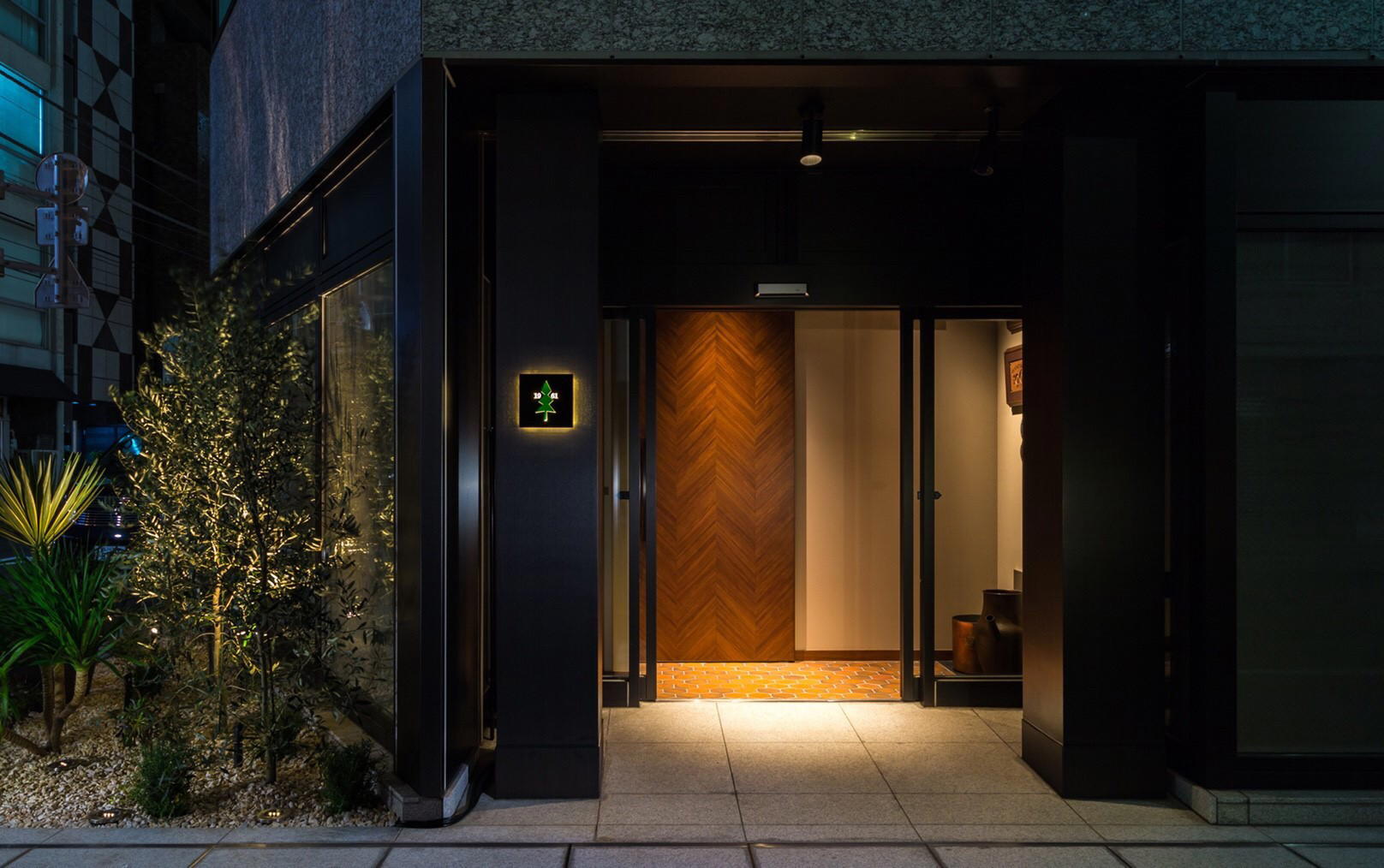
新ばし 星野 occupies a discreet address in Shimbashi, one of Tokyo's most enduring business-dining neighbourhoods. The restaurant draws a loyal clientele of regulars who return not for spectacle but for consistency and craft, the hallmarks of traditional Japanese hospitality at its quietest and most assured. For visitors seeking a genuine local frequency rather than a tourist circuit, Shimbashi rewards patience.

Pearl is the En Primeur Club membership app, where members save venues, book tables and use the concierge.
Shimbashi's Enduring Dining Register
Among Tokyo's dining neighbourhoods, Shimbashi occupies a particular frequency. It is not Ginza's showroom strip, where three-Michelin-star counters price against global peer sets and foreign visitors increasingly fill reservation books. Nor is it Roppongi's international-facing circuit. Shimbashi is, above all, a place where Tokyo's working professionals have eaten seriously for decades, sustaining a category of restaurant that prioritises repetition over revelation: the kind of room where the same table orders the same sequence of dishes over years, where the kitchen knows this without being told. Harutaka and RyuGin represent the destination-dining end of Tokyo's Japanese cuisine spectrum; 新ばし 星野 (Shinbashi Hoshino) sits in a different register entirely, one defined by neighbourhood fidelity rather than international acclaim.
The address on 5-chome in Minato City places the restaurant within the dense grid of Shimbashi's office and izakaya blocks, a part of the city where lantern-lit alleys and grey-suited salarymen coexist with exceptional cooking that rarely appears on foreign itineraries. This is not oversight. It is the condition of a certain kind of Japanese restaurant: it does not seek attention beyond the radius of people who already know.
What Brings Regulars Back
The regulars' perspective is the most honest lens through which to read a restaurant like this. In a city where novelty is aggressively supplied, new openings, rotating collaborations, seasonal tasting menu reformats, the establishments that hold the same clientele across years are making a different argument. They are arguing for consistency as a form of sophistication. The logic runs roughly as follows: when you know a kitchen's rhythm, you stop reading the menu as a list of options and start reading it as a record of what is in season, what is performing well, what the chef has been working on. The dish you order is partly informed by what you ordered last time.
This dynamic is particularly pronounced in traditional Japanese dining formats, where the chef-diner relationship builds incrementally. The concept of joutsurai, a regular guest, a known presence, carries real weight in these rooms. It shapes what arrives unprompted, which cuts are offered first, how the pacing unfolds. For first-time visitors, this is worth understanding before you arrive: you are entering a room calibrated for people who have been before. That is not exclusionary; it is informational. The experience sharpens on return visits. Comparable loyalty dynamics are visible at high-end Japanese restaurants across the country, from Gion Sasaki in Kyoto to Goh in Fukuoka, but the Shimbashi version tends to run quieter and more businesslike in register.
The Shimbashi Context
Shimbashi's dining identity has always been shaped by proximity to Tokyo Station, the old Shiodome media district, and the dense salary-worker population that fills the neighbourhood's streets from 06:00 to midnight. The neighbourhood supported a generation of high-craft Japanese restaurants that served corporate expense accounts through the bubble economy and survived its collapse by building the kind of customer loyalty that does not depend on trend cycles. Many of those establishments are now the places where the children and successors of original regulars eat. The transmission of preference across generations is, in its own way, a form of review.
This distinguishes Shimbashi from the more internationally visible dining corridors. L'Effervescence and Sézanne operate in neighbourhoods that draw global food-media attention and price accordingly. Shimbashi restaurants tend to price for their actual clientele: Tokyo residents with serious but local tastes, not visitors self-consciously working through a prestige list. For travellers who want to eat in rooms built for Tokyo rather than for Tokyo's tourism economy, this distinction matters.
Placing Shinbashi Hoshino in the Tokyo Spectrum
Tokyo's Japanese cuisine offer has stratified considerably. At the leading, omakase counters and kaiseki rooms with international recognition command prices that sit alongside Paris and New York fine dining. In the middle tier, well-regarded neighbourhood specialists serve cooking of considerable craft at prices that reflect local competitive pressure rather than global demand. Below that, the izakaya and standing-bar category handles volume with its own form of expertise. Shinbashi Hoshino, by its address and neighbourhood positioning, operates in the middle tier, but the middle tier in Shimbashi is not the middle tier in, say, Shibuya. The area's history of serious corporate entertaining has sustained a standard of cooking that often exceeds its apparent register.
For comparative context across Japan, HAJIME in Osaka and akordu in Nara represent the award-validated end of regional Japanese dining. Regional specialists such as a kaiseki house in Nanao or a traditional kitchen in Takashima point to how deep Japan's serious-cooking infrastructure runs outside its major cities. Shinbashi Hoshino belongs to this broader network of places that sustain craft without requiring international validation to remain viable.
Tokyo's innovative end, represented by venues like Crony, frames Japanese ingredients through French technical frameworks and markets itself to a globally mobile audience. Shinbashi Hoshino is not playing that game. It is playing an older, more local one, and understanding the difference is necessary before deciding which kind of evening you want.
Planning a Visit
The restaurant's address, 5 Chome-31-3, Ishii Building, Shinbashi, Minato City, Tokyo, places it within a ten-minute walk of Shimbashi Station, accessible on the JR Yamanote Line, the Tokyo Metro Ginza Line, and the Toei Asakusa Line. The neighbourhood is compact and navigable on foot once you exit the station. Evenings in Shimbashi run early by Tokyo standards; the corporate clientele tends to arrive at dinner hour rather than late, so the rhythm of the room is set by working schedules rather than social ones.
The building reference, the Ishii Building, is the most reliable landmark for navigation. For travellers assembling a broader Tokyo itinerary, our full Tokyo restaurants guide covers the city's dining spectrum across price points and styles. Those travelling onward through Japan should note comparable serious-cooking options in Sapporo, Nishikawa Machi, and Sakai. For international comparison, Le Bernardin in New York and Atomix in New York represent different versions of the same dynamic: rooms where regular clientele shape the experience in ways that single visits cannot fully access. Bistro Ange in Toyohashi offers another regional data point for travellers moving through central Japan.
Quick reference: 5 Chome-31-3 Shinbashi, Minato City, Tokyo (Ishii Building). Access via Shimbashi Station (JR/Metro). Hours, pricing, and booking method unconfirmed, contact directly or check current listings.
Frequently asked questions
Does 新ばし 星野 work for a family meal?
Shimbashi's dining culture was built around professional adult settings, and 新ばし 星野, located in the Ishii Building on 5 Chome-31-3 Shinbashi, sits squarely within that tradition. The neighbourhood's restaurants were shaped by the demands of business entertaining rather than family-format evenings, so the room's pace and tone skew toward quieter, focused meals. Families with young children would likely find the format an awkward fit.
What's the vibe at 新ばし 星野?
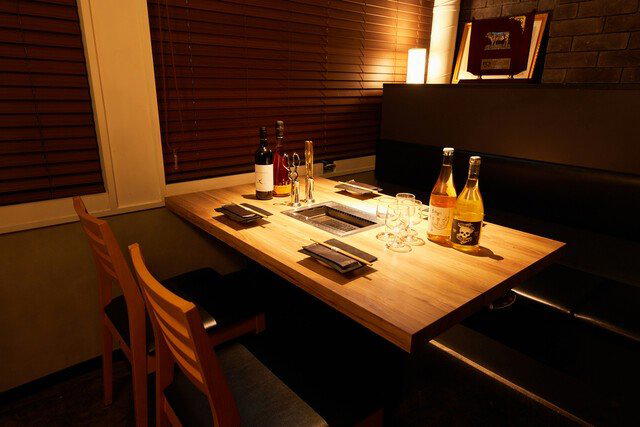
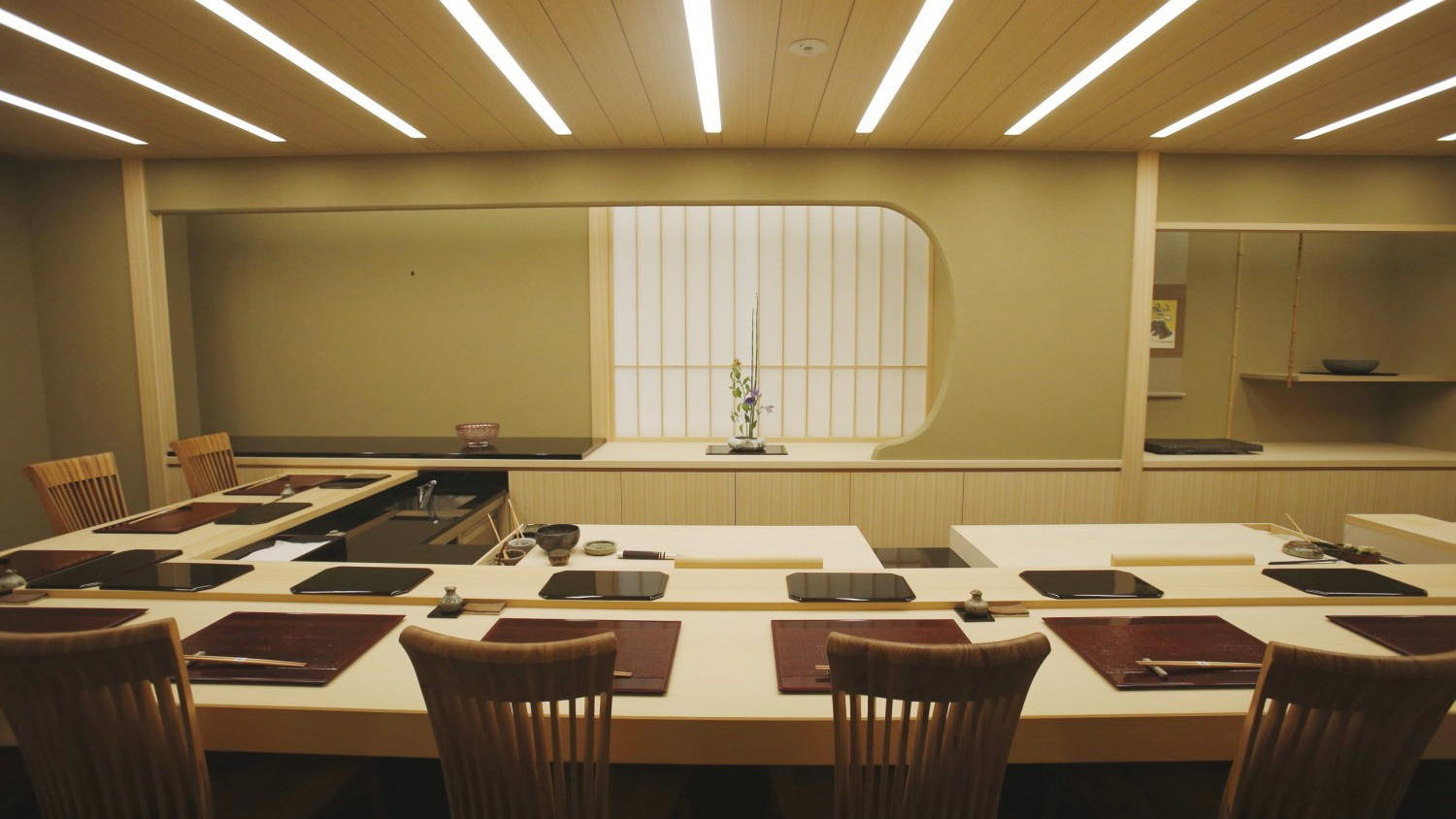
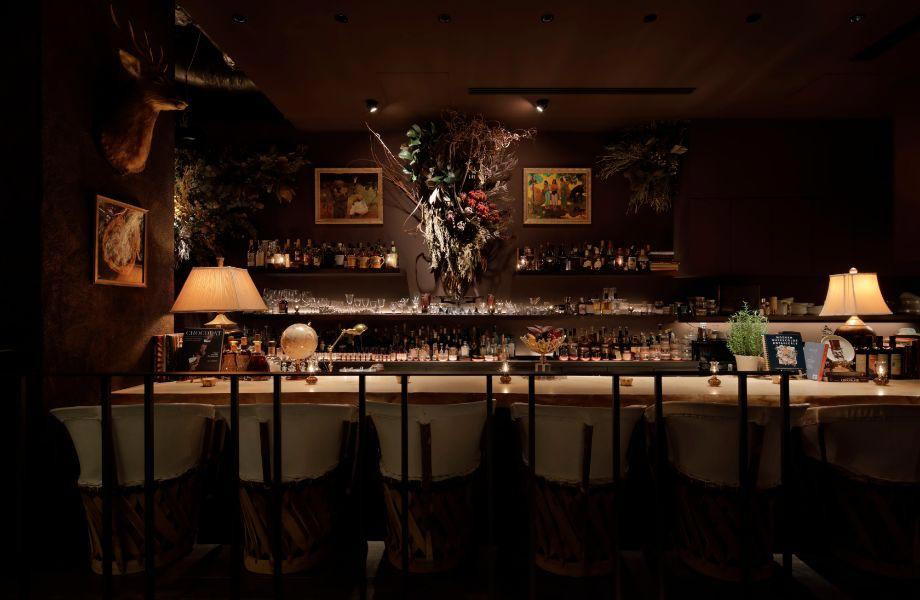
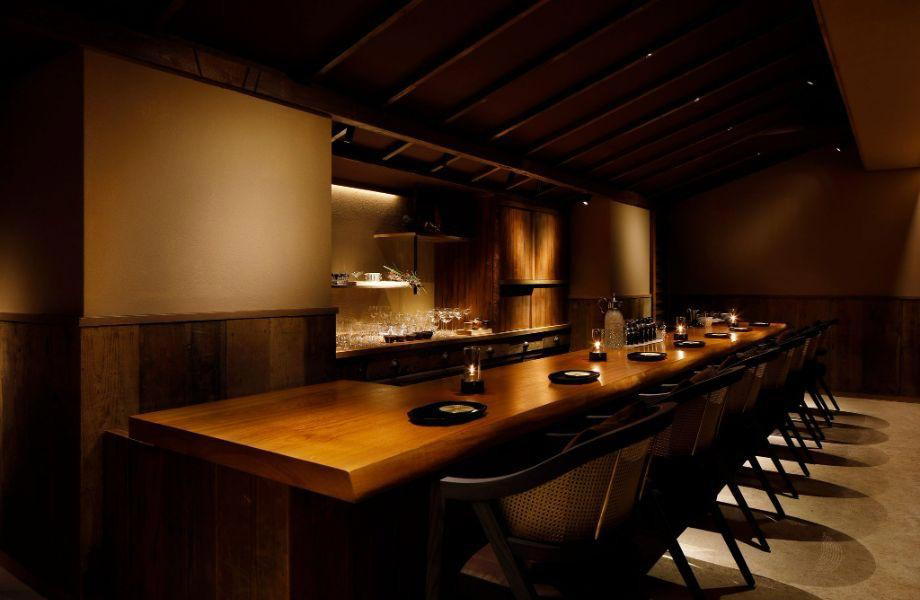
The atmosphere is controlled and low-key, consistent with Shimbashi's long-established role as one of Tokyo's primary business-dining districts. Conversation stays measured, attention stays on the food, and the room functions as a professional setting rather than a social one. It is the kind of place where regulars return for reliability rather than novelty.
Is 新ばし 星野 accessible from central Tokyo, and how far is it from Shimbashi Station?
The restaurant's address, 5 Chome-31-3, Ishii Building, Shinbashi, Minato City, Tokyo, places it within a ten-minute walk of Shimbashi Station, which is served by the JR Yamanote Line, Ginza subway line, and Asakusa line. That transit access has historically made Shimbashi a practical choice for business dinners drawing guests from across the city.
What's the must-try dish at 新ばし 星野?
For accurate, current menu information, check the venue's official channels or consult recent diner accounts from named Japanese food publications.
Recognition, Side-by-Side
A quick peer check to anchor this venue’s price and recognition.
| Venue | Cuisine | Price | Awards | Notes |
|---|---|---|---|---|
| 新ばし 星野This venue (the venue you are viewing) | Traditional Japanese Kaiseki | $300–500 | Not listed | Not listed |
| Harutaka | Edo-Style Omakase Sushi | $200–300 | 3 Michelin Stars · World's 50 Best #76 | Sushi |
| L'Effervescence | Modern French with Japanese Influences | $200–300 | 3 Michelin Stars · World's 50 Best #69 | French |
| RyuGin | Modern Kaiseki | $500+ | 3 Michelin Stars · World's 50 Best #41 | Kaiseki, Japanese |
| Crony | Modern French with Japanese Influences | $150–200 | 2 Michelin Stars · World's 50 Best #34 | Innovative, French |
| Florilège | Modern French-Japanese Plant-Based Fine Dining | $50–100 | 2 Michelin Stars · World's 50 Best #31 | French |