
Ristorante La ciau brings Piedmont-focused Italian dining to Shibaura, a canal-side pocket of Minato better known for offices and apartment towers than destination restaurants. Its Tabelog Italian Tokyo 100 selection in 2025, earlier Tabelog Award Bronze recognition, wine-bar footing, and vegetable-conscious menu signals place it in Tokyo’s serious regional-Italian tier rather than the city’s casual pasta field.
Pearl is the En Primeur Club membership app — saves, bookings, and concierge access live there. Same editors, same standards.
- Address
- 東京都港区芝浦2-16-7 中野第3ビル B1F
- Phone
- +81334513725
- Website
- tabelog.com
 Saves & bookings on Pearl
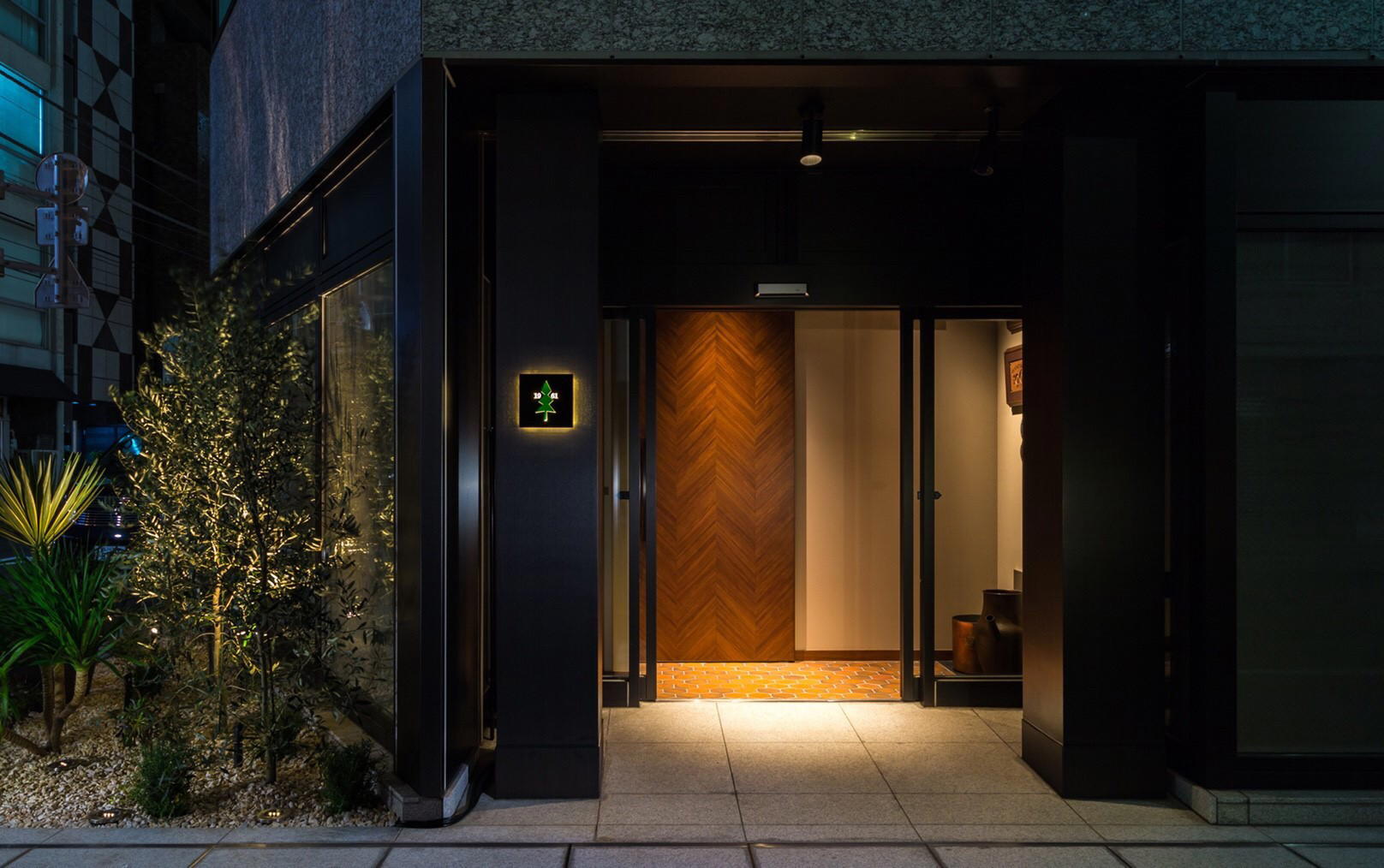
Shibaura changes the terms of a Tokyo dinner before the first course arrives. The neighbourhood sits on the water-facing side of Tamachi, where canals, residential towers, office blocks, and basement dining rooms replace the street-theatre density of Ginza or Ebisu. In that setting, Italian cooking reads differently: less as a stage set for occasion dining, more as a measured argument for why regional European restaurants can thrive outside Tokyo’s usual restaurant corridors.
Ristorante La ciau belongs to that argument. Tokyo’s Italian scene has long split between polished hotel-adjacent formality, trattoria comfort, and highly specific regional kitchens. A Piedmont orientation puts this restaurant in the third camp, where the value is not simply pasta and wine but a clearer reading of northern Italian structure: vegetables, wine, and a quieter register than the red-sauce shorthand many travellers still attach to Italian food abroad. Its Tabelog Italian Tokyo 100 selection for 2025, alongside Tabelog Award Bronze recognition in 2017, 2018, and 2019, gives the room a measurable place in the city’s crowded Italian conversation.
Shibaura gives Piedmont a quieter Tokyo frame
Location matters here because Shibaura is not a neighbourhood built around restaurant-hopping spectacle. Around Tamachi, dinner often has a practical rhythm: business meals, local regulars, small groups, and diners willing to trade marquee-address glamour for a room with more privacy and less performance. That context suits a restaurant positioned across Italian, French, and wine bar categories, because the experience does not need to announce itself through a narrow genre label.
The contrast with lower-priced Tokyo dining is useful. Taishu Sakaba Souya and Horumon Masaru sit in a JPY 3,000 to JPY 3,999 bracket, built for a different kind of appetite and frequency. Mon-Rico occupies a mid-tier Italian lane at JPY 6,000 to JPY 7,999 for dinner. Ristorante La ciau operates above that range, with dinner listed at JPY 10,000 to JPY 14,999, a level where diners should expect more deliberate pacing, stronger wine intent, and a room suited to longer meals. That does not make it a luxury temple; it makes it part of Tokyo’s serious but not maximalist European dining tier.
The city has plenty of rooms where Italian cooking becomes a display of produce, plating, and imported vocabulary. The more interesting Tokyo examples are often those that translate a region into local dining habits without turning the meal into a lecture. Piedmont is a useful choice in Japan because it rewards restraint: wine matters, vegetables matter, and the cooking can carry depth without excessive visual drama. The listed vegetarian options and vegetable focus support that reading, especially in a city where non-meat European dining can be uneven outside explicitly plant-led restaurants.
A compact room built for wine, small groups, and longer pacing
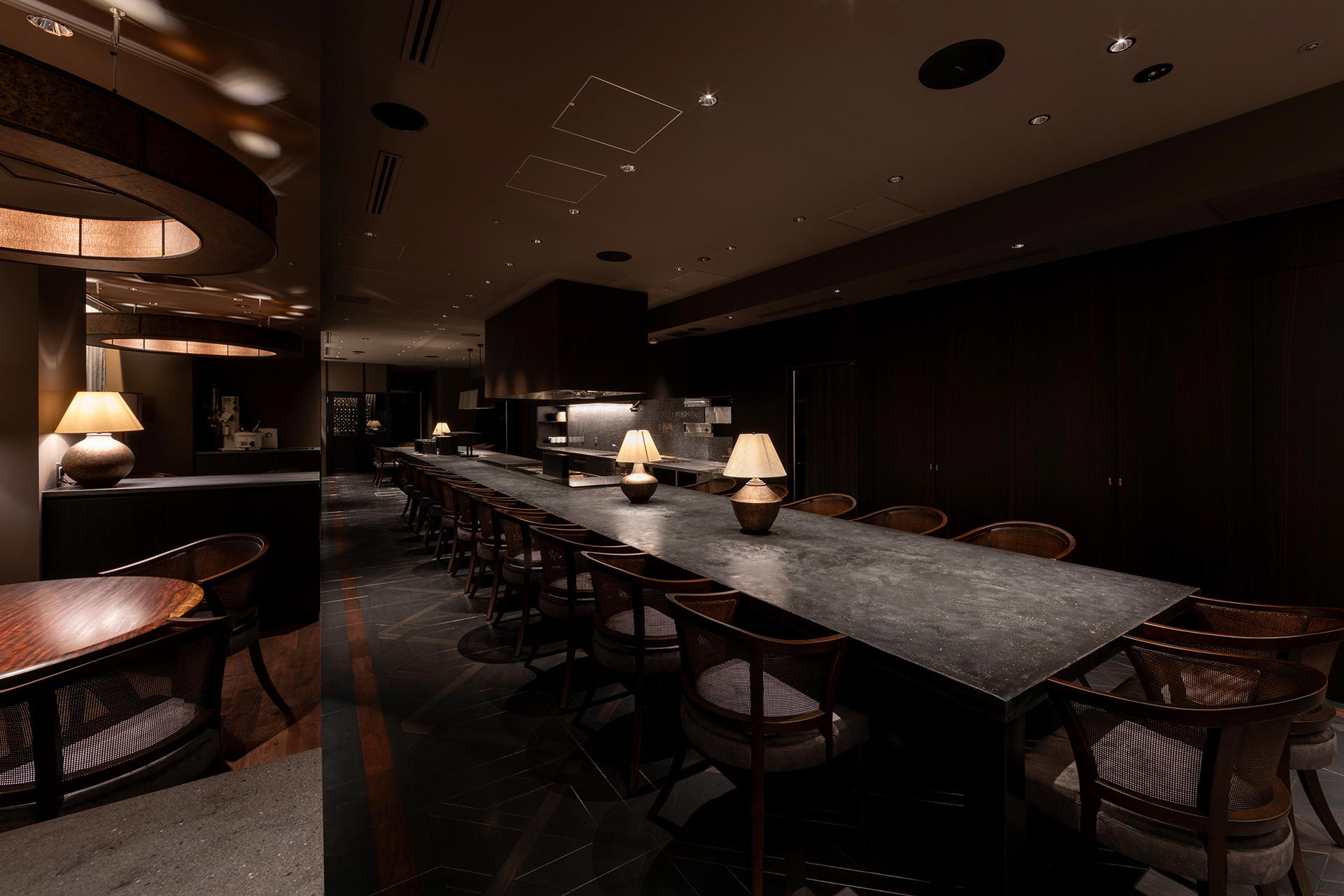
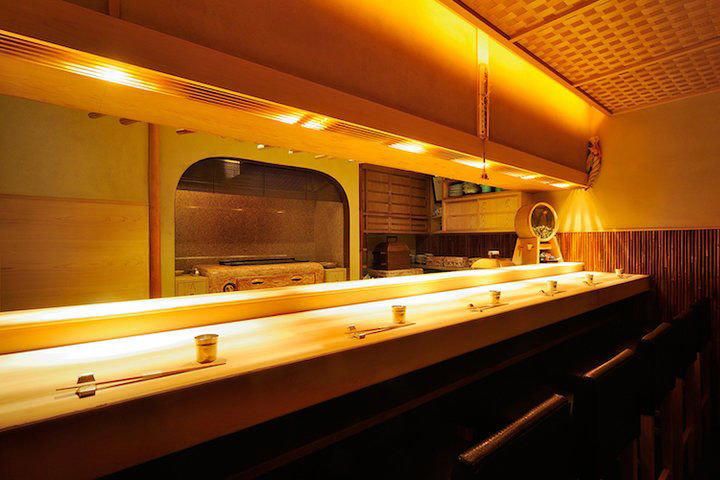
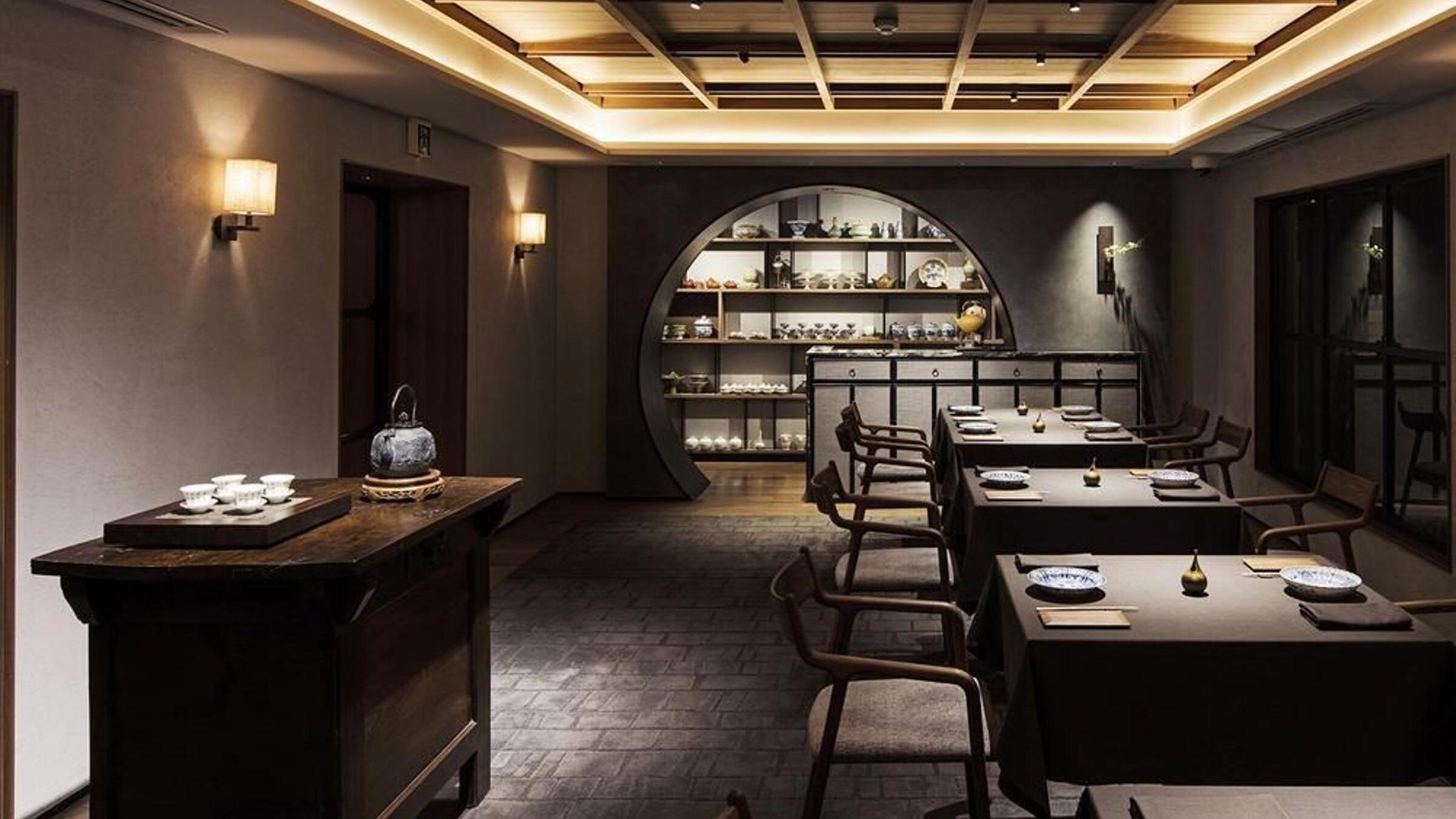
Format points to controlled scale rather than volume. Thirty seats keep the room in a size band where service can remain personal without becoming ceremonious. Private rooms for four, six, and eight make sense in Minato, where meals often need to serve both social and professional purposes. Counter seating and sofa seating add flexibility, but the more telling detail is the presence of a sommelier and a stated emphasis on wine. In Tokyo Italian dining, that usually separates a restaurant from the casual pasta-and-glass circuit; wine becomes part of the structure rather than an afterthought.
Restaurant’s long run also matters. An opening date in 2007 places it beyond the cycle of short-lived concept dining. Tokyo is unforgiving to European restaurants that depend only on novelty, especially outside the obvious nightlife districts. Longevity in Shibaura suggests a dependable local audience and enough destination pull to maintain recognition beyond the neighbourhood. The 2025 Tabelog Italian Tokyo 100 selection, following earlier selections in 2021 and 2023, reinforces that continuity rather than a single-season spike.
For travellers mapping a broader Tokyo itinerary, this is the kind of address that pairs better with a focused Minato evening than a cross-city crawl. It sits closer in spirit to a settled neighbourhood dining room than to the high-turnover energy found around station-front drinking streets. Readers comparing categories across the city can use Our full Tokyo restaurants guide for the wider dining field, then branch into Our full Tokyo bars guide, Our full Tokyo hotels guide, Our full Tokyo experiences guide, and Our full Tokyo wineries guide when building a full stay around the east side of Minato.
How it fits into Tokyo's dining map
Tokyo rewards specialization, but it also rewards context. A basement Italian restaurant in Shibaura will not satisfy a diner seeking the kinetic, counter-led immediacy of yakitori, sushi, or ramen. It is better suited to guests who want a regional European meal with wine, private-room options, and enough recognition to justify leaving the more obvious dining districts. The critical point is not that the room is obscure; it is that its neighbourhood lowers the theatrical volume around the meal.
That makes the restaurant useful for a specific kind of itinerary. A visitor staying near Tamachi, Shinagawa, or central Minato can choose it without turning dinner into a commute across the city. A diner chasing Tokyo’s loudest restaurant narratives may prefer elsewhere. But for a measured Italian dinner with Piedmont as the reference point, Ristorante La ciau offers a serious alternative to the usual west-side and Ginza gravitational pull.
Tokyo’s range is the real story. The same trip can hold charcoal-led casual dining at. 鮪と炭火焼き うお炭 秋葉原店, Shinjuku dining at 12/10 Shinjuku ten, skewers at 124. KAGURAZAKA (Yakitori), graphic café culture at 2D Cafe, and curry at 3 Chome no Curry Ya San. Beyond Tokyo, the same editorial map stretches to -Grilled beef Sukiyaki- KAMAKURA TANUKIAN 鎌倉 たぬき庵 in Kamakura.cafe in Osaka.know in Kumamoto, (Shoku) Vietnam in Kawasaki, [Curry Senmon Ten] Maruyama Kyoju. in Sapporo, [ki:] in Kyoto, and, for overseas Japanese-adjacent drinking and casual dining, Jōdo Saké Bar in Los Angeles and Onigiri Time in Pasadena.
Credentials Lens
Comparable venues for context, by category and price tier.
| Venue | Cuisine | Price | Notes |
|---|---|---|---|
| Ristorante La ciauThis venue — the venue you are viewing | Piedmont-influenced Modern Italian | $$$ | Not listed |
| Alporto | Italian Kaiseki | $$$ | Minato |
| Sala Amabile | Italian Fine Dining | $$$ | Chūō |
| neo | Italian Standing Bar | $$$ | Shibuya |
| PIZZERIA ROMANA IL PENTITO | Roman Pizza | $$$ | Shibuya |
| Yoshokudo Budo Kagurazaka Kagurazaka | Italian-influenced Yoshoku & Wine Bar in a Traditional House | $$$ | Shinjuku |
Recognition history
Dated appearances from independent guides and award organizations, with the underlying list record or original source where available.
Tabelog 100 #91 · No. 91
Tabelog · Tabelog 100 - Italian - TOKYO - 2025







At a Glance
- Romantic
- Elegant
- Cozy
- Sophisticated
- Date Night
- Business Dinner
- Group Dining
- Special Occasion
- Family
- Wine Cellar
- Private Dining
- Standalone
- Design Destination
- Extensive Wine List
- Sommelier Led
- Local Sourcing
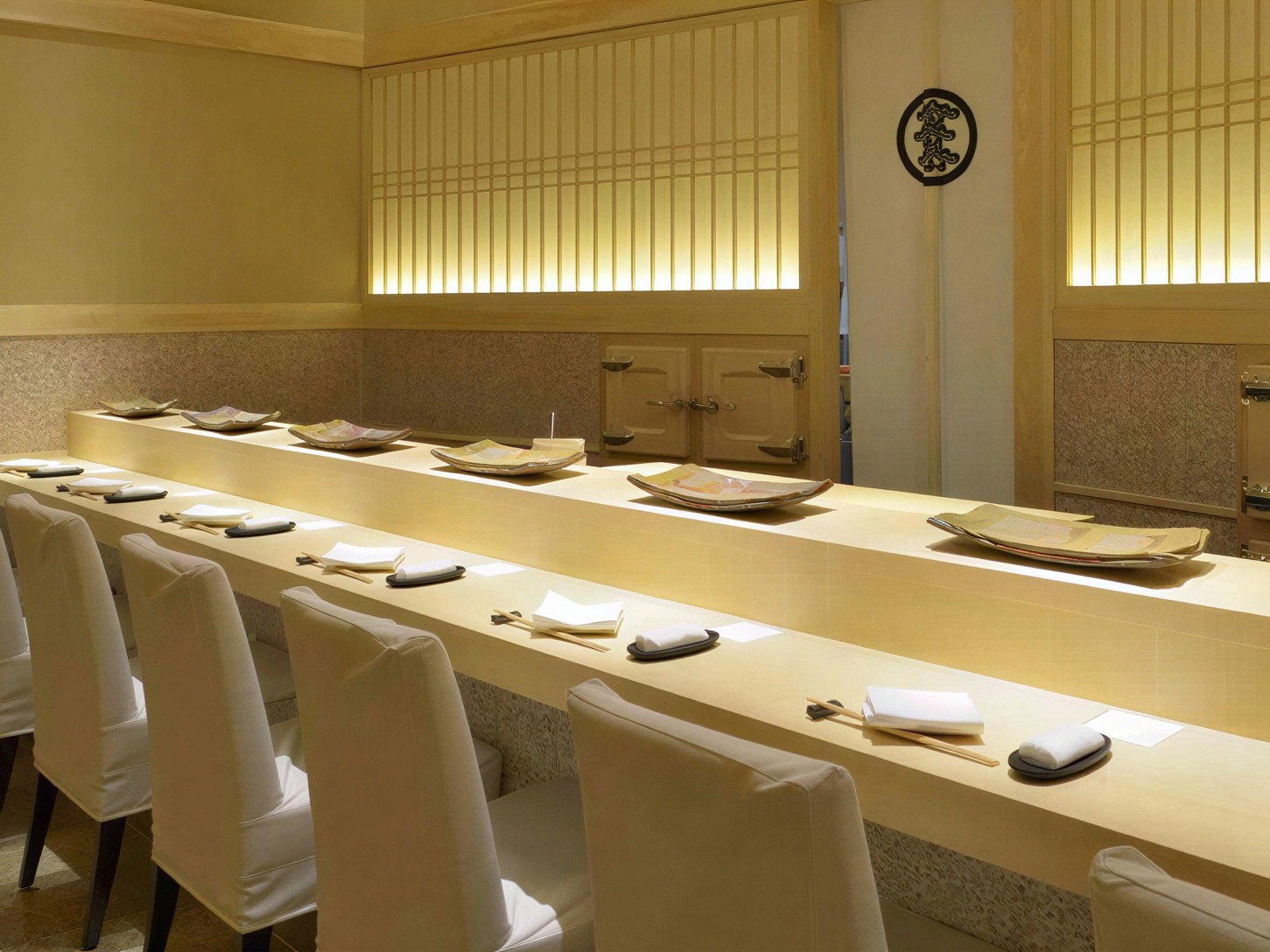
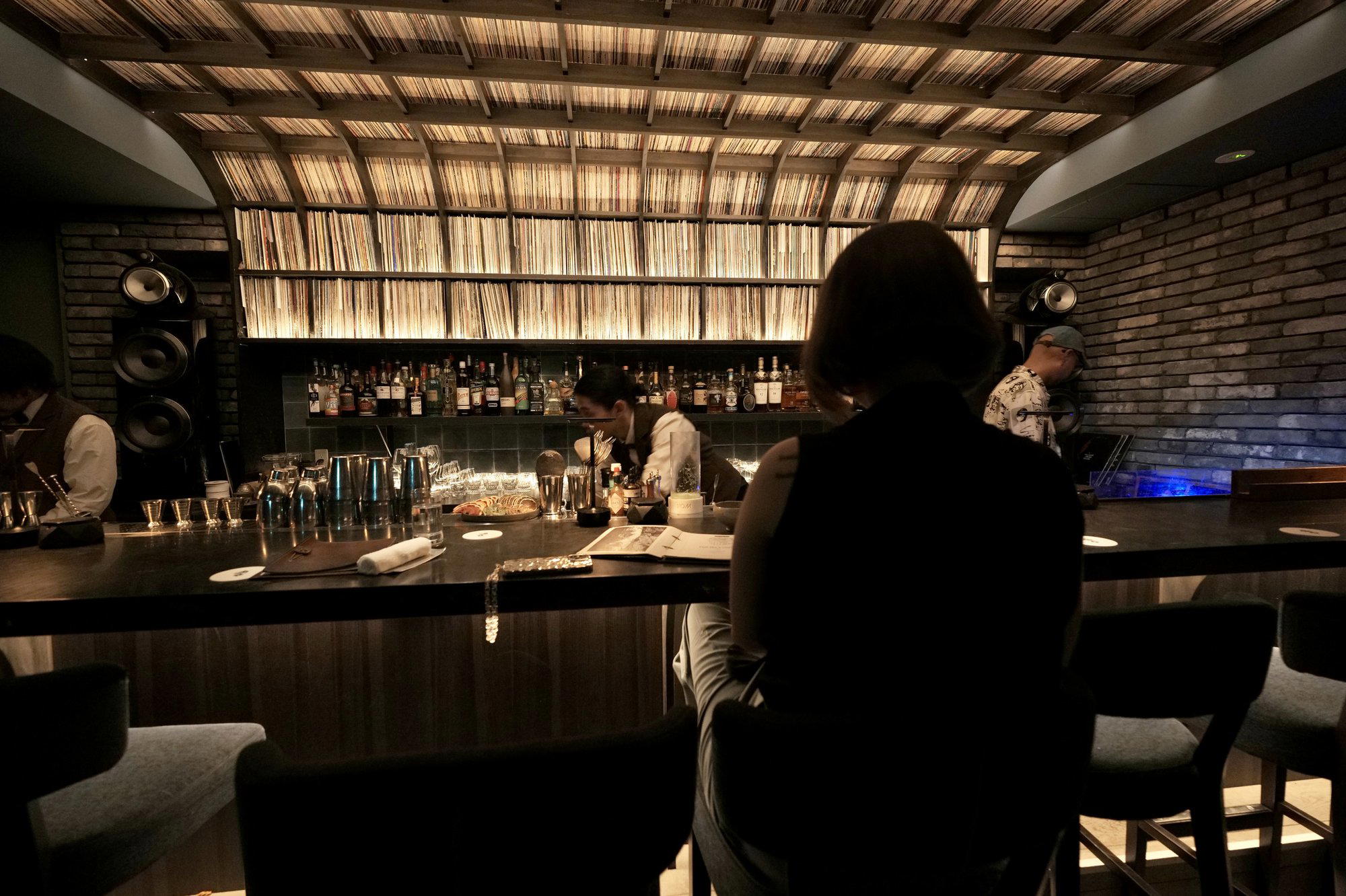
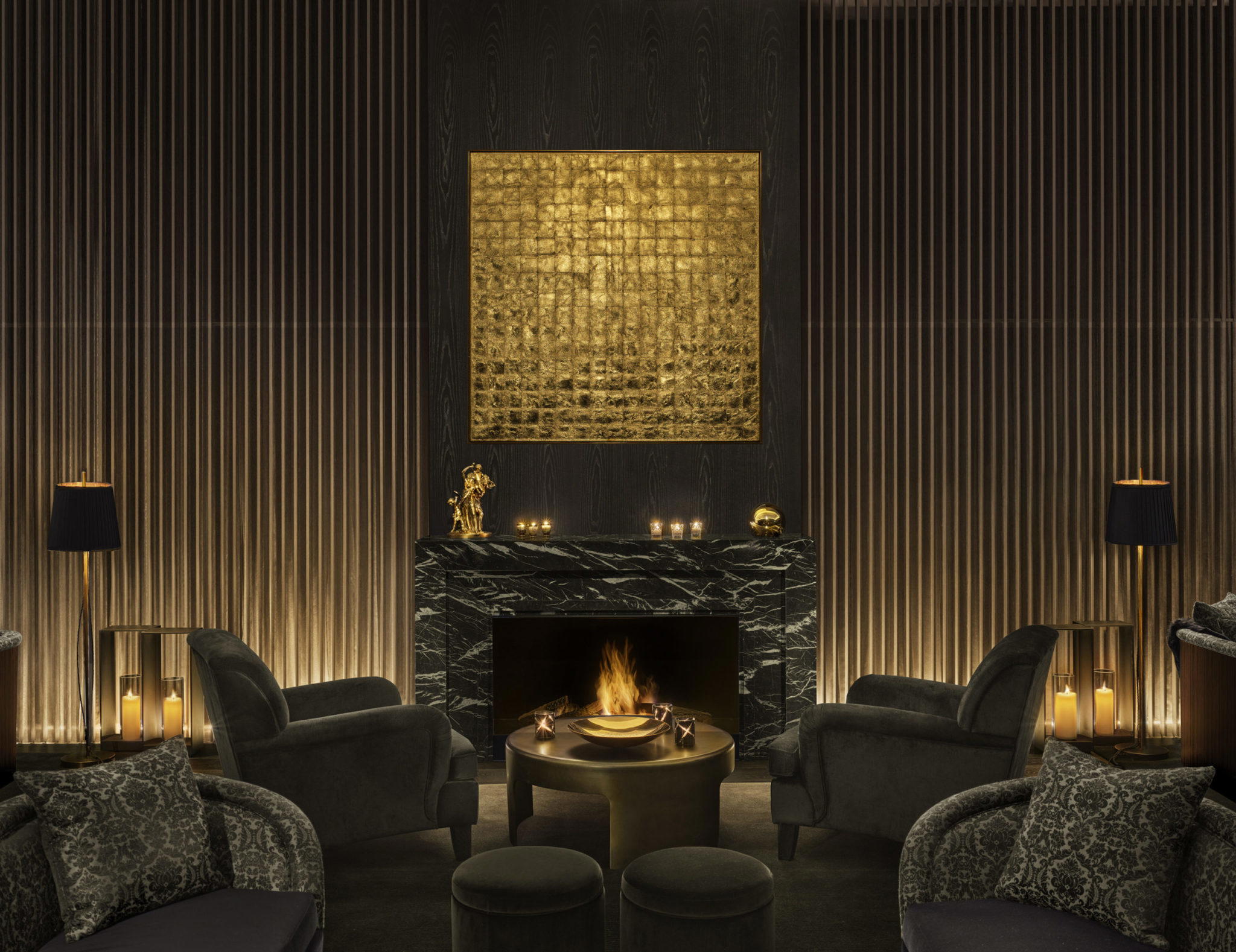
Warm, low-lit and intimate, with a classic white-tablecloth feel that blends Italian trattoria coziness with a polished, wine-focused fine-dining atmosphere.