Antica Macelleria CECCHINI
Our verdict
In the hill village of Panzano in Chianti, Antica Macelleria Cecchini occupies a position unlike any other butcher shop in Tuscany: part working macelleria, part cultural institution. The sourcing is hyperlocal, the cuts are Chianina-forward, and the setting draws visitors from across Italy and beyond who come specifically for the meat, not despite it.

Pearl is the En Primeur Club membership app — saves, bookings, and concierge access live there. Same editors, same standards.
- Address
- Via XX Luglio, 11, 50022 Panzano In Chianti FI, Italy
- Phone
- +39 055 852020
- Hours
- Daily 9 AM–4 PM
- Website
- dariocecchini.com
- Directions
- Get directions
The menu
What to order
- Bistecca alla Fiorentina
- Tonno del Chianti
- Beef Tartare
Where Panzano's Butcher Counter Becomes the Point
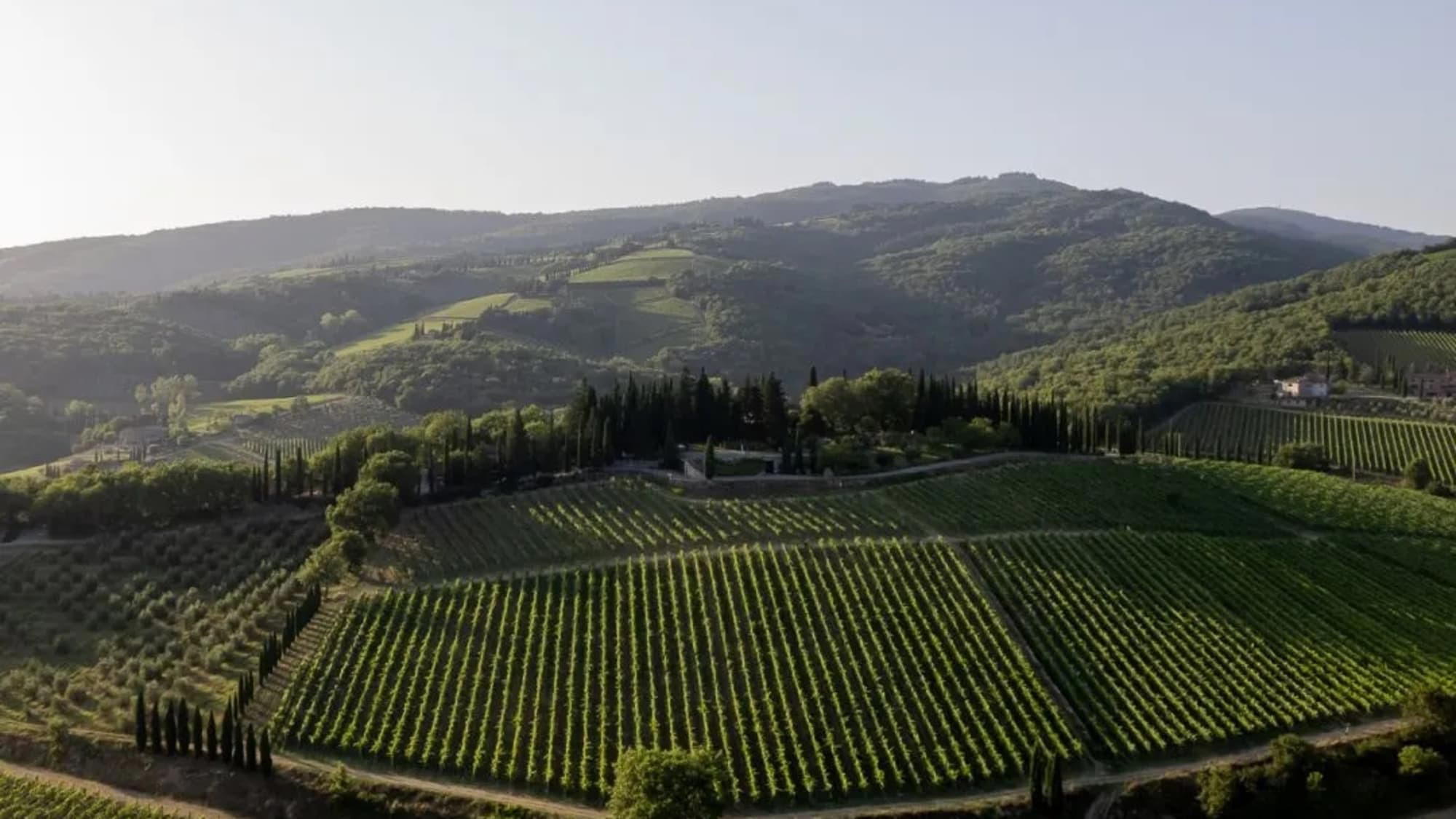
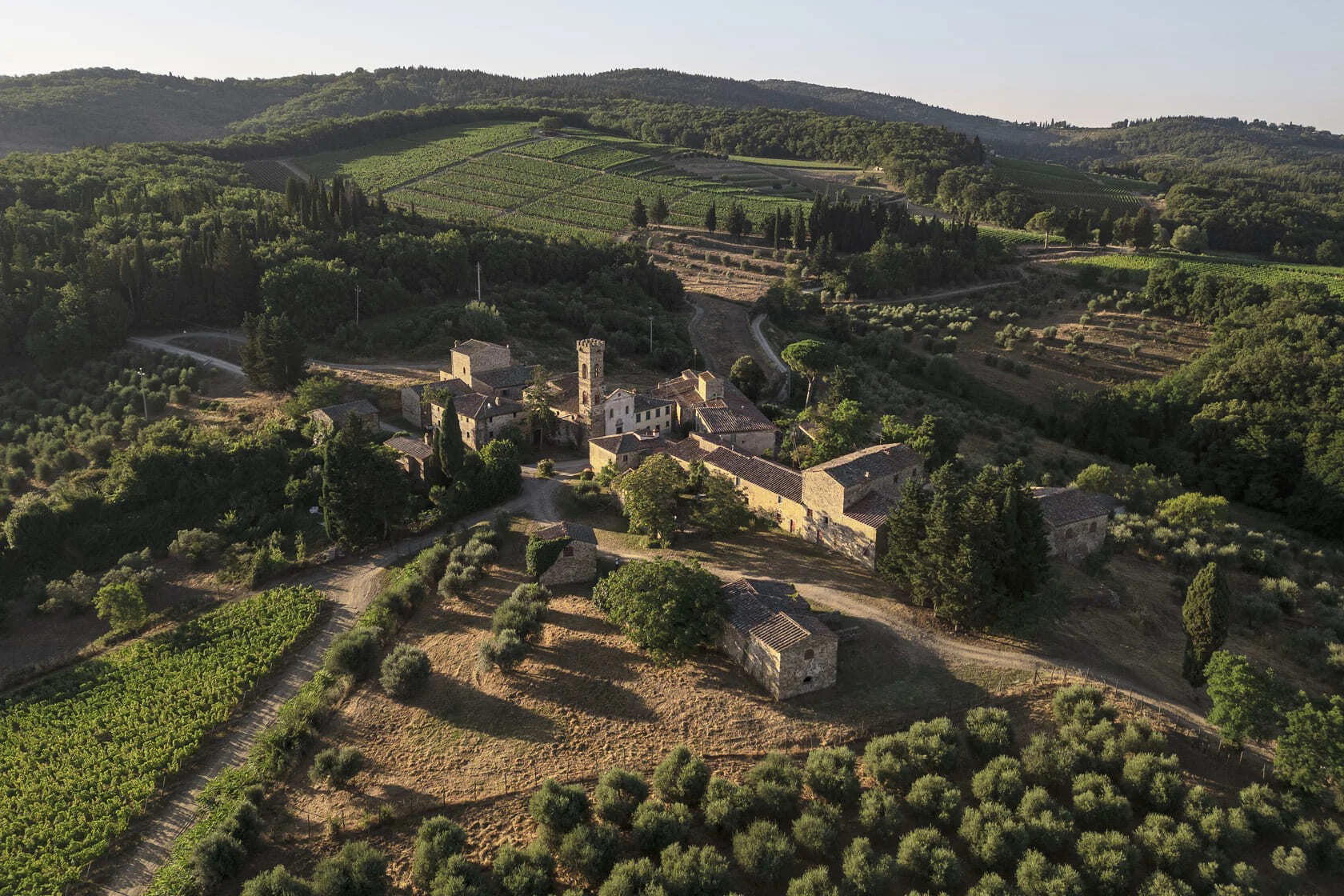
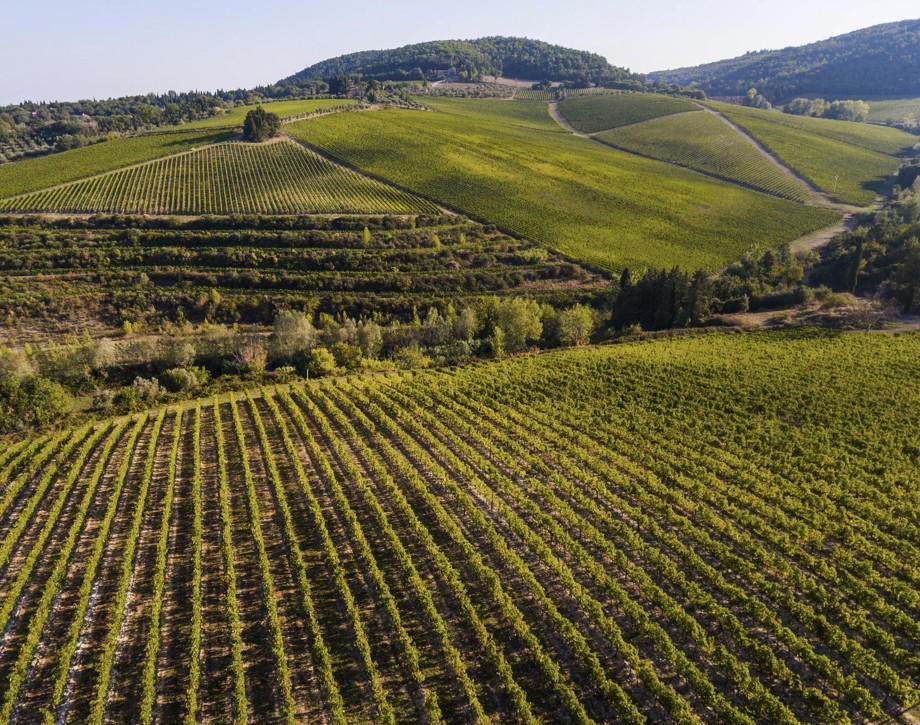
The approach to Panzano in Chianti from Greve takes you up a narrow road through vineyards that have been producing Sangiovese for centuries. By the time Via XX Luglio comes into view, the village has the compressed, stone-dense quality of a place that never needed to advertise itself. Antica Macelleria Cecchini sits on that street as it has for generations, its white marble counter and marble-floored interior visible through an open door. The smell of fresh herbs and dry-aged beef arrives before you do. This is not a restaurant with a butcher aesthetic; it is a butcher shop that happens to feed people, and that distinction shapes everything about the experience.
In the wider context of Tuscany's food identity, the macelleria occupies a specific and undervalued tier. The region built its international reputation on wine estates and fine dining rooms, from Enoteca Pinchiorri in Florence downward through dozens of agriturismo tables. The butcher shop, by contrast, operates at the raw material end of that same tradition — closer to the land, less mediated by technique, and more directly connected to the animal itself. Cecchini has become the most visited expression of that tier, drawing the kind of attention that Italian culinary tourism more typically reserves for multi-course tasting menus at addresses like Osteria Francescana in Modena or Piazza Duomo in Alba.
The Sourcing Logic Behind the Counter
Chianina cattle are the editorial spine of what Cecchini does. The breed is among the oldest in Italy, native to the Val di Chiana south of Arezzo, and produces beef with a distinctive grain structure and lower intramuscular fat than modern commercial breeds. Bistecca alla Fiorentina cut from Chianina is not a branding decision; it is a sourcing commitment that determines the character of the finished product. The T-bone or porterhouse format, served at a minimum thickness of five centimetres and cooked over wood or charcoal to a temperature that keeps the centre rare, is a preparation with almost no latitude for modification. Ordering it well-done is famously refused at many counters across Tuscany, and Panzano is not the place to test that convention.
What separates a sourcing-driven macelleria from an ordinary butcher is the relationship between the shop and the animal from farm to counter. Cecchini's operation spans the full arc: selection of the breed, the feed regimen, the aging. In the broader Italian artisan food tradition, this kind of vertical integration has become a point of distinction. Producers like those at Dal Pescatore in Runate and Atelier Moessmer Norbert Niederkofler in Brunico approach sourcing from a tasting-menu frame; Cecchini approaches it from the other end, starting with the animal and working outward. Both postures reflect the same underlying argument: that the ingredient, not the technique, is the primary variable.
The shop also produces lardo, salumi, and preparations that use cuts other counters dismiss. Offal, shoulder, rib trimmings — in a properly run macelleria, none of these are waste. They become a secondary line of product that reveals the shop's relationship to the whole animal. This approach to nose-to-tail sourcing predates the London and New York restaurant movements that named it by at least a generation.
The Scene in Panzano and the Chianti Context
Panzano sits within the Chianti Classico production zone, which means it draws a specific category of visitor: wine-literate, food-focused, and often combining a morning at a wine estate with an afternoon stop in the village. Greve in Chianti, the commercial centre of the zone eight kilometres to the north, offers its own dining options, including Amerigo and Vitique, both of which operate within the contemporary Tuscan register. Panzano pulls a different visitor, one less interested in a structured dining experience and more drawn to direct contact with a primary producer.
That visitor profile has shifted the macelleria into a cultural category of its own. It now operates at a scale and with a level of intentionality that places it alongside specialist food destinations rather than local shops. For a complete view of what the zone offers across price points and formats, our full Greve In Chianti restaurants guide maps the options. The Italian fine dining tier, represented elsewhere by addresses like Quattro Passi in Marina del Cantone, Uliassi in Senigallia, Reale in Castel di Sangro, Le Calandre in Rubano, Da Vittorio in Brusaporto, Villa Crespi in Orta San Giulio, and Casa Perbellini 12 Apostoli in Verona, uses sourcing as a foundation for elaboration. Cecchini uses sourcing as the destination itself.
Internationally, the closest analogues are places like Lazy Bear in San Francisco or Le Bernardin in New York City in the sense that they have redefined the category they occupy. But Cecchini has done the opposite of those: rather than expanding ambition toward refinement, it has insisted on reduction. The macelleria is what it has always been, taken more seriously.
Comparable discipline in sourcing and format is also seen at Enrico Bartolini in Milan, though the execution register sits at the opposite end of the formality spectrum.
Planning Your Visit to Panzano
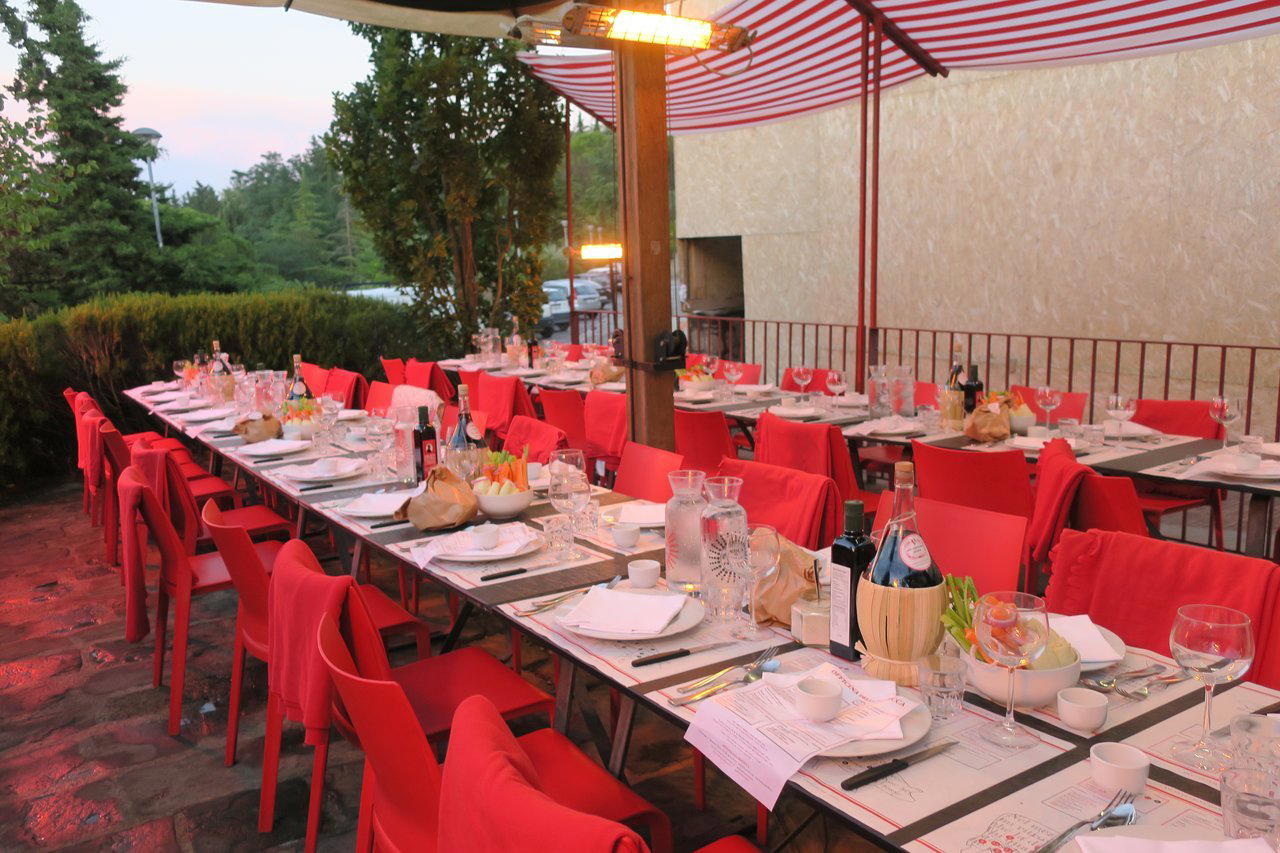
Panzano in Chianti is most practically reached by car from Florence, roughly 45 to 50 minutes south through the Chianti hills. There is no direct public transport link that makes the village convenient as a day trip without a vehicle. The macelleria operates as a working butcher shop during standard Italian commercial hours, which in Tuscany typically means a midday closure and a shorter afternoon session; visiting in the morning gives access to the full counter before peak selection depletes it. The dining formats attached to the shop operate on separate schedules from the retail counter, and the communal table experience, when available, runs at fixed times. Visiting on a weekday reduces crowd pressure meaningfully compared to summer weekends, when Chianti Classico tourism peaks between June and August. If the macelleria experience is the focus of a broader Tuscany itinerary, pairing it with wine estate visits in the same zone makes geographic sense given Panzano's position within the Classico boundaries.
Frequently asked questions
Is Antica Macelleria CECCHINI child-friendly?
The counter at Via XX Luglio, 11 in Panzano in Chianti operates as a working butcher's shop with an attached dining offer, which means the environment is informal and centred on meat preparation. Families visiting the Chianti Classico zone regularly stop here as part of a broader day trip from Florence.
What's the vibe at Antica Macelleria CECCHINI?
Cecchini runs as a functioning butcher counter first, with the energy of a place that treats the shop floor as the main event rather than a prelude to it. Visitors arrive alongside locals sourcing cuts for the week, which keeps the atmosphere grounded in trade rather than tourism theatre. The Panzano address, roughly 45 to 50 minutes south of Florence through the Chianti hills, draws a food-literate crowd that tends to arrive with specific intent.
How far is Antica Macelleria Cecchini from Florence, and is it worth a dedicated trip?
Panzano in Chianti sits roughly 45 to 50 minutes south of Florence by car through the Chianti hills, with no direct public transport connection. The drive passes through the Chianti Classico production zone, so visitors combining a stop at Cecchini with winery visits in Greve in Chianti or the surrounding communes get a full day's itinerary from a single route. The macelleria's decades-long focus on Chianina sourcing gives it a specific credential that justifies the journey for anyone serious about Italian beef provenance.
What dish is Antica Macelleria CECCHINI famous for?
Cecchini's reputation is built on Chianina beef, one of Italy's oldest cattle breeds native to the Val di Chiana south of Arezzo. The bistecca alla Fiorentina cut from Chianina is the reference point, and the sourcing logic behind the counter has made Panzano a destination for visitors who treat the butcher's provenance as seriously as the preparation. The macelleria's association with this breed is documented across Italian food writing over several decades.
What's Antica Macelleria CECCHINI's location?
Antica Macelleria CECCHINI is located at Via XX Luglio, 11, 50022 Panzano In Chianti FI, Italy, Greve In Chianti.
Do I need a reservation for Antica Macelleria CECCHINI?
The butcher counter at Via XX Luglio, 11 operates on a walk-in basis for retail purchases, but the dining formats attached to the macelleria have historically required advance booking given the volume of visitors arriving from Florence and the broader Chianti Classico wine circuit.
At-a-Glance Comparison
Comparable venues nearby, for context on price, style, and recognition.
| Venue | Cuisine | Price | Awards | Notes |
|---|---|---|---|---|
| Antica Macelleria CECCHINIThis venue — the venue you are viewing | Tuscan Steakhouse | $30–50 | Not listed | Not listed |
| Vitique | Contemporary Italian Fine Dining with Wine Pairings | $100–150 | Michelin Plate | Greve in Chianti |
| Amerigo | Contemporary Tuscan | $50–100 | Not listed | Savigno |
| Ditta Artigianale | Specialty Coffee & Gin Bar with Italian Cafe | $10–20 | Not listed | San Niccolo |
| Osteria del Cinghiale Bianco | Authentic Tuscan Trattoria | $20–30 | Not listed | Santo Spirito |
Continue exploring
More in Greve in Chianti
Restaurants in Greve in Chianti
Browse all →
Bars in Greve in Chianti
Browse all →
Hotels in Greve in Chianti
Browse all →
Details
- Lively
- Rustic
- Cozy
- Special Occasion
- Group Dining
- Celebration
- Open Kitchen
- Extensive Wine List
- Local Sourcing
- Prix Fixe
- Chianti
- Vegetarian Friendly
- Gluten Free Options
Current opening hours
- Monday
- 9 AM–4 PM
- Tuesday
- 9 AM–4 PM
- Wednesday
- 9 AM–4 PM
- Thursday
- 9 AM–4 PM
- Friday
- 9 AM–4 PM
- Saturday
- 9 AM–4 PM
- Sunday
- 9 AM–4 PM
Hours can change for holidays and private events. Last verified .
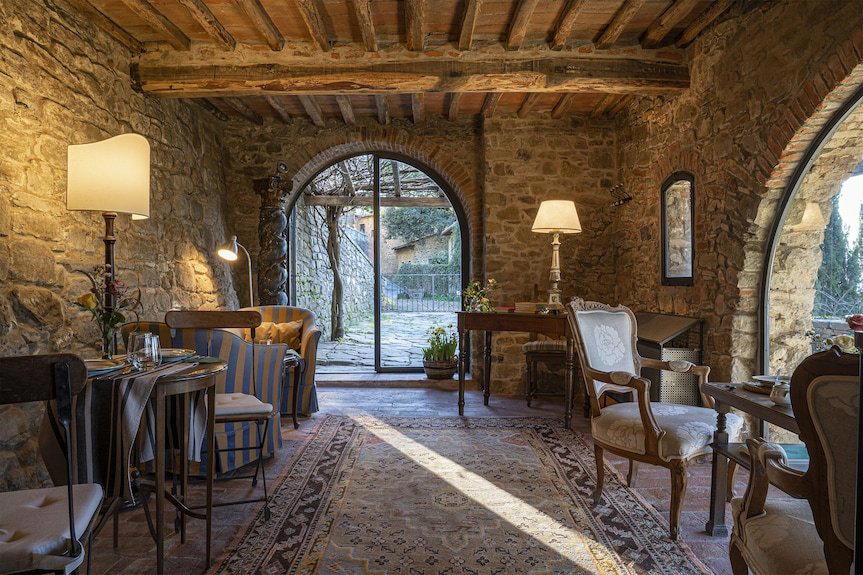
Lively and communal with lively music, bustling crowds, open grills, and warm rustic atmosphere.