On Via dei Neri, one of Florence's most walked streets south of the Arno, Ditta Artigianale has become a reference point for serious coffee culture in a city where espresso is often treated as ceremony rather than choice. The cafe trades on craft-roasting principles and a menu that rewards those willing to slow down, making it a reliable stop for travelers who want something more considered than a bar counter exchange.
Pearl is the En Primeur Club membership app — saves, bookings, and concierge access live there. Same editors, same standards.
- Address
- Via dei Neri, 32 R, 50122 Firenze FI, Italy
- Phone
- +39 055 274 1541
- Website
- dittaartigianale.it
- Directions
- Get directions
 Saves & bookings on Pearl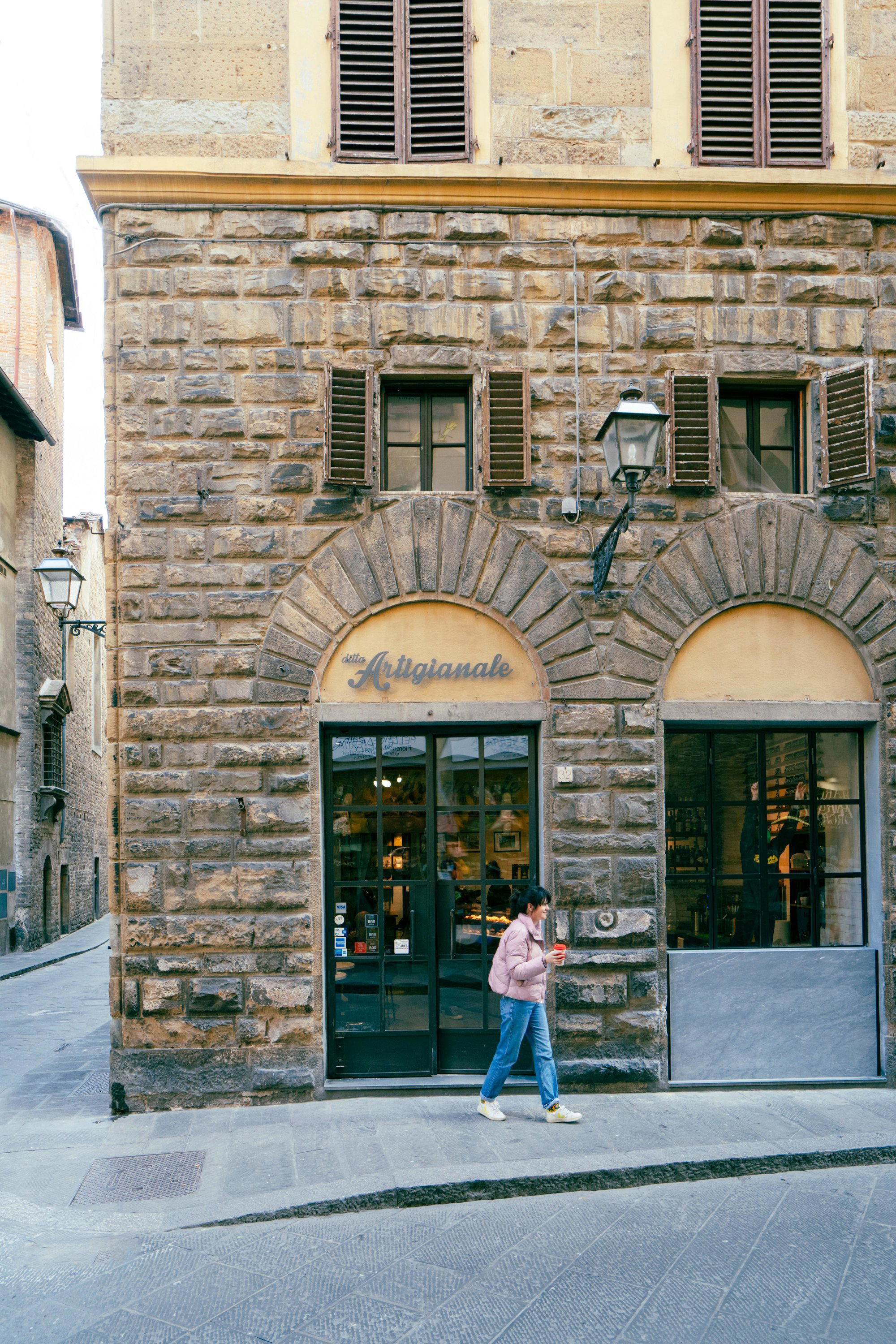
Via dei Neri and the Ritual of Coffee in Florence
Florence has never lacked for places to drink espresso. The city's bar culture runs deep, governed by an unwritten etiquette: stand at the counter, order briefly, drink fast, leave. It is efficient, often excellent, and almost entirely transactional. What has changed in recent years is a parallel current, a slower, more deliberate approach to coffee that treats the cup as something worth examining rather than simply consuming. Ditta Artigianale, at Via dei Neri 32R in central Florence, is a specialty coffee and gin bar with an Italian cafe format.
Via dei Neri itself is among the more trafficked pedestrian corridors in central Florence, running southeast from the Piazza della Signoria toward Santa Croce. The street draws a mixture of residents cutting through the quarter and visitors working between monuments. A stop here does not require a detour; it fits the natural rhythm of a day spent on the Oltrarno fringe of the centro storico. That accessibility is part of what makes Ditta Artigianale useful rather than merely interesting.
The Tempo of the Place
The dining and drinking ritual at Ditta Artigianale is defined less by formality than by pace. Florence's fine-dining rooms, where the meal is structured around a sequence of courses and the pacing is controlled from the kitchen, operate on a different register entirely. Places like Enoteca Pinchiorri or Santa Elisabetta build an evening around sustained attention and deliberate progression. The restaurant works differently: the format is open, the arrival self-directed, and the guest sets the tempo.
That informality is not casualness. The craft-coffee movement from which the restaurant emerged applies the same vocabulary of origin, processing method, and extraction variable that the natural wine world applies to viticulture. The ritual here is in the asking and the answering: which origin, which brew method, which roast level. Guests who engage with that conversation get more from the experience than those who treat it as a conventional bar stop.
This positions the restaurant in a specific niche within Florence's food and drink scene, one that is neither the quick espresso exchange of the traditional bar nor the extended multi-course ceremony of the city's Michelin-decorated rooms. It occupies a middle register in Italian cafe culture.
Coffee as Craft: What This Format Signals
Specialty coffee, as a category, arrived in Italian cities later than in Northern Europe or North America, partly because of Italy's entrenched espresso identity and partly because of the assumption that the tradition was already sufficiently refined. That assumption has eroded. In Florence, Milan, and Rome, a generation of roasters and cafe operators has pushed for sourcing transparency, single-origin presentation, and alternative brew methods alongside the standard espresso program.
This shift mirrors movements happening across European dining more broadly. At the high end of Italian fine dining, restaurants like Osteria Francescana in Modena or Piazza Duomo in Alba have pushed product sourcing and producer relationships to the center of their identity. The specialty coffee world applies the same logic at a different price point and scale: the producer relationship, the processing detail, the specific lot. The restaurant is part of that broader Italian reassessment of what craft means across food and drink categories.
The food offer at most specialty coffee operations in Italian cities tends toward the international: pastries drawing on Nordic or Antipodean cafe culture, avocado-based preparations, single-estate chocolate. How closely the restaurant adheres to or diverges from that template is best confirmed on arrival, since the menu evolves and specific items are not documented in detail here. What holds across the format type is that the food functions as accompaniment rather than destination, supporting the coffee program rather than competing with it.
Where This Fits in Florence's Wider Scene
Florence's dining hierarchy concentrates its formal prestige in a cluster of hotel-based and standalone fine-dining rooms. Atto di Vito Mollica, Borgo San Jacopo, and Gucci Osteria da Massimo Bottura each operate in the €€€€ tier, with menus structured around Italian contemporary cooking and the kind of wine lists that require time and intention. Those rooms reward a full evening commitment.
The restaurant operates at the opposite end of that formality axis, which is not a criticism. Any city's food culture depends on depth across registers, and Florence's tourist density means that genuinely good casual options, places where the product knowledge is real rather than performative, are rarer than the restaurant count might suggest. The Santa Croce quarter has enough foot traffic to sustain mediocrity without consequence; the places that sustain a standard do so because regular local use keeps them honest.
For travelers building a multi-day itinerary around food, the restaurant functions as a counterpoint to the formal dining schedule. A morning here, before the museums open, or a mid-afternoon break between neighborhoods, provides a different kind of attention to Italian food culture than a tasting menu does. Both are worth having.
Italy's restaurant scene at the highest level rewards extended comparison: Le Calandre in Rubano, Uliassi in Senigallia, Reale in Castel di Sangro, and Dal Pescatore in Runate each define a regional identity through what they put on the plate. The restaurant defines something smaller but no less deliberate: a specific approach to the daily cup, in a city where the daily cup has always mattered.
Planning a Visit
Via dei Neri 32R places the restaurant within easy walking distance of the Uffizi, the Ponte Vecchio, and the Basilica di Santa Croce, which means it sits in the natural orbit of most central Florence itineraries without requiring a dedicated trip. The Santa Croce quarter is reliably busier from mid-morning through early afternoon during peak season; arriving closer to opening or in the late afternoon avoids the densest tourist movement on the street. The venue is walk-in friendly and currently open daily, with hours varying by day. Florence's broader dining options, across all formats and price points, are covered in our full Florence restaurants guide.
Where It Fits
Comparable venues nearby, for context on price, style, and recognition.
| Venue | Cuisine | Price | Notes |
|---|---|---|---|
| Ditta ArtigianaleThis venue — the venue you are viewing | Specialty Coffee & Gin Bar with Italian Cafe | $$ | Not listed |
| Trattoria I'raddi | Traditional Tuscan Trattoria | $$ | Santo Spirito |
| Ristorante Ricchi | Traditional Tuscan Italian | $$ | Santo Spirito |
| Giotto Pizzeria | Modern Neapolitan Pizza | $$ | San Jacopino |
| Da Ruggero | Traditional Tuscan Trattoria | $$ | Bobolino |
| 'l Trippaio di San Frediano | Traditional Florentine Offal Street Food | $ | San Frediano |
Continue exploring
More in Florence
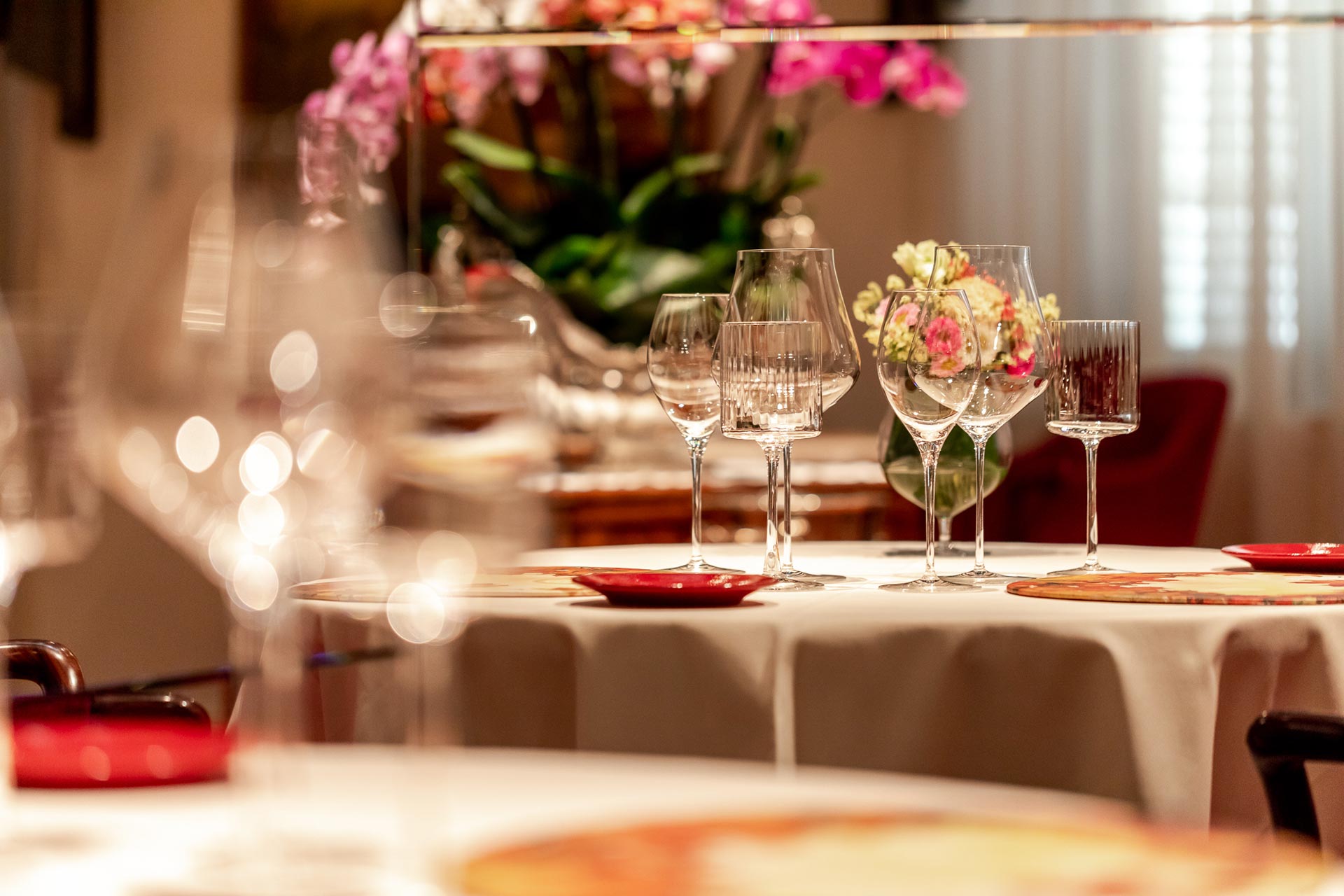
Restaurants in Florence
Browse all →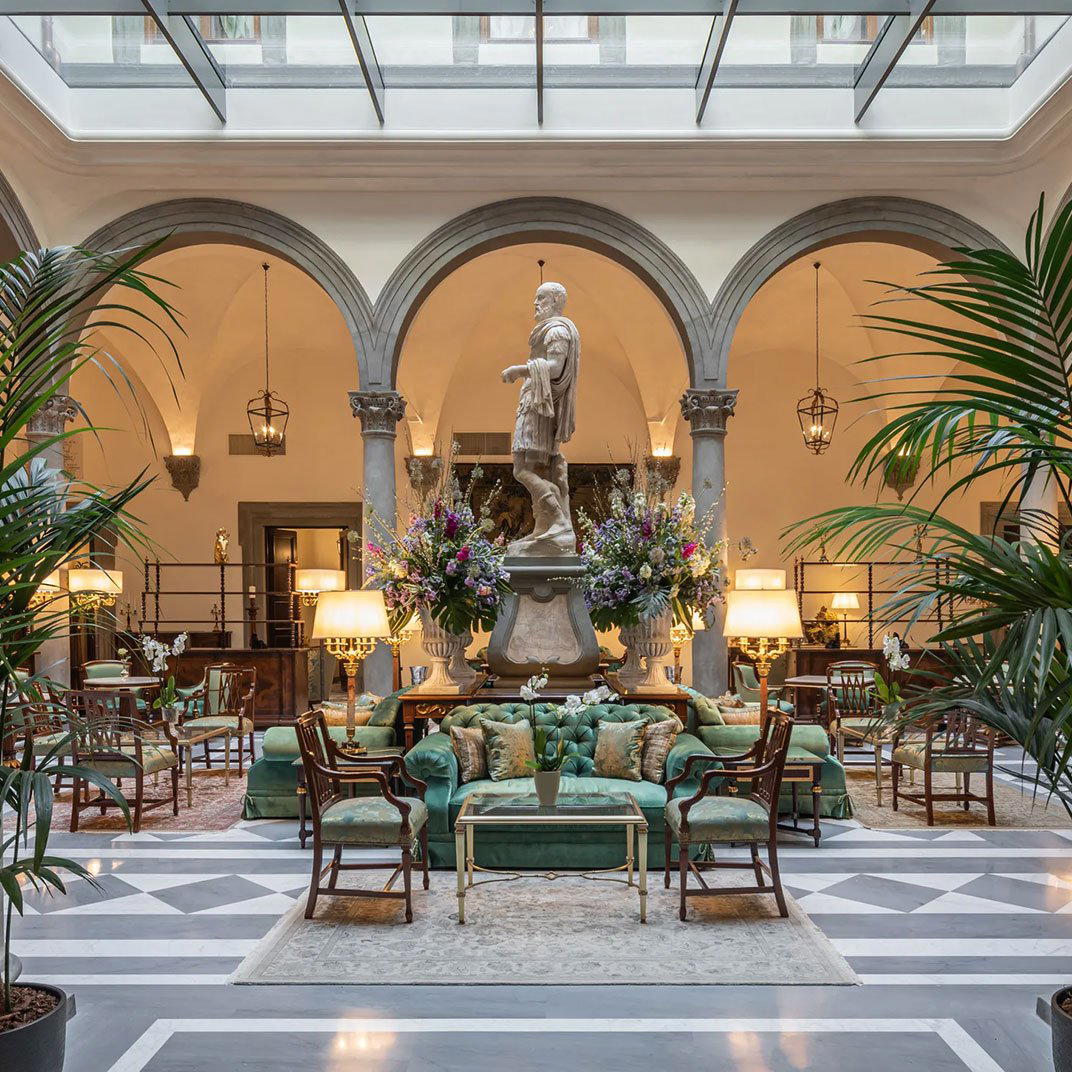
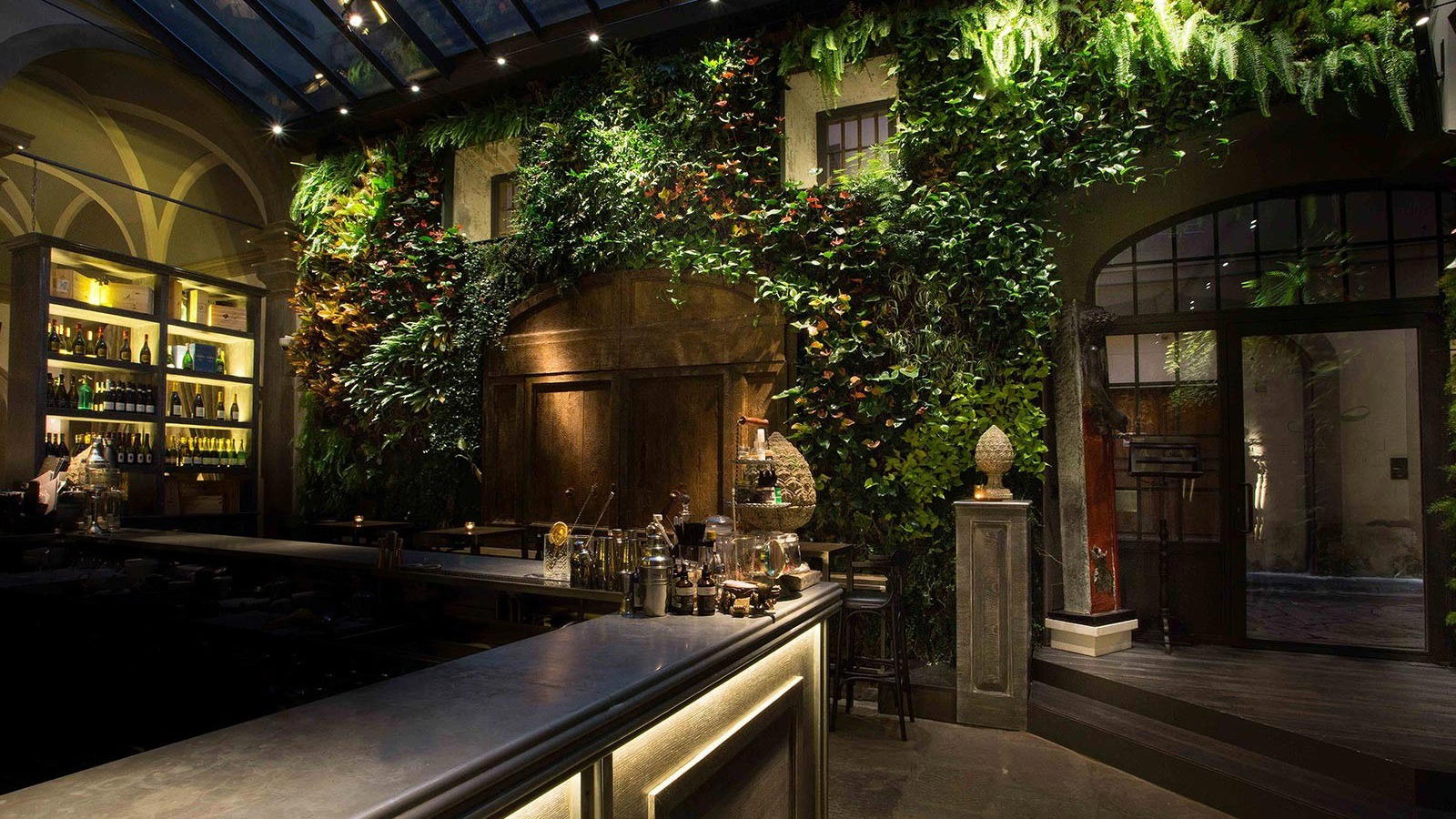
Bars in Florence
Browse all →
Hotels in Florence
Browse all →
At a Glance
- Modern
- Trendy
- Lively
- Casual Hangout
- Brunch
- After Work
- Live Music
- Open Kitchen
- Design Destination
- Craft Cocktails
- Beer Program
- Local Sourcing
Current opening hours
- Monday
- 7:30 AM–7 PM
- Tuesday
- 7:30 AM–7 PM
- Wednesday
- 7:30 AM–7 PM
- Thursday
- 7:30 AM–7 PM
- Friday
- 7:30 AM–7 PM
- Saturday
- 8 AM–8 PM
- Sunday
- 8 AM–8 PM
Hours can change for holidays and private events. Last verified .
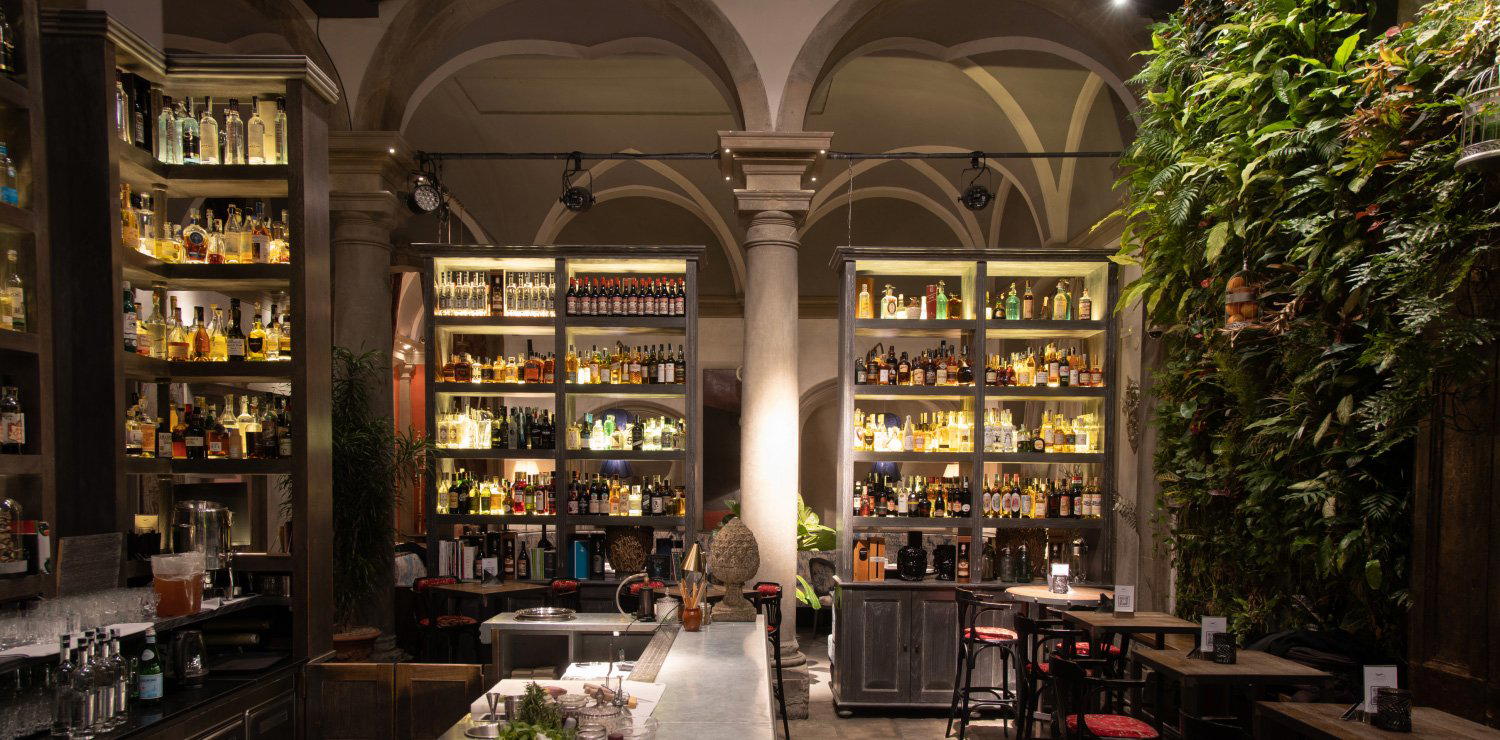
Modern, stylish, and welcoming with vintage decor, contemporary design, and a cool vibe; features jazz bar elements and an open counter design showcasing the espresso machine to encourage barista-customer interaction.