
Tabelog Bronze #421
Our verdict
Sous-sus gives Akita a serious French counterpoint to the prefecture’s more familiar wagyu, rice, sake, and Hinai-jidori narratives. The cooking is framed by Tohoku ingredients, fish-led sourcing, and a wine-minded dining format, with Tabelog Bronze recognition from 2022 through 2026 placing it in a small regional tier for French dining outside Japan’s larger restaurant capitals.

Pearl is the En Primeur Club membership app — saves, bookings, and concierge access live there. Same editors, same standards.
- Address
- 1 Chome-2-40 Omachi, Akita, 010-0921, Japan
- Phone
- +81 18-853-7614
- Hours
- Mon ClosedTue–Wed 6–10 PMThu–Sun 11:30 AM–2 PM, 6–10 PM
- Website
- sous-sus.jp
- Directions
- Get directions
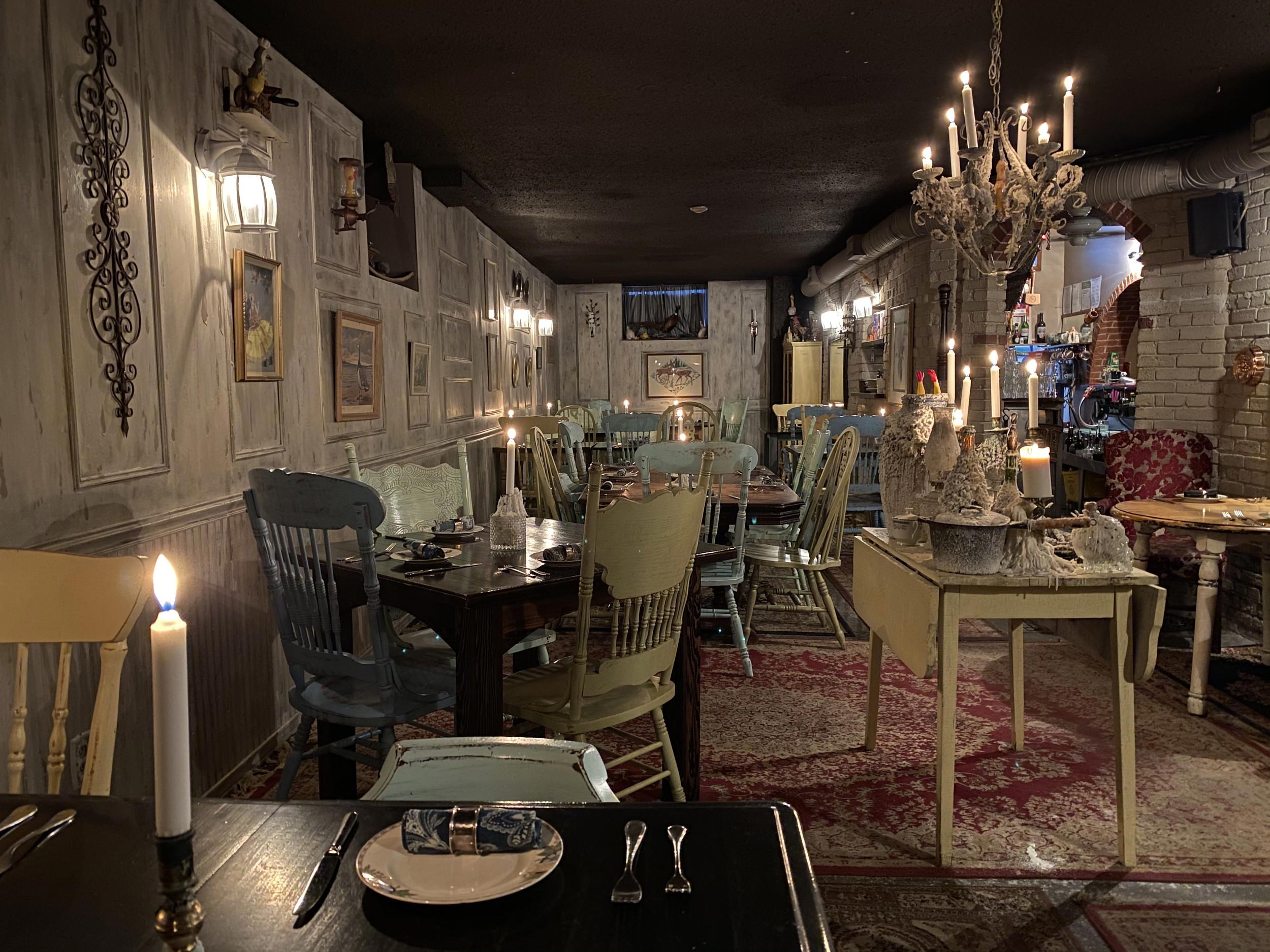
Omachi is not the part of Akita that announces fine dining with grand façades. The streets are low-slung, practical, and closely tied to the city’s evening rhythm, which makes a French counter with Tohoku ingredients feel less like imported luxury than a local argument: Akita’s produce, fish, and wine-drinking habits can carry a formal meal without borrowing its identity from Tokyo.
That matters because northern Japan is often flattened into a few culinary signals: rice, sake, winter seafood, and hearty regional cooking. French technique changes the frame. It gives structure to the prefecture’s cold-water fish and seasonal vegetables, while keeping the emphasis on sourcing rather than theatrical presentation. Sous-sus sits in that conversation as a compact, counter-oriented French restaurant with a fish focus and a wine program, not as a generic special-occasion room dropped into the city.
French cooking in Akita, anchored by Tohoku ingredients
Akita’s restaurant identity has long been stronger in regional Japanese cooking than in Western tasting formats. Travelers tend to map the prefecture through Hinai-jidori, kiritanpo, beef, sake breweries, and seafood from the Sea of Japan. A French restaurant here has to earn attention differently from one in Ginza or Osaka: less by novelty, more by showing that local ingredients can support a composed, wine-facing meal.
The public signals around Sous-sus point to that ingredient-first position. It is categorized as French, described around classic French cuisine from Tohoku, and marked for attention to fish and wine. Those details are useful because they separate it from a broad “Western restaurant” category. The relevant comparison is not a casual bistro, but the small group of destination-minded regional restaurants using French grammar to interpret local supply chains.
Tabelog recognition reinforces that placement. The restaurant holds The Tabelog Award Bronze for 2026, following Bronze recognition in 2022, 2023, 2024, and 2025, and appears in Tabelog French EAST 100 selections for 2023 and 2025. In Japan, where Tabelog scores can be conservative and local diners heavily influence reputation, a 4.08 score in 2026 carries practical meaning: this is not merely an Akita curiosity, but a restaurant that has entered the broader eastern Japan French conversation.
The city context sharpens the point. In Akita, Akita Gyugentei Ekimae honten and Akita Gyugentei Sannou bekkan speak to the prefecture’s beef culture, while Akita Hinaiya Oodate honten sits closer to the Hinai-jidori tradition. Sous-sus occupies a different lane: French structure, local sourcing cues, and a dining room scaled for concentration rather than volume.
A counter-led room in a city better known for regional Japanese dining
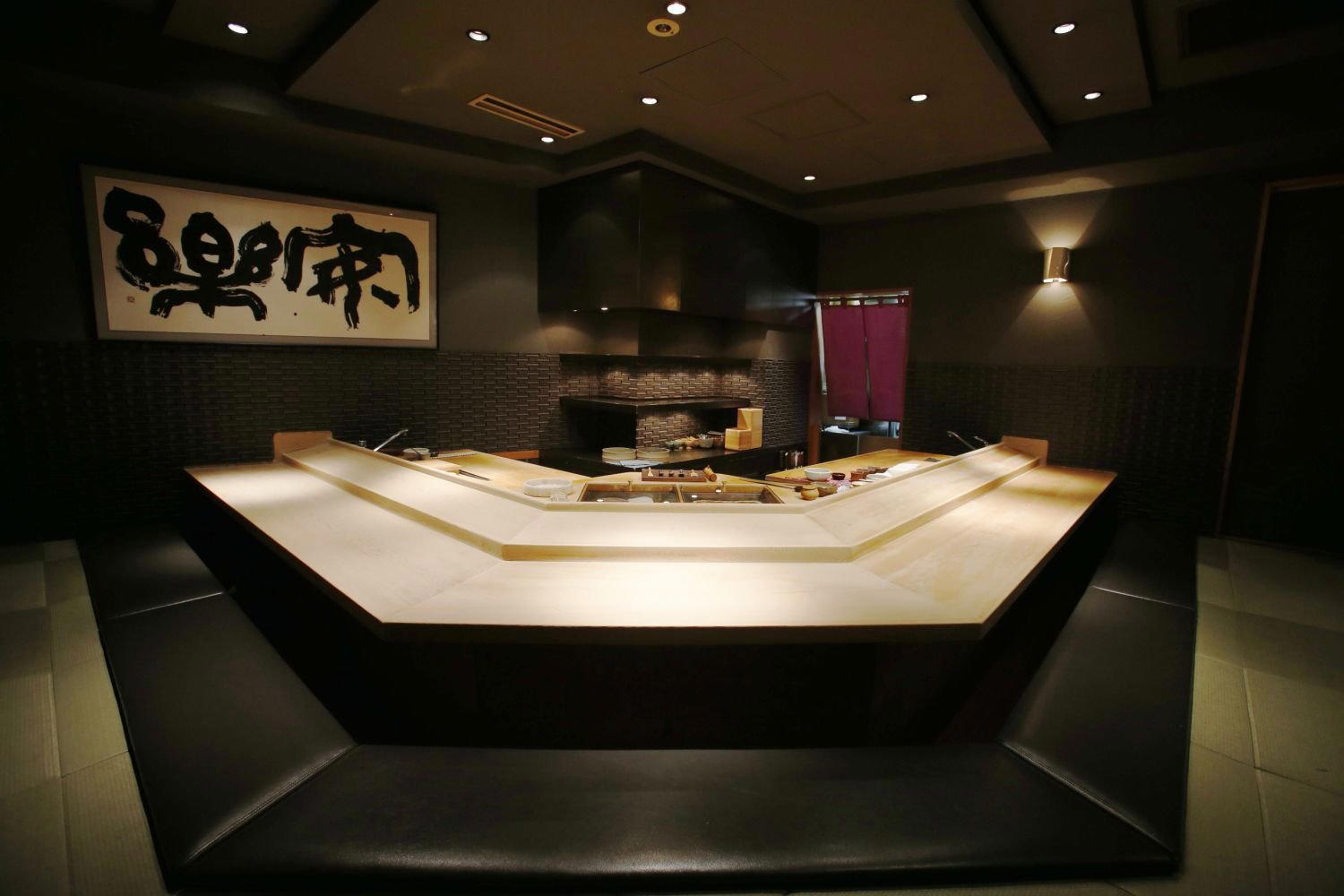
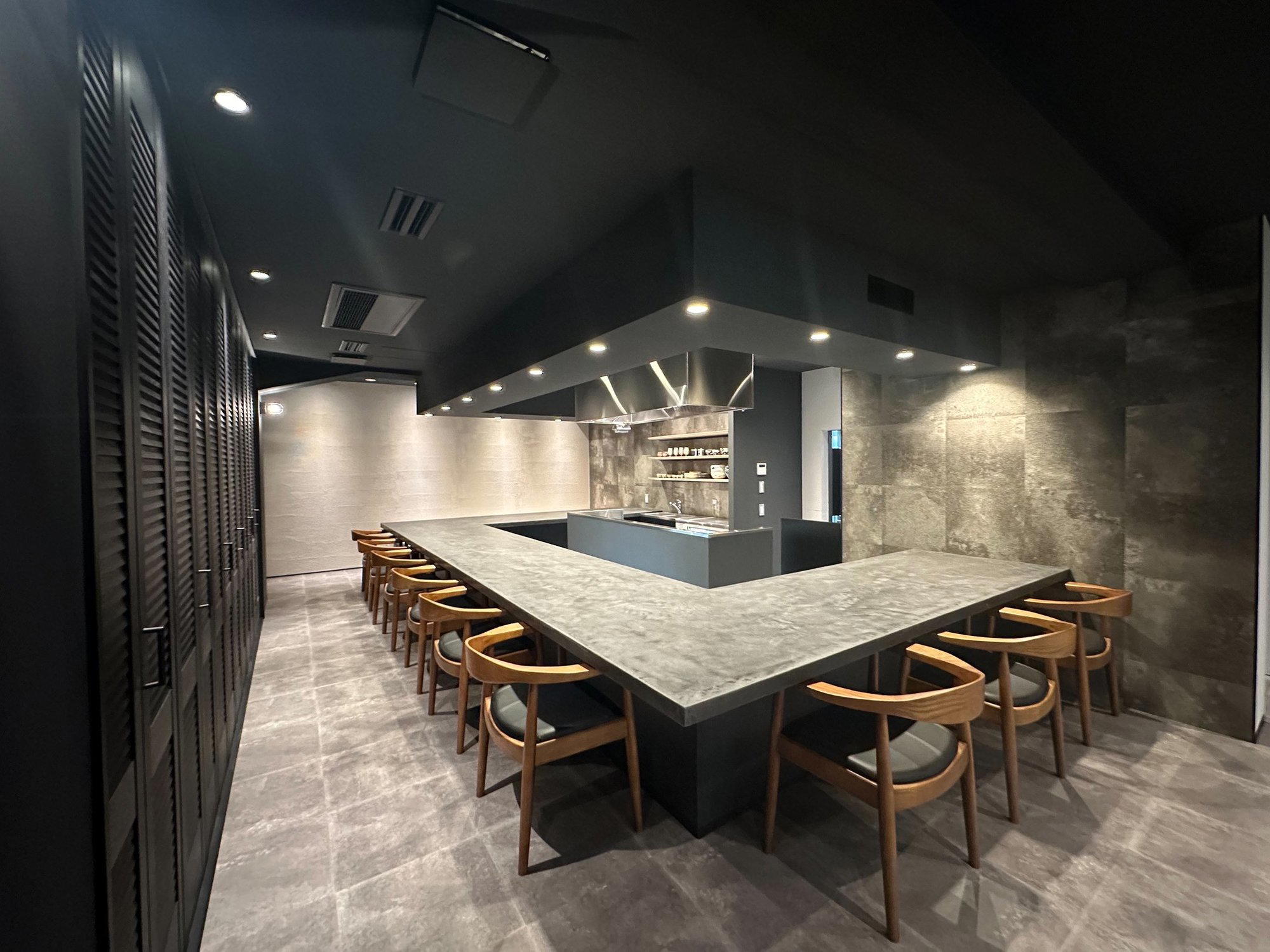
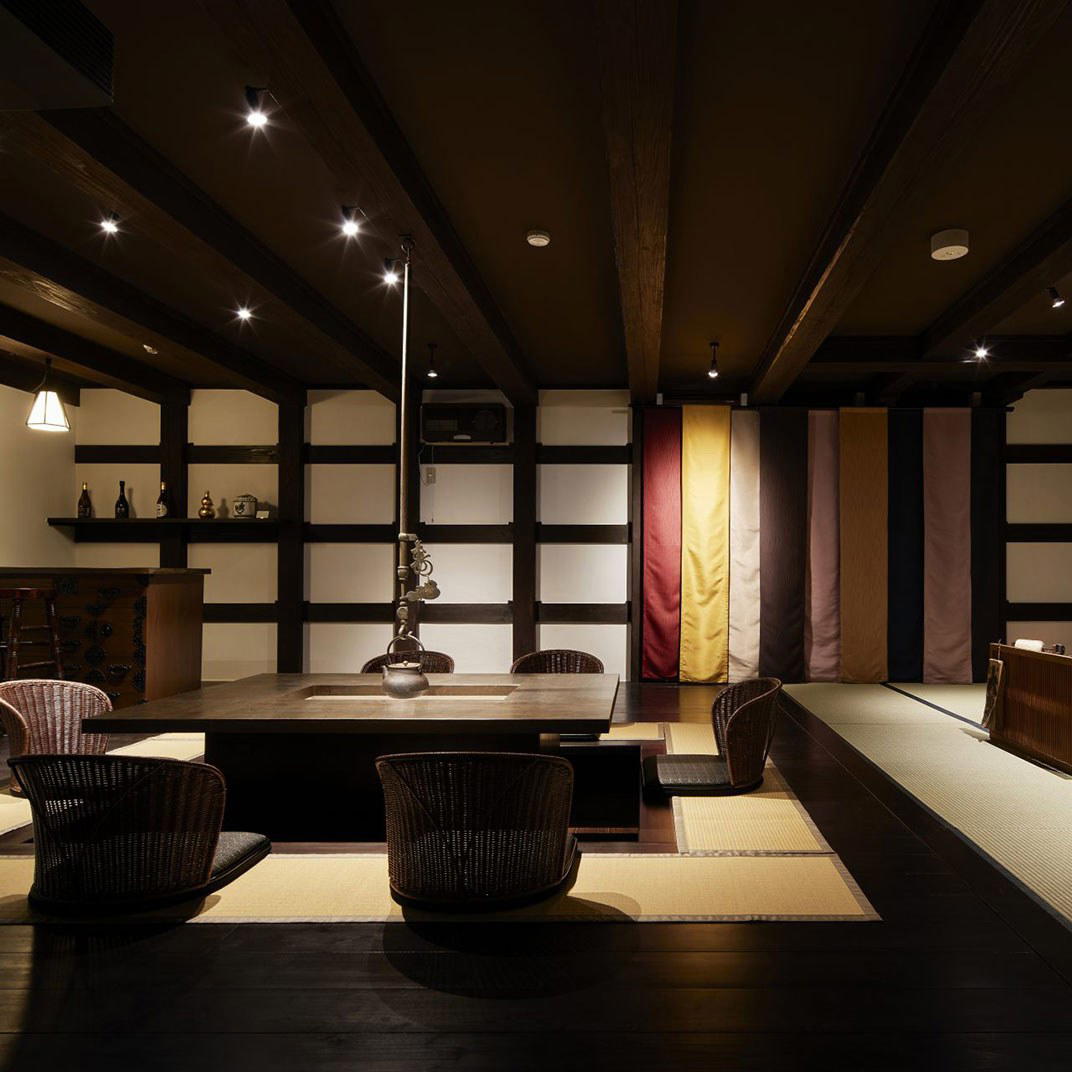
The room matters because Akita does not have the density of high-priced French rooms found in Tokyo, Kyoto, or Osaka. Counter seating shifts the experience toward the kitchen’s tempo and away from hotel-restaurant formality. That format suits a regional French restaurant where the pleasure lies in watching technique meet local product, rather than in choosing from a long à la carte list or treating the meal as pure ceremony.
Within Akita’s small serious-dining field, the closest competitive pressure comes from venues that command attention through specialization. Washoku Sugawara, also positioned in a higher dinner bracket, represents the Japanese side of that equation. Sushisho and すし匠 point toward sushi’s own ingredient-led discipline. Lady sits in a lower evening spend category and belongs to a different decision set. Against those names, Sous-sus is the French answer: not louder, not broader, but more specific in how it routes Akita produce into a European framework.
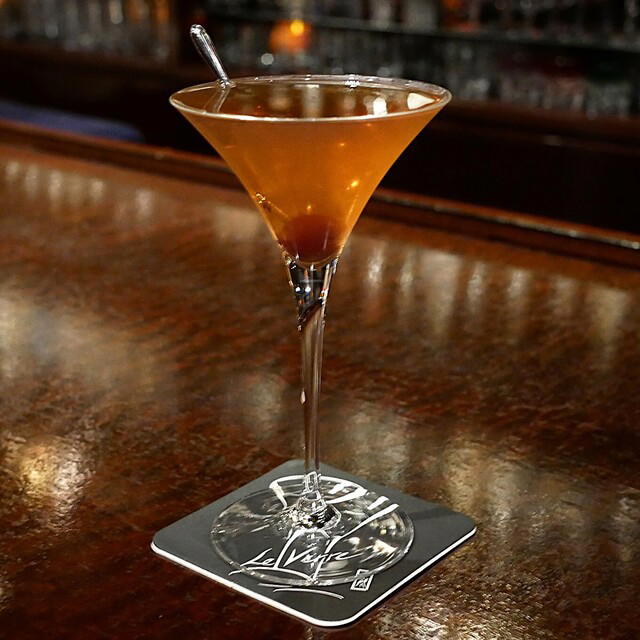
This is also why the wine signal is important. French dining in regional Japan can feel decorative when wine is an afterthought. Here, the emphasis on wine places the meal in a more serious category, especially for travelers who want Akita ingredients without spending every evening inside izakaya, sushi, or wagyu formats. For a broader scan of the city’s dining options, Our full Akita restaurants guide gives the useful wider map; for lodging and post-dinner planning, see Our full Akita hotels guide and Our full Akita bars guide.
Who should choose it, and how to think about the meal
Sous-sus is strongest for diners who already understand Akita as a food prefecture and want a different lens on it. The case for going is not that French cuisine is rare in Japan; it is that French cuisine in Akita has to answer to local expectations around seasonality, fish, and produce. That pressure can make the format more interesting than a technically polished but placeless meal in a larger city.
It is less suited to diners seeking a broad family restaurant, a casual first meal after arrival, or a venue built around private rooms. The appeal is concentration: counter seating, non-smoking room, wine attention, and a fish-led food identity. For travelers building a serious Akita itinerary, it pairs well with a meal that explores the prefecture’s beef culture, another built around Hinai-jidori, and a sake-focused stop such as Akita Kurasu. That spread gives a clearer reading of the city than repeating the same category twice.
Readers comparing Japan more broadly can place this meal alongside other specialist formats rather than direct cuisine twins: affetto akita for another Akita reference point, -Grilled beef Sukiyaki- KAMAKURA TANUKIAN 鎌倉 たぬき庵 in Kamakura for beef ritual. 鮪と炭火焼き うお炭 秋葉原店 in Tokyo for tuna and charcoal cooking.cafe in Osaka.know in Kumamoto, (Shoku) Vietnam in Kawasaki, and [Curry Senmon Ten] Maruyama Kyoju. in Sapporo for how tightly focused venues define a trip. Outside Japan, Jōdo Saké Bar in Los Angeles and Onigiri Time in Pasadena show how Japanese food culture changes when transplanted, a useful contrast to a restaurant rooted in Akita’s own supply lines.
The verdict is clear without overstating it: for travelers who treat Akita as more than a transit point to hot springs or snow-country scenery, Sous-sus gives the city a serious French address grounded in the region rather than in imitation. Add Our full Akita wineries guide and Our full Akita experiences guide when building a wider itinerary around the meal.
Frequently asked questions
Does Sous-sus work for a family meal?
It can suit a family meal if the group is comfortable with a counter-led room and no private rooms. Sous-sus serves lunch and dinner in Akita, with reservations opening on the 15th of each month at 10 AM.
How would you describe the vibe at Sous-sus?
Expect a compact, counter seating format in a stylish space, with the mood shaped by a hideout-like setting in Akita’s Omachi district. The 2026 Tabelog Bronze award and repeat Tabelog 100 French East selections from 2023 and 2025 give it clear scene credibility.
When is Sous-sus open?
Hours at Sous-sus: Tue, Wed, Thu, Fri, Sat, Sun 11:30 - 14:00 18:00 - 22:00.
Where exactly is Sous-sus?
Sous-sus is located in Akita.
Side-by-Side Snapshot
Comparable venues nearby, for context on price, style, and recognition.
| Venue | Cuisine | Price | Awards | Notes |
|---|---|---|---|---|
| Sous-susThis venue — the venue you are viewing | Classic French | Not listed | Tabelog Bronze #421 | Not listed |
| giueme | Akita Italian | $50–100 | Tabelog Bronze #85 | Daisen |
| FRUTTO | Seasonal Italian with Akita ingredients | $50–100 | Tabelog 100 #53 | Akita |
| affetto akita | Akita Italian with Local Seasonal Ingredients | $100–150 | Tabelog Bronze #6 | Honjo-Yuri |
| Moonshine | Classic Cocktail & Whisky Bar | $20–30 | Tabelog 100 #94 | Akita |
| Sake Tomi | Japanese Izakaya | $30–50 | Tabelog 100 #63 | Akita |
Recognition history
Dated appearances from independent guides and award organizations, with the underlying list record or original source where available.
Tabelog Bronze #421
Tabelog
Full recognition history (3 entries)
Tabelog 100 #82 · No. 82
Tabelog · Tabelog 100 - French - EAST - 2025
Tabelog Bronze
Tabelog
Details
- Elegant
- Intimate
- Sophisticated
- Date Night
- Special Occasion
- Sake Program
- Local Sourcing
Current opening hours
- Monday
- Closed
- Tuesday
- 6–10 PM
- Wednesday
- 6–10 PM
- Thursday
- 11:30 AM–2 PM, 6–10 PM
- Friday
- 11:30 AM–2 PM, 6–10 PM
- Saturday
- 11:30 AM–2 PM, 6–10 PM
- Sunday
- 11:30 AM–2 PM, 6–10 PM
Hours can change for holidays and private events. Last verified .
Cozy small restaurant atmosphere with thoughtful service from owner-chef and staff.