
Tabelog Bronze #433
Our verdict
An eight-seat Edo-style sushi counter in Akita's Omachi district, Sushisho has held Tabelog Bronze recognition in 2022, 2025, and 2026 and appears in the Tabelog Sushi EAST 100 list for three consecutive cycles. Dinner runs JPY 30,000–39,999 per person, service is dinner-only Tuesday through Saturday, and reservations are handled through Pocket Concierge. The format is counter omakase, solo-dining friendly, and grounded in a lineage tracing back to Sushi Takumi.

Pearl is the En Primeur Club membership app — saves, bookings, and concierge access live there. Same editors, same standards.
- Address
- 3 Chome-2-36 Omachi, Akita, 010-0921, Japan
- Phone
- +81 18-866-0014
- Hours
- Mon–Sat 6–10 PMSun Closed
- Website
- tabelog.com
- Directions
- Get directions
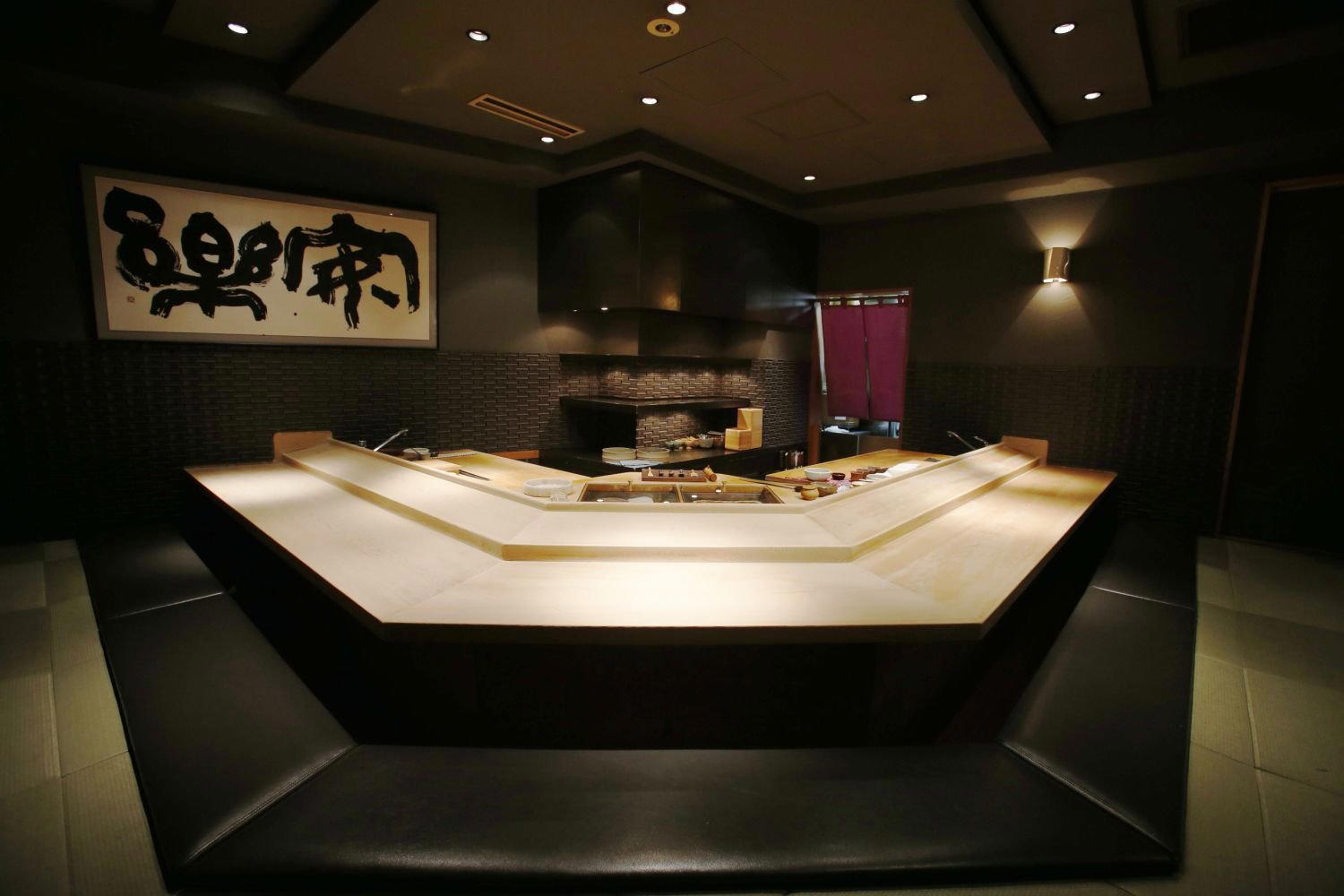
An Eight-Seat Counter at the Edge of Japan's Premium Sushi Map
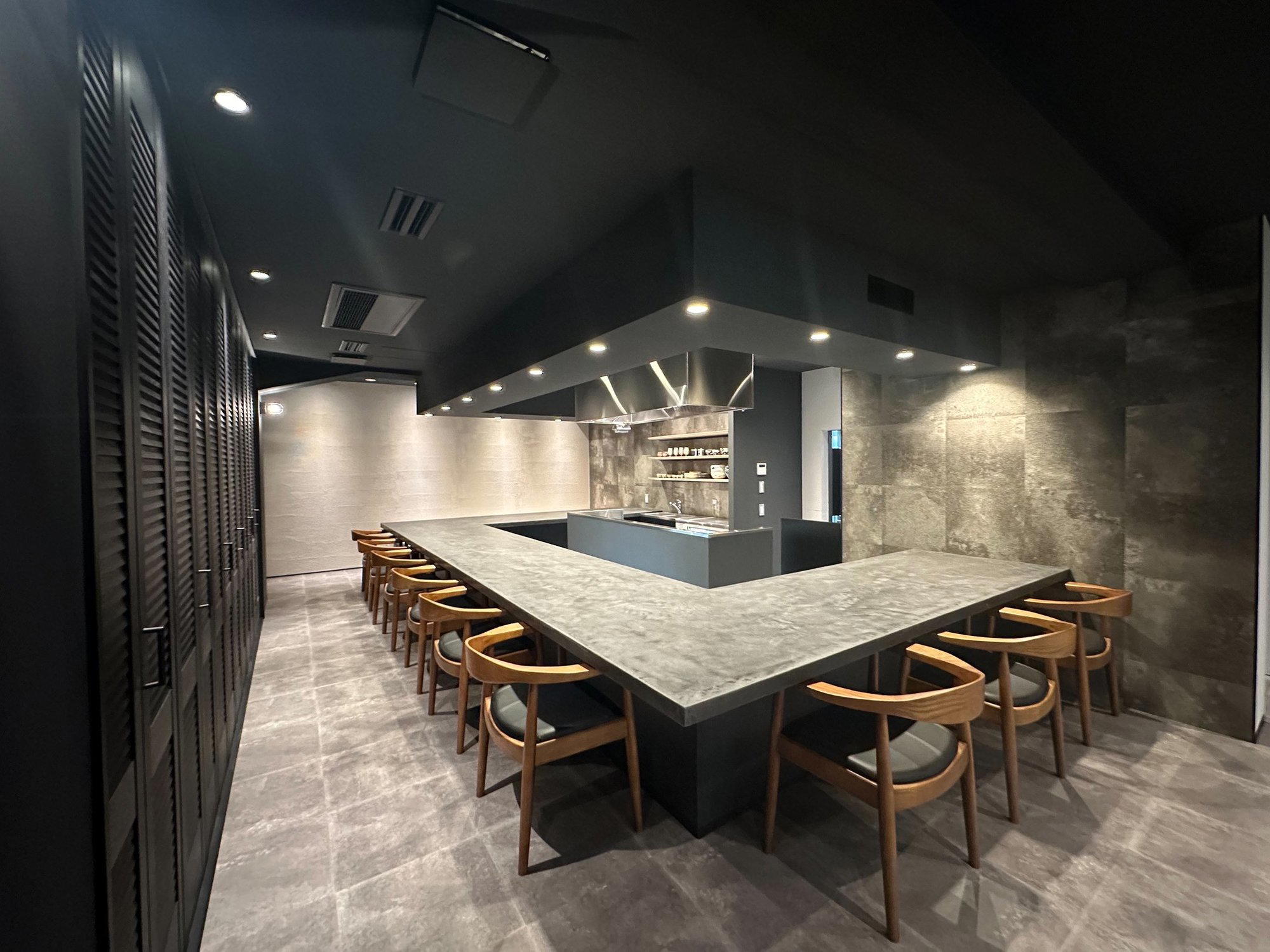
The address places Sushisho squarely in Omachi, the older commercial quarter of Akita city, within walking distance of the red-brick heritage building that gives the surrounding block its local identity. The space is described in venue records as a house restaurant — a small, self-contained structure rather than a shopfront in a dining strip — which signals something specific about the dining format before you have even sat down. Counter seating for eight means the room is configured around a single focal point, and the stylish, spacious seating arrangement suggests a counter that breathes rather than packs guests shoulder to shoulder. Arriving here after the short journey from Akita Station, roughly 1.1 kilometres through the city centre, the scale of the operation is the first thing that registers: this is a small room designed to run at high intensity.
That scale matters because premium sushi in Japan has long organised itself around exactly this kind of format. The counter omakase, eight to twelve seats, dinner-only, no printed menu, is the dominant architecture of serious sushi dining across the country. What separates the counters worth travelling for from the ones that are simply expensive is the calibre of execution within that shared framework. Sushisho's consistent appearance on the Tabelog Sushi EAST 100 list, selected in 2021, 2022, and 2025, and its Tabelog Bronze Award wins in 2022, 2025, and 2026 place it in the upper tier of sushi counters operating outside Tokyo's central dining cluster. A Tabelog score of 4.09 as of the 2026 award cycle is a meaningful data point in a scoring system where the difference between 3.8 and 4.0 represents a sharp competitive divide.
Edo-Style Sushi Outside the Capital
The Tabelog description identifies Sushisho as practising Edo-style sushi with lineage connecting through Sushi Takumi, a reference that situates it within a specific technical tradition. Edo-mae, the original Tokyo style of sushi developed in the nineteenth century, is defined by its handling of fish rather than simply its presentation: aging, curing, marinating, and applying vinegar rice at a particular temperature and compression. These are craft variables with real consequences, and the tradition demands consistent sourcing of high-quality seafood alongside the counter technique to process it properly.
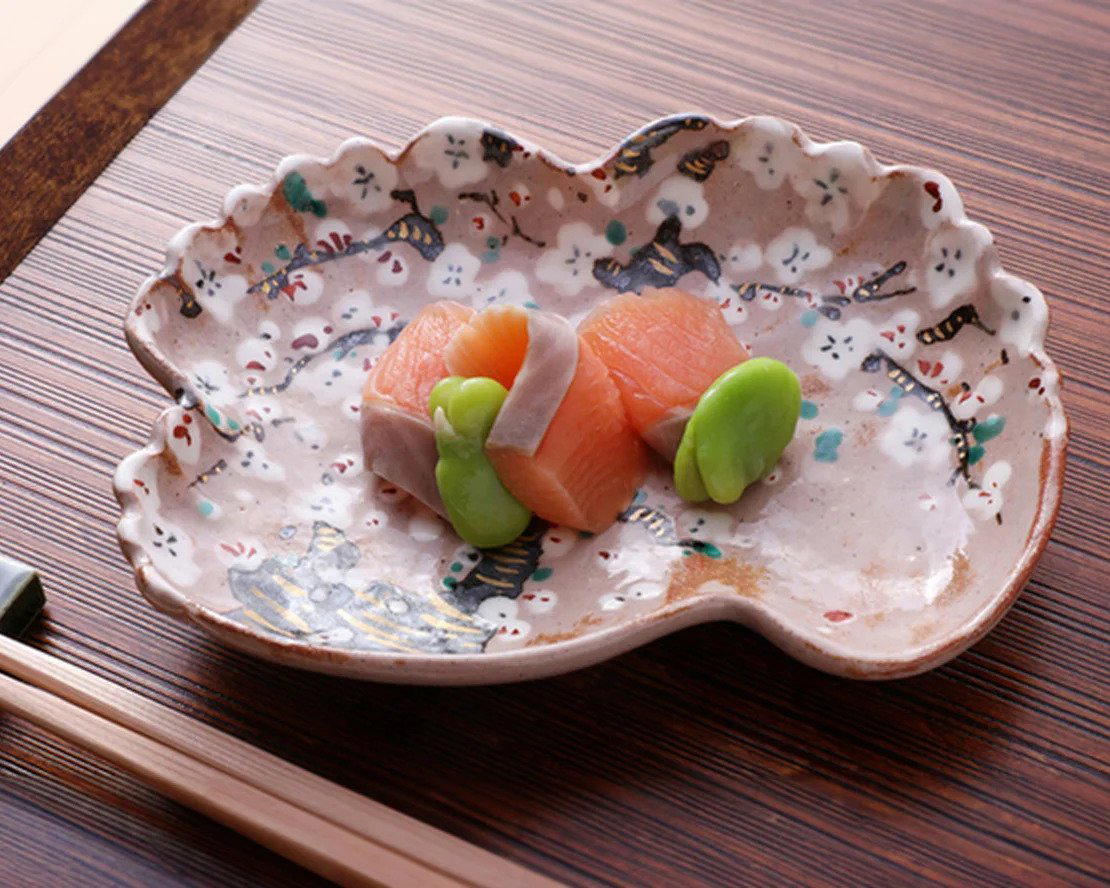
Running a serious Edo-mae counter in Akita rather than Tokyo or Osaka creates a specific set of conditions. Akita Prefecture faces the Sea of Japan, giving the city access to a cold-water catch that differs meaningfully from what Tokyo's Tsukiji and Toyosu markets supply. Counters operating outside the capital have historically faced the argument that distance from the central market compromises access to premium fish, but that argument has weakened as logistics have improved and as regional sourcing has become a point of distinction rather than a constraint. Sushisho's Tabelog record notes a particular focus on fish, which is consistent with the Edo-mae emphasis on ingredient quality and handling over decorative elaboration.
For context, the kind of Edo-mae omakase format practised at this level in Tokyo, at counters like Harutaka in Tokyo, operates within a market where peer competition is dense and diner expectations are shaped by decades of top-tier exposure. A counter achieving Tabelog recognition from a regional city is doing so against a different competitive baseline, one where the supply chain, the local dining culture, and the availability of trained staff all present harder constraints. The awards record at Sushisho suggests those constraints are being met consistently rather than occasionally.
The Counter as Collaboration
The editorial angle on any serious omakase counter is not the menu, which changes constantly, but the operating dynamic between the people running it. At an eight-seat counter, the distance between kitchen and guest collapses. The itamae behind the counter controls pacing, sequence, and the texture of the meal's arc; whoever manages sake and drink service controls whether the food is met with the right counterpoint at each stage; and the front-of-house presence, in a room this small, is a direct part of every guest's experience rather than a peripheral one.
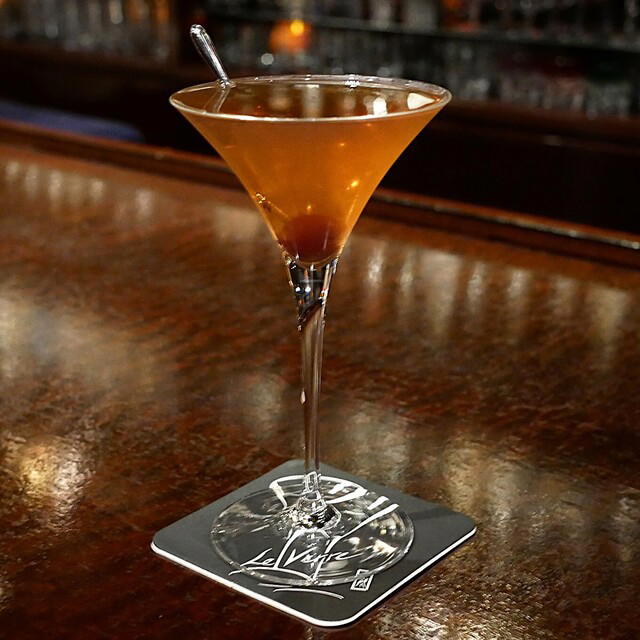
Sushisho's drink programme is built around sake, the Tabelog record flags a particular focus on nihonshu, alongside shochu and wine. At this price point and format, a sake selection is not incidental. Pairing sake with Edo-mae sushi is a considered practice that runs parallel to wine service at French fine dining counters: the logic of matching acidity, weight, and temperature to specific preparations is the same, and a counter that takes this seriously is effectively running two parallel programmes simultaneously. The coordination between the fish preparation and the drink sequence is where the collaborative quality of the operation becomes most visible to a guest paying attention.
For comparison with other Japanese formats where this kitchen-front-of-house-drink dynamic is equally weighted, see Gion Sasaki in Kyoto in kaiseki, or Goh in Fukuoka for a more chef-led tasting format. Internationally, the same tension between counter precision and service warmth is something Le Bernardin in New York City and Atomix in New York City have each resolved differently. Closer to Akita, Nihon Ryori Takamura (Kaiseki) represents the kaiseki approach to the same question of how a small team sustains a high standard across an entire evening.
Where Sushisho Sits in Akita's Dining Scene
Akita's fine dining options are limited compared to Japan's major cities, which concentrates recognition on a small number of counters operating at a serious level. Sushisho sits at the premium end of that local set, a dinner budget of JPY 30,000 to JPY 39,999 per person places it in the same bracket as the city's other leading tables and above the mid-market sushi category by a significant margin. The Tabelog 100 designation, which covers the leading sushi restaurants across the eastern Japan region, implies that the comparison set extends well beyond Akita itself and includes Tokyo-adjacent counters and serious regional operations throughout the Tohoku and Kanto areas.
Other restaurants worth knowing in Akita include affetto akita, f, giueme, and Kyu, each occupying a different position in the city's table. For a broader view of dining, drinking, and staying in the prefecture, the full Akita restaurants guide, Akita bars guide, Akita hotels guide, Akita wineries guide, and Akita experiences guide cover the wider picture. For those building a longer Japan itinerary around high-level dining, pairing Akita with stops at counters like HAJIME in Osaka, akordu in Nara, or 1000 in Yokohama allows a regional cross-section of Japanese fine dining that Tokyo alone cannot provide.
Planning a Visit
Sushisho opens Tuesday through Saturday from 18:00, with last orders at 20:30. The counter is closed Sundays, public holidays, and the Monday following a public holiday. There is no lunch service. With eight seats, availability is genuinely constrained, and the Tabelog record notes that phone reservations during service hours are often difficult to connect, the recommended route is Pocket Concierge, which handles online bookings 24 hours a day. Major credit cards are accepted (Visa, Mastercard, JCB, American Express, Diners), but electronic money and QR code payments are not. There is no private room, though the venue is available for exclusive private use as a whole. No parking is on site. The counter is non-smoking throughout.
Frequently asked questions
Is Sushisho suitable for children?
At JPY 30,000–39,999 per person for dinner, an eight-seat counter in a quiet Akita neighbourhood, this is not a setting designed around children. The omakase format runs at the kitchen's pace, and the counter seats only eight guests total, making it a poor fit for young diners.
Is Sushisho formal or casual?
The counter format is intimate rather than ceremonial, but the price point — JPY 30,000–39,999 per person — and the Tabelog Bronze Award record (2022, 2025, 2026) place it firmly in serious dining territory. Treat it as you would any high-end omakase counter: dress with care and arrive on time.
What awards or recognition does Sushisho have?
Sushisho has received recognition including: {"Year":"2026","Award Source":"Tabelog","Award Type":"The Tabelog Award","Award Group":"bronze","Award Group Rank":"433","Restaurant Name":"Sushi Sho","Score":"4.09","Budget":"Dinner: JPY 30,000 - JPY 39,999; Lunch: -","Budget Dinner":"JPY ….
What's the best thing to order at Sushisho?
There is no à la carte option: the counter serves omakase only, with the sequence set by the kitchen. The Edo-style approach, grounded in the Sushi Takumi lineage, means the selection is driven by what fish the kitchen has sourced that evening — arriving with requests or restrictions is worth discussing at the time of reservation.
What time does Sushisho open and close?
Hours at Sushisho: Mon, Tue, Wed, Thu, Fri, Sat 18:00 - 22:00.
What's Sushisho's location?
Sushisho is located at 3 Chome-2-36 Omachi, Akita, 010-0921, Japan, Akita.
Where It Fits
Comparable venues nearby, for context on price, style, and recognition.
| Venue | Cuisine | Price | Awards | Notes |
|---|---|---|---|---|
| SushishoThis venue — the venue you are viewing | Akita Edomae Omakase | $500+ | Tabelog Bronze #433 | Not listed |
| Washoku Sugawara | Seasonal Japanese Kaiseki | Not listed | Tabelog 100 #82 | Akita |
| Kyu | Charcoal-Grilled Akita Beef Yakiniku | $50–100 | Tabelog Bronze #221 | Akita |
| Takarazushibunten | Omakase Sushi | $50–100 | Tabelog Bronze #448 | Akita |
| Shinsui Chubo Sie | Japanese Izakaya | $50–100 | Tabelog 100 #18 | Akita |
| Sumibi Yakiniku Nama Horumon Dokoro Shouchan | Yakiniku & Horumon (Japanese BBQ) | $20–30 | Tabelog 100 #11 | Akita |
Recognition history
Dated appearances from independent guides and award organizations, with the underlying list record or original source where available.
Tabelog Bronze #433
Tabelog
Full recognition history (3 entries)
Tabelog Bronze
Tabelog
Tabelog 100 #57 · No. 57
Tabelog · Tabelog 100 - Sushi - EAST - 2025
Details
- Elegant
- Sophisticated
- Minimalist
- Special Occasion
- Solo
- Date Night
- Chefs Counter
- Sake Program
- Local Sourcing
- Omakase
- Counter Dining
Current opening hours
- Monday
- 6–10 PM
- Tuesday
- 6–10 PM
- Wednesday
- 6–10 PM
- Thursday
- 6–10 PM
- Friday
- 6–10 PM
- Saturday
- 6–10 PM
- Sunday
- Closed
Hours can change for holidays and private events. Last verified .
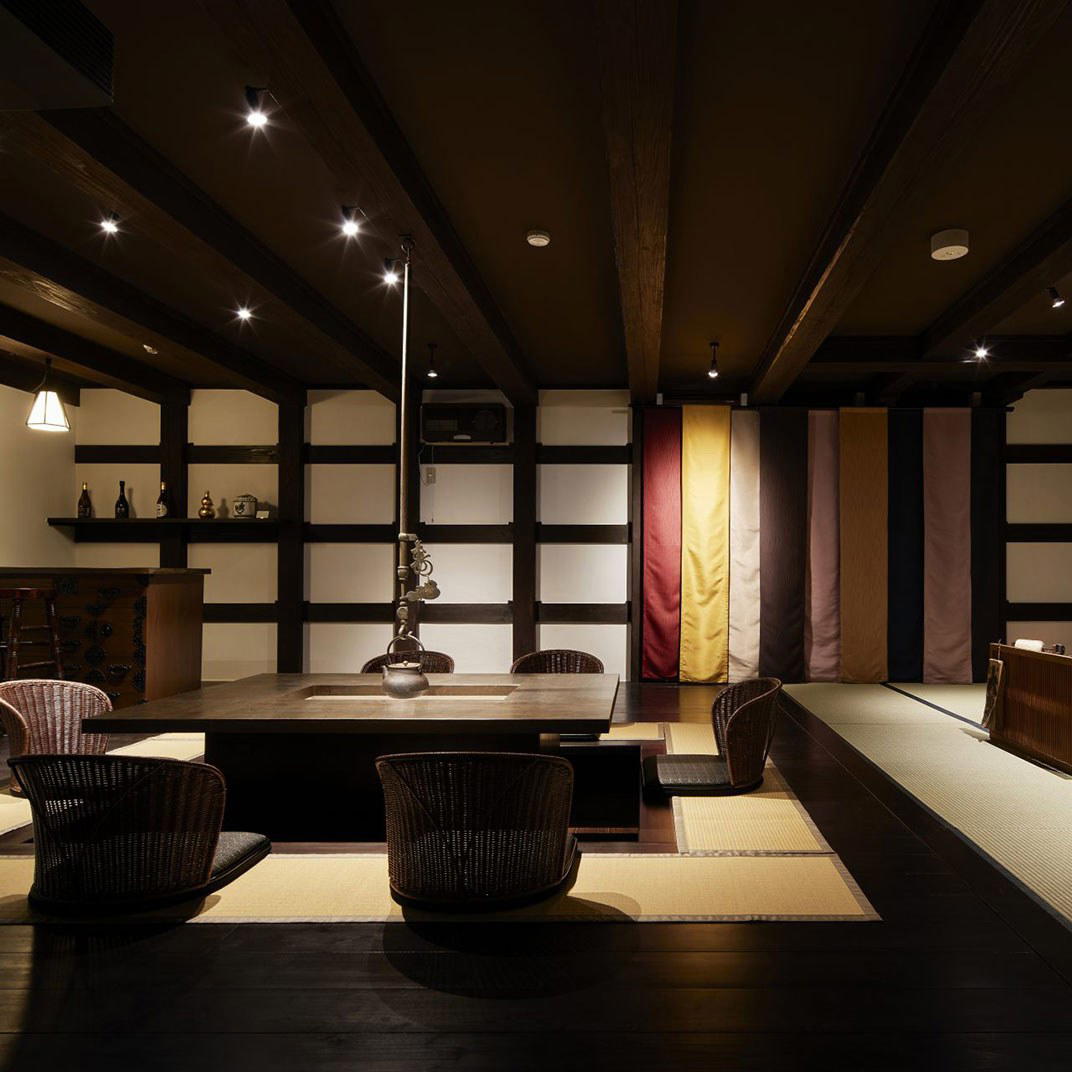
Stylish, spacious counter seating in a hideout house restaurant with a refined, sophisticated atmosphere.