


Tabelog Silver #137
Our verdict
Akita's most decorated kaiseki counter holds a Tabelog Silver Award through 2026 and has ranked inside Opinionated About Dining's top 60 restaurants in Japan for three consecutive years. Thirteen seats, membership-only access, and an evening-only format signal exactly the kind of deliberate, unhurried dining that defines Tohoku's most serious Japanese cuisine room. Dinner runs JPY 20,000–29,999.

Pearl is the En Primeur Club membership app — saves, bookings, and concierge access live there. Same editors, same standards.
- Address
- 1 Chome-7-31 Omachi, Akita, 010-0921, Japan
- Phone
- +81 18-866-8288
- Hours
- Mon–Sat 6–10:30 PMSun Closed
- Website
- akita-takamura.jp
- Directions
- Get directions
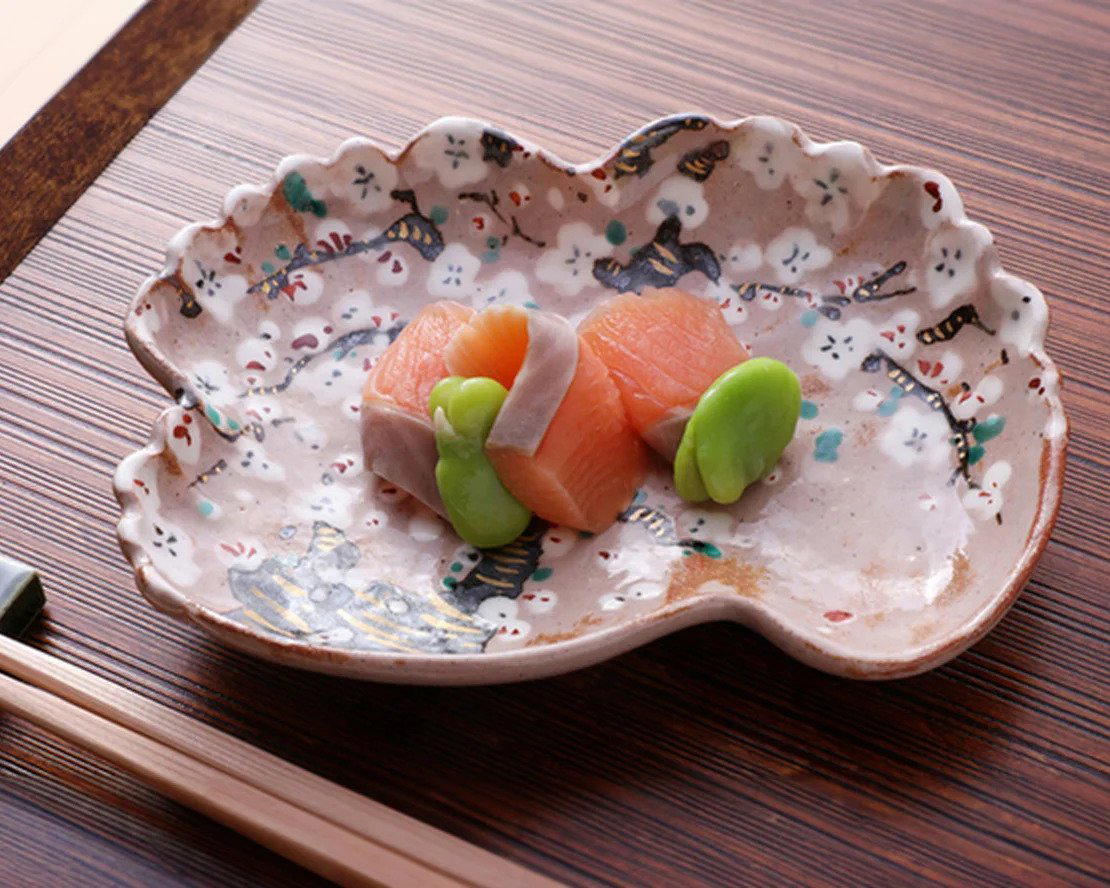
The menu
What to order
- Kabura mochi with caviar and gold leaf
- Hinai jidori over mizu konro charcoal grill
Where Edo Discipline Meets Northern Ingredients
What makes the kaiseki tradition in regional Japan worth tracking is precisely the distance from that orbit. In Akita, the proximity to the Sea of Japan's cold-water fisheries, the prefecture's sake breweries, and a more intimate local dining culture creates conditions where a serious Japanese cuisine room develops on its own terms. Nihon Ryori Takamura operates inside that context: a 13-seat, membership-only counter in Omachi, Akita City, that has sustained Tabelog Gold recognition in 2017, 2018, 2019, and 2020 before shifting to Silver from 2021 through 2026, all while appearing on Opinionated About Dining's ranking of Japan's leading restaurants in 2023 (No. 58), 2024 (No. 48), and 2025 (No. 61).
The Tabelog description frames the approach as "Edo Cuisine that Upholds Chic in the Northern Lands" — a positioning that places the restaurant inside the Edo-period culinary tradition rather than the Kyoto kaiseki lineage. The distinction matters. Edo cuisine historically emphasised brighter, more assertive seasoning and a particular reverence for fish, and Takamura's sourcing emphasis on fish aligns with that heritage. Chef Hiroki Takamura is the named figure behind the counter, but the relevant context is how the restaurant positions within the broader arc of serious Japanese cuisine outside the major metropolitan centres.
The Architecture of an Evening
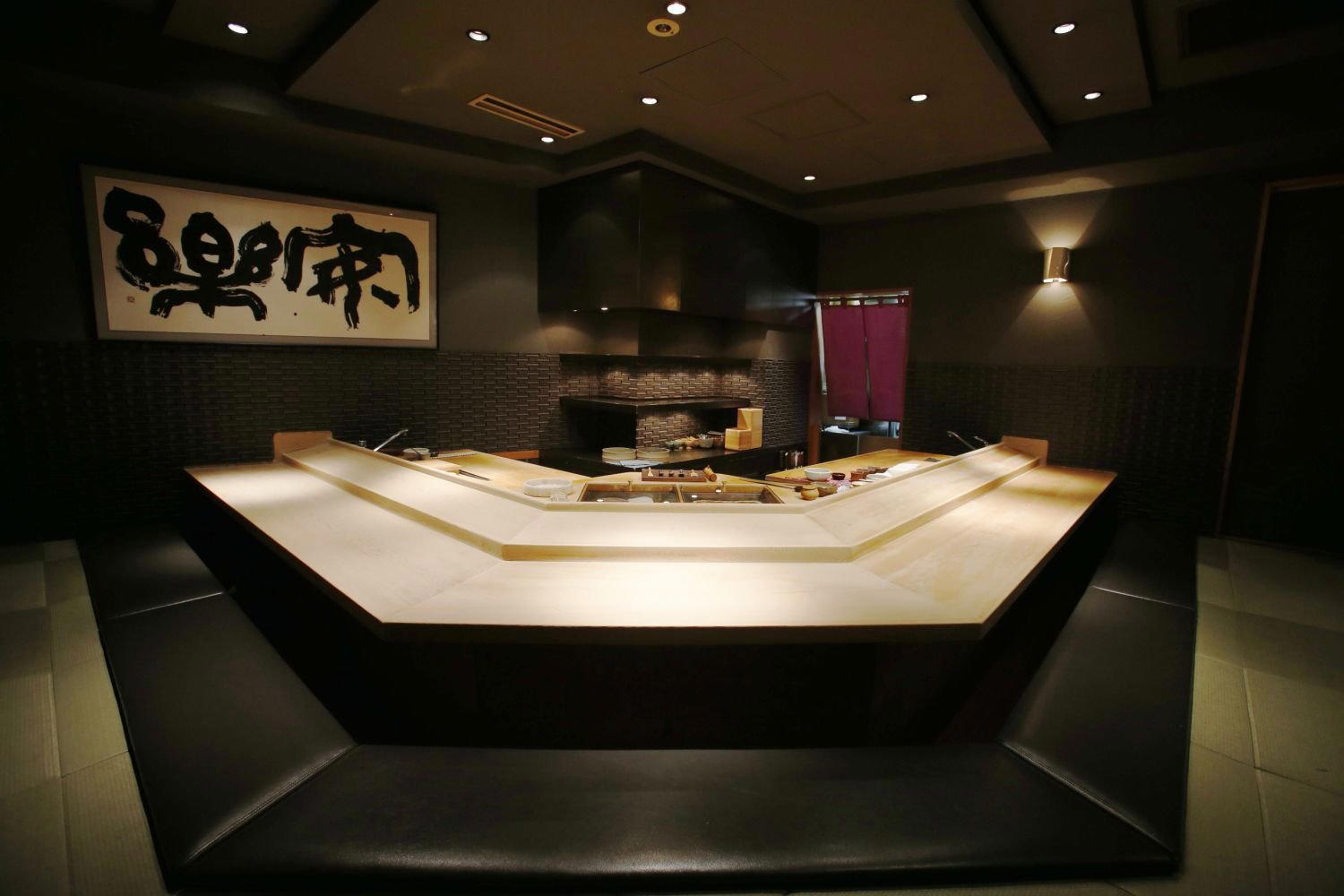
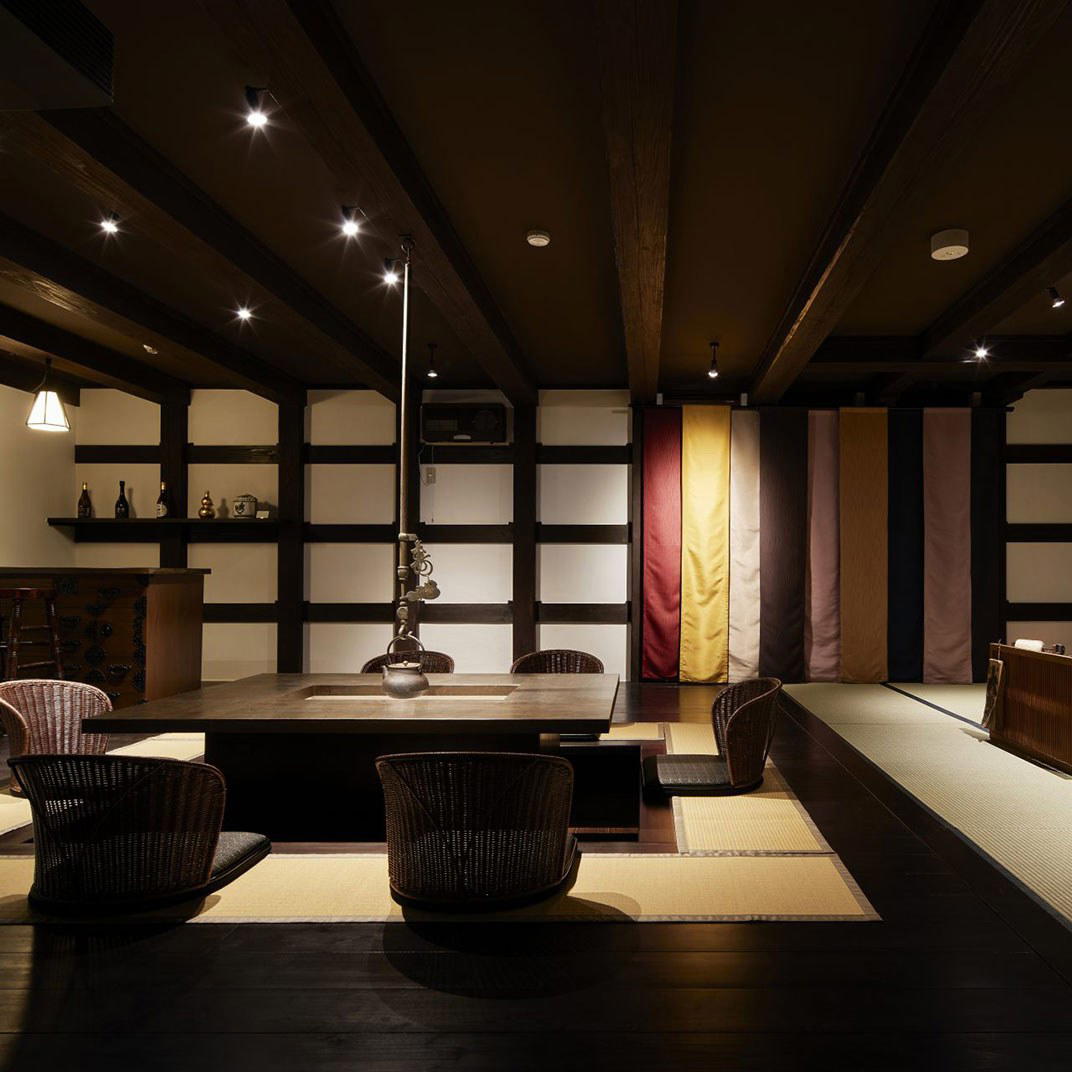
Kaiseki dining in Japan is, fundamentally, a study in pacing. The meal is not a sequence of courses in the Western sense but a progression of moments, each calibrated to a particular time of year, a particular temperature, a particular vessel. At 13 seats, split between seven counter positions and a sunken kotatsu arrangement for six, Takamura operates at a scale where that calibration remains possible in a way it cannot in larger rooms. The counter format allows guests to observe preparation directly, which in Japanese dining custom is itself a form of communication between kitchen and table.
The evening hours — 6:00 pm to 10:30 pm, Monday through Saturday, impose their own discipline. There is no lunch service; the kitchen's full attention is directed at a single sitting window. That constraint is a structural choice common to serious kaiseki and omakase operations, and it shapes both the pace of service and the condition of ingredients when they reach the table. Dinner pricing sits in the JPY 20,000–29,999 range, which positions Takamura at the upper tier of Akita's dining options while remaining below the JPY 30,000+ bracket of Japan's most expensive tasting menus. For context, Kyoto kaiseki rooms with equivalent recognition frequently price above that ceiling.
The drink program reflects its northern location: the restaurant is noted for a particular focus on sake (nihonshu) and shochu, with Akita being one of Japan's recognised sake-producing prefectures. The cold climate and pure snowmelt water that make Akita rice and sake agriculture possible are the same conditions that shape the ingredient selection on the plate. The connection between the cup and the course is geographical, not decorative.
Recognition in Context
Tabelog's award structure provides a useful frame for understanding Takamura's position within Japanese dining. The Gold tier, which Takamura held from 2017 through 2020, represents roughly the top 0.1% of reviewed restaurants on the platform. The shift to Silver from 2021 onward coincided with broader competitive recalibration across the platform rather than any single identifiable change at the restaurant, and the 4.44 score in 2026 remains well above the Silver threshold. Inclusion in the Tabelog Japanese Cuisine EAST "100" list in 2021, 2023, and 2025 adds a geographic specificity to that recognition, these are the 100 Japanese cuisine restaurants in eastern Japan that the platform's data consistently identifies as reference points.
Opinionated About Dining's parallel recognition (No. 48 in Japan in 2024) situates Takamura within the international critical conversation about Japanese cuisine, alongside restaurants like Harutaka in Tokyo, HAJIME in Osaka, and Goh in Fukuoka. Being ranked within the top 50 restaurants in one of the world's most competitive food cultures, from a city that receives a fraction of the international visitor traffic of Tokyo or Kyoto, is the clearest signal available that what happens at this counter travels beyond local reputation.
Membership, Access, and the Deliberate Guest
The membership-only structure noted in the Tabelog record is a meaningful filter. Restaurants that operate on this model are, in effect, choosing the consistency of a known guest base over the revenue upside of open reservation access. In kaiseki specifically, where the chef calibrates the pace and composition of the meal against the room's energy, that choice has culinary as well as commercial logic. The restaurant previously operated from a basement floor at 3-1-7 Sanno before relocating to its current Omachi address, and the membership structure has carried across that transition.
For visiting guests seeking access, the reservation process requires direct contact rather than a third-party booking platform. The restaurant accepts major credit cards (Visa, Mastercard, JCB, Amex, Diners), which is practical information for international visitors who might otherwise arrive underprepared. Four parking spaces are available on-site, and the address in Omachi places the restaurant approximately 1.5 kilometres from Akita Station, close enough to reach by taxi in under ten minutes. Private room use is available for groups of up to 20 people, which expands the format's applicability for business occasions, an occasion category that Tabelog reviewers consistently identify as a fit for this restaurant.
Akita's Dining Position
Akita City's dining scene operates at a smaller scale than Sendai or Niigata but has a concentration of serious Japanese cuisine rooms that reflects both the prefecture's agricultural wealth and a local culture with genuine investment in the table. Within that context, the range of options spans from Takamura's kaiseki discipline to the Italian-influenced cooking at affetto akita, the focused format at f, the intimate setting at giueme, the counter at Kyu, and the izakaya format of Shuhai at a more accessible price point.
For visitors building a Tohoku itinerary, the city sits on the Akita Shinkansen line with direct connections to Tokyo (approximately three hours and forty minutes). That access makes a single-night stay for a kaiseki dinner at this level a realistic proposition rather than a detour. Guides to the broader city are available through our full Akita restaurants guide, and for those planning a longer stay, our full Akita hotels guide, our full Akita bars guide, and our full Akita experiences guide cover the full picture. Comparable kaiseki rooms outside this region are profiled at Ifuki in Kyoto and akordu in Nara, and 1000 in Yokohama offers a point of comparison for high-precision Japanese dining in a similarly non-capital city setting.
Planning Your Visit
Nihon Ryori Takamura operates Tuesday through Saturday, 6:00 pm to 10:30 pm, with Sunday and public holidays closed. Dinner pricing is JPY 20,000–29,999 per person. The restaurant is membership-based; contact via telephone at 018-866-8288 or through the restaurant website at akita-takamura.jp to enquire about reservation access. Major credit cards are accepted. Four on-site parking spaces are available. The Omachi address in central Akita is accessible by taxi from Akita Station in under ten minutes.
Frequently asked questions
Who's behind the kitchen at Nihon Ryori Takamura?
The chef associated with Nihon Ryori Takamura is Hiroki Takamura.
What dish is Nihon Ryori Takamura famous for?
Takamura does not publish a signature dish, which is consistent with the kaiseki format. The menu follows seasonal availability, and the Tabelog record notes a particular focus on fish. That discipline has earned the restaurant consecutive Tabelog Gold awards in 2018–2020 and Silver recognition every year from 2021 through 2026, with a current score of 4.44.
What are the operating hours at Nihon Ryori Takamura?
Hours at Nihon Ryori Takamura: Hours: Monday 6–10:30 pm Tuesday 6–10:30 pm Wednesday 6–10:30 pm Thursday 6–10:30 pm Friday 6–10:30 pm Saturday 6–10:30 pm Sunday Closed.
Recognition Snapshot
Comparable venues nearby, for context on price, style, and recognition.
| Venue | Cuisine | Price | Awards | Notes |
|---|---|---|---|---|
| Nihon Ryori TakamuraThis venue — the venue you are viewing | Edo Ryori (Traditional Tokyo-Style Japanese Cuisine) | $150–200 | Tabelog Silver #137 | Not listed |
| Kyu | Charcoal-Grilled Akita Beef Yakiniku | $50–100 | Tabelog Bronze #221 | Akita |
| Sushisho | Akita Edomae Omakase | $500+ | Tabelog Bronze #433 | Akita |
| Hinai Jidori Kushi Sot l'y laisse | Hinai-jidori yakitori counter | $50–100 | Tabelog 100 #17 | Akita |
| Shinsui Chubo Sie | Japanese Izakaya | $50–100 | Tabelog 100 #18 | Akita |
| N | Northern Japanese | Not listed | Not listed | Akita |
Recognition history
Dated appearances from independent guides and award organizations, with the underlying list record or original source where available.
Opinionated About Dining Top Restaurants in Japan Ranked #79
Opinionated About Dining
Tabelog Silver #137
Tabelog
The Japan Times Destination Restaurants Destination Restaurants Selection #3
The Japan Times Destination Restaurants
Full recognition history (8 entries)
Opinionated About Dining Top Restaurants in Japan Ranked #61
Opinionated About Dining
Tabelog Silver
Tabelog
Tabelog 100 #34 · No. 34
Tabelog · Tabelog 100 - Japanese cuisine - EAST - 2025
Opinionated About Dining Top Restaurants in Japan Ranked #48
Opinionated About Dining
Opinionated About Dining Top Restaurants in Japan Ranked #58
Opinionated About Dining
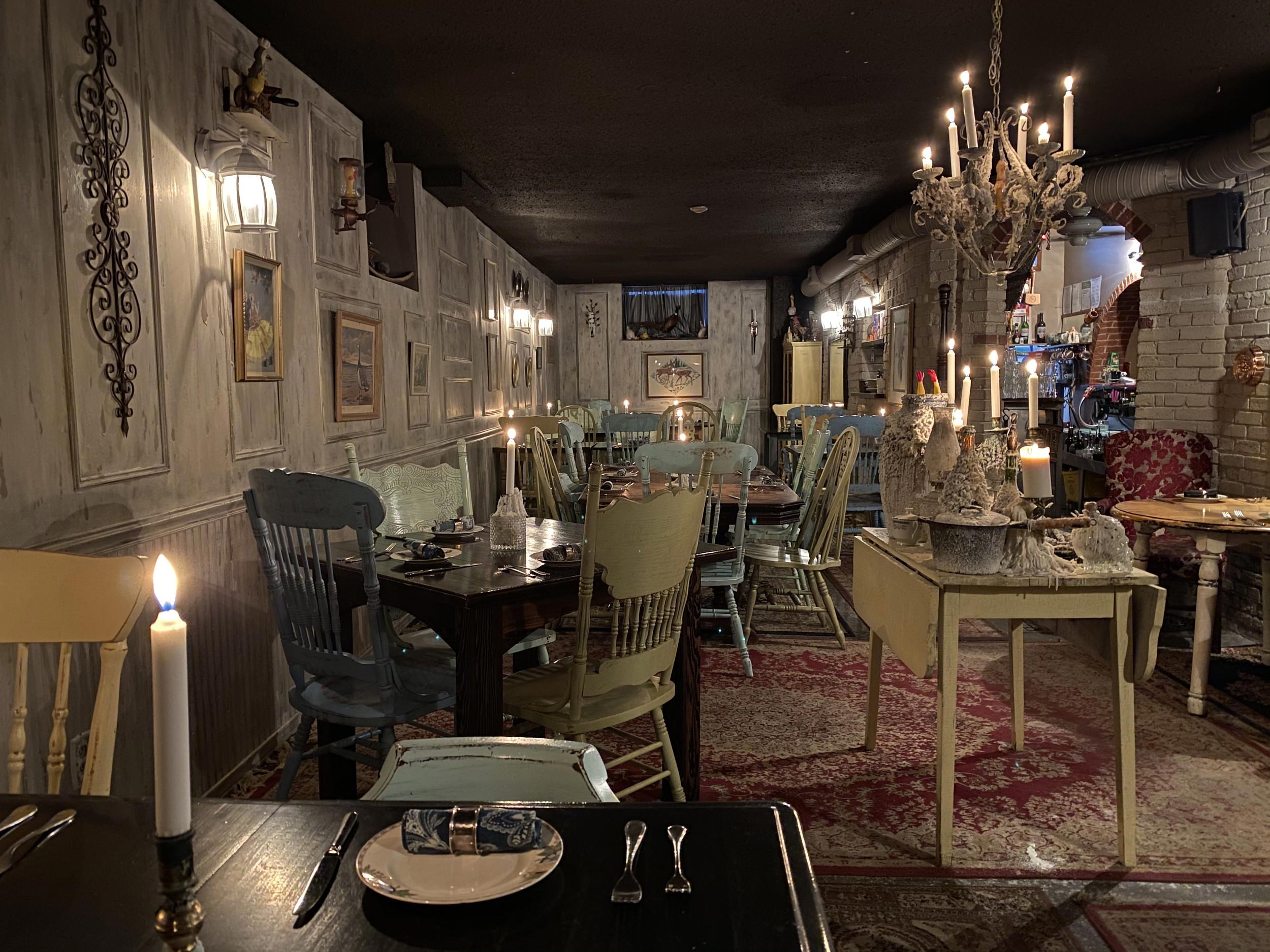
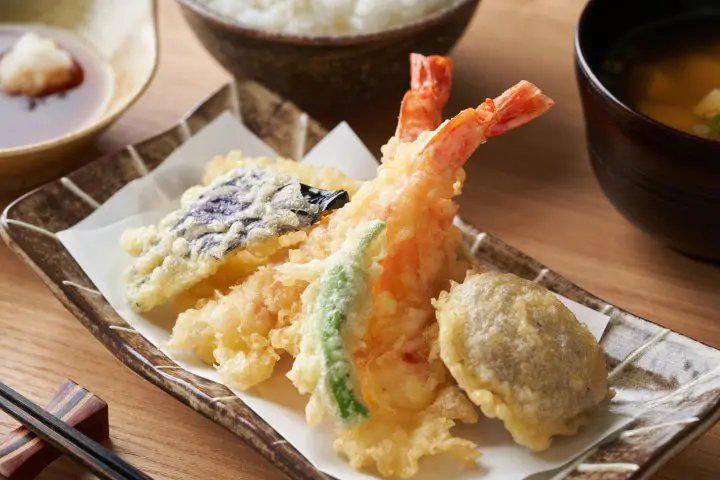
Details
- Elegant
- Quiet
- Sophisticated
- Intimate
- Special Occasion
- Date Night
- Celebration
- Chefs Counter
- Open Kitchen
- Standalone
- Sake Program
- Local Sourcing
- Counter Dining
- Tasting Menu
- Set Menu
- Premium Local Sake
Current opening hours
- Monday
- 6–10:30 PM
- Tuesday
- 6–10:30 PM
- Wednesday
- 6–10:30 PM
- Thursday
- 6–10:30 PM
- Friday
- 6–10:30 PM
- Saturday
- 6–10:30 PM
- Sunday
- Closed
Hours can change for holidays and private events. Last verified .
Serene and refined with delicate ceramics and lacquerware; intimate counter seating overlooking an open kitchen where dishes are artfully prepared with meticulous attention to seasonal ingredients and presentation.