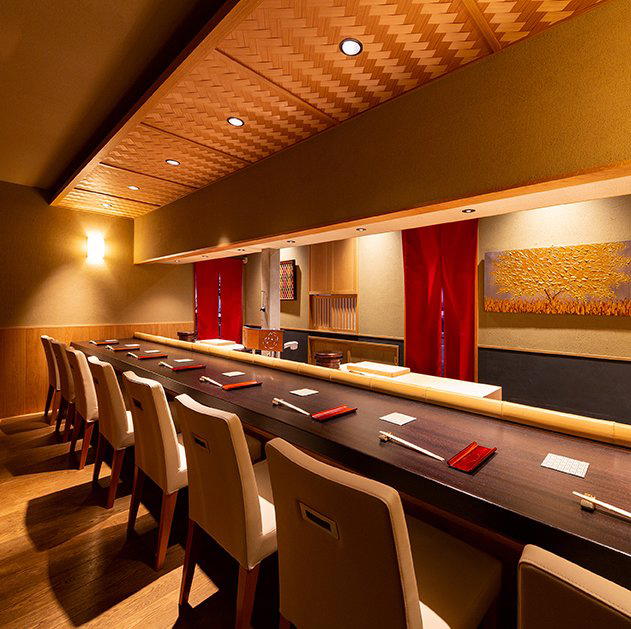
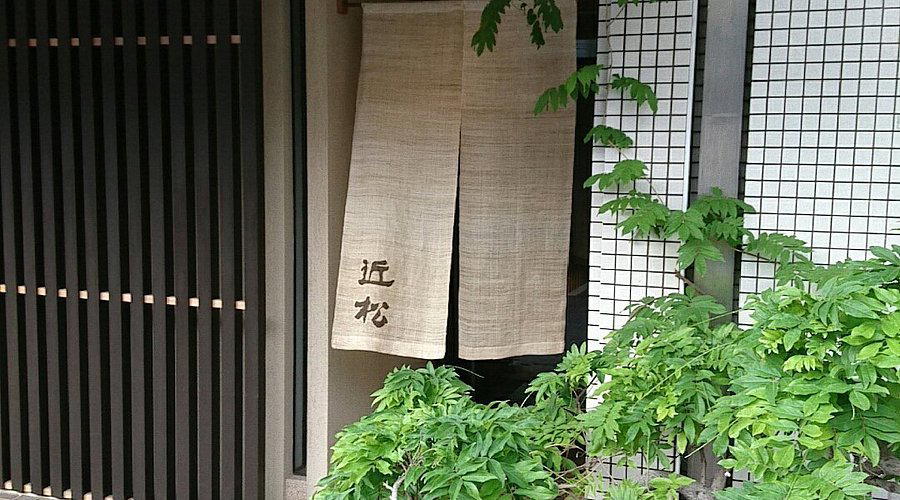
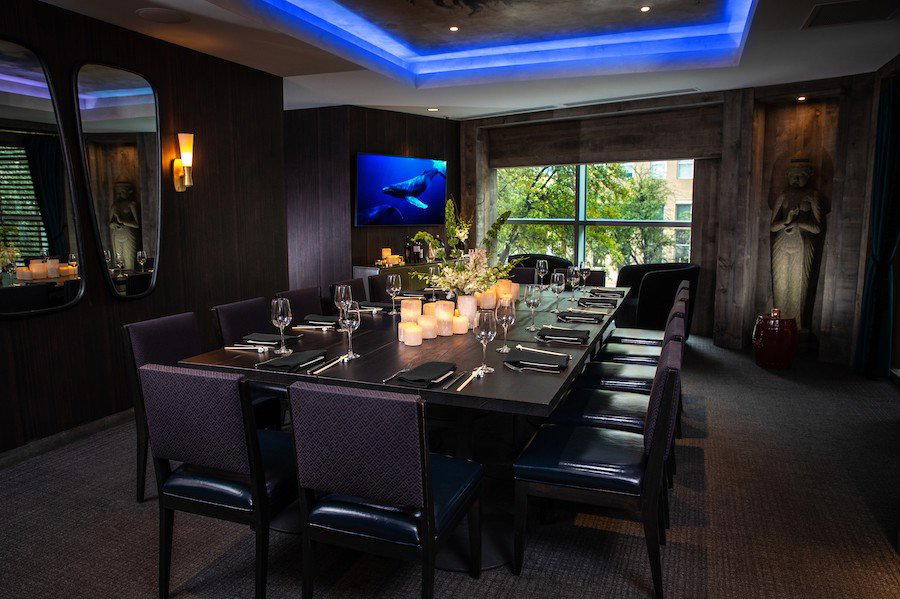
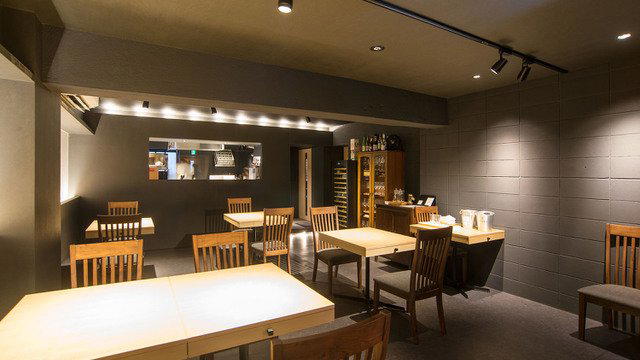
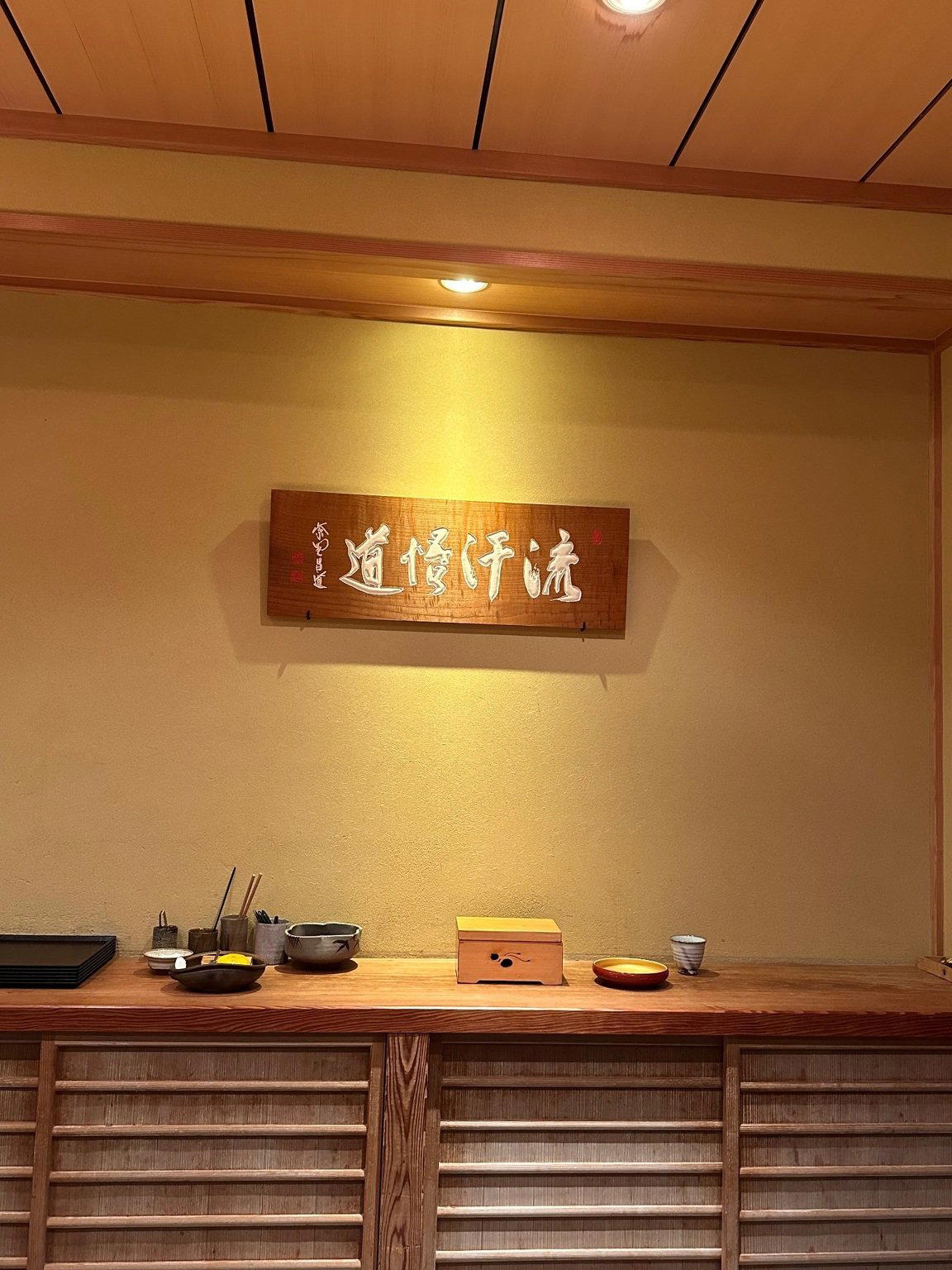
Situated in Fukuoka's Sakurazaka district, 毎淡 occupies a quieter register within a city whose dining scene runs considerably louder. The restaurant's address places it among Chuo Ward's more considered dining streets, where the pace of a meal tends to be set by the kitchen rather than the room. For travellers building a serious Fukuoka itinerary, it warrants attention alongside the city's recognised counter-format restaurants.
Pearl is the En Primeur Club membership app — saves, bookings, and concierge access live there. Same editors, same standards.
- Address
- 1 Chome-5-15 Sakurazaka, Chuo Ward, Fukuoka, 810-0024, Japan
- Phone
- +81926009478
- Website
- yoyaku.at
 Saves & bookings on Pearl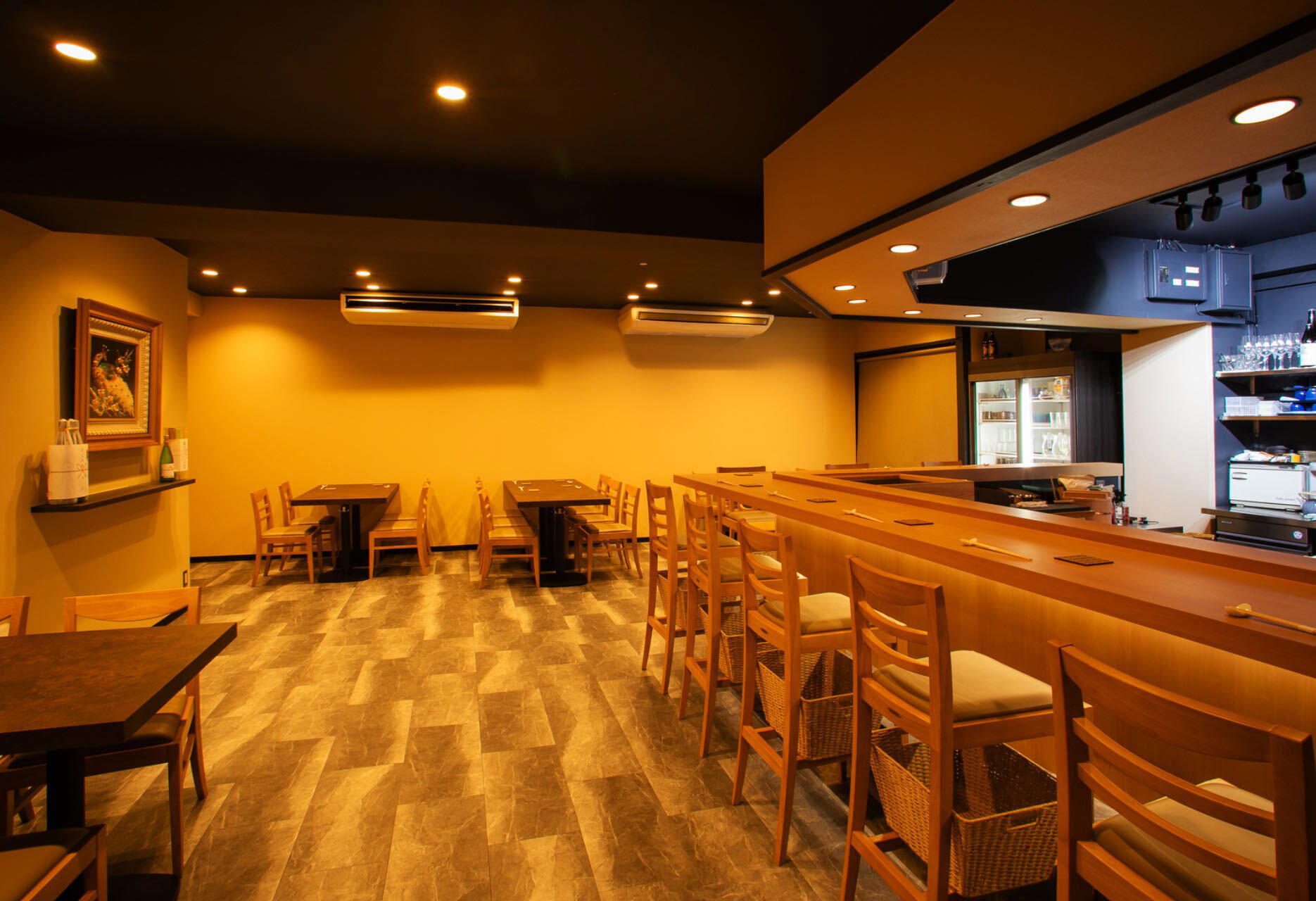
Sakurazaka's Quieter Register
Fukuoka's dining reputation is typically told through its ramen alleys and yatai stalls, the low-lit cart culture along the Naka River that draws visitors looking for noise and proximity. Chuo Ward's Sakurazaka district runs at a different frequency. The streets around 1 Chome-5-15 are residential in feel, and restaurants here tend to draw a local clientele that values discretion over profile. This is the part of the city where a serious meal happens without announcement, where the dining room fills through word of mouth and the reservation list stays tight. 毎淡 sits at 1 Chome-5-15 Sakurazaka, Chuo Ward, Fukuoka, Japan.
That positioning within Sakurazaka matters when thinking about how Fukuoka's restaurant scene has stratified over the past decade. The city has produced a growing tier of counter-format and intimate dining rooms that operate in deliberate contrast to its street-food identity. Properties like Chikamatsu (Sushi) and Goh (French) have established that Fukuoka can hold its own against the senior dining cities. 毎淡 occupies a place within this emerging serious-dining tier, in a neighbourhood where the surroundings set expectations before the first course arrives.
The Rhythm of the Meal
In Japan's counter-format restaurants, the meal is rarely just an exchange of dishes. The pacing is itself the communication: the interval between courses, the temperature of service, the moment a chef adjusts an element based on what they observe at the counter. This dining ritual, most developed in kaiseki and omakase formats, shapes how guests are expected to arrive and behave. You come on time, you come attentive, and you follow the kitchen's lead on when the meal begins and ends. It is a format that demands something of both parties.
This tradition is well-established across Japan's dining culture, and Fukuoka's counter restaurants have absorbed it with a regional inflection. Where Tokyo's omakase counters can carry a certain formality reinforced by reputation and Michelin positioning, Fukuoka's equivalent rooms often run with slightly more warmth, a product of the city's broader hospitality culture. The ritual is still present, still structuring the meal, but the atmosphere tends to be less hierarchical. Across Japan, restaurants at this level share certain operational signals: limited seating, pacing controlled by the kitchen, a presumption that the guest has come to pay attention. For context on how that format plays out at the highest level of Japanese dining, Harutaka in Tokyo and Gion Sasaki in Kyoto represent established reference points for how those conventions operate in their respective cities.
Fukuoka in Context
Fukuoka has historically been undercounted in Japan's dining conversation, overshadowed by the Michelin density of Tokyo and Kyoto. That is changing. The city's position as a gateway to Kyushu, combined with its access to exceptional local seafood from Genkai Sea and Ariake Sea, and proximity to Saga beef and regional agricultural products, gives its kitchens material that restaurants in other Japanese cities have to source from a distance. The serious dining addresses here are building on a genuine larder, not compensating for the absence of one.
Within that context, Sakurazaka's restaurant cluster occupies a particular role. It is not the flashpoint of Fukuoka's dining scene, which tends to get written about in terms of its ramen and Hakata-style izakayas. It is, instead, where the city's more considered dining addresses have taken root. Asago and Bekk are among the names in the broader Chuo Ward area that have helped establish this part of Fukuoka as a reliable address for serious dining. Beef Taigen (Beef泰元) represents another facet of the city's premium dining offer, anchored in the quality of Kyushu's beef production. These restaurants collectively represent a shift in how Fukuoka positions itself to visitors who come specifically to eat well.
For comparison across Japan's regional dining scene, the counter-format experience in cities like Nara and Osaka has developed along similar lines. akordu in Nara and HAJIME in Osaka both demonstrate how Japan's regional cities have developed serious fine-dining addresses that compete on specific credentials rather than volume. Further afield, aki nagao in Sapporo, affetto akita in Akita, Aji Arai in Oita, Ajidocoro in Yubari District, Akakichi in Imabari, and Abon in Ashiya each illustrate how Japan's regional dining scene has expanded well beyond its metropolitan centres. Internationally, the counter-and-ritual format has found equivalents in venues like Lazy Bear in San Francisco and the rigorous tasting-menu tradition at Le Bernardin in New York City, though the Japanese iteration carries a structural discipline those formats approximate rather than replicate.
Planning a Visit
The Sakurazaka address in Chuo Ward is accessible from Fukuoka's central transport corridors, and the neighbourhood is walkable from several of the city's key accommodation zones. Reservations are essential, and booking well in advance is prudent. Fukuoka's serious dining rooms tend to fill through personal referral and repeat guests, so patience with the reservation process is the norm.
Cuisine-First Comparison
Comparable venues nearby, for context on price, style, and recognition.
| Venue | Cuisine | Price | Awards | Notes |
|---|---|---|---|---|
| 枯淡This venue — the venue you are viewing | japanese | , | ||
| Hakata Daruma (博多だるま) | Traditional Hakata Tonkotsu Ramen | $$ | , | Chuo (Watanabedori) / Hakata |
| æç åç¿ | Japanese Coffee House | , | Chūō | |
| Motsunabe Rakutenchi Tenjin Imaizumi So-Honten | Hakata Motsunabe | $$ | , | Chūō |
| Yakiniku Horumon Jinsei Daichan | Yakiniku & Horumon Izakaya | $$ | , | Higashi |
| Tonkatsu Wakaba | Tonkatsu (Japanese pork cutlet) | $$ | , | Chūō |