Our verdict
Located in Fukuoka's Yakuin neighbourhood, this Chuo Ward address sits within one of the city's most concentrated clusters of specialist dining. With cuisine type and full details currently limited, the venue is best approached through EP Club's broader Fukuoka coverage and direct inquiry for current availability and format.

Pearl is the En Primeur Club membership app — saves, bookings, and concierge access live there. Same editors, same standards.
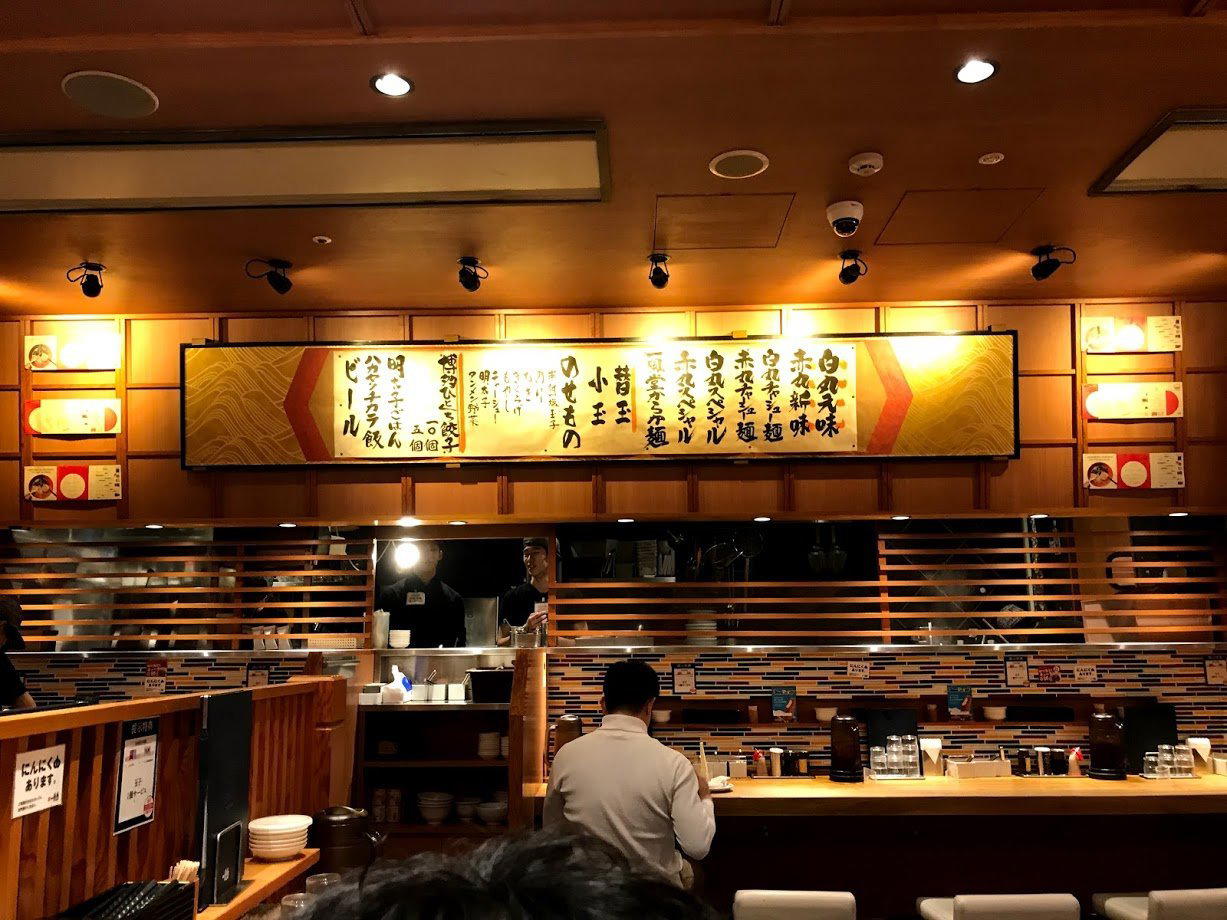
The menu
What to order
- Fuwa-Fuwa Hoshino Souffle
- Classic Omu Rice
Yakuin and the Quieter Side of Fukuoka's Dining Map
Fukuoka's reputation in Japan's culinary conversation tends to arrive via two loud signals: the tonkotsu ramen counters of Nakasu and the seafood markets drawing day-trippers from across Kyushu. Neither tells the full story. The Yakuin district, a low-rise residential and commercial pocket of Chuo Ward roughly equidistant between the Tenjin commercial core and the quieter streets of Hirao, represents something closer to how Fukuoka's serious dining culture actually functions — without the tourist infrastructure layered on top of it.
Yakuin operates on neighbourhood logic. The area's restaurants are not clustered around a single famous street or anchored by a department store food hall. Instead, they sit embedded in the fabric of an area where residents eat regularly, not occasionally, and where a restaurant's survival depends on repeat custom rather than destination traffic. That dynamic tends to produce kitchens with sharper editorial focus and less tolerance for inconsistency than venues propped up by tourism. The address at 3 Chome-7-1 Yakuin places this venue squarely inside that ecology.
Within Fukuoka's broader dining structure, Yakuin sits in a tier below the heavily Michelin-monitored concentration of the city centre, but that does not mean a lower standard of cooking. Japan's prefecture cities have long maintained strong independent dining cultures that operate outside the formal recognition systems centred on Tokyo, Osaka, and Kyoto. Fukuoka is a particular case: it has historically been an entry point for Chinese and Korean culinary influences, a port city with access to some of Kyushu's most varied agricultural and marine produce, and a metropolitan area large enough to sustain specialist dining at multiple price points. The result is a city where serious cooking often happens in rooms that seat fewer than thirty, without press offices or social media teams, and without the international recognition those rooms might earn in a larger market.
Fukuoka's Culinary Roots and What They Produce
The cultural argument for Fukuoka as a serious dining city rests on geography as much as tradition. Kyushu sits closer to continental Asia than any other major Japanese island, and the culinary exchange that proximity enabled over centuries is still legible in Fukuoka's food culture. The city's proximity to the Genkai Sea gives kitchens access to fish that rarely travels far enough to reach Tokyo's wholesale markets in prime condition. Techniques that evolved around that produce — lighter broths, shorter cooking times, a preference for fish served at or near peak freshness rather than after extended aging, reflect a genuinely different set of priorities from the culinary logic of, say, a Tokyo omakase counter.
At the same time, Fukuoka has absorbed Western influence through its historical trading relationships, and contemporary kitchens in the city often work across those registers simultaneously. The contrast is visible across the city's dining scene: compare the French-rooted precision at Goh (French) with the sushi tradition represented at Chikamatsu (Sushi), and what emerges is a city that holds multiple culinary traditions in parallel rather than forcing them into a single identity. Asago and Bekk add further range, each sitting in distinct corners of what is genuinely a varied scene for a city of Fukuoka's scale.
That context matters when approaching an address in Yakuin. The neighbourhood's relative distance from Fukuoka's more tourist-facing dining corridors means the kitchens that operate there tend to be cooking for an audience that already understands the local register. It is not a district where menus are translated for outsiders or formats adjusted toward accessibility. For a visitor, that creates both a higher floor in terms of what to expect and a higher bar in terms of preparation required before arriving.
Placing This Address in a Wider Japan Frame
Visitors approaching Fukuoka from within a Japan itinerary will find it holds a different position in the country's dining hierarchy than its population might suggest. The city does not carry the same density of internationally tracked recognition as Osaka, where kitchens like HAJIME operate at the highest documented level, or Tokyo, where counters such as Harutaka draw allocation-level demand from international visitors. Fukuoka is a city where the reward often comes to those who have done the work of understanding the scene before arriving, rather than those following a standard ranked list.
That pattern repeats across Japan's regional cities. In Kyoto, Gion Sasaki holds a position earned over decades in a tradition-heavy dining culture. In Nara, akordu represents a different kind of credentialed ambition in a smaller market. The pattern from Abon in Ashiya to affetto akita in Akita, from Aji Arai in Oita to Ajidocoro in Yubari District and Akakichi in Imabari, is consistent: Japan's regional dining operates at a standard that rarely reflects in international coverage, and the gap between recognition and quality runs in the diner's favour. aki nagao in Sapporo reflects the same dynamic at the northern end of the country.
For comparison beyond Japan entirely, the dynamic of serious neighbourhood dining operating outside dominant recognition systems is familiar from cities like New York, where a kitchen such as Le Bernardin represents one pole of a much larger spectrum, or San Francisco, where format-driven venues like Lazy Bear have carved credibility through consistency rather than scale. The lesson transfers: the most interesting rooms in any serious dining city are rarely the ones with the most press.
Planning a Visit: What the Address Tells You
The Yakuin address in Chuo Ward puts this venue within reach of central Fukuoka by subway, Yakuin station on the Nanakuma Line is the closest access point, and the neighbourhood is walkable from Tenjin in under twenty minutes. That logistical convenience is worth noting for visitors building an itinerary around the city's dining concentration, since Yakuin sits close enough to the centre to combine with an evening in the Tenjin or Daimyo areas without requiring significant transit time.
For the broader Fukuoka dining picture, including venues with full confirmed data, see our full Fukuoka restaurants guide. The Beef Taigen (Beef泰元) listing provides an example of the kind of specialist single-protein format that Fukuoka supports at a serious level, and illustrates the range of what the city's neighbourhood dining circuit accommodates.
Frequently asked questions
Is æç åç¿ a family-friendly restaurant?
Nothing in the available record for this Yakuin address indicates a format specifically geared toward families or children. The Chuo Ward location and the neighbourhood's general character suggest a dining room oriented toward adult diners seeking a quieter experience than Fukuoka's central Nakasu area. Confirming suitability for young children is best done by contacting the venue directly before visiting.
What's the vibe at æç åç¿?
æç åç¿ sits in Yakuin, a residential part of Chuo Ward that sits at a deliberate remove from Fukuoka's louder tourist circuits. The neighbourhood sets a low-key tone: smaller storefronts, a local rather than visitor-facing clientele, and a pace that differs noticeably from Nakasu or Tenjin. Within that context, this address reads as a neighbourhood-scale venue rather than a destination-dining spectacle.
What dish is æç åç¿ famous for?
No specific signature dish is documented in the available record. Fukuoka's culinary geography draws on Kyushu's proximity to continental Asia, its access to Genkai Sea seafood, and a local preference for precision over showmanship — but attributing any of that to a specific plate here without sourced menu data would be speculation.
Where exactly is æç åç¿ located in Fukuoka, and how do you get there?
The venue is at 3 Chome-7-1 Yakuin in Chuo Ward, Fukuoka — a short walk from Yakuin station on the Nanakuma Line. Chuo Ward places it well within central Fukuoka, accessible from major hubs like Tenjin without requiring a taxi. The Yakuin area itself is residential in character, so the surrounding streets are quieter than the city's main dining corridors.
A Pricing-First Comparison
Comparable venues nearby, for context on price, style, and recognition.
| Venue | Cuisine | Price | Awards | Notes |
|---|---|---|---|---|
| æç åç¿This venue (the venue you are viewing) | Japanese Coffee House | Not listed | Not listed | Not listed |
| Soba Ozaki | Traditional Soba Noodle Shop | $20–30 | Tabelog 100 #48 | Chūō, Traditional Soba Noodle Shop |
| Yakitori Benkei Nishijin ten | Traditional Yakitori & Kushiyaki | $20–30 | Tabelog 100 #79 | Sawara, Traditional Yakitori & Kushiyaki |
| Mengekijo Genei (麺劇場 玄瑛) | Hakata Tonkotsu Ramen | $10–20 | Not listed | Yakuin, Hakata Tonkotsu Ramen |
| Shokuji to Sake Dokoro Makoto | Casual Japanese izakaya and set meals | $10–20 | Tabelog 100 #41 | Chūō, Casual Japanese izakaya and set meals |
| 神戸焼肉大山 | Japanese Robatayaki Grill | $20–30 | Not listed | Hakata, Japanese Robatayaki Grill |
Continue exploring
More in Fukuoka
Restaurants in Fukuoka
All restaurants in Fukuoka →
Details
- Casual Hangout
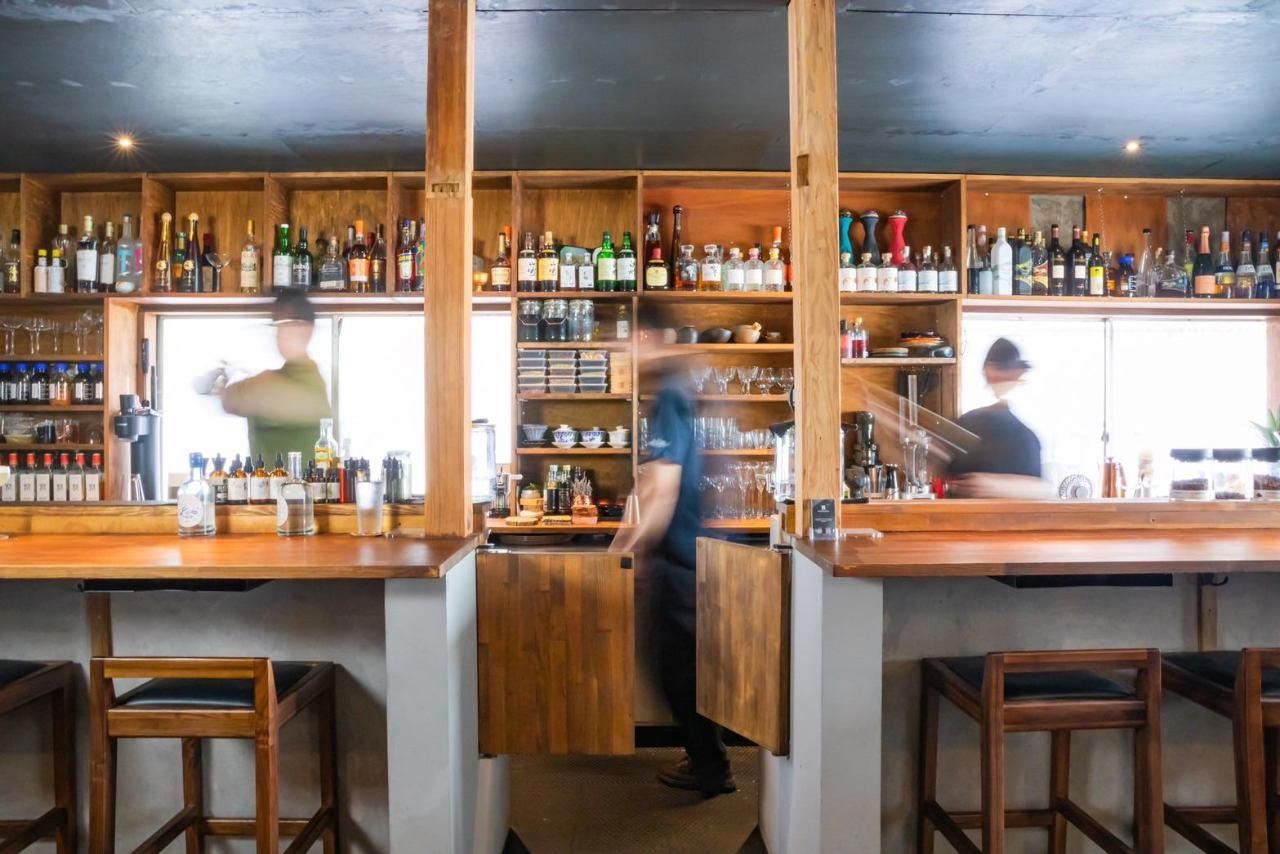
- Open Kitchen
- Sake Program
- A La Carte
- Coffee
Chilaxing atmosphere suitable for afternoon tea.