Our verdict
In Fukuoka's Chuo Ward, Hakata Daruma has held its place as one of the city's most recognisable tonkotsu ramen addresses for decades. The menu is narrow by design, built around the concentrated pork-bone broth that defines Hakata-style ramen, and the room operates at a pace that reflects the tradition: quick, direct, and without ceremony. For visitors tracing Fukuoka's ramen geography, this is a reference point rather than a footnote.

Pearl is the En Primeur Club membership app — saves, bookings, and concierge access live there. Same editors, same standards.
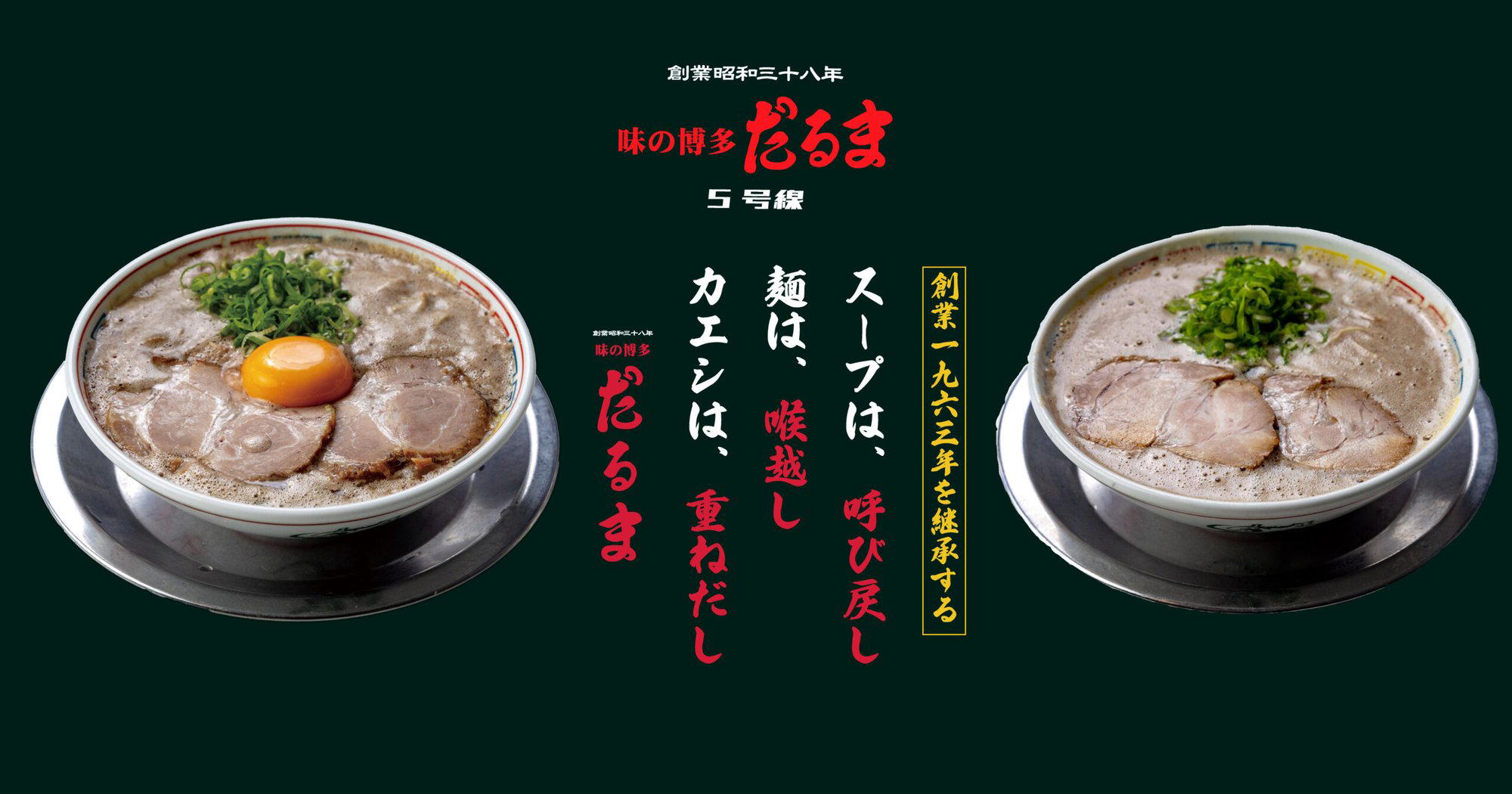
The menu
What to order
- Hakata Tonkotsu Ramen
- Buta Harami Teppan Yakiniku
- Takana-wrapped Rice Balls
- Fried Rice
Where Hakata Tonkotsu Ramen Is Argued and Eaten
Fukuoka's ramen scene does not suffer from vagueness. The city claims the tonkotsu style as its own, the broth is always milky-white and collagen-heavy, the noodles are always thin and straight, and the debate is always ongoing about who is doing it correctly. That specificity is what gives an address like Hakata Daruma (博多だるま), on Watanabedori in Chuo Ward, its particular weight. This is not a restaurant that exists at the margins of the tradition. It sits inside it, at a central location that has made it a reference point for both locals tracking ramen standards and visitors arriving in Fukuoka for the first time.
Tonkotsu ramen as a category rewards this kind of close attention. Unlike regional Japanese cuisines that rely on seasonal variation or chef-driven improvisation, Hakata-style ramen is defined by constraint. The broth requires extended simmering of pork bones to achieve its characteristic opacity and fat content. The noodles must be thin enough to cook quickly in that environment and firm enough to hold texture through a fast service. Deviation from those structural rules tends to produce something other than Hakata ramen, which is why the style generates such committed local opinion. In cities like Fukuoka, where ramen restaurants operate in significant density, the difference between a bowl that respects the form and one that approximates it is not subtle.
Menu Architecture: Narrow Range, Deep Commitment
What Hakata Daruma's menu communicates most clearly is a decision to go narrow. Hakata-style ramen operations that have survived across multiple decades in Fukuoka typically share that characteristic: they are not broad restaurants that happen to serve ramen, they are ramen restaurants where everything else is subordinate to the bowl. Side dishes and add-ons (additional noodle refills known as kae-dama, toppings like chashu, seasoned eggs, or pickled ginger) exist to extend and personalise the core experience, not to dilute it.
That menu architecture, common to this tier of Hakata ramen shops, reveals something about the dining contract on offer. There is no tasting menu logic here, no seasonal rotation, no chef's narrative to follow course by course. The reader of the menu does not need to make complex decisions; they need to decide how they want their ramen. Broth richness is often the key variable in this format, with some shops offering light (usui) or regular (futsuu) or rich (koi) concentrations, allowing the customer to calibrate without departing from the tradition. This kind of structured simplicity has more in common with a skilled craftsperson's workshop than with a contemporary restaurant, and it is understood locally as a sign of seriousness rather than limitation.
For context, Fukuoka's dining range extends well beyond this format. Michelin-recognised addresses like Goh (French) and Chikamatsu (Sushi) represent the city's counter-dining and tasting menu tier. Bekk and Asago operate in more intimate specialty formats. Hakata Daruma occupies a different register entirely: accessible, fast, and defined by the quality of a single product rather than the breadth of a kitchen's ambitions. Both registers matter to understanding the city.
The Physical Environment and What It Signals
The address, 中央区渡辺通1-8-25, places Hakata Daruma on Watanabedori, one of Chuo Ward's busier corridors and within reach of the Yakuin and Watanabe-dori subway stations. This is not a back-alley location requiring local knowledge to find; it is a positioned, accessible address that reflects the restaurant's role in the city's ramen geography as a point of orientation rather than discovery.
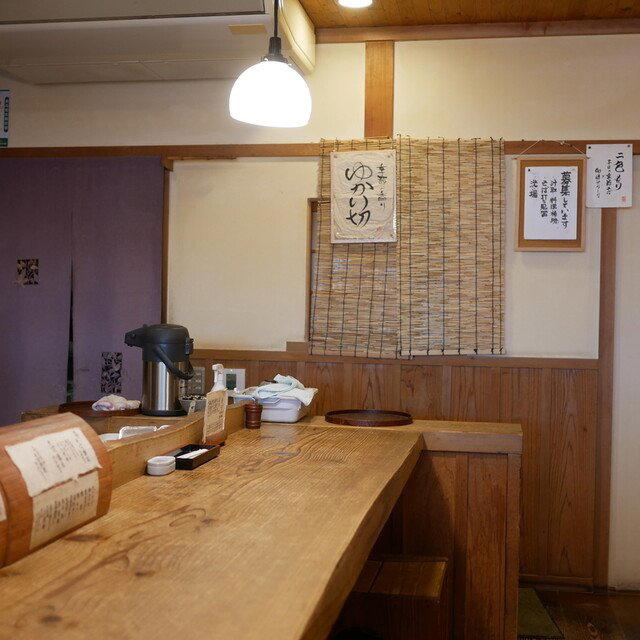
Hakata ramen shops at this level of local recognition tend to operate counters or tight seating arrangements that keep turnover moving. The physical environment is functional rather than atmospheric in any design-led sense. Entering one of these spaces, you are reading cues that are purely culinary: the visible broth operation, the pace of service, the menu board. The room is not asking you to linger over a wine list or consider an amuse-bouche. It is telling you, by its structure, that the bowl is the reason you are there.
That directness connects Hakata ramen shops to a broader tradition of Japanese single-item restaurants where the stripping away of ancillary elements is understood as an act of focus rather than austerity. You see the same logic in the high-end omakase counters of cities like Tokyo, where Harutaka builds an entire evening around fish and rice, or in the kaiseki discipline of Gion Sasaki in Kyoto. The price points and formality levels differ enormously, but the underlying commitment to a narrow, deeply executed offer is a consistent thread in Japanese dining culture.
Where This Fits in Fukuoka's Ramen Geography
Fukuoka is not a single-ramen city. The tonkotsu tradition dominates, but within it there are significant variations: lighter brothed shops in the Hakata station area, richer and more intensely porcine operations in the Nakasu and Tenjin districts, and late-night yatai (street stall) culture that runs a parallel and more informal version of the same tradition along the Naka River. Understanding where Hakata Daruma sits within that geography requires knowing that Watanabedori is closer to the Tenjin commercial district than to the older Hakata station precinct, which skews its clientele toward the city's working population and its dinner timing accordingly.
For visitors constructing an itinerary that accounts for Fukuoka's full dining range, the city's ramen operations and its higher-end restaurants are not competing priorities. They occupy different meals and different logics. A visit to a tonkotsu counter and a reservation at a Michelin-level address like Beef Taigen (Beef泰元) for wagyu are not redundant choices; they map different coordinates of the same city's food culture. Japan's broader dining range offers similar contrasts across other cities: the refined French precision of HAJIME in Osaka, the counter discipline of akordu in Nara, or the international reference points of Le Bernardin in New York City and Atomix in New York City.
For a broader map of the city's dining options across price tiers and cuisines, the full Fukuoka restaurants guide covers the range in detail. Other EP Club-tracked Japanese restaurant addresses worth cross-referencing for context on how regional Japanese dining operates at different scales include Birdland in Sakai and Bistro Ange in Toyohashi.
Planning Your Visit
Hakata Daruma sits at 中央区渡辺通1-8-25 in Fukuoka's Chuo Ward, reachable via Watanabe-dori or Yakuin subway stations on the Nanakuma Line. As with most high-traffic Hakata ramen shops, the approach is walk-in rather than reservation-led, and peak periods (lunch service and early evening on weekends) typically generate queues. Arriving outside those windows keeps waiting time manageable. The format is designed for efficient turnover, so the practical investment of time is low relative to the culinary return.
Frequently asked questions
What's Hakata Daruma (博多だるま)'s location?
Hakata Daruma (博多だるま) is located at 中央区渡辺通1-8-25, 福岡市, 福岡県, 810-0004, Fukuoka.
How does Hakata Daruma's location on Watanabedori compare to Fukuoka's main ramen districts?
Hakata Daruma's address at 中央区渡辺通1-8-25 places it in Chuo Ward, accessible from both Watanabe-dori and Yakuin stations on the Nanakuma Line, and outside the more tourist-trafficked Nakasu and Tenjin clusters. That positioning puts it closer to a local-use corridor than a destination strip, which is consistent with how Fukuoka's more established tonkotsu shops have historically operated.
What's the must-try dish at Hakata Daruma (博多だるま)?
Tonkotsu ramen is the only reason to show up. Hakata Daruma operates within the classic Fukuoka tradition: milky-white pork bone broth, thin straight noodles, and a narrow menu that doesn't dilute the focus. The broth concentration — how rich, how long it has been simmered — is where these shops are judged, and it is the detail to pay attention to in the bowl.
What's the best way to book Hakata Daruma (博多だるま)?
Walk-ins are the format. Hakata Daruma sits on Watanabedori in Chuo Ward, Fukuoka, and like the majority of the city's tonkotsu specialists, it does not take advance reservations. Arriving at off-peak hours — mid-afternoon or early dinner — is the practical way to avoid a queue.
Recognition, Side-by-Side
| Venue | Cuisine | Price | Awards |
|---|---|---|---|
| Hakata Daruma (博多だるま)This venue (the venue you are viewing) | Traditional Hakata Tonkotsu Ramen | $10–20 | Not listed |
| Chikamatsu | Edomae Sushi Omakase | $200–300 | La Liste Top Restaurants · Tabelog Gold #5 |
| Gahoujin 我逢人 | Seasonal Sushi Omakase | $200–300 | Tabelog Bronze #80 |
| Genkiippai | Hakata Tonkotsu Ramen | $10–20 | Tabelog 100 #51 |
| Matsuyama | Seasonal Kyushu Kaiseki Omakase | $300–500 | Tabelog Silver #74 |
| Mihara Tofuten | Traditional Japanese Tofu Izakaya | $30–50 | Not listed |
Continue exploring
More in Fukuoka
Restaurants in Fukuoka
All restaurants in Fukuoka →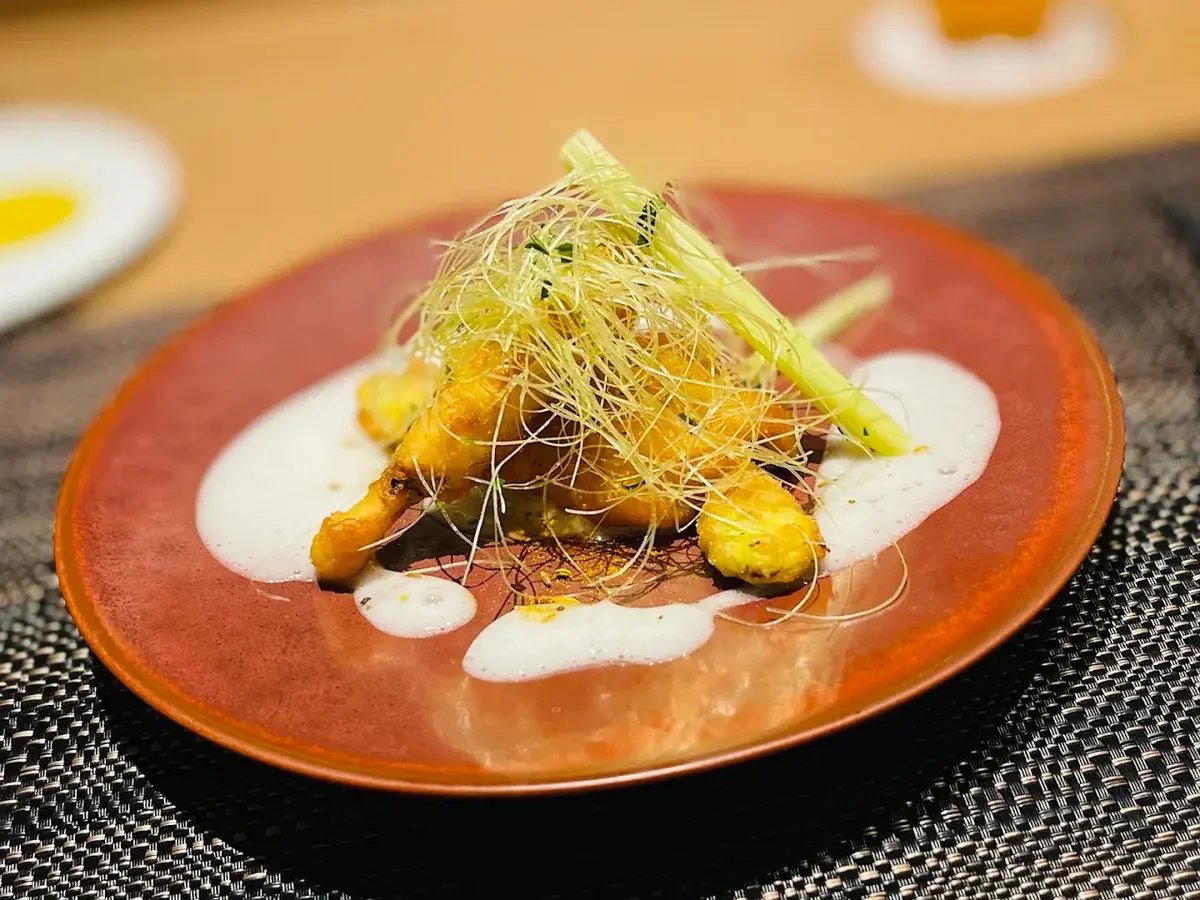
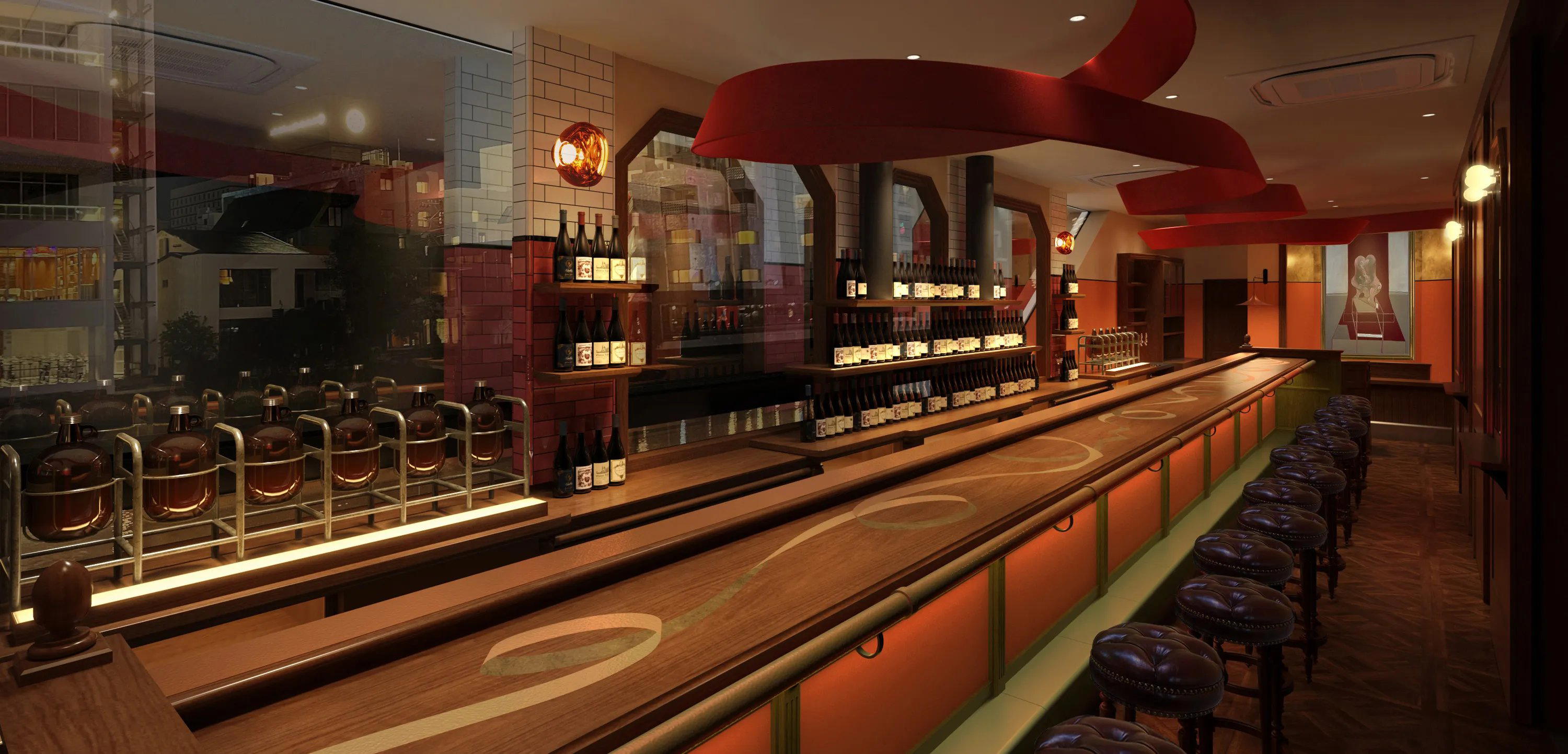
Details
- Classic
- Well Known
- Rustic
- Casual Hangout
- Solo
- Group Dining
- Late Night
- Open Kitchen
- Standalone
- Local Sourcing
- A La Carte
- Counter Dining
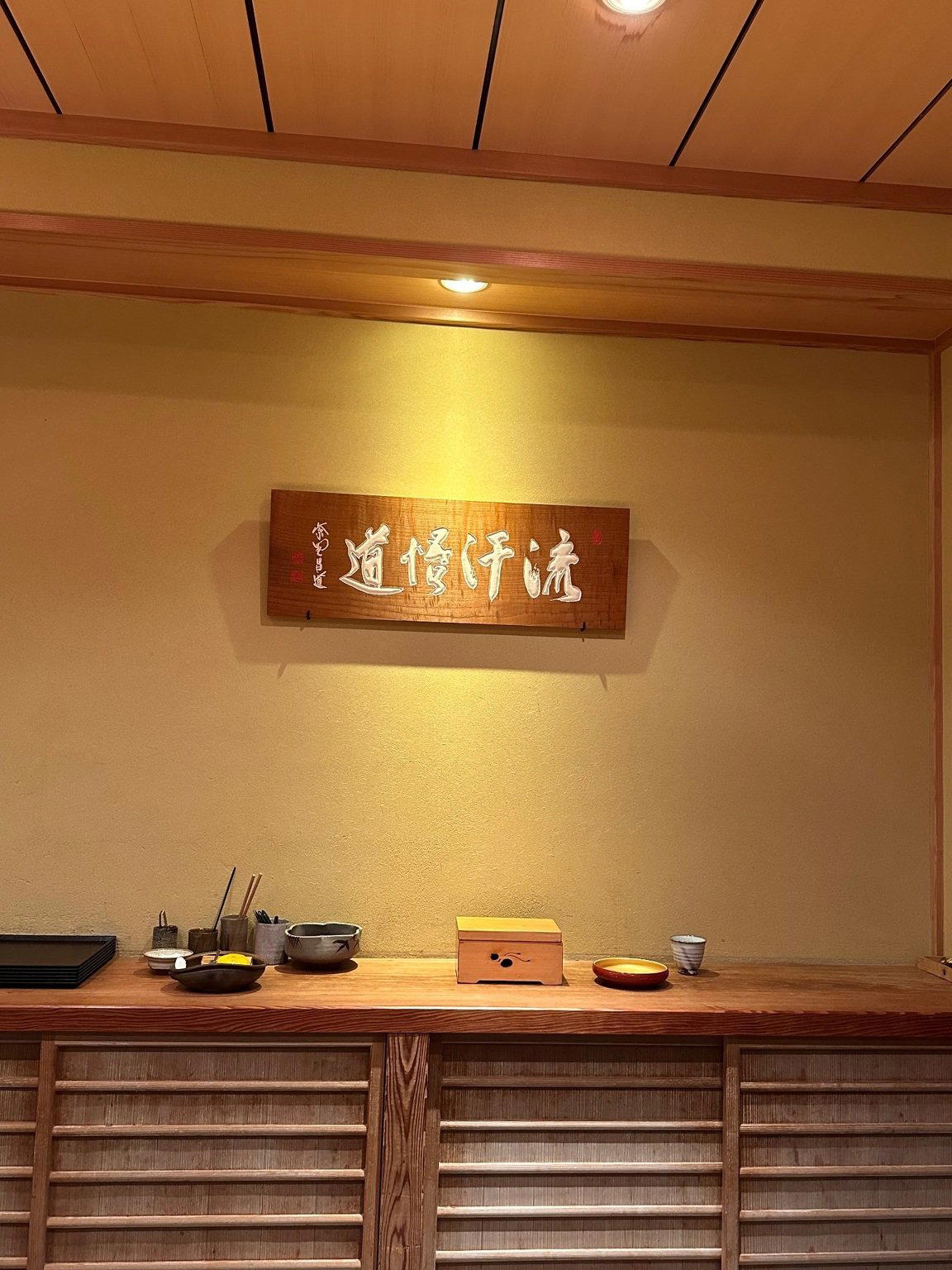
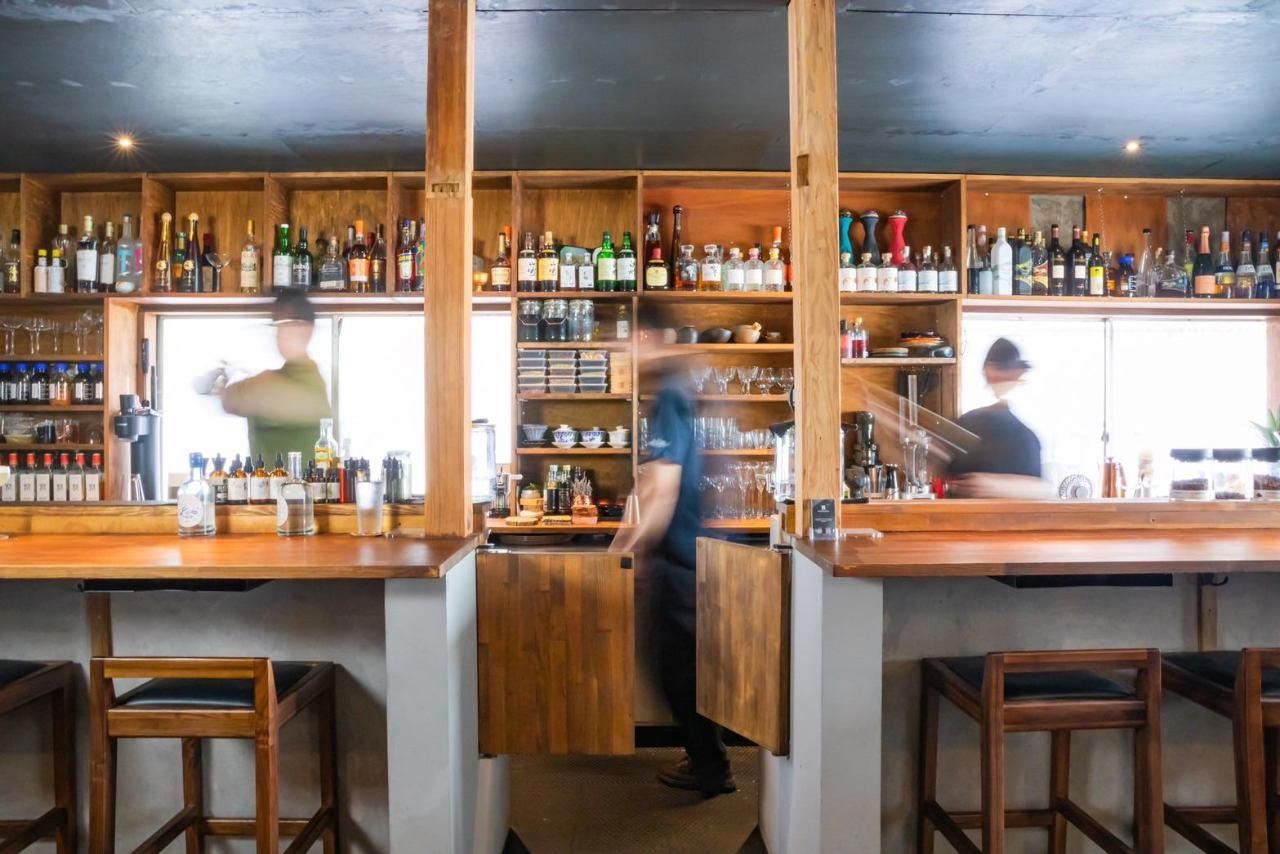
Showa-retro inspired interior with exposed concrete and a slightly stylish feel; casual, unpretentious atmosphere with a meal-ticket ordering system.