
A compact Fukuoka yakiniku and horumon address selected for Tabelog 100 - Yakiniku - WEST - 2025. The appeal sits in the dining ritual itself: smoke, pacing, shared grills, offal alongside beef cuts, and a room small enough for the meal to feel tightly focused rather than theatrical.
Pearl is the En Primeur Club membership app — saves, bookings, and concierge access live there. Same editors, same standards.
- Address
- 福岡県福岡市東区馬出2-4-3
- Phone
- +81927106629
- Website
- tabelog.com
 Saves & bookings on Pearl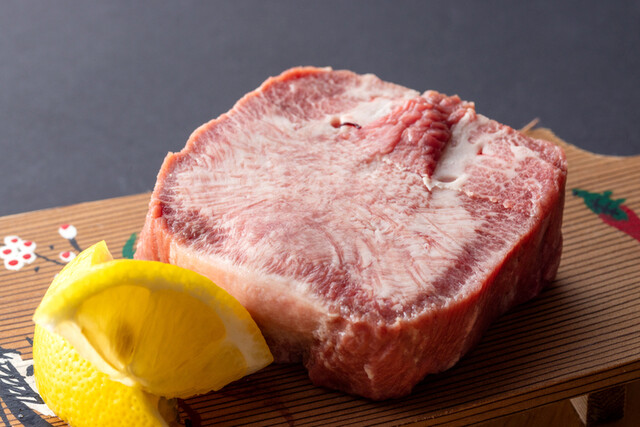
The ritual of yakiniku begins before the first order: the room sets its own tempo through tabletop heat, short rounds of cooking, and the constant negotiation between patience and appetite. In Fukuoka, where eating out often moves between ramen counters, izakaya tables, market seafood, and specialist rooms, yakiniku occupies a different social register. It is not passive dining. The guest controls timing, heat, doneness, and sequence, which makes the meal feel closer to a conversation than a plated progression.
Yakiniku Horumon Jinsei Daichan sits inside that hands-on tradition, with Japanese barbecue, tripe, and izakaya categories placing it firmly in the meat-and-drink grammar of western Japan. Its selection for Tabelog 100 - Yakiniku - WEST - 2025 gives the room a useful external signal in a category where reputation often travels through local regulars and reservation habits rather than formal tasting-menu theater. The point is not polish for its own sake; the point is whether a small yakiniku room can keep pace, heat, and product discipline aligned across an entire meal.
Fukuoka yakiniku as a shared-fire meal, not a chef-led procession
Fukuoka dining rewards speed in some places and lingering in others. Ramen asks for decisiveness; izakaya drinking rewards grazing; yakiniku splits the difference. The grill slows the table down just enough to make each round matter. Beef cuts, horumon, rice, alcohol, and side dishes work as a sequence, but not a fixed one. That flexibility is the genre’s strength: a table can eat lightly and drink, or build a full dinner around repeated rounds of grilling.
This is where the restaurant’s category matters more than any single biographical hook. Horumon changes the rhythm of a yakiniku meal. Offal rewards attention to texture and timing; it also brings the cooking process closer to the center of the experience. In a city where visitors often chase tonkotsu ramen as shorthand for Fukuoka, this kind of meal gives a better reading of local dining culture after dark: sociable, direct, and built around heat rather than ceremony.
The selection in Tabelog’s 2025 western Japan yakiniku list also positions the address against a broad regional field, not just neighborhood convenience. That distinction matters. Fukuoka has inexpensive daily staples, including places such as SACHiA Beef stroganoff and Miyake, while higher-budget dining appears in rooms such as Kamoryori Marimo Honten. Yakiniku Horumon Jinsei Daichan operates in a meat-specialist lane where value is judged less by luxury signals and more by cut selection, grill pacing, and whether the table leaves with the sense that the format was handled with discipline.
The small-room advantage in a grill-heavy format
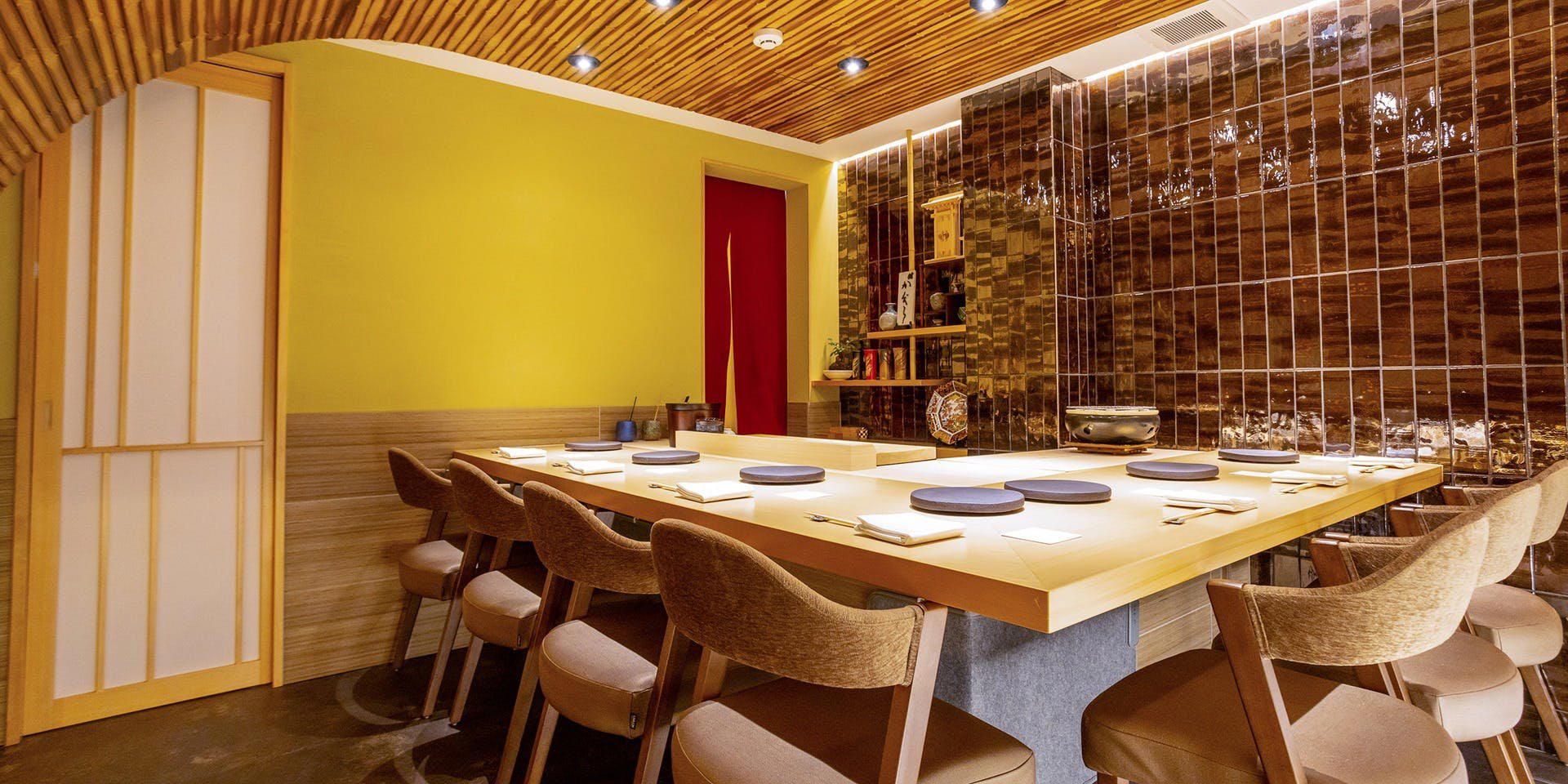
Yakiniku can suffer when a room becomes too large for its own smoke, service rhythm, or table turnover. Smaller formats tend to suit the cuisine because pacing is granular: a new plate arrives, the grill is watched, drinks are refreshed, and the meal advances by increments. A compact room also makes the format feel communal without turning it into spectacle. Counter seating and tatami seating, where present, change the mood of the meal without changing its underlying logic: the grill remains the anchor.
That is why this address is better understood as part of Fukuoka’s specialist dining layer rather than as a generic Japanese barbecue stop. The presence of sake, shochu, wine, and cocktails tracks with the izakaya side of the category, where drinking is not an accessory but part of the pacing. Yakiniku with horumon also suits mixed occasions: dates, family dinners, and small groups can all read the format differently, provided everyone at the table is comfortable with shared cooking and smoke-adjacent dining.
For visitors mapping a wider Fukuoka itinerary, the contrast is useful. South Indian cooking at 106 South Indian Fukuoka tenjin ten, spice-led dining at Afterglow, old-school local cooking at Aji Dokoro Taro Gen Sougyou ten, fried fish at Aji Furai Shokudo Kaba, and katsudon culture at Aji no Katsueda show how broad the city’s casual-to-specialist range can be. A yakiniku night belongs in that same map, but it asks for a different appetite: less sightseeing checklist, more table control.
How to read it within a Fukuoka dining plan
The clearest reason to seek it out is category focus. Fukuoka has deeper food identity than a single dish, and yakiniku offers a way into the city’s evening habits without stepping into formal kaiseki or hotel dining. Compared with ramen-focused Genkiippai, the meal is slower and more social; compared with lower-priced daily addresses, it asks for more commitment from the table; compared with high-budget rooms, it keeps the pleasure tied to direct cooking rather than ceremony.
Travelers building a full city plan should treat the meal as an anchor rather than a snack stop. Pair it with a lighter lunch, leave room for drinks, and avoid stacking it after another heavy meat meal. For broader planning, use Our full Fukuoka restaurants guide alongside Our full Fukuoka hotels guide, Our full Fukuoka bars guide, Our full Fukuoka wineries guide, and Our full Fukuoka experiences guide. Readers comparing Japanese dining formats beyond the city can also look at -Grilled beef Sukiyaki- KAMAKURA TANUKIAN 鎌倉 たぬき庵 in Kamakura. 鮪と炭火焼き うお炭 秋葉原店 in Tokyo.cafe in Osaka.know in Kumamoto, (Shoku) Vietnam in Kawasaki, [Curry Senmon Ten] Maruyama Kyoju. in Sapporo, Jōdo Saké Bar in Los Angeles, and Onigiri Time in Pasadena for a wider sense of how Japanese and Japan-adjacent dining formats travel.
The editorial read is simple: choose this for a focused yakiniku and horumon night, not for a passive tasting menu. The reward is in the shared-fire rhythm, the meat-specialist category, and the confidence signaled by a 2025 Tabelog 100 western Japan selection.
Cuisine Context
Comparable venues for orientation by cuisine and category.
| Venue | Cuisine | Price | Notes |
|---|---|---|---|
| Yakiniku Horumon Jinsei DaichanThis venue — the venue you are viewing | Yakiniku & Horumon Izakaya | $$ | Not listed |
| Hountei | Hakata bite-sized gyoza & izakaya dishes | $$ | Hakata |
| Kawa Ya Shirogane ten | Hakata yakitori & izakaya | $$ | Chūō |
| Nakanishi Shokudo | Japanese Cafeteria / Donburi | $$ | Higashi |
| Tori Noya | Miyazaki-style charcoal-grilled chicken izakaya | $$ | Chūō |
| Edo Soba Wabisuke | Traditional Edo-style soba | $$ | Chūō |
Recognition history
Dated appearances from independent guides and award organizations, with the underlying list record or original source where available.
Tabelog 100 #49 · No. 49
Tabelog · Tabelog 100 - Yakiniku - WEST - 2025
At a Glance
- Cozy
- Lively
- Intimate
- Date Night
- Group Dining
- Family
- Casual Hangout
- Celebration
- After Work
- Standalone
- Sake Program
- Local Sourcing
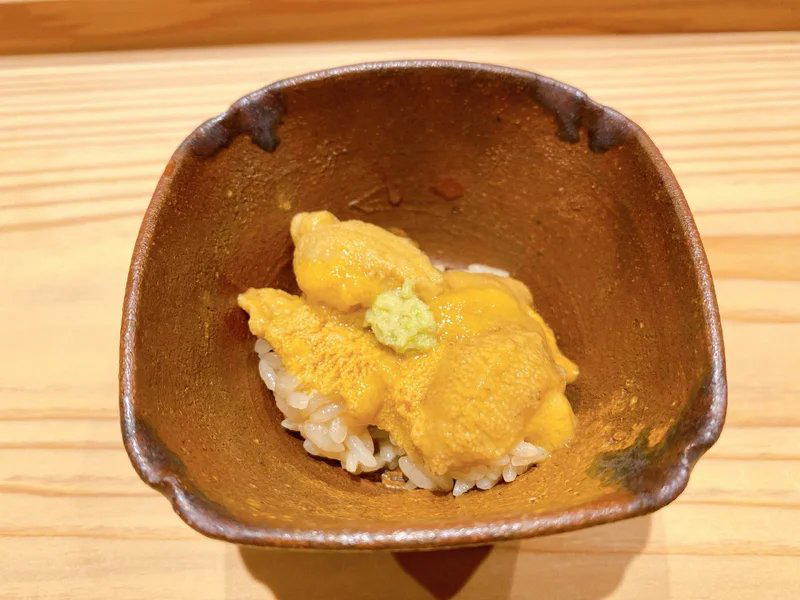
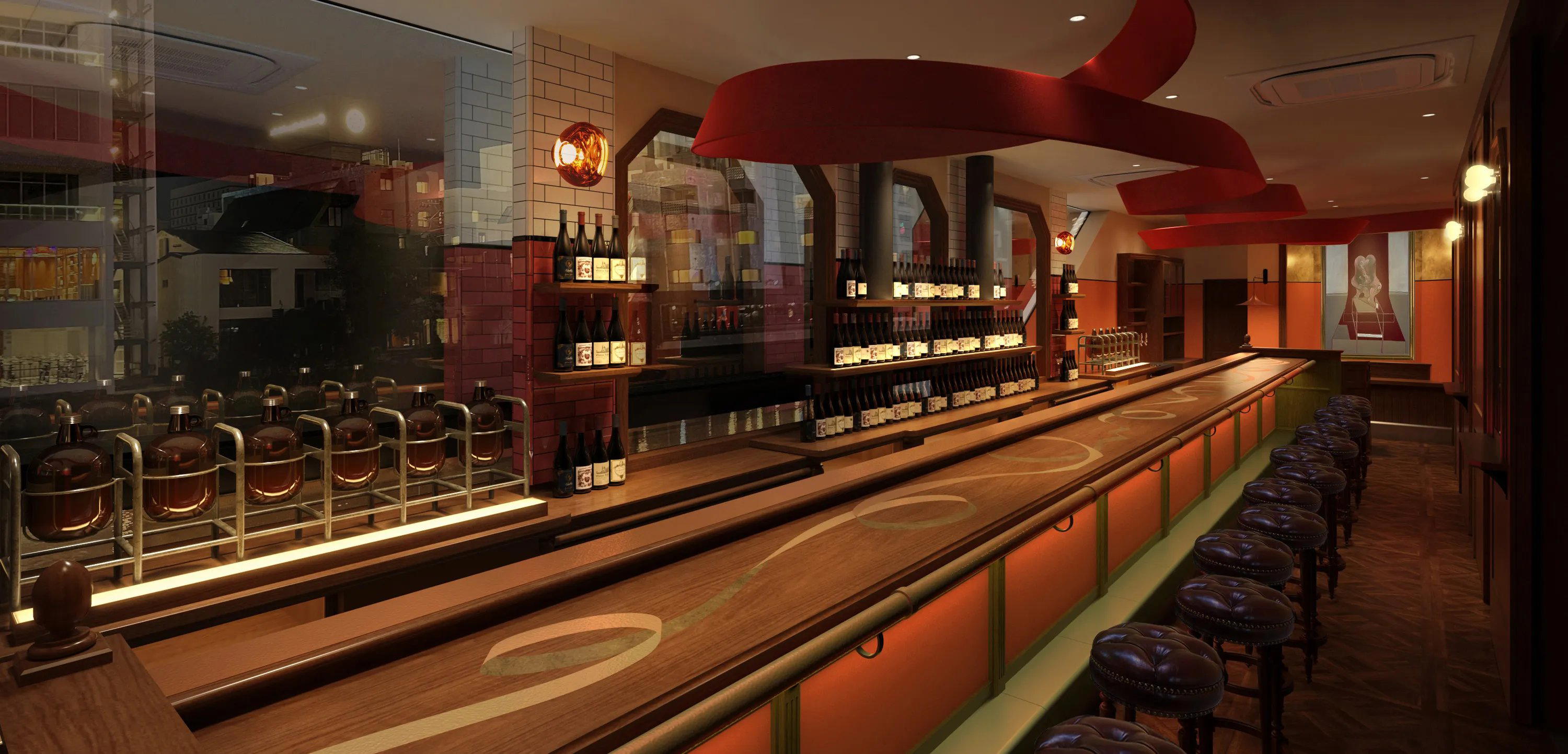
A small, non-smoking hideout with counter and tatami seating that feels cozy yet lively, suited to relaxed group meals, dates, and family dinners over charcoal-grilled wagyu and horumon.