Our verdict
すし晴 occupies a quiet address in Kita Ward, Okayama, operating within a city whose sushi culture sits closer to the Seto Inland Sea's seasonal rhythms than to the performance-driven counters of Tokyo or Osaka. The restaurant draws on the regional ingredient logic that makes Okayama's fish-forward dining distinct from its more celebrated neighbours to the east and west.

Pearl is the En Primeur Club membership app — saves, bookings, and concierge access live there. Same editors, same standards.
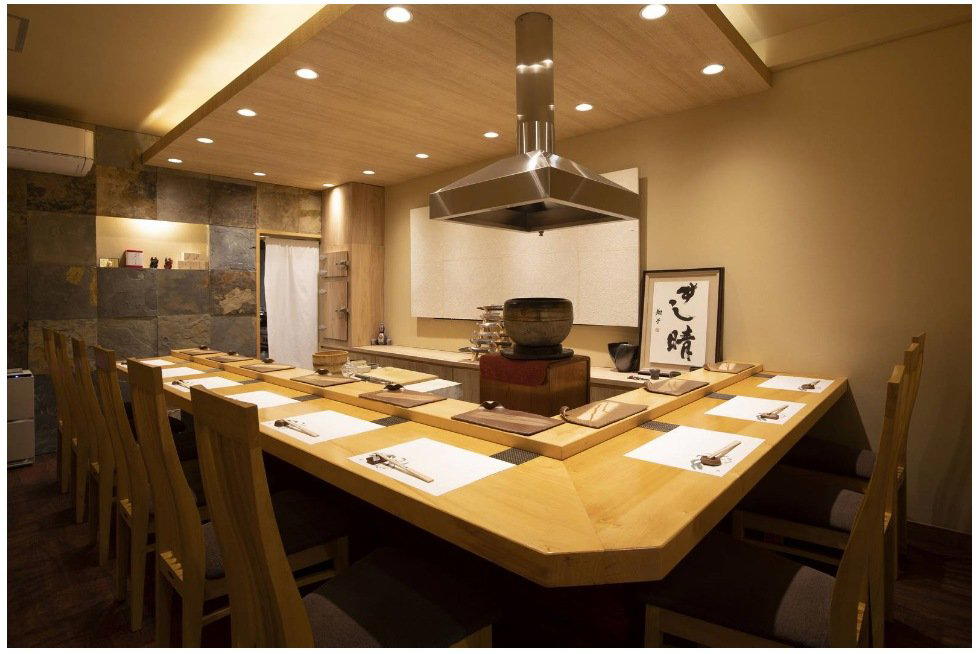
A Counter in Kita Ward, Where the Sea Arrives Quietly
Okayama's dining identity has always been shaped by geography rather than reputation. Positioned between Hiroshima and Kobe on the San'yo coast, the city sits within reach of some of Japan's most consequential fishing waters: the Seto Inland Sea to the south, a body of water whose relative calm and tidal complexity produce shellfish, flatfish, and small schooling fish of a character distinct from open Pacific catches. The sushi counters that operate here tend to reflect that proximity. They are not, for the most part, destination restaurants in the way that Tokyo's Ginza counters or Kyoto's reservation-only kaiseki houses function as pilgrimage points. They are working expressions of a local ingredient logic, and the season in the glass case tells you more than any printed menu.
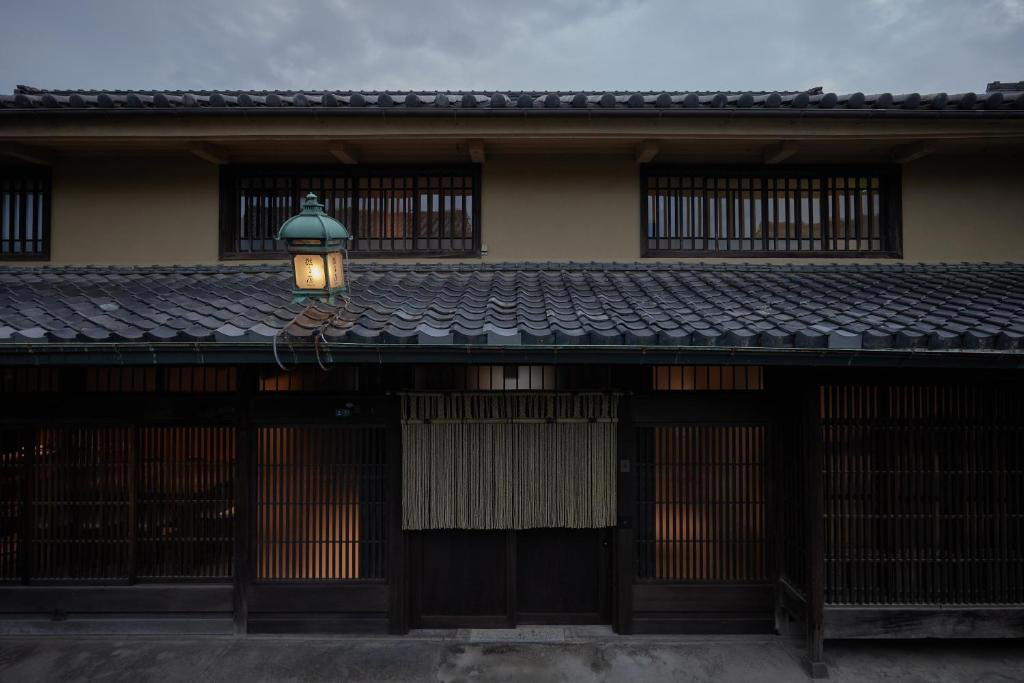
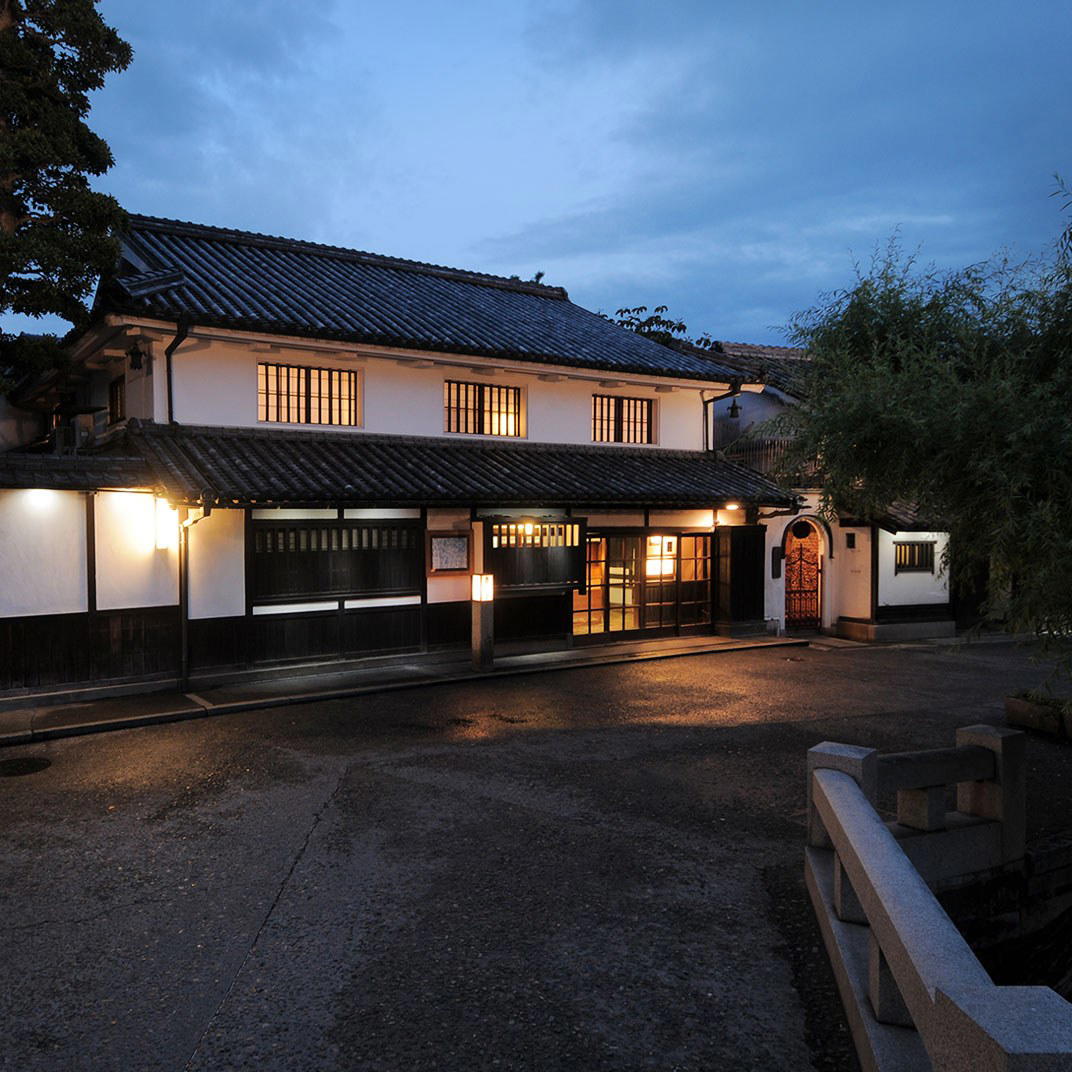
すし晴, at 1 Chome-10-26 Nodayacho in Kita Ward, sits within this register. The address is a residential pocket of central Okayama rather than a high-visibility commercial strip, the kind of location that filters the room toward guests who already know they want to be there. Approaching in autumn or early winter, when the Seto's fish are at their heaviest and most flavourful after a summer of feeding, the neighbourhood offers little theatrical buildup: a modest exterior, the faint smell of rice vinegar on the air if the kitchen window is open, the sound of a knife on wood. These are not minor atmospheric details. In traditional sushi settings across Japan, the absence of spectacle is itself a signal. The work happens at the counter, not in the approach.
The Seto Inland Sea Tradition and What It Produces
To understand the sushi served at a Kita Ward counter like すし晴, it helps to understand what the Seto Inland Sea actually delivers to the kitchen. The enclosed sea, stretching roughly 450 kilometres between Honshu, Shikoku, and Kyushu, experiences significant tidal variation. This movement oxygenates the water and supports a different ecological balance from the open Pacific. Sea bream (tai) from these waters has been associated with Okayama specifically for centuries and remains the region's prestige fish. Mantis shrimp, small octopus, and various flatfish varieties also move through the regional market in ways that don't replicate easily in landlocked or distant cities.
Sushi restaurants in this part of Chugoku tend to handle fish at shorter chain lengths than their Tokyo counterparts, meaning the elapsed time from catch to counter is often compressed by proximity. That compression matters: it changes the appropriate aging window for certain cuts and makes the case for a different technical approach to the rice. Okayama's sushi rice tradition leans toward a slightly firmer grain and a measured vinegar profile, calibrated to support rather than compete with fish that arrives with its own inherent sweetness from the Seto's waters. Regional sushi cultures across Japan have diverged on precisely this question of rice-to-fish balance, and Okayama occupies a distinct position in that divergence.
Where すし晴 Sits in Okayama's Dining Spectrum
Okayama's restaurant offer has become more varied over the past decade. The city now runs a spectrum from neighbourhood sushi and yakitori to more formal washoku formats. Hasunomi and Waraku operate at different points along that range, as do 松寿し, 祥鶴, and 空浪. すし晴 belongs to a tier of the city's dining that is defined by craft consistency over occasion-driven theatre. It is not a large-format restaurant designed for group celebrations, nor does it carry the kind of national press attention that routes visitors from Tokyo or Osaka specifically for a single meal.
That positioning is not a limitation. In Japanese food culture, the neighbourhood sushi-ya operating at a high level of ingredient sourcing and technical precision without chasing broader recognition represents a durable archetype. These are the counters where local regulars eat on a Thursday, where the itamae knows which cuts to hold back and which to move quickly, and where the seasonal calendar is legible in real time through what appears in the case. Visitors from outside Okayama who find their way to this tier of the city's restaurants — rather than defaulting to whatever carries the most visible credentials — tend to leave with a more accurate read on what the city actually eats.
For reference on what Japan's formally recognised sushi culture looks like at a national level, counters such as Harutaka in Tokyo operate in a different competitive set entirely, with international booking demand and Michelin recognition. That context clarifies rather than diminishes what a Kita Ward counter does: it serves a different function in the dining ecosystem, one that is harder to quantify and easier to undervalue.
Planning a Visit: Timing, Access, and Expectations
Okayama is accessible by Shinkansen from both Osaka (roughly 45 minutes) and Hiroshima (around 30 minutes), which places it within day-trip range for visitors based in either city. The Nodayacho address in Kita Ward is walkable from Okayama Station's central exits, keeping access direct for those arriving by rail.
Seasonality matters here more than at restaurants that rely on imported or year-round cultivated product. Autumn and early winter bring the Seto's fish to peak condition; spring offers different variety as warmer water temperatures shift the catch profile. Visiting in either window, rather than the flatter summer months, gives a more representative experience of what the region's ingredient base can produce. For a broader map of the city's dining options across categories, the Our full Okayama restaurants guide covers the range of formats currently operating.
Specific booking arrangements, hours, and pricing are not publicly listed through standard channels for すし晴. Contacting the restaurant directly, or arriving early to inquire about availability, is the practical approach for first-time visitors. This is common at smaller counters across Japan, where walk-in capacity and advance reservation policies are managed at the counter level rather than through third-party platforms. Dress code expectations at this category of establishment run toward neat and understated rather than formal; the atmosphere is professional but not ceremonial.
Visitors with broader itineraries across the Kansai and Chugoku regions may also find value in comparing the register of Okayama's sushi culture against what is operating at institutions such as Gion Sasaki in Kyoto, HAJIME in Osaka, or Goh in Fukuoka. Further afield, the contrast with seafood-forward counters like 一本木川魚製 in Nanao or 夕仙山乃 in Sapporo illustrates how different Japan's regional fish cultures diverge from one another. Internationally, Le Bernardin in New York City and Atomix in New York City represent how far Japanese culinary influence has travelled, while 湖畔荘 in Takashima, 羽根屋 in Nishikawa Machi, and Birdland in Sakai each anchor different points in Japan's regional dining network. akordu in Nara adds a further point of comparison for those tracking how European-trained precision intersects with Japanese ingredient sourcing in smaller Japanese cities.
Frequently asked questions
How do I find すし晴?
すし晴 is located at 1 Chome-10-26 Nodayacho, Kita Ward, Okayama, 700-0815, Japan, Okayama.
Is すし晴 a good sushi option for travellers arriving by Shinkansen from Osaka or Hiroshima?
Okayama sits roughly 45 minutes from Osaka and 30 minutes from Hiroshima on the Shinkansen, placing すし晴 within reach for travellers already in the San'yo corridor. The Kita Ward address is close to Okayama Station, making logistics straightforward for a lunch or dinner sitting around a transit stop. For visitors whose frame of reference is the high-volume tourist sushi of Osaka or Kyoto, a Kita Ward counter grounded in Seto Inland Sea fish represents a different register entirely.
What dish is すし晴 famous for?
すし晴 is positioned within Okayama's Kita Ward as a counter shaped by Seto Inland Sea sourcing, a tradition that puts seasonal local fish at the centre of each sitting. The Seto Inland Sea is known for species such as sea bream, conger eel, and various shellfish that differ markedly from Pacific or Tsugaru Strait catches.
Is すし晴 reservation-only?
Sushi counters in Okayama's Kita Ward of this type typically operate on a reservation basis, as seat counts are small and sourcing is planned around expected covers. No booking policy or contact details are currently listed in public records for すし晴, so arriving without a reservation carries real risk. The address is 1 Chome-10-26 Nodayacho, Kita Ward, Okayama — visiting in person or asking your hotel concierge to make contact is the most reliable approach.
City Peers
Comparable venues nearby, for context on price, style, and recognition.
| Venue | Cuisine | Price | Awards | Notes |
|---|---|---|---|---|
| すし晴This venue (the venue you are viewing) | Edomae Sushi Omakase | $100–150 | Not listed | Not listed |
| 魚正山本淳 | Seasonal Kaiseki | $200–300 | Not listed | Kita Ward |
| Shuritsu Ooi | Casual Japanese Teppanyaki & Steak | $50–100 | Tabelog 100 #29 | Kita Ward |
| 祥雲 | Traditional Japanese Crab Specialty | $50–100 | Not listed | Kita-ku |
| Teppan Kayano | Japanese Teppanyaki | Not listed | Tabelog 100 #54 | Chuocho, Kita-ku, Okayama |
| Kisetsu Ryori Katayama | Seasonal Japanese Izakaya | $30–50 | Tabelog 100 #95 | Heiwacho, Kita Ward, Okayama |
Continue exploring
More in Okayama
Restaurants in Okayama
All restaurants in Okayama →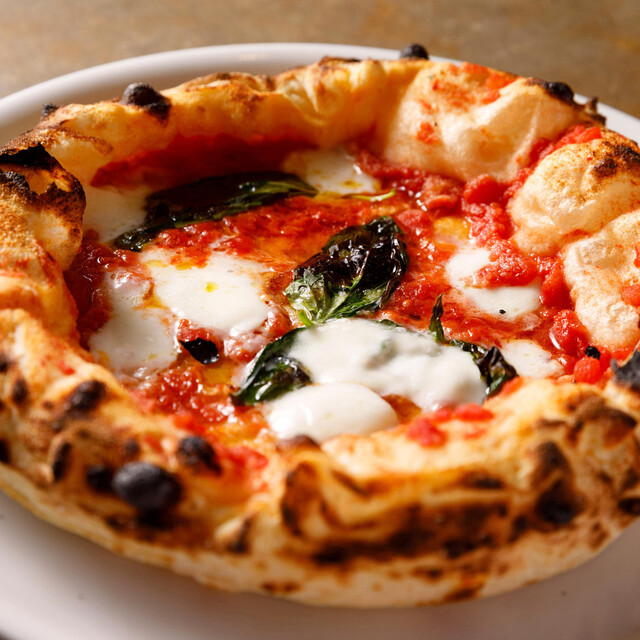
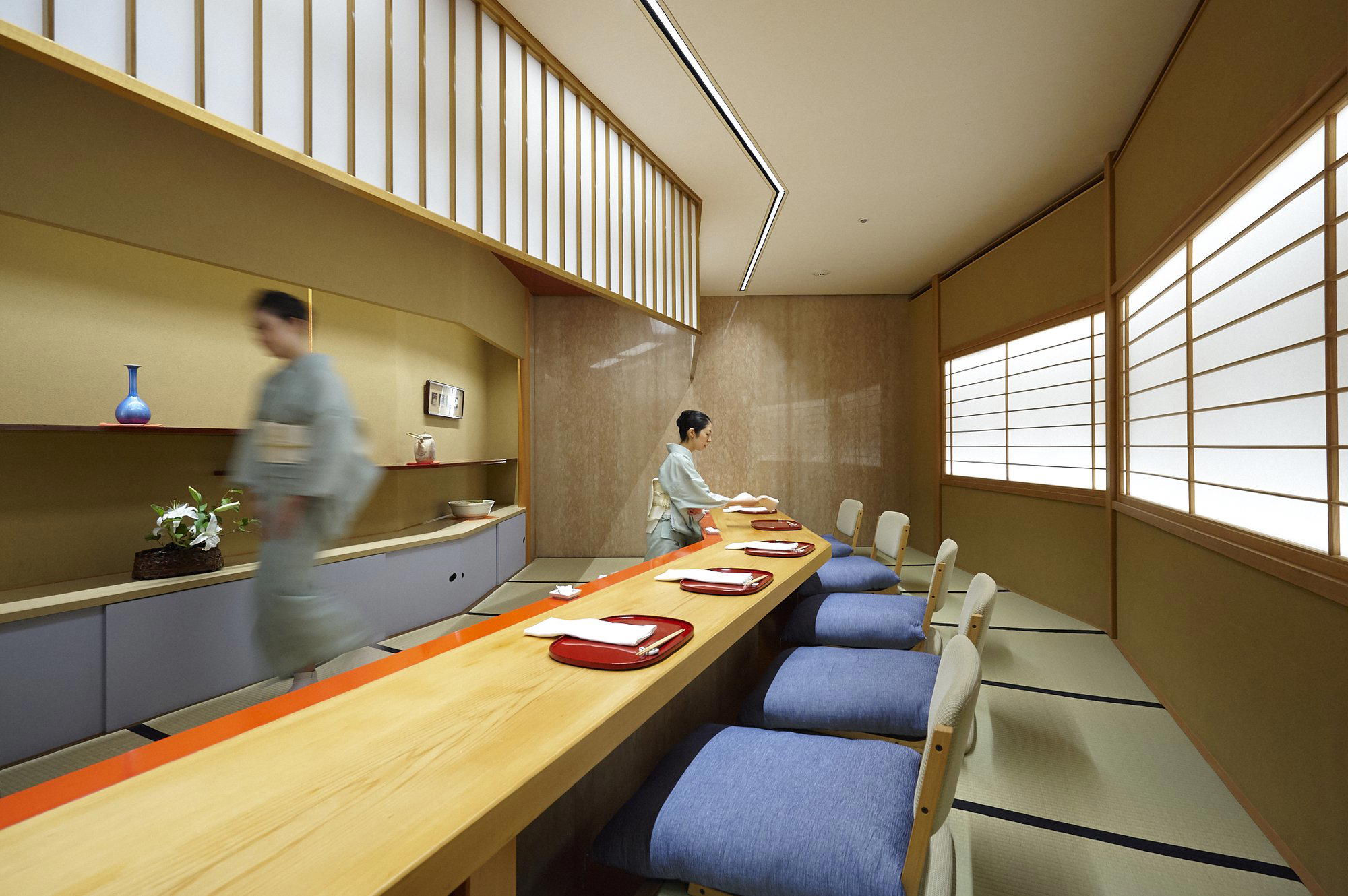
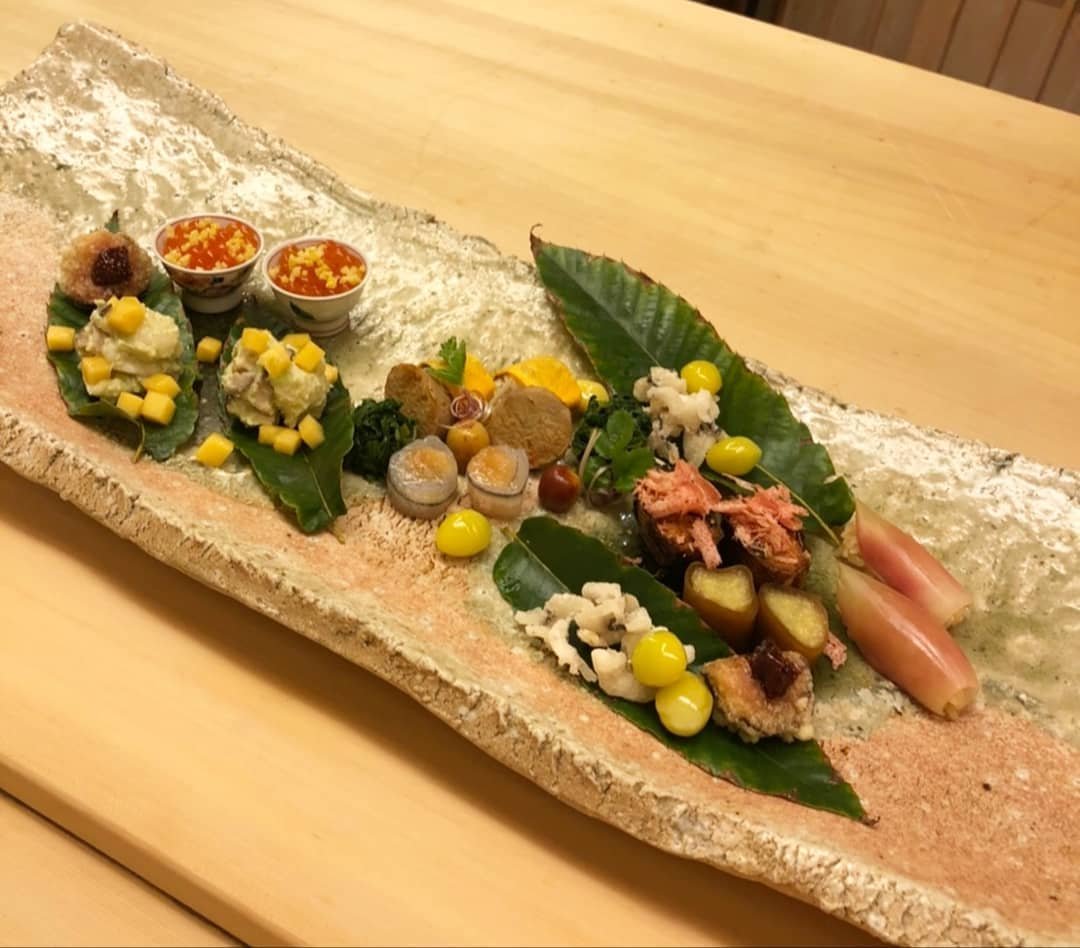

Bars in Okayama
Browse all →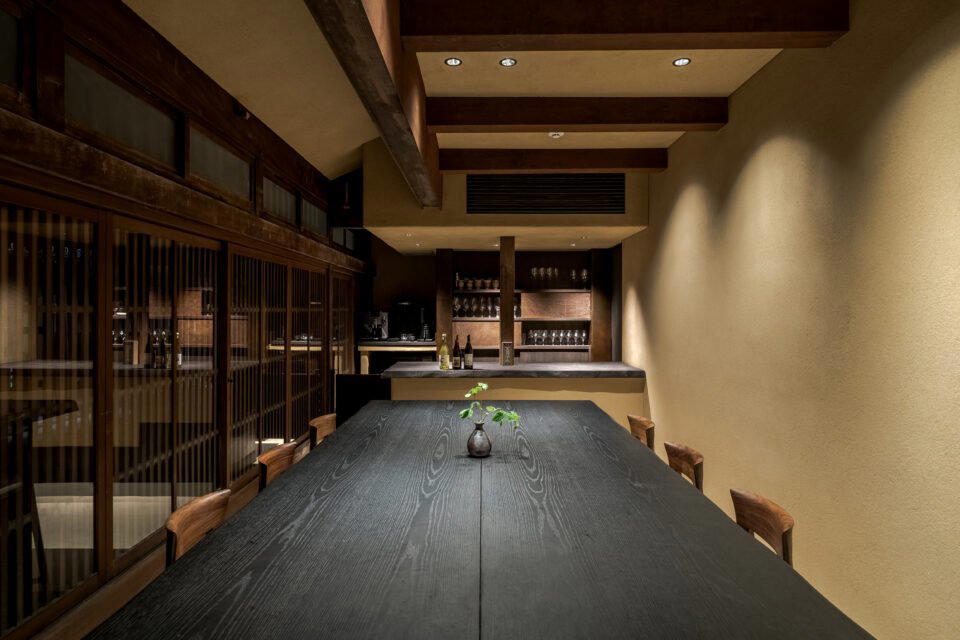

Details
- Intimate
- Elegant
- Sophisticated
- Date Night
- Special Occasion
- Chefs Counter
- Sake Program
- Omakase
- Counter Dining
- Sake Program
Current opening hours
- Monday
- 6–11 PM
- Tuesday
- 6–11 PM
- Wednesday
- 6–11 PM
- Thursday
- 6–11 PM
- Friday
- 6–11 PM
- Saturday
- 6–11 PM
- Sunday
- Closed
Hours can change for holidays and private events. Last verified .
Comfortable Japanese space with counter seating emphasizing intimate, focused dining.