
Shikisai Teppan Kusano places Okayama teppanyaki in a serious regional context: a small-format counter-and-room restaurant selected for Tabelog’s Steak / Teppanyaki WEST 100 in 2025. The appeal is not spectacle for its own sake, but a controlled grill format where sourcing, pacing, wine and private-room flexibility make it a grown-up choice in Kita Ward.
Pearl is the En Primeur Club membership app — saves, bookings, and concierge access live there. Same editors, same standards.
- Address
- 2 Chome-13-1 Tamachi, Kita Ward, Okayama, 700-0825, Japan
- Phone
- +81 86-212-1661
- Website
- teppan-kusano.com
 Saves & bookings on Pearl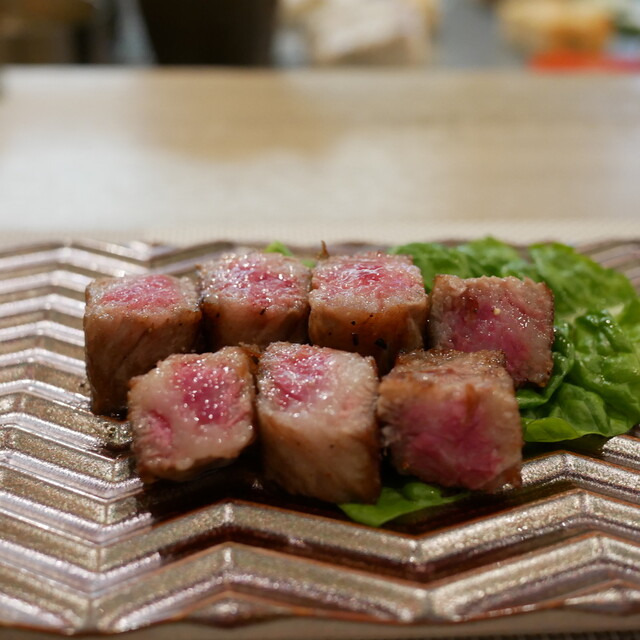
The approach to a serious teppanyaki meal in Okayama is quieter than in Osaka or Tokyo. The city’s dining rhythm tends to favor compact rooms, direct hospitality and produce-led cooking over theatrical excess, which suits the genre when it is handled with restraint. Teppan is a stage, but in western Japan the better version is less about flames for applause and more about timing: beef, seafood and vegetables meeting iron at the point where texture, fat and seasoning can be read clearly.
Shikisai Teppan Kusano belongs to that smaller, disciplined tier. Its 2025 selection for Tabelog’s Steak / Teppanyaki WEST 100 gives it a regional credential in a category where national attention often tilts toward Kobe, Osaka and Kyoto. In Okayama, that recognition matters because the city is not overloaded with luxury grill rooms. The competitive set is narrow: Teppan Kayano occupies a similar dinner spend, while Shuritsu Ooi and Tempura Sen no Tane point to adjacent special-occasion formats rather than direct substitutes.
Okayama teppanyaki works when the sourcing is allowed to lead
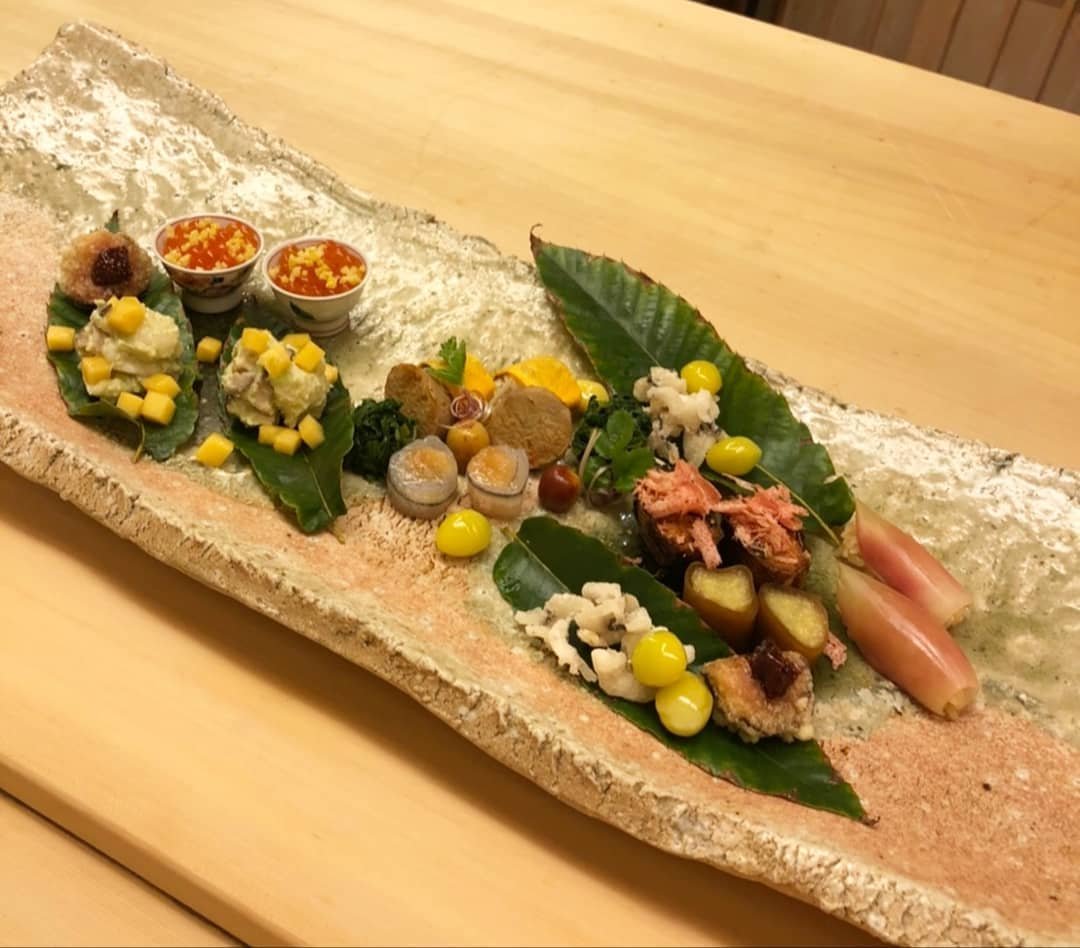
Teppanyaki can become a luxury cliché when the grill is used as decoration. The more interesting reading is ingredient first. Okayama sits in a region with access to Seto Inland Sea seafood, Chugoku mountain produce and a dining culture that rewards seasonality without needing to announce it loudly. A teppan counter is well suited to that geography because the format shortens the distance between raw material, heat and diner. There is little room for disguise.
That is the reason the category sits apart from steakhouse dining. A steakhouse can be built around weight, ageing and sauce; teppanyaki asks a broader question about sequence. Vegetables, seafood, beef and wine all need to sit in the same arc. The presence of wine as a stated drink focus is a useful signal here, not because it promises grandeur, but because it places the meal closer to a composed dinner than a casual grill stop.
The Tabelog 100 selection also clarifies the level of intent. This is not the same lane as a tourist-oriented hotplate performance, nor is it the free-form informality of izakaya grilling. It belongs with restaurants where the cooking surface is the organizing principle and where the room’s small scale is part of the value. For readers mapping Okayama’s dining range, compare it with the more casual local spread in our full Okayama restaurants guide, or with city alternatives such as 400℃ Mori No Machi, 400℃ Pizza, Cozzýs, Duomo and Hasunomi.
The room favors business dinners, friends and contained occasions
Small teppanyaki restaurants live or fail on proximity. Twenty seats is enough to create energy without turning the grill into a banquet line, and private rooms for two or four shift the use case beyond counter dining. That combination explains why the restaurant suits business meals and dinners among friends: the format gives structure to the evening, while the scale keeps conversation possible.
In Okayama, that matters. The city receives travelers for Korakuen, the castle, rail connections and regional business, yet its serious restaurants often feel more local than destination-driven. A teppanyaki dinner here can function as a measured alternative to sushi or kaiseki, especially for visitors who want a Japanese meal with visible technique but less ceremony than a full tasting-menu progression. The restaurant’s non-smoking policy and private-use availability strengthen that read.
The better comparison is not with large hotel grills, but with other focused formats in the city. Tempura Sen no Tane offers a parallel argument through frying and seasonal pacing. Teppan Kayano sits closer in category and spend. Shuritsu Ooi points to another special-occasion register. Shikisai Teppan Kusano is the choice when the appeal is the iron plate itself: the clarity of heat, the pacing of courses and the ability to make sourcing visible without turning the meal into explanation.
How to place it in an Okayama itinerary
For travelers, the decision is less about checking off a famous national name and more about using Okayama well. The city rewards a tighter itinerary: Korakuen and the castle by day, a serious local dinner at night, then a hotel within easy reach of Kita Ward rather than an overbuilt resort plan. Pair restaurant planning with our full Okayama hotels guide, and keep the broader evening map open through our full Okayama bars guide. Longer regional trips can fold in our full Okayama wineries guide and our full Okayama experiences guide.
The practical read is simple: this is a compact, reservation-appropriate teppanyaki room with lunch and dinner service on most operating days and a higher dinner spend than casual Okayama dining. It is better suited to a planned meal than a spontaneous stop, especially for diners who care about counter pacing or private-room availability. Payment flexibility is stronger than at many small Japanese restaurants, with major credit cards and QR code payments accepted, while parking is not part of the proposition.
For readers comparing Japanese dining styles beyond Okayama, the same sourcing-versus-format question appears in different forms: beef-focused meals such as -Grilled beef Sukiyaki- KAMAKURA TANUKIAN 鎌倉 たぬき庵 in Kamakura, charcoal-led seafood at. 鮪と炭火焼き うお炭 秋葉原店 in Tokyo, casual café formats like.cafe in Osaka, regional dining at.know in Kumamoto, Vietnamese cooking at (Shoku) Vietnam in Kawasaki, curry specialization at [Curry Senmon Ten] Maruyama Kyoju. in Sapporo, sake-bar dining at Jōdo Saké Bar in Los Angeles and the compact comfort format of Onigiri Time in Pasadena. The useful lesson is consistent: format is never neutral. It decides how ingredients are seen, paced and understood.
Fast Comparison
Comparable venues by cuisine and price in the same metro.
| Venue | Cuisine | Price | Awards | Notes |
|---|---|---|---|---|
| Shikisai Teppan KusanoThis venue — the venue you are viewing | Seasonal Japanese Teppanyaki | $$$ | , | |
| Shuritsu Ooi | Casual Japanese Teppanyaki & Steak | $$$ | , | Kita Ward |
| Ujo Tei | Traditional Unagi (eel) restaurant | $$$ | , | Kita Ward |
| Tempura Sen no Tane | Japanese tempura restaurant | $$$ | , | Okayama |
| すし晴 | Edomae Sushi Omakase | $$$$ | , | Yanagawa |
| 楽旬菜 佐とう | Seasonal Japanese Kappo | $$$ | , | Saidaiji cho |
Continue exploring
More in Okayama
Restaurants in Okayama
Browse all →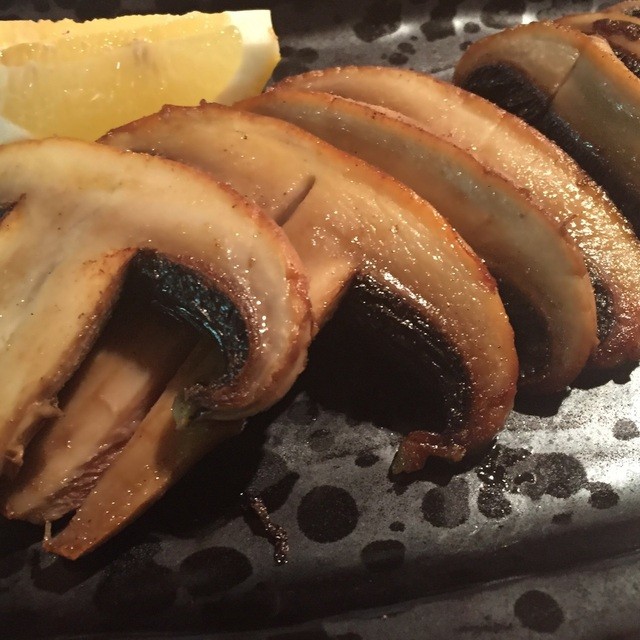
At a Glance
- Romantic
- Cozy
- Intimate
- Hidden Gem
- Elegant
- Date Night
- Business Dinner
- Celebration
- Special Occasion
- Group Dining
- Chefs Counter
- Open Kitchen
- Private Dining
- Standalone
- Local Sourcing
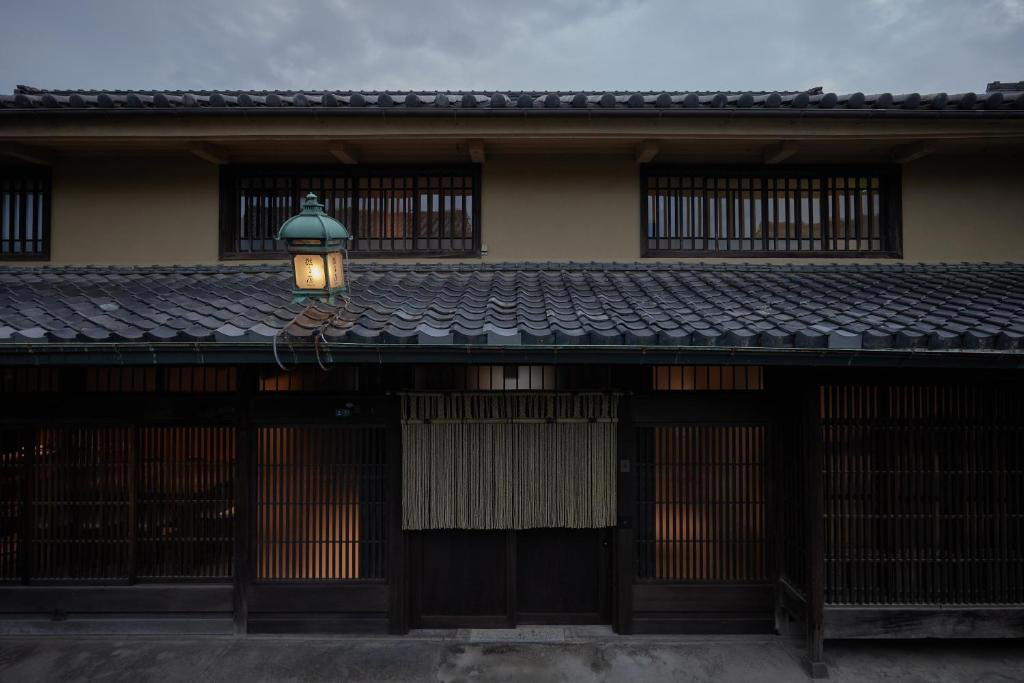
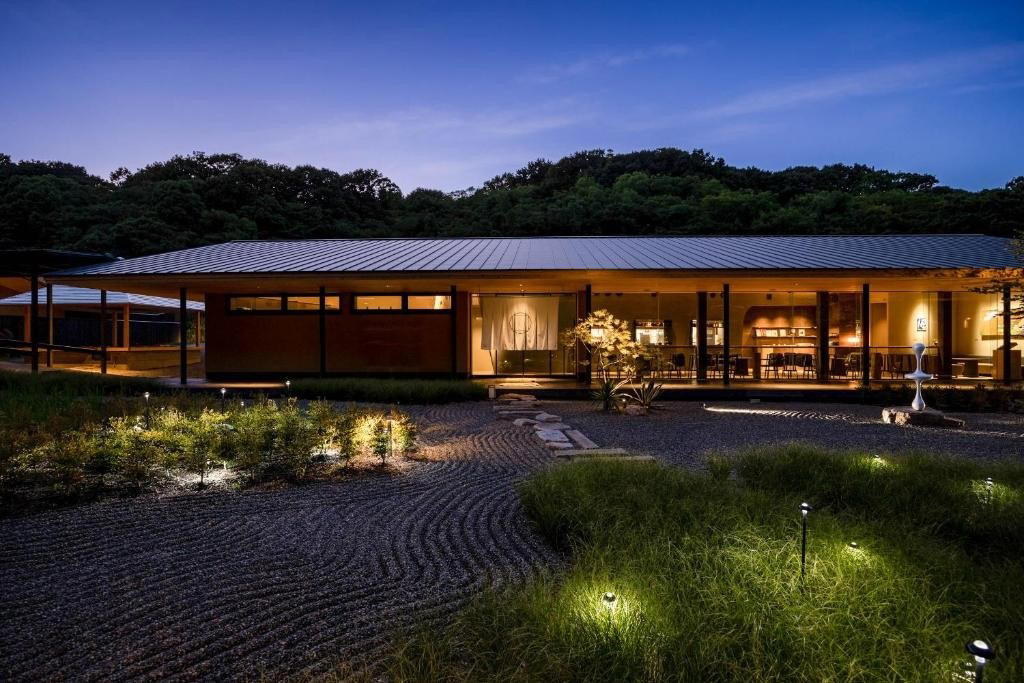
The restaurant has a warm, quietly elegant Japanese atmosphere with a hidden-retreat feel, limited seating around a teppan grill and softly lit interiors that suit dates and relaxed business dinners.[10][3]